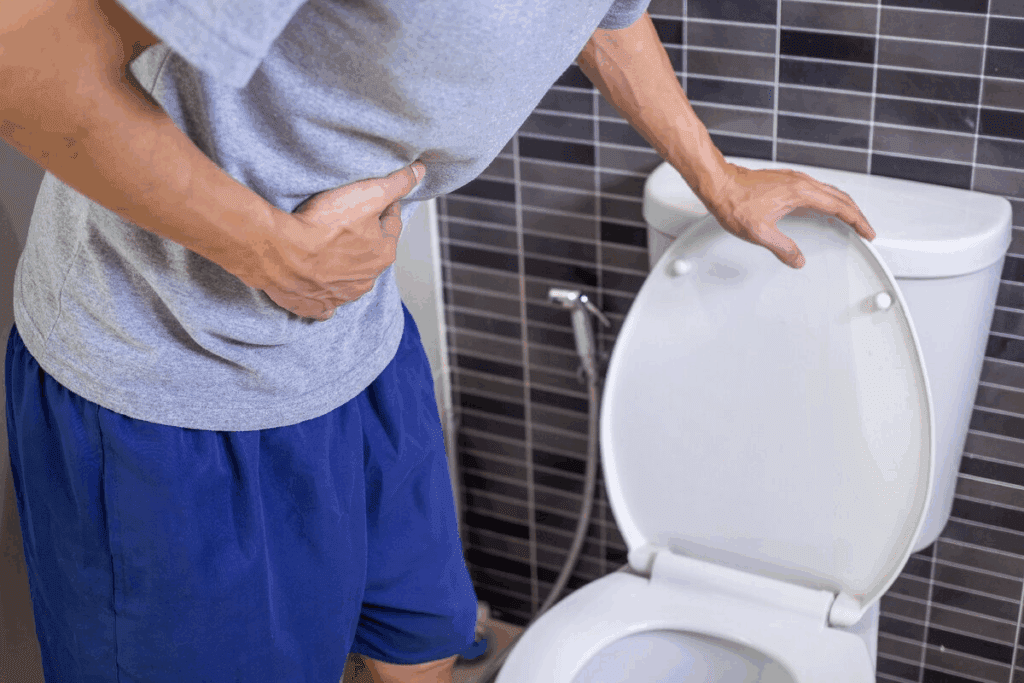
Have you noticed weight loss with diarrhea and wondered why? We’ll dive into how these two are connected. You’ll learn about the reasons behind diarrhea-related weight loss. Wondering “does diarrhea cause weight loss?” This guide gives 5 alarming facts about malabsorption, dehydration, and when it’s a critical sign ofIBD or celiac.
Studies show that weight loss from diarrhea mostly comes from losing water and fluids. It’s not about losing fat. Knowing this is key to staying healthy.
Key Takeaways
- Diarrhea can contribute to weight loss, but the relationship is complex.
- Immediate weight loss from diarrhea is mainly due to fluid loss.
- Underlying health conditions can play a significant role in diarrhea-related weight loss.
- Nutrient malabsorption is a key factor in the weight loss associated with diarrhea.
- Understanding the mechanisms behind diarrhea-related weight loss is essential for effective management.
The Connection Between Digestive Health and Body Weight

It’s important to know how digestive health affects body weight. Disorders like diarrhea can greatly impact weight changes.
Digestive disorders can change weight in different ways. We’ll look at how these disorders affect weight, both short-term and long-term.
How Digestive Disorders Affect Weight
Digestive issues, like diarrhea, can cause weight loss. This happens because of fluid and electrolyte loss. Also, not absorbing nutrients properly can affect weight.
“The gut plays a critical role in overall health, and its function can significantly impact body weight.” – Medical Expert, Gastroenterologist
Acute diarrhea, lasting one to two weeks, often comes from viruses. It can cause daily weight changes of 1.0 to 1.5 kilograms, mainly from fluid loss.
Short-Term vs. Long-Term Weight Changes
The length of diarrhea affects weight changes. Short-term diarrhea might lead to temporary weight loss from fluid loss. But, long-term diarrhea can cause more weight loss because of not absorbing nutrients well.
Duration of Diarrhea | Weight Change Characteristics |
Short-Term (1-2 weeks) | Temporary weight loss, mainly from fluid loss |
Long-Term (4+ weeks) | Significant and lasting weight loss from malabsorption |
It’s key to understand the difference between short-term and long-term weight changes. Knowing this helps manage digestive disorders better. It lets people take steps to lessen the impact of diarrhea on their weight.
Does Diarrhea Cause Weight Loss? The Scientific Answer

Diarrhea can cause weight loss in several ways. When we have diarrhea, our body can’t absorb nutrients well. This leads to weight loss.
The Mechanisms Behind Diarrhea-Related Weight Loss
Diarrhea leads to weight loss through fluid loss, dehydration, and poor nutrient absorption. Diarrhea makes us lose water and important electrolytes. This can mess up our body’s functions.
Fluid loss is a big reason for weight loss with diarrhea. The more diarrhea we have, the more fluid we lose. This can cause dehydration if not treated.
Research Findings on Fluid Loss and Weight Fluctuations
Studies show fluid loss is key in weight changes with diarrhea. People with diarrhea can lose a lot of weight just from losing fluids.
Condition | Average Weight Loss | Primary Cause |
Mild Diarrhea | 0.5-1 kg | Fluid Loss |
Moderate Diarrhea | 1-2 kg | Fluid Loss, Nutrient Malabsorption |
Severe Diarrhea | 2+ kg | Fluid Loss, Nutrient Malabsorption, Dehydration |
Knowing how diarrhea affects weight is key to managing it. By tackling the root causes and using the right strategies, we can lessen its impact on our weight and health.
Can diarrhea make you lose weight? Yes, it can, by causing fluid loss, poor nutrient absorption, and dehydration. Understanding this is vital for creating effective treatments.
Acute vs. Chronic Diarrhea: Different Effects on Weight
It’s important to know the difference between acute and chronic diarrhea to understand their effects on weight. Diarrhea can make you lose weight, but how much depends on how long it lasts and why it happens.
Temporary Weight Changes in Short-Term Diarrhea
Acute diarrhea lasts less than two weeks and is common in the U.S. It usually causes temporary weight loss because of fluid loss, not fat. The body quickly loses water and salts, which can make you weigh less. But, you’ll likely regain this weight once you’re feeling better and eating normally again.
During acute diarrhea, you might lose a lot of fluids, which can cause dehydration. The weight loss is mostly water, not fat or muscle.
Significant Weight Loss in Chronic Diarrhea
Chronic diarrhea, lasting more than four weeks, can cause more lasting weight loss. It can lead to not absorbing nutrients well, which can reduce body weight. This includes losing both fat and muscle.
Chronic diarrhea can be due to many reasons, like inflammatory bowel diseases or malabsorption syndromes. It affects how well the body absorbs nutrients, leading to weight loss and other health issues.
Knowing the difference between acute and chronic diarrhea is key to managing weight changes. Acute diarrhea might cause temporary weight loss from fluid loss. But chronic diarrhea can lead to more serious nutritional problems and weight loss.
Quantifying Weight Loss During Diarrheal Episodes
It’s important to know how much weight we lose when we have diarrhea. Diarrhea not only takes away fluids but also important electrolytes. This can cause big changes in our weight.
Average Daily Weight Fluctuations
On average, people lose 1.0 to 1.5 kg (2.2 to 3.3 lbs) each day with diarrhea. This loss is mainly from fluid loss and dehydration. How much weight is lost can depend on many things.
For example, if diarrhea is caused by a virus, losing more fluids can happen because of fever and sweating. But, if it’s from food intolerance, changing what we eat can help keep more fluids in.
Factors That Influence Severity of Weight Loss
Several things can make weight loss from diarrhea worse. These include:
- The reason for the diarrhea, like an infection or not being able to absorb nutrients well.
- Having other symptoms like fever, vomiting, or stomach pain.
- How well we can stay hydrated and replace lost fluids.
- How well treatments or changes in diet work to stop diarrhea.
Knowing these factors helps us manage weight loss from diarrhea better. It also helps prevent dehydration and other problems.
Common Causes of Diarrhea That May Lead to Weight Changes
We will explore the common causes of diarrhea that may result in weight changes. This helps you understand this complex issue better. Diarrhea can come from many conditions, and knowing the cause is key to managing its effect on weight.
Infections
Infections like gastroenteritis and traveler’s diarrhea often cause diarrhea. These infections make the gut inflamed, leading to diarrhea, vomiting, and pain. The weight loss comes from losing fluids and eating less.
A study on traveler’s diarrhea showed people lost a lot of weight due to dehydration and eating less. Rehydration and nutritional support are critical in managing weight loss caused by such infections.
Inflammatory Bowel Diseases
Inflammatory bowel diseases (IBD), like Crohn’s disease and ulcerative colitis, cause long-term inflammation in the gut. This can lead to ongoing diarrhea, pain, and weight loss. The weight loss is not just from diarrhea but also from not absorbing nutrients well and using more energy.
“The chronic inflammation associated with IBD can lead to malnutrition, which in turn affects the patient’s overall health and weight.”
Nutrition in Clinical Practice
Malabsorption Syndromes
Malabsorption syndromes, such as celiac disease, make it hard for the body to absorb nutrients. Celiac disease is an immune reaction to gluten that damages the small intestine and hinders nutrient absorption. This can cause weight loss and other symptoms.
Condition | Primary Cause of Weight Loss | Management Strategy |
Gastroenteritis | Fluid Loss | Rehydration |
Crohn’s Disease | Malabsorption, Inflammation | Nutritional Support, Medication |
Celiac Disease | Malabsorption | Gluten-Free Diet |
Food Intolerances and Sensitivities
Food intolerances and sensitivities can also cause diarrhea and weight loss. Examples include lactose intolerance and fructose malabsorption. Eating foods they are intolerant to can lead to diarrhea and weight loss.
For example, avoiding lactose can help those with lactose intolerance manage their symptoms and regain lost weight.
Understanding the cause of diarrhea is the first step in managing its impact on weight. By addressing the underlying condition, whether it’s an infection, inflammatory bowel disease, malabsorption syndrome, or food intolerance, individuals can take steps to mitigate weight loss and improve their overall health.
The Hidden Dangers of Diarrhea-Related Weight Loss
Diarrhea can cause a lot of weight loss, but it hides serious health risks. The weight loss from diarrhea is not just about losing water. It also means losing important nutrients and electrolytes. This can lead to serious health problems if not managed well.
Dehydration and Electrolyte Imbalances
One big danger of losing weight from diarrhea is dehydration. Diarrhea makes us lose a lot of water and important salts like sodium and potassium. These salts help our body work right, from keeping fluids balanced to helping our muscles and nerves. If we don’t get these salts back, we can face serious issues.
- Dizziness and fainting
- Rapid heartbeat
- Low blood pressure
- In severe cases, organ failure
It’s key to replace lost fluids and salts when we have diarrhea. Drinking special solutions or electrolyte-rich drinks can help get things back in balance.
Nutritional Deficiencies
Diarrhea not only takes away fluids but also makes it hard to absorb nutrients. This can lead to nutritional deficiencies, affecting our health. We might not get enough proteins, vitamins, or minerals.
- Proteins
- Vitamins (like A, D, E, and K)
- Minerals (like iron, zinc, and magnesium)
These shortages can cause fatigue, weak immunity, and even serious problems like anemia or poor healing.
Muscle Mass Reduction
Diarrhea can also make us lose muscle mass. Muscle is key for strength, movement, and keeping our metabolism healthy. Losing muscle can make us weaker, slow down our metabolism, and even increase the risk of bone problems.
- Reduced strength and endurance
- Decreased metabolic rate, making it harder to lose weight or maintain weight loss
- Increased risk of osteoporosis and fractures
Eating right and staying active can help keep muscle during and after diarrhea.
Dietary Management During and After Diarrhea
When you have diarrhea, it’s important to choose the right foods. These foods can help ease your symptoms and help you get better. We suggest a mix of the best foods and staying hydrated to manage diarrhea well.
The BRAT Diet
The BRAT diet is a well-known way to handle diarrhea. It includes Bananas, Rice, Applesauce, and Toast. These foods are gentle on your stomach and can make your stool firmer.
- Bananas are easy to digest and full of potassium, a key mineral lost in diarrhea.
- Rice, mainly white rice, is bland and helps firm up your stool.
- Applesauce is easy to digest and gives you calories and fiber.
- Toast from white bread is bland and helps settle your stomach.
Foods That Help Recovery
There are more foods that can help you recover from diarrhea. These include:
- Plain Yogurt: It has probiotics that help balance your gut bacteria.
- Lean Proteins: Foods like chicken and fish are easy to digest and give you important nutrients.
- Clear Broths: They help replace lost fluids and electrolytes.
Foods to Avoid When Experiencing Diarrhea
Some foods can make diarrhea worse and should be avoided. These include:
- Dairy Products (except for plain yogurt, which has probiotics).
- High-Fiber Foods that are hard to digest.
- Fatty or Greasy Foods that can upset your stomach.
- Caffeine and Alcohol, which can make dehydration worse.
Hydration Strategies
It’s key to stay hydrated when you have diarrhea. We suggest:
- Drinking Plenty of Fluids: Water, clear broths, and drinks with electrolytes like sports drinks can replace lost fluids.
- Oral Rehydration Solutions: Products like Pedialyte are great for replacing lost electrolytes.
- Avoiding Caffeine and Carbonated Drinks that can make dehydration worse.
Medical Treatments for Diarrhea and Associated Weight Loss
Managing diarrhea and weight loss involves several medical treatments. These can help ease symptoms and aid in recovery. The right treatment depends on the cause of diarrhea and may include medicines and lifestyle changes.
Over-the-Counter Options
Over-the-counter (OTC) medications are key in treating diarrhea. Loperamide, or Imodium, slows bowel movements and reduces diarrhea frequency. Bismuth subsalicylate, found in Pepto-Bismol, protects the stomach and intestines.
These OTC options can quickly ease acute diarrhea. But, it’s important to follow the dosage and talk to a doctor if symptoms don’t improve.
Prescription Medications
When OTC meds aren’t enough, or the cause of diarrhea is more complex, prescription meds are needed. For infections, antibiotics might be prescribed. For inflammatory bowel disease (IBD), drugs that reduce inflammation are used.
Always use prescription meds as directed by a doctor. They can have serious side effects and interact with other drugs.
Addressing Underlying Causes
Managing symptoms is important, but treating the cause of diarrhea is key for lasting recovery. This might mean changing your diet or avoiding certain foods. For celiac disease or food intolerances, avoiding problem foods is essential.
In some cases, diarrhea is a sign of a bigger issue like gastroenteritis or irritable bowel syndrome (IBS). Treating this underlying condition can help fix diarrhea and weight loss issues.
Combining medical treatments with the right lifestyle and diet changes can help manage diarrhea and weight loss. This approach supports overall health and recovery.
When to Seek Medical Help for Diarrhea and Weight Loss
If you’re dealing with ongoing diarrhea and weight loss, it’s important to know when to get medical help. Diarrhea can cause dehydration and a lack of nutrients. Unexplained weight loss might point to a serious health issue. Knowing when to seek medical help is key to your health and recovery.
Warning Signs That Require Immediate Attention
Certain symptoms with diarrhea and weight loss need quick medical check-ups. These include:
- Severe dehydration symptoms, such as excessive thirst, dark urine, or dizziness
- Blood in your stool or black, tarry stools
- Severe abdominal pain
- Fever above 101.5°F (38.6°C)
- Signs of malnutrition, such as hair loss, poor wound healing, or fatigue
Immediate medical attention is vital if you notice any of these signs. Waiting too long can make things worse.
Diagnostic Approaches
When you see your healthcare provider, they will do a detailed check-up. This might include:
- Medical history: They’ll ask about your symptoms, travel, and medications.
- Physical examination: A thorough check for dehydration, malnutrition, or other issues.
- Laboratory tests: Stool tests, blood work, or other tests to find infections or malabsorption.
- Imaging studies: X-rays, CT scans, or endoscopy to see the gastrointestinal tract.
These steps help your healthcare provider find the cause of your symptoms. They can then create a treatment plan.
What to Tell Your Healthcare Provider
To get a correct diagnosis and treatment, share all the details with your healthcare provider. Be ready to talk about:
- The duration and frequency of your diarrhea
- Any recent travel or new foods
- Your diet and appetite changes
- Any medications or supplements
- Family history of gastrointestinal disorders
Being open and honest with your healthcare provider is important. It helps them diagnose and treat you better. They want to help you recover and manage your condition.
In summary, if you have persistent diarrhea and weight loss, seek medical help. Knowing the warning signs and being ready for your visit can help you get the care you need.
Conclusion: Healthy Recovery from Diarrhea-Related Weight Changes
Recovering from diarrhea-related weight loss needs a full plan. This plan includes staying hydrated, eating right, and getting medical help. We’ve looked at how our digestive health affects our weight, showing why managing diarrhea is key.
With the right treatment, you can get back to a healthy weight. This means eating well, drinking plenty of water, and seeing a doctor when needed. Knowing why diarrhea affects weight helps you take action for a better recovery.
To recover well, eat foods rich in nutrients and drink lots of water. Also, tackle any health issues that might be causing the problem. This way, you can avoid the dangers of losing too much weight from diarrhea and get back to feeling good.
FAQ
Does diarrhea cause weight loss?
Yes, diarrhea can lead to weight loss. This is due to losing fluids, dehydration, and not absorbing nutrients well. The amount of weight lost depends on the cause and how long you have diarrhea.
Are bananas good for diarrhea?
Yes, bananas are good for diarrhea. They are easy to digest and full of potassium. Potassium is important when you have diarrhea because it helps replace lost electrolytes.
Is cucumber good for diarrhea?
Cucumbers are easy to digest and can help with hydration. But, eat them in small amounts. Watch how your body reacts to them when you have diarrhea.
Are raisins good for diarrhea?
Raisins are not the best choice when you have diarrhea. They have a lot of fiber and sugar, which can make symptoms worse. But, they can be a healthy snack after diarrhea goes away.
Are rice cakes good for diarrhea?
Yes, rice cakes are good for diarrhea. They are part of the BRAT diet (Bananas, Rice, Applesauce, Toast). They are bland and easy to digest, making them a good choice during diarrhea.
What is classified as diarrhea?
Diarrhea is loose, watery stools, or three or more loose stools in 24 hours. It can be mild or severe. Chronic diarrhea lasts four weeks or more.
Does having diarrhea make you lose weight?
Yes, diarrhea can make you lose weight. This is mainly because of fluid loss and dehydration. Long-term diarrhea can also lead to losing nutrients.
Can diarrhea cause you to lose weight?
Yes, diarrhea can cause weight loss. It’s not just about losing fluids. Chronic diarrhea can also mean not getting enough nutrients.
Is diarrhea a sign of losing weight?
Diarrhea is not a way to lose weight. It’s a sign of a problem that needs to be fixed.
Does diarrhea make you lose weight?
Yes, diarrhea can lead to weight loss. How much weight you lose depends on how long and how bad the diarrhea is, and the cause.
Does weight loss cause diarrhea?
Weight loss itself doesn’t cause diarrhea. But, some conditions that cause weight loss can also lead to diarrhea, like malabsorption syndromes or inflammatory bowel diseases.
Does diarrhoea make you lose weight?
Yes, diarrhea can cause weight loss. This is due to fluid loss and not absorbing nutrients well.
Do you lose weight from diarrhea?
Yes, diarrhea can lead to weight loss. It’s important to find out why you have diarrhea and make sure you stay hydrated and eat well.
Is lettuce good for diarrhea?
Lettuce is not usually recommended when you have diarrhea. It’s high in fiber, which can be hard to digest. But, cooked or steamed lettuce might be okay in some cases.
Orange diarrhea NHS?
Orange diarrhea can mean different things. The NHS says to see a doctor if you have unusual stool colors or diarrhea that doesn’t go away. It could be a sign of something serious that needs medical help.
References
https://www.verywellhealth.com/diarrhea-and-weight-loss-5212617