
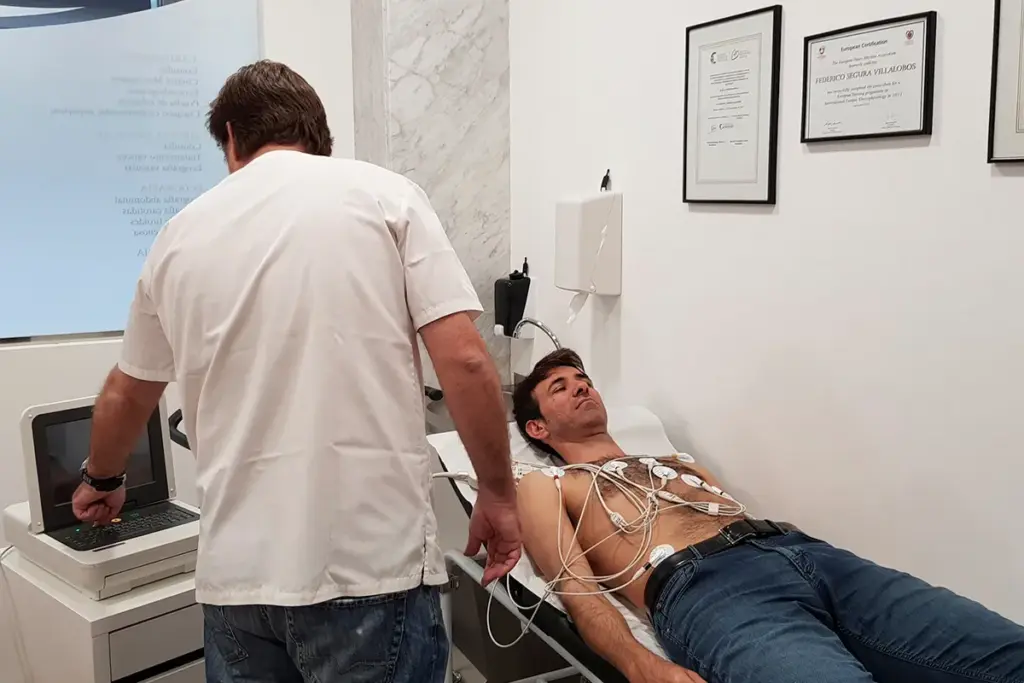
Heart disease is a big problem worldwide, with coronary artery disease leading to many heart attacks. A Holter monitor is a small device that tracks the heart’s electrical signals for 24 to 48 hours.
Does EKG show blockage? Get the best vital facts about heart detection. Learn what this test reveals about your arteries and safety risks.
Holter monitors help find and track heart issues like arrhythmias and ischemia. But, they can’t directly spot clogged arteries.
It’s key to know what Holter monitors can and can’t do for heart health. We’ll look at how they help check heart health and find artery blockages.
Key Takeaways
- A Holter monitor is a device used to record the heart’s electrical activity over 24 to 48 hours.
- It is mainly used to find arrhythmias and ischemia.
- While useful for heart health, Holter monitors can’t directly find clogged arteries.
- Knowing what Holter monitors do is important for heart condition management.
- Other tests might be needed to find artery blockages.
Understanding EKGs: What They Show and Limitations
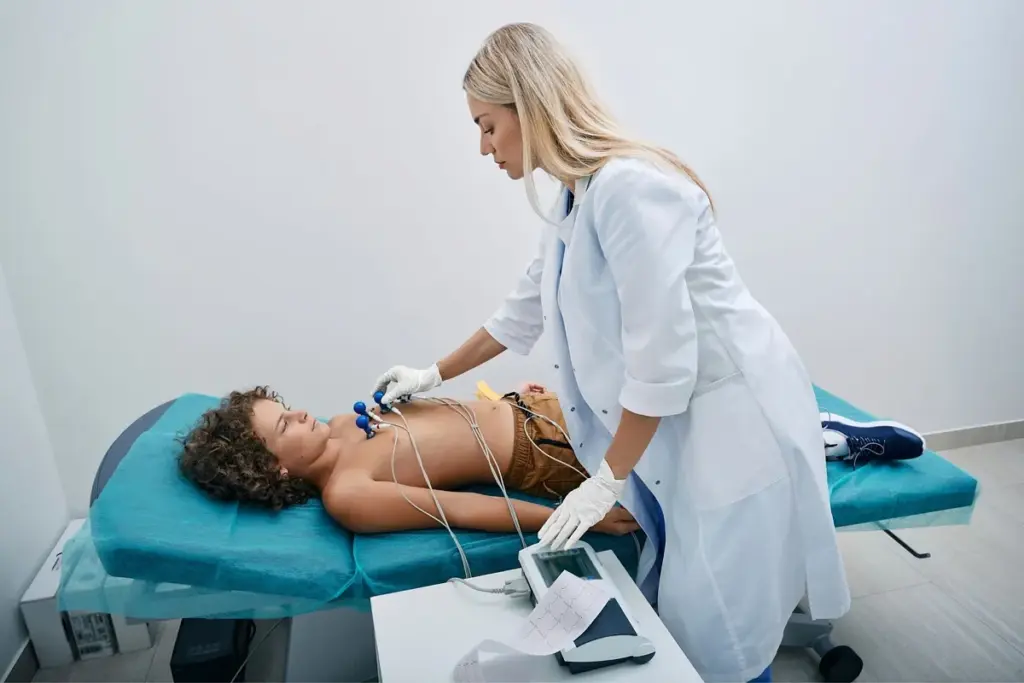
EKGs are key in checking the heart’s electrical work. They show how well the heart is working. This test is important for heart health.
What is an EKG?
An EKG is a test that looks at the heart’s electrical signals. It’s non-invasive and shows how the heart beats and pumps blood. Doctors use it to find heart problems.
How EKGs Indicate Heart Health
EKGs give a quick look at the heart’s electrical activity. They can spot irregular heartbeats and when the heart muscle doesn’t get enough oxygen. This helps doctors diagnose and treat heart issues.
Can EKGs Detect Blockages?
EKGs are good for checking heart health but can’t find blockages directly. They can show signs of ischemia, which might mean a blockage. But, other tests like angiography are needed to see blockages clearly.
Knowing what EKGs can and can’t do is key for correct diagnosis and treatment. We use EKGs as part of a full check-up to understand heart health better.
The Role of a Holter Monitor in Cardiac Assessment
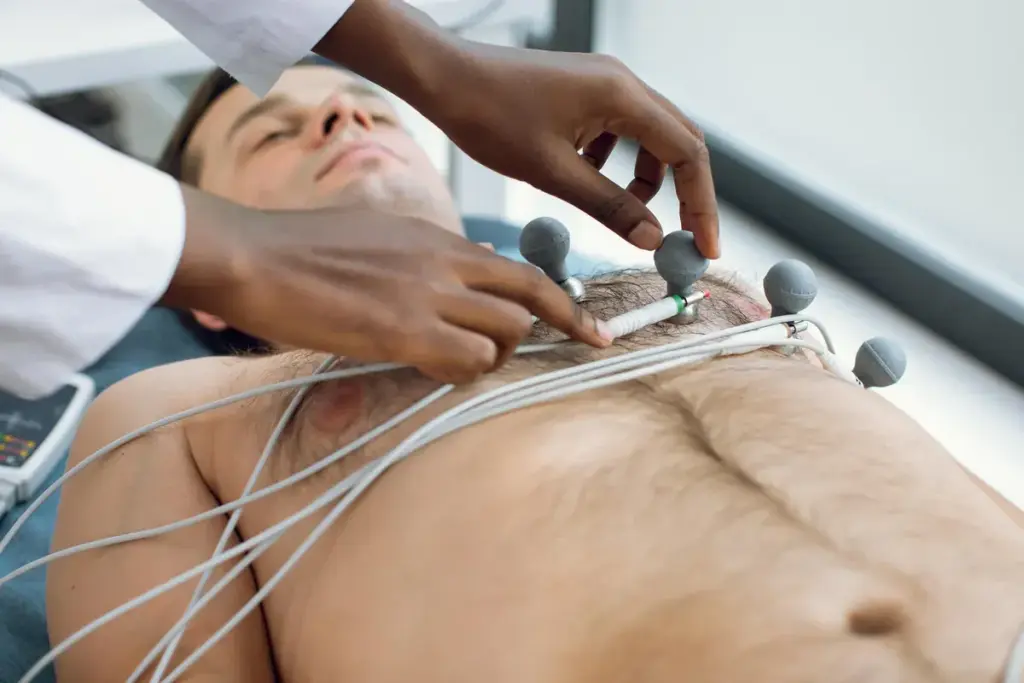
Holter monitors are key in heart diagnostics. They record heart activity during daily life. This is great for finding heart issues that a short EKG might miss.
What is a Holter Monitor?
A Holter monitor is a portable device. It tracks the heart’s activity for 24 to 48 hours. It captures heart rhythms and patterns during different activities. Holter monitors are great for finding heart issues that only show up sometimes.
How is a Holter Monitor Different from an EKG?
Holter monitors and EKGs both record heart activity. But, Holter monitors do it for longer. An EKG is quick, lasting just a few minutes. A Holter monitor tracks the heart for hours. This lets doctors get a clearer picture of a patient’s heart health.
When is a Holter Monitor Used?
A Holter monitor is used in many situations, including:
- Diagnosing symptoms that come and go, like palpitations or dizziness.
- Watching heart activity in people with suspected arrhythmias.
- Checking if certain heart medicines work well.
Using a Holter monitor helps doctors get detailed info about a patient’s heart. This leads to better diagnoses and treatment plans.
How Blockages Develop in Arteries
It’s important to know how blockages form in arteries to fight heart disease. Arterial blockages happen when plaque, made of fat, cholesterol, and more, builds up. This can lead to serious heart problems.
Causes of Arterial Blockages
Blockages in arteries are mainly due to plaque buildup. This is influenced by genetics and lifestyle. High cholesterol, smoking, and eating too much saturated fat speed up plaque formation.
Other factors like high blood pressure, diabetes, and being overweight also play a role. These can damage artery walls, making them more prone to plaque.
Symptoms Associated with Blocked Arteries
The signs of blocked arteries vary based on where and how bad the blockage is. Common signs include chest pain (angina), shortness of breath, and feeling tired. Sometimes, a blockage might not show symptoms until it’s too late, like during a heart attack.
It’s key to catch these symptoms early for quick medical help. If you notice any, see a doctor right away.
Keeping your heart healthy is vital. Eat well, exercise regularly, and don’t smoke to lower your risk of blockages. Knowing the causes and symptoms is the first step to managing and preventing them.
EKG vs. Holter Monitor: Key Differences
EKGs and Holter monitors help check heart health but in different ways. EKGs give a quick look at the heart’s electrical activity. Holter monitors, on the other hand, record heart activity for hours or days.
Length of Monitoring
The main difference is how long they monitor. EKGs record for seconds to minutes. Holter monitors can track for 24 to 48 hours or more.
This longer time lets doctors see heart activity over time. They can catch symptoms or irregularities that short EKG tests might miss.
Types of Data Collected
Both tests look at the heart’s electrical activity, but they collect different data. EKGs show the heart’s activity at rest. Holter monitors track changes in heart activity over time, including during activity and rest.
- EKG: Records heart rate and rhythm at a specific moment.
- Holter Monitor: Tracks heart activity over an extended period, capturing changes and irregularities.
Interpretation Challenges
Understanding data from both tests needs skill. EKGs aim to capture a snapshot of heart activity. Holter monitors face the challenge of analyzing a lot of data collected over time.
To make sense of Holter monitor data, we must look at patient activity, symptoms, and any heart activity changes during monitoring.
Reliable Tests for Detecting Clogged Arteries
Healthcare providers use various tests to find clogged arteries. These tests help see if there are blockages and check the heart’s health.
Stress Tests
A stress test, or treadmill test, checks how the heart works when stressed. You might walk on a treadmill or bike while your heart rate and blood pressure are watched. Stress tests can show signs of coronary artery disease and help find clogged arteries.
Angiography
Angiography uses a contrast agent to see blockages in arteries. It gives doctors clear images of the arteries. There are different types of angiography, including coronary angiography, which looks at the heart’s arteries.
Advanced Imaging Techniques
Tests like MRI and CT scans give detailed views of the heart and its vessels. These tests are non-invasive and can spot clogged arteries. Cardiac MRI and CT angiography are very helpful for complex heart issues.
These tests help doctors find clogged arteries and plan treatments. It’s important to talk to a cardiologist to figure out the best treatment for you.
Limitations of EKGs and Holter Monitors
EKGs and Holter monitors are key tools in diagnosing heart issues. Yet, knowing their limits is vital for good patient care. They give insights into heart function but miss some details in certain cases.
Situations EKGs May Miss
EKGs are great for spotting heart problems like arrhythmias and ischemia signs. But, they might miss symptoms that pop up during exercise or are not there at rest. An EKG done when you’re not active might not show problems that show up when you move.
Here are some times when EKGs might not catch the issue:
- Intermittent arrhythmias that don’t show up during the test
- Symptoms that aren’t there when the EKG is done
- Conditions that need long-term monitoring to spot
A cardiologist, says, “EKGs are just one part of figuring out what’s wrong. We need to look at the whole picture of the patient’s health.”
This illustrates the importance of combining EKG results with other tests and patient information for a comprehensive understanding.
Understanding False Negatives
False negatives happen when a test says a condition isn’t there when it is. Both EKGs and Holter monitors can give false negatives. This can delay finding and treating the problem.
Several things can lead to false negatives, including:
|
Factor |
Description |
Impact on Diagnosis |
|---|---|---|
|
Timing of the Test |
If the test is done when symptoms aren’t there |
May miss conditions that only show up sometimes |
|
Test Sensitivity |
How well the test can find certain conditions |
Can miss diagnosing some heart issues |
|
Patient Factors |
How a patient’s body or condition affects the test |
Can make the test results less accurate |
Knowing these limits helps doctors understand test results better. This way, they can decide on the right next steps for treatment.
In short, EKGs and Holter monitors are very useful but not perfect. Knowing their limits helps doctors use them right. This ensures patients get the best care possible.
Lifestyle Factors Affecting Heart Health
Our heart health is shaped by our daily choices. This includes what we eat, how much we move, and our habits like smoking and drinking. A healthy lifestyle is key to keeping our hearts in good shape and avoiding heart diseases.
Diet and Exercise: Foundations of Heart Health
Eating a balanced diet is vital for heart health. Nutritional balance helps keep cholesterol and blood pressure healthy. Regular exercise, like walking or swimming, boosts heart health, helps manage weight, and lowers stress.
It’s important to make exercise a regular part of our lives. Aim for at least 150 minutes of moderate exercise or 75 minutes of vigorous exercise each week. Adding physical activity to our daily routine can greatly lower heart disease risk.
|
Lifestyle Factor |
Impact on Heart Health |
Recommendations |
|---|---|---|
|
Diet |
Affects cholesterol levels and blood pressure |
Consume a balanced diet rich in fruits, vegetables, and whole grains |
|
Exercise |
Improves cardiovascular health and aids in weight management |
Engage in at least 150 minutes of moderate-intensity aerobic activity per week |
|
Smoking |
Significantly increases the risk of heart disease and stroke |
Quit smoking to reduce cardiovascular risks |
|
Alcohol Consumption |
Excessive consumption can lead to high blood pressure and heart disease |
Limit alcohol intake to moderate levels |
The Role of Smoking and Alcohol in Heart Health
Smoking is a big risk for heart disease. It damages blood vessels, making them more likely to block. Quitting smoking is a powerful way to lower heart disease risk and improve health.
Too much alcohol can cause high blood pressure, heart failure, and stroke. Drinking in moderation is key. For women, this means up to one drink a day, and for men, up to two. Limiting alcohol intake is essential for heart health.
By choosing wisely about our diet, exercise, smoking, and drinking, we can greatly improve our heart health. This reduces the chance of heart diseases.
Signs You May Need Further Testing
Certain symptoms can signal that further testing is necessary to assess heart health accurately. Being aware of these signs can prompt individuals to seek medical evaluation, potentially preventing serious cardiac events.
Common Symptoms to Watch For
Several symptoms may indicate the need for further cardiac testing. These include:
- Chest Pain or Discomfort: Often described as pressure, tightness, or pain in the chest, this symptom can be a sign of underlying coronary artery disease.
- Shortness of Breath: Difficulty breathing or feeling winded even when sitting or doing light activities.
- Dizziness or Lightheadedness: Feeling faint or as if one might pass out.
- Palpitations: Irregular heartbeats or the sensation of the heart racing.
|
Symptom |
Possible Indication |
|---|---|
|
Chest Pain |
Coronary Artery Disease |
|
Shortness of Breath |
Heart Failure or Arrhythmia |
|
Dizziness |
Bradycardia or Other Heart Rhythm Issues |
When to Contact a Healthcare Provider
If you’re experiencing any of the aforementioned symptoms, it’s vital to contact a healthcare provider. They can assess your condition and decide if further testing, like a stress test or echocardiogram, is needed.
Prompt medical attention is key if symptoms are severe, persistent, or with other signs like severe chest pain, confusion, or difficulty speaking.
The Importance of Regular Heart Monitoring
Keeping an eye on your heart’s rhythm is key to good heart health. It helps spot problems early. We know how vital it is to care for your heart ahead of time.
Benefits of Early Detection
Finding heart issues early can lead to better treatment. Early catches mean less risk of big problems. Regular heart monitoring helps find arrhythmias and other heart issues that might need a pacemaker.
- Improved treatment outcomes
- Reduced risk of complications
- Enhanced quality of life through timely interventions
Scheduling Regular Check-Ups
Seeing your doctor regularly is a must for heart health. They might suggest heart monitoring to check your heart’s work. This can show if there are any heart rhythm problems and if you need a pacemaker.
By focusing on regular heart checks, you’re taking care of your heart. We suggest talking to your doctor about how often you should get checked. This will help keep your heart in top shape.
Consult a Cardiologist: When and Why
A cardiologist is key in heart health care. But when should you see one? Knowing when to get a cardiologist’s help is vital for your heart.
Role of a Cardiologist in Diagnosis
A cardiologist focuses on heart issues. They use tests like EKGs and Holter monitors to check heart function. “A cardiologist is not just a doctor; they are heart specialists who can provide detailed insights into your heart health,” says a leading cardiologist.
At your visit, a cardiologist will check your heart, talk about your health history, and suggest treatments. They are essential for managing heart failure and deciding if you need a pacemaker.
How to Prepare for Your Visit
Getting ready for your cardiologist visit is important. Here’s how:
- Gather your medical records, including previous test results and diagnoses.
- List your symptoms, including when they occur and any factors that seem to trigger or relieve them.
- Note your medications, including dosages and frequencies.
- Prepare questions to ask your cardiologist, such as what lifestyle changes you can make to improve your heart health.
Being prepared helps you have a better talk with your cardiologist. This way, you get the best care for your heart.
It’s also important to understand pacemakers and their benefits. A pacemaker can help control heartbeats in people with heart conditions. This might improve symptoms of congestive heart failure.
Managing Heart Health Post-Diagnosis
Managing heart health after a diagnosis requires both medical treatment and lifestyle changes. It’s important to know the treatment options and lifestyle adjustments that can help. This knowledge is key to improving your heart health.
Treatment Options for Blocked Arteries
There are several ways to treat blocked arteries, depending on the blockage’s severity and your health. These include:
- Medications: To manage symptoms and slow the disease’s progression.
- Angioplasty and Stenting: A procedure to open and keep arteries open.
- Coronary Artery Bypass Grafting (CABG): Surgery to bypass blocked arteries.
For some, a pacemaker might be recommended. This is often for heart arrhythmia or slow heart rate. A pacemaker ensures the heart beats at a consistent rate.
|
Treatment Option |
Description |
Benefits |
|---|---|---|
|
Medications |
Drugs to manage heart disease |
Reduces symptoms, slows disease progression |
|
Angioplasty and Stenting |
Procedure to open blocked arteries |
Restores blood flow, reduces angina |
|
CABG |
Surgery to bypass blocked arteries |
Improves survival, reduces symptoms |
Lifestyle Changes for Improved Heart Health
Along with medical treatments, certain lifestyle changes can greatly improve heart health. These include:
- Dietary Changes: Eating a heart-healthy diet with lots of fruits, vegetables, and whole grains.
- Regular Exercise: Doing physical activities that fit your condition.
- Smoking Cessation: Quitting smoking to prevent more heart damage.
- Stress Management: Using stress-reducing techniques like meditation or yoga.
Combining these lifestyle changes with the right medical treatment can help manage heart health post-diagnosis. This approach can significantly improve your quality of life.
Conclusion: Understanding Heart Monitoring for Better Health
Heart monitoring is key to keeping our hearts healthy. We’ve looked at tests like EKGs and Holter monitors. These help us prevent and manage heart problems.
Recap of Essential Points
Regular heart checks are very important. Different tests help us understand our heart health. Knowing about pacemakers is also important for some heart conditions.
Prioritizing Heart Health
Knowing the signs for heart tests is important. Being proactive can lower heart risks. Regular doctor visits are a big part of staying healthy.
By staying informed and taking action, we can improve our heart health. This leads to better overall well-being.
FAQ
What is a pacemaker, and how does it work?
A pacemaker is a small device implanted under the skin. It helps control the heartbeat by sending electrical impulses. This makes the heart muscle ‘s used to treat abnormal heart rhythms, like a slow heart rate.
Why do people need a pacemaker?
People might need a pacemaker if their heart rhythm is affected. This includes conditions like bradycardia, heart block, or certain heart failures. A pacemaker can restore a normal can improve symptoms like fatigue, dizziness, and shortness of breath.
What are the symptoms of a slow heart rate that may require a pacemaker?
Symptoms of a slow heart rate, or bradycardia, include fatigue and dizziness. You might also feel lightheaded, short of breath, or faint. If you have these symptoms, your doctor might suggest a pacemaker.
Can a pacemaker help with congestive heart failure?
Yes, a pacemaker can help manage certain heart failures, including congestive heart failure. It helps coordinate the heartbeat and improve pumping function. This can alleviate symptoms and improve quality of life.
How is a pacemaker implanted?
A pacemaker is implanted in a minor surgical procedure. The device is inserted under the skin, usually in the chest. The procedure is done under local anesthesia, and the patient is awake.
What are the risks and complications associated with having a pacemaker?
There are risks and complications with pacemakers, like infection and bleeding. Device malfunction is also a possibility. But these risks are generally low. Most people with pacemakers lead active, normal lives.
Can you have a heart attack with a pacemaker or defibrillator?
Yes, it’s possible to have a heart attack even with a pacemaker or defibrillator. These devices can manage certain heart conditions but don’t prevent heart attacks. It’s important to follow a healthy lifestyle and manage heart conditions to reduce heart attack risk.
How do I know if I need a pacemaker?
If you have symptoms like fatigue, dizziness, or shortness of breath, see your doctor. They will do tests, like an electrocardiogram (ECG), to check your heart rhythm. They’ll decide if a pacemaker is needed.
Reference
National Center for Biotechnology Information. Evidence-Based Medical Insight. Retrieved from https://pubmed.ncbi.nlm.nih.gov/17221332/



 Departments
 Related Videos
 Our Doctors
 News
News