


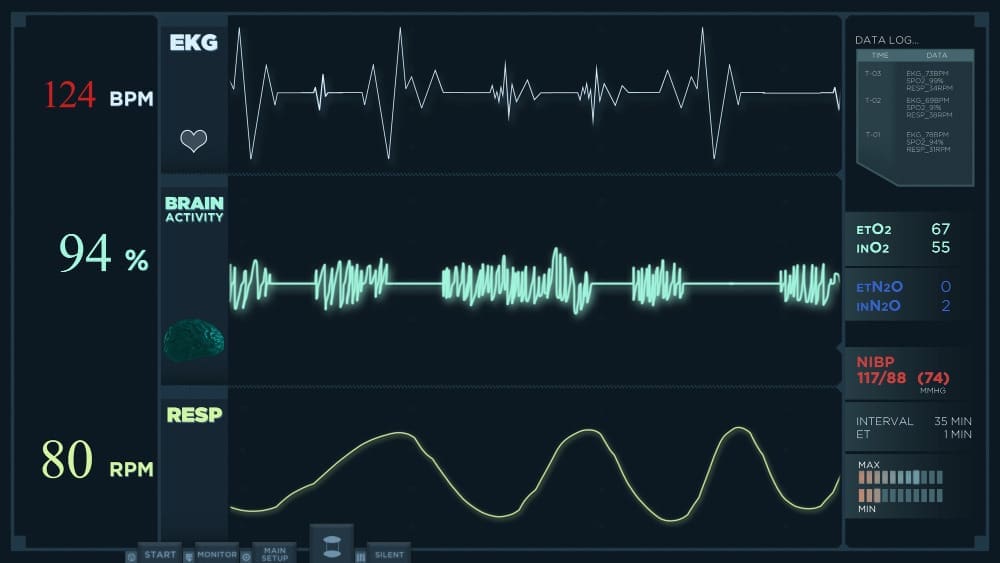
Diagnosing angina needs a mix of doctor’s checks and tests. At Liv Hospital, we focus on our patients, using top tech to get the right answers.
The electrocardiogram (ECG or EKG) is key in finding angina. It spots heart changes during pain, showing if angina shows up on ECG.
We use ECG, echocardiogram, and blood tests to find angina. Our aim is to diagnose quickly and correctly, so our patients get the best care.
Key Takeaways
- Diagnosing angina involves clinical assessment and diagnostic tests.
- ECG is a primary tool used to diagnose angina.
- Liv Hospital uses a patient-centered approach with the latest diagnostic technologies.
- Various diagnostic tests, including ECG, echocardiogram, and blood tests, are used.
- Timely and accurate diagnosis is key for good care.
Understanding Angina: Symptoms and Types
Understanding angina starts with knowing its symptoms and types. This knowledge is key for getting medical help quickly. Angina pectoris, or angina, is chest pain or discomfort caused by the heart not getting enough oxygen.
Common Symptoms of Angina
Symptoms of angina can differ from person to person. But, they often include feeling tight in the chest, pain in the arms, neck, or jaw, and shortness of breath. These happen when the heart muscle doesn’t get enough oxygen-rich blood.
Common symptoms include:
- Chest pain or discomfort
- Pain radiating to the arms, neck, or jaw
- Shortness of breath
- Fatigue
- Lightheadedness
Different Types of Angina and Their Characteristics
There are several types of angina, each with its own traits. These include stable angina, unstable angina, and variant angina.
| Type of Angina | Characteristics |
|---|---|
| Stable Angina | Predictable chest pain or discomfort, usually triggered by exertion or stress, relieved by rest or medication. |
| Unstable Angina | Unexpected chest pain or discomfort, often at rest, showing a serious condition that might lead to a heart attack. |
| Variant Angina | Chest pain or discomfort at rest, often due to spasm in the coronary artery, and may be linked to irregular heart rhythms. |
When to Seek Medical Attention
If you have angina symptoms, it’s important to see a doctor. This is true for severe, ongoing, or painful symptoms, along with signs like dizziness or nausea. Unstable angina is a serious emergency that needs quick medical care.
If you’re feeling chest pain or discomfort, don’t wait to get medical help.
The Clinical Assessment of Angina
Diagnosing angina requires a detailed clinical assessment. This includes looking at the patient’s medical history, conducting a physical exam, and evaluating risk factors. We’ll explore how these steps help in diagnosing and managing angina.
Medical History Evaluation
Starting with the patient’s medical history is key. This step gathers info on symptoms, past heart issues, and other health conditions. A thorough medical history helps doctors understand the patient’s heart risk and find angina causes.
Important parts of medical history include:
- Describing chest pain or discomfort, like when it happens and how bad it is
- Looking at past angina or heart attacks
- Checking family heart disease history
- Reviewing conditions like high blood pressure, diabetes, or high cholesterol
Physical Examination Techniques
A physical exam is vital for diagnosing angina. Doctors use different methods to find signs of heart disease or other issues that might cause angina.
Some common exam techniques are:
- Measuring blood pressure and heart rate
- Listening to heart sounds for murmurs or other problems
- Checking for signs of artery disease in the legs
- Looking for other heart risk factors, like being overweight or smoking
Medical guidelines say a full physical exam is key to finding angina causes and heart risk.
Risk Factor Assessment
Checking a patient’s risk factors is a big part of the angina assessment. It’s about finding factors that can be changed or can’t be changed that affect heart disease.
Common risk factors for angina are:
- Hypertension
- Hyperlipidemia
- Diabetes mellitus
- Smoking
- Family history of heart disease
Knowing a patient’s risk factors helps doctors create a better treatment plan. This can lower the chance of future heart problems.
Angina EKG: How Electrocardiograms Detect Heart Problems
The electrocardiogram (ECG or EKG) is a key tool for finding heart issues linked to angina. It records the heart’s electrical activity. This helps spot patterns that might show ischemia or other heart problems.
Basic Principles of EKG/ECG Technology
Electrocardiography measures the heart’s electrical activity through skin electrodes. These electrodes pick up the small electrical changes from the heart’s muscle activity. The data is then shown as a tracing on the ECG, giving a snapshot of the heart’s electrical activity.
Key components of an ECG include the P wave, QRS complex, and T wave. Each part shows a different stage of the heart’s electrical cycle. The P wave is for atrial depolarization, the QRS complex for ventricular depolarization, and the T wave for ventricular repolarization. Doctors use these to spot heart rhythm problems and signs of ischemia or infarction.
EKG Patterns During Angina Episodes
During angina, specific ECG changes can be seen, showing myocardial ischemia. ST-segment depression is common, meaning the heart muscle isn’t getting enough oxygen. T-wave inversion is also a sign of ischemia. These changes are key for diagnosing angina and understanding its severity.
“ECG changes during angina can provide critical information about the presence and severity of coronary artery disease.”
Limitations of Resting EKG for Angina Detection
Resting ECGs are useful but have limits in finding angina. They might not show ischemic changes if done between angina episodes. So, a normal resting ECG doesn’t mean you can’t have angina. Stress tests or ambulatory ECG monitoring might be needed to detect angina and its severity.
Diagnosing angina needs a full approach, including clinical checks and tests like the ECG. Knowing how ECGs work and their limits helps doctors make better diagnoses. This leads to more effective treatment plans for angina patients.
Does Angina Show Up on ECG or EKG?
An electrocardiogram (ECG or EKG) can give important clues about angina. But, it works best when done during an angina episode. This is because the ECG can show changes that help doctors diagnose angina.
ECG Findings During Active Angina Episodes
When someone is having an angina episode, an ECG can show key signs. These signs include ST-segment depression or elevation, and T-wave changes. ST-segment depression is a common finding, showing a drop in blood flow to the heart.
In some cases, ST-segment elevation can happen. This might mean the heart is getting even less blood, which could be serious.
What an ECG shows during an angina episode can differ from person to person. We’ll look at what these signs mean and how they help doctors figure out what’s going on.
Normal ECG Results Between Episodes
But, between angina episodes, an ECG might look normal. This makes it harder to use the ECG alone to diagnose angina. A normal ECG doesn’t mean there’s no angina or heart disease.
Other tests, like stress tests or imaging studies, might be needed to find out if someone has angina.
Interpreting ST Segment and T Wave Changes
Understanding ST-segment and T-wave changes on an ECG is complex. It needs a deep look at the patient’s symptoms and medical history. ST-segment depression can mean the heart is not getting enough blood. T-wave inversion might point to heart disease.
Doctors must look at these ECG changes with the patient’s whole story in mind. Getting these changes right is key to diagnosing angina and treating it properly.
Exercise Stress Testing for Angina Diagnosis
Exercise stress testing is key for diagnosing angina. It’s a non-invasive test that checks the heart’s electrical activity during exercise. This is usually done on a treadmill or stationary bike.
Purpose and Procedure of Exercise ECG
The main goal of an exercise ECG is to find heart problems that don’t show up when you’re resting. The test tracks the heart’s electrical signals while you exercise. We aim for a certain heart rate.
We also watch your blood pressure and look for signs like chest pain or shortness of breath.
The test involves several steps:
- Initial assessment and preparation
- Electrodes placement on the chest for ECG monitoring
- Exercise on a treadmill or bike, gradually increasing in intensity
- Continuous monitoring of ECG, blood pressure, and symptoms
- Termination of the test when the target heart rate is achieved or if symptoms occur
Diagnostic Accuracy and Sensitivity
Exercise stress testing is good at finding heart disease, which often causes angina. It’s about 68% sensitive and 77% specific for diagnosing heart disease.
| Test Characteristics | Values |
|---|---|
| Sensitivity | 68% |
| Specificity | 77% |
| Positive Predictive Value | Varies based on population |
| Negative Predictive Value | Varies based on population |
When Stress Testing is Recommended
We suggest exercise stress testing for those with a moderate chance of heart disease. It’s best for people who can exercise and have a clear ECG. Stress tests also help check how well treatments are working.
Interpreting Stress Test Results
When we look at stress test results, we check for signs of heart problems like ST-segment depression. We also consider symptoms and how the heart responds to exercise. A positive test might mean there’s serious heart disease.
We look at the whole picture, including your medical history and risk factors. This helps us decide on the next steps for your care.
Role of Echocardiogram in Angina Evaluation
Echocardiography is key in checking how well the heart works, mainly for those with angina symptoms. It’s a non-invasive way to see the heart’s shape and how it functions. This helps us diagnose and manage angina better.
Would an Echocardiogram Show Angina?
An echocardiogram doesn’t directly spot angina. But, it can show signs of heart damage or problems. It also checks how well the heart works and finds other issues that might cause chest pain. This info is vital for those suspected of having angina.
What Echocardiograms Actually Reveal
Echocardiography gives us lots of details about the heart. It can find:
- Signs of heart damage or past heart attacks
- How well the left ventricle works
- Problems with heart valves
- Other heart issues that might cause chest pain
By looking at these things, we can figure out what’s causing symptoms. Then, we can plan the best treatment.
Stress Echocardiography for Angina
Stress echocardiography is like a regular echocardiogram but done during or after exercise or medicine. It’s better at finding angina by:
- Spotting heart problems that only show up when stressed
- Seeing how the heart reacts to stress
- Finding out who’s at higher risk for heart problems
The table below shows the main differences between resting and stress echocardiography:
| Characteristics | Resting Echocardiography | Stress Echocardiography |
|---|---|---|
| Purpose | Checks the heart at rest | Looks at how the heart handles stress |
| Method | Uses ultrasound at rest | Uses ultrasound during or after stress |
| Diagnostic Capability | Finds heart problems and how it works at rest | Finds heart problems that show up with stress |
By using what we see on the echocardiogram and what the doctor knows, we can make better diagnoses. This helps us create effective plans to treat angina.
Blood Tests for Chest Pain and Angina
Diagnosing angina often involves blood tests to check the heart’s health. These tests help us understand chest pain and its cause. They help us tell if it’s angina or something more serious like a heart attack.
Cardiac Biomarkers and Enzymes
Cardiac biomarkers like troponins and creatine kinase are proteins in the blood when heart cells are damaged. These biomarkers are key for diagnosing heart attacks and measuring heart damage. For example, high troponin levels show heart damage, helping us decide treatment.
Some important cardiac biomarkers include:
- Troponin: Very specific for heart damage, troponin levels up can mean a heart attack.
- Creatine Kinase (CK): CK-MB is a heart-specific part of creatine kinase. It’s not as sensitive as troponin but useful.
- Lactate Dehydrogenase (LDH): LDH can rise with heart injury, but it’s less specific than troponin or CK-MB.
Differentiating Angina from Myocardial Infarction
Telling angina from a heart attack is key, as heart attacks need quick action. Blood tests are vital in making this distinction. For instance, in heart attacks, troponin levels jump up, but in angina, they stay normal.
“The measurement of cardiac troponins is a cornerstone in the diagnosis of acute myocardial infarction.” –
Other Relevant Blood Tests for Heart Health
Other blood tests give insights into heart health and angina risk. These include:
- Lipid Profile: Checks cholesterol levels to see atherosclerosis risk, a big angina factor.
- Blood Glucose: High blood sugar shows diabetes, a big heart disease risk.
- C-Reactive Protein (CRP): High CRP means inflammation, linked to heart event risk.
By using these blood tests and clinical checks, we can accurately diagnose angina. We can also tell it apart from more serious heart issues. This helps us create the right treatment plan for our patients.
Advanced Imaging Techniques for Angina Diagnosis
We use advanced imaging to diagnose angina. This helps us see the heart’s structure and how it works. These tools give us important info to manage heart disease.
Coronary CT Angiography
Coronary CT angiography is a non-invasive test. It shows the coronary arteries. It’s great for finding blockages that cause angina.
Benefits of Coronary CT Angiography:
- Non-invasive procedure
- High sensitivity for detecting coronary artery disease
- Provides detailed images of coronary anatomy
Nuclear Stress Tests and Myocardial Perfusion Imaging
Nuclear stress tests check the heart’s blood flow. They look at the heart’s function under stress and at rest. This helps find ischemia that may cause angina.
| Test Component | Description | Significance |
|---|---|---|
| Stress Test | Assesses heart function under physical stress | Identifies ischemia or reduced blood flow |
| Myocardial Perfusion Imaging | Evaluates blood flow to the heart muscle | Detects areas of reduced perfusion |
Cardiac MRI in Angina Assessment
Cardiac MRI gives detailed heart images. It’s good for seeing how much heart disease there is. It also checks the heart’s function.
Cardiac MRI can identify:
- Structural abnormalities
- Functional impairments
- Viability of heart tissue
PET Scanning for Coronary Blood Flow
PET scanning looks at coronary blood flow and heart tissue. It shows how active the heart is and its blood flow.
These advanced imaging methods help us accurately diagnose and treat angina. This improves patient care.
Invasive Diagnostic Procedures for Definitive Diagnosis
For some cases of angina, we need to use invasive tests to find out more. These tests help us understand the disease better. This way, we can make a good plan to treat it.
These tests are key to finding out if you have coronary artery disease. They give us a clear picture of your arteries. This helps doctors decide the best treatment for you.
Coronary Angiography: The Gold Standard
Coronary angiography is the top choice for checking coronary artery disease. It uses a special dye and X-rays to see the arteries. This shows if there are any blockages.
Key benefits of coronary angiography include:
- Accurate visualization of coronary artery stenosis or occlusion
- Guiding revascularization procedures such as angioplasty and stenting
- Assessing the severity of coronary artery disease
Intravascular Ultrasound
Intravascular ultrasound (IVUS) gives us detailed views of the arteries from inside. It uses a small ultrasound probe on a catheter. This helps us see how much plaque there is and how severe the stenosis is.
The advantages of IVUS include:
- Detailed assessment of plaque morphology and burden
- Guiding stent placement and assessing stent apposition
- Evaluating the severity of coronary lesions
Fractional Flow Reserve Measurement
Fractional flow reserve (FFR) measurement checks if a blockage in the artery is serious. It measures the pressure drop in the artery when it’s fully open. This is done by giving a vasodilator.
FFR provides valuable information on:
- The functional significance of coronary stenosis
- Guiding revascularization decisions
- Assessing the need for intervention
Optical Coherence Tomography
Optical coherence tomography (OCT) uses light to take clear pictures of the arteries. It shows us the details of the plaque and how well the stent fits. It also spots any blood clots.
OCT offers several benefits, including:
- High-resolution imaging of coronary arteries
- Detailed assessment of stent apposition and expansion
- Identification of plaque characteristics and thrombus
By using these tests, we can really understand angina and coronary artery disease. This helps us make a treatment plan that works well for you.
Comprehensive Approach to Angina Diagnosis at Liv Hospital
Our team at Liv Hospital is committed to accurate angina diagnoses. We use a detailed and team-based approach. Angina diagnosis is not just one test; it’s a thorough check that looks at many factors and uses the latest tools.
Multidisciplinary Diagnostic Teams
Our team includes cardiologists, radiologists, and other experts. They work together to give each patient a full check-up. This team effort helps us get a precise diagnosis.
We look at everything about a patient’s health and lifestyle. This helps us create a treatment plan that fits them perfectly.
Evidence-Based Diagnostic Protocols
We follow the latest research and guidelines for diagnosis. Our protocols make sure patients get the right tests. This way, we avoid unnecessary tests and get accurate results.
By using the latest in cardiac care, we give our patients the best diagnoses possible.
Patient-Centered Diagnostic Experience
We focus on making the diagnostic experience better for our patients. We want them to feel at ease and supported. We know tests can be stressful, so we try to make it as easy as possible.
We explain everything clearly and listen to our patients. We make sure they are part of their care decisions.
Innovative Diagnostic Technologies
We use the latest technologies to improve our diagnostic skills. This includes advanced imaging and cardiac tests. We invest in these tools to give our patients the best care.
For example, we offer coronary angiography. It gives us detailed images of the heart’s arteries. This helps us find blockages and other issues that might cause angina.
Conclusion: Achieving Accurate Angina Diagnosis
Getting an accurate diagnosis of angina is key to good care and better health outcomes. Doctors use a mix of clinical checks, tests, and scans to find the right diagnosis. This helps them give the best treatment.
At Liv Hospital, we focus on top-notch, patient-focused care. We use the newest tech and follow the best practices. Our team works together to give patients all they need, from start to finish.
It’s vital to diagnose angina correctly to manage it well. At Liv Hospital, we take a detailed approach to handle angina. With our advanced tools, we can find the root cause and tailor treatments for better results.
Does angina show on ECG or EKG?
Angina can show on an ECG or EKG during chest pain episodes. You might see ST-segment depression or T-wave inversion. But, a resting ECG might look normal between episodes.
Can an echocardiogram detect angina?
An echocardiogram can’t directly spot angina. But, it can show signs of heart damage or past heart attacks. It also checks how well the heart works and finds other heart issues that might cause pain.
What blood tests are used for diagnosing angina?
Blood tests like troponin and creatine kinase help find heart attacks and see how bad the damage is. Other tests check for heart risk factors and overall health.
How is exercise stress testing used in diagnosing angina?
Exercise stress testing checks how the heart reacts to stress. It uses ECG monitoring to find heart problems that aren’t seen at rest.
What is the role of coronary angiography in diagnosing angina?
Coronary angiography is the top way to find coronary artery disease and angina. It uses contrast to see if the arteries are blocked or narrowed.
Can angina be detected by ECG alone?
An ECG can show signs of angina during episodes. But, it might miss it if done between episodes. A full check-up is usually needed.
What advanced imaging techniques are used for angina diagnosis?
Techniques like coronary CT angiography and nuclear stress tests give detailed heart views. Myocardial perfusion imaging, cardiac MRI, and PET scanning also help find angina.
How do healthcare providers at Liv Hospital diagnose angina?
Liv Hospital’s team uses a detailed, patient-focused approach. They do clinical checks, non-invasive and invasive tests, and advanced imaging to accurately diagnose angina.
Will an EKG show angina?
An EKG can show signs of angina during episodes. But, it might not catch it if done between episodes.
What is the purpose of stress echocardiography in angina evaluation?
Stress echocardiography makes echocardiography better by checking the heart under stress. It helps find heart problems or issues.
How do cardiac biomarkers help in diagnosing angina?
Cardiac biomarkers, like troponin, help spot heart attacks and see how severe the damage is. They help tell angina apart from heart attacks.
References
National Heart, Lung, and Blood Institute (NHLBI). Angina (Chest Pain) – Diagnosis. https://www.nhlbi.nih.gov/health/angina/diagnosis
RadiologyInfo.org. Angina Pectoris – Diagnosis, Evaluation and Treatment. https://www.radiologyinfo.org/en/info/anginapectoris
National Heart, Lung, and Blood Institute (NHLBI). Angina (Chest Pain) – Treatment. https://www.nhlbi.nih.gov/health/angina/treatment


