
Losing weight can be tough. But, research shows that regular exercise is key to losing weight and keeping it off.Asking ‘does exercise help you lose weight’? Yes! Our simple guide gives the best answer and the most effective, proven workouts.
At Liv Hospital, we use the latest science to help you reach your weight loss goals. We offer exercise programs made just for you.
Adding exercise to your day can help you lose weight and get healthier. Our team is here to support you on your weight loss journey.
Key Takeaways
- Regular physical activity is key for losing weight and keeping it off.
- Exercise programs should be tailored to individual needs for the best results.
- Combining physical activity with other weight loss strategies boosts success.
- A patient-centered approach helps with lasting weight loss.
- Evidence-based exercise programs lead to better weight loss results.
The Science Behind Weight Loss and Exercise

Exercise is a powerful tool for managing weight. It works through complex physiological processes. To see how exercise helps with weight loss, we must look at these processes.
Understanding Caloric Deficit
A caloric deficit happens when you burn more calories than you eat. This leads to weight loss. Exercise is key in creating this deficit by increasing calorie burn.
- Running, cycling, and swimming are great for burning calories.
- Even after stopping, exercise can keep burning calories. This is called excess post-exercise oxygen consumption (EPOC).
Metabolic Impact of Physical Activity
Physical activity greatly affects our metabolism. It makes our body burn calories even when we’re not moving. Regular exercise boosts resting metabolic rate (RMR), helping us burn more calories all day.
Resistance training is special because it builds muscle. Muscle needs more energy than fat, so it boosts metabolism.
Body Composition Changes
Exercise, along with a balanced diet, can change body composition a lot. It increases muscle and decreases fat, leading to a healthier, toned body.
- Resistance training is essential for muscle building.
- Cardio exercises are great for losing fat.
- A mix of both in your routine can lead to better body composition.
“Regular physical activity is not just a means to lose weight, but a lifelong investment in overall health and well-being.”
Nutrition and Fitness Expert
Does Exercise Help You Lose Weight? What Research Shows
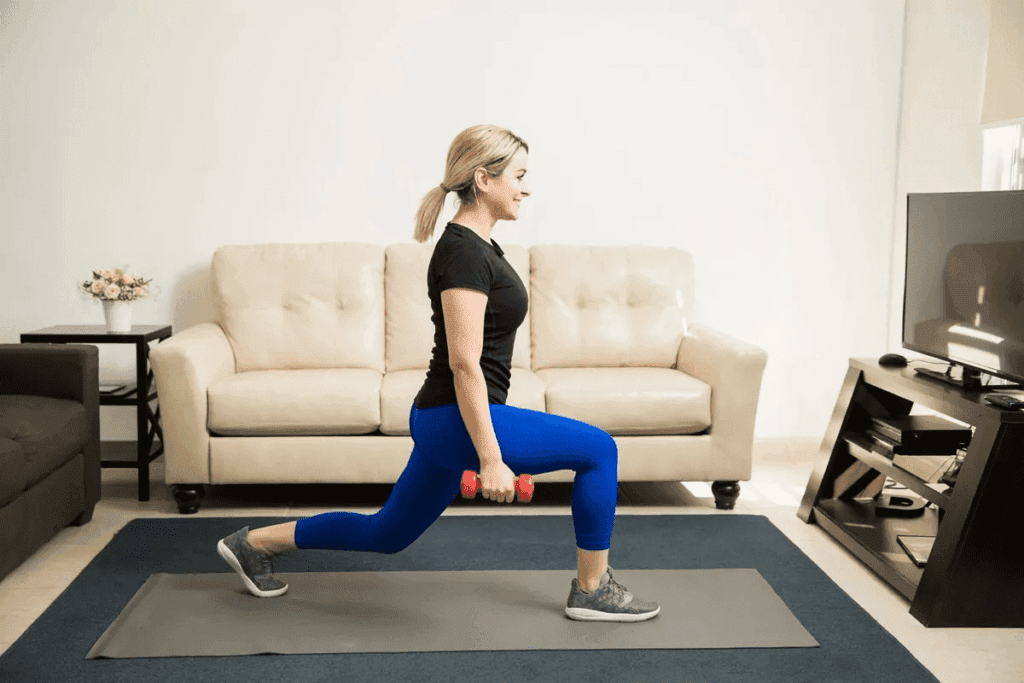
Many people believe exercise is key for losing weight. But what do the latest studies say? Recent research has given us new insights into how exercise affects weight loss.
2024 Meta-Analysis Findings
A big study in 2024 showed exercise’s role in weight loss. It looked at 116 trials with 6,880 adults who were overweight or obese. The study found that regular aerobic exercise led to less body weight, waist size, and body fat.
The study found that more aerobic exercise up to 300 minutes a week helped more. This shows that regular, long-term exercise is key for losing and keeping off weight.
Dose-Response Relationship
The 2024 meta-analysis also found a dose-response relationship. This means more aerobic exercise led to more weight loss. The study showed that longer exercise times meant bigger weight loss, waist size reduction, and fat loss.
- Exercise up to 300 minutes a week was best for weight loss.
- Even 30 minutes a week led to some weight and fat loss.
- More exercise usually means more weight loss, but results vary.
Minimum Effective Exercise Duration
Research showed that even short exercise times can help with weight loss. While more exercise is better, 30 minutes a week can also help. This is good news for those starting out or with little time to exercise.
These studies confirm that exercise is vital for losing weight. Knowing how much exercise is needed helps people plan better. This way, they can reach their weight loss goals.
Setting Realistic Weight Loss Goals Through Exercise
To lose weight through exercise, setting clear goals is key. It’s important to aim for goals that are realistic and achievable. Studies show that setting SMART goals boosts motivation and leads to better results.
Determining Your Starting Point
First, understand your current fitness and health. Check your BMI, blood pressure, and any health issues. Knowing where you start helps tailor your exercise plan.
Creating SMART Fitness Goals
SMART goals help you reach your weight loss targets. Your goals should be:
- Specific: Clearly state what you aim to achieve.
- Measurable: Make your goals quantifiable to track progress.
- Achievable: Set goals that match your current fitness and lifestyle.
- Relevant: Make sure your goals align with your health and fitness goals.
- Time-bound: Set deadlines to keep you motivated.
Tracking Progress Beyond the Scale
Weight loss isn’t just about the scale. Track your fitness improvements, like endurance and strength. Also, watch your body fat percentage. These metrics give a full view of your progress. They help you stay motivated and adjust your plan as needed.
Cardio Exercises for Maximum Weight Loss
Cardio exercises are key for losing weight. They help us burn calories and keep our heart healthy. These exercises make our heart rate go up and our energy use higher.
High-Intensity Interval Training (HIIT)
High-Intensity Interval Training (HIIT) is popular for losing weight fast. It mixes short, hard workouts with rest. This method burns calories when you’re working out and even when you’re not.
- Improves cardiovascular health
- Boosts metabolism
- Can be adapted to various forms of exercise (running, cycling, swimming)
Steady-State Cardio Benefits
Steady-state cardio means keeping a steady, moderate workout pace for a long time. It’s good for burning calories and getting your heart in shape. It’s easier than HIIT, making it great for beginners or those with health issues.
- Enhances endurance
- Improves heart health
- Can be performed with low-impact exercises like brisk walking or swimming
Choosing the Right Cardio for Your Fitness Level
Choosing the right cardio depends on your fitness level, goals, and what you like. Think about your current fitness, how much time you have, and any health issues. Both HIIT and steady-state cardio work for weight loss. Mixing them might be the best choice.
Cardio Type | Intensity | Duration | Caloric Burn |
HIIT | High | 20-30 minutes | High |
Steady-State | Moderate | 30-60 minutes | Moderate to High |
Strength Training: The Secret Weapon for Weight Loss
Cardio gets a lot of attention for burning calories, but strength training is the real hero. It helps build muscle, which boosts our metabolic rate. Adding strength training to your routine can greatly improve your body’s ability to lose weight and keep it off.
Building Muscle to Boost Metabolism
Strength training is key for building muscle, which increases our resting metabolic rate (RMR). A higher RMR means we burn more calories at rest. This makes losing weight and keeping it off easier. Studies show that strength training can significantly help with weight loss by increasing muscle mass.
Increased muscle mass not only boosts metabolism but also improves body composition. As we build more muscle, our bodies become more efficient at burning calories, even when we’re not exercising.
Essential Strength Exercises for Beginners
For beginners, starting with essential exercises is important. These include:
- Squats: Works multiple muscle groups including legs and glutes.
- Lunges: Targets legs and glutes, improving balance and coordination.
- Push-ups: Engages the chest, shoulders, and triceps.
- Deadlifts: Works multiple muscle groups including back, legs, and glutes.
These exercises are a solid foundation for any strength training program. They work multiple muscle groups at once, making them efficient and effective.
Progressive Overload Principles
To keep making gains in strength and muscle, it’s key to apply progressive overload. This means gradually increasing the weight or resistance in exercises over time to challenge muscles further.
Principle | Description | Example |
Progressive Overload | Gradually increase weight or resistance | Increasing dumbbell weight from 10lbs to 12lbs |
Consistency | Regularly perform strength training exercises | Training 3 times a week |
Variety | Include a range of exercises to target different muscle groups | Combining squats, lunges, and deadlifts |
By understanding and applying these principles, individuals can maximize the benefits of strength training for weight loss.
Creating Your Optimal Exercise Routine for Weight Loss
A balanced exercise routine is key to successful weight loss and overall fitness. We know that combining different types of exercise can lead to better outcomes. But how do you create a routine that works for you?
Weekly Exercise Framework Based on Research
Research shows that a mix of cardio and strength training is best for weight loss and fitness. The American Heart Association recommends at least 150 minutes of moderate-intensity aerobic activity or 75 minutes of vigorous-intensity aerobic activity per week. They also suggest muscle-strengthening activities on two or more days a week.
To create an effective weekly exercise framework, consider the following:
- Start with a manageable frequency and duration, and gradually increase as your fitness level improves.
- Incorporate a mix of cardio exercises, such as running or cycling, and strength training exercises, like weightlifting or bodyweight exercises.
- Allow for rest days to enable your body to recover and rebuild.
Balancing Different Exercise Types
Balancing different exercise types is key for a well-rounded fitness routine. Cardio exercises are essential for burning calories and improving cardiovascular health. Strength training helps build muscle and boost metabolism.
A well-balanced routine might include:
- 3-4 days of cardio exercises, such as brisk walking, jogging, or swimming.
- 2-3 days of strength training, focusing on major muscle groups like legs, arms, and core.
- 1-2 days of flexibility or stretching exercises to improve range of motion and reduce injury risk.
Sample Weekly Workout Plans
Here is a sample weekly workout plan that combines cardio and strength training:
Day | Exercise Type | Activity |
Monday | Cardio | 30 minutes of brisk walking |
Tuesday | Strength Training | Upper body workout (push-ups, dumbbell rows) |
Wednesday | Rest | – |
Thursday | Cardio | 30 minutes of swimming |
Friday | Strength Training | Lower body workout (squats, lunges) |
Remember, this is just a sample plan. It’s essential to tailor your exercise routine to your individual preferences, fitness level, and goals.
Nutrition Strategies to Complement Your Exercise Plan
To get the most out of your exercise, think about what you eat. Good nutrition fuels your workouts, helps you recover, and supports weight loss.
Pre and Post-Workout Nutrition
What you eat before and after working out matters a lot. Pre-workout nutrition should give you energy and support your muscles. Carbs are your main energy source, and protein helps fix and build muscle.
Post-workout nutrition is key for getting better. Eating a mix of protein and carbs soon after helps fix muscles and refill energy.
Nutrient | Pre-Workout | Post-Workout |
Carbohydrates | Complex carbs like whole grains | Simple carbs like fruits |
Protein | Lean proteins like chicken or tofu | Protein shakes or lean meats |
Hydration for Optimal Performance
Drinking enough water is key for doing well and recovering. Water keeps your body cool and moves nutrients to your cells. Drink water before, during, and after working out to stay hydrated.
Balancing Macronutrients for Exercise and Weight Loss
Getting the right mix of macronutrients is important for exercise and losing weight. Carbohydrates give you energy, proteins help muscles grow and repair, and fats are good for hormones and health.
Eating a balanced diet with the right amounts of these nutrients helps you lose weight and supports your workouts.
Macronutrient | Role | Food Sources |
Carbohydrates | Energy source | Whole grains, fruits, vegetables |
Protein | Muscle growth and repair | Lean meats, fish, eggs, dairy |
Fats | Hormone production, energy | Nuts, seeds, avocados, olive oil |
Multicomponent Approaches: Combining Exercise with Other Strategies
Using a mix of exercise, diet changes, and lifestyle tweaks can lead to better weight loss. Exercise is key, but adding other strategies makes it even more effective. Let’s see how combining different elements can help you lose weight successfully.
Behavioral Modifications
Changing how you eat and move more can help with weight loss. These changes might include:
- Mindful eating practices
- Portion control
- Reducing sedentary behaviors
- Increasing daily step count
These adjustments help make weight loss plans more lasting. Studies show that making these lifestyle changes can help you keep the weight off.
Sleep and Stress Management
Good sleep and low stress are also vital for losing weight. Ways to manage stress include:
- Meditation and mindfulness practices
- Yoga and other relaxation techniques
- Adequate sleep hygiene practices
Research shows that better sleep and less stress can help with weight loss. Getting enough sleep and managing stress can boost your overall health and weight loss.
Professional Support Options
Getting help from a dietitian or fitness coach can offer personalized advice and motivation. Here are some professional support options:
Support Type | Description | Benefits |
Nutritional Counseling | Personalized dietary advice | Tailored nutrition plans, improved eating habits |
Fitness Coaching | Customized exercise programs | Increased motivation, effective workout routines |
Behavioral Therapy | Strategies for changing eating habits and lifestyle | Sustainable behavioral changes, improved mental health |
Using these professional support options can give you the tools and motivation to reach your weight loss goals.
In conclusion, a mix of exercise, lifestyle changes, sleep, stress management, and professional help can greatly improve weight loss. By using these strategies, you can achieve lasting and successful weight loss.
Maintaining Weight Loss: The Role of Consistent Exercise
Keeping weight off needs a long-term effort in staying active. Losing weight is hard, but keeping it off is even tougher. Studies show that regular exercise is key to keeping weight off for good.
Research on Successful Weight Maintainers
Research has found what makes people keep their weight off. One big thing is regular exercise. People who keep exercising tend to keep their weight off longer.
A study in the Journal of the American Medical Association found something interesting. People who kept their weight off for two years exercised a lot. They did about 60-90 minutes of moderate exercise each day. This helped them keep their weight off and stay healthy.
Characteristics | Successful Weight Maintainers | Others |
Regular Exercise | Yes | No |
Average Daily Exercise Duration | 60-90 minutes | <30 minutes |
Intensity of Exercise | Moderate to High | Low |
Adapting Exercise Routines for Maintenance
Changing your workout when you’re not losing weight anymore is important. You might need to change how hard, how often, or how long you work out. Mixing cardio, strength training, and flexibility exercises keeps you fit.
Try making your workouts harder or adding new things to keep it interesting. This helps you keep the weight off and boosts your health and mood.
Building Lifelong Exercise Habits
Creating lasting exercise habits is key to keeping weight off. Make exercise a must-do part of your day. Find activities you like and plan them into your day.
Here are some tips to make exercise a habit:
- Schedule workouts at the same time every day.
- Find an exercise buddy or join a fitness group.
- Vary your routine to avoid boredom.
- Track your progress and celebrate small victories.
Using these tips, you can make exercise a fun and lasting part of your life. This helps you manage your weight for the long term.
Conclusion: Your Journey to Sustainable Weight Management
Losing weight through exercise is more than just hitting a number on the scale. It’s about living a healthier lifestyle that you can keep up for years. We’ve looked at the science behind losing weight and how to set achievable goals. Adding a balanced exercise routine to your life can help a lot.
For lasting weight management, you need regular exercise, healthy eating, and lifestyle changes. It’s key to build habits that last a lifetime to keep the weight off and live better. Our goal is to help you adopt habits that will keep you healthy and active for years to come.
Keeping weight off and making exercise a part of your daily life is the key to lasting weight management. We suggest a whole-body approach. This includes eating well, staying active, and managing stress for better health.
FAQ
Can I lose weight by exercising regularly?
Yes, regular exercise can help you lose weight. It creates a caloric deficit and improves your metabolism. It also changes your body composition.
Does exercise help you lose weight?
Research shows that exercise is effective for weight loss. It reduces body weight, waist circumference, and body fat. The more aerobic exercise you do, the better the weight loss results.
How does exercise help you lose weight?
Exercise helps you lose weight by creating a caloric deficit. It also improves your metabolism. Strength training builds muscle, which boosts your resting metabolic rate.
What type of exercise is best for weight loss?
A balanced routine is best for weight loss. It should include cardio exercises like HIIT and steady-state cardio. Strength training is also important.
How much exercise do I need to do to lose weight?
Even 30 minutes of aerobic exercise per week can lead to weight loss. Benefits increase up to 300 minutes per week.
Can I lose weight through cardio exercises alone?
Cardio exercises are good for burning calories. But, adding strength training enhances weight loss. It builds muscle and boosts metabolism.
How does strength training help with weight loss?
Strength training builds muscle mass. This significantly boosts your resting metabolic rate. It helps your body burn more calories at rest.
What are some essential strength exercises for beginners?
Beginners should start with squats, lunges, and push-ups. These exercises are effective in building muscle.
How important is nutrition in supporting exercise for weight loss?
Nutrition is very important for supporting exercise and weight loss. Proper nutrition before and after workouts impacts performance and recovery.
How can I maintain weight loss through exercise?
To maintain weight loss, exercise consistently. Adapt your exercise routines for maintenance. Building lifelong exercise habits is key.
Are there any additional strategies that can enhance exercise for weight loss?
Yes, combining exercise with behavioral modifications helps. Managing sleep and stress is also important. Seeking professional support can enhance weight loss efforts.
Reference
Government Health Resource. Evidence-Based Medical Guidance. Retrieved from https://jamanetwork.com/journals/jamanetworkopen/fullarticle/2828487