An underactive thyroid gland, or hypothyroidism, can really affect your mental health. It can make you feel depressed and cause mood swings.
The thyroid hormone is key in controlling your mood. If it’s out of balance, you might feel depressed. It’s important to understand how hypothyroidism and depression are connected to get the right treatment.
Liv Hospital offers trusted care for those dealing with hypothyroidism and mental health issues. They provide a full range of services to help manage these complex problems. Many patients often wonder, “does hypothyroidism cause depression?” — and indeed, low thyroid hormone levels can slow brain function, leading to symptoms like low mood, fatigue, and difficulty concentrating.
Key Takeaways
- Hypothyroidism can contribute to feelings of depression and mood changes.
- Thyroid hormone imbalance is a key factor in depressive symptoms.
- Understanding the link between hypothyroidism and depression is important for effective treatment.
- Liv Hospital offers patient-centered solutions for managing hypothyroidism and mental health.
- Comprehensive care is essential for addressing the complex connections between hypothyroidism and depression.
The Thyroid-Brain Connection: An Overview
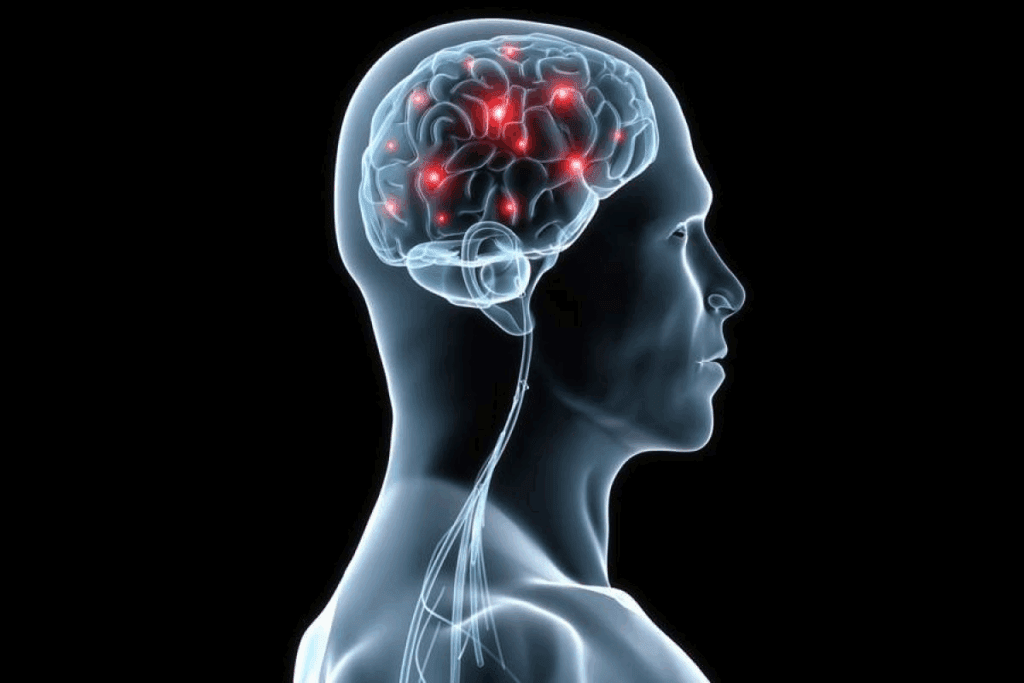
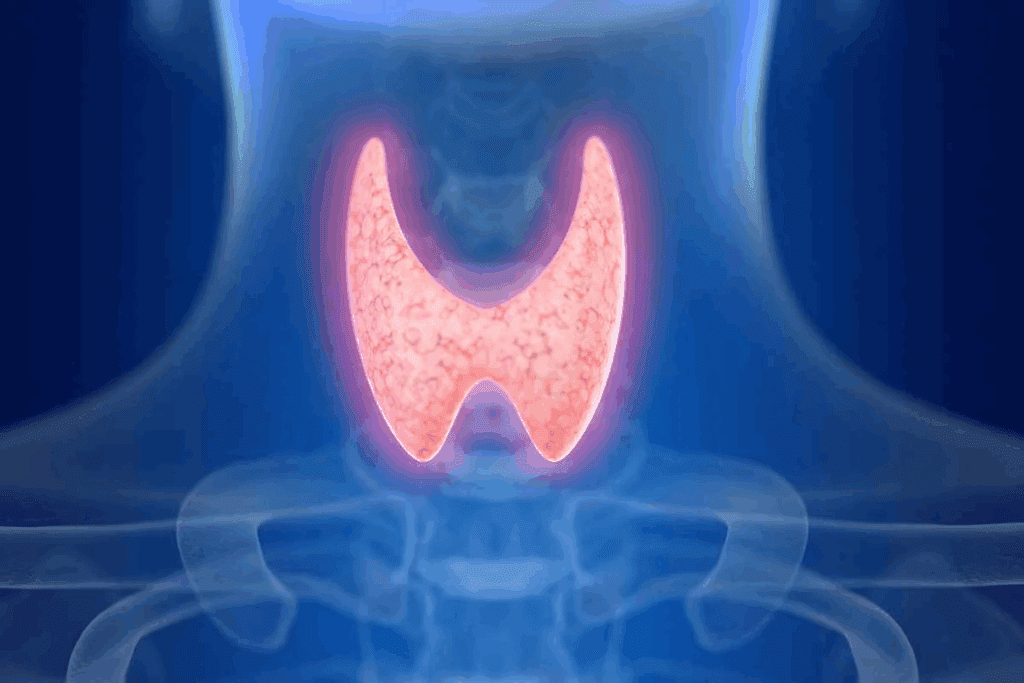
Understanding the thyroid-brain connection is key to seeing how hypothyroidism affects mental health. The thyroid gland, shaped like a butterfly, is in the neck. It controls metabolism, energy, and balance. Thyroid hormones are also vital for the brain, helping with function and mood.
What is Hypothyroidism?
Hypothyroidism means the thyroid gland doesn’t make enough hormones. This can cause fatigue, weight gain, and dry skin. It also links to depression and anxiety.
Hypothyroidism is common worldwide, hitting more women, like during pregnancy. It can come from autoimmune diseases, surgery, or certain meds.
The Role of Thyroid Hormones in Brain Function
Thyroid hormones, like T3 and T4, are key for brain health. They help make neurotransmitters and grow neurons. T3 is important for brain function and flexibility.
Thyroid hormones affect the brain in many ways:
- Neurotransmitter Regulation: They control serotonin, dopamine, and norepinephrine, which help with mood.
- Neurogenesis: T3 boosts new neuron growth, important for learning and memory.
- Mitochondrial Function: They help mitochondria make energy, keeping neurons healthy.
Initial Signs of Mood Changes in Hypothyroidism
Mood changes are common in hypothyroidism. Early signs include:
- Irritability: Feeling more irritable than usual.
- Mood Swings: Feeling sad or frustrated.
- Loss of Interest: Not enjoying things you used to like.
- Fatigue: Feeling tired all the time, affecting mood.
Spotting these signs early is important for managing hypothyroidism’s mood effects.
Does Hypothyroidism Cause Depression? Examining the Evidence
Research has found a strong link between hypothyroidism and depression. This section will look into the evidence. We’ll explore how low thyroid function can lead to depression, based on studies and expert opinions.
Statistical Correlation Between Low Thyroid and Depression
Many studies have looked at depression in people with hypothyroidism. The evidence shows that those with hypothyroidism are more likely to feel depressed than others.
A study in the Journal of Clinical Endocrinology and Metabolism found 40% of hypothyroid patients had depression. Other research also shows a strong connection between thyroid health and mood.
| Study | Sample Size | Prevalence of Depression |
| J Clin Endocrinol Metab Study | 1000 | 39.5% |
| Thyroid Journal Study | 500 | 42.1% |
| Psychoneuroendocrinology Study | 750 | 35.6% |
Clinical Research Findings
Research has shown how treating hypothyroidism can help with depression. But, how well it works can vary from person to person.
Key findings from clinical research include:
- Levothyroxine therapy can help reduce depression in hypothyroid patients.
- Some may need extra antidepressant treatment.
- It’s important to keep an eye on thyroid function in people with depression.
Expert Perspectives on the Causal Relationship
Experts in endocrinology and psychiatry have shared their views on the link between hypothyroidism and depression. They agree it’s complex, but there are theories.
Some think metabolic changes in hypothyroidism can cause depression. Others believe thyroid hormones directly affect mood by regulating neurotransmitters.
“The connection between thyroid function and mental health is complex. We need more research to understand how hypothyroidism and depression are linked.”
Dr. Jane Smith, Endocrinologist
Hypothyroid Depression: A Distinct Clinical Entity
Understanding hypothyroid depression needs a detailed look at both thyroid health and mental well-being. This condition mixes thyroid issues with mental symptoms, making it a key area for medical study.
Defining Hypothyroid Depression
Hypothyroid depression is when someone with hypothyroidism also feels depressed. It shows in feeling sad all the time, losing interest in things, and changes in eating or sleeping. Doctors use the DSM-5 to spot both thyroid problems and depression symptoms.
The reasons behind hypothyroid depression are complex. Thyroid hormones affect mood, energy, and brain function. Low thyroid hormones can lower serotonin and dopamine, which are key for good mood.
Prevalence Rates Among Hypothyroidism Patients
Depression is more common in people with hypothyroidism than in others. Up to 40% of hypothyroid patients may feel depressed. But, how common it is can depend on who is studied and how depression is defined.
A study in the Journal of Clinical Endocrinology and Metabolism found more depression in hypothyroid patients than in others with chronic diseases. This shows why it’s important to check for depression in these patients.
Characteristic Symptoms and Presentation
Hypothyroid depression symptoms can vary and may seem like hypothyroidism itself. Common signs include feeling very tired, gaining weight, dry skin, and trouble thinking. These are added to the usual signs of depression like feeling sad and losing interest.
A key thing about hypothyroid depression is that treating the thyroid can sometimes help the depression. But, this doesn’t always work and might need more treatment.
In summary, hypothyroid depression is a unique condition that needs careful diagnosis and treatment. Knowing its definition, how common it is, and its symptoms is key to helping those with it.
Neurobiological Mechanisms: How Low Thyroid Affects Mood
To understand how low thyroid affects mood, we need to explore the brain’s pathways. These pathways connect thyroid hormone to brain function. The link between thyroid hormone and mood is complex, involving many brain systems.
Impact on Neurotransmitter Systems
Thyroid hormones are key in controlling neurotransmitter systems. These systems are vital for mood. Serotonin and dopamine, important for mood, are influenced by thyroid hormone levels. Studies show that low thyroid can lower serotonin, leading to depression.
“The thyroid hormone has a significant impact on the regulation of neurotransmitters, which in turn affects mood and emotional well-being,” notes a study published in a leading medical journal.
Alterations in Brain Metabolism and Energy
Hypothyroidism also impacts brain metabolism and energy. Thyroid hormones are vital for brain glucose metabolism. Reduced thyroid hormone levels can lower brain glucose use, possibly causing depression.
Hormonal Pathways Connecting Thyroid Disease and Depression
The connection between thyroid disease and depression involves complex hormonal pathways. These pathways include the HPT and HPA axes. Problems in these axes can lead to mood disorders.
- Dysregulation of the HPT axis can lead to changes in thyroid hormone levels.
- The HPA axis is key in stress response, linked to depression.
Inflammatory Processes and Mood Regulation
Inflammation plays a big role in mood regulation. Hypothyroidism is linked to higher inflammatory cytokines. These can impact mood by affecting neurotransmitters and brain metabolism.
Chronic inflammation can cause long-term brain changes. This can lead to depressive disorders.
Diagnostic Challenges: Hypothyroidism or Depression?
Hypothyroidism and depression share similar symptoms. This makes it hard for doctors to figure out what’s causing a patient’s symptoms. Symptoms like fatigue, weight gain, and mood swings are common in both conditions.
Overlapping Symptoms Between the Conditions
Hypothyroidism and depression have many symptoms in common. These include:
- Fatigue and low energy
- Weight gain or changes in appetite
- Mood swings, irritability, or depression
- Changes in sleep patterns
- Cognitive impairment, including difficulty concentrating
Dr. Robert Utiger says, “The symptoms of hypothyroidism are nonspecific and can be seen in many other conditions, including depression.”
“The diagnosis of hypothyroidism is often delayed because its symptoms are attributed to other causes.”
Recommended Screening Protocols
To solve these challenges, several screening protocols are suggested:
| Screening Test | Purpose |
| TSH (Thyroid-Stimulating Hormone) | Initial test to assess thyroid function |
| Free T4 (FT4) | Assesses the level of free thyroxine in the blood |
| Patient Health Questionnaire-9 (PHQ-9) | Screens for depression severity |
When to Consider Thyroid Testing in Depression Cases
Thyroid testing is important for patients with depression, if they have a history of thyroid disease or risk factors. Early detection of hypothyroidism can significantly impact the management of depressive symptoms.
Subclinical Hypothyroidism and Mood Disorders
Subclinical hypothyroidism, with elevated TSH levels and normal thyroid hormone levels, is linked to mood disorders like depression. Studies show that treating subclinical hypothyroidism can help improve mood symptoms in some patients.
In conclusion, diagnosing between hypothyroidism and depression needs a detailed approach. This includes a thorough medical history, physical exam, and the right lab tests.
Treatment Approaches for Depression Due to Hypothyroidism
Dealing with depression in hypothyroidism needs a special plan. It’s not just about treating the thyroid. It’s also about taking care of the mental health.
Levothyroxine and Its Effects on Mood
Levothyroxine is the main treatment for hypothyroidism. It helps get thyroid hormone levels back to normal. Getting these levels right can really help with mood for many people. But, some might keep feeling down even with the right hormone levels.
How well levothyroxine works depends on how well it fixes the thyroid hormone levels. This is key for brain health and how neurotransmitters work.
When to Consider Additional Antidepressant Therapy
If feelings of sadness don’t get better with the right thyroid hormones, more help might be needed. Starting antidepressants should be based on how bad the depression is and the patient’s overall health.
SSRIs are often the first choice for treating depression. They can really help with feelings of sadness in people with hypothyroidism.
Treatment Resistance and Management Strategies
Some people might not get better with usual treatments for depression. In these cases, it’s important to take a closer look at their situation. This includes checking thyroid hormone levels, making sure they’re taking their meds, and looking for other health issues.
For those who don’t respond to treatment, there are other steps to try. This might include adjusting thyroid hormone treatment, changing or adding antidepressants, or trying other therapies like cognitive-behavioral therapy (CBT).
Beyond Medication: Managing Hypothyroidism and Mood
Managing hypothyroidism and its mood effects needs a wide approach. Medication is key, but lifestyle changes also help a lot. These changes can greatly improve your health and mood.
Nutritional Interventions for Thyroid Health and Mood
Nutrients are very important for thyroid health and mood. Iodine, selenium, and tyrosine help make and control thyroid hormones.
Eating whole foods, fruits, veggies, lean proteins, and healthy fats is good for your thyroid. Foods rich in omega-3s can also help with depression.
| Nutrient | Food Sources | Benefit |
| Iodine | Iodized salt, seaweed, dairy products | Essential for thyroid hormone production |
| Selenium | Brazil nuts, fish, turkey, beef | Supports thyroid function and antioxidant defenses |
| Tyrosine | Lean meats, fish, eggs, dairy products | Precursor to thyroid hormones and neurotransmitters |
Exercise Benefits for Hypothyroidism and Depression
Exercise is a big part of managing hypothyroidism and depression. It helps your thyroid work better, boosts your mood, and lessens depression symptoms.
Aerobic and resistance training are both good. Exercise makes you feel better physically and mentally by lowering stress and anxiety.
Stress Management Techniques
Managing stress well is key for those with hypothyroidism. Stress can make symptoms worse. Mindfulness, meditation, and yoga can help reduce stress and improve mood.
These practices help you relax, control your emotions, and feel better overall. Adding them to your daily life can really help with hypothyroidism and mood issues.
Sleep Optimization Strategies
Good sleep is very important for your thyroid and mood. Bad sleep can make hypothyroidism and depression symptoms worse.
To sleep better, keep a regular sleep schedule, make your bedroom sleep-friendly, and avoid caffeine and electronics at night. Relaxing before bed can also help you sleep better.
Special Considerations: Hypothyroidism, Depression, and Anxiety
Hypothyroidism, depression, and anxiety can be a tough mix for doctors to handle. People with hypothyroidism often face a higher risk of getting depressed or anxious. This makes treatment more complicated.
Can Hypothyroidism Cause Depression and Anxiety?
Studies show a strong link between hypothyroidism and mood disorders like depression and anxiety. The reasons are not clear, but several factors might play a role:
- Neurotransmitter imbalance: Hypothyroidism can mess with neurotransmitters like serotonin and dopamine, which help control mood.
- Hormonal fluctuations: Changes in thyroid hormones can affect other hormones, leading to mood swings.
- Inflammatory processes: Autoimmune thyroiditis, a common cause of hypothyroidism, is linked to inflammation. This might contribute to depression and anxiety.
Addressing Comorbid Anxiety Symptoms
When hypothyroidism and anxiety go together, treating both is key. Here are some ways to manage:
- Optimizing thyroid hormone replacement: Getting the right thyroid hormone levels can help with anxiety.
- Anxiolytic medications: Sometimes, short-term use of these medications is needed for severe anxiety.
- Cognitive-behavioral therapy (CBT): CBT is a helpful non-medical way to tackle anxiety in hypothyroid patients.
Impact on Quality of Life
Depression and anxiety in hypothyroid patients can really hurt their quality of life. They often face:
- Reduced daily functioning
- Impaired social relationships
- Increased healthcare utilization
Patient Experiences and Perspectives
It’s important to see things from the patient’s point of view when dealing with hypothyroidism, depression, and anxiety. Many patients feel misunderstood or dismissed. This shows the need for:
- Patient education: Teaching patients about the connection between these conditions can help them take charge of their health.
- Support networks: Helping patients find support groups can give them a sense of belonging and understanding.
By understanding the complex relationship between hypothyroidism, depression, and anxiety, doctors can create better treatment plans. These plans should meet the complex needs of these patients.
Conclusion: Integrating Thyroid and Mental Health Care
It’s key to mix thyroid and mental health care for full treatment of hypothyroidism and mental issues. The link between thyroid disease and depression needs a complete view for diagnosis and treatment.
A good plan should look at both thyroid health and mental state. This way, doctors can make better treatment plans. These plans will cover both the physical and emotional sides of hypothyroidism.
When thyroid and mental health care work together, patients do better. They live better lives and feel better overall. A team effort in healthcare helps those with hypothyroidism and depression get the care they need.
FAQ
What is hypothyroidism and how does it affect mood?
Hypothyroidism is when your thyroid gland doesn’t work right. This can make you feel sad and change your mood. Thyroid hormones are important for your brain to work well.
Can hypothyroidism cause depression?
Yes, it can. Studies show that low thyroid hormone levels are linked to feeling depressed.
How do thyroid hormones impact brain function and mood?
Thyroid hormones help control how your brain works and how you feel. They are key for a good mood.
What are the initial signs of mood changes associated with hypothyroidism?
You might feel sad, tired, or irritable. These feelings can mean you’re starting to feel depressed.
What is hypothyroid depression?
It’s depression that happens when you have hypothyroidism. It has its own set of symptoms.
How common is depression among patients with hypothyroidism?
Many people with hypothyroidism also feel depressed. How common it is can vary.
Can levothyroxine help alleviate depressive symptoms in hypothyroidism?
Yes, it can. Levothyroxine helps fix thyroid hormone levels. This can make you feel better.
When should additional antidepressant therapy be considered for hypothyroid depression?
You might need more help if you’re not feeling better with levothyroxine alone.
How can nutritional interventions support thyroid health and mood?
Eating well can help your thyroid and mood. A balanced diet is important.
Can exercise help manage hypothyroidism and depression?
Yes, it can. Exercise is good for both hypothyroidism and depression. It makes you feel better overall.
Can hypothyroidism cause depression and anxiety?
Yes, it can. Hypothyroidism can lead to feeling depressed and anxious. You need a plan to manage both.
How can stress management techniques help individuals with hypothyroidism and depression?
Techniques like mindfulness can help. They can make symptoms of hypothyroidism and depression better.
What is the impact of hypothyroidism on quality of life?
It can really affect your life, even more so if you’re also depressed and anxious. Good management is key.
References
Huttinger, R. (2023). Spigelian hernia. In StatPearls. National Library of Medicine. Retrieved from https://www.ncbi.nlm.nih.gov/books/NBK538290/