

Your thyroid gland is small but very important for your heart health. Research shows a strong link between hypothyroidism and hypertension. At Liv Hospital, we’ve noticed that people with hypothyroidism often have higher blood pressure.
About 30% of people with overt hypothyroidism have high diastolic blood pressure. This shows why it’s important to watch and manage thyroid levels to avoid heart problems. We’ll look into how this connection works and what it means for those seeking medical help.
Key Takeaways
- Hypothyroidism increases the risk of developing hypertension.
- Thyroid hormones significantly impact cardiovascular health.
- Elevated diastolic blood pressure is common in patients with overt hypothyroidism.
- Managing thyroid function is key to avoiding heart issues.
- Grasping the thyroid-blood pressure link is essential for good patient care.
Understanding the Thyroid-Blood Pressure Relationship

The link between thyroid function and blood pressure is complex. It involves many physiological pathways. Thyroid hormones are key in controlling heart function, affecting heart rate and how well the heart contracts.
How Thyroid Hormones Regulate Cardiovascular Function
Thyroid hormones greatly impact the heart and blood vessels. Hyperthyroidism can make the heart beat faster and contract more. On the other hand, hypothyroidism makes the heart work less efficiently. They also change how blood vessels react, which affects blood pressure.
Thyroid hormones control heart function in several ways. They influence genes that help the heart contract and relax. They also change how blood vessels respond to substances that affect blood pressure.
Prevalence Statistics: Hypertension in Thyroid Disorders
Hypertension often goes hand in hand with thyroid disorders. Hypothyroidism increases the risk of high blood pressure, mainly diastolic. A study on Medical News Today found a strong link between thyroid issues and heart diseases, including high blood pressure.
The rate of high blood pressure in hypothyroid patients is higher than in the general public. It’s important to manage thyroid function to keep the heart healthy.
Mechanisms Behind Hypothyroidism-Induced Hypertension
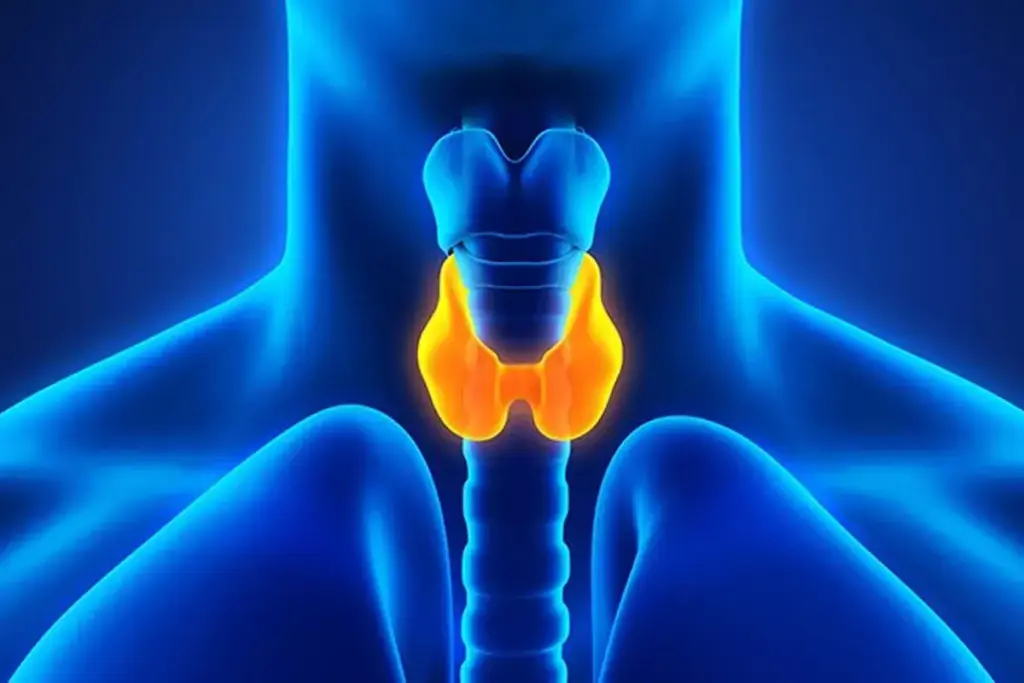
Hypothyroidism affects the heart and blood vessels, leading to high blood pressure. It happens when the thyroid hormone levels are too low. This impacts the cardiovascular system in many ways.
Thyroid hormones are key for heart function and blood vessel health. Low levels can make the heart pump less efficiently. This can lead to higher blood pressure as the body tries to compensate.
Decreased Cardiac Contractility and Heart Rate
In hypothyroidism, the heart’s ability to pump blood is reduced. This is because of lower thyroid hormone levels. The heart beats slower, making it less effective at pumping blood.
This can cause the body to increase blood pressure. A study in the Journal of Clinical Endocrinology and Metabolism found that thyroid hormone therapy can improve heart function. This might help reduce some of the heart problems caused by hypothyroidism.
“Thyroid hormone has a profound effect on the cardiovascular system, and its deficiency can lead to significant changes in cardiac function and vascular hemodynamics.”
Increased Arterial Stiffness and Reduced Vascular Flexibility
Hypothyroidism also makes blood vessels stiffer and less flexible. Thyroid hormones keep blood vessels elastic. Without enough, arteries become stiff, making it harder for the heart to pump blood.
| Cardiovascular Parameter | Effect of Hypothyroidism | Impact on Blood Pressure |
| Cardiac Contractility | Decreased | Potential increase due to compensatory mechanisms |
| Heart Rate | Reduced | May contribute to decreased cardiac output |
| Arterial Stiffness | Increased | Directly contributes to higher systolic blood pressure |
Renal Effects: Sodium Reabsorption and Blood Volume Expansion
Hypothyroidism also affects the kidneys, leading to more sodium reabsorption and blood volume expansion. Low thyroid hormone levels can cause the kidneys to retain more sodium. This increases blood volume, putting more pressure on blood vessels.
Hypothyroidism can cause high blood pressure through several mechanisms. Understanding these is key to managing and treating both conditions.
Can Graves Disease Cause High Blood Pressure?
Graves’ disease can lead to high blood pressure in several ways. We’ll look at how it impacts heart health. We’ll also compare it to the effects of hypothyroidism.
Hyperthyroidism vs. Hypothyroidism: Contrasting Effects on Blood Pressure
Hyperthyroidism and hypothyroidism affect the heart differently. Hypothyroidism might lower blood pressure due to weaker heart function. But, hyperthyroidism can raise blood pressure by speeding up the heart and making blood vessels wider.
The reasons behind these effects are complex. In hyperthyroidism, the body’s faster metabolism and heightened response to stress hormones can cause the heart to beat faster. This can lead to higher blood pressure.
Cardiovascular Manifestations Specific to Graves’ Disease
Graves’ disease, a type of hyperthyroidism, is marked by increased sympathetic activity and amplified catecholamine sensitivity. These factors can cause several heart-related issues, including:
- Increased heart rate and cardiac output
- Enhanced vasodilation and potentially increased systolic blood pressure
- Atrial fibrillation and other arrhythmias
It’s important to understand these heart effects in Graves’ disease. They can greatly affect blood pressure and heart health.
Conclusion: Diagnosis, Treatment and Management Considerations
It’s important to understand how hypothyroidism and hypertension are connected. We’ve talked about how hypothyroidism can cause high blood pressure. This happens through several ways, like less heart muscle power, stiffer arteries, and kidney issues.
Using thyroid hormone replacement therapy is key in treating hypothyroidism and its link to high blood pressure. This treatment helps bring thyroid hormone levels back to normal. It also improves heart health and lowers blood pressure in those with hypothyroidism-related hypertension.
Diagnosing and treating hypothyroidism is vital to avoid heart problems. We need to look at how thyroid disease and blood pressure interact. This helps us create better treatment plans for patients with both conditions.
By taking a complete approach to managing hypothyroidism and hypertension, we can help patients do better. This includes keeping an eye on thyroid and blood pressure levels. It also means making healthy lifestyle choices to support heart health.
FAQ
What is the relationship between hypothyroidism and hypertension?
Hypothyroidism can lead to high blood pressure. This is because it affects the heart and blood vessels. It also changes how the body handles sodium, which can raise blood pressure.
How do thyroid hormones affect cardiovascular health?
Thyroid hormones are key for heart health. They control heart rate and how well the heart pumps. They also affect blood vessel resistance, which is vital for keeping blood pressure normal.
Can hypothyroidism cause high blood pressure?
Yes, hypothyroidism can cause high blood pressure. It does this by reducing heart function and rate. It also makes blood vessels stiffer and increases sodium reabsorption.
How does Graves’ disease affect blood pressure?
Graves’ disease, or hyperthyroidism, can increase heart rate and pumping strength. It also causes blood vessels to widen. This can lead to high systolic blood pressure and low diastolic blood pressure.
What is the impact of thyroid hormone replacement therapy on hypertension in hypothyroidism?
Thyroid hormone replacement therapy can help manage high blood pressure in hypothyroidism. It restores normal thyroid hormone levels. This improves heart function and reduces blood vessel resistance.
Are patients with thyroid disorders at higher risk of developing hypertension?
Yes, people with thyroid disorders are at higher risk of high blood pressure. This is because thyroid hormones have a big impact on heart and blood vessel function.
How does hypothyroidism-induced hypertension affect cardiovascular health?
Hypertension caused by hypothyroidism increases the risk of heart disease and stroke. It’s important to diagnose and manage it properly to protect heart health.
Can managing hypothyroidism help control hypertension?
Yes, managing hypothyroidism can help control high blood pressure. This is done by addressing the thyroid hormone imbalance. It improves heart function and reduces blood vessel resistance.
References
https://www.healthline.com/health/hypothyroidism-hypertension