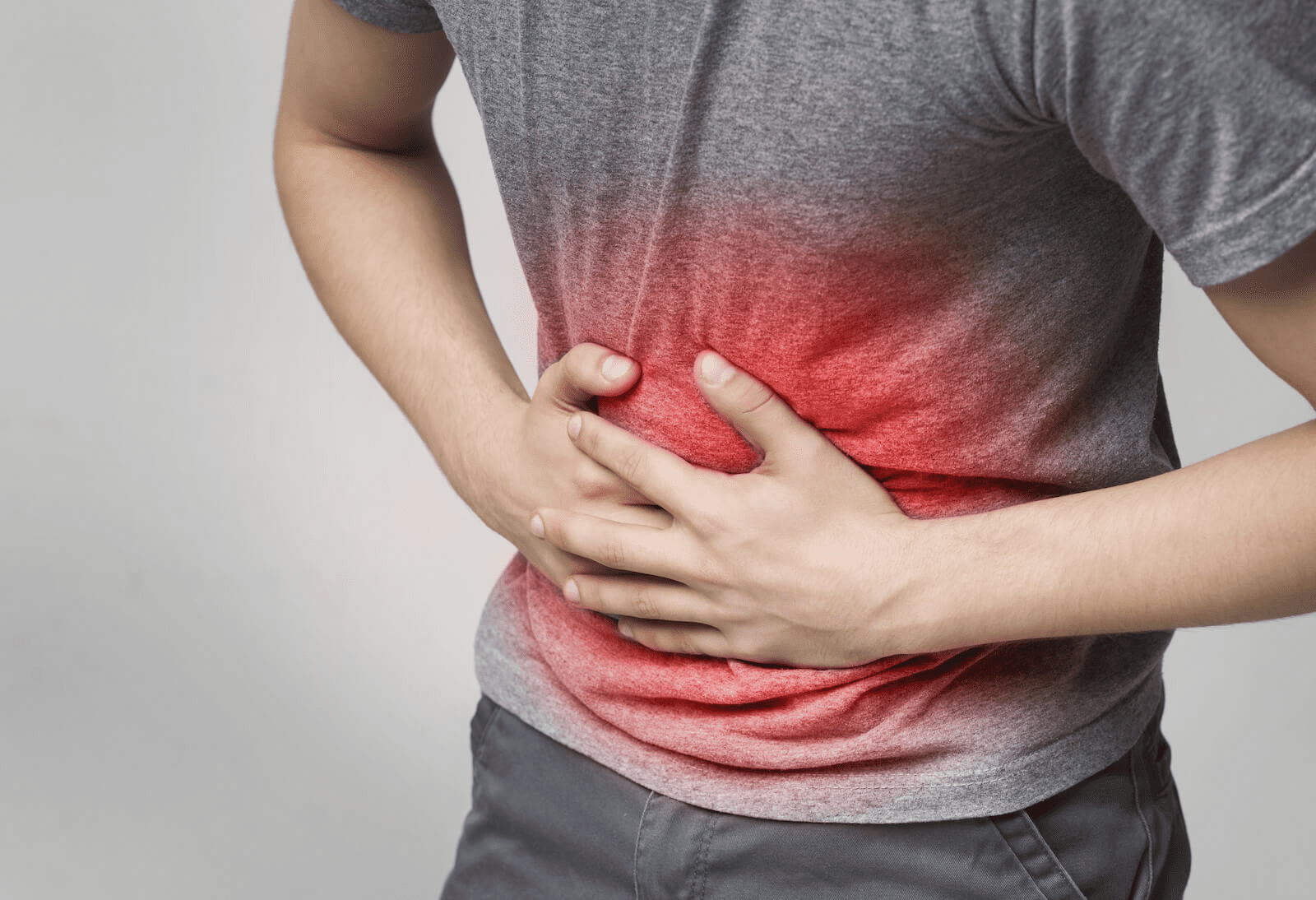
Do you often get sudden stomach cramps, feel nauseous, and need to go to the bathroom right after eating? If yes, you might be one of the millions worldwide dealing with Irritable Bowel Syndrome (IBS). This chronic condition is more than just stomach upset. Wondering ‘does IBS cause backache?’ This guide gives the surprising facts about referred pain from your gut and the best, proven relief.
Learning what IBS feels like and its many symptoms is key to improving your life. The main signs of IBS are stomach pain or cramps, bloating, diarrhea, and constipation. These symptoms can change and might be caused by what you eat or stress.
Key Takeaways
- Irritable Bowel Syndrome (IBS) is a chronic functional gastrointestinal disorder.
- Main symptoms include stomach pain, bloating, diarrhea, and constipation.
- Symptoms can vary and are often triggered by food or stress.
- Understanding IBS is key to managing its symptoms.
- IBS affects an estimated 5 to 15 percent of the global population.
Understanding Irritable Bowel Syndrome (IBS)

IBS, or Irritable Bowel Syndrome, is a chronic condition that affects your quality of life. It causes recurring abdominal pain and changes in bowel habits. These symptoms can make everyday activities hard and impact your overall well-being.
Definition and Prevalence of IBS
Irritable Bowel Syndrome is a functional gastrointestinal disorder. This means its symptoms can’t be explained by other diseases. The Rome IV criteria help doctors diagnose IBS by looking at abdominal pain and changes in bowel habits. IBS affects about 5 to 15 percent of the world’s population, with more women being affected.
The number of people with IBS varies by location. Studies show different rates in different places. Yet, many people with IBS don’t get the help they need.
Common Misconceptions About IBS
Many think IBS is just one disease or caused by one thing. But it’s actually a complex issue. It’s influenced by gut motility, hypersensitivity, stress, and more. Experts say, “IBS is not just a sensitive stomach; it’s a complex mix of factors.”
“The pathophysiology of IBS involves a multifactorial interplay of altered gut motility, visceral hypersensitivity, and psychosocial factors.”
Another common belief is that IBS is all in your head. While stress can make symptoms worse, it’s not just a mental issue. Knowing this helps in finding better ways to manage and treat IBS.
The Primary Symptoms of IBS

It’s key to know the main symptoms of IBS for diagnosis and treatment. IBS, or Irritable Bowel Syndrome, affects the large intestine. It causes symptoms that can really hurt your daily life.
Most people with IBS say pain is the biggest problem. This shows how important it is to tackle pain and other symptoms.
Abdominal Pain and Discomfort
Abdominal pain is a big symptom of IBS. It can be mild or very bad. The pain often feels like cramps and can be anywhere in your belly.
It’s not just how bad the pain is that matters. How often and for how long also plays a big role in how IBS affects you.
Changes in Bowel Habits
Changes in bowel habits are another big symptom of IBS. You might have diarrhea, constipation, or switch between the two. Not knowing when you’ll go can really mess up your day and life.
Bowel Habit Change | Characteristics | Impact on Daily Life |
Diarrhea | Frequent, loose stools | Urgency, possible accidents |
Constipation | Infrequent, hard stools | Straining, discomfort |
Alternating Pattern | Switching between diarrhea and constipation | Unpredictability, hard to plan |
Bloating and Gas
Bloating and gas are common in IBS. Bloating makes you feel full or swollen in your belly. Gas can cause pain and discomfort. These can be really tough and might get worse with some foods or eating habits.
Knowing these main symptoms helps doctors diagnose and treat IBS better. This can make life much better for those with IBS.
Stomach Cramps: A Hallmark of IBS
Stomach cramps are a common symptom of Irritable Bowel Syndrome (IBS). They can really affect someone’s life. It’s important to know what they are and how they relate to IBS.
Characteristics of IBS Cramps
IBS cramps can feel different for everyone. Some say they are sharp and stabbing. Others feel them as dull and aching. The pain can be mild or very strong, depending on how bad the IBS is.
“The abdominal pain associated with IBS can be quite varied, but it’s often described as crampy or colicky.” This shows how different IBS cramps can be. It’s important to understand and manage them in a way that works for you.
Timing and Duration of Cramps
When and how long IBS cramps last can tell us a lot. They often start after eating, known as postprandial pain. They can last anywhere from a few minutes to hours.
Trigger | Typical Timing | Average Duration |
Eating | Within 1-2 hours after a meal | 30 minutes to 2 hours |
Stress | Variable, often immediate | Variable, can be persistent |
Distinguishing IBS Cramps from Other Conditions
It’s important to tell IBS cramps apart from other belly issues. IBS cramps often come with changes in bowel habits, like diarrhea or constipation. They can feel better after you go to the bathroom. Unlike other serious conditions, IBS cramps usually come back and aren’t a sign of something needing surgery.
A gastroenterology expert said,
“IBS cramps are part of a complex symptom profile that includes abdominal pain, bloating, and altered bowel habits.”
Knowing about IBS cramps is key to managing them. By understanding their characteristics, timing, and what triggers them, you can better handle your IBS. This can improve your life a lot.
IBS and Digestive Distress After Eating
Many people with IBS see their symptoms get worse after eating. This can happen for several reasons, like the food they eat and how their body reacts. Knowing these reasons is key to handling symptoms better.
Why Symptoms Worsen After Meals
Eating can set off a chain of reactions that make IBS symptoms worse. One big reason is the gastrocolic reflex. This reflex makes the bowel move after eating. For people with IBS, this reflex can be too strong, causing abdominal pain, cramping, and changes in bowel habits.
The food we eat also matters a lot. Foods rich in fat, spice, or sugar can slow down digestion or upset the gut. This makes symptoms even worse.
Common Food Triggers
Finding and avoiding food triggers is a big part of managing IBS. Common offenders include dairy, gluten, spicy foods, and high-FODMAP foods. These can lead to bloating, gas, and discomfort in those who are sensitive.
- Dairy products: Lactose intolerance is common in IBS patients.
- Gluten: Some individuals with IBS may also have celiac disease or non-celiac gluten sensitivity.
- Spicy foods: Can irritate the gut lining.
- High-FODMAP foods: Fermentable carbohydrates that can cause bloating and gas.
Stomach Pain and Bowel Movements After Eating
The link between eating and bowel movements is complex in IBS. The gastrocolic reflex can make someone feel like they need to have a bowel movement right after eating. This can be very uncomfortable. Stomach pain and cramping often come with this feeling, making digestion even harder.
To manage these symptoms, people need to make dietary changes, handle stress, and might need medication. Keeping a food diary can help find out what foods trigger symptoms. This information can help create a personalized diet plan.
Diarrhea and Constipation in IBS
IBS, or Irritable Bowel Syndrome, often shows up as changes in bowel habits. This can be either diarrhea or constipation. Knowing the different types of IBS and how they affect bowel habits is key to managing the condition well.
IBS-D: Diarrhea-Predominant Type
IBS-D is marked by frequent diarrhea. It often comes with stomach pain and a need to rush to the bathroom. People with IBS-D usually have loose stools more than 25% of the time.
IBS-C: Constipation-Predominant Type
IBS-C, on the other hand, is about hard or lumpy stools more than 25% of the time. It can be hard to pass stools, leading to straining and discomfort.
IBS-M: Mixed Type
IBS-M, or mixed IBS, combines both diarrhea and constipation. People with IBS-M may switch between hard and loose stools. This makes it hard to predict when they will have a bowel movement.
How Altered Bowel Habits Feel
Changes in bowel habits can really affect a person’s life. Diarrhea can cause urgency and accidents, leading to embarrassment and anxiety. Constipation, on the other hand, can cause bloating, discomfort, and pain.
A gastroenterologist notes, “Knowing the type of IBS is key to finding the right treatment.” Tailoring treatment to each person’s needs can help ease symptoms and improve their quality of life.
IBS Type | Characteristics | Common Symptoms |
IBS-D | Diarrhea more than 25% of the time, hard stools less than 25% | Abdominal pain, urgency, loose stools |
IBS-C | Hard stools more than 25% of the time, loose stools less than 25% | Difficulty passing stools, straining, bloating |
IBS-M | Combination of diarrhea and constipation | Fluctuation between hard and loose stools, abdominal discomfort |
Managing IBS well needs a full approach. This includes changing what you eat, managing stress, and sometimes using medicine. Understanding the specific type of IBS and its symptoms helps doctors give better treatment plans.
The Sensation of Incomplete Evacuation
People with IBS often feel like they need to go to the bathroom, even when they don’t. This feeling can be very upsetting. It makes them go to the bathroom a lot and feel very anxious.
This feeling is not just about feeling uncomfortable. It also affects their mind a lot. They might always feel like they need to go, which can really mess up their day.
Why IBS Causes the Urge to Have a Bowel Movement
The reasons behind this feeling in IBS are complex. But, several things are thought to play a part:
- Abnormal gut motility and hypersensitivity
- Altered bowel habits, including diarrhea or constipation
- Visceral hypersensitivity, where the nerves controlling the bowel are overly sensitive
Knowing these factors helps in dealing with the symptom. For example, a study showed that people with IBS are very sensitive to their bowels. This sensitivity can make them feel like they need to go.
“The sensation of incomplete evacuation is a hallmark of IBS, reflecting the complex interplay between gut physiology and psychological factors.”
Medical Expert, Gastroenterologist
Distinguishing Between Real and False Urgency
It’s hard to tell if the feeling to go is real or not. Real urgency means you really need to go. False urgency doesn’t.
Characteristics | Real Urgency | False Urgency |
Timing | Typically follows a meal or bowel movement | Can occur at any time, often without a clear trigger |
Intensity | Gradual increase in urgency | Sudden onset, often severe |
The Psychological Impact of This Symptom
This feeling can really mess with someone’s mind. It can make them feel anxious and stressed. They might feel embarrassed or ashamed, which can really hurt their life.
To help with this, doctors need to treat both the body and mind. Understanding why this happens helps doctors find ways to help.
Does IBS Cause Backache and Other Pain?
IBS can lead to backache and other pains. This is due to several reasons. We will look into how IBS and pain are connected.
The Connection Between IBS and Back Pain
Studies show that people with IBS often have back pain. This is because of both gut and muscle issues.
Visceral hypersensitivity is a big factor. It makes people feel more pain, not just in their belly but also in their back.
Visceral Hypersensitivity and Referred Pain
Visceral hypersensitivity makes internal organs more sensitive. This can cause referred pain. For instance, belly pain can feel like it’s in the back.
Referred pain happens because of how our nervous system works. Pain signals from the belly and back meet in the spinal cord. This is why pain can seem to come from a different place.
Musculoskeletal Symptoms Associated with IBS
People with IBS might also have muscle pain and tension. This can happen in different parts of the body.
Musculoskeletal Symptom | Prevalence in IBS Patients | Possible Causes |
Back Pain | High | Visceral hypersensitivity, referred pain |
Muscle Tension | Moderate to High | Stress, altered gut motility |
Generalized Musculoskeletal Pain | Moderate | Systemic inflammation, stress |
Knowing why these symptoms happen can help manage IBS-related pain better.
Nausea and Vomiting in IBS Patients
IBS patients often feel nauseous, which can really affect their life. Nausea is a complex symptom that’s hard to manage.
Can You Vomit with IBS?
Vomiting is less common than nausea in IBS patients. But it can happen. The link between IBS and vomiting is complex. It’s often tied to food intolerances or infections.
We will explore the nuances of this symptom and its implications for IBS sufferers.
The Relationship Between Nausea and Other IBS Symptoms
Nausea in IBS patients is often linked with other symptoms. These include abdominal pain, bloating, and changes in bowel habits. Understanding these connections is key to managing IBS effectively.
Managing Nausea in IBS
Managing nausea is vital for IBS patients. It can involve changing your diet, managing stress, and sometimes medication.
Here are some strategies that may help:
- Dietary adjustments to avoid trigger foods
- Stress reduction techniques such as meditation or yoga
- Medications that target nausea or gastrointestinal motility
Management Strategy | Description | Potential Benefits |
Dietary Adjustments | Avoiding foods that trigger nausea | Reduced frequency of nausea episodes |
Stress Reduction | Techniques like meditation or yoga | Lower stress levels, potentially reducing nausea |
Medications | Targeting nausea or GI motility | Symptom relief, improved quality of life |
Fatigue and General Unwellness
Living with IBS often means feeling extremely tired. This tiredness affects daily life and overall health. It’s not just from the discomfort or pain of IBS. It’s a complex issue that affects health in many ways.
The Link Between IBS and Extreme Fatigue
Many people with IBS feel extremely tired. This tiredness can be as bad as the stomach problems. The reasons for this tiredness are many, including:
- Malabsorption of Nutrients: IBS can make it hard to absorb important nutrients needed for energy.
- Inflammation and Gut Health: The health of the gut is linked to energy levels. Inflammation and changes in gut bacteria can make you feel tired.
- Sleep Disturbances: Pain and discomfort from IBS can make it hard to sleep well, making tiredness worse.
The Impact on Overall Well-being
Fatigue from IBS affects not just the body but also the mind. Feeling tired all the time can lead to:
- Mood Changes: Feeling irritable, depressed, or anxious is common when tired all the time.
- Reduced Productivity: Tiredness can make it hard to work or do things you enjoy, affecting life quality.
- Social Withdrawal: Feeling tired and unwell can make you want to stay away from others, hurting mental health.
It’s important to understand how IBS, fatigue, and overall well-being are connected. This knowledge helps manage IBS better. The table below shows key factors and possible solutions:
Factor Contributing to Fatigue | Potential Intervention |
Malabsorption of Nutrients | Dietary adjustments, supplementation |
Inflammation and Gut Health | Probiotics, anti-inflammatory diet |
Sleep Disturbances | Sleep hygiene practices, pain management |
The Connection Between Gut Health and Energy Levels
The gut and brain are connected through the gut-brain axis. This network affects both gut health and overall well-being. Problems in this axis can cause symptoms like fatigue. Keeping the gut healthy through diet and probiotics can help reduce fatigue from IBS.
In conclusion, the tiredness and unwellness of IBS are complex issues. They need a detailed approach to manage well. By understanding the causes and using the right treatments, people can improve their life quality.
IBS Symptoms in Females vs. Males
Research shows IBS symptoms differ in females and males. This highlights the need for gender-sensitive care. Women are more likely to have IBS, with twice the incidence of men. Knowing these differences is key to better management and treatment.
Hormonal Influences on IBS Symptoms
Hormonal changes affect IBS symptoms in females. The menstrual cycle, with its changing estrogen and progesterone levels, impacts bowel habits and symptom severity.
Many women see their IBS symptoms worsen during certain menstrual cycle phases. This is due to hormone level changes, which affect gut motility and sensitivity.
Gender Differences in Symptom Presentation
Gender differences in IBS symptoms go beyond hormones. Females often report more abdominal pain, bloating, and constipation. Males, on the other hand, might have more diarrhea-predominant IBS.
Symptom | Female Prevalence | Male Prevalence |
Abdominal Pain | 70% | 45% |
Bloating | 65% | 40% |
Constipation | 55% | 30% |
Diarrhea | 40% | 60% |
IBS and Menstrual Cycle Interactions
The relationship between IBS symptoms and the menstrual cycle is complex. Some women see their symptoms worsen pre-menstrually, during menstruation, or at ovulation. Understanding this is vital for symptom management.
For many female IBS patients, tracking symptoms with their menstrual cycle helps. It reveals patterns and triggers, leading to more effective treatments.
Conclusion: Living with IBS Symptoms
Living with Irritable Bowel Syndrome (IBS) can be tough. But knowing its symptoms is key to managing it. We’ve looked at symptoms like abdominal pain, changes in bowel habits, bloating, and fatigue.
To manage IBS, you need a full plan. This includes changing your lifestyle, diet, and sometimes using medicine. By finding what triggers your symptoms and using strategies that work for you, you can live better.
At our institution, we offer top-notch healthcare and support for patients from around the world. We know how important it is to help people with IBS manage their condition. We help our patients take back control of their lives with the right care and advice.
Managing IBS is more than just medicine. It’s about creating a supportive space for well-being. We urge people with IBS to get professional help and find resources for support and guidance.
FAQ
Does IBS cause stomach cramps?
Yes, stomach cramps are a common symptom of IBS. These cramps can be mild or severe and happen often. They are usually felt along with changes in bowel habits and bloating.
Can IBS make you feel unwell after eating?
Yes, many people with IBS feel worse after eating. They might experience stomach pain, bloating, and changes in bowel movements. Certain foods can make these symptoms worse.
What are the different types of IBS based on bowel habits?
IBS is divided into three main types based on bowel habits. There’s IBS-D (diarrhea-predominant), IBS-C (constipation-predominant), and IBS-M (mixed type). Knowing your type is key to managing your symptoms.
Can IBS cause nausea and vomiting?
While not as common, some people with IBS may feel nauseous or even vomit. Managing nausea is important in treating IBS.
Is there a connection between IBS and backache?
Yes, IBS can cause back pain. This is often due to increased sensitivity in the gut and referred pain. Understanding this connection can help manage pain.
Can IBS cause extreme fatigue?
Yes, IBS can lead to extreme fatigue. It affects overall well-being. The link between gut health and energy is complex, involving malabsorption and stress.
How do IBS symptoms differ between females and males?
IBS symptoms can differ between females and males. Hormonal changes and the menstrual cycle affect females. It’s important to manage symptoms with gender in mind.
Why do IBS symptoms often worsen after eating?
Symptoms worsen after eating for several reasons. Food triggers, the gastrocolic reflex, and increased gut sensitivity play a role. Identifying and managing these can help reduce symptoms after eating.
What is the sensation of incomplete evacuation in IBS?
The sensation of incomplete evacuation is when you feel like you haven’t fully emptied your bowel. It can cause distress and lead to repeated attempts to defecate.
Can IBS cause stomach pains and diarrhea straight after eating?
Yes, some people with IBS experience stomach pains and diarrhea soon after eating. This is often due to specific foods or increased sensitivity.
How does IBS affect overall well-being?
IBS can greatly affect overall well-being. It impacts physical health, mental state, and emotions. This can lead to anxiety, depression, and fatigue.
References:
National Center for Biotechnology Information. Evidence-Based Medical Guidance. Retrieved from https://www.ncbi.nlm.nih.gov/books/NBK534810/