If blood becomes too thin, it can lead to a higher risk of bleeding too much. This can happen because of blood thinners or problems with how blood clots. Even small injuries can become serious problems.
We will look into what happens when blood is too thin. We’ll also see how ibuprofen can change how thick or thin blood is. Knowing the good and bad sides of blood thinners is key for those taking them.
Key Takeaways
- Thin blood can increase the risk of excessive or spontaneous bleeding.
- Blood thinners and clotting disorders are common causes of thin blood.
- Certain medications, like ibuprofen, can affect blood viscosity.
- Understanding the benefits and risks of blood thinners is important.
- Everyday injuries can become serious with thin blood.
Understanding Blood Viscosity and Coagulation
Learning about blood clotting and what makes it ‘too thin’ helps us understand our vascular health. Blood viscosity and coagulation are key to keeping blood flowing smoothly in our veins. They also help our body form clots when needed.
The Normal Blood Clotting Process
The blood clotting process is complex. It involves many clotting factors, platelets, and cells. When a blood vessel gets hurt, the body starts a series of reactions to make a clot. This clot seals the damage and stops too much blood loss.
- Vascular Constriction: The injured blood vessel constricts to reduce blood flow to the area.
- Platelet Activation: Platelets stick to the injury and release signals to attract more platelets.
- Clot Formation: The coagulation cascade starts, leading to fibrin formation. Fibrin strengthens the platelet plug, making a stable clot.
What Makes Blood “Too Thin”?
Blood can be “too thin” for many reasons. Genetic disorders, certain medicines, and vitamin K deficiency can cause it. When blood is too thin, it can’t clot well, raising the risk of bleeding.
Studies show that anticoagulants increase the risk of major bleeding by 2%-3% each year. Knowing these risks is important for managing thin blood conditions and deciding on blood thinner use.
Medical Conditions That Cause Thin Blood
Many health issues can make blood thinner and affect how it clots. These problems can really change someone’s life and need careful handling to avoid serious issues.
Inherited Bleeding Disorders
Inherited bleeding disorders, like hemophilia, are genetic. They make it hard for blood to clot. Hemophilia A and B are the most common, caused by missing clotting factors VIII and IX. People with these disorders might have heavy periods, nosebleeds, and bruises easily.
Vitamin K Deficiency
Vitamin K is key for making clotting factors in the liver. Not enough vitamin K can make blood clotting weak. Common reasons for vitamin K deficiency include not absorbing it well, antibiotics, and not eating enough vitamin K-rich foods.
Liver Disease and Blood Thinning
Liver disease can mess with clotting factor production, making blood thinner. The liver makes proteins for blood clotting, and diseases like cirrhosis and hepatitis can stop it. Checking liver health is key to managing blood thinning from liver disease.
|
Condition |
Description |
Common Symptoms |
|---|---|---|
|
Inherited Bleeding Disorders |
Genetic conditions affecting blood clotting, such as hemophilia |
Heavy menstrual periods, nosebleeds, easy bruising |
|
Vitamin K Deficiency |
Impaired clotting factor production due to lack of vitamin K |
Bleeding gums, easy bruising, heavy menstrual periods |
|
Liver Disease |
Impaired clotting factor production due to liver dysfunction |
Bruising, bleeding gums, prolonged bleeding after injury |
Medications That Thin Your Blood
Blood thinners are vital for over 8 million Americans at risk of blood clots. They change how blood clots, lowering the risk of clot problems. We’ll look at different blood-thinning medications, including prescription drugs, over-the-counter options, and herbal supplements.
Prescription Anticoagulants
Prescription anticoagulants are key for preventing and treating blood clots. They are only available by prescription and are for those at high risk of clots. Some common ones include:
- Warfarin: A well-established anticoagulant that needs regular blood checks.
- Rivaroxaban: A newer option that doesn’t need regular blood tests.
- Apixaban: A newer anticoagulant that lowers stroke risk in atrial fibrillation patients.
These drugs block certain blood clotting factors, reducing clot risk.
Over-the-Counter Medications with Blood-Thinning Effects
Some over-the-counter (OTC) drugs can also thin the blood, but less than prescription drugs. Ibuprofen, a common pain reliever, slightly thins the blood by stopping platelet clumping.
Other OTC drugs that might affect clotting include:
- Aspirin: Used for pain, aspirin also thins the blood by stopping platelets.
- Naproxen: Like ibuprofen, naproxen can affect platelet function and clotting.
People taking these should know they can thin the blood, even with prescription drugs.
Herbal Supplements That Affect Blood Viscosity
Herbal supplements can also affect blood clotting. Some include:
- Omega-3 fatty acids: In fish oil, omega-3s can slightly prevent clotting.
- Ginkgo biloba: This supplement can stop platelets from clumping, thinning the blood.
- Garlic supplements: Garlic has natural properties that can affect clotting.
While these supplements can be helpful, it’s important to talk to a doctor before using them, even if you’re already on blood thinners.
Does Ibuprofen Thin Your Blood?
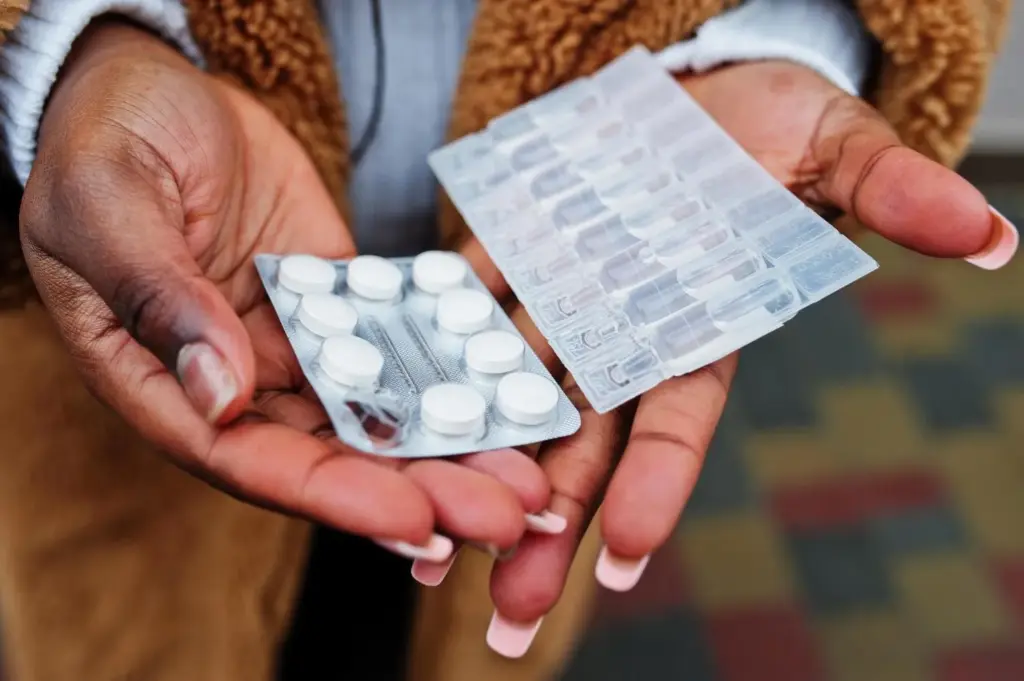
It’s important to know how ibuprofen affects blood thinning. This is key for those who use it for pain and inflammation. Ibuprofen is a common over-the-counter drug known for its pain relief and anti-inflammatory properties.
How Ibuprofen Affects Platelet Function
Ibuprofen functions by inhibiting the enzyme cyclooxygenase (COX), which is essential for synthesizing thromboxane A2, a substance that promotes platelet aggregation. By reducing thromboxane A2, ibuprofen makes platelets less likely to stick, which helps thin the blood.
This effect is similar to aspirin, another NSAID that prevents platelets from sticking. It’s important for patients to talk to their doctor before taking ibuprofen, if they’re worried about blood thinning.
Comparing Ibuprofen to Other NSAIDs
It’s important to compare ibuprofen to other NSAIDs. They all affect blood viscosity differently. Ibuprofen has a blood-thinning effect, but its impact can differ from other NSAIDs like naproxen or aspirin.
- Ibuprofen: Moderate effect on platelet aggregation.
- Aspirin: Strong antiplatelet effect due to irreversible COX inhibition.
- Naproxen: Similar to ibuprofen, with a moderate effect on platelet function.
Knowing these differences helps doctors choose the right NSAID for each patient. This is based on the patient’s risk of bleeding or clotting.
Duration of Blood-Thinning Effects
Ibuprofen’s blood-thinning effects don’t last long. They only last as long as the drug is in your system. Ibuprofen’s half-life is about 2-4 hours, so its effects on platelets are usually gone in a day.
But, how often you take ibuprofen can affect how long its effects last. Taking it regularly can lead to longer periods of reduced platelet aggregation. This might increase the risk of bleeding.
We suggest following the recommended dosage and talking to your doctor if you’re concerned about ibuprofen’s effects or how it interacts with other drugs.
Recognizing Symptoms of Excessively Thin Blood
It’s important to know the signs of thin blood to get medical help quickly. Thin blood doesn’t clot well, leading to bleeding problems. We’ll look at common symptoms to help you know when to see a doctor.
External Bleeding Signs
External bleeding signs are often the first signs of thin blood. These include:
- Easy Bruising: Bruises that appear without significant trauma or injury.
- Nosebleeds: Frequent or prolonged nosebleeds that are difficult to stop.
- Bleeding Gums: Gums that bleed easily, even with gentle brushing or flossing.
- Heavy Menstrual Periods: Menstrual bleeding that’s much heavier or lasts longer than usual.
These signs can be scary and are often the first warning. If you see these symptoms often, you should talk to a doctor.
Internal Bleeding Symptoms
Internal bleeding is dangerous because it’s not always obvious. Symptoms include:
- Abdominal Pain: Severe or ongoing pain in the belly.
- Headache: Sudden, severe headaches that could mean bleeding in the brain.
- Blood in Urine or Stool: Seeing blood in urine or stool, which means internal bleeding.
- Joint Pain or Swelling: Pain or swelling in joints due to bleeding into the joint space.
Internal bleeding needs immediate medical help. If you have these symptoms, don’t wait to get help.
When to Seek Emergency Care
It’s important to know when to call for emergency care. If you have any of these, call 911 or go to the emergency room:
- Severe Bleeding: Bleeding that doesn’t stop after 10-15 minutes of pressure.
- Severe Headache or Confusion: Sudden severe headache or confusion, which could indicate a brain bleed.
- Difficulty Breathing: Shortness of breath or trouble breathing.
- Severe Abdominal Pain: Sudden, severe pain in the belly.
Medical experts say quick action is key to managing thin blood complications.
“Prompt recognition of bleeding symptoms and swift action can significantly improve patient outcomes.”
|
Symptom |
Description |
Action |
|---|---|---|
|
Easy Bruising |
Bruises appear without significant trauma. |
Consult a healthcare provider. |
|
Nosebleeds |
Frequent or prolonged nosebleeds. |
Seek medical evaluation. |
|
Heavy Menstrual Bleeding |
Menstrual bleeding is heavier or longer than usual. |
Discuss with a healthcare provider. |
|
Severe Headache |
Sudden, severe headache. |
Seek emergency care. |
Dealing with thin blood can be tough, but knowing the symptoms and when to act is important. Always talk to healthcare professionals for advice and care.
The Risk of Spontaneous Bleeding

Spontaneous bleeding is a big worry for people with thin blood. It’s important to know about it and how to prevent it. This is true for those with medical conditions or taking blood-thinning meds.
Statistics on Major Bleeding Events
Major bleeding is a serious problem for those with thin blood. Up to 73% of people on blood thinners change their daily life to avoid bleeding. This shows how much bleeding risks affect their life quality.
Major bleeding can happen in up to 30% of those on anticoagulant therapy. These can be from small bruises to serious hemorrhages. Knowing about these risks helps us manage them better.
Key statistics include:
- Major bleeding events occur in up to 30% of patients on anticoagulant therapy.
- Up to 73% of patients modify daily activities to reduce bleeding risk.
- Severe bleeding can lead to hospitalization and significant morbidity.
High-Risk Activities to Avoid
Some activities raise the risk of injury and bleeding. It’s best to stay away from contact sports, heavy lifting, and activities that increase the chance of falls. Avoiding these can lower the risk of major bleeding.
Here are some activities to steer clear of:
- Contact sports like football, rugby, and hockey.
- Heavy lifting and bending, which can lead to muscle strains and internal bleeding.
- Activities with a high risk of falls, such as skiing, rock climbing, or working at heights.
Knowing these risks and taking steps to avoid them can help people with thin blood stay active. They can do so while keeping their risk of spontaneous bleeding low.
Diagnosing Blood Thinning Issues
Diagnosing thin blood requires a detailed approach. This includes several key blood tests. Understanding the severity of the condition is key to choosing the right treatment.
Common Blood Tests for Coagulation
Several blood tests help assess coagulation and diagnose blood thinning issues. These include:
- Prothrombin Time (PT): Measures the time it takes for blood to clot, helping to assess the extrinsic coagulation pathway.
- International Normalized Ratio (INR): Standardizes PT results, allowing for consistent monitoring of anticoagulant therapy.
- Activated Partial Thromboplastin Time (aPTT): Evaluates the intrinsic coagulation pathway and the common pathway.
- Complete Blood Count (CBC): While not a direct measure of coagulation, it provides information on platelet count and other blood components.
A study in the Journal of Clinical Pathology found that PT and INR are key for monitoring patients on warfarin therapy, a common anticoagulant.
“The appropriate use of these tests can significantly impact the management of patients with bleeding disorders.”
– Journal of Clinical Pathology
Interpreting Test Results
Understanding blood test results is vital for diagnosing and managing blood thinning issues. For example:
- An elevated INR indicates an increased risk of bleeding, often seen in patients on anticoagulant therapy.
- A prolonged aPTT may suggest a deficiency in clotting factors or the presence of an inhibitor.
The American Society of Hematology says, “Understanding the nuances of coagulation test results is vital for clinicians to make informed decisions regarding patient care.”
We must consider these test results in the context of the patient’s overall clinical picture. This includes symptoms and medical history, to provide complete care.
Balancing Benefits and Risks of Blood Thinners
Over 8 million Americans rely on blood thinners to prevent blood clots. These medications are vital for stopping dangerous clots that could cause stroke or deep vein thrombosis. Yet, they also raise the chance of bleeding. It’s important to weigh these benefits and risks for the best care.
Preventing Blood Clots
Blood thinners stop the body’s clotting process, lowering the risk of harmful clots. Anticoagulant medications like warfarin and apixaban are often given to those at high risk. They have been proven to cut down on strokes and other clot-related problems in these groups.
|
Medication |
Mechanism of Action |
Common Use |
|---|---|---|
|
Warfarin |
Vitamin K antagonist |
Atrial fibrillation, DVT prevention |
|
Apixaban |
Factor Xa inhibitor |
Stroke prevention in atrial fibrillation |
|
Rivaroxaban |
Factor Xa inhibitor |
DVT and PE treatment |
Managing Bleeding Risks
Blood thinners are great at stopping clots but can also lead to bleeding. Monitoring and managing this risk is vital for those on these medications. Regular blood tests, like the INR for warfarin, help doctors adjust doses to lower bleeding risks while keeping the treatment effective.
Patient Decision-Making
Teaching patients about blood thinners is essential. Understanding the rationale behind these drugs and knowing possible side effects helps patients make informed choices. Doctors should talk with patients about their treatment plans, including the good and bad sides of blood thinners.
By grasping the benefits and risks, patients can better handle the challenges of anticoagulant therapy. This leads to better health results.
Lifestyle Modifications for People with Thin Blood

Managing thin blood requires making some changes in your lifestyle. This includes changing your diet, being careful with exercise, and making your home safer. These steps can help lower the risk of bleeding and improve your life quality.
Diet Considerations
Eating a balanced diet is key for managing thin blood. Some foods can help or hurt your body’s clotting ability. It’s important to watch your vitamin K intake, as it helps with blood clotting.
Foods high in vitamin K include spinach, kale, broccoli, and cabbage. Keeping your vitamin K intake steady is important to avoid changes in blood clotting. Also, drinking enough water is vital. Dehydration can make your blood thicker, which might cause clots.
|
Food Group |
Recommended Foods |
Foods to Limit |
|---|---|---|
|
Leafy Greens |
Spinach, Kale, Collard Greens |
Excessive consumption may interact with blood thinners |
|
Fruits |
Berries, Citrus Fruits |
Avoid excessive consumption of grapefruit |
|
Proteins |
Lean meats, Fish, Eggs |
Limit foods high in saturated fats |
Exercise Precautions
Staying active is good for your health, but people with thin blood need to be careful. We suggest doing low-impact exercises like walking, swimming, or cycling. These activities help your heart without straining your body too much.
Always wear protective gear when you exercise, like helmets or knee pads. It’s best to avoid sports or activities that could lead to injuries.
- Choose low-impact exercises like walking or swimming.
- Wear protective gear during physical activities.
- Avoid contact sports or high-risk activities.
Home Safety Measures
Making your home safe is important to prevent falls and accidents. Remove any tripping hazards like loose rugs or cords. Install handrails in key places and make sure your home is well-lit.
In the bathroom, use non-slip mats to prevent slips. Be careful when using sharp objects in the kitchen or for other tasks to avoid cuts.
Key Home Safety Tips:
- Remove tripping hazards.
- Install handrails.
- Use non-slip mats.
- Handle sharp objects with care.
Special Considerations for Surgical Procedures
Managing blood thinners during surgery is key to avoid complications and keep patients safe. Surgeries, whether planned or urgent, need a team effort. This team balances the risk of bleeding against the need for blood to clot properly.
Pre-Surgery Management
Before surgery, we adjust medications to lower bleeding risks. We thoroughly review the patient’s medications, including blood thinners, to decide the best plan. This might mean stopping some medications or changing their doses. The choice depends on the surgery type, the patient’s health, and the blood thinner used.
For those on blood thinners, guidelines suggest stopping them a few days before surgery. For example, warfarin is stopped 5 days before. Direct oral anticoagulants (DOACs) might be stopped 1 to 3 days before, based on kidney function and the DOAC type.
Post-Operative Care
After surgery, patients on blood thinners need careful monitoring for bleeding or clotting. Close surveillance is vital in the post-op period. We watch for bleeding signs like hematoma or hemorrhage and clotting signs.
Starting blood thinners again after surgery is planned with care. In some cases, a shorter-acting anticoagulant is used to reduce bleeding risk. This helps avoid clotting risks.
Recent guidelines stress the importance of a team approach for the best care. Surgeons, anesthesiologists, and other healthcare providers work together. This ensures the surgery’s success and the patient’s safety.
Interactions Between Blood Thinners and Other Medications
It’s important to know how blood thinners interact with other substances for safety and better treatment. Blood thinners help manage heart health but can be affected by many things. This includes other medicines, foods, and supplements.
Common Drug Interactions
Blood thinners can react with many drugs, which might cause problems or make them less effective. For example, antibiotics like rifampicin can make warfarin less effective. On the other hand, amiodarone can make warfarin work too well, raising the risk of bleeding.
To handle these interactions well, you should:
- Tell your doctor about all the medicines you’re taking.
- Keep an eye on how you feel when you start or stop a medicine.
- Check with your doctor about your medicines often.
|
Medication Class |
Examples |
Potential Interaction with Blood Thinners |
|---|---|---|
|
Antibiotics |
Rifampicin, Metronidazole |
Variable effects on anticoagulation |
|
Anti-arrhythmics |
Amiodarone |
Increased anticoagulant effect |
|
NSAIDs |
Ibuprofen, Aspirin |
Increased risk of bleeding |
Food and Supplement Interactions
Some foods and supplements can also affect blood thinners. For instance, foods rich in vitamin K, like leafy greens, can reduce warfarin’s effect. You don’t have to avoid these foods, but eating them consistently helps keep the effect stable.
Supplements like omega-3 fatty acids and ginger can also increase bleeding risk with blood thinners. Always talk to your doctor about any supplements you’re taking.
For more on managing blood thinners and their interactions, check out.
Importance of Medication Reconciliation
Medication reconciliation is key to reviewing a patient’s medicines for accuracy and safety. It helps spot drug interactions and mistakes, mainly during care changes like hospital stays.
By making sure all healthcare teams have the latest list of medicines, we can lower the chance of bad interactions. This helps blood thinners work better.
Managing Thin Blood in Special Populations
Managing thin blood in groups like the elderly, pregnant women, and children needs special care. It’s important to know their unique risks and needs to manage their condition well.
Elderly Patients
Elderly patients often have many health issues and take several medicines. This makes managing thin blood more complex. We must balance the risk of bleeding against the chance of blood clots.
- Regular monitoring of coagulation parameters is key.
- Anticoagulant doses might need to be adjusted because of kidney function changes.
- It’s important to watch for drug interactions closely.
|
Consideration |
Action |
|---|---|
|
Coagulation Monitoring |
Regular blood tests |
|
Dose Adjustment |
Based on renal function |
|
Drug Interaction |
Close monitoring |
Pregnant Women
Pregnancy changes how blood clots, raising the risk of both bleeding and blood clots. Managing thin blood in pregnant women is a delicate task. It’s important to keep both the mother and the baby healthy.
Key considerations include:
- Watch closely for signs of bleeding or blood clots.
- Adjust anticoagulant therapy as needed.
- Plan for delivery and postpartum care.
Children with Bleeding Disorders
Managing thin blood in children with bleeding disorders, like hemophilia, requires a detailed plan. This includes preventive care, treating bleeding episodes, and watching for complications.
Important aspects of management include:
- Regular check-ups of clotting factor levels.
- Prophylactic replacement therapy.
- Teaching patients and families how to spot and handle bleeding episodes.
Reversing Blood Thinning Effects in Emergencies

Being able to reverse blood thinning in emergencies can greatly improve patient outcomes. Quick action is key to manage severe bleeding well.
Antidotes for Specific Anticoagulants
It’s vital to reverse anticoagulant effects in emergencies. There are antidotes for different anticoagulants.
- Vitamin K is used to reverse the effects of warfarin.
- Idarucizumab (Praxbind) is a specific reversal agent for dabigatran.
- Andexxa (coagulation factor Xa [recombinant], inactivated-zhzo) is used to reverse the effects of rivaroxaban and apixaban.
- Prothrombin complex concentrate (PCC) can be used to reverse the effects of various anticoagulants.
Emergency Protocols for Severe Bleeding
For severe bleeding, following emergency protocols is critical. This ensures timely and effective management.
- Assess the patient’s condition and identify the source of bleeding.
- Administer the appropriate antidote or reversal agent.
- Provide supportive care, including fluid resuscitation and blood transfusions as needed.
- Monitor the patient’s condition closely for signs of improvement or deterioration.
Healthcare providers must understand these emergency protocols. This is essential for managing severe bleeding effectively.
|
Anticoagulant |
Reversal Agent |
Dose |
|---|---|---|
|
Warfarin |
Vitamin K |
2.5-5 mg IV |
|
Dabigatran |
Idarucizumab (Praxbind) |
5 g IV |
|
Rivaroxaban, Apixaban |
Andexxa |
Varies based on dose and time |
Multidisciplinary Approach to Blood Thinner Management
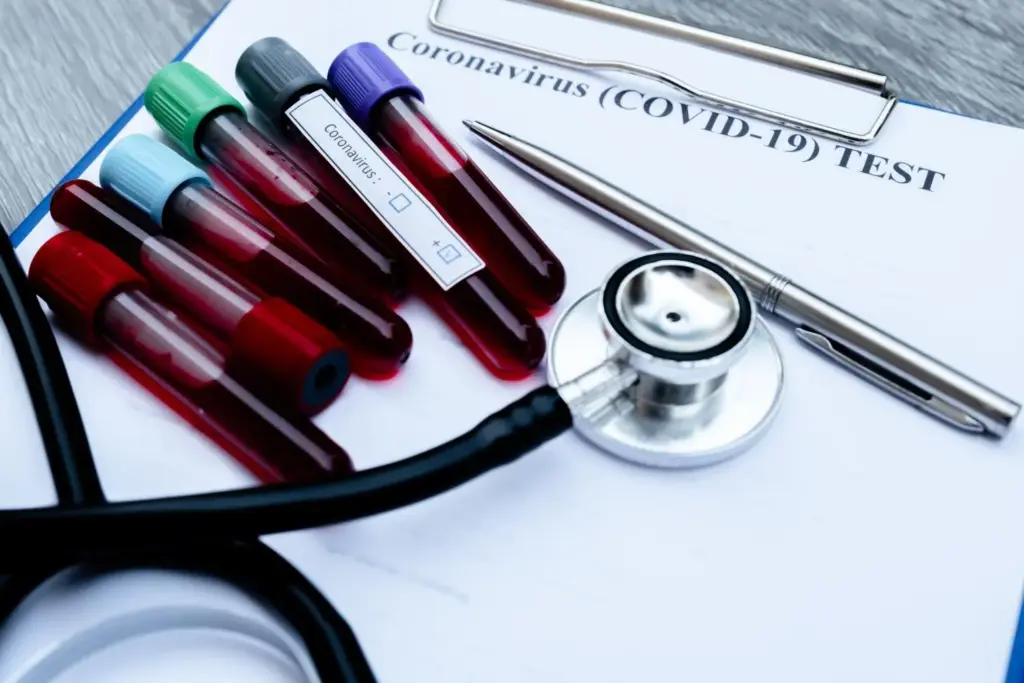
Managing patients on blood thinners needs teamwork from different healthcare providers. A team effort is key to better patient care and results.
New care guidelines stress the need for a team approach for the best results with blood thinners. This teamwork boosts patient safety and makes anticoagulant therapy more effective.
Role of Specialized Anticoagulation Clinics
Specialized clinics for blood thinners are very important. These clinics have experts in anticoagulation therapy. They offer full care, including:
- Monitoring of anticoagulant therapy
- Patient education on the risks and benefits of blood thinners
- Dose adjustment and management of bleeding risks
- Coordination with other healthcare providers
Research shows these clinics help a lot. They can lower the risk of blood clots and major bleeding.
|
Benefits |
Description |
Outcomes |
|---|---|---|
|
Comprehensive Care |
Monitoring, education, and dose management |
Improved patient outcomes |
|
Expertise |
Staff with specialized knowledge in anticoagulation |
Reduced risk of complications |
|
Coordination td> |
Collaboration with other healthcare providers |
Enhanced patient safety |
Coordination Between Healthcare Providers
Good teamwork among healthcare providers is vital for managing blood thinner patients. This teamwork includes:
- Clear communication about patient care plans
- Working together on dose changes and side effect management
- Decisions made together to weigh the risks and benefits of blood thinners
By teaming up, healthcare providers can give patients the best care. This leads to better results and a better life for patients.
Conclusion
Understanding the risks and benefits of blood thinners helps patients make smart choices. Managing thin blood requires a full plan. This includes changing lifestyle habits, managing medications, and working with a team of healthcare experts.
It’s key to handle bleeding risks for those on blood thinners. Taking steps to lower these risks helps patients do well and avoid serious problems.
Managing blood thinners needs a team effort. Healthcare providers must work together. Patients need to learn about their treatment and have their progress watched closely.
The main aim is to keep patients safe and healthy. With the help of their healthcare team, patients can stay well and live a good life.
FAQ
What are the risks associated with having too thin blood?
Thin blood can make you more likely to bleed. This can happen on its own or with just a small injury. You might see bruises, nosebleeds, or other bleeding issues.
Does ibuprofen thin your blood?
Ibuprofen might make your blood thinner by affecting platelets. But how much it affects you can depend on your body and how much you take.
What medical conditions can cause thin blood?
Some health issues, like bleeding disorders, vitamin K deficiency, and liver disease, can make your blood thinner. They do this by messing with clotting factors or platelet function.
How do prescription anticoagulants work?
Prescription anticoagulants stop blood clots from forming. They do this by blocking the coagulation process. Doctors use them to prevent deep vein thrombosis and stroke.
Can over-the-counter medications like ibuprofen affect blood viscosity?
Yes, ibuprofen and other OTC meds can make your blood thinner. They do this by stopping platelets from working right.
What are the symptoms of excessively thin blood?
Signs of thin blood include bruises and nosebleeds. You might also feel pain in your belly or have headaches.
How is blood thinning diagnosed?
Doctors test your blood to see if it’s thin. They look at things like prothrombin time (PT) and international normalized ratio (INR).
What lifestyle modifications can help manage thin blood?
To manage thin blood, try changing your diet, being careful with exercise, and making your home safer. These steps can help lower bleeding risks.
How do blood thinners interact with other medications?
Blood thinners can mix badly with other meds, foods, and supplements. This can make them less effective and raise bleeding risks.
What are the special considerations for managing thin blood in elderly patients?
Elderly patients need special care for thin blood. They face higher risks of falls and other health problems.
How can blood thinning effects be reversed in emergencies?
In emergencies, doctors use antidotes for certain blood thinners. They follow strict protocols to treat severe bleeding.
What is the role of specialized anticoagulation clinics in managing blood thinners?
Special clinics are key in managing blood thinners. They offer detailed care and help coordinate with other healthcare teams.
What causes thick blood?
Thick blood, or hypercoagulability, can come from genetic disorders, some meds, or health conditions. These factors affect how blood clots.
What are the reasons for thick blood?
Thick blood can be due to genetics, certain meds, or health issues. These factors mess with blood clotting.
How does ibuprofen impact blood thinness?
Ibuprofen can make your blood thinner by affecting platelets. This can lead to a thinner blood effect.
References
AARP. Blood Thinners: What You Need to Know. https://www.aarp.org/health/drugs-supplements/blood-thinners/
National Blood Clot Alliance (NBCA). Bleeding Risk Survey. https://www.stoptheclot.org/news/bleeding-risk-survey/
CardioSmart (American College of Cardiology). Risk of Stroke and Blood Thinners. http://www.cardiosmart.org/topics/atrial-fibrillation/preventing-stroke/risk-of-stroke-and-blood-thinners
WebMD. DVT Treatment: Tips for Taking Heparin and Warfarin Safely. https://www.webmd.com/dvt/dvt-treatment-tips-for-taking-heparin-and-warfarin-safely



 Departments
 Related Videos
 Our Doctors
 News
News