
Anemia, mainly iron deficiency anemia, can hurt your sleep quality and how long you sleep. A study with over 84,000 adults showed that sleeping too little (≤5 hours) or too much (≥9 hours) raises your risk of anemia.
This article explores the connection between anemia and sleep. We’ll see how iron deficiency affects your health and sleep. Knowing this is key to feeling better overall.
Key Takeaways
- Anemia is linked to impaired sleep quality and reduced sleep duration.
- Both short and long sleep durations are associated with an increased risk of developing anemia.
- Iron deficiency is a common cause of anemia, leading to fatigue and weakness.
- Understanding the link between anemia and sleep is vital for overall well-being.
- Research suggests that blood health may be a key factor in restful sleep.
The Hidden Connection Between Blood Health and Sleep
The link between blood health and sleep is often missed, but it’s key to our well-being. Keeping our blood healthy is vital for good sleep.
How Anemia Impacts Overall Well-being
Anemia means not enough red blood cells or hemoglobin. This makes our body’s tissues and organs lack oxygen. We feel tired, weak, and unwell.
Anemia can really affect our daily life and quality of life. It impacts not just our physical health but also our mental and emotional states.
” The connection between anemia and well-being is complex, involving various physiological processes.
The Significance of Iron in Body Functions
Iron is key for making hemoglobin, which carries oxygen. Without enough iron, we can’t make enough healthy red blood cells. This leads to anemia.
Iron deficiency is common worldwide and affects our energy and health.
Iron is important for many things, like energy production and keeping our immune system strong. We need enough iron to stay healthy.
- Iron is essential for the production of hemoglobin.
- Adequate iron intake is critical for preventing anemia.
- Iron deficiency can lead to significant health issues.
Understanding iron’s role in our body helps us see why we need to keep iron levels up. This improves our health and sleep quality.
Understanding Anemia: Types and Prevalence
About 1.2 billion people worldwide have iron deficiency anemia. It’s key to know the different types of anemia and how they affect sleep. Anemia happens when there aren’t enough red blood cells or they’re not good enough. These cells carry oxygen to our body’s tissues.
Iron Deficiency Anemia: The Most Common Form
Iron deficiency anemia is the most common anemia worldwide. It happens when we don’t have enough iron to make hemoglobin. Hemoglobin is a protein in red blood cells that carries oxygen.
This type of anemia can come from not eating enough iron, losing blood too much, or needing more iron because of pregnancy or growing fast.
In developing countries, iron deficiency anemia is very common. It’s caused by bad nutrition, not having access to healthcare, and many infections. But it’s also a big problem in developed countries.
Other Types of Anemia That Affect Sleep
While iron deficiency anemia is the most common, other types can also hurt sleep. These include:
- Vitamin deficiency anemia: This is caused by not having enough vitamins like B12 or folate. These vitamins help make red blood cells.
- Anemia of chronic disease: This is linked to long-term illnesses like rheumatoid arthritis, cancer, or HIV/AIDS.
- Sickle cell anemia: A genetic disorder that changes the shape and function of red blood cells.
- Thalassemia: A genetic disorder that affects how hemoglobin is made.
Knowing about these anemias is important for finding and treating them. This can help improve sleep quality.
|
Type of Anemia |
Causes |
Effects on Sleep |
|---|---|---|
|
Iron Deficiency Anemia |
Inadequate iron intake, chronic blood loss |
Fatigue, restless leg syndrome |
|
Vitamin Deficiency Anemia |
Lack of vitamin B12 or folate |
Fatigue, neurological symptoms |
|
Anemia of Chronic Disease |
Chronic illnesses like cancer or HIV/AIDS |
Fatigue, sleep disturbances |
Does Low Iron Make You Tired? The Science Explained
Iron is key for making energy, and not enough can make you very tired. We’ll look at how not having enough iron affects your body, causing fatigue and tiredness.
How Iron Deficiency Leads to Fatigue
Iron helps make ATP, the energy for cells. Without enough iron, making ATP is hard, and you feel tired. Iron deficiency anemia happens when you don’t have enough iron for hemoglobin. Hemoglobin carries oxygen in red blood cells.
Not enough iron means less oxygen for cells. It also messes with mitochondria, where cells make energy.
Cellular Energy Production and Oxygen Transport
Iron is key for oxygen to get to body tissues. Hemoglobin, with iron, carries oxygen from the lungs. Without enough iron, cells and tissues don’t get enough oxygen, making you tired.
Iron helps make ATP in cells. Without enough iron, making energy is harder.
|
Process |
Role of Iron |
Effect of Iron Deficiency |
|---|---|---|
|
Oxygen Transport |
Iron is part of hemoglobin, which transports oxygen. |
Reduced oxygen delivery to tissues. |
|
ATP Production |
Iron is necessary for the electron transport chain. |
Impaired ATP synthesis, leading to fatigue. |
|
Mitochondrial Function |
Iron supports the functioning of mitochondria. |
Reduced energy production due to mitochondrial dysfunction. |
Knowing how iron deficiency causes fatigue shows why we need enough iron. Eating foods rich in iron or taking supplements can help fight fatigue from iron deficiency.
Research Findings: How Anemia Disrupts Sleep Patterns
A study with over 84,000 adults has uncovered how anemia affects sleep. This research is key to understanding the link between blood health and sleep quality.
The 84,000-Person Study: Sleep Duration and Anemia Risk
The study looked at data from more than 84,000 people. It found a strong link between sleep time and anemia risk. Short and long sleep times both raise anemia risk. This shows sleep is vital for healthy blood.
Let’s dive into the study’s findings:
|
Sleep Duration |
Anemia Risk |
|---|---|
|
Less than 5 hours |
Increased risk |
|
5-7 hours |
Baseline risk |
|
More than 9 hours |
Increased risk |
Why 68% of IDA Patients Report Poor Sleep Quality
People with iron deficiency anemia (IDA) often have trouble sleeping. 68% of IDA patients have sleep issues. This is due to many reasons, including physical and chemical factors.
Iron is important for our body’s functions, including sleep. Iron helps make dopamine and serotonin, which control sleep.
Anemia and sleep problems are linked in a complex way. Anemia can mess with sleep, and bad sleep can make anemia worse. This creates a hard cycle to stop without the right treatment.
Anemia’s Impact on Sleep Architecture
It’s important to know how anemia affects sleep patterns. Anemia can mess with our sleep-wake cycle, changing how we sleep. This can harm our health and well-being.
Disruptions in REM and Non-REM Sleep Phases
Anemia makes it hard to sleep normally, affecting REM and non-REM sleep. REM sleep helps with thinking, memory, and emotions. People with anemia often sleep less in REM and take longer to fall into it.
Non-REM sleep is key for our body to heal and recover. But anemia also messes with this sleep.
These sleep problems can cause many issues, like:
- Impaired cognitive function
- Memory problems
- Mood disturbances
- Daytime fatigue
Sleep Fragmentation and Reduced Sleep Efficiency
Anemia can break up sleep into many short periods. This, along with less sleep efficiency, lowers sleep quality. Sleep efficiency is how much time you actually sleep while in bed.
Studies show people with anemia often wake up a lot at night. They also find it hard to fall asleep and have restless sleep.
These problems can start a cycle where bad sleep makes anemia worse, and vice versa.
Fixing anemia is key to better sleep. Knowing how anemia affects sleep helps doctors find ways to improve sleep and health.
Why Do I Have Low Iron? Common Causes and Risk Factors
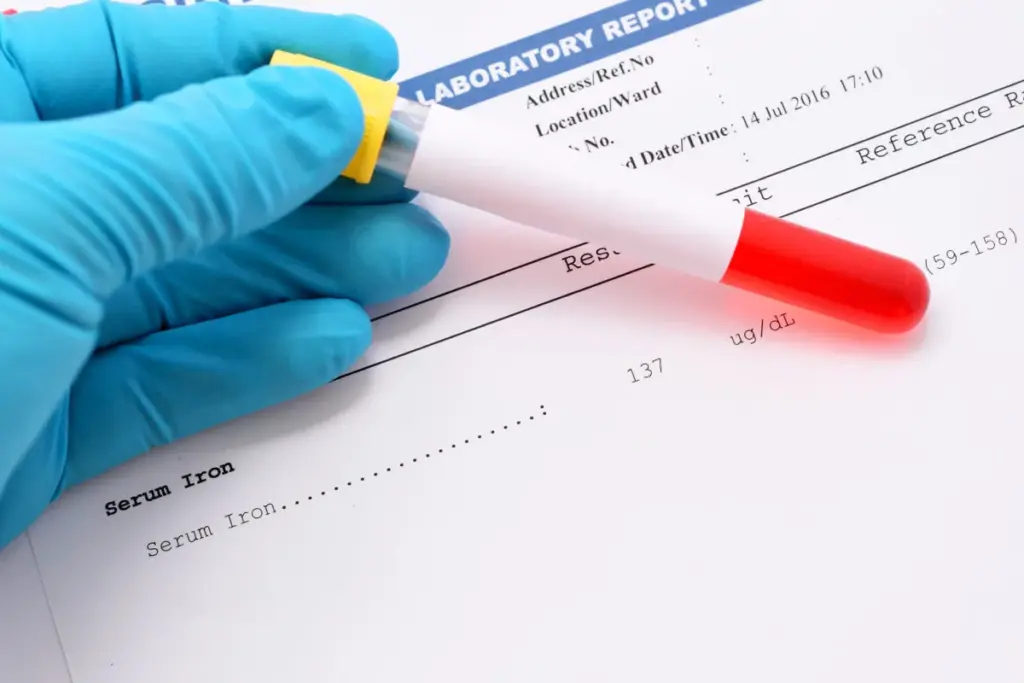
Knowing why it happens is key to fixing it. There are many reasons for iron deficiency, and knowing them is the first step to solving the problem.
Dietary Insufficiency and Absorption Issues
Not getting enough iron from food is a big reason for low iron levels. This can happen if you don’t eat enough iron-rich foods or if your body can’t absorb iron well. Iron comes in two types: heme iron from animal sources and non-heme iron from plants.
To help your body absorb iron better, eat foods high in vitamin C with iron-rich foods. Foods like citrus fruits or bell peppers help. But, drinking tea or coffee with meals can make it harder for your body to absorb iron.
Blood Loss and Other Medical Conditions
Blood loss is another big reason for iron deficiency. This can happen from heavy periods, internal bleeding, or giving blood too often. Some health issues, like celiac disease or Crohn’s disease, can also make it hard for your body to absorb iron.
Other health problems, like cancer or chronic infections, can also lower iron levels. They can make your body need more iron or mess with how iron is used.
|
Cause |
Description |
Examples |
|---|---|---|
|
Dietary Insufficiency |
Lack of iron-rich foods in the diet or poor absorption of iron. |
Vegetarian or vegan diets without proper planning, lack of vitamin C to enhance absorption. |
|
Blood Loss |
Loss of blood due to various reasons. |
Heavy menstrual periods, internal bleeding, frequent blood donation. |
|
Medical Conditions |
Certain health conditions that affect iron absorption or increase iron demand. |
Celiac disease, Crohn’s disease, cancer, chronic infections. |
Knowing why you might have low iron is important for managing it. By tackling the root causes, you can keep your iron levels healthy and stay well.
Beyond Fatigue: Can Low Iron Cause Dizziness and Other Symptoms?

Low iron levels can affect our bodies in many ways, not just making us tired. They can also cause dizziness and vertigo. Iron is key for healthy red blood cells, which carry oxygen to our bodies, including the brain and inner ear.
When iron is low, these areas can be impacted. This leads to various symptoms.
The Connection Between Iron Levels and Vertigo
Dizziness and vertigo often relate to the inner ear, where iron is important. Studies show iron deficiency can harm the vestibular system. This can cause balance issues and vertigo.
“Iron deficiency may cause dizziness and vertigo due to its impact on the inner ear and balance,” say doctors. Iron helps make hemoglobin, which carries oxygen to cells, including those in the inner ear.
Research backs the link between iron and vertigo. People with iron deficiency anemia often have dizziness and balance problems. Treating iron deficiency can help solve these issues, showing why it’s key to manage low iron levels.
Headaches and Concentration Problems
Low iron can also cause headaches and trouble concentrating. Iron is vital for making dopamine and other neurotransmitters. These are important for thinking and pain control.
When iron is low, these processes can be disrupted. This can lead to headaches and trouble focusing.
Studies show iron deficiency is linked to headaches and brain problems. For example, iron supplements can boost brain function in those with iron deficiency. This shows iron’s role in brain health.
In summary, low iron can lead to symptoms like dizziness, vertigo, headaches, and trouble concentrating. Knowing how iron affects these symptoms is key for diagnosis and treatment. By addressing iron deficiency, people can feel better and improve their health.
Can Anemia Cause Nausea? Digestive Symptoms Explained
It’s important to know how anemia and digestive issues are connected. Anemia, often caused by iron deficiency, can cause many digestive problems. These problems can really affect how well you live your life.
Why Iron Deficiency Affects Your Digestive System
Iron is key for many body functions, including digestion. Low iron can make digestion hard, leading to nausea, constipation, and stomach pain.
The digestive system needs iron to work right. Iron helps make enzymes and proteins for digestion and absorbing nutrients. Without enough iron, digestion can be uncomfortable.
Distinguishing Anemia-Related Nausea from Other Causes
Nausea can mean many things, making it hard to find the cause. But, nausea from anemia often comes with other signs like tiredness, dizziness, and breathing problems.
Doctors look at many things to figure out if nausea is from anemia. They check the patient’s overall health, past illnesses, and blood tests. For example, someone with iron deficiency anemia might also have pale skin, brittle nails, and hair loss, along with nausea.
|
Symptom |
Anemia-Related Nausea |
Other Causes of Nausea |
|---|---|---|
|
Associated Symptoms |
Fatigue, dizziness, shortness of breath |
Varies depending on the cause (e.g., vomiting, diarrhea for gastrointestinal infections) |
|
Laboratory Findings |
Low hemoglobin, low iron levels |
Depends on the underlying cause (e.g., abnormal liver function tests for hepatitis) |
Knowing how anemia and nausea are connected helps people get the right medical help. This can improve their health and life quality.
The Dopaminergic System: How Anemia Alters Brain Chemistry
Anemia can change the way our brains work, affecting the dopaminergic system. This system is key for reward, motivation, and movement. Iron deficiency anemia can lower dopamine levels, a vital neurotransmitter.
Iron’s Role in Neurotransmitter Production
Iron is needed to make dopamine. It helps enzymes that create dopamine. Low iron means less dopamine, affecting brain function and behavior.
Iron deficiency can lower dopamine levels. This can mess with sleep-wake cycles. Dopamine helps control when we sleep and wake up.
How Dopamine Disruption Affects Sleep-Wake Cycles
Dopamine helps regulate sleep and wakefulness. It works with other neurotransmitters to keep our sleep patterns right. Anemia can disrupt this, causing sleep problems.
When dopamine levels change, sleep can suffer. This can lead to insomnia, feeling tired during the day, and other sleep issues. It’s important to understand this link to help those with anemia sleep better.
|
Iron Level |
Dopamine Production |
Sleep Quality |
|---|---|---|
|
Normal |
Normal |
Good |
|
Low |
Reduced |
Poor |
|
Severely Low |
Significantly Reduced |
Very Poor |
The table shows iron, dopamine, and sleep are linked. Keeping iron levels healthy is key for good dopamine production and sleep.
“Iron deficiency can lead to a range of neurological symptoms, including restless leg syndrome and other sleep disturbances.”
– A renowned hematologist
Anemia can harm the dopaminergic system and sleep. It’s vital to treat iron deficiency to improve overall health.
Restless Nights: Sleep Disorders Associated with Anemia
People with anemia often have trouble sleeping well. This can make their health problems worse.
Anemia can lead to sleep disorders. Restless Legs Syndrome (RLS) and Periodic Limb Movements (PLM) are common. These can mess up sleep patterns.
Restless Legs Syndrome and Periodic Limb Movements
Restless Legs Syndrome makes you feel like you must move your legs. It’s hard to sleep with it. Iron deficiency anemia increases the risk of RLS.
Periodic Limb Movements cause your legs to move on their own at night. This can wake you up a lot. Low iron might be connected to PLM.
Insomnia and Sleep-Onset Difficulties
Insomnia and sleep-onset difficulties are common in anemia. Anemia’s discomfort makes it hard to fall or stay asleep.
Fixing anemia, like iron deficiency, is key to better sleep. Treating anemia can improve sleep and overall health.
Diagnosing Iron Deficiency: Tests and Evaluations
Diagnosing iron deficiency anemia is complex. It involves lab tests and patient assessments. Getting it right is key to treating the condition effectively.
Laboratory Markers for Anemia Detection
Labs play a big role in spotting iron deficiency anemia. Important tests include:
- Ferritin levels, which show iron stores
- Hemoglobin (Hb) levels, showing anemia’s severity
- Mean Corpuscular Volume (MCV), for anemia type
- Iron and Total Iron Binding Capacity (TIBC) tests, for iron use
These tests help doctors understand if you have iron deficiency anemia. For example, low ferritin means you’re running low on iron, even if your hemoglobin is fine.
|
Laboratory Marker |
Normal Range |
Indication in Iron Deficiency |
|---|---|---|
|
Ferritin |
20-250 ng/mL |
Low levels indicate depleted iron stores |
|
Hemoglobin (Hb) |
13.5-17.5 g/dL (men), 12-16 g/dL (women) |
Low levels indicate anemia |
|
MCV |
80-100 fL |
Low MCV indicates microcytic anemia |
When Sleep Studies May Be Necessary
If you have iron deficiency anemia and trouble sleeping, doctors might suggest sleep studies. Tests like polysomnography (PSG) can spot sleep problems linked to anemia, like restless legs syndrome.
“Sleep disturbances are common among patients with iron deficiency anemia, and addressing these issues is critical for overall patient care.”
Sleep Specialist
Understanding the tests and evaluations for iron deficiency anemia helps doctors create better treatment plans. These plans tackle both the anemia and sleep issues.
Treatment Approaches: Addressing Low Iron Levels
Low iron levels need a mix of treatments. This includes supplements, changing what you eat, and sometimes medical help. We’ll look at how to manage low iron levels well.
Iron Supplementation Options and Considerations
Iron supplements are a key treatment for iron deficiency anemia. There are many types, like ferrous sulfate and iron citrate. The right one depends on how well you can take it and how bad your iron deficiency is. Always talk to a doctor to find the best supplement and how much to take.
Key Considerations for Iron Supplementation:
- Dosage: The amount of iron supplement taken daily.
- Type of Iron: Different forms of iron have varying absorption rates.
- Side Effects: Common side effects include gastrointestinal issues.
Dietary Strategies to Boost Iron Absorption
Eating right is key to managing low iron levels. Foods high in iron, like red meat and beans, help. Vitamin C boosts iron absorption, so eating foods with vitamin C, like citrus fruits, is good too.
|
Food Type |
Iron Content |
Enhancers |
|---|---|---|
|
Red Meat |
High |
Vitamin C |
|
Beans and Legumes |
Moderate |
Citrus Fruits |
|
Fortified Cereals |
Variable |
Bell Peppers |
Medical Interventions for Severe Cases
For very bad cases of iron deficiency anemia, doctors might use intravenous iron or blood transfusions. A study on the shows intravenous iron works fast to raise iron levels.
It’s vital to talk to a doctor to figure out the best treatment for low iron levels.
Special Populations: Anemia and Sleep Challenges
Women, children, and the elderly face special challenges with anemia and sleep issues. They are more likely to have iron deficiency anemia due to their health needs. It’s important to know what they need to stay healthy.
Women’s Health: Menstruation, Pregnancy, and Menopause
Women are more at risk for iron deficiency anemia because of menstruation, pregnancy, and childbirth. Menstruation causes iron loss, which can deplete iron stores if not replaced. Pregnancy increases iron needs because of the baby’s growth.
Pregnant women with anemia often have trouble sleeping, including insomnia and restless leg syndrome. Menopause also affects sleep, as hormonal changes can disrupt it. Anemia can make these sleep problems worse.
|
Life Stage |
Iron Needs |
Sleep Challenges |
|---|---|---|
|
Menstruation |
Increased due to blood loss |
Potential for insomnia, restless leg syndrome |
|
Pregnancy |
Higher demand due to increased blood volume and fetal needs |
Increased risk of sleep disturbances, insomnia |
|
Menopause |
Varies, but often decreased due to cessation of menstruation |
Hormonal changes can disrupt sleep |
Children and Elderly: Unique Considerations
Children and teens are also at risk for iron deficiency anemia. This can cause problems with focus, learning, and behavior. Sleep issues can make these problems worse.
The elderly face a higher risk of anemia due to aging and health issues. Anemia can lead to tiredness, weakness, and memory problems. Sleep issues can make these problems even harder to deal with.
“Iron deficiency anemia is a significant public health issue that affects not only the quality of life but also the overall health of vulnerable populations, including children and the elderly.”
Nutritional Review
It’s key for healthcare providers to understand these special challenges. By focusing on anemia and sleep issues, we can help these groups live better lives.
Can Low Iron Cause Fatigue Even With Normal Hemoglobin?
Even with normal hemoglobin levels, iron deficiency can cause fatigue. Iron is key for many body functions, not just carrying oxygen. Hemoglobin is a marker for iron, but it’s not the only sign.
Iron Deficiency Without Anemia
Iron deficiency without anemia means your body has low iron, but your hemoglobin is fine. This can cause fatigue because iron is vital for cells.
Studies show iron deficiency can hurt your energy and work performance. A Journal of the American Medical Association study found iron supplements help with fatigue and brain function in those without anemia.
“Iron deficiency without anemia is a common condition that can have a significant impact on quality of life. Recognizing and treating this condition can improve symptoms and overall well-being.”
Subtle Signs of Depleted Iron Stores
Iron deficiency can show in many small ways, making it hard to diagnose. Some signs include:
- Persistent fatigue and weakness
- Shortness of breath during routine activities
- Dizziness or lightheadedness
- Cold hands and feet
- Headaches and difficulty concentrating
|
Symptom |
Prevalence in Iron Deficiency |
|---|---|
|
Fatigue |
80% |
|
Shortness of breath |
40% |
|
Dizziness |
30% |
It’s important to notice these small signs and think about iron deficiency, even with normal hemoglobin. Early treatment can greatly improve your life.
When to Seek Medical Help for Anemia and Sleep Problems
Anemia and sleep issues can really affect your life. It’s key to know when to get medical help. While some tiredness is okay, ongoing signs might mean a bigger problem.
Red Flags That Require Immediate Attention
Some symptoms need you to see a doctor right away. If you notice any of these, get help fast:
- Severe fatigue that stops you from doing daily tasks
- Shortness of breath even when you’re not moving
- Dizziness or lightheadedness that doesn’t go away
- Chest pain or palpitations
These signs could mean serious anemia or other health problems. You need to see a doctor quickly.
Finding the Right Specialist for Your Symptoms
Finding the right doctor is important. Your symptoms might need a:
|
Specialist |
Role |
|---|---|
|
Hematologist |
Deals with blood issues, like anemia |
|
Sleep Specialist |
Works on sleep problems and how they affect health |
|
Primary Care Physician |
Does the first check-up and sends you to specialists if needed |
Your primary care doctor can help find the right specialist for you. They look at your symptoms and health history.
If you’re not sure where to begin, start with your primary care doctor. They can check your health and guide you to the right specialist.
Conclusion: Restoring Healthy Sleep Through Iron Balance
Keeping iron levels balanced is key for good sleep. We’ve seen how anemia, mainly iron-deficiency anemia, can mess with sleep quality and length. Studies show people with anemia sleep less, affecting all ages.
Iron helps make important brain chemicals like serotonin and dopamine. These are vital for controlling sleep.
Fixing iron levels can help solve sleep issues tied to anemia. Taking iron supplements might help sleep problems caused by iron deficiency. For more on anemia and sleep, check out the.
By tackling iron deficiency and keeping iron levels right, people can get better sleep. This can also boost their overall health.
FAQ
Can anemia cause sleep problems?
Yes, anemia can disrupt sleep patterns. This leads to poor sleep quality and reduced sleep efficiency.
How does iron deficiency lead to fatigue?
Iron is key for making ATP. Without enough, energy production and oxygen transport suffer. This results in fatigue and tiredness.
Can low iron cause dizziness?
Yes, low iron can cause dizziness. It also leads to headaches and concentration problems due to reduced oxygen to the brain.
Can anemia cause nausea?
Yes, anemia can cause nausea and digestive symptoms. Understanding the underlying mechanisms helps distinguish it from other causes.
How is iron deficiency diagnosed?
Iron deficiency is diagnosed with lab tests like serum ferritin and hemoglobin levels. More tests may be needed to find the cause.
What are the treatment options for low iron levels?
Treatment includes iron supplements, dietary changes to improve iron absorption, and medical interventions for severe cases.
Can low iron cause fatigue even with normal hemoglobin?
Yes, iron deficiency without anemia can cause fatigue. It’s important to recognize subtle signs of low iron stores.
When should I seek medical help for anemia and sleep problems?
Seek medical help for persistent fatigue, dizziness, or sleep concerns. A specialist can provide the right care.
How does anemia affect brain chemistry?
Anemia can alter brain chemistry. It impacts the dopaminergic system, affecting neurotransmitter production and sleep-wake cycles.
What sleep disorders are associated with anemia?
Anemia is linked to restless legs syndrome, insomnia, and sleep-onset difficulties. It affects various sleep disorders.
Are there special considerations for certain populations?
Yes, women’s health, children, and the elderly face unique challenges with anemia and sleep issues.
References
Scientific Reports. Night Sleep Duration and Risk of Incident Anemia in a Chinese Population. https://www.nature.com/articles/s41598-018-22407-5