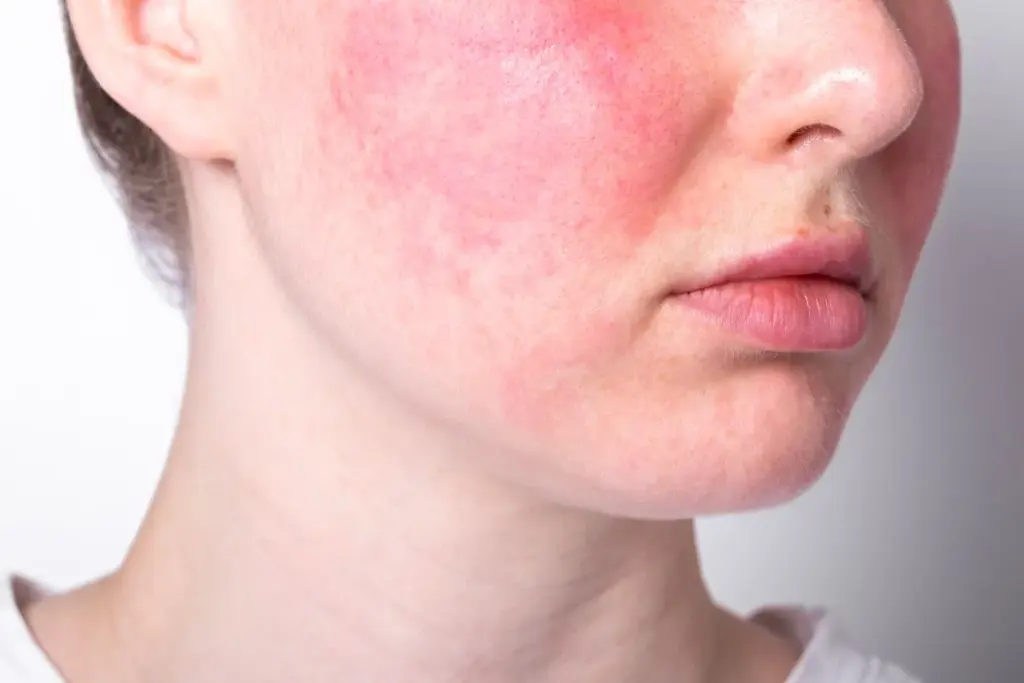
The butterfly-shaped rash linked to lupus can be confusing for those who have it. It looks like a butterfly’s wings on the cheeks and nose. This malar rash worries many because it’s not always there.
People often ask if this rash is always there or if it comes and goes. Doctors say the lupus rash can appear and disappear. It might show up when you’re in the sun.
At Liv Hospital, we take these concerns seriously. Our team uses the latest tests and cares for you like family. We help you understand your symptoms and find ways to manage them.
Key Takeaways
- The lupus butterfly rash is a distinctive facial rash associated with lupus.
- This rash tends to come and go or flare up unexpectedly.
- Sunlight exposure is a known trigger for the lupus rash.
- Understanding the behavior of the rash is key to managing lupus symptoms.
- Liv Hospital offers complete care and tailored plans for lupus patients.
Understanding the Lupus Butterfly Rash
It’s key to understand the lupus butterfly rash for diagnosing and managing lupus. The lupus butterfly rash, also known as a malar rash, is a common symptom in many lupus patients.
What is a Malar Rash?
A malar rash is a unique facial rash that looks like a butterfly across the nose. It can be red or purple and may feel flat or raised. This rash is a big sign of lupus, but its look and how bad it is can change a lot.
How Common is the Butterfly Rash in Lupus Patients?
About half of all lupus patients have the butterfly rash. But, this rash can also show up in other conditions. It’s important to remember that not all lupus patients get this rash. This shows how different lupus symptoms can be.
We know the lupus butterfly rash is a big symptom that needs careful thought in diagnosis and treatment. By understanding its traits and how common it is, doctors can better handle lupus. This helps improve how well patients do.
The Fluctuating Nature of Lupus Face Rash
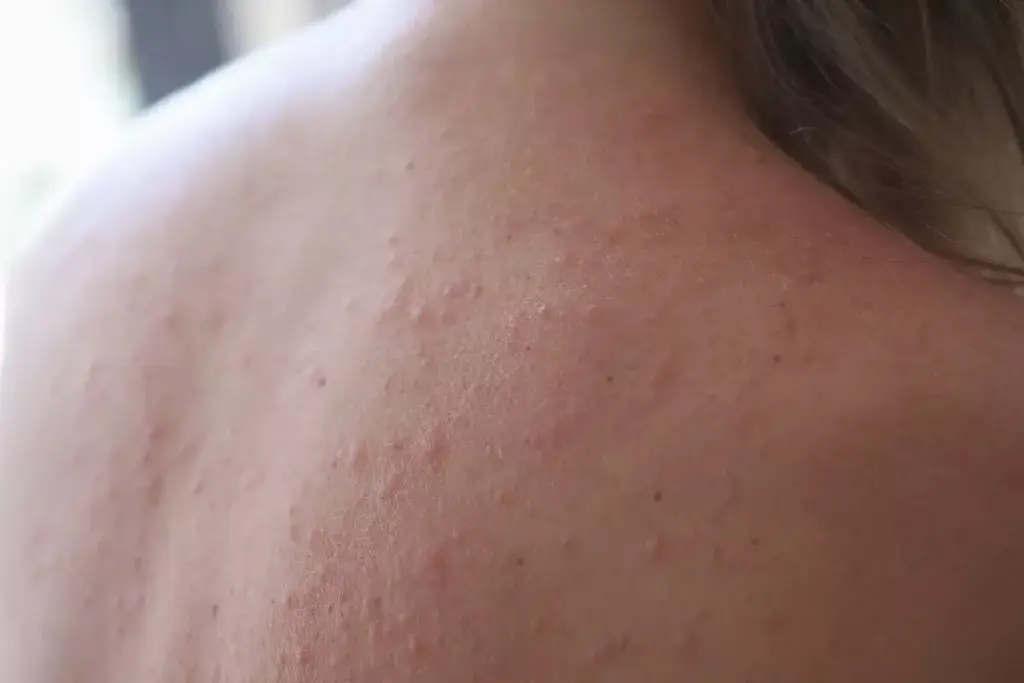
The lupus butterfly rash is known for its unpredictable nature. It often appears and disappears without warning. This fluctuation affects patients’ quality of life and how they manage their condition.
Does the Butterfly Rash Come and Go?
Yes, the butterfly rash associated with lupus can come and go. It tends to flare up unexpectedly throughout the disease. Several factors contribute to its appearance and disappearance, making it hard for patients to predict when the rash will occur.
Triggers like ultraviolet light exposure can cause the rash to appear. Patients with lupus are often advised to protect themselves from sunlight to prevent flare-ups.
Common Triggers for Flare-ups
Several factors can trigger the appearance of the lupus butterfly rash. These include:
- Ultraviolet light exposure: UV radiation from the sun or artificial sources can trigger the rash.
- Stress: Physical or emotional stress can exacerbate lupus symptoms, including the butterfly rash.
- Infections: Certain infections can trigger lupus flare-ups, including the malar rash.
- Certain medications: Some medications can induce lupus-like symptoms or worsen existing symptoms.
Relationship Between Rash Appearance and Disease Activity
The appearance of the butterfly rash is closely related to lupus activity. When the disease is active, the rash is more likely to occur. During periods of remission, the rash may diminish or disappear.
Understanding this relationship is key to managing lupus effectively. By monitoring the rash and other symptoms, healthcare providers can adjust treatment plans to better control the disease.
Identifying and Managing Lupus Butterfly Rash
The lupus butterfly rash is a key sign of systemic lupus erythematosus (SLE). It’s important to know how to spot it and manage it. We’ll look at how the rash looks on different skin tones, if you can have lupus without it, and how to treat and prevent it.
Appearance on Various Skin Tones
The lupus butterfly rash looks different on everyone. On lighter skin, it’s often red or pink. On darker skin, it can be brown, black, or purple.
Lupus Without the Characteristic Rash
Yes, you can have lupus without the butterfly rash. Lupus has many symptoms, and not everyone gets the rash.
Research shows many lupus patients don’t get the rash. So, doctors look at other symptoms and signs to diagnose lupus.
Managing the Butterfly Rash
There are several ways to treat the lupus butterfly rash. You can use creams, change your lifestyle, and take medicines to control flare-ups.
| Treatment Approach | Description |
| Topical Corticosteroids | Reduce inflammation and rash severity |
| Lifestyle Modifications | Avoid sun exposure, use protective clothing and sunscreen |
| Systemic Medications | Manage lupus flare-ups and associated symptoms |
To manage the lupus butterfly rash well, you need to know how it looks on different skin tones. Then, use the right treatments and prevention methods.
Conclusion
We’ve looked into the lupus butterfly rash, a key symptom of lupus. It affects patients’ lives a lot. The rash looks like a butterfly on the cheeks and nose, appearing red or purple.
The rash’s timing is hard to predict. It can show up and disappear without notice. We talked about how its appearance is tied to the disease’s activity and triggers.
To handle the rash, a full plan is needed. This includes treatments and ways to prevent it. Knowing about the rash helps patients and doctors create good plans together.
Understanding lupus and its symptoms, like the butterfly rash, is key. By getting the condition’s complexities, we can help patients manage their symptoms better. This improves their health and happiness.
FAQ
Does lupus butterfly rash come and go?
Yes, the lupus butterfly rash, also known as malar rash, can come and go. It can be triggered by sunlight and other factors. Its appearance is linked to how active the lupus disease is.
Can you have lupus without butterfly rash?
Yes, not all lupus patients get the butterfly rash. This rash is a key symptom. But, not having it doesn’t mean you don’t have lupus.
Does malar rash come and go?
Yes, the malar rash can appear and disappear. It can flare up due to sunlight and other factors.
What does butterfly rash look like in lupus?
The butterfly rash in lupus looks like a butterfly on the face. It spans the cheeks and nose. Its look can vary based on skin tone.
Can butterfly rash come and go?
Yes, the butterfly rash linked to lupus can be intermittent. Its showing is affected by disease activity and environmental triggers.
Is the lupus butterfly rash always present in lupus patients?
No, the lupus butterfly rash isn’t always there. About half of lupus patients get this rash.
How is the lupus butterfly rash managed?
Managing the lupus butterfly rash means knowing what triggers it, like sunlight. It’s about preventing flare-ups. This includes taking protective steps and following doctor’s advice.
Can lupus rash come and go?
Yes, lupus rashes, including the butterfly rash, can be intermittent. Their showing is tied to disease activity and can be influenced by various triggers.
References
https://my.clevelandclinic.org/health/symptoms/23163-lupus-rash