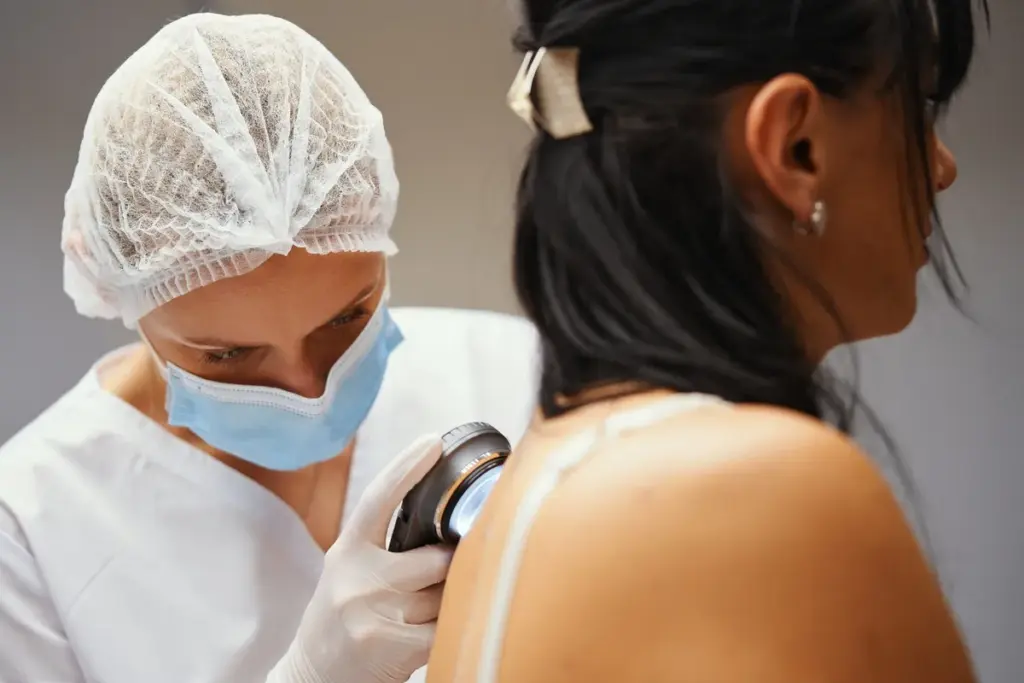
As skin cancer rates continue to rise, many Americans wonder if Medicare covers dermoscopy. We’ll look into when Medicare covers this important tool for diagnosing skin issues, like skin cancers.
Does Medicare cover skin cancer screening? Get the essential facts on costs and coverage for your next skin checkup.
Medicare covers dermoscopy when it’s needed for diagnosing or treating certain medical conditions. For example,Medicare Part B covers dermatology services if they’re needed for a specific condition. It’s important to know the costs and the differences between Original Medicare and Medicare Advantage plans for those looking for skin cancer screening and treatment.
Key Takeaways
- Dermoscopy is generally covered by Medicare when medically necessary.
- Medicare Part B covers dermatology services for specific medical conditions.
- Original Medicare and Medicare Advantage plans have different coverage options.
- Understanding the costs and coverage is key for patients seeking skin cancer screening.
- Medicare Advantage plans may offer broader dermatology coverage.
Understanding Dermoscopy and Its Medical Importance
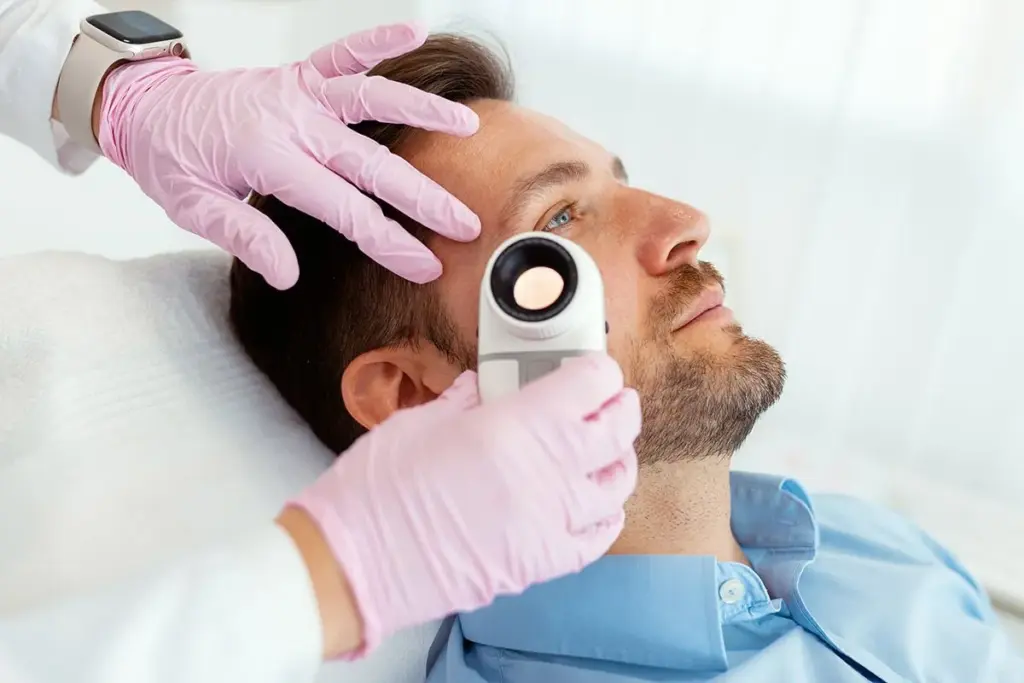
Dermoscopy is key in finding skin cancer early. It’s a non-invasive way for doctors to look at skin lesions closely. This helps them make more accurate diagnoses than just looking with the naked eye.
What is dermoscopy and how is it performed?
Dermoscopy uses a special microscope called a dermatoscope to zoom in on skin lesions. This lets doctors see things under the skin that we can’t see. It’s easy and doesn’t hurt, done in a doctor’s office.
Equipment and technology used in modern dermoscopy
Today’s dermoscopy tools include digital dermatoscopes that take pictures. Some even use artificial intelligence to help doctors diagnose. This tech makes finding and tracking skin cancer more accurate.
The role of dermoscopy in skin cancer detection
Dermoscopy is vital for catching skin cancers, like melanoma, early. It gives doctors a clear look at skin lesions. This helps them spot cancers when they’re easier to treat.
Accuracy rates compared to visual examination
Research shows dermoscopy makes diagnosing skin cancer more accurate than just looking. It means fewer unnecessary biopsies and better care for patients. Dermoscopy is a key tool in dermatology for early cancer detection and treatment.
Medicare Coverage Basics for Diagnostic Procedures
It’s important for patients to know how Medicare covers diagnostic procedures. Medicare’s rules can be complex. We’ll simplify them to help you understand.
How Medicare Determines Coverage Eligibility
Medicare decides if a procedure is covered based on its medical need. This means the procedure must be needed to diagnose or treat a health issue.
The Medical Necessity Requirement
The need for medical care is key in Medicare’s decisions. Services deemed medically necessary are more likely to be covered. This includes tests and exams that help doctors diagnose and manage health problems.
Difference Between Preventive and Diagnostic Services
It’s important to know the difference between preventive and diagnostic services. Preventive services aim to prevent illness or catch it early. Diagnostic services, on the other hand, are used to diagnose and treat existing conditions.
Coverage Implications for Each Category
The difference between preventive and diagnostic services affects Medicare coverage. Diagnostic services, like dermoscopy, are covered if they are medically necessary. Here are some key points to consider:
- Diagnostic services are covered when medically necessary.
- Preventive services may not be covered unless mandated by law.
- Knowing the type of service helps determine coverage.
By understanding these basics, patients can better navigate Medicare’s coverage rules for diagnostic procedures.
Does Medicare Cover Skin Cancer Screening?
For those worried about skin cancer, it’s key to know about Medicare’s stance on dermoscopy. Dermoscopy is a tool that lets doctors look closely at skin spots. It helps find skin cancer early.
Medicare’s Position on Dermoscopy for Cancer Detection
Medicare pays for dermoscopy if it’s needed to check for skin cancers. This means if you show signs of skin cancer, Medicare will help pay for it.
Covered Scenarios for Suspected Skin Cancers
Medicare covers dermoscopy when there’s a skin cancer worry. This includes if a spot is getting bigger, changing shape, or color. Coverage is provided when the procedure is medically necessary, as a doctor decides.
Medically Necessary vs. Routine Screening Distinctions
It’s important to know the difference between needed dermoscopy and routine checks. Medicare doesn’t pay for routine checks without a reason. Documentation of medical necessity is required for coverage approval.
Documentation Requirements for Coverage Approval
Doctors must show why a dermoscopy is needed. They need to explain the patient’s symptoms, medical history, and why the test is needed. As experts say, “accurate documentation is key to securing Medicare coverage for diagnostic procedures”does medicare cover dermatology.
Knowing these rules helps patients understand Medicare’s policies on skin cancer screenings with dermoscopy.
Medicare Part B Coverage for Dermoscopy
We look at how Medicare Part B covers dermoscopy for patients with suspicious skin lesions. Medicare Part B covers diagnostic procedures that are medically necessary.
Qualifying Conditions for Dermoscopy Coverage
Dermoscopy is covered by Medicare Part B for suspicious skin lesions that might be skin cancer. It’s needed when there’s a high risk of skin cancer or when the lesion looks concerning.
Types of Skin Lesions That Warrant Covered Examination
Lesions that are usually covered include those with irregular borders, multiple colors, or bigger than 6mm. Table 1 shows the common traits of skin lesions that might need a covered dermoscopy exam.
|
Lesion Characteristic |
Description |
|---|---|
|
Irregular Borders |
Lesions with notched, ragged, or irregular edges |
|
Multiple Colors |
Lesions showing more than one color or uneven color distribution |
|
Large Diameter |
Lesions bigger than 6mm in diameter |
The Referral Process for Specialized Dermatology Services
A referral from a primary care doctor is needed for Medicare Part B to cover dermoscopy. Working closely with your primary care physician helps get the right specialized care.
Working with Primary Care Physicians for Proper Referrals
Patients should talk to their primary care doctor about their concerns. The doctor can then refer them to a dermatologist if needed. This ensures patients get the right care.
Cost Breakdown: What You’ll Pay for Covered Dermoscopy
It’s important to know the costs of dermoscopy if you have Medicare Part B. We’ll look at how Medicare’s cost-sharing works. This will help you understand your expenses better.
2025 Medicare Part B Deductible Details
In 2025, the Medicare Part B deductible is $257. This is what you pay first before Medicare kicks in.
Meeting the $257 Annual Deductible Requirement
To get Medicare to cover dermoscopy, you must first pay the $257 deductible. After that, you pay a percentage of the Medicare-approved cost.
Understanding the 80/20 Cost-Sharing Structure
After the deductible, Medicare Part B covers 80% of the cost. You pay the remaining 20%. This is how most Medicare Part B services work.
Estimating Your Out-of-Pocket Expenses
To figure out what you’ll pay for dermoscopy, calculate 20% of the Medicare-approved cost. For example, if it’s $500, you’ll pay $100 (20% of $500).
When Medicare Won’t Cover Dermoscopy
Medicare has rules about covering dermoscopy. It’s a useful tool for doctors, but Medicare only covers it in certain situations. This depends on if it’s really needed for your health.
Cosmetic and routine skin examinations
Medicare doesn’t pay for dermoscopy for looks or regular checks. These are seen as preventive care. And Medicare doesn’t cover most preventive care.
Why preventive dermoscopy often falls outside coverage
Preventive dermoscopy isn’t needed unless there’s a health reason. So, Medicare usually doesn’t pay for it.
Is Skin Cancer Screening Considered Preventive Care?
Skin cancer screening is often seen as preventive care. But, if it’s really needed for your health, Medicare might cover it.
Medicare’s classification of skin cancer screenings
Medicare sees skin cancer screenings as preventive care. This means you might have to pay for them yourself. Unless there’s a health issue or other need.
Annual Skin Exam Covered by Insurance: Medicare vs. Private Options
Understanding the differences in healthcare coverage is key. We need to look at how Medicare and private insurance handle annual skin exams. This knowledge helps patients make smart choices for their skin health.
Medicare’s limitations on annual skin exam coverage
Medicare usually doesn’t cover routine annual skin exams. But, if you’ve had skin cancer or other skin issues, you might get coverage.
Exceptions and special circumstances
Medicare might cover skin exams under certain conditions. For example, if you have a family history of skin cancer, you might qualify.
How private insurance differs in skin exam coverage
Private insurance plans often cover more for annual skin exams. They see these exams as part of preventive care. Some plans even cover them without needing a doctor’s note.
Comparing coverage policies across insurance types
Private insurance usually covers more for skin exams than Medicare. But, the details can change a lot depending on the plan.
Key takeaway: Patients should check their insurance plans to know what’s covered. This way, they can make smart choices about their skin health and get the care they need.
“Understanding your insurance coverage is the first step in maintaining good skin health.”
Medicare Advantage Plans and Dermoscopy Coverage
Medicare Advantage plans give more coverage for dermoscopy. These plans, known as Medicare Part C, come from private insurance companies approved by Medicare. They offer more than Original Medicare, with extra benefits.
How Part C plans may offer expanded skin screening benefits
Medicare Advantage plans cover more skin screenings and dermatology services. This makes it easier for patients to get the care they need. Specific advantages for dermatology services include:
- Comprehensive annual skin exams
- Access to specialist care without referrals
- Coverage for additional diagnostic tests
Specific advantages for dermatology services
These plans cover a wider range of dermatology services. This includes prescription drugs for dermatological treatments. It’s great for patients with chronic skin conditions.
Comparing Original Medicare vs. Medicare Advantage for dermatology services
Original Medicare covers basic dermatology services. But Medicare Advantage plans offer more benefits. Think about out-of-pocket costs and coverage for specific treatments when choosing.
Prescription coverage for dermatological treatments
Medicare Advantage plans include prescription drug coverage. This can lower costs for skin condition medications.
Supplemental Insurance Options for Dermoscopy
Supplemental insurance plans, like Medigap, can ease the financial stress of dermoscopy under Medicare. Dermoscopy is key for early skin cancer detection. Even though Medicare covers it, patients often face big out-of-pocket costs.
How Medigap policies can help with out-of-pocket costs
Medigap policies are made to supplement Original Medicare. They cover things like deductibles, copayments, and coinsurance. For those getting dermoscopy, a Medigap policy can greatly lower costs. This makes it easier to get the care you need.
Selecting the right supplemental plan for dermatology needs
When picking a Medigap plan, think about your dermatology needs. Look for plans that cover coinsurance for dermoscopy procedures well. Comparing different plans helps find the best fit for you.
Other insurance options to consider
There are other insurance options beyond Medigap for dermoscopy and dermatology services. Some Medicare Advantage plans offer more benefits, including for dermatology.
Specialized coverage for skin cancer patients
Patients with skin cancer might find specialized insurance plans. These plans offer extra benefits for treatments and follow-up care. It’s important to review these options carefully to make sure you have the right coverage.
Impact of Medicare Physician Payment Cuts on Dermatology Services
The cuts in Medicare payments are worrying for both patients and doctors. As we near 2025, a 2.83% payment drop is looming. This change will deeply affect dermatology services.
Understanding the 2025 Payment Reduction of 2.83%
The 2025 Medicare payment cut is big and will affect many. TheAmerican Academy of Dermatology warns it could make it harder for people to get the care they need.
American Academy of Dermatology’s Position
The American Academy of Dermatology is worried about the cut. They say it might make it harder for people to see dermatologists. They urge patients and doctors to stay informed about these changes.
How Payment Cuts Affect Provider Participation and Patient Access
Payment cuts can make doctors less likely to see Medicare patients. This could mean:
- It might be harder to find dermatologists who accept Medicare.
- Waiting times for appointments could get longer.
- The quality of care might go down.
Finding Dermatologists Who Accept Medicare Assignment
Patients can take steps to find dermatologists who accept Medicare. Here’s how:
- Ask local clinics if they accept Medicare.
- Check if doctors accept Medicare on the Medicare website.
- Ask your primary care doctor for recommendations.
Advocating for Coverage: Working with Your Healthcare Provider
To get the right coverage for dermoscopy, you need to know how to talk to your healthcare provider. It’s key to show why you need dermoscopy. This helps get Medicare to cover it.
Documentation Strategies to Support Medical Necessity
Start by keeping good records. Your doctor should keep detailed notes. These notes should show why you need dermoscopy.
- Detailed medical history
- Previous treatments and outcomes
- Clinical notes justifying the need for dermoscopy
Medical History Factors that Strengthen Coverage Claims
A good medical history is important for your claim. Things that help your case include:
|
Medical History Factor |
Description |
|---|---|
|
Family history of skin cancer |
A history of skin cancer in immediate family members |
|
Previous skin cancer diagnoses |
Previous diagnoses of skin cancer or pre-cancerous lesions |
|
Presence of atypical moles |
Moles that are irregular in shape, color, or size |
Questions to Ask Your Dermatologist about Medicare Coverage
Talking openly with your dermatologist is important. Ask them:
- Is dermoscopy medically necessary for my condition?
- How will you document the medical necessity for my Medicare claim?
- What are the possible costs of the procedure?
Appealing Medicare Coverage Denials
If Medicare says no, you can appeal. Knowing how to appeal can help. Here’s what to do:
- Read the denial letter to understand why
- Get more evidence to support your claim
- Send a formal appeal with your doctor’s help
Conclusion: Navigating Dermoscopy Coverage Under Medicare
Understanding Medicare coverage for dermoscopy is important. It involves knowing what conditions qualify and the costs involved. We’ve looked at how Medicare Part B works, the need for referrals, and the possible extra costs.
To get the most out of Medicare for dermoscopy, patients need to know their coverage details. This includes what conditions are covered and how much they’ll have to pay. Knowing this helps patients get the care they need. They can also look into extra insurance or Medicare Advantage plans for more benefits.
Being proactive and well-informed is essential for using Medicare for dermoscopy services. We suggest patients talk to their doctors to understand their coverage. This way, they can make smart choices about their health care.
FAQ
Does Medicare cover dermoscopy for skin cancer detection?
Medicare covers dermoscopy when it’s needed for skin cancer checks. But, it doesn’t cover it for regular checks without symptoms or medical reasons.
What is considered a medically necessary condition for dermoscopy coverage under Medicare?
Medicare covers dermoscopy for skin lesions that look suspicious. You need a doctor’s referral to a dermatologist for this.
How much does Medicare Part B cover for dermoscopy, and what are the out-of-pocket costs?
Medicare Part B covers 80% of dermoscopy costs after a $257 deductible. You pay the remaining 20%.
Is skin cancer screening considered preventive care under Medicare?
Yes, skin cancer screening is seen as preventive unless there’s a medical reason. Medicare doesn’t cover it for looks or routine checks.
How does Medicare Advantage plan coverage for dermoscopy compare to Original Medicare?
Medicare Advantage plans might cover more for dermoscopy and other skin services than Original Medicare. They also might include drug coverage for skin treatments.
Can Medigap policies help reduce out-of-pocket costs for dermoscopy?
Yes, Medigap policies can lower costs for dermoscopy. They cover deductibles, coinsurance, and other costs.
How can patients advocate for coverage for dermoscopy under Medicare?
Patients can fight for coverage by getting their doctor to write down why dermoscopy is needed. Keeping a detailed medical history helps too.
Does Medicare cover annual skin exams, and how does it compare to private insurance?
Medicare only covers skin exams when they’re medically necessary. Private insurance might cover them as part of preventive care.
What is the impact of Medicare physician payment cuts on dermatology services?
Lower payments to doctors might make them less likely to see Medicare patients. This could limit access to care.
Is dermoscopy considered a diagnostic or preventive service under Medicare?
Dermoscopy is a diagnostic service for medical reasons and is covered by Medicare Part B. It’s not seen as preventive.
References
National Center for Biotechnology Information. Evidence-Based Medical Insight. Retrieved from https://www.ncbi.nlm.nih.gov/books/NBK225258