


At Liv Hospital, we know that getting a bone scan can be scary. It’s even more worrying when you’re waiting to hear the results.
A bone scan helps check your bone health. It can find problems like cancer, arthritis, and metastasis. But, high uptake doesn’t always mean cancer. It can show other issues too.
We have top experts who look at each scan carefully. They can tell the difference between arthritis, harmless conditions, and cancer. We make sure you know all about your scan results.
Key Takeaways
- Bone scans detect various bone conditions, not just cancer.
- Increased uptake can indicate arthritis, trauma, or metastasis.
- Advanced expertise is key for accurate diagnosis.
- Patient-centered care means we support you fully.
- Knowing your bone scan results is important for treatment.
Understanding Bone Scans and Their Purpose
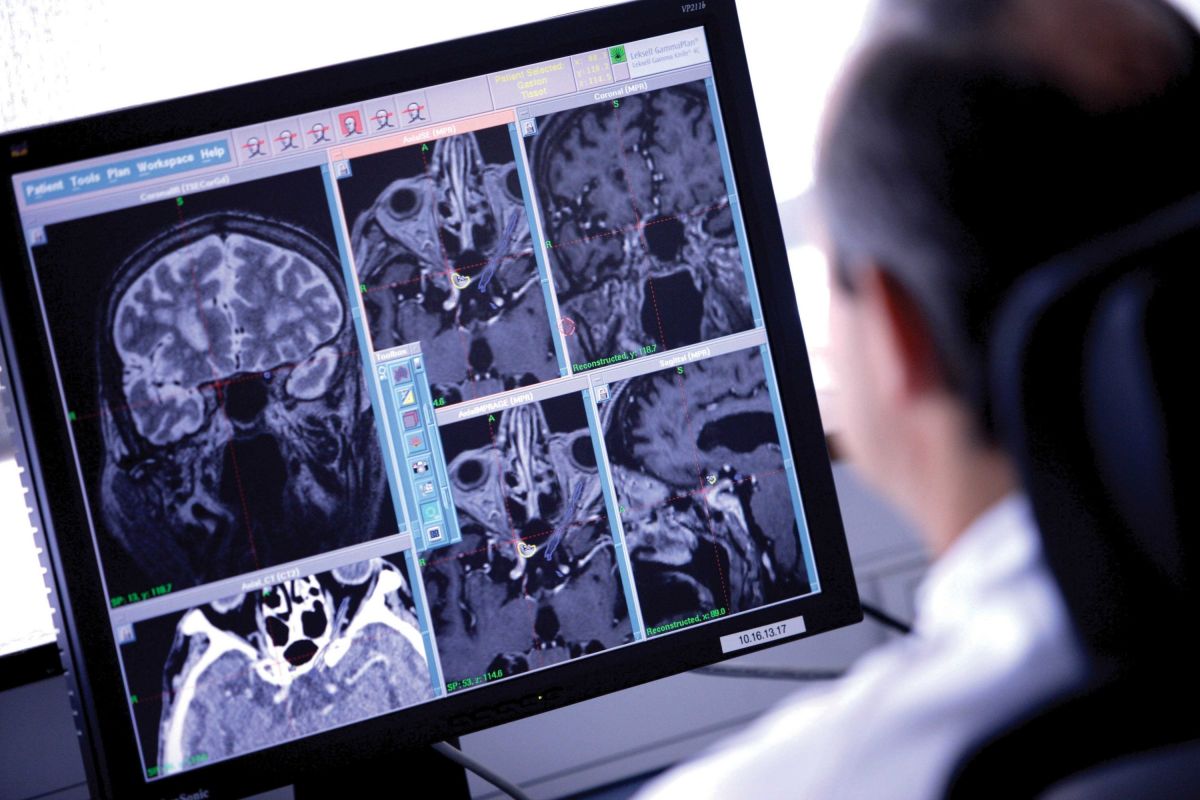
The bone scan procedure uses a radiotracer to see bone activity. It helps diagnose several conditions. This test is key for finding bone problems, like cancer and arthritis.
How Bone Scans Work
Bone scans inject a small amount of radioactive material, called a radiotracer, into your blood. This material goes to the bones, showing where they’re most active. A special camera then takes pictures of the bones using this radiation.
The scan shows “hot spots” where the radiotracer builds up. These spots mean there’s a lot of bone activity. This could be because of repair, inflammation, or tumors.
When Doctors Order Bone Scans
Doctors order bone scans for many reasons. They want to find and track bone problems. This includes spotting cancer spread, diagnosing arthritis, and finding fractures or infections.
Bone scans are great for seeing how far cancer has spread to the bones. This helps doctors plan the best treatment.
The Radiotracer Process
The radiotracer is key to bone scans. Technetium-99m methylene diphosphonate (Tc-99m MDP) is the most used one. It goes through your blood and sticks to bones where there’s a lot of activity.
The more radiotracer a bone takes in, the more active it is. This lets doctors see normal bone work and any problems.
What “Uptake” Actually Means in Bone Scan Imaging

The term “uptake” in bone scan imaging means how much radiotracer is in bones. This can show different health issues. A small amount of radioactive material is given to the patient. This material goes to active bone areas, like normal bone growth, injury, or disease.
The Science Behind Radiotracer Uptake
The radiotracer in bone scans is usually technetium-99m labeled diphosphonate. It sticks to bone’s hydroxyapatite, where bone is active. How much it takes up depends on blood flow, bone activity, and disease presence. A study on the National Center for Biotechnology Information explains this process is key for understanding bone scan results.
Normal vs. Abnormal Uptake Patterns
Normal bone scans show radiotracer evenly spread in the skeleton. This can change with age and health. For example, growing bones in kids and teens have more uptake because they’re growing fast. But, abnormal uptake means too much or too little radiotracer in certain spots.
Too much uptake might mean fractures, infections, or tumors. Less uptake could show poor blood flow or bone destruction.
Interpreting Different Levels of Uptake
Understanding bone scan uptake levels needs looking at the whole picture. Mild uptake might mean arthritis or minor injury. But, more uptake could point to serious problems like cancer or aggressive bone growth.
It’s important to match bone scan results with other health info. This includes symptoms, lab tests, and other scans. This way, doctors can make a correct diagnosis.
Does Uptake on a Bone Scan Mean Cancer?
Seeing uptake on a bone scan can worry people about cancer. But, it’s important to know what it really means. Uptake shows where bone activity is high, which can happen for many reasons.
The Relationship Between Uptake and Malignancy
Uptake on a bone scan might suggest cancer, but it’s not always cancer. Tumors can show up because they destroy or build bone. Yet, other non-cancerous issues can also show similar signs.
To guess if cancer is likely, look at the uptake’s pattern and how strong it is. Some patterns, like many spots in a random way, hint more at cancer.
Common Non-Cancerous Causes of Uptake
Many non-cancerous problems can also show up on a bone scan. These include:
- Arthritis
- Fractures
- Infections
- Benign bone tumors
- Degenerative bone disease
Knowing these other reasons is key to understanding bone scan results.
| Condition | Typical Uptake Pattern |
|---|---|
| Arthritis | Localized to joints, often symmetric |
| Fractures | Intense uptake at the fracture site |
| Infections | Uptake around the area of infection |
When to Be Concerned About Uptake Findings
While most uptake causes are harmless, some signs need more checking. Look out for very strong uptake, many spots, or patterns that look like cancer spread.
It’s all about the bigger picture. Think about the patient’s history, symptoms, and other tests when looking at bone scan results.
Identifying Cancer on Bone Scans: What to Look For
Understanding bone scans is key to spotting cancer. Doctors look for specific signs in the images. These signs can point to cancer.
Characteristic Patterns of Metastatic Disease
Metastatic disease shows unique patterns on bone scans. These patterns help tell if a condition is cancerous. Multiple focal areas of increased uptake are often seen in cancer.
Bright White Spots: What They Indicate
Bright white spots, or “hot spots,” on a bone scan mean increased bone activity. They can be benign or a sign of cancer metastasis. The intensity and spread of these spots are important.
Distribution Patterns That Suggest Malignancy
The way uptake is spread on a bone scan is key. Certain patterns, like diffuse uptake or uptake in many areas, hint at cancer. Below is a table showing common patterns and what they mean.
| Distribution Pattern | Likelihood of Malignancy |
|---|---|
| Multiple focal areas | High |
| Diffuse uptake | Moderate to High |
| Solitary hot spot | Low to Moderate |
Knowing these patterns is essential for accurate diagnosis. By combining bone scan results with other tests, doctors can make better decisions.
Metastatic Osseous Lesions in the Spine: Special Considerations
The spine is a key area to check for metastatic osseous lesions. It’s rich in blood vessels and bears weight, making it a common spot for cancer to spread.
Why the Spine Is a Common Site for Metastasis
The spine is a favorite spot for cancer to spread because of its bone marrow and valves-less venous plexus. This makes it easy for tumors to move there. Cancers like breast, prostate, and lung often go to the spine.
- High bone marrow content
- Presence of valves-less venous plexus
- Common primary cancers: breast, prostate, lung
How Spinal Metastases Appear on Bone Scans
On bone scans, spinal metastases show up as hot spots. These can be small or cover a large area. Sometimes, it’s hard to tell if it’s cancer or something else.
Correlation with CT Non-Contrast Imaging
Matching bone scan results with CT scans helps a lot. CT scans show the body’s structure in detail. This helps tell if the hot spots are cancer or something else.
Key benefits of correlation:
- Improved specificity in diagnosing spinal metastases
- Better characterization of lesions
- Enhanced patient management through accurate diagnosis
By using both bone scans and CT scans, we get a clearer picture of spinal metastases. This helps doctors make better treatment plans.
Arthritis vs. Cancer: Differentiating Uptake Patterns
Understanding bone scans is key to telling arthritis from cancer. Both can show up on scans, but there are clear signs to tell them apart.
How Arthritis Appears on Bone Scans
Arthritis shows up in joints, often in more than one place. It’s linked to joint damage or inflammation. For example, osteoarthritis affects joints that bear weight or have scars from injuries.
Key Differences Between Arthritic and Malignant Uptake
Arthritis and cancer have different patterns on scans. Cancer spots are usually single and can be anywhere in the bone. Arthritis spots are more spread out and around joints.
When Arthritis Mimics Cancer on Imaging
Arthritis can look like cancer on scans, mainly if it’s very inflamed or in unusual spots. CT scans can help figure out what’s really going on.
| Characteristics | Arthritic Uptake | Malignant Uptake |
|---|---|---|
| Location | Typically in joints, symmetric | Can be anywhere in the bone, often focal |
| Distribution | Diffuse, centered around joints | Focal, not necessarily related to joints |
| Pattern | Related to degenerative or inflammatory changes | Often unrelated to degenerative changes |
Knowing these differences and using extra scans helps doctors diagnose and treat better.
Other Common Causes of Increased Bone Scan Uptake
There are many reasons why bone scans show increased uptake, aside from cancer and joint disease. These include trauma, infections, and benign bone conditions. Knowing these causes helps doctors understand bone scan results better.
Trauma and Fractures
When bones are injured or fractured, the body responds by sending more blood and starting repair. This activity is seen on bone scans as areas of increased uptake. Even stress fractures, which might not show up on X-rays, can be found on bone scans.
Infections and Inflammatory Conditions
Infections and inflammation in bones or soft tissues also cause increased uptake on bone scans. For example, osteomyelitis, an infection of the bone, leads to inflammation and bone remodeling. This makes it visible on scans. Conditions like septic arthritis or soft tissue infections near bones also show up due to inflammation.
Benign Bone Diseases
Benign bone diseases can also cause increased uptake on bone scans. Diseases like Paget’s disease, fibrous dysplasia, and bone cysts show up as areas of high uptake. Paget’s disease, for instance, involves abnormal bone destruction and regrowth, making it clear on scans. Knowing how these diseases look on scans is key to making the right diagnosis.
Doctors need to think about these causes when they look at bone scan results. By using the patient’s history, symptoms, and scan findings, they can make better diagnoses and treatment plans.
Mild Uptake on Bone Scans: What It Could Mean
Mild uptake on bone scans can point to different conditions. It’s important to look at the patient’s history and other tests to understand it. This helps us figure out what it might mean.
Interpreting Low-Grade Uptake
Low-grade uptake means a small increase in activity on the scan. It could be early bone cancer, benign bone issues, or inflammation. Understanding the patient’s history and comparing with other scans is key.
For example, someone with cancer might get a scan to check for spread. If it shows mild uptake, we might need to do more tests to see if it’s cancer or something else.
When Mild Uptake Warrants Further Investigation
Not every mild uptake needs action right away. But, if there’s cancer, recent injury, or signs of infection, we might want to do more tests. These could include CT or MRI scans to get a clearer picture.
Deciding on more tests depends on the patient’s situation and risk factors. We look at each case individually.
Follow-Up Protocols for Mild Uptake
How we follow up on mild uptake scans changes based on the reason and the patient’s situation. Often, we watch the patient with more scans to see if things change. Sometimes, we use CT or PET/CT scans for more details.
| Clinical Scenario | Recommended Follow-Up |
|---|---|
| History of cancer with mild uptake | Serial bone scans, consider CT or PET/CT |
| Recent trauma with mild uptake | Repeat bone scan in 6-12 months, consider CT |
| Suspected infection with mild uptake | Further evaluation with MRI or CT, consider biopsy |
In summary, mild uptake on bone scans needs careful thought and sometimes more tests. By looking at the patient’s situation and following up the right way, we can make sure they get the right care.
Bone Scans in Combination with CT Scans: Enhanced Diagnosis
Using bone scans with CT scans boosts diagnostic accuracy. This combo uses the best of both worlds. It gives a deeper look into bone health and diseases.
Improving Diagnostic Accuracy
When bone scans and CT scans are together, they offer a clearer view. Bone scans spot changes in bone activity. CT scans show the bone’s structure in detail.
The benefits of this combined approach include:
- Enhanced detection of bone metastases
- Better characterization of bone lesions
- Improved assessment of treatment response
Clarifying Ambiguous Findings
CT scans are key in making unclear bone scan results clear. They give detailed views of the bone’s structure. This helps tell if a bone issue is benign or malignant.
“The addition of CT to bone scan imaging significantly improves the diagnostic accuracy by providing anatomical correlation to the functional information obtained from the bone scan.”
Nuclear Medicine Expert
For example, a bone scan might show activity in a certain area. But a CT scan can tell if it’s a fracture, arthritis, or a tumor.
| Imaging Modality | Strengths | Weaknesses |
|---|---|---|
| Bone Scan | High sensitivity to bone metabolism changes | Limited anatomical detail |
| CT Scan | High-resolution anatomical imaging | Limited functional information |
| SPECT/CT | Combines functional and anatomical imaging | Higher radiation exposure, more complex |
SPECT/CT: The Advanced Hybrid Approach
SPECT/CT is a cutting-edge imaging method. It mixes SPECT’s functional data with CT’s detailed images. This tool is great for diagnosing and managing bone diseases.
SPECT/CT gives a detailed and accurate look at bone problems. It boosts confidence in diagnosis and helps make better treatment plans.
Comparing Bone Scans to Other Imaging Techniques
Bone scans are key in finding bone problems. But how do they stack up against other imaging methods? It’s vital to know the good and bad of each technique, mainly for spotting bone metastases.
Bone Scan vs. PET/CT for Metastasis Detection
When it comes to finding bone metastases, bone scans and PET/CT are often compared. PET/CT combines PET’s functional info with CT’s body details. This makes it a very sensitive and specific tool. Studies show PET/CT is better at finding metastatic disease than bone scans alone.
PET/CT is now seen as a top-notch diagnostic tool. It’s great at spotting bone metastases. While bone scans cover the whole skeleton, PET/CT gives more detailed info on lesions.
Sensitivity and Specificity Considerations
The sensitivity and specificity of imaging tools are key. Bone scans are good at finding active bone areas but can be less specific. This might lead to false positives. PET/CT, on the other hand, is both sensitive and specific, making it great for cancer diagnosis and staging.
| Imaging Modality | Sensitivity | Specificity |
|---|---|---|
| Bone Scan | High | Low to Moderate |
| PET/CT | High | High |
When Other Imaging Methods Are Preferred
Though bone scans are useful, other methods are better in some cases. For detailed body info, CT or MRI might be better. PET/CT is often the first choice for some cancers because it shows both function and anatomy.
Experts say the right imaging choice depends on the cancer type, disease stage, and patient health.
“Imaging is key in cancer care, and the right tool depends on the specific question being asked.”
Conclusion: Interpreting Bone Scan Results in Context
Understanding bone scan results needs a full view of the patient’s situation. It’s key to match bone scan findings with other test results for a correct diagnosis.
When looking at bone scan results, we must think about the patient’s health history, symptoms, and other scans. For example, a normal bone scan image for a female can help spot any unusual findings.
Healthcare providers should look at bone scan results in the right clinical setting. This helps avoid wrong diagnoses and ensures patients get the right treatment on time. This careful approach is vital for top-notch patient care.
FAQ
Does uptake on a bone scan always mean cancer?
No, a bone scan’s uptake doesn’t always mean cancer. Other issues like arthritis, injuries, infections, and benign bone diseases can also cause it.
What does mild uptake on a bone scan mean?
Mild uptake can mean several things. It might show early disease, minor injuries, or degenerative changes. More tests might be needed to understand it fully.
How do doctors differentiate between arthritic and malignant uptake on bone scans?
Doctors look at patterns. Arthritic uptake is usually spread out in joints. Malignant uptake is focused and intense. They also consider the patient’s history and other scans like CT scans.
Why is the spine a common site for metastasis, and how do spinal metastases appear on bone scans?
The spine is common for metastasis because of its blood supply and red marrow. On bone scans, metastases show up as focused, high uptake areas. CT scans help confirm these findings.
What are the advantages of using bone scans in conjunction with CT scans?
Using bone scans with CT scans improves accuracy. CT scans can clear up unclear bone scan results. The SPECT/CT technique combines these for better detail.
How does bone scan compare to PET/CT for detecting metastasis?
Both bone scans and PET/CT are good for finding metastasis. PET/CT is better for early detection. Bone scans are more common and good for bone metastases.
Can a bone scan detect bone cancer?
Yes, bone scans can find bone cancer, including metastasis. But, results must be seen in the patient’s overall health. Other conditions can look like cancer.
What do bright white spots on a bone scan indicate?
Bright white spots on a bone scan show increased bone activity. This can be from cancer, injuries, or infections. The pattern helps figure out the cause.
When is mild uptake on a bone scan considered significant?
Mild uptake is significant if it matches symptoms or other test results. It suggests a condition that needs more checking or treatment.
What other imaging modalities can be used alongside bone scans?
CT scans, PET/CT, and MRI are often used with bone scans. Each gives different info. Together, they help understand the patient’s condition better.
References
- Palestro, C. J. (2010). Nuclear medicine and the infected joint replacement. Journal of Nuclear Medicine, 51(4), 580-590. https://pubmed.ncbi.nlm.nih.gov/20395462/




 Departments
 Related Videos
 Our Doctors
 News
News


