After gastric sleeve surgery, patients see big changes in how they drink water. It’s key to stay hydrated for a good recovery and keeping weight off. The American Society for Metabolic and Bariatric Surgery (ASMBS) says drinking enough water helps avoid problems, aids digestion, and makes recovery smoother how to drink 64 oz of water after gastric sleeve.
Drinking 64 oz of water a day is often advised, but it’s hard with a smaller stomach after surgery. At Liv Hospital, we focus on hydration tips backed by science to help patients meet their goals.
We’ll share useful tips and strategies for drinking enough water. This will help patients recover well and lose weight effectively.
Key Takeaways
- Staying hydrated is key after gastric sleeve surgery.
- Enough water helps with digestion and avoids issues.
- Drinking 64 oz daily is often suggested after surgery.
- It’s tough to drink enough with a smaller stomach.
- Science-based hydration tips can help meet goals.
Understanding the Importance of Hydration After Gastric Sleeve Surgery

Drinking enough water is key for those who have had gastric sleeve surgery. It helps the body heal and adjust well. This is because the body needs enough fluids to recover smoothly.
Why Water Intake Matters for Recovery
Drinking water is important for many reasons. It stops dehydration, which can cause tiredness, dizziness, and headaches. It also helps avoid constipation and dark urine. Doctors say to drink 64 to 96 ounces of fluids a day to stay hydrated and help the body heal.
Adequate hydration also lowers the chance of problems after surgery. It helps the body recover better.
The Role of Hydration in Weight Loss Success
Hydration is also key for losing weight after gastric sleeve surgery. Sometimes, feeling thirsty can make us think we’re hungry. Drinking enough water helps control hunger and stick to our diet. It also keeps our metabolism up, which is important for losing weight.
Knowing how important hydration is can really help with the success of gastric sleeve surgery.
The Challenges of Drinking Water Post-Surgery
[Add image here]
Gastric sleeve patients face many hurdles when trying to drink enough water after surgery. The stomach’s size is greatly reduced, making it hard to drink enough.
Reduced Stomach Capacity After Gastric Sleeve
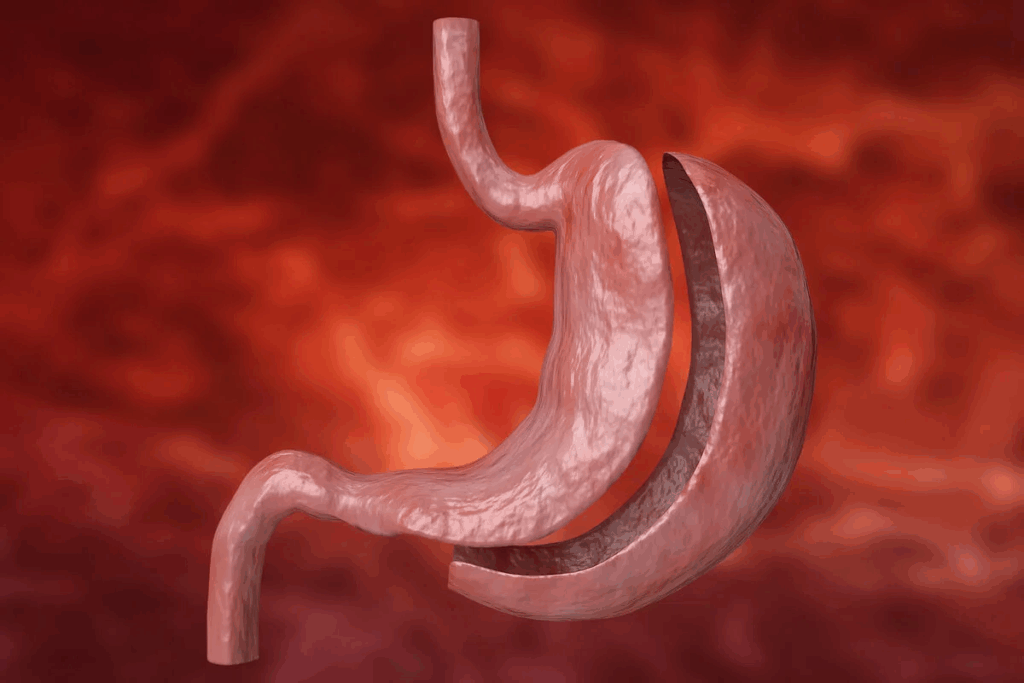
After gastric sleeve surgery, the stomach is much smaller, about 15% of its original size. This means patients can only drink small amounts at a time. To avoid feeling sick or nauseous, they need to drink fluids slowly and often.
Common Hydration Obstacles for Bariatric Patients
Bariatric patients often struggle with staying hydrated. They may experience:
- Nausea and vomiting
- Difficulty drinking enough fluids because of a smaller stomach
- Risk of dehydration if they don’t drink enough
To tackle these issues, patients can use a bariatric water bottle to track their fluid intake. Knowing how to drink after gastric sleeve surgery is key to staying hydrated and aiding in recovery.
Medical Recommendations for Fluid Intake
Gastric sleeve patients need to know how much fluid to drink each day. This is key for a smooth recovery and long-term health. After surgery, the body changes how it handles fluids.
Doctors say patients should drink at least 64 ounces (about 2 liters) of fluids every day. Some even suggest up to 96 ounces for better hydration. Drinking enough is important for staying hydrated, aiding in recovery, and ensuring surgery success.
Expert Guidelines on Daily Water Consumption
Many professional groups and studies offer advice on fluid intake for bariatric patients. They agree that drinking at least 64 ounces of fluid daily is a good goal. But, needs can differ based on age, sex, weight, activity level, and where you live.
- Hydration Goals: Aim for 64 to 96 ounces of fluid intake daily.
- Fluid Types: Include water, low-sugar electrolyte drinks, and other approved beverages.
- Monitoring: Pay attention to signs of dehydration, such as dark urine, dizziness, or excessive thirst.
Understanding the 64-96 oz Recommendation
The 64 to 96 ounces fluid intake advice is based on post-surgery changes. With a smaller stomach, patients need to drink fluids often to stay hydrated.
Drinking 64 ounces of water daily can help in many ways. It supports healing, reduces dehydration risk, helps manage hunger, and improves nutrition.
While 64 ounces is a good starting point, some might need more. This could be true for active people or those in hot climates. It’s vital to talk to your doctor about your specific needs.
In summary, following the recommended fluid intake is key after gastric sleeve surgery. By understanding and following these guidelines, patients can improve their recovery, avoid complications, and get the most from their surgery.
Recognizing Signs of Dehydration After Gastric Sleeve
It’s important for patients after gastric sleeve surgery to know the signs of dehydration. Dehydration can cause serious problems if not treated quickly. We’ll show you the physical signs to look out for and when to get medical help.
Physical Symptoms to Watch For
After gastric sleeve surgery, keeping an eye on your hydration is key. Look out for these common dehydration symptoms:
- Dark Yellow Urine: If your urine is dark yellow or amber, you might not be drinking enough.
- Dizziness or Lightheadedness: Feeling dizzy or lightheaded when standing up can mean you’re dehydrated.
- Headaches: Dehydration can cause headaches because your body lacks fluids.
- Muscle Cramps: Muscle cramps can happen if your body’s electrolyte balance is off due to dehydration.
- Dry Mouth: A dry, sticky mouth means you’re not drinking enough fluids.
- Fatigue: Feeling very tired or weak can be a sign of dehydration.
When to Contact Your Healthcare Provider
If you notice any of these, call your healthcare provider right away:
- Severe Dehydration Symptoms: Severe dizziness, rapid heartbeat, or fainting need immediate medical help.
- Inability to Keep Fluids Down: Not being able to keep fluids down can lead to severe dehydration.
- Signs of Infection: Fever, chills, or signs of infection at the surgical site should be reported to your healthcare provider.
It’s always safer to be cautious with your health after gastric sleeve surgery. If you’re unsure about your hydration or have any concerning symptoms, contact your healthcare team for advice.
How to Drink 64 oz of Water After Gastric Sleeve: Practical Strategies
Drinking 64 oz of water daily after VSG surgery is achievable with simple strategies. It requires consistency and attention to staying hydrated.
The Sipping Technique: Small Amounts Throughout the Day
Using the sipping technique is a great way to meet your water goal. It means drinking small amounts all day, not big gulps at once.
To start this technique:
- Drink water in small sips (about 1-2 oz) every 15-30 minutes.
- Use a specialized bariatric water bottle made for post-surgery patients.
- Always carry your water bottle to remember to drink often.
Creating a Hydration Schedule
Having a hydration schedule helps you drink enough water each day. Reminders or alarms can keep you on track.
To make a good hydration schedule:
- Break your daily water goal into smaller parts (e.g., 8 oz per hour).
- Set reminders or alarms to drink at certain times.
- Change your schedule if needed, based on how your body feels.
By sipping water and following a schedule, you can reach your daily water goals. This supports your recovery and health after gastric sleeve surgery.
Timing Your Water Intake Around Meals
Drinking water at the right times can help you feel better and get the nutrients you need after gastric sleeve surgery. It’s important to find a balance between staying hydrated and letting your body digest food.
The 30-60 Minute Rule Before and After Eating
We suggest following the 30-60 minute rule. This means not drinking fluids 30 to 60 minutes before or after meals. This rule helps prevent discomfort and ensures you get the nutrients from your meals.
Pre-meal hydration: Drinking too much water before eating can make it hard to eat enough protein and other important nutrients. Your stomach is smaller after surgery.
Post-meal hydration: Drinking too soon after eating can also cause problems. It might make you feel nauseous or vomit. This is because it can dilute the digestive enzymes and affect how well you absorb nutrients.
Time | Action | Reason |
30-60 minutes before meal | Avoid drinking fluids | Prevents filling the stomach, allowing for nutrient intake |
During meal | Take small sips if necessary | Aids in swallowing, minimizes discomfort |
30-60 minutes after meal | Avoid drinking fluids | Allows for proper digestion and nutrient absorption |
Balancing Hydration and Nutrition Needs
After gastric sleeve surgery, it’s important to balance hydration and nutrition. You need to make sure you’re getting enough protein, vitamins, and minerals while staying hydrated. It’s a trade-off between drinking enough water and not diluting your digestive processes.
To find this balance, we recommend:
- Drinking water between meals, not with them.
- Watching your urine to make sure you’re drinking enough.
- Adjusting how much you drink based on how active you are and the weather.
By following these tips and listening to your body, you can find the right balance of hydration and nutrition after gastric sleeve surgery.
Essential Tools for Meeting Your Hydration Goals
Staying hydrated after gastric sleeve surgery is more than just drinking water. It needs the right tools. Meeting daily fluid goals can be tough, thanks to a smaller stomach. The right equipment helps a lot in keeping up with hydration needs.
Choosing the Right Bariatric Water Bottle
A bariatric water bottle is made for those who’ve had gastric sleeve surgery. These bottles are smaller and easier to handle. They help you drink water all day without feeling too full.
When picking a bariatric water bottle, look for these features:
- Small capacity (e.g., 9 oz or 250 ml) to avoid overwhelming the stomach
- Measurement markings to track water intake
- Leak-proof design for convenience
- Easy-to-carry size for on-the-go hydration
Apps and Trackers for Monitoring Water Intake
Hydration tracking apps are also great for keeping an eye on your water intake. These apps let you set your own hydration goals and see how you’re doing all day.
Some top features of hydration tracking apps include:
- Customizable water intake goals based on individual needs
- Reminders to drink water at regular intervals
- Tracking of daily water consumption
- Integration with wearable devices or health apps
Using a bariatric water bottle with a hydration tracker helps patients reach their hydration goals. These tools together offer a complete way to stay hydrated after gastric sleeve surgery.
Alternatives to Plain Water After Gastric Sleeve
After gastric sleeve surgery, patients often look for other drinks to stay hydrated. While water is key, other drinks can help balance electrolytes and add variety.
Approved Beverages for Bariatric Patients
Bariatric patients can drink low-calorie, non-carbonated drinks to stay hydrated. Some good choices include:
- Low-sugar sports drinks
- Herbal teas
- Clear broths
- Electrolyte-rich beverages
It’s important to pick drinks that are low in sugar and calories. A study in the Journal of the Academy of Nutrition and Dietetics found that electrolyte-rich drinks help with hydration and reduce complications.
“Adequate hydration is key for patients after gastric sleeve surgery. Electrolyte-rich drinks help keep fluid balance and aid in recovery.” Medical Expert, Bariatric Surgeon
The VSG Cocktail: What It Is and How to Make It
The VSG cocktail is a drink made for bariatric patients. It has essential electrolytes and nutrients. It usually has:
Ingredient | Quantity |
Water | 8 oz |
Electrolyte powder or tablets | 1 serving |
Sugar-free flavor enhancers (optional) | As needed |
To make the VSG cocktail, mix the ingredients and stir well. It’s great in the early recovery stages when getting enough electrolytes is hard.
By adding drinks like the VSG cocktail to their routine, bariatric patients can meet their hydration needs. This supports their recovery and weight loss journey.
Progressing Your Water Intake: From Post-Op to Long-Term
The journey to optimal hydration after gastric sleeve surgery has several stages. It starts with recovery and ends with long-term habits. As patients move from the early stages to their new routine, their hydration needs change.
The First Week After Surgery
In the first week, patients should sip fluids slowly. They should increase their intake as their stomach heals. This careful approach helps avoid discomfort and complications.
It’s key to start with clear liquids and slowly add thicker fluids as you can. Aim for the daily fluid intake without stressing your stomach too much.
Day | Fluid Intake Goal | Examples of Fluids |
1-2 | 1-2 cups (8-16 oz) | Clear broths, water, electrolyte-rich beverages |
3-5 | 2-3 cups (16-24 oz) | Adding protein shakes, diluted juice |
6-7 | 3-4 cups (24-32 oz) | Increasing variety of fluids, focusing on clear liquids |
When Can You Start Gulping Water Again?
Patients often ask when they can gulp water after surgery. The answer varies based on how well you recover.
Usually, you’re told to sip fluids for weeks after surgery. The exact time depends on your surgeon’s advice and how fast you heal.
“It’s key to follow your healthcare provider’s advice on fluid intake. They can give you personalized tips based on your recovery.”
As your stomach heals and grows, you can drink more fluids. But do it slowly to avoid discomfort and complications.
Understanding how to increase water intake after surgery helps patients recover better. It also helps them develop good hydration habits for the long term.
Overcoming Common Hydration Challenges
Gastric sleeve patients often face hurdles in drinking enough water, impacting their recovery. Staying hydrated is key for healing, but it’s not always easy.
Dealing with Nausea When Drinking
Nausea is a big problem after gastric sleeve surgery, making it hard to drink enough. To tackle nausea, try drinking slowly, not too much at once, and keep fluids at room temperature.
Drinking from a straw or adding lemon or lime to water can help. If nausea doesn’t go away, talk to a healthcare provider for advice.
Strategies for When You Fall Behind on Fluid Goals
It’s common to miss fluid goals, mainly in the early days after surgery. To catch up, make a hydration plan and set reminders to drink water all day.
Using a hydration app or a log can track your progress. Also, eating hydrating foods like fruits and veggies can boost your fluid intake.
Strategy | Description | Benefit |
Sip slowly | Drink small amounts of fluid at a time | Reduces nausea and discomfort |
Hydration schedule | Create a schedule to drink water throughout the day | Helps stay on track with fluid goals |
Hydrating foods | Incorporate foods with high water content into your diet | Contributes to overall fluid intake |
The Benefits of Consistently Drinking 64 oz of Water Daily
Drinking 64 oz of water daily can greatly help your recovery and health after gastric sleeve surgery. It supports digestion and nutrient absorption, key after such a big surgery.
Meeting your daily water goal has many benefits. We’ll look at these benefits in the short and long term.
Short-Term Recovery Advantages
In the early days after gastric sleeve surgery, staying hydrated is very important. Some key benefits include:
- Reduced Risk of Complications: Drinking enough water lowers the chance of dehydration, constipation, and infections.
- Faster Healing: Water helps tissues heal and boosts the immune system.
- Improved Energy Levels: Water keeps you from feeling tired, which is important for getting better.
Long-Term Health and Weight Management Benefits
After you’ve healed, drinking a lot of water keeps bringing benefits. Some long-term advantages are:
- Effective Weight Management: Water can help control hunger and boost metabolism, aiding in weight loss.
- Improved Digestion: Enough water helps with digestion and prevents constipation, common after gastric sleeve surgery.
- Enhanced Overall Health: Hydration supports the body’s functions, improving overall health and possibly reducing health risks.
By making drinking 64 oz of water daily a habit, you can greatly improve your recovery and long-term health after gastric sleeve surgery.
Conclusion: Making Hydration a Lifelong Priority After Gastric Sleeve
As we wrap up our talk on staying hydrated after gastric sleeve surgery, it’s clear that hydration is key. It helps keep you healthy and helps manage your weight over time.
We suggest drinking at least 64 oz of water every day. This habit helps you stay on track with your health goals. Hydration is more than just drinking enough water; it’s about living a healthy lifestyle.
By making hydration a part of your daily life, you can keep enjoying the benefits of your surgery. This includes losing weight and feeling better overall. We urge you to keep up with your hydration goals. Use the tips and tools from this article to help you stay on track.
By focusing on hydration, you can make the most of your gastric sleeve surgery. This leads to a healthier and more lasting future for you.
FAQ
How much water should I drink after gastric sleeve surgery?
Drink at least 64 oz of water daily after surgery. This helps with recovery and health.
Why is hydration important after gastric sleeve surgery?
Hydration prevents dehydration and supports healing. It also helps with weight loss.
How can I drink 64 oz of water after gastric sleeve if my stomach capacity is reduced?
Use the sipping technique. Drink small amounts all day. Make a hydration schedule to reach your goal.
What are the signs of dehydration after gastric sleeve surgery?
Look out for dizziness, fatigue, dry mouth, and dark urine. If you see these, call your doctor.
When can I start gulping water again after gastric sleeve surgery?
You can start gulping water in 1-2 months. Your doctor will guide you.
What are some alternatives to plain water that I can drink after gastric sleeve surgery?
Try low-sugar electrolyte drinks, herbal tea, and the VSG cocktail. These are okay for bariatric patients.
How can I balance hydration and nutrition needs after gastric sleeve surgery?
Follow the 30-60 minute rule. Avoid water 30-60 minutes before and after meals to get enough nutrients.
What are some essential tools for meeting my hydration goals?
Use bariatric water bottles and hydration apps. They help track your water intake.
How can I overcome common hydration challenges, such as nausea or falling behind on fluid goals?
Sip slowly, take breaks, and adjust your schedule as needed. This helps overcome challenges.
What are the benefits of consistently drinking 64 oz of water daily after gastric sleeve surgery?
Drinking enough water improves recovery and weight management. It also boosts overall health.
Is 96 oz of water a day good for patients after gastric sleeve surgery?
Some may need 96 oz, depending on their needs and activity. Talk to your doctor about your hydration plan.
How can I make hydration a lifelong priority after gastric sleeve surgery?
Make hydration a routine. Use tools like water bottles and apps. Make it a habit for long-term health.
References
National Health Service (NHS). Evidence-Based Medical Guidance. Retrieved from https://www.nhs.uk/live-well/eat-well/water-drinks-nutrition/