
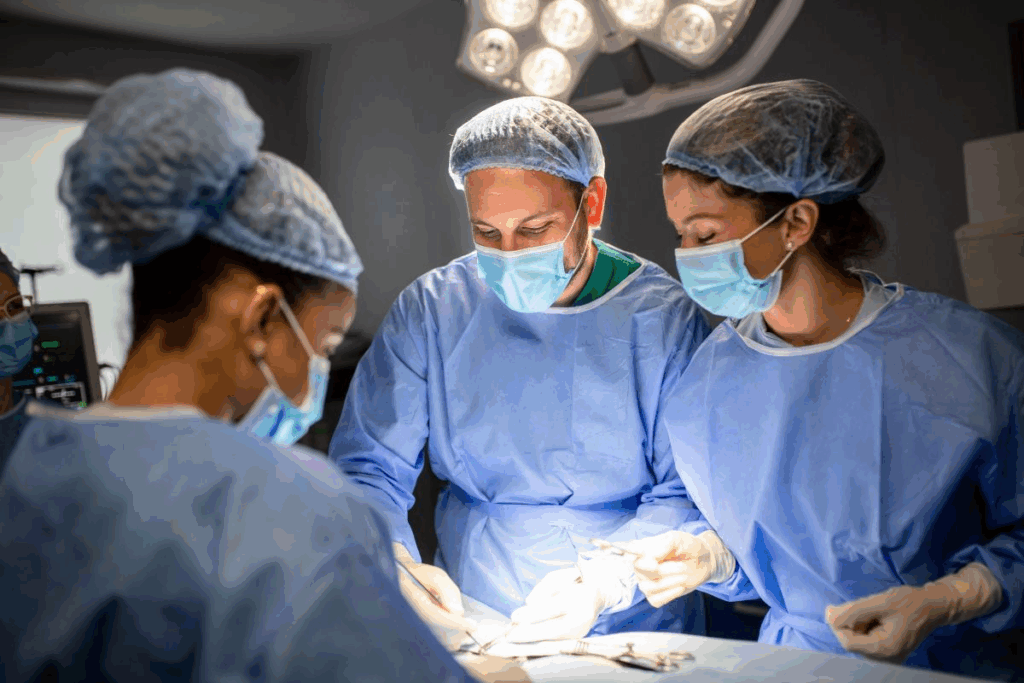
Nearly 700,000 people in the United States have their gallbladder removed each year. This raises questions about how it changes their daily habits, like coffee consumption. If you’ve had your gallbladder removed, you might worry about drinking coffee. We’re here to help you adjust to life without a gallbladder. Guidance on Drinking Coffee Without Gallbladder and managing its potential digestive effects.
People without a gallbladder might need to change their diet. This is to handle digestive changes. We’ll look into how coffee consumption is affected. And we’ll share health tips for coffee lovers to make the transition easier.
Key Takeaways
- Understand the impact of gallbladder removal on digestion and coffee consumption.
- Learn how to adjust your diet to manage digestive changes.
- Discover health tips for enjoying coffee after gallbladder removal.
- Explore the relationship between coffee and gallbladder health.
- Get guidance on maintaining a healthy digestive system post-surgery.
Understanding Life Without a Gallbladder
Knowing how the gallbladder works is key to handling digestion after surgery. Many think it’s vital, but the body can adjust without it. Yet, this adjustment needs us to grasp the digestive system’s changes.
The Role of the Gallbladder in Digestion
The gallbladder holds bile, a liver-made fluid key to fat digestion. When we eat fatty foods, the gallbladder releases bile into the small intestine. There, it helps break down fats into bits the body can absorb. This is essential for getting fat-soluble vitamins like A, D, E, and K.
How Digestion Changes After Gallbladder Removal
After the gallbladder is removed, the body learns to digest food differently. Without a gallbladder, bile goes straight from the liver to the small intestine. This change can affect how fats are digested. Some might get digestive changes, like diarrhea or fatty stools, because of the constant bile flow.
A gastroenterology expert notes, “Removing the gallbladder can alter bowel habits, but most people adjust over time.” Adjusting to these changes can vary a lot among people. This shows why it’s vital to understand our own digestive changes after surgery.
The Relationship Between Coffee and Digestion

It’s important to know how coffee affects the digestive system, mainly for those without a gallbladder. Coffee can change digestion in different ways. It can be good or bad, depending on the person.
How Coffee Affects the Digestive System
Coffee can make the stomach work harder. It increases stomach acid, which helps digest food but can also cause discomfort. It also makes the gut move faster, which can help or hurt, depending on the person.
Caffeine in coffee is the main reason for these effects. It makes the digestive system more active. How much it affects you depends on how much coffee you drink, your caffeine tolerance, and your digestive health.
Coffee’s Impact on Bile Production and Release
Bile is key for digesting fats and absorbing nutrients. Without a gallbladder, bile release changes. Coffee might affect this, impacting digestion.
Studies show coffee can make bile release into the intestine, even without a gallbladder. Caffeine and other coffee compounds seem to play a role in this.
Knowing how coffee affects digestion is vital for those without a gallbladder. Being aware of these effects helps them decide how much coffee to drink.
Immediate Effects After Gallbladder Surgery

Right after gallbladder surgery, it’s key to know how food choices affect recovery. Without a gallbladder, eating habits must change to help with digestion.
Post-Surgery Dietary Recommendations
Doctors often suggest a low-fat diet after surgery. This helps ease digestion. Over time, you can try different foods to see how your body reacts.
Start with small, frequent meals to ease digestion. Foods high in fiber, like fruits and veggies, are good but introduce them slowly to avoid discomfort.
Food Type | Recommended | To Be Avoided |
Fats | Healthy fats like olive oil | High-fat foods, fried foods |
Proteins | Lean proteins like chicken, fish | Fatty meats |
Vegetables | Low-gas vegetables like cucumbers | Gas-producing vegetables like broccoli |
Timeline for Reintroducing Coffee
You can start drinking coffee again when you’re comfortable with more foods. This is usually 2-4 weeks after surgery. But, it depends on how quickly you recover.
Begin with a small amount of coffee to see how you react. If you feel bad, try drinking less or switch to low-acid coffee.
It’s important to watch how your body reacts to coffee and other foods after surgery. Making changes to your diet based on how you feel can help you feel better and stay healthy.
Drinking Coffee Without Gallbladder: What to Expect
If you’ve had your gallbladder removed, you might wonder if you can drink coffee. The link between coffee and gallbladder surgery is complex. Knowing what to expect can guide you through your diet after surgery.
Common Reactions and Symptoms
Drinking coffee without a gallbladder can cause problems for some. These issues might include:
- Diarrhea or loose stools
- Abdominal pain or discomfort
- Nausea or vomiting
- Acid reflux or heartburn
The severity of these symptoms can differ from person to person. It’s important to watch how your body reacts to coffee after gallbladder surgery. This helps you decide if you can keep drinking it.
Symptom | Possible Cause | Action |
Diarrhea | Coffee’s effect on bowel movements | Reduce coffee intake or switch to decaf |
Abdominal Pain | Irritation of the digestive tract | Try a different brewing method or reduce frequency |
Acid Reflux | Coffee’s acidity | Add milk or cream to neutralize acidity |
Individual Variations in Tolerance
It’s key to remember that coffee tolerance varies greatly after gallbladder surgery. Some people might not face any problems, while others need to change their coffee habits a lot.
Several things can affect how well you tolerate coffee:
- The amount of coffee you drink
- How you make your coffee
- Your overall diet
By paying attention to how your body reacts and making changes, you can enjoy coffee without too much discomfort.
Potential Digestive Issues from Coffee Consumption
Not having a gallbladder can make drinking coffee uncomfortable. Coffee is a big part of many people’s day, but it can upset the stomach, more so after gallbladder removal.
Diarrhea and Loose Stools
Coffee can make you go to the bathroom more often. This might cause diarrhea and loose stools for those without a gallbladder. The liver’s bile goes straight to the small intestine, upsetting fat digestion and causing stomach problems.
- Coffee’s stimulant effect on the gut can accelerate bowel movements.
- The absence of a gallbladder means bile isn’t stored and released in the same regulated manner, potentially exacerbating the issue.
Abdominal Pain and Discomfort
Drinking coffee can cause abdominal pain and discomfort for some. This is more likely if you have a sensitive stomach or digestive issues. The caffeine in coffee can irritate the stomach lining, causing pain or discomfort.
- Caffeine can increase stomach acid production, potentially irritating the stomach lining.
- Individuals with irritable bowel syndrome (IBS) or other digestive disorders may be more susceptible to these effects.
Acid Reflux and Heartburn
Coffee can also lead to acid reflux and heartburn for some. The caffeine and other compounds in coffee can relax the lower esophageal sphincter. This lets stomach acid flow back into the esophagus.
- Reducing the amount of coffee consumed or switching to a low-acid coffee may help alleviate symptoms.
- Avoiding coffee on an empty stomach can also help mitigate these issues.
Knowing how coffee can affect your body is key if you don’t have a gallbladder. Being aware of these effects can help you enjoy your coffee without discomfort.
Benefits of Coffee That Remain After Gallbladder Removal
Coffee’s good effects on the body are not lost without a gallbladder. Even without it, coffee’s benefits are not diminished.
Antioxidant Properties
Coffee is full of antioxidants, which fight off harmful free radicals. Antioxidant properties are key to keeping us healthy. Drinking coffee can help a lot with this.
Research shows coffee is a top source of antioxidants in our diets. Even without a gallbladder, we can enjoy these health benefits.
Mental Alertness and Energy Benefits
Coffee is famous for making us more alert and energetic. The caffeine in it wakes up our brains, helping us stay focused and avoid feeling tired.
For those without a gallbladder, coffee can keep them mentally sharp and energized. But, it’s important to drink coffee carefully to avoid stomach upset.
Knowing coffee’s benefits go beyond digestion lets us keep enjoying it. We just need to adjust how we drink it to feel good.
Modifying Your Coffee Habits
For those without a gallbladder, changing how you drink coffee can help. It’s all about how your body reacts to it.
Reducing Caffeine Content
One way to modify coffee habits is to cut down on caffeine. Too much caffeine can upset your stomach. Here are a few tips:
- Switch to decaf coffee
- Mix regular coffee with decaf
- Drink fewer cups each day
Less caffeine means fewer jitters and a slower heart rate.
Best Times of Day to Consume Coffee
When you drink coffee matters. It affects how it works in your body. Here’s when to drink it for better digestion:
Time of Day | Effect on Digestion |
Morning | Helps get your bowels moving |
Before Meals | May help with digestion, but watch for acid reflux |
Afternoon | Gives you a boost, but might keep you awake if too late |
Portion Control Strategies
It’s important to control how much coffee you drink. Too much can be bad, even for those who can handle caffeine well.
To control your coffee intake:
- Use a measuring cup
- Don’t add too much sugar or cream
- Pay attention to how your body reacts
By following these tips, you can enjoy coffee without upsetting your stomach.
Coffee Preparation Methods That May Be Easier to Tolerate
The way coffee is made can really affect how it’s digested. Different methods change the coffee’s chemical makeup. This can make it more or less irritating to your stomach.
Cold Brew vs. Hot Brew
Cold brew coffee is made by steeping coarse-ground beans in cold water for 12-24 hours. This process makes the coffee less acidic than hot brew. Lower acidity is good for those with sensitive stomachs or who’ve had their gallbladder removed.
Hot brew coffee, on the other hand, uses hot water. This extracts more acids and oils from the beans. While it’s the traditional method, it might upset some stomachs more.
The Impact of Different Roasts
The roast level of coffee beans also matters. Lighter roasts are more acidic than darker ones. Darker roasts are less acidic, which might be better for those who are sensitive to acidity.
Coffee Preparation Method | Acidity Level | Digestive Impact |
Cold Brew | Low | Easier on the stomach |
Hot Brew | Higher | May cause discomfort |
Light Roast | Higher | More acidic, potentially irritating |
Dark Roast | Lower | Less acidic, potentially easier to digest |
Choosing the right coffee method and roast can help those without a gallbladder enjoy their coffee. It can also reduce stomach issues.
Additives That May Help or Harm
For people without a gallbladder, coffee additives can either help or hurt. The choice of additives greatly affects how well coffee is tolerated.
Effects of Milk and Cream
Adding milk or cream to coffee can have different effects on digestion. Milk contains proteins and fats that may slow down the digestion of coffee, making it less irritating to the stomach. But, for some, dairy can be hard to digest, like those who are lactose intolerant.
Non-dairy options like almond milk or oat milk are better for those with dairy issues. It’s key to pick unsweetened and unflavored versions to avoid extra sugars or flavors that might upset your stomach.
Sugar and Artificial Sweeteners
Sugar and artificial sweeteners can also affect how coffee is tolerated. High sugar intake can cause digestive discomfort, like bloating and gas. Artificial sweeteners, though calorie-free, can upset some people’s stomachs, possibly making diarrhea worse.
If you like your coffee sweet, start with a little sugar or natural sweeteners like stevia. This can help you see how much you can handle.
Beneficial Additions
Some additives are not only safe but also good for you. Cinnamon, for example, has anti-inflammatory properties that can help with digestion. Turmeric, with its curcumin, is known for its anti-inflammatory and antioxidant effects, which can soothe the digestive system.
Try small amounts of these beneficial additives to find what works best for your digestive health.
Coffee Alternatives for Those Who Can’t Tolerate Regular Coffee
If you can’t handle regular coffee, don’t worry. There are many other drinks that can give you a similar energy boost. You can choose from options that have less caffeine or are less acidic.
Herbal Teas and Their Benefits
Herbal teas are a great choice instead of coffee. They come in many flavors and are good for your health. Here are a few favorites:
- Peppermint Tea: It’s good for your stomach and tastes refreshing.
- Chamomile Tea: It helps you relax and sleep better.
- Ginger Tea: It helps with digestion and can ease nausea.
You can drink these teas hot or cold, with or without sugar. They’re very flexible and can replace coffee.
Low-Acid Coffee Options
If you like coffee but find it too acidic, there are low-acid options. Here are a few:
Coffee Type | Description | Benefits |
Cold Brew | Coffee made without heat, using cold water. | It’s less acidic and tastes smoother. |
Arabica | A coffee bean type with a mild taste. | It’s less acidic than Robusta and tastes richer. |
Espresso Roast | A dark roast coffee that’s less acidic. | It has a bold flavor but is less acidic. |
Decaffeinated Choices
Decaffeinated coffee is a good option if you want to avoid caffeine but like coffee’s taste. The decaffeination process removes most of the caffeine.
Decaf coffee tastes just as good as regular coffee. Many brands offer high-quality decaf options. You can enjoy it black, with milk, or sweetened.
Nutritional Considerations for Coffee Drinkers Without a Gallbladder
After having your gallbladder removed, it’s key to know how coffee affects your health. Without a gallbladder, your body might not process fats as well. This could change how you feel about drinking coffee.
Fat Absorption and Coffee Interactions
Coffee can get your digestive system moving. But without a gallbladder, absorbing fats might be harder. The gallbladder helps break down fats for better absorption. Without it, fats can be harder to digest.
Key considerations for fat absorption include:
- Potential for reduced absorption of fat-soluble vitamins (A, D, E, K)
- Possible increase in gastrointestinal symptoms like diarrhea or fatty stools
- Need for dietary adjustments to manage fat intake
Coffee might make these problems worse for some people. It’s important to watch how your body reacts to coffee and adjust your diet as needed.
Vitamin and Mineral Considerations
People without a gallbladder should focus on their vitamins and minerals, like fat-soluble ones. Coffee can also affect how your body absorbs some minerals.
Important vitamin and mineral considerations include:
- Ensuring adequate intake of fat-soluble vitamins through diet or supplements
- Monitoring mineral levels, as coffee can affect absorption
- Maintaining a balanced diet to compensate for possible malabsorption issues
By keeping these nutritional points in mind, you can enjoy coffee while staying healthy without a gallbladder.
Long-Term Effects of Coffee Consumption After Gallbladder Removal
Drinking coffee long-term after removing the gallbladder can affect the digestive system. As people get used to life without a gallbladder, their body’s reaction to coffee changes a lot.
Adaptation of the Digestive System Over Time
The digestive system can change a lot. After the gallbladder is removed, the liver keeps making bile. This bile goes straight to the small intestine.
Over time, the body might get used to this new way of working. Some people might be able to handle more coffee, while others could face new or ongoing digestive problems.
Studies show that the body can adjust to not having a gallbladder. It might change how it handles bile. But, how people react to coffee can be very different.
Monitoring Changes in Tolerance
It’s important for people who drink coffee after gallbladder removal to watch how their body reacts. Noticing any changes in how they feel can help them manage their coffee better. Looking out for symptoms like diarrhea, stomach pain, or acid reflux can help understand how coffee affects the digestive system.
By paying attention to these changes, people can make better choices about their coffee. They might drink less, change when they drink it, or try different ways of making coffee to find one that’s easier on their stomach.
When to Consult a Healthcare Professional
Knowing when to see a doctor about coffee without a gallbladder is key. Coffee is healthy for many, but those without a gallbladder must be careful. They need to watch their coffee intake and digestive health closely.
Warning Signs That Require Medical Attention
Some people react badly to coffee after their gallbladder is removed. Severe or persistent symptoms that need a doctor’s help include:
- Persistent diarrhea or constipation
- Severe abdominal pain
- Vomiting or blood in stool
- Signs of dehydration
If you have these symptoms, seeing a doctor is important. They can check for complications or other health issues.
Questions to Ask Your Doctor About Coffee Consumption
When talking to your doctor about coffee after gallbladder removal, ask these questions. They can give you advice that fits your health:
- How soon after surgery can I resume drinking coffee?
- Are there specific coffee preparation methods that are safer for my digestive system?
- How can I manage side effects like diarrhea or abdominal pain?
- Are there any coffee additives or alternatives that you recommend?
These questions help you get advice that considers your health and history.
“The key to enjoying coffee after gallbladder removal is being aware of your body’s reactions and seeking professional advice when needed.”
Research on Coffee and Post-Cholecystectomy Patients
The scientific world is diving into how coffee affects people without a gallbladder. We’re learning about its good and bad sides. This research helps us understand coffee’s impact on those who’ve had their gallbladders removed.
Current Scientific Understanding
Studies are looking into coffee’s role in digestion for those without a gallbladder. Coffee’s effect on bile production and release is key. It might help with digestion, but how much and why is being studied.
Coffee’s antioxidants are also in the spotlight. These compounds can boost health and help with digestion after gallbladder removal. We’re figuring out how they work with other digestive health factors.
Gaps in Research and Future Directions
Even with current research, there’s a lot we don’t know. Long-term studies on coffee and gallbladder removal are needed. We also need to understand how people react differently to coffee after surgery.
Future studies might look at how coffee brewing methods affect digestion. They could also explore how coffee interacts with post-surgery medications. This research will help give better advice on coffee for those without a gallbladder.
Creating a Personalized Coffee Plan
Drinking coffee in a way that suits you can help with digestion after gallbladder removal. Everyone’s body is different. What works for one might not work for another.
Tracking Your Symptoms and Reactions
To make a good coffee plan, track how coffee affects you. Keep a diary of your food and coffee intake. This will show how your body reacts to different coffees.
- Note the time of day you consume coffee
- Record the amount and type of coffee consumed
- Document any symptoms or discomfort experienced
Gradual Reintroduction Strategies
If you’ve had gallbladder surgery, start with small amounts of coffee. This can help avoid stomach upset.
- Start with small amounts of coffee (1/4 cup or 1 shot of espresso)
- Gradually increase the amount over several days or weeks
- Monitor your body’s response and adjust if needed
Finding Your Individual Tolerance Level
Finding out how much coffee you can handle is key. Try different ways of brewing, roast levels, and additives to see what suits you.
Consider these factors:
- Caffeine content: Try decaf or half-caf options
- Roast level: Lighter roasts might be easier on your stomach
- Additives: Milk, cream, or non-dairy alternatives can change how you feel
By following these tips and paying attention to how your body reacts, you can create a personalized coffee plan. This way, you can enjoy coffee while keeping your stomach happy.
Conclusion: Balancing Coffee Enjoyment and Digestive Health
We’ve looked into how coffee and digestive health after gallbladder removal are connected. The goal is to enjoy coffee while keeping our digestive system healthy. By knowing how coffee affects us and listening to our bodies, we can do just that.
To find this balance, it’s important to know how coffee makes you feel. Changing how you drink coffee, like using less caffeine or different brewing methods, can help. Also, watching what you add to your coffee, like milk or sugar, can make a difference.
By tailoring our coffee habits to our needs and watching our digestive health, we can keep enjoying coffee. This way, we get to enjoy coffee’s good sides, like its antioxidants and how it makes us feel alert, without hurting our stomachs.
FAQ
Can I drink coffee after having my gallbladder removed?
Yes, you can drink coffee after gallbladder removal. Just be aware of how your body reacts and adjust your coffee intake.
How does gallbladder removal affect my ability to digest coffee?
After gallbladder removal, your body keeps making bile. But it goes straight to the small intestine. This change might affect how you digest coffee, leading to different reactions.
What are the possible digestive issues with drinking coffee without a gallbladder?
Issues like diarrhea, abdominal pain, and acid reflux might occur. Watching how your body reacts and adjusting your coffee intake can help manage these symptoms.
How can I minimize negative effects when drinking coffee after gallbladder surgery?
To reduce negative effects, try drinking less caffeine, choose the right times to drink coffee, and control your portions. Also, try different ways of making your coffee.
Are there any coffee alternatives that might be easier to tolerate?
Yes, you can try herbal teas, low-acid coffee, or decaf coffee. These might be easier to handle if regular coffee is hard for you.
How does coffee consumption affect fat absorption after gallbladder removal?
Coffee might affect fat absorption because bile is key in this process. Making sure you get enough nutrients and possibly taking vitamins and minerals can help.
Can I enjoy the benefits of coffee after gallbladder removal?
Yes, coffee’s benefits like antioxidants, mental alertness, and energy are not lost after gallbladder removal.
How do I create a personalized coffee plan after gallbladder surgery?
Start by tracking your symptoms and gradually introducing coffee back into your diet. Find out what works best for you to create a plan that suits your needs.
When should I consult a healthcare professional about my coffee consumption after gallbladder removal?
If you have ongoing or severe digestive problems, talk to a healthcare professional. They can help you manage your coffee intake and overall digestive health.
Are there any long-term effects of coffee consumption after gallbladder removal that I should be aware of?
Over time, your body might adjust to not having a gallbladder. Keep an eye on how your tolerance changes and adjust your coffee habits as needed.
References
JAMA Network. Evidence-Based Medical Insight. Retrieved from https://jamanetwork.com/journals/jama/fullarticle/190309