If you’re dealing with severe obesity, biliopancreatic diversion with duodenal switch (BPD/DS) might be a game-changer. This advanced surgery mixes two methods to help you lose weight effectively.
At Liv Hospital, our skilled surgeons do DS surgery. They help patients lose a lot of weight, sometimes over 50 percent of their body weight. This method works well for those with a high BMI, tackling obesity from all angles.
Key Takeaways
- DS surgery is a highly effective procedure for significant weight loss.
- BPD/DS combines restrictive and malabsorptive surgical techniques.
- Patients often achieve substantial weight loss, improving overall health.
- DS surgery is particularl beneficial for individuals with a high BMI.
- Expert surgeons at Liv Hospital perform this advanced bariatric procedure.
What is DS Surgery for Weight Loss?
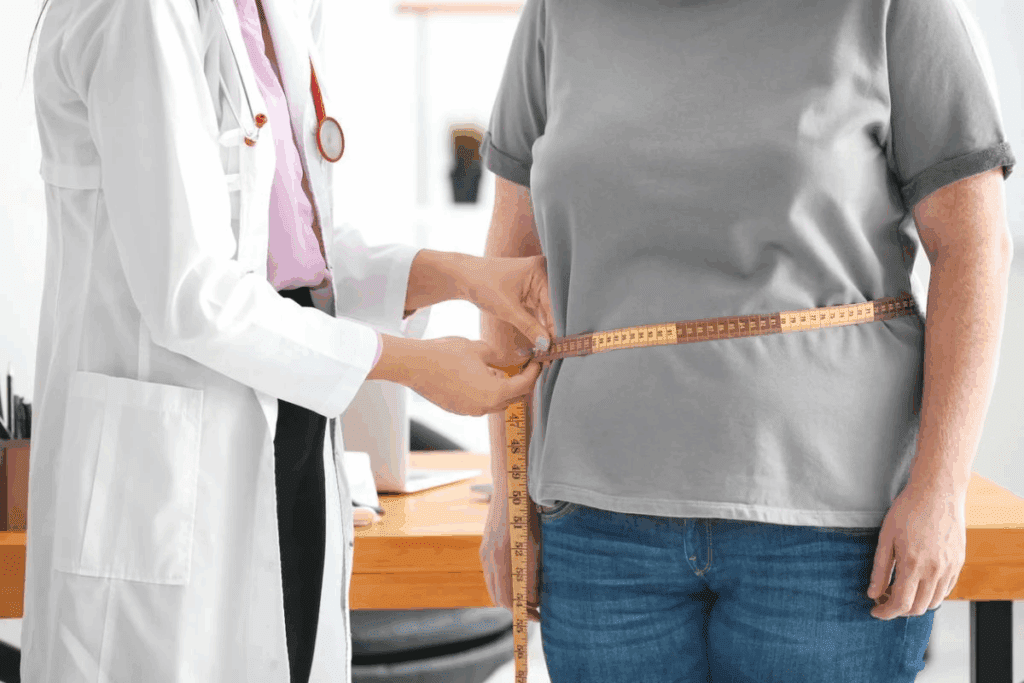
DS surgery is a life-changing option for those with severe obesity. It combines restrictive and malabsorptive techniques. This complex procedure helps patients lose weight when other methods fail.
The DS surgery, or Biliopancreatic Diversion with Duodenal Switch, has two main parts. It removes a big part of the stomach and changes the small intestine’s path. This limits how much food you can eat and how many calories your body absorbs.
The Duodenal Switch Procedure Explained
The Duodenal Switch procedure is a detailed surgical method. It starts by removing about 80% of the stomach, making it smaller. This part limits how much food you can eat.
Then, it bypasses a big part of the small intestine. This part reduces calorie and nutrient absorption, helping with weight loss. Together, these steps make DS surgery very effective for those with a high BMI.
How BPD/DS Differs from Gastric Bypass and Sleeve Gastrectomy
DS surgery is different from gastric bypass and sleeve gastrectomy. Gastric bypass creates a small stomach pouch and connects it to the small intestine. DS surgery removes more stomach and changes the intestines differently.
Sleeve gastrectomy removes a lot of stomach but doesn’t change the intestines. DS surgery’s unique malabsorptive part makes it better for some patients, like those with a BMI over 50 kg/m2.
Procedure | Restrictive Component | Malabsorptive Component |
DS Surgery (BPD/DS) | Removal of 80% of the stomach | Bypass of a significant portion of the small intestine |
Gastric Bypass | Creation of a small stomach pouch | Bypass of a portion of the small intestine |
Sleeve Gastrectomy | Removal of a large portion of the stomach | No intestinal bypass |
Studies show DS surgery leads to better weight loss than gastric bypass, mainly for super-obese patients. Knowing these differences helps patients choose the best weight loss treatment for them.
Evaluating if You’re a Candidate for DS Surgery
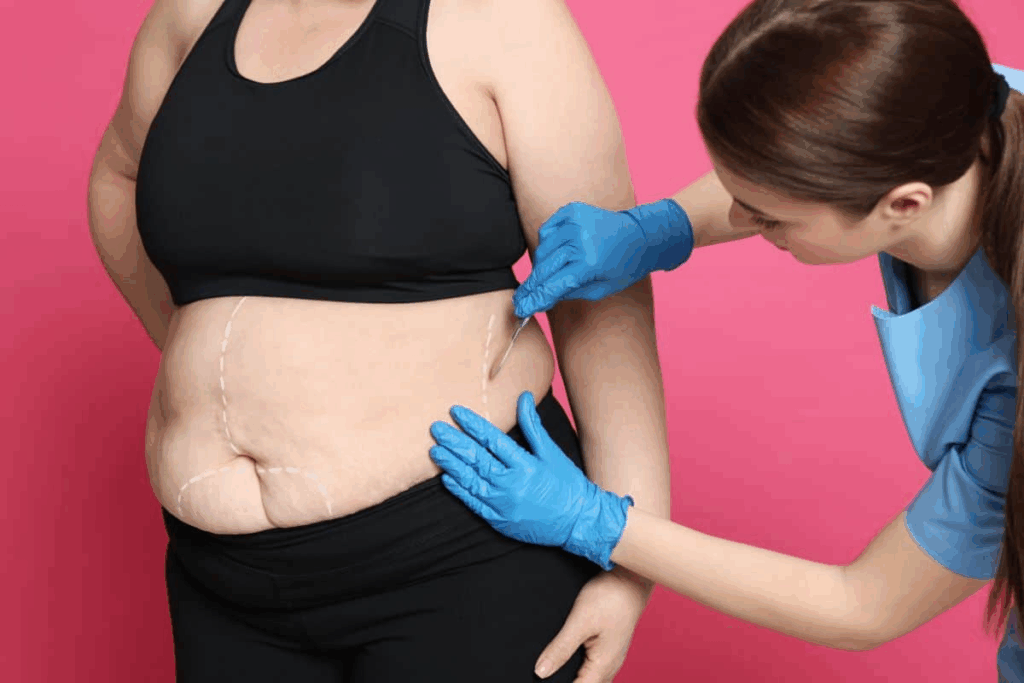
Before you can get DS surgery, you need to check if you’re a good fit. There are certain criteria to meet and a detailed evaluation to go through.
BMI and Weight Requirements
Your Body Mass Index (BMI) is a key factor. You need a BMI of 40 or more, or 35 with serious health problems. DS surgery is for those who can’t lose weight through other ways.
BMI Category | BMI Range | Eligibility for DS Surgery |
Normal Weight | 18.5 – 24.9 | No |
Overweight | 25 – 29.9 | No |
Obese Class 1 | 30 – 34.9 | Generally Not, unless with significant health issues |
Obese Class 2 | 35 – 39.9 | Yes, with significant obesity-related health issues |
Obese Class 3 | 40 or higher | Yes |
Health Conditions That May Indicate DS Surgery
Some health issues might make DS surgery a better option. These include type 2 diabetes, high blood pressure, sleep apnea, and other obesity-related problems. DS surgery can greatly improve or even fix these issues for many people. It’s known to help patients lose at least half their body weight, with a success rate of about 90 percent.
Psychological Readiness Assessment
Being mentally ready is also important. You need to understand the lifestyle changes after surgery and be willing to make them. A psychological check helps see if you’re ready for the surgery and its effects.
To see if you’re a good candidate for DS surgery, we look at your health, weight, and mental state. Knowing these factors helps decide if DS surgery is right for you.
Understanding the Benefits of DS Surgery Weight Loss
DS surgery, or biliopancreatic diversion with duodenal switch, is known for its weight loss success. It helps people lose a lot of weight and improve their health. This surgery is effective in treating obesity-related health issues.
One big plus of DS surgery is its ability to lead to superior weight loss outcomes. Studies show that BPD/DS leads to more weight loss than gastric bypass over 15 years. It’s a good choice for those looking to lose a lot of weight.
Superior Weight Loss Outcomes
Research proves that DS surgery results in significant weight loss. It works by making the stomach smaller and changing the intestines’ path. This helps in losing and keeping off weight over time.
The success of DS surgery in weight loss comes from its two main actions: restrictive and malabsorptive. It limits food intake and reduces calorie absorption. This leads to substantial weight reduction.
Resolution of Obesity-Related Comorbidities
DS surgery also helps improve or solve health problems linked to obesity like diabetes and high blood pressure. Losing a lot of weight through DS surgery can improve metabolic health. It also lowers the risk of obesity-related complications.
People who have DS surgery can see improvements in their overall health and quality of life. They might need fewer medications for obesity-related conditions. This can greatly enhance their well-being.
Weighing the Risks and Complications
Thinking about DS surgery means looking at the possible risks and problems. DS surgery, or bpd surgery, changes your digestive system a lot. It removes up to 80 percent of your stomach and bypasses a big part of your small intestine. This leads to eating less and absorbing fewer calories, helping you lose a lot of weight.
But, like any big surgery, bpdds surgery has its own risks. Knowing these risks is key to making a smart choice.
Surgical Risks and Recovery Challenges
ds switch surgery can have risks like bleeding, infection, and bad reactions to anesthesia. The surgery’s complexity also raises the chance of problems like leaks from the surgery spots.
Getting better from DS surgery is tough. You’ll have to follow a strict diet, starting with liquids and then moving to solid foods. This change can be hard, and you might feel sick, have nausea, or vomit as your body gets used to it.
Nutritional Deficiencies and Malabsorption Issues
A big risk of bpd surgery is not getting enough nutrients. The surgery bypasses a big part of your small intestine, making it hard for your body to absorb nutrients. This can cause a lack of vitamins and minerals, like fat-soluble vitamins (A, D, E, and K), and you’ll need to take supplements for life.
Malabsorption can also cause problems like diarrhea. This is because your digestive system’s shape has changed.
Potential Long-Term Side Effects
bpdds surgery can help you lose a lot of weight and improve health problems related to being overweight. But, there are long-term side effects to think about. These include ongoing nutritional problems, gas and bloating, dumping syndrome (if the pylorus is removed or bypassed), and possible long-term effects on bone health because of not getting enough calcium and vitamin D.
It’s important for patients to know about these possible side effects. They should also promise to follow up for life to manage and lessen these risks.
In summary, while DS surgery can be a good way to lose weight, it’s important to think carefully about the benefits and risks. By understanding the surgery’s risks, nutritional problems, and long-term side effects, patients can decide if ds switch surgery is the right choice for them.
Comparing DS Surgery to Other Weight Loss Procedures
Choosing the right weight loss surgery can be tough. Patients have many options, like DS surgery, gastric bypass, and sleeve gastrectomy. We’ll look at how DS surgery compares to these, focusing on their success rates and what to consider.
DS vs. Gastric Bypass: Effectiveness and Considerations
DS surgery and gastric bypass are both good for losing weight. But they work differently. Gastric bypass makes a small stomach pouch and changes the intestine route. DS surgery removes a big part of the stomach and changes the intestine route too, to cut down on food absorption.
Studies show DS surgery often leads to more weight loss than gastric bypass, mainly for very obese people.
One big thing to think about is nutritional problems. DS surgery can lead to more nutritional issues than gastric bypass. But, with the right supplements and care, these problems can be managed. Whether to choose DS surgery or gastric bypass depends on your health needs and weight loss goals.
DS vs. Sleeve Gastrectomy: Which is Right for You?
Sleeve gastrectomy removes a big part of the stomach, leaving a narrow stomach. It doesn’t change the intestine route like DS surgery does. Sleeve gastrectomy can cause a lot of weight loss, but DS surgery usually leads to more weight loss for those with a higher BMI.
When picking between DS surgery and sleeve gastrectomy, think about your health, weight loss goals, and the risks of each. DS surgery might be better for severe obesity, but it also has more risks and needs lifelong nutrition help.
The right choice between DS surgery, gastric bypass, and sleeve gastrectomy depends on many things. These include your health, weight loss goals, and what you prefer. Talking to a healthcare expert is key to finding the best surgery for you.
How to Select a Qualified DS Surgery Provider
The success of your DS surgery depends on your surgeon’s expertise and the hospital’s quality care. A complex procedure like duodenal switch surgery needs a team with lots of experience and a good track record.
Surgeon Credentials and Experience to Look For
When looking at surgeons, check their credentials and experience with bpd with ds procedures. Look for a surgeon who is:
- Board-certified in general surgery or a related specialty
- Fellowship-trained in bariatric surgery
- Has performed a significant number of duodenal switch surgeries
- Has a good standing with local medical boards and hospitals
It’s also beneficial to ask about their complication rates and how they handle any complications that may arise.
Evaluating Hospital Facilities and Support Programs
The quality of the hospital facilities and support programs is just as important as the surgeon’s expertise. Consider the following:
- The hospital’s accreditation status and reputation for bariatric care
- The availability of a multidisciplinary team, including dietitians, psychologists, and support staff
- The comprehensiveness of pre- and post-operative care programs
- The hospital’s policy on follow-up care and long-term support
Criteria | High-Quality Provider | Lower-Quality Provider |
Surgeon Experience | High volume of DS surgeries | Limited experience with DS |
Hospital Accreditation | Accredited by a recognized body | Lack of accreditation or poor ratings |
Support Programs | Comprehensive pre- and post-op care | Limited support and resources |
Questions to Ask During Your Surgical Consultation
During your consultation, don’t hesitate to ask questions. Some key questions to consider include:
- What experience do you have with gastric reduction duodenal switch procedures?
- Can you share outcomes data or success stories from previous patients?
- How do you handle complications or emergencies during or after surgery?
- What kind of support can I expect before, during, and after my surgery?
By carefully evaluating these factors and asking the right questions, you can make an informed decision when selecting a qualified DS surgery provider.
Preparing for Biliopancreatic Diversion with Duodenal Switch
The journey to successful DS surgery starts with thorough preparation and evaluation. As you prepare for biliopancreatic diversion with duodenal switch (BPD/DS), it’s key to know the steps for a smooth and successful surgery.
Pre-Surgical Requirements and Testing
Before DS surgery, patients must do a series of tests and evaluations. These include:
- Medical evaluations: Detailed medical check-ups to check overall health and find any risks.
- Nutritional assessments: Checking nutritional status to guide post-surgical diet.
- Psychological evaluations: Checking mental readiness for surgery and lifestyle changes.
These evaluations help decide if you’re right for BPD/DS and what needs work before surgery.
Lifestyle Changes to Implement Before Surgery
To make DS surgery successful, some lifestyle changes are recommended before. These include:
- Dietary adjustments: Start a healthier diet to reduce liver fat and improve health.
- Increasing physical activity: Do regular exercise to boost heart health and fitness.
- Smoking cessation: Quit smoking to lower surgery risks and aid recovery.
Making these changes prepares your body for surgery and sets you up for a healthier life after.
Setting Realistic Expectations for Your Journey
Knowing what to expect after DS surgery is key for success. This includes:
- Weight loss expectations: Understand the weight loss rate and amount you can expect.
- Nutritional guidelines: Learn the dietary changes needed after surgery.
- Follow-up care: Stick to regular check-ups to track progress and solve any issues.
By setting realistic goals and preparing well, you can smoothly transition into your new life after BPD/DS surgery.
Life After DS Surgery: Long-Term Commitment
DS surgery is more than a procedure; it’s a lifelong journey to health. After BPD/DS surgery, patients must make big lifestyle changes. These changes help keep weight loss and health in check.
Dietary Guidelines and Nutritional Supplementation
Patients after DS surgery must eat a diet rich in protein and low in fat. This diet is key to keeping weight off and getting enough nutrients. They should eat small meals often and avoid sugary and fatty foods.
Because the surgery limits nutrient absorption, supplements are essential. Patients need to take vitamins like B12, iron, and calcium to avoid deficiencies. A common supplement routine includes:
Supplement | Recommended Daily Dose |
Vitamin B12 | 1000-2000 mcg |
Iron | 50-100 mg |
Calcium | 1200-1500 mg |
Exercise Regimen and Physical Activity Recommendations
Exercise is key to keeping weight off and staying healthy after DS surgery. Aim for 150 minutes of moderate exercise weekly. Also, do strength training two or more times a week.
Begin with easy activities like walking. As you get fitter, increase the intensity and time. Include exercises that boost flexibility and balance too.
Ongoing Medical Follow-Up Requirements
Regular check-ups with healthcare providers are vital. These visits help track health and catch problems early. Blood tests are part of these visits to check for nutrient deficiencies and other health signs.
Be aware of possible long-term issues like protein malnutrition and vitamin deficiencies. Tell your doctor right away if you notice any symptoms.
By sticking to these lifestyle changes and medical check-ups, patients can achieve lasting weight loss. This improves their health and quality of life.
Conclusion: Making Your Decision About DS Surgery
Choosing the right weight loss surgery can be tough. We’ve looked at the good and bad of DS surgery, also known as biliopancreatic diversion with duodenal switch (BPD/DS). It’s a powerful tool for losing a lot of weight and improving health.
Knowing the benefits, risks, and what’s needed for DS surgery helps patients decide. DS weight loss surgery can lead to big weight loss and better health. But, it’s a big step that needs careful thought and planning.
Deciding on DS surgery should be a choice made with a healthcare expert. They’ll consider your unique situation. We’re here to help every step of the way, aiming for the best results for you.
FAQ
What is DS surgery and how does it work?
DS surgery, or Biliopancreatic Diversion with Duodenal Switch, is a complex weight loss procedure. It reduces the stomach size and reroutes the intestines. This limits calorie absorption.
How does DS surgery differ from gastric bypass?
DS surgery has a bigger stomach reduction and more intestine rerouting than gastric bypass. This leads to more calorie malabsorption.
What are the benefits of DS surgery for weight loss?
DS surgery offers better weight loss results. It can also improve or solve health issues like diabetes and hypertension.
Who is a good candidate for DS surgery?
People with a high BMI, usually over 40, or obesity-related health issues might be good candidates. They must also be ready for the procedure psychologically.
What are the risks and complications associated with DS surgery?
DS surgery has risks like surgical complications and nutritional deficiencies. There’s also a chance of long-term malabsorption issues.
How do I prepare for DS surgery?
Preparing for DS surgery includes pre-surgical tests and lifestyle changes. You should also set realistic weight loss expectations.
What dietary guidelines should I follow after DS surgery?
After DS surgery, follow a specific diet. This includes nutritional supplements to ensure you get the necessary nutrients despite malabsorption.
How does DS surgery compare to sleeve gastrectomy?
DS surgery often leads to more weight loss than sleeve gastrectomy. But, it also has a higher risk of nutritional deficiencies due to malabsorption.
What kind of follow-up care is required after DS surgery?
After DS surgery, ongoing medical follow-up is key. It helps monitor your health, manage complications, and adjust your diet and supplements as needed.
Can DS surgery be reversed if needed?
While DS surgery is usually irreversible, some parts can be adjusted or revised in certain cases. Discuss this with a qualified surgeon.
How do I choose a qualified provider for DS surgery?
When choosing a provider for DS surgery, look at the surgeon’s credentials and experience. Also, consider the quality of the hospital facilities and support programs they offer.
References
Government Health Resource. Evidence-Based Medical Guidance. Retrieved from
- Kohari, K., et al. (2013). Bariatric surgery: the challenges with candidate selection and pre-operative assessment. BMC Surgery. https://www.ncbi.nlm.nih.gov/pmc/articles/PMC3570360/