Dumping syndrome is a common issue after gastric bypass surgery. It happens when food moves too fast from the stomach to the small intestine. The Medical organization says it often occurs after surgery on the stomach or esophagus.
Symptoms usually start within minutes after eating. They are worse after meals high in sugar or fruit sugar.
Dumping syndrome can really affect a person’s life. It causes bad stomach and body symptoms. Knowing how to manage it is key to helping patients who have had gastric bypass surgery.
Key Takeaways
- Dumping syndrome is a common complication after gastric bypass surgery.
- It occurs when food rapidly exits the stomach pouch into the small intestine.
- Symptoms start within minutes after eating, specially after consuming high-sugar meals.
- Understanding dumping syndrome is critical for managing its impact on patients’ quality of life.
- Evidence-based management strategies are essential for complete patient care.
Understanding Dumping Syndrome After Gastric Bypass

Dumping syndrome is a common issue for many after gastric bypass surgery. It’s important to know what it is, how common it is, and how it affects people’s lives after surgery.
Definition and Overview
Dumping syndrome happens when food, mainly sugar, moves too fast into the small intestine. This is because the surgery changes how food is digested. It leads to symptoms that can be quite uncomfortable and sometimes severe.
The symptoms of dumping syndrome vary from person to person. Some might feel only a little discomfort. Others might experience more serious problems like stomach pain, dizziness, and low blood sugar.
Prevalence and Statistics
The National Institute of Diabetes and Digestive and Kidney Diseases says dumping syndrome affects 20% to 50% of those who have had gastric surgery. About 1 to 5 percent of these patients have very severe symptoms.
Here are some important statistics about dumping syndrome:
Prevalence Range | Percentage of Patients | Severity of Symptoms |
20% to 50% | Patients after gastric surgery | Mild to Moderate |
1% to 5% | Patients after gastric surgery | Severe |
Impact on Post-Surgical Quality of Life
Dumping syndrome can really affect a person’s life after gastric bypass surgery. The symptoms can be upsetting and make it hard to eat normally or live as usual.
The emotional and physical effects of dumping syndrome are big. People might have to change their diet a lot and sometimes need medical help to control their symptoms.
Understanding dumping syndrome helps doctors give better care and advice. This helps patients deal with the challenges of this condition.
Types of Bariatric Surgeries and Risk of Dumping Syndrome

Different bariatric surgeries have different risks for dumping syndrome. This condition can greatly affect life after surgery. It’s important for patients and doctors to know these differences.
Roux-en-Y Gastric Bypass
The Roux-en-Y gastric bypass is a common surgery. Studies show that 85 percent of patients will get dumping syndrome. This is because the surgery changes how food is digested.
Gastric Sleeve Procedures
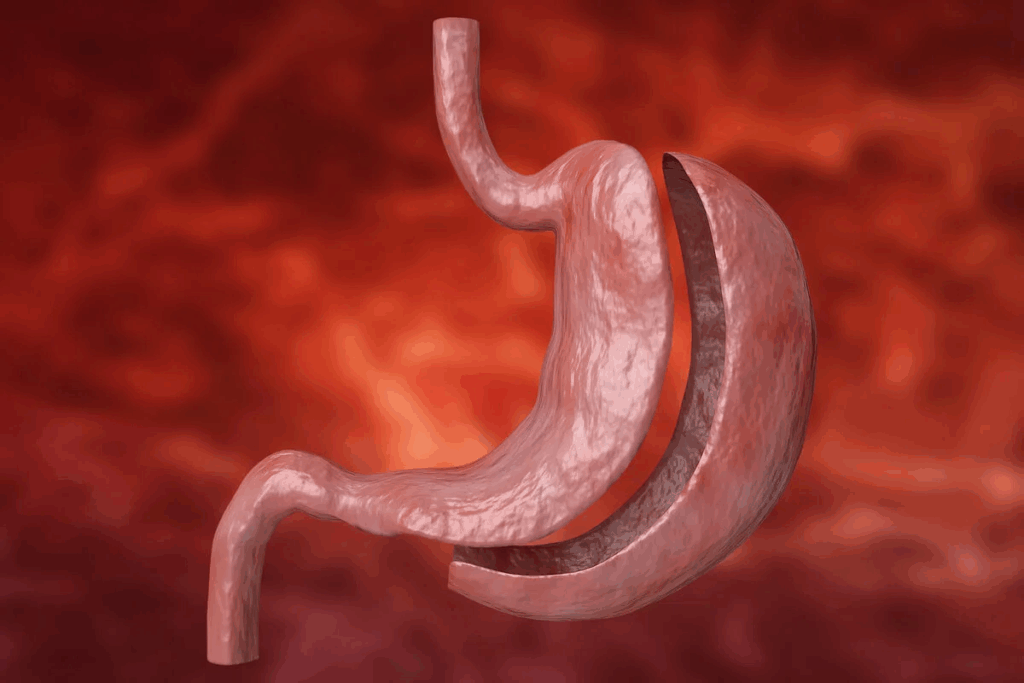
Gastric sleeve surgery removes a big part of the stomach. It leaves a narrow stomach. While it’s less likely to cause dumping syndrome than Roux-en-Y, some patients might experience it. Geisinger says those with a recent sleeve gastrectomy might get dumping syndrome.
Other Bariatric Surgeries and Their Risk Profiles
Other surgeries, like adjustable gastric banding and biliopancreatic diversion with duodenal switch, have different risks. These risks are generally lower if the surgery doesn’t change the stomach’s shape or bypass a lot of the small intestine.
To understand the risks of different bariatric surgeries, let’s look at a table:
Bariatric Surgery Type | Risk of Dumping Syndrome |
Roux-en-Y Gastric Bypass | High (around 85%) |
Gastric Sleeve Procedures | Moderate |
Adjustable Gastric Banding | Low |
Biliopancreatic Diversion with Duodenal Switch | Moderate to High |
Knowing the risks of different bariatric surgeries helps patients and doctors choose the best surgery.
The Physiological Mechanism Behind Dumping Syndrome
Dumping syndrome happens because of how the body digests food after surgery. Normally, the stomach mixes food with acids and enzymes. But after gastric bypass, this process changes.
Normal Digestive Process vs. Post-Bypass Digestion
Food is chewed, swallowed, and then mixed with stomach acids. The stomach turns it into a semi-liquid called chyme. This chyme then moves slowly into the small intestine.
After gastric bypass, like Roux-en-Y, the stomach gets much smaller. The path food takes through the stomach and small intestine changes.
The Medical organization says dumping syndrome happens when food moves too fast to the small intestine. This can cause the body to react in many ways.
Anatomical Changes After Gastric Bypass
Gastric bypass surgery makes big changes to the stomach and intestines. For example, in Roux-en-Y, a small pouch is made at the stomach’s top. The small intestine is then rearranged to connect to this pouch.
These changes mean food moves faster to the small intestine. The small intestine can’t handle this, leading to dumping syndrome symptoms.
How Food Moves Too Rapidly Into the Small Intestine
When high-sugar or high-fat foods rush into the small intestine, it causes a fluid shift. This can lead to cramps, diarrhea, and flushing. The body releases hormones to deal with this, causing more symptoms.
Understanding these changes helps manage dumping syndrome. Knowing how surgery affects digestion helps patients and doctors find ways to reduce symptoms through diet and other strategies.
Early vs. Late Dumping Syndrome
Dumping syndrome after gastric bypass surgery comes in two forms: early and late dumping. Knowing the differences is key to managing and treating it effectively.
Early Dumping: Onset and Characteristics
Early dumping happens within 10 to 30 minutes after eating. It brings on symptoms like nausea, vomiting, stomach cramps, and diarrhea. These happen because food moves too fast into the small intestine.
High-sugar or high-fat foods often trigger early dumping. The symptoms can be tough, but they usually go away in a few hours.
Late Dumping: Hypoglycemic Response
Late dumping starts 1 to 3 hours after eating a lot of carbs. It causes a drop in blood sugar due to too much insulin.
Symptoms of late dumping include dizziness, sweating, confusion, and weakness. In bad cases, it can cause loss of consciousness.
“Late dumping syndrome is a significant concern for patients who have undergone gastric bypass surgery, as it can lead to severe hypoglycemia if not managed properly.”
Comparing Prevalence and Severity
Both early and late dumping can really affect a patient’s life. Early dumping is more common, but late dumping is more serious because of the risk of low blood sugar.
Characteristics | Early Dumping | Late Dumping |
Onset | 10-30 minutes after eating | 1-3 hours after eating |
Primary Symptoms | Gastrointestinal symptoms (nausea, vomiting, diarrhea) | Hypoglycemic symptoms (dizziness, sweating, confusion) |
Common Triggers | High-sugar or high-fat foods | High-carbohydrate meals |
Understanding the differences between early and late dumping helps healthcare providers give better advice and treatment to those who’ve had gastric bypass surgery.
Recognizing the Symptoms of Dumping Syndrome After Gastric Bypass
Dumping syndrome after gastric bypass can cause a variety of symptoms. These symptoms can be severe and affect a person’s daily life. It’s important for both patients and doctors to understand these symptoms well.
Gastrointestinal Symptoms
Gastrointestinal symptoms are common in dumping syndrome. These include:
- Nausea and vomiting
- Stomach cramps
- Diarrhea
- Bloating or feeling too full after eating
These happen because food, like sugar, moves too fast from the stomach to the small intestine. This causes digestion problems.
Vasomotor Symptoms
Vasomotor symptoms affect the blood vessels. They can be very uncomfortable. Symptoms include:
- Flushing
- Dizziness or lightheadedness
- Rapid heart rate
These symptoms happen because of the body’s reaction to fast food movement. It leads to a sudden blood pressure drop.
Hypoglycemic Symptoms
Hypoglycemic symptoms happen after eating a lot of carbs. Symptoms include:
- Shakiness
- Sweating
- Confusion or difficulty concentrating
These symptoms come from the pancreas making too much insulin. This is because of the quick rise in blood sugar after eating.
Severity Spectrum of Symptoms
The severity of dumping syndrome symptoms can vary. Some people may have mild symptoms, while others may have severe ones. It’s important to understand the range of symptoms to manage the condition well.
According to the Medical organization, symptoms like nausea, vomiting, stomach cramps, diarrhea, flushing, dizziness, and rapid heart rate are common. Spotting these symptoms early can help in making the right dietary and lifestyle changes.
We suggest that patients who have had gastric bypass surgery know these symptoms. If they experience any, they should seek medical help. Early treatment can greatly improve life for those with dumping syndrome.
Diagnosing Dumping Syndrome
To find out if someone has dumping syndrome, doctors use many methods. They look at symptoms and how they happen after eating. This helps them figure out if it’s dumping syndrome.
Clinical Evaluation and Patient History
Getting a detailed history from the patient is key. Doctors check the symptoms, when they happen, and the patient’s health history. They also look at the type of surgery the patient had.
Patients might keep a food diary. This diary tracks what they eat and how they feel. It helps find patterns and foods that cause symptoms.
Diagnostic Tests and Procedures
There are tests to confirm dumping syndrome. Here are a few:
- Glucose Tolerance Test: This test checks how well the body handles blood sugar after a glucose drink. It’s good for spotting late dumping syndrome.
- Hydrogen Breath Test: This test finds out if the body is not absorbing carbs well. This can lead to dumping syndrome symptoms.
Other tests might be used to rule out other conditions that could cause similar symptoms.
Diagnostic Test | Purpose |
Glucose Tolerance Test | Checks blood sugar regulation; useful for late dumping syndrome |
Hydrogen Breath Test | Finds out if carbs are not being absorbed |
Differential Diagnosis Considerations
It’s important to tell dumping syndrome apart from other problems after bariatric surgery. A good diagnosis needs a careful look at the patient’s history and tests.
“Accurate diagnosis of dumping syndrome is key for good treatment. It needs a full look at the patient’s history and tests.”
Expert Opinion
Doctors must look at the whole picture to diagnose dumping syndrome right. Then, they can plan the best treatment.
Prevention and Dietary Management Strategies
To lower the chance of dumping syndrome, those getting gastric bypass surgery need to know about pre-surgery nutrition advice and post-surgery diet changes. Good prevention and management can greatly improve life after surgery.
Pre-Surgery Nutritional Counseling
Pre-surgery nutrition counseling is key for getting ready for diet changes after gastric bypass surgery. Nutritional experts help patients understand how the surgery affects digestion. They create a diet plan just for them.
Patients learn the value of a balanced diet full of important nutrients. They also learn how to eat to avoid dumping syndrome.
Recommended Dietary Modifications
Changing your diet is vital for managing dumping syndrome. Geisinger suggests eating small meals often, choosing lean proteins, whole grains, and low-glycemic fruits and veggies. Stay away from sugary foods and simple carbs.
Eating slowly and chewing well helps digestion. This can lower dumping syndrome risk.
Foods to Avoid
Some foods can cause dumping syndrome. Knowing which ones to avoid is key. Foods high in sugar and simple carbs are bad choices.
Meal Planning and Eating Techniques
Good meal planning means picking foods that are full of nutrients but less likely to cause dumping syndrome. Plan meals ahead, thinking about their nutritional value and how they might affect digestion.
Drinking liquids between meals, not with them, can help manage dumping syndrome. Staying hydrated is important, but not during meals.
By making these diet changes and using these eating tips, patients can lower their risk of dumping syndrome after gastric bypass surgery. It’s a detailed plan that needs dedication but leads to better health.
Medical and Surgical Treatment Options
Healthcare providers often suggest medical or surgical treatments for dumping syndrome. If simple changes in diet don’t work, other methods can help. These can make symptoms better and improve life quality.
Pharmacological Interventions
For those who don’t get better with diet changes, medicines can help. Octreotide, for example, can slow down how fast food leaves the stomach. This can lessen dumping syndrome symptoms. We might also give medicines for diarrhea or to control blood sugar.
The table below shows some medicines used for dumping syndrome:
Medication | Purpose | Benefits |
Octreotide | Slows gastric emptying | Reduces symptoms of dumping syndrome |
Anti-diarrheal medications | Manages diarrhea | Improves bowel habits |
Blood sugar control medications | Regulates blood sugar levels | Prevents hypoglycemia |
Surgical Revision Considerations
In some cases, surgery might be needed to fix dumping syndrome. We think about surgery when other treatments don’t work and life quality drops a lot.
Surgical revision options could mean changing the original surgery or trying a different bariatric surgery. Choosing surgery depends on the patient’s health and past medical history.
Emerging Treatment Approaches
New treatments for dumping syndrome are being researched. New medicines and minimally invasive surgeries are being looked into. These could lead to better treatments and more choices for patients.
We’re always looking to improve care for dumping syndrome patients. Our goal is to give the best and most caring treatment possible.
Conclusion
Understanding dumping syndrome after gastric bypass is key for those getting bariatric surgery. We’ve covered what dumping syndrome is, how common it is, and why it happens after gastric bypass.
Dumping syndrome can really affect a person’s life after surgery. It’s important to know the symptoms, like stomach problems and low blood sugar. This helps in getting the right treatment quickly.
Preventing and managing dumping syndrome through diet is very important. By choosing the right foods and avoiding others, patients can lower their risk of dumping syndrome.
If dumping syndrome does happen, there are treatments available. These include medicines and even surgery. A team approach, including support for patients, is essential for managing dumping syndrome well.
By spreading the word and helping people understand dumping syndrome, we can make care better for those getting bariatric surgery. This leads to better outcomes and a higher quality of life for them.
FAQ
What is dumping syndrome after gastric bypass?
Dumping syndrome happens after gastric bypass surgery. It occurs when food moves too fast into the small intestine. This causes various symptoms.
What are the symptoms of dumping syndrome?
Symptoms include nausea and diarrhea. You might also feel flushing, dizziness, shakiness, and confusion.
How is dumping syndrome diagnosed?
Doctors use a few methods to diagnose it. They look at your symptoms, medical history, and do tests like glucose tolerance and hydrogen breath tests.
Can dumping syndrome be prevented?
Yes, it can be prevented or managed. This is done through pre-surgery nutrition advice, changing your diet, and avoiding certain foods.
What are the treatment options for dumping syndrome?
There are several treatments. These include medicines, surgery, and new methods that are being explored.
How does gastric sleeve surgery relate to dumping syndrome?
Gastric sleeve surgery is less likely to cause dumping syndrome. But, it can happen in some cases.
What is the difference between early and late dumping syndrome?
Early dumping happens within 30 minutes of eating. It causes nausea and stomach cramps. Late dumping occurs 1-3 hours after eating. It leads to hypoglycemic symptoms.
How long can dumping syndrome last?
Dumping syndrome’s duration varies. But, with the right management and diet changes, symptoms can get better over time.
What foods should be avoided to prevent dumping syndrome?
Avoid foods high in sugar, fat, and salt. Also, steer clear of foods that are hard to digest to prevent dumping syndrome.
Is dumping syndrome a common complication after bariatric surgery?
Yes, it’s a common complication after surgeries like Roux-en-Y gastric bypass.
References
Adogwa, O., Parker, S. L., Bydon, M., Cheng, J. S., Shau, D. N., McGirt, M. J. (2008). Life expectancy after lumbar spine surgery: A retrospective study comparing elderly patients to the general population. Spine, 33(17), 1883-1888.https://pubmed.ncbi.nlm.nih.gov/18758368/