The duodenum is the first part of the small intestine. It’s about 25 to 30 centimeters long. It’s key in the digestive process, breaking down food and absorbing nutrients.duodenal medical term 10 Common Causes of Stomach Ache and Chest Pain: Symptoms and When to Get Help
It’s located just below the stomach. The duodenum gets partially digested food. It mixes it with bile and digestive enzymes, creating a complex digestive chemistry.
Knowing how the duodenum works is important for good digestive health. We’ll look into how it functions and its role in the digestive system.
Key Takeaways
- The duodenum is the first section of the small intestine.
- It plays a critical role in breaking down food and absorbing nutrients.
- The duodenum receives partially digested food from the stomach and mixes it with bile and digestive enzymes.
- Understanding the duodenum’s function is essential for maintaining digestive health.
- The duodenum is a vital organ in the gastrointestinal tract.
Understanding the Duodenal Medical Term
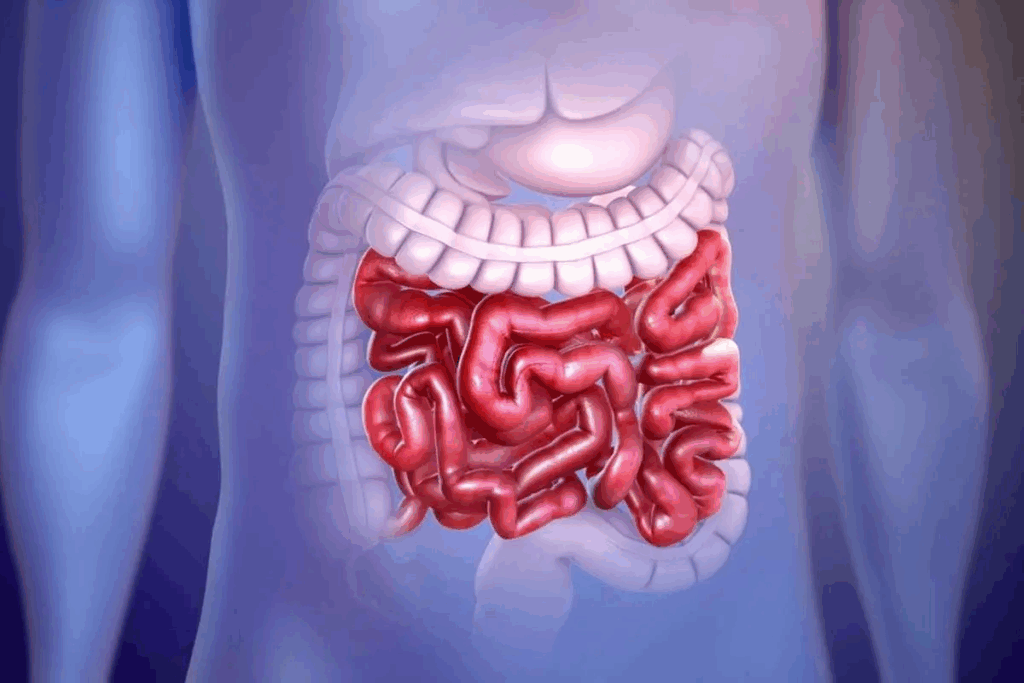
The term “duodenum” is a mix of history, anatomy, and function. To grasp it, we must look at its origins and its role in our bodies.
Origin and Etymology of “Duodenum”
The word duodenum comes from Medieval Latin. It means “intestine of twelve finger-widths” or “intestīnum duodēnum digitōrum.” Gerard of Cremona named it in his Latin translation of “Canon Avicennae.” It’s named for its length, about twelve fingerbreadths.
This etymology shows how medical terms evolved. It mixes ancient observations with modern knowledge.intestineThis etymology shows how medical terms evolved. It mixes ancient observations with modern knowledge.
Medical Definition and Basic Function
The duodenum is the first part of the small intestine. It’s key in the digestive system. Here, food from the stomach meets bile and digestive enzymes.
The duodenum breaks down and absorbs nutrients. It controls hormones for stomach emptying and digestive enzymes. This ensures food is digested well.
The duodenum does more than just break down food. It’s designed to absorb nutrients into the bloodstream efficiently.
Function | Description |
Breakdown of Nutrients | The duodenum receives bile and digestive enzymes to break down food into smaller molecules. |
Absorption of Nutrients | The walls of the duodenum are specialized for the absorption of nutrients into the bloodstream. |
Hormone Regulation | The duodenum releases hormones that regulate stomach emptying and digestive enzyme secretion. |
Anatomical Structure of the Duodenum
The duodenum is a C-shaped tube, about 25–38 centimeters (10–15 inches) long. It sits next to the stomach. Its unique shape helps it play a key role in digestion.
The duodenum has four parts and gets bile and pancreatic juice from the major duodenal papilla. This is key for breaking down food. It also has Brunner’s glands that make mucus and bicarbonate. These help neutralize stomach acid and protect the lining.
Knowing about the duodenum is important. It’s not just a simple tube. It works with the pancreas and gallbladder to digest food. The duodenum is a vital part of our digestive system. Understanding its function shows its importance.
FAQ
What is the duodenum and its role in the digestive system?
The duodenum is the first part of the small intestine. It’s key in breaking down food and absorbing nutrients. It takes in partially digested food from the stomach and mixes it with bile and digestive enzymes.
What does the term “duodenum” mean?
The term “duodenum” means the first part of the small intestine. It gets its name from the Latin word for “twelve.” This is because its length is about twelve finger breadths.
What is the function of the duodenum in the gastrointestinal tract?
The duodenum is vital for digestion. It mixes food with bile and pancreatic juice to break down nutrients. It also controls hormone release to manage stomach emptying and digestive enzyme secretion.
What is the anatomical structure of the duodenum?
The duodenum is shaped like a C and has four parts. It gets bile and pancreatic juice from the gallbladder and pancreas. It’s protected by Brunner’s glands, which secrete mucus and bicarbonate.
How does the duodenum receive bile and pancreatic juice?
The duodenum gets bile from the gallbladder and pancreatic juice from the pancreas. These come through the bile and pancreatic ducts, which empty into the duodenum. This helps digest nutrients.
What is the significance of Brunner’s glands in the duodenum?
Brunner’s glands in the duodenum secrete mucus and bicarbonate. They protect the duodenal lining from acidic stomach contents. They also create an optimal environment for digestive enzymes to work.
References:
National Center for Biotechnology Information. Evidence-Based Medical Guidance. Retrieved from https://www.ncbi.nlm.nih.gov/books/NBK482390/