Choosing the right surgeon for a duodenal switch surgery is a big decision. It can greatly affect your weight loss journey. Finding a qualified and experienced surgeon is key.
The duodenal switch operation is a top choice for weight loss, best for super-obese patients. At Liv Hospital, we offer top-notch care and support. We’re here for you every step of the way.
Our team of duodenal switch surgeons is ready to give you personalized care. We aim for the best results for our patients. Let’s explore how to pick the right surgeon for your gastric bypass duodenal switch procedure.
Key Takeaways
- Understanding the importance of choosing a qualified duodenal switch surgeon
- Factors to consider when selecting a surgeon for your bariatric surgery
- The benefits of undergoing duodenal switch surgery with an experienced surgeon
- What to expect from your duodenal switch surgery journey
- Tips for preparing for your surgery and achieving optimal results
Understanding the Duodenal Switch Operation and Its Benefits
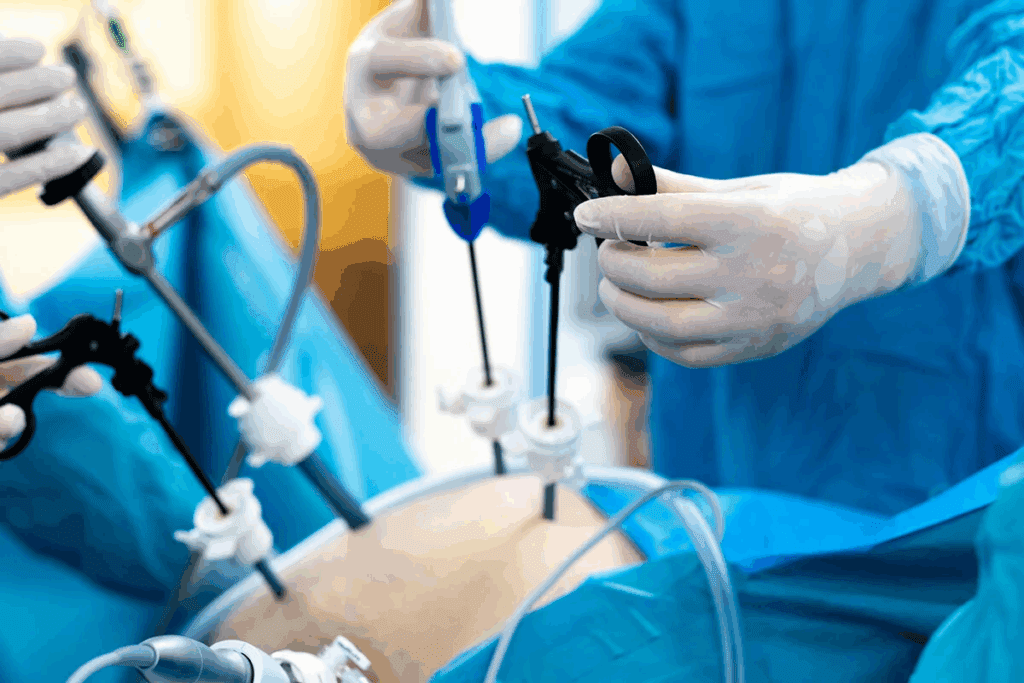
Learning about the duodenal switch operation is key for those thinking about this surgery. It’s a complex surgery that helps people lose a lot of weight. It also improves health problems linked to being overweight.
What Is a Duodenal Switch Procedure?
The duodenal switch surgery is a mix of two parts: a sleeve gastrectomy and an intestinal bypass. It makes the stomach smaller and changes how food moves through the intestines. This helps cut down on calorie absorption.
This surgery is a strong option for those with severe obesity. It leads to a big weight loss and better health.
The Two Components: Sleeve Gastrectomy and Intestinal Bypass
The sleeve gastrectomy removes a big part of the stomach, leaving a narrow tube. This makes it easier to feel full and eat less.
The intestinal bypass part reroutes the small intestine. This cuts down on calorie and nutrient absorption. Together, these parts lead to a lot of weight loss.
Superior Weight Loss Outcomes Compared to Other Bariatric Procedures
Research shows the duodenal switch surgery leads to amazing weight loss. Patients lose 60 to 70 percent or more excess weight at five years. It has a success rate of about 90 percent, making it very effective.
This surgery’s ability to achieve better weight loss than others makes it a great choice. It’s perfect for those looking for lasting weight loss.
Qualifications to Look for in Duodenal Switch Surgeons
[Add image here]
When looking for a duodenal switch surgeon, it’s important to check their qualifications. This surgery is complex and needs a skilled surgeon.
Board Certifications and Specializations
A duodenal switch surgeon should be board-certified in general surgery. They should also have a certification in bariatric surgery from a group like the American Board of Surgery (ABS). Board certification shows the surgeon has gone through tough training and passed a peer review.
Experience with Complex Bariatric Procedures
Experience is key for complex surgeries like the duodenal switch. Surgeons who do many bariatric surgeries, including duodenal switch, have honed their skills and improved results.
Membership in Professional Bariatric Surgery Organizations
Being part of groups like the American Society for Metabolic and Bariatric Surgery (ASMBS) shows dedication. These groups offer ongoing education and training for their members.
| Qualification | Description | Importance |
|---|---|---|
| Board Certification | Certification by a recognized professional body like the ABS | High |
| Bariatric Surgery Experience | High volume of bariatric surgeries performed | High |
| Professional Memberships | Membership in organizations like ASMBS | Medium |
The Importance of Surgical Volume and Experience
Surgeon experience and the number of surgeries they’ve done are key to duodenal switch success. This complex surgery needs a lot of skill and precision. The more surgeries a surgeon has done, the better they can handle problems and get good results.
Why Surgeon Experience Matters for This Complex Procedure
Duodenal switch surgery is very complex, combining both restrictive and malabsorptive parts. It needs a surgeon with lots of bariatric surgery experience, focusing on duodenal switch. A surgeon who does many duodenal switch surgeries is more likely to have a smooth technique, lowering the chance of problems.
Studies show a clear link between how many surgeries a surgeon does and patient results.
“Hospitals and surgeons with higher volumes of bariatric surgeries, including duodenal switch, tend to have lower complication rates and better weight loss outcomes.”
This shows why picking a surgeon with lots of duodenal switch experience is key.
Questions to Ask About Annual Duodenal Switch Volume
When talking to surgeons, ask about their duodenal switch volume. The right questions can give you insight into their experience. Some important questions include:
- How many duodenal switch surgeries do you perform annually?
- What is your complication rate for duodenal switch procedures?
- Can you share your success rates and weight loss statistics for duodenal switch patients?
These questions help you understand the surgeon’s experience and make a good choice for your care.
Understanding the Learning Curve for Duodenal Switch
The learning curve is very important for complex surgeries like duodenal switch. The learning curve shows how quickly a surgeon gets better at a procedure with more experience. Duodenal switch has a steep learning curve, needing many surgeries to master.
Knowing about the learning curve helps you see why choosing an experienced surgeon is important. An experienced surgeon has likely improved their technique, lowering risks and improving results.
Evaluating a Surgeon’s Track Record and Outcomes
Choosing the right surgeon is key for a successful surgery. For a complex procedure like duodenal switch surgery, the surgeon’s skill matters a lot. It affects your results and overall experience.
Success Rates and Weight Loss Statistics
Success in duodenal switch surgery is measured by weight loss and health improvements. Success rates show how many patients lose a lot of weight and fix obesity-related health issues.
Look for specific weight loss data, like the average weight loss at 1, 2, and 3 years. A good surgeon will share this information.
| Time Post-Surgery | Average %EWL | Percentage of Patients |
|---|---|---|
| 1 Year | 70% | 85% |
| 2 Years | 75% | 80% |
| 3 Years | 80% | 75% |
Complication and Revision Surgery Rates
It’s important to know about complication and revision surgery rates. A skilled surgeon has fewer complications and less need for revision surgeries. Ask about possible complications and how they are handled.
Lower revision rates show a surgeon’s skill in achieving good results first time. This means they are precise and experienced.
Patient Testimonials and Reviews
Patient feedback offers insights into a surgeon’s performance. Look for patterns in feedback, both good and bad. This helps understand the surgeon’s strengths and weaknesses.
Check different sources for reviews, like the surgeon’s website, independent platforms, and social media. This gives a full picture of the surgeon’s reputation and how happy patients are.
The Role of Hospital and Facility Accreditation
Hospital accreditation is key for top-notch care in bariatric surgeries like the duodenal switch. It shows a place meets high standards for patient care and safety.
MBSAQIP Accreditation and Center of Excellence Designations
The Metabolic and Bariatric Surgery Accreditation and Quality Improvement Program (MBSAQIP) leads in bariatric surgery center accreditation. Places with MBSAQIP accreditation show a strong commitment to quality and safety. MBSAQIP accreditation is seen as the top in bariatric care, ensuring facilities follow best practices and aim for the best patient results.
“Accreditation by MBSAQIP signifies a program’s commitment to delivering high-quality care to bariatric surgery patients.” – MBSAQIP
To get MBSAQIP accreditation, places go through a detailed evaluation. This includes:
- Checking patient care protocols
- On-site review by experts
- Keeping up with quality improvement
Specialized Equipment and Resources for Bariatric Patients
Accredited places have special tools for bariatric patients. This includes:
| Resource | Description |
|---|---|
| Bariatric-specific equipment | Special beds, wheelchairs, and tables for obese patients |
| Nutritional support services | Experts in diet and nutrition before and after surgery |
| Multidisciplinary teams | Teams of doctors, nurses, dietitians, and psychologists for full care |
Support Staff Expertise and Multidisciplinary Teams
High-quality bariatric care relies on skilled support staff. Accredited places have teams with bariatric training. These teams work together to support patients fully.
A multidisciplinary team is vital for bariatric care, covering surgery, nutrition, and after-care.
Choosing a place with MBSAQIP and a strong team boosts chances of a good surgery and recovery.
Comprehensive Pre and Post-Operative Care Programs
When you think about duodenal switch surgery, the care before and after is key. These programs help patients on their weight loss journey. They aim for the best results and avoid problems.
Nutritional Support and Vitamin Protocols
Nutrition is a big part of pre and post-operative care. Patients need special diets after duodenal switch surgery. Vitamin protocols are also key to avoid vitamin shortages.
- Pre-operative nutritional counseling to prepare patients for the changes after surgery.
- Post-operative dietary plans tailored to the patient’s nutritional needs.
- Ongoing monitoring of vitamin levels to prevent deficiencies.
Psychological Evaluation and Support Services
Psychological care is important for duodenal switch patients. Pre-operative psychological assessments check for mental health issues. These can affect following post-operative advice.
After surgery, counseling and support groups help patients deal with emotional changes. They are key for the mental side of weight loss.
Long-Term Follow-Up Protocols and Availability
Long-term care is vital for checking on patients after surgery. Regular follow-up appointments with the surgical team are important. They help catch and fix any problems early.
- Regular check-ins with the surgical team to monitor progress.
- Adjustments to dietary plans as necessary based on patient feedback and health markers.
- Availability of support services for patients to address any concerns or complications.
Insurance Coverage and Financial Considerations
Understanding insurance and financial planning is key for those looking into Duodenal Switch surgery. This step is vital for those wanting to lose weight effectively. Knowing the financial side is essential.
Navigating Insurance Approval for Duodenal Switch
Getting insurance approval is a big step. Patients should work closely with their surgeon’s office. They need to know what’s needed for approval.
Insurance coverage for Duodenal Switch surgery varies a lot. Some plans cover it, while others don’t. Or, they might need you to try other weight loss methods first.
Questions to Ask About Costs and Coverage
When asking about Duodenal Switch surgery, it’s important to ask the right questions. Here are some key ones:
- What are the total costs, including before and after surgery care?
- How much does insurance cover?
- Are there any extra fees not covered by insurance?
- How does insurance handle complications or if you need more surgery?
Options for Financing Your Surgery
If you don’t have full insurance or need more help, there are financing options. Many surgical centers offer plans or can suggest third-party companies for medical financing.
| Financing Option | Description | Interest Rate |
|---|---|---|
| Medical Credit Cards | Specialized credit cards for medical expenses | 0% – 20% |
| Personal Loans | Unsecured loans for medical procedures | 6% – 36% |
| Surgical Center Financing | Financing plans offered directly by surgical centers | 0% – 15% |
Make sure to check the terms and conditions of any financing option. It should fit your financial situation.
Red Flags When Choosing a Duodenal Switch Surgeon
Choosing a duodenal switch surgeon is a big decision. It’s important to know the red flags to ensure a good outcome. The right surgeon can greatly impact your weight loss journey and health.
Warning Signs in Initial Consultations
The first meeting with your surgeon is key. Listen to how well they explain the surgery, risks, and recovery. Be cautious if they rush or ignore your questions.
Watch for these warning signs in your first meeting:
- They don’t clearly explain the surgery and its risks.
- They seem to brush off your concerns or questions.
- They don’t talk about other treatment options.
- They focus too much on benefits without discussing risks.
Unrealistic Promises or Guaranteed Results
No surgeon can promise exact weight loss or say there are no risks. Be careful of those who make unrealistic promises.
“Surgery is not a magic wand. It’s a tool for weight loss when used with lifestyle changes. Any surgeon making unrealistic promises should be doubted.”
Here’s a table to show the difference between realistic and unrealistic promises:
| Realistic Expectations | Unrealistic Promises |
|---|---|
| Significant weight loss with lifestyle changes | Guaranteed weight loss without effort |
| Discussion of possible risks and complications | No talk of risks or complications |
| Clear information about the procedure | Vague or misleading info |
Lack of Transparency About Risks and Complications
A good duodenal switch surgeon will talk openly about risks and complications. If they seem evasive or downplay these, it’s a big warning sign.
Important risks and complications to discuss include:
- Nutritional deficiencies
- Surgical complications like leaks or bowel obstruction
- The need for lifelong vitamin supplements
- Possible need for revision surgery
Knowing these red flags and doing your research can help you choose the right surgeon. This choice is important for your health and weight loss goals.
The Consultation Process: What to Expect and Ask
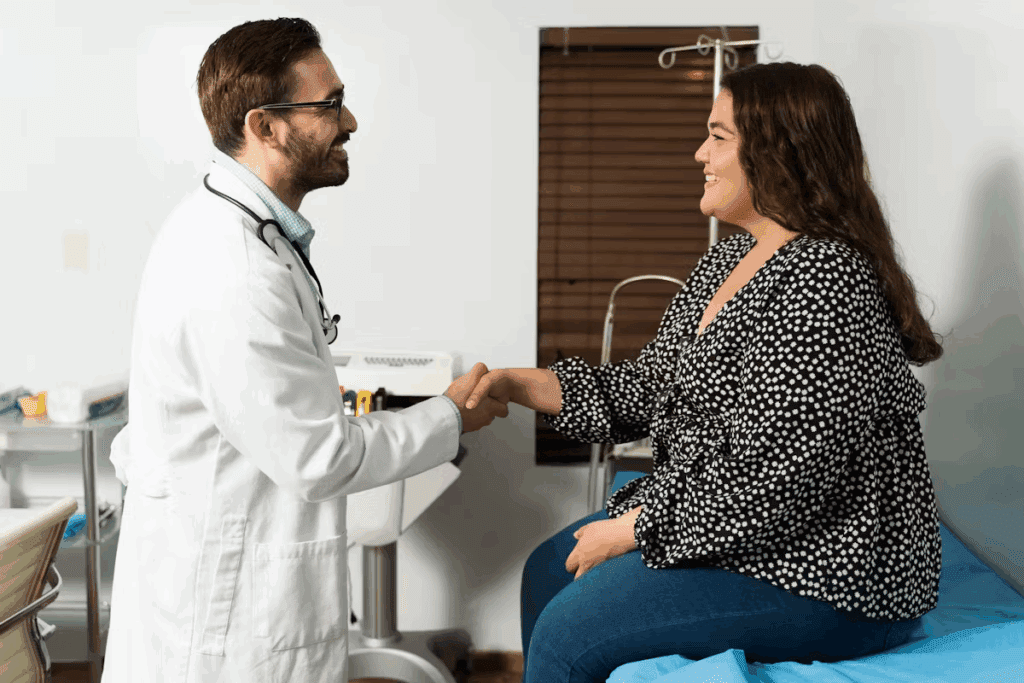
Getting ready for your first meeting with a surgeon is important. It’s your chance to see if they’re the right fit for you. You’ll learn about their skills and how they talk to patients.
Preparing for Your Initial Consultation
Before you meet the surgeon, collect your medical records. This includes:
- Previous medical conditions and surgeries
- Current medications and supplements
- Any previous weight loss attempts
- Your goals and expectations for the surgery
Being prepared helps the surgeon give you the best advice.
Essential Questions to Ask Your Surgeon
Ask the right questions during your meeting. This will give you insight into the surgeon’s experience. Some essential questions are:
- What experience do you have with Duodenal Switch surgeries?
- What are the possible risks and complications?
- Can you share success rates and outcomes for your patients?
- What kind of support and follow-up care do you provide?
Evaluating Communication Style and Patient-Surgeon Rapport
The surgeon’s communication style matters a lot. Look for:
- Listening to your concerns
- Explaining things clearly and avoiding jargon
- Showing empathy and understanding
- Being available to answer questions and provide support
A good patient-surgeon rapport is key for a good outcome and a positive experience.
How to Research and Create a Shortlist of Qualified Surgeons
Finding the right surgeon for a duodenal switch is key to success. We need to gather and check info on possible surgeons. This helps us make a smart choice.
Online Research Strategies and Resources
Starting with online research is a good idea. We can search for duodenal switch surgeons in our area. Look at their websites to see their qualifications and how they care for patients.
Also, check out patient reviews and testimonials. They give us a peek into a surgeon’s skills and how they treat patients. But, make sure these reviews are real.
Utilizing Professional Medical Associations
Professional groups are also a great help. The American Society for Metabolic and Bariatric Surgery (ASMBS) has a list of certified bariatric surgeons. This list helps us find surgeons who meet certain standards.
These groups also have guidelines and resources. They help us understand what makes a good duodenal switch surgeon.
Getting Referrals from Healthcare Providers and Support Groups
Getting advice from healthcare providers and support groups is helpful. They can suggest surgeons they trust based on their own experiences.
Joining bariatric surgery support groups is also a good idea. People who have had or are planning to have the surgery can share their stories. Their advice is very valuable.
By doing online research, using professional groups, and asking for referrals, we can find the best duodenal switch surgeons. This careful approach helps us make a good choice and ensures a successful surgery.
Geographic Considerations and Travel for Duodenal Switch Surgery
Choosing to travel for duodenal switch surgery is a big decision. It’s about finding a skilled surgeon who can do the job right. Sometimes, the best surgeon isn’t close by.
For top results, traveling to an experienced surgeon is key. You’ll want to look at the surgeon’s success rate and the care team’s quality. These factors are important.
The Case for Traveling to Experienced Surgeons
Duodenal switch surgery is complex and needs a lot of skill. A surgeon who does this often knows it best. They can handle any problems that come up.
Going to a surgeon who does many duodenal switch surgeries boosts your chances of losing weight. It might mean traveling far, but it’s worth it for better results and fewer risks.
Logistics of Out-of-State or Out-of-Area Surgery
Traveling for surgery can seem hard. But, with good planning, it’s easier. You’ll need to book travel and a place to stay. Make sure you have support after surgery.
Some places specialize in helping out-of-town patients. They offer everything from travel to care after surgery. Using these services makes things simpler and less stressful.
Balancing Local Convenience with Surgical Expertise
Traveling for surgery has its perks, but think about what’s more important. For some, being close to home is key. But for the best results, the surgeon’s skill should come first.
Deciding between local convenience and traveling for a skilled surgeon is tough. Weigh the benefits against the hassle of travel. This will help you make the right choice.
Conclusion: Making Your Final Decision
Choosing the right surgeon for duodenal switch surgery is very important. You need to think about several key factors. Look at the surgeon’s qualifications, experience, and success stories.
It’s vital to check if the surgeon is board certified and has done many surgeries. Also, look at their care programs before and after surgery. Make sure they have experience with complex surgeries and can offer long-term support.
When you make your decision, think about all these points. Pick a surgeon who fits your needs. This way, you’ll have a good surgery outcome and a smooth recovery.
FAQ
What is a duodenal switch procedure?
The duodenal switch is a weight loss surgery with two parts. It includes a sleeve gastrectomy and an intestinal bypass. This surgery aims to help people lose a lot of weight by making the stomach smaller and changing how food moves through the intestines.
What are the benefits of choosing an experienced duodenal switch surgeon?
Choosing a skilled duodenal switch surgeon is key for good weight loss results. An experienced surgeon has done many of these surgeries and can give you the best care before and after.
What qualifications should I look for in a duodenal switch surgeon?
Look for a surgeon who is board certified, like by the American Board of Surgery. They should also have special training in bariatric surgery. Check their experience with duodenal switch surgeries and if they belong to bariatric surgery groups.
How important is surgical volume and experience for duodenal switch surgery?
The surgeon’s experience and volume matter a lot for duodenal switch surgery. A surgeon who does many of these surgeries knows the challenges better and can handle problems that might come up.
What should I consider when evaluating a surgeon’s track record and outcomes?
Look at the surgeon’s success and complication rates, and read what patients say. Also, ask about their follow-up care and how they handle any issues that might come up.
How do I navigate insurance coverage for duodenal switch surgery?
Dealing with insurance for duodenal switch surgery can be tricky. Work closely with your surgeon’s office to understand what you need for approval. Find out about any costs you might have to pay and if there are financing options.
What are the red flags to watch out for when choosing a duodenal switch surgeon?
Be careful of surgeons who promise too much or don’t talk about risks. Also, watch out for those who don’t listen to your concerns or are unclear about the surgery.
What should I expect during the consultation process?
During your consultation, talk about your health, weight goals, and any worries you have. The surgeon should explain the surgery, its risks, and benefits, and answer all your questions.
Should I consider traveling for duodenal switch surgery?
Traveling for surgery might be an option if you can’t find a good surgeon nearby. But think about the costs of travel and staying away, and if it’s worth it for the chance to see a skilled surgeon.
What is the role of hospital and facility accreditation in duodenal switch surgery?
Accreditation, like MBSAQIP, is important for quality care. It means the facility has the right equipment and a team that knows how to care for bariatric patients.
What kind of pre and post-operative care can I expect from a duodenal switch surgeon?
Good care before and after surgery includes nutrition advice, mental health checks, and follow-up visits. The surgeon and team should guide you through what to expect and offer support to help you reach your weight loss goals.
References
- Neff, K. J. (2013). Bariatric surgery: the challenges with candidate selection and pre-operative assessment. World Journal of Gastrointestinal Surgery, 5(1), 9-20. https://pmc.ncbi.nlm.nih.gov/articles/PMC3570360/



 Departments
 Related Videos
 Our Doctors
 News
News