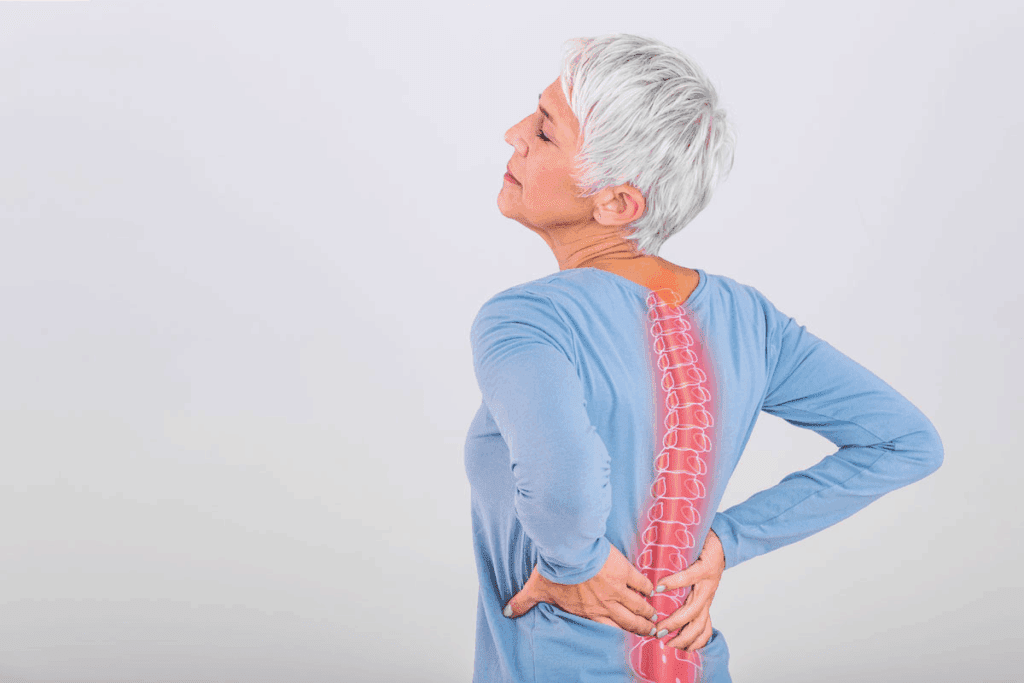
Peptic ulcer disease is a big deal for your digestive health. It can show up in many ways, like unexplained back pain. Studies show that a lot of people with this disease feel back pain. This can make it hard to figure out what’s wrong.
At Liv Hospital, we get how peptic ulcers and back pain are linked. We use top-notch tests to find out why you’re feeling pain. This way, we make sure you get the best care possible.
It’s important to know how peptic ulcers and back pain are connected. We’ll look into how ulcers can lead to back pain. This will help us understand why this symptom matters.
Key Takeaways
- Peptic ulcer disease can cause referred back pain.
- Back pain is not a typical symptom of peptic ulcers, but it can occur.
- Advanced diagnostic protocols are necessary for accurate diagnosis.
- Liv Hospital is committed to thorough patient assessment and care.
- Understanding the connection between peptic ulcers and back pain is key for good treatment.
The Connection Between Peptic Ulcers and Back Pain

Many people with peptic ulcers also have back pain. This raises questions about how these two issues are connected. Peptic ulcers mainly cause stomach pain, but they can also affect the back in some cases.
Research shows that a lot of people with peptic ulcers also have back pain. This is why it’s important to understand how back pain relates to peptic ulcers.
Prevalence Statistics: 31.4% Duodenal and 41.0% Gastric Ulcer Patients
About 31.4% of duodenal ulcer patients and 41.0% of gastric ulcer patients have back pain. These numbers show a clear link between back pain and peptic ulcers.
Type of Ulcer | Percentage Reporting Back Pain |
Duodenal Ulcer | 31.4% |
Gastric Ulcer | 41.0% |
How Digestive Issues Manifest as Back Discomfort
Digestive problems can cause back pain because of how our body’s systems work together. Pain can seem to come from a different place than where it actually is. This is common in peptic ulcer disease.
“The pain associated with peptic ulcers can radiate to the back due to the shared nerve roots between the abdominal organs and the back.”
It’s important for doctors to think about peptic ulcers when patients have back pain. This is true, even if they also have other stomach problems.
By understanding the connection between peptic ulcers and back pain, doctors can give better care. They can treat both the ulcer and the back pain together.
What Are Peptic Ulcers?

Peptic ulcer disease includes both gastric and duodenal ulcers. These are open sores on the stomach or duodenum lining. They happen when the stomach or duodenum’s protective layer wears off, causing damage and serious issues.
Gastric vs. Duodenal Ulcers: Anatomical Differences
Gastric ulcers are in the stomach, often in the antrum or along the lesser curvature. Duodenal ulcers are in the duodenum, usually in the first part. Where an ulcer is located affects its symptoms and risks. Gastric ulcers are more likely to bleed and are often caused by NSAIDs.
Duodenal ulcers are often due to Helicobacter pylori (H. pylori) infection. Knowing the difference between these ulcers is key for proper treatment.
Common Causes: H. pylori, NSAIDs, and Other Factors
H. pylori infection and NSAIDs are the main causes of peptic ulcers. H. pylori can cause long-term inflammation in the stomach, raising the risk of ulcers. NSAIDs, like aspirin and ibuprofen, can damage the stomach and duodenum lining.
Stress, smoking, and certain health issues also play a part in developing peptic ulcers. We’ll look into these factors more to understand their impact.
The Ulceration Process and Tissue Damage
The ulceration process erodes the mucosal lining, exposing tissue to stomach acid and digestive enzymes. This can lead to pain, bleeding, and other problems. Healing ulcers means regrowing the mucosal lining and restoring the protective barrier.
Grasping the ulceration process is vital for creating effective treatments. These treatments aim to heal ulcers and prevent them from coming back.
Duodenal Ulcer Symptoms Back Pain: The Complete Picture
It’s key to know about duodenal ulcer symptoms, like back pain, for the right diagnosis and treatment. Duodenal ulcers can really hurt, and this pain often goes to the back. It affects about 31.4% of people.
Characteristic Pain Patterns in the Upper Abdomen and Back
The pain from duodenal ulcers starts in the upper belly and can spread to the back. It feels like burning or discomfort. This pain can stay or come and go. “The pain pattern can vary significantly among individuals, making diagnosis challenging without thorough investigation,” a study says.
Timing and Duration: Empty Stomach vs. After Meals
The timing and how long the pain lasts can tell us a lot. The pain usually happens when the stomach is empty, like at night or between meals. Eating or taking antacids might help, but the relief doesn’t last long. “Eating can sometimes alleviate the pain temporarily, but this relief is often short-lived,” a medical expert notes.
Associated Symptoms: Nausea, Burning Sensations, and Bloating
People with duodenal ulcers might also feel nauseous, vomit, or feel bloated. These symptoms can really affect how well someone lives. “The presence of these associated symptoms can help clinicians differentiate duodenal ulcer pain from other causes of back pain,” a doctor says.
Understanding all the symptoms of duodenal ulcers helps doctors give better diagnoses and treatments. This includes knowing the pain patterns, when it happens, and other symptoms.
The Mechanism of Referred Pain in Ulcer Patients
Referred pain in ulcer patients can be confusing. It’s important to understand how it works. Referred pain is when pain is felt in a place other than where it started. For peptic ulcers, this means pain can be felt in the back, not just the stomach.
Understanding Visceral Pain Pathways
Visceral pain pathways are complex. They involve sending pain signals from the stomach to the brain. The pain from peptic ulcers goes through visceral nerves, which can mix with somatic nerves in the spinal cord.
This mixing is key to referred pain. It makes the brain think the pain is coming from somewhere else, like the back.
Visceral pain feels dull and spread out. It’s hard to pinpoint. The nerves for visceral pain share paths with those for somatic pain. This can make pain seem to come from a different spot, like the back.
Why Ulcer Pain Radiates to the Back
Ulcer pain going to the back has to do with the ulcer’s location and the nerves it touches. Ulcers on the back of the duodenum or stomach can hurt nearby organs like the pancreas or liver. This can cause pain that feels like it’s coming from the back.
The mechanism behind this is the shared nerves of the stomach, duodenum, and back. The nerves for these areas can overlap. This overlap can make pain feel like it’s coming from the back. Also, the inflammation from the ulcer can spread to nearby tissues and nerves, making the pain worse.
Getting how referred pain works in ulcer patients is key for good care. By understanding the mix of visceral and somatic pain, doctors can help patients feel better and get better results.
Peptic Ulcer Back Pain Location: Mapping the Discomfort
Knowing where peptic ulcer back pain is located is key for the right diagnosis and treatment. Peptic ulcers, which include gastric and duodenal ulcers, can cause back pain. This pain can vary in where it is felt and how severe it is.
Thoracic to Lumbar Regions (T10-L2)
Peptic ulcer back pain usually feels in the middle to lower back. This area is from T10 to L2 vertebrae.
Duodenal ulcers, found in the small intestine’s first part, can cause pain in the mid to low back. This pain can feel like a dull ache or a sharp, stabbing pain.
Differences Between Gastric and Duodenal Ulcer Pain Locations
Gastric ulcers, which are sores in the stomach lining, mainly cause stomach pain. This pain can feel like burning or gnawing. But, it can also spread to the back, mostly in the upper to mid-back area.
Duodenal ulcers, on the other hand, cause pain that goes to the mid to low back. Knowing where the pain is can help tell if it’s from a gastric or duodenal ulcer.
Pain Characteristics: Dull, Sharp, or Burning Sensations
The pain from peptic ulcers can feel very different. Some people feel a dull, aching sensation. Others say it’s sharp or stabbing. It can also feel like a burning sensation, like heartburn.
- Dull, aching pain is often linked to gastric ulcers.
- Sharp, stabbing pain is common with duodenal ulcers.
- Burning sensations happen in both gastric and duodenal ulcers.
Knowing these pain types and where they are felt helps doctors diagnose and treat peptic ulcer disease better.
Distinguishing Ulcer Back Pain from Other Back Pain Causes
It’s important to tell the difference between back pain from ulcers and other causes. Back pain can come from many sources, making it hard to diagnose.
Comparison with Musculoskeletal Back Pain
Musculoskeletal back pain comes from strain or injury. It gets worse with movement and better with rest. Ulcer-related back pain is different. It can last longer and often comes with stomach problems.
Key differences include:
- Musculoskeletal pain is usually in the back and can go to the legs.
- Ulcer-related back pain often has symptoms like burning stomach and nausea.
Differentiating from Other Gastrointestinal Conditions
Conditions like gastritis or GERD can also cause back pain. But, the pain’s nature and pattern, along with other symptoms, can tell them apart from ulcers.
Condition | Typical Pain Characteristics | Associated Symptoms |
Peptic Ulcer Disease | Burning or gnawing pain, often worse at night or when hungry | Nausea, vomiting, loss of appetite |
Gastritis | Inflammatory pain, often after eating | Nausea, vomiting, abdominal tenderness |
GERD | Burning sensation behind the sternum, often after eating or at night | Regurgitation, difficulty swallowing |
Key Indicators That Suggest Ulcer-Related Pain
Some symptoms and patterns suggest ulcer-related back pain. These include pain that gets better with food or worsens with hunger. Also, pain at night and stomach symptoms like nausea or vomiting are signs.
If back pain doesn’t go away or comes with severe symptoms like vomiting blood or black stools, see a doctor right away.
Recognizing Warning Signs: When Back Pain Indicates Serious Ulcer Complications
It’s important to know the signs of ulcer complications early. This can help prevent serious health issues. Back pain linked to ulcers can signal a more serious problem.
Penetrating Ulcers and Intensified Back Pain
Penetrating ulcers go beyond the stomach or duodenum, touching nearby organs like the pancreas. This can cause sharp, severe back pain.
If you have a penetrating ulcer, your back pain might get worse. It could mean the ulcer is affecting other tissues or organs. Seeing a doctor quickly is key if the pain gets more intense or lasts longer.
Bleeding Ulcers: Symptoms and Risks
Bleeding ulcers are a serious issue that can lead to GI bleeding. Look out for vomiting blood or black, tarry stools. These are signs of upper GI bleeding. Back pain with bleeding ulcers is a red flag for serious trouble that needs quick medical help.
Emergency Symptoms Requiring Immediate Medical Attention
Some symptoms of ulcers and back pain need urgent medical check-ups. These include:
- Severe abdominal or back pain that is sudden or intense
- Vomiting blood or material that looks like coffee grounds
- Black, tarry stools or bloody stools
- Signs of shock, such as fainting, severe weakness, or dizziness
- High fever or chills
If you or someone you know shows these signs, get emergency medical help right away.
Symptom | Description | Action Required |
Severe Back Pain | Pain that is sudden, intense, or persistent | Seek immediate medical attention |
Gastrointestinal Bleeding | Vomiting blood, black tarry stools | Emergency medical care |
Signs of Shock | Fainting, severe weakness, dizziness | Immediate medical evaluation |
Diagnosing Ulcer-Related Back Pain
To find out if back pain is due to an ulcer, doctors look at many things. They check symptoms, medical history, and test results. Knowing the cause is key to treating ulcer-related back pain well.
Medical History and Physical Examination Approaches
Getting a detailed medical history is important. Doctors ask about the pain’s timing and how long it lasts. They also check the belly for tenderness or tightness.
Diagnostic Tests: Endoscopy, Imaging, and Laboratory Studies
Tests help confirm an ulcer and its effects. Endoscopy lets doctors see the ulcer directly. Imaging like X-rays or CT scans look for complications. Lab tests check for H. pylori or other issues.
Differential Diagnosis Considerations
It’s important to rule out other causes of back pain. Doctors look at muscle, gut, and other possible reasons. A careful check helps pinpoint the exact cause.
Diagnostic Method | Description | Purpose |
Medical History | Detailed questioning about symptoms and history | To understand the patient’s condition and identify possible causes |
Physical Examination | Examination of the abdomen for tenderness or guarding | To find signs of an ulcer or other belly problems |
Endoscopy | Direct look at the stomach or duodenum | To make sure an ulcer is present |
Imaging Studies | X-rays, CT scans to see the belly | To spot complications or other issues |
Laboratory Tests | Tests for H. pylori or other related conditions | To check for infection or other related conditions |
Treatment and Prevention Strategies
To ease ulcer-related back pain, a complete treatment plan is needed. This plan should include medicine, lifestyle changes, and ways to prevent it from coming back. Managing ulcer symptoms well can lessen back pain and stop it from getting worse.
Medication Options
Dealing with peptic ulcer disease often means using several medicines. These medicines aim to get rid of H. pylori infection, cut down stomach acid, and ease pain. Some common medicines are:
- Antibiotics to treat H. pylori infection
- Proton Pump Inhibitors (PPIs) to lower stomach acid production
- Pain management medicines to lessen discomfort
Medication Type | Purpose | Examples |
Antibiotics | Eradicate H. pylori | Amoxicillin, Clarithromycin |
Proton Pump Inhibitors (PPIs) | Reduce stomach acid | Omeprazole, Lansoprazole |
Pain Management Medications | Alleviate discomfort | Acetaminophen, Ibuprofen |
Lifestyle Modifications
Changing your lifestyle can also help a lot with ulcer symptoms and back pain. Some changes include:
- Making diet changes to avoid irritants and help healing
- Using stress-reducing activities like meditation or yoga
- Getting enough sleep to help your body heal
Dietary adjustments are key in managing ulcer symptoms. Staying away from spicy, fatty, or acidic foods can help. Eating a balanced diet with lots of fruits, vegetables, and whole grains is good for your digestive health.
Preventive Measures
It’s just as important to prevent ulcers from coming back as it is to treat them. Ways to do this include:
- Avoiding NSAIDs or finding other pain relief options
- Managing stress with relaxation techniques
- Going for regular check-ups with your healthcare provider to watch for healing and prevent recurrence
By using these treatment and prevention strategies, people can better manage ulcer-related back pain. This can greatly improve their quality of life.
Conclusion: Understanding and Addressing Ulcer-Related Back Pain
It’s key to know the signs of peptic ulcers to help patients get the right care. By linking peptic ulcers to back pain, doctors can start treatment early. This helps patients feel better faster.
Dealing with back pain from ulcers needs a mix of treatments. This includes medicines, changes in lifestyle, and steps to prevent more problems. We’ve talked about what causes peptic ulcers and how they can hurt.
By understanding how pain from ulcers works, doctors can help patients. They can make a plan to ease symptoms and stop more issues. This way, patients can feel better and avoid bigger problems.
We’ve also seen why it’s important to tell ulcer back pain apart from other back pain. Knowing the signs of serious problems helps doctors give the right care. This way, patients get the support they need to manage their condition well.
FAQ
Can peptic ulcers cause back pain?
Yes, peptic ulcers can cause back pain. This happens because of where the ulcer is and how it affects the body’s pain pathways.
What is the typical location of peptic ulcer back pain?
Peptic ulcer back pain usually occurs in the middle to lower back. This area includes the thoracic to lumbar regions (T10-L2).
How do gastric and duodenal ulcers differ in terms of pain location?
Gastric ulcers usually cause upper back pain. Duodenal ulcers, on the other hand, cause pain in the middle to lower back.
What are the characteristic pain patterns of duodenal ulcers?
Duodenal ulcers cause pain in the upper abdomen. This pain can spread to the back. It often happens when the stomach is empty and gets better after eating.
Can ulcer pain be dull, sharp, or burning?
Yes, ulcer pain can feel dull, sharp, or burning. The intensity and type of pain can vary.
How can I distinguish ulcer back pain from other back pain causes?
Ulcer back pain often comes with other stomach symptoms like nausea and bloating. These symptoms help tell it apart from back pain caused by muscles or bones.
What are the warning signs of serious ulcer complications?
Serious signs include back pain that gets worse, bleeding ulcers, and emergency symptoms. These include severe stomach pain, vomiting blood, or black stools.
How is ulcer-related back pain diagnosed?
Doctors use a patient’s history, physical exam, and tests like endoscopy and imaging. They also do lab tests to diagnose ulcer-related back pain.
What are the treatment options for ulcer-related back pain?
Treatment includes medicines like antibiotics and proton pump inhibitors. Doctors also recommend lifestyle changes like better diet, stress management, and sleep.
Can ulcers be prevented?
Yes, you can prevent ulcers by avoiding NSAIDs, managing stress, and eating well. These steps can help prevent ulcers from coming back.
Does peptic ulcer disease cause back pain in all patients?
No, not everyone with peptic ulcer disease gets back pain. But, it’s a common symptom for many.
Can an ulcer cause pain that radiates to the back?
Yes, ulcers can cause pain that spreads to the back. This happens through the body’s pain pathways and the ulcer’s location.
References
National Center for Biotechnology Information. Evidence-Based Medical Guidance. Retrieved from https://www.ncbi.nlm.nih.gov/pmc/articles/PMC2825227/