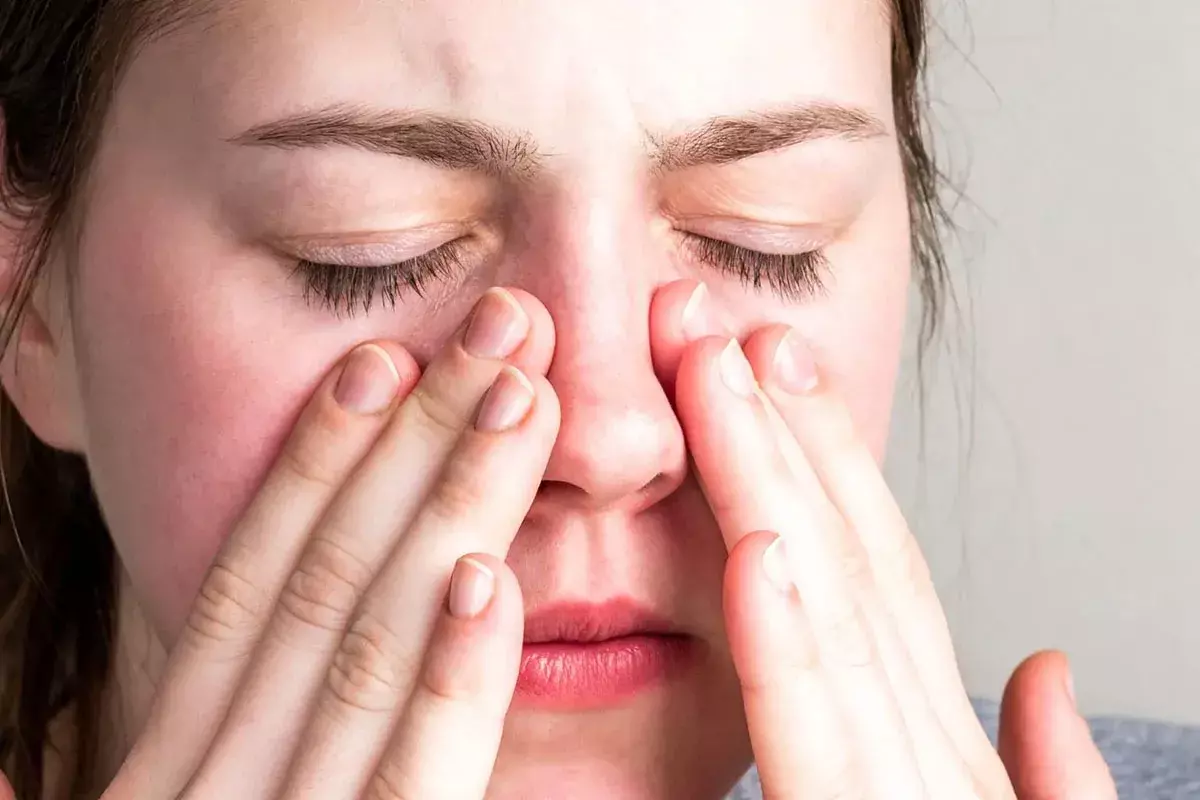
Allergic rhinitis is an immune reaction causing sneezing and congestion. It occurs when you breathe in allergens like pollen, dust, or pet dander.
Overview and definition
Allergic rhinitis definition refers to inflammation of the inside of the nose caused by an allergen. Most people know this condition as “hay fever.” It happens when your immune system overreacts to particles in the air that are usually harmless. Instead of ignoring them, your body treats them like dangerous invaders.
The term comes from Greek words. “Rhino” means nose, and “itis” means inflammation. So, it literally translates to “nose inflammation.” This reaction triggers the release of chemicals in your body, such as histamine. This leads to the annoying symptoms many people face every year.
Main Categories of the Disease
Doctors group allergic rhinitis into two main types based on when they happen.
- Seasonal Allergic Rhinitis (Hay Fever): This is the most common type. It happens only at certain times of the year. It is usually triggered by outdoor allergens. Tree pollen causes issues in the spring. Grass pollen is high in the summer. Weed pollen is common in the fall.
- Perennial Allergic Rhinitis: This type happens year-round. It is not tied to a specific season. The triggers are usually indoor allergens. Dust mites, pet hair, mold, and cockroaches are common causes.
Some people may have both types. They might have symptoms all year that get worse during pollen season.
Severity and Frequency Classes
Beyond the seasonal types, doctors also classify the condition by how it affects daily life. This helps them decide on the best treatment.
- Intermittent: Symptoms occur less than four days a week or for less than four weeks at a time.
- Persistent: Symptoms happen more than four days a week and last for more than four weeks.
- Mild: The symptoms do not affect sleep or daily activities.
- Moderate-Severe: The symptoms disturb sleep, work, or school.
Proper classification ensures that patients get the right level of care.
Related Organ Systems
- Allergic rhinitis involves more than just the nose because the ears, eyes, throat, and lungs are interconnected.
Eyes: Allergic conjunctivitis commonly develops, causing redness, itching, and tearing.
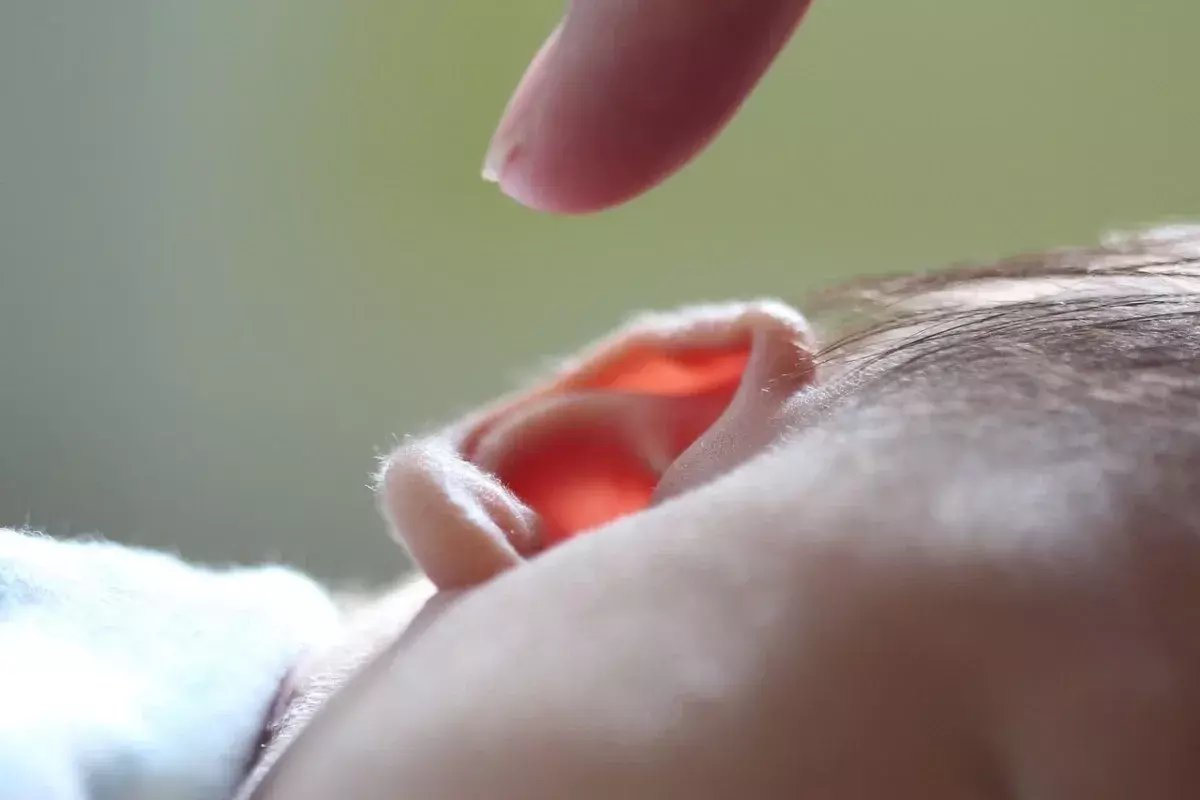
Ears: Nasal inflammation can obstruct the Eustachian tubes, leading to ear pressure, popping, or fluid buildup.
Throat: Post-nasal drip may trigger throat irritation or a persistent cough.
Lungs: The nasal–lung connection is well established; allergic rhinitis often coexists with asthma, and poorly controlled allergies can worsen asthma symptoms.
Importance in Medicine
Allergic rhinitis, though often considered mild, carries significant medical and public-health consequences. It is one of the most common chronic conditions worldwide, contributing to considerable healthcare costs and reduced productivity. Its symptoms impair quality of life by disrupting sleep and causing fatigue, affecting concentration in children and work performance in adults. Effective management is therefore important for maintaining daily function and overall well-being.
The "Atopic March" Concept
In medicine, allergic rhinitis is often viewed as part of a bigger picture called the “Atopic March.” This concept describes how allergic diseases often progress in a child.
It frequently starts with eczema (skin rash) in infancy. Then, it may progress to food allergies. Later, the child develops asthma. Finally, they develop allergic rhinitis. Understanding this progression helps doctors predict and sometimes prevent future issues. Treating the nose can sometimes help protect the lungs.
Subspecialty Areas
Diagnosing and treating this condition involves several medical subspecialties. It is rarely a one-doctor job for severe cases.
- Otolaryngology (ENT): These are ear, nose, and throat surgeons. They check for physical blockages. They look for deviated septums or nasal polyps that make allergies worse.
- Allergy and Immunology: These specialists focus on the immune system. They perform skin prick tests or blood tests to find the specific trigger. They also manage immunotherapy (allergy shots).
- Primary Care: Family doctors and pediatricians often provide the first line of defense. They diagnose the condition and prescribe initial medications like antihistamines.
Global Impact
The prevalence of allergic rhinitis is rising worldwide. Researchers believe this is due to climate change and urbanization. Warmer temperatures mean longer pollen seasons. Higher carbon dioxide levels make plants produce more potent pollen.
Urban pollution also plays a role. Diesel exhaust particles can attach to pollen grains. This makes the pollen more aggressive when it enters the nose. This combination of factors makes allergic rhinitis a growing priority for healthcare systems everywhere.