
Did you know that colon cancer is now the deadliest cancer for men under 50 and is being diagnosed at younger ages than ever before? This alarming trend highlights the importance of understanding early-stage colon cancer and its implications.
At Liv Hospital, we focus on your care. We bring international standards and the latest screening to you. Early detection is key to treating colon cancer. Stage 1 offers a chance for a cure.
Globally, colorectal cancer is being diagnosed at younger ages. About 10% of cases now happen in people under 50. Knowing the risks, symptoms, and how to get diagnosed is critical in detecting early-stage colon cancer and improving outcomes.
Key Takeaways
- Colon cancer is increasingly being diagnosed in younger adults.
- Early detection significantly improves treatment outcomes.
- Stage 1 colon cancer is typically confined to the inner lining of the colon or rectum.
- Screening plays a critical role in detecting colon cancer at an early stage.
- Understanding colon polyp stages is essential in preventing colon cancer.
What Is Early Stage Colon Cancer?
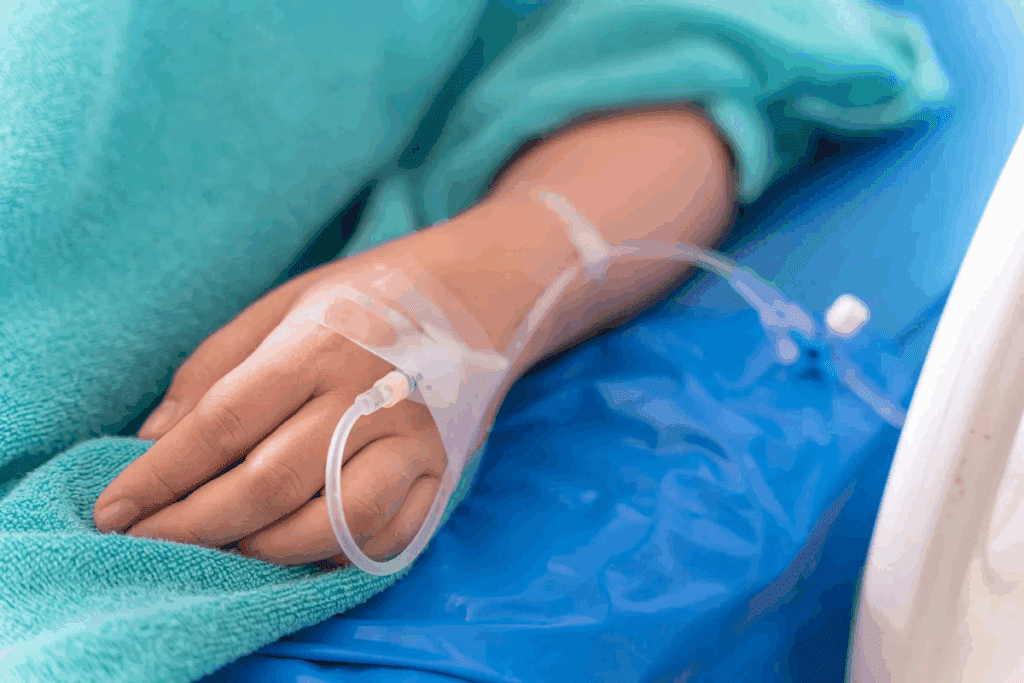
Colon cancer found early gives patients a much better chance of recovery. Early-stage colon cancer means the cancer is in the colon’s inner layers but hasn’t spread. It hasn’t reached nearby lymph nodes or distant sites.
The American Cancer Society says early-stage colon cancer is stage 1. Knowing about stage 1 colon cancer helps doctors choose the right treatment.
Definition and Classification of Stage 1
Stage 1 colon cancer is in the colon’s inner lining and hasn’t gone deeper. It hasn’t spread to the lymph nodes. This stage is split into parts based on how deep the tumor is.
| Stage | Description |
| Stage 1A | Cancer has grown into the mucosa or submucosa but not through the muscularis propria. |
| Stage 1B | Cancer has grown into the muscularis propria but not through it. |
How Early Stage Differs from Advanced Cancer
Early-stage colon cancer is much different from advanced cancer. Advanced cancer has spread, making treatment harder.
“The five-year survival rate for stage 1 colon cancer is approximately 92%, compared to 14% for stage 4 colon cancer,” according to the National Cancer Institute.
The gap between early and advanced colon cancer is huge. Early detection and screening are key. Tests like a colonoscopy can find cancer early, helping treatment work better.
In short, early-stage colon cancer is treatable if caught early. Patients and doctors need to understand its definition, classification, and how it differs from advanced cancer.
Fact 1: Early-stage colon Cancer Is Increasingly Affecting Younger Adults

Recent data shows a big jump in early-stage colon cancer in adults under 50. This is worrying doctors and leading to new screening rules and health campaigns.
The Alarming Rise in Cases Under Age 50
Research shows early-stage colon cancer is on the rise in younger adults. A report in a top medical journal found more colon cancer cases in people under 50. Some studies say these rates have almost doubled in the last few decades.
Many things might be causing this increase. For example, eating too much processed food and not enough fiber, plus not being active, could raise the risk of colon cancer in younger people.
Why Rates Are Nearly Doubling in Adults Under 55
The rate of early-stage colon cancer in adults under 55 is almost doubling. Experts are looking into several possible reasons, including:
- More eating of processed and red meat
- Higher obesity rates and less exercise
- Changes in gut bacteria from diet and antibiotics
- Genetic risk and family history of colon cancer
“The increase in early-stage colon cancer in younger adults is a warning for doctors. We must rethink our screening plans and teach people about the risks.”
It’s key to understand why this trend is happening. By finding out what’s causing early-stage colon cancer in younger adults, doctors can work on preventing and catching it early.
Fact 2: Survival Rates for Early Stage Colorectal Cancer Are Excellent
The survival rate for early-stage colorectal cancer is very high. This shows how important it is to get screened on time. When caught early, most patients have a good chance of recovery.
Statistical Outlook for Stage 1 Patients
Recent stats show that Stage 1 colon cancer patients have a high survival rate. The five-year survival rate for early-stage colon cancer is over 90%. This means most patients live for at least five years after being diagnosed.
This success is thanks to better medical technology and early detection methods.
Factors That Influence Prognosis
Several things can affect how well a patient with colon cancer early stages will do. These include:
- The patient’s overall health
- Any other health conditions they might have
- How well the treatment works
- The cancer’s stage when it’s found
Getting cancer treated early is key to better survival rates for intestinal cancer stage 1. Regular screenings can catch cancer early. This greatly increases the chances of successful treatment.
Fact 3: Symptoms May Be Subtle or Absent in the First Stage of Colon Cancer
Early stage colon cancer can grow without clear symptoms. This makes it hard for people to know they need to see a doctor until it’s too late.
Recognizing Possible Warning Signs
Even though early-stage bowel cancer might not show obvious symptoms, there are some signs to watch for. These include:
- Minor changes in bowel habits
- Occasional blood in the stool
- Unexplained abdominal discomfort
- Unintentional weight loss
- Fatigue
These signs can be vague and might seem like other, less serious issues. It’s important to pay attention to your health and see a doctor if these symptoms keep happening.
Why Early Stage Bowel Cancer Often Goes Undetected
Colon cancer early stage is often missed because of several reasons. First, the symptoms, if they show up, can be very general and similar to many other stomach problems. Second, many people don’t know they’re at risk or don’t get screened as often as they should.
| Reason for Undetection | Description |
| Non-specific symptoms | Symptoms are often similar to those of less serious conditions, making diagnosis challenging. |
| Lack of awareness | Many individuals are not aware of the risk factors for colon cancer. |
| Insufficient screening | Regular screening is key for catching cancer early, but not everyone gets screened as often as they should. |
The importance of early-stage colorectal cancer screening is huge. Screening tests can find colon cancer early, even before symptoms show up. They can also stop cancer by removing polyps that could turn into cancer.
In summary, while early-stage colon cancer might not always have obvious symptoms, knowing the possible signs and getting regular screenings are key to catching it early and preventing it.
Fact 4: Understanding Colon Polyp Stages and Progression
Colon polyps grow on the inner lining of the colon or rectum. They can go through several stages before turning into invasive cancer. Most polyps are not harmful, but some types can turn into colorectal cancer over time.
The Journey from Benign Polyp to Cancer
The change from a benign polyp to a cancerous tumor is complex. It involves genetic changes and environmental factors. Removing pre-cancerous polyps early can stop colon cancer from developing.
This change can take years. During this time, the polyp might stay benign or turn into cancer. Knowing this journey is key to preventing and treating early.
Types of Pre-Cancerous Polyps
Not all colon polyps can turn into cancer. The most common types are:
- Adenomatous polyps (adenomas), which can become malignant
- Serrated polyps, some of which can turn into cancer
Removing these polyps during a colonoscopy is a major way to prevent colon cancer.
Typical Timeline for Malignant Transformation
The time it takes for a polyp to turn into cancer varies. It can take 10 to 15 years or more. Regular screening is vital to catch polyps before they become cancerous.
Understanding colon polyp stages and progression helps see why screening and prevention are so important. They help lower the risk of early-stage colon cancer.
Fact 5: Risk Factors for Intestine Cancer Stage 1
The risk of getting intestinal cancer stage 1 comes from genetics, lifestyle, and health. Knowing these factors helps find and prevent cancer early.
Genetic and Family History Considerations
Genetics plays a big part in getting early colon cancer. If you have a family history of colon cancer, you’re at higher risk. Being related to someone with colon cancer, like a parent or sibling, raises your risk too.
Key Genetic Factors:
- Familial Adenomatous Polyposis (FAP)
- Lynch Syndrome
- Other genetic syndromes
Lifestyle Factors Contributing to Rising Cases
Lifestyle choices also play a big role in colon cancer. What you eat, how active you are, and other choices can affect your risk.
| Lifestyle Factor | Impact on Risk |
| Diet high in red and processed meat | Increased risk |
| Low fiber diet | Increased risk |
| Physical inactivity | Increased risk |
| Obesity | Increased risk |
Medical Conditions That Increase Risk
Some health conditions can also raise your risk of early colon cancer. These include:
- Inflammatory Bowel Disease (IBD)
- Crohn’s disease
- Ulcerative colitis
People with these conditions should watch for signs and get screened early.
Knowing these risk factors helps you take steps to prevent and catch intestinal cancer stage 1 early.
Fact 6: Screening Is Crucial for Early Detection
Screening is key to finding colon cancer early. This greatly improves treatment chances. The American Cancer Society says regular screening can stop colon cancer by finding and removing polyps before they turn cancerous. Early detection is key to surviving colon cancer, with survival rates being significantly higher when the disease is caught in its early stages.
Colonoscopy: The Gold Standard for Prevention
A colonoscopy is the top choice for colon cancer screening. It checks the colon and rectum with a camera on a flexible tube. “Colonoscopy is a highly effective method for preventing colon cancer,” The procedure is done under sedation and is very accurate in finding polyps and early-stage cancer.
Alternative Screening Methods
While colonoscopy is the best, there are other tests too. These include:
- Fecal occult blood tests (FOBT) to detect hidden blood in the stool
- Sigmoidoscopy to examine the lower part of the colon
- CT colonography, also known as virtual colonoscopy
- Stool DNA tests to detect genetic material from cancer cells
These tests are good for people who can’t or don’t want to have a colonoscopy.
Current Screening Recommendations by Age
The age for starting colon cancer screening is a topic of debate. The American Cancer Society says adults with average risk should start screening at 45. Screening should continue until at least age 75. For those over 75, the decision to keep screening depends on health and life expectancy.
“The earlier we start screening, the more lives we can save from colon cancer,”
Following these guidelines can greatly lower the risk of advanced colon cancer and improve survival rates.
Fact 7: Treatment Options fothe r the Early Stage of Colorectal Cancer
Treatment for early-stage colon cancer usually involves surgery. This approach has a high success rate. Early detection makes many treatments possible.
Surgical Approaches and Success Rates
Surgery is the main treatment for early-stage colorectal cancer. The success rate is very high when caught early. Studies show that stage 1 colon cancer patients often survive over 90% with the right treatment.
Surgical resection is the most common method. It involves removing the cancerous part of the colon or rectum. This can be done through open surgery or minimally invasive surgery.
Minimally Invasive Techniques
Minimally invasive surgery, like laparoscopic surgery, is gaining popularity. It uses smaller incisions, causing less pain and faster recovery than open surgery.
Post-Treatment Surveillance
After treatment for early-stage colorectal cancer, post-treatment surveillance is key. Regular check-ups and screenings help catch any recurrence early. This ensures timely action if needed.
Surveillance includes colonoscopies, imaging tests, and blood work. The schedule for these depends on the cancer’s stage and treatment type.
Prevention Strategies to Reduce Your Risk
Making smart choices about what you eat, how much you move, and your lifestyle can help prevent early-stage colon cancer. By using proven prevention methods, you can lower your chance of getting this disease.
Evidence-Based Dietary Modifications
Eating lots of fruits, vegetables, and whole grains can help prevent colon cancer. The American Cancer Society says to eat a variety of colorful fruits and veggies for the best nutrition.
- Fiber-rich foods: Include beans, lentils, and whole grains in your diet.
- Antioxidant-rich foods: Consume a variety of fruits and vegetables.
- Limit processed and red meat: Reduce intake of foods that have been linked to an increased risk of colon cancer.
“A healthy diet is key in preventing colon cancer. Eating whole, nutrient-dense foods can greatly lower your risk.”
— American Cancer Society
Physical Activity Guidelines
Regular exercise is good for your health and can help prevent colon cancer. The World Health Organization suggests doing at least 150 minutes of moderate or 75 minutes of vigorous activity each week.
| Activity Level | Duration | Intensity |
| Moderate | 150 minutes/week | Brisk walking, cycling |
| Vigorous | 75 minutes/week | Running, swimming laps |
Lifestyle Changes That Make a Significant Difference
Other lifestyle changes can also affect your colon cancer risk. These include staying at a healthy weight, not smoking, and drinking less alcohol.
By adding these prevention strategies to your daily life, you can take steps to lower your risk of early-stage colon cancer. It’s about making lasting lifestyle choices that improve your health and well-being.
Conclusion: Taking Proactive Steps Against Early-Stage Colon Cancer
Understanding early-stage colon cancer is key to preventing and treating it. Early-stage colon cancer is becoming more common in younger adults. When caught early, the survival rates are very good.
Early-stage colon cancer often doesn’t show symptoms, making screenings vital. Knowing your risk factors, like genetics and lifestyle, helps find who needs early tests.
Treatment for stage 1 intestinal cancer is varied and often works well. This shows how important it is to be aware of nd take care of your health. By eating right, staying active, and changing your lifestyle, you can lower your colon cancer risk.
To fight early-stage colon cancer, we need a full plan that includes knowing the facts, getting screened, and preventing it. By staying informed and going for regular health checks, you can lower your risk and get better results from treatment.
FAQ
What is early-stage colon cancer?
Early-stage colon cancer, also known as stage 1 colon cancer, is a type of cancer. It is found in the lining of the colon or rectum. It hasn’t spread to other parts of the body yet.
What are the symptoms of early-stage colon cancer?
Symptoms of early-stage colon cancer can be subtle or not show up at all. They might include changes in bowel habits, blood in the stool, abdominal pain, and feeling very tired.
How is early-stage colon cancer diagnosed?
Early-stage colon cancer is usually found through screening tests. These include colonoscopy, stool tests, or imaging tests.
What are the risk factors for developing colon cancer?
Several factors can increase your risk of colon cancer. These include a family history of colon cancer, genetic mutations, and certain lifestyle choices. A diet high in red meat and low in fiber, and some medical conditions like inflammatory bowel disease, are also risk factors.
What are colon polyps, and how are they related to colon cancer?
Colon polyps are growths on the lining of the colon or rectum. They can be benign or cancerous. Some polyps, like adenomatous polyps, can turn into cancer if not removed.
What is the role of screening in preventing colon cancer?
Screening is key to preventing colon cancer. It helps find and remove polyps before they become cancerous. It also catches cancer early when it’s easier to treat.
What are the treatment options for early-stage colon cancer?
Treatment for early-stage colon cancer includes removing the tumor surgically. Minimally invasive techniques are also used. After treatment, regular check-ups are needed to watch for any signs of cancer coming back.
Can colon cancer be prevented?
While there’s no surefire way to prevent colon cancer, a healthy lifestyle can help. Eating well, staying active, and not smoking can lower your risk.
How often should I get screened for colon cancer?
How often you should get screened depends on your age, risk factors, and health. Usually, adults should start screening at 45. If you have a family history or other risk factors, you might need to start earlier.
What is the survival rate for early-stage colon cancer?
The survival rate for early-stage colon cancer is very good. Most people live for five years or more after being diagnosed and treated.
References
American Cancer Society. (2024). Colorectal cancer risk factors and prevention.
URL: https://www.cancer.org/cancer/colon-rectal-cancer/causes-risks-prevention.html