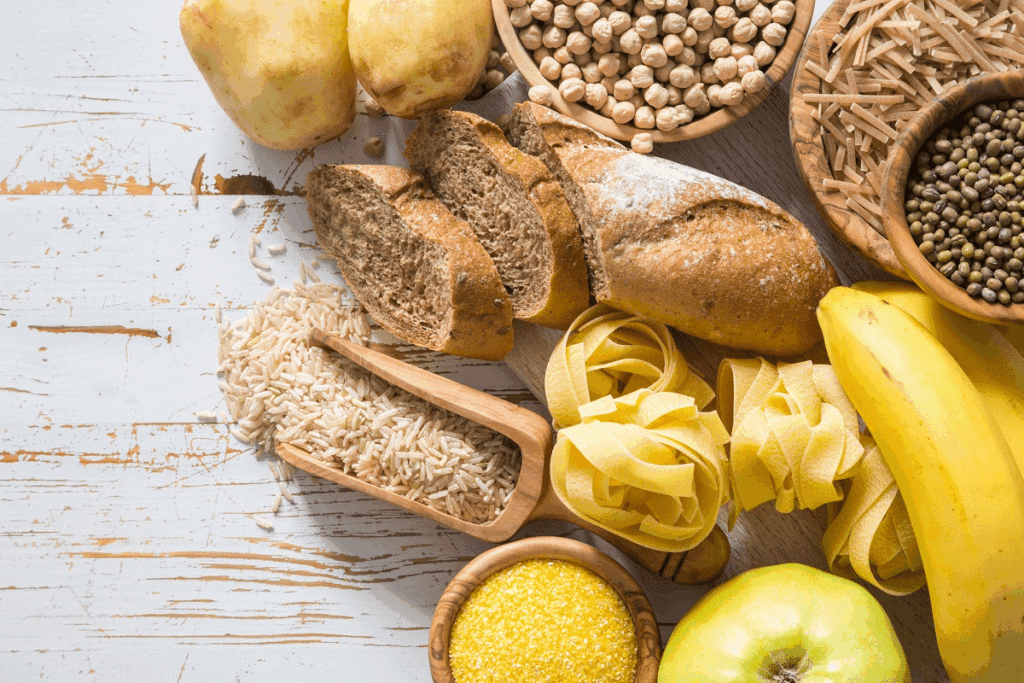
Getting the most out of your workout performance begins with the right food. Eating the right carbs before exercise can give you a big energy boost. It also helps you last longer and get stronger. Learn about ‘eating carbs before workout.’ Our simple guide lists the 7 best, fast-acting, and amazing fuel sources for energy and performance.
The International Society of Sports Nutrition says eating 30-60 grams of carbs 30 minutes to 1 hour before working out is key. It makes sure you have enough carbs and keeps you from getting tired too soon. At Liv Hospital, we focus a lot on pre-workout nutrition. We give our patients the best advice based on the latest research in sports nutrition.
Key Takeaways
- Consuming carbohydrates before a workout can boost energy and enhance endurance.
- The right pre-workout meal can improve strength training results.
- 30-60 grams of carbohydrates consumed 30 minutes to 1 hour before exercise can prevent early fatigue.
- Liv Hospital’s patient-centered approach includes comprehensive nutritional guidance.
- A well-planned pre-workout nutrition strategy can optimize exercise routine and achieve better results.
The Science Behind Eating Carbs Before Workout
Carbohydrates are key for energy during exercise. They turn into glucose, stored in muscles and liver as glycogen.
How Carbohydrates Fuel Exercise Performance
When we exercise, glycogen turns back into glucose for muscle energy. This is key for intense workouts. Eating the right carbs before exercise boosts performance by filling glycogen stores.
Benefits of carbs before exercise include:
- Increased energy levels
- Improved endurance
- Better overall performance
Glycogen: Your Muscles’ Primary Energy Source
Glycogen is our muscles’ main energy source. It fuels our movements during activity. Low glycogen limits us in long or intense workouts. So, eating carbs before exercise is vital for top performance.
Important glycogen facts are:
- Glycogen storage: Muscles store glycogen, which turns into glucose during exercise.
- Glycogen depletion: Long exercise depletes glycogen, affecting performance.
- Glycogen replenishment: Eating carbs before and after exercise keeps glycogen levels up.
Why Timing Matters for Pre-Workout Nutrition

When you eat before working out can really affect how you feel during exercise. Eating carbs at the right time is key for the best workout.
The 30-60 Minute Window for Optimal Energy
Studies show eating 30-60 grams of carbs 30 minutes to 1 hour before exercise boosts energy. This time frame is best because it lets your body digest and use the nutrients. This gives you energy when you need it most.
Eating carbs in this window can help:
- Maximize energy availability
- Delay the onset of fatigue
- Support overall exercise performance
Long-Term vs. Immediate Energy Needs
Both immediate and long-term energy needs are important for working out. Planning your meals and snacks for your energy needs helps reach your fitness goals.
As noted by sports nutrition experts,
“The timing and composition of pre-workout meals can significantly influence exercise performance and recovery.”
If you’re doing a long or intense workout, you might need more carbs. You could eat more carbs or change when you eat your pre-workout meal.
Complex vs. Simple Carbohydrates for Exercise
Knowing the difference between complex and simple carbs is key for better workouts. Carbs are a main energy source for the body, more so during exercise. They fall into two main types: complex and simple carbs.
Complex carbs, like oatmeal and whole grains, digest slowly. This slow digestion keeps energy levels steady for longer. They’re perfect for long workouts or activities needing endurance.
Understanding Glycemic Index for Workout Fuel
The glycemic index (GI) shows how fast foods raise blood sugar. High GI foods, like white bread, quickly raise blood glucose. Low GI foods, such as whole grains, do it more slowly. Knowing the GI helps pick the best carbs for workouts.
For quick energy needs, high GI foods are good. But for long activities, low GI foods offer steady energy.
Carbohydrate Type | Glycemic Index | Examples | Best For |
Complex Carbohydrates | Low | Oatmeal, Whole Grains | Endurance Activities |
Simple Carbohydrates | High | Bananas, White Bread | Quick Energy Needs |
When to Choose Fast vs. Slow-Digesting Carbs
Choosing between fast and slow carbs depends on the workout and your needs. For morning workouts, slow carbs like oatmeal offer steady energy. For intense workouts needing quick energy, simple carbs like bananas are better.
“The timing and type of carbohydrate intake can significantly impact workout performance. Choosing the right carbs based on the glycemic index and individual needs is key to optimizing energy levels.”
Understanding complex and simple carbs and their GI helps make better pre-workout choices. This improves exercise performance.
How Many Carbs Should You Eat Before Training?
The right amount of carbs before training depends on several things. These include how hard your workout is and what you want to achieve. Knowing these factors helps you choose the best food for your workout.
Carb Recommendations Based on Workout Intensity
How hard your workout is affects how many carbs you need. For easy workouts like yoga or light jogging, you might not need as many carbs. But for intense activities like sprinting or weightlifting, you’ll need more.
- For low-intensity workouts, 15-30 grams of carbohydrates are typically sufficient.
- For moderate-intensity workouts, 30-60 grams of carbohydrates are recommended.
- For high-intensity workouts, consider consuming 60-90 grams of carbohydrates.
These are just general tips. Your specific needs might be different based on your weight and fitness goals.
Adjusting Portions for Your Body Weight and Goals
Your body weight and fitness goals also play a big role. Generally, for every pound of body weight, you might need 0.25-0.4 grams of carbs before a workout.
For example, if you weigh 150 pounds, you might need 37.5 to 60 grams of carbs before training. It’s also important to adjust your portions based on your goals. Whether you’re trying to lose weight, keep your weight, or build muscle, it matters.
Key Considerations:
- Athletes aiming to build muscle may require more carbohydrates to support energy needs and muscle recovery.
- Individuals on a calorie-restricted diet may need to adjust their carbohydrate intake to meet their energy needs without going over their daily calorie goals.
By thinking about your workout intensity, body weight, and fitness goals, you can make smart choices about carbs before your workout. This helps you perform better.
1. Oatmeal: The Ultimate Pre-Workout Staple
Oatmeal is a top choice for athletes and fitness fans. It’s packed with complex carbs for lasting energy. This makes it perfect for fueling your workouts.
Nutritional Profile and Benefits
Oatmeal is full of fiber, which helps with digestion and keeps you full during exercise. It also has vitamins, minerals, and antioxidants. These support your health and performance.
The benefits of oatmeal include:
Nutrient | Benefit | Impact on Workout |
Complex Carbohydrates | Provides sustained energy | Enhances endurance during prolonged workouts |
Fiber | Aids in digestion | Reduces gastrointestinal discomfort during exercise |
Vitamins and Minerals | Supports overall health | Contributes to optimal physical performance |
Best Ways to Prepare Oatmeal Before Exercise
It’s easy to make oatmeal, and you can customize it for your workout. Choose from rolled oats, steel-cut oats, or instant oats based on your taste and schedule.
- Rolled Oats: Easy to cook and digest, making them a great choice for a pre-workout meal.
- Steel-Cut Oats: Less processed than rolled oats, they offer a nuttier flavor and chewier texture.
- Instant Oats: Convenient for those short on time, though they may be more processed.
Ideal Timing: When to Eat Oatmeal Before Working Out
It’s important to eat oatmeal 30-60 minutes before working out. This lets your body digest it and release energy when you need it most.
Adjusting how much oatmeal you eat can also help. Choose the right amount based on how hard and long your workout is.
2. Bananas: Nature’s Perfect Pre-Workout Snack
Bananas are great for a natural energy boost before working out. They are easy to eat, full of nutrients, and give you energy that lasts.
Why Athletes Swear by Bananas
Bananas have simple carbs for quick energy. They’re also easy to eat on the go, which is perfect for athletes with busy schedules.
Key Benefits of Bananas:
- Rich in simple carbohydrates for quick energy
- Easy to digest, reducing the risk of stomach discomfort during exercise
- Packed with essential minerals like potassium and magnesium
Potassium, Magnesium, and Workout Performance
Potassium and magnesium are key for good workout performance. Potassium helps with fluid balance and blood pressure. Magnesium supports muscles and energy.
Mineral | Role in Workout Performance | Benefits |
Potassium | Regulates fluid balance and blood pressure | Reduces muscle cramping and fatigue |
Magnesium | Supports muscle function and energy production | Enhances endurance and reduces muscle soreness |
Quick Banana-Based Pre-Workout Recipes
Here are some tasty banana recipes to boost your energy before working out:
- Banana and Peanut Butter Smoothie: Blend 1 banana, 2 tbsp peanut butter, and 1 cup almond milk for a creamy, protein-rich snack.
- Banana and Honey Toast: Top whole-grain toast with 1 mashed banana, 1 tsp honey, and a sprinkle of cinnamon for a quick, energizing snack.
Adding bananas to your pre-workout routine helps meet your energy needs. They’re a versatile and effective snack, whether eaten alone or with other foods.
3. Sweet Potatoes: Sustained Energy for Longer Workouts
Sweet potatoes are a top choice for pre-workout nutrition. They offer complex carbs, fiber, and key vitamins and minerals. They help keep energy up for longer workouts.
Nutrient Density and Fiber Content
Sweet potatoes are packed with vitamins, minerals, and antioxidants. They are low in calories but high in fiber. This fiber helps with digestion and keeps you full, making them great for a pre-workout meal.
“Sweet potatoes are full of vitamins A and C, potassium, and fiber,” say nutrition experts. Their fiber slows down carb digestion, giving you energy for longer.
Glycemic Response and Energy Release
The carbs in sweet potatoes are digested slowly. This leads to a steady increase in blood sugar. It’s perfect for longer workouts because it gives energy that lasts.
The glycemic index (GI) of sweet potatoes is relatively low to moderate. This depends on how they’re cooked. Boiling or baking is best for pre-workout meals.
Preparation Methods for Optimal Digestion
How you cook sweet potatoes matters for digestion and nutrition. Baking or boiling is best to keep nutrients in. Eating the skin adds fiber and antioxidants.
- Bake or boil sweet potatoes to retain nutrients and achieve optimal digestion.
- Avoid adding high amounts of sugar or unhealthy fats during preparation.
- Combine sweet potatoes with a source of protein for a complete pre-workout meal.
Adding sweet potatoes to your pre-workout routine boosts energy. The right cooking methods support better workout performance.
4. Whole Grain Bread and Wraps: Versatile Pre-Workout Foundation
Whole grain bread and wraps are great for pre-workout meals. They give us energy that lasts during our workouts. They are full of fiber, vitamins, and minerals, perfect for athletes and fitness lovers.
Selecting the Best Whole Grain Options
Choosing the right whole grain bread and wraps is key. Look for products that are 100% whole grain or whole wheat. They should have little added sugar and no preservatives. Some top picks include:
- Whole wheat bread
- Multigrain wraps
- Sprouted grain bread
Perfect Pairings for Complete Pre-Workout Nutrition
Whole grain bread and wraps are good on their own but even better with other foods. Try adding:
- Lean proteins like turkey or chicken
- Healthy fats such as avocado or peanut butter
- Fresh vegetables for extra fiber and vitamins
For instance, a peanut butter and banana sandwich on whole wheat bread is a great mix of carbs, protein, and fats.
Timing Considerations for Bread-Based Snacks
When you eat your pre-workout snack is important. Eat whole grain bread or wraps 30-60 minutes before your workout. This lets your body digest and use the nutrients. But, everyone is different, so find what works for you.
In summary, whole grain bread and wraps are great for pre-workout meals. Choose quality products, pair them with other nutrients, and eat them at the right time. This will help you stay energized and perform well during your workout.
5. Rice and Quinoa: Bodybuilder’s Pre-Workout Choices
For athletes looking to perform at their best, knowing the benefits of rice and quinoa is key. These complex carbs are favorites among bodybuilders. They give lasting energy and help muscles during tough workouts.
White vs. Brown Rice vs. Quinoa Before Exercise
Choosing between white rice, brown rice, and quinoa depends on their nutritional values and workout impact. White rice quickly gives energy. Brown rice offers more fiber and nutrients for longer energy. Quinoa is great for energy and muscle support with its complete protein.
Each grain fits into a pre-workout meal differently. White rice is good for a quick energy boost. Brown rice or quinoa are better for sustained energy and extra nutrients.
Combining Grains with Protein for Muscle Support
Adding protein to rice or quinoa boosts muscle support and recovery. Protein-rich foods like chicken or eggs pair well with carbs. They offer a meal that meets energy needs and helps repair muscles.
- Combine cooked quinoa with grilled chicken and veggies for a balanced meal.
- Pair white or brown rice with a protein shake or nuts for extra protein.
Quick Grain Dishes for Pre-Workout Meals
Making pre-workout meals with rice and quinoa is easy and fast. Cook a big batch of quinoa or brown rice at the start of the week. Use it for different meals.
Some ideas include:
- Quinoa salad with roasted veggies and lean protein.
- Stir-fry with brown rice, mixed veggies, and chicken or tofu.
- Rice bowls with grilled chicken, avocado, and steamed veggies.
Adding rice and quinoa to your pre-workout meals gives you lasting energy. It also supports muscle health, improving your workout performance.
6. Dried Fruits and Energy Bars: Convenient Pre-Workout Fuel
Dried fruits and energy bars are great for a quick energy boost before working out. They are easy to carry and loved by athletes and fitness fans. They help give you the energy you need for your workout.
Best Options for Quick-Release Energy
Dried fruits like dates, apricots, and raisins are full of natural sugars. This makes them perfect for a quick energy lift. Energy bars, with carbs and protein, also give you energy that lasts.
Top Dried Fruits for Energy:
- Dates
- Apricots
- Raisins
Key Ingredients in Energy Bars:
- Complex carbohydrates
- Protein
- Fiber
Portion Control and Sugar Considerations
Dried fruits and energy bars are tasty and give you energy. But, it’s important to eat them in small amounts because they have a lot of sugar. Eating too much sugar can make you feel tired and can be bad for your health.
Snack | Sugar Content (g) | Recommended Portion |
Dried Apricots (100g) | 53.4 | 1 oz (28g) |
Energy Bar (1 bar) | 15-20 | 1/2 bar |
Strategic Timing for On-the-Go Fuel
When you eat dried fruits and energy bars is important. Eating them 30-60 minutes before working out is best. This helps you get the energy you need.
Tips for Timing:
- Consume dried fruits or energy bars 30-60 minutes before exercise.
- Choose snacks based on the intensity and duration of your workout.
- Stay hydrated by drinking water with your snack.
Conclusion: Optimizing Your Pre-Workout Carbohydrate Strategy
Understanding carbs’ role in exercise boosts our workout and fitness goals. The right carbs before a workout improve performance and energy.
We looked at the best carbs for a pre-workout, like oatmeal, bananas, and sweet potatoes. Also, whole grain bread, rice, quinoa, and dried fruits. Timing and portion control are key for energy release.
Think about your workout intensity, body weight, and goals when choosing carbs. This approach can elevate your workout and help you succeed. A smart pre-workout carb plan is vital for better workout performance.
FAQ
What are the best carbs to eat before a workout?
The top carbs for a pre-workout meal are complex ones like oatmeal, whole grains, and sweet potatoes. Simple carbs like bananas and dried fruits are also good.
How many carbs should I eat before a workout?
The right carb amount varies based on your workout’s intensity, length, and your goals. Aim for 30-60 grams of carbs 30-60 minutes before to boost energy.
What is the difference between complex and simple carbohydrates?
Complex carbs, like oatmeal and whole grains, take longer to digest and give steady energy. Simple carbs, such as bananas and dried fruits, digest fast and offer quick energy.
Can I eat whole grain bread and wraps before a workout?
Yes, whole grain bread and wraps are great before a workout. Pair them with protein and healthy fats for sustained energy and nutrition.
Are energy bars a good pre-workout snack?
Energy bars can be a good snack before a workout. Just pick ones low in added sugars and made with natural ingredients for lasting energy and health.
How long before a workout should I eat?
Eat a meal or snack 30-60 minutes before your workout. This allows for digestion and gives you the best energy.
Can I eat rice and quinoa before a workout?
Yes, rice and quinoa are great for athletes and bodybuilders. They’re full of complex carbs for sustained energy.
What are some good pre-workout foods for women?
Women should eat complex carbs like oatmeal, sweet potatoes, and whole grains. Also, simple carbs like bananas and dried fruits, with protein and healthy fats, are good.
How do I adjust my pre-workout carb intake based on my workout intensity?
Adjust your carb intake based on your workout’s intensity and length. Eat more carbs for longer or harder workouts, and less for shorter or easier ones.
References
National Center for Biotechnology Information. Evidence-Based Medical Guidance. Retrieved from https://www.ncbi.nlm.nih.gov/pmc/articles/PMC6019055/