Nearly 700,000 people in the United States have gallbladder removal surgery each year. They often worry about how it will change their diet, like eating salads.
After gallbladder removal, or cholecystectomy, your body can’t digest some foods the same way. Adjusting to a new diet can be challenging, but it is essential for maintaining good health.
We suggest a gallbladder removal diet with low-fat foods, lean proteins, and lots of fiber. Foods like vegetables after surgery are good. Salads can be part of your meals, but pick your ingredients carefully.
Knowing about post cholecystectomy foods and their effect on your stomach is important. It helps you enjoy salads without feeling bad.
Key Takeaways
- Focus on low-fat foods after gallbladder removal.
- Incorporate lean proteins into your diet.
- High-fiber foods are beneficial for digestive health.
- Choose salad ingredients wisely to avoid discomfort.
- Understand how different foods affect your digestive system post-surgery.
Understanding Life Without a Gallbladder

Knowing how the gallbladder helps with digestion is key for those without it. The gallbladder is important for digestion. Without it, digestion changes.
The Role of Your Gallbladder in Digestion
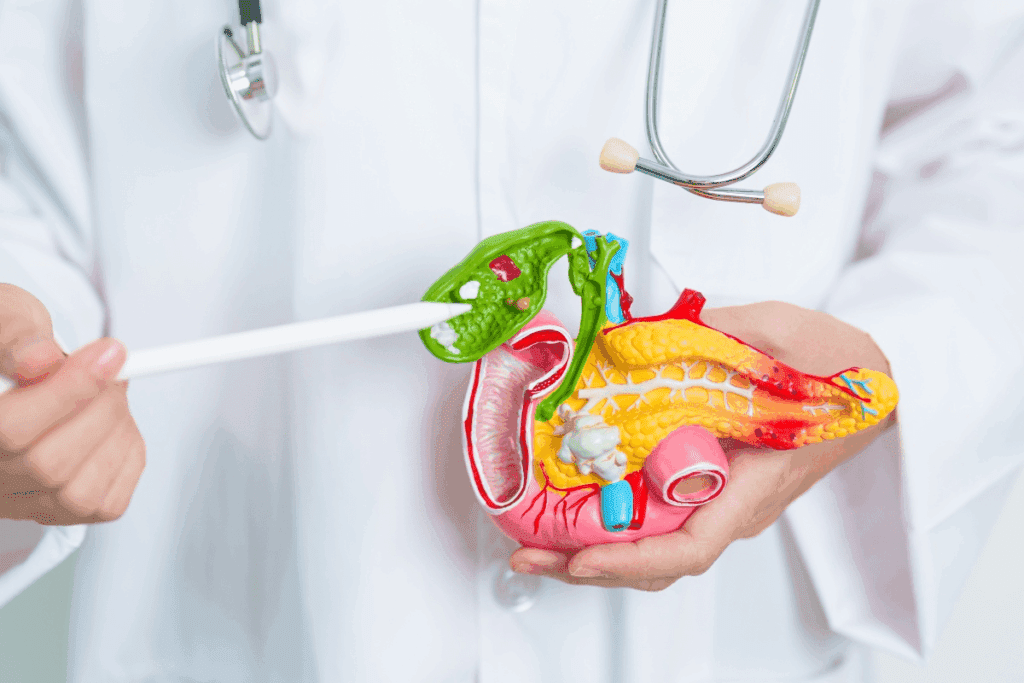
The gallbladder holds bile from the liver. It releases bile into the small intestine to help digest fats. Bile salts break down fats into smaller pieces for enzymes to work on. This is important for absorbing fat-soluble vitamins and essential fatty acids.
How Digestion Changes After Gallbladder Removal
After the gallbladder is removed, bile flows differently. It goes straight from the liver to the small intestine. This can cause continuous exposure to bile, leading to digestive problems. Patients might have diarrhea or fatty stools because of this.
- Changes in bile flow and composition
- Increased risk of diarrhea or fatty stools
- Potential for fat malabsorption
Common Dietary Challenges Post-Surgery
People without a gallbladder often face diet challenges. Common problems include:
- Diarrhea or loose stools from too much bile in the intestines
- Bloating and discomfort after eating fatty foods
- Hard time digesting certain foods
To deal with these issues, changing your diet is key. We’ll look at how to safely add salads to your diet after gallbladder removal.
The Nutritional Benefits of Eating Salad No Gallbladder

Salads are full of nutrients, fiber, and antioxidants. They are key for recovery and health after gallbladder surgery. They add value to a post-surgery diet.
Essential Nutrients in Leafy Greens and Vegetables
Leafy greens and veggies have vitamins A, C, and K, and minerals like calcium and iron. These are vital for healthy digestion and recovery. Vitamin K is important for blood clotting after surgery.
Leafy greens also have antioxidants that fight inflammation and boost well-being. Adding different leafy greens to salads ensures you get many nutrients.
Fiber’s Role in Post-Gallbladder Health
Fiber in salads is key for post-gallbladder health. A high-fiber diet helps with bowel movements and digestive issues after surgery. It also helps with fat absorption and vitamin absorption without a gallbladder.
Fiber also helps with cholesterol and blood sugar levels. Start with small amounts to let your body adjust.
Antioxidants and Recovery Support
Antioxidants in leafy greens and veggies fight oxidative stress and inflammation. Antioxidants like vitamin C and beta-carotene help with healing and lower complication risks.
Adding colorful veggies to salads boosts antioxidant intake. This supports recovery and long-term health.
Potential Digestive Challenges with Raw Vegetables
For those without a gallbladder, raw veggies can be hard to digest. The gallbladder helps with fat digestion and vitamin absorption. Without it, the body has to find new ways to digest food, like fatty foods and raw veggies.
Why Raw Vegetables Can Be Difficult to Digest
Raw veggies are full of fiber, which can be tough on the digestive system without a gallbladder. This high fiber can cause discomfort. Also, raw veggies have complex carbs that need more work to digest.
Key factors contributing to digestive challenges include:
- High fiber content
- Complex carbohydrates
- Potential for inadequate bile production
Common Symptoms After Eating Salads
People without a gallbladder might feel bloated, gassy, or have stomach pain after eating salads. The symptoms can be mild or severe, depending on the person.
It’s important to know these symptoms to manage your diet well. Keeping a food diary can help find out which veggies cause trouble.
Individual Variation in Tolerance
How well someone can tolerate raw veggies after gallbladder removal varies a lot. Some can eat them without issues, while others need to change their diet a lot. Health of the digestive system, other health conditions, and the veggies eaten play a role.
Strategies to improve tolerance include:
- Gradually introducing raw vegetables into the diet
- Cooking or steaming vegetables to make them easier to digest
- Monitoring and adjusting portion sizes
Timeline: When Can You Start Eating Salads After Surgery?
Knowing when to add salads to your diet after gallbladder surgery is key for a smooth recovery. Right after surgery, your digestive system needs time to heal and adjust to the absence of your gallbladder.
Immediate Post-Surgery Diet Recommendations
Right after surgery, we recommend following a clear liquid diet. This includes broths, clear soups, and electrolyte-rich beverages. As you start to feel better, you can add more solid foods.
At first, avoid raw vegetables and salads. They can be hard for your digestive system to handle. Stick to cooked vegetables, lean proteins, and whole grains instead.
Gradual Introduction of Raw Vegetables
As your body heals, you can start adding raw vegetables to your diet. Start with small amounts of cooked or steamed vegetables. If you feel okay, then you can try raw vegetables, starting with softer ones like cucumbers.
Listen to your body and adjust your diet as needed. If you feel bloated, gassy, or have pain, slow down adding new foods.
Signs You’re Ready for More Fiber
As you recover, watch for signs you’re ready for more fiber like salads. These signs include:
- Your digestive system is handling current foods well without discomfort.
- You’re experiencing regular bowel movements.
- You have a good appetite and are tolerating a variety of foods.
If you’re meeting these criteria, you can start adding salads to your diet. Start with gentle, easy-to-digest ingredients and gradually add more fiber.
Remember, everyone recovers at their own pace. Be patient and adjust your diet based on how your body reacts to new foods.
Best Types of Salads for No Gallbladder Diets
For those without a gallbladder, some salads are better than others. It’s important to pick ingredients that are easy on your stomach but full of nutrients.
Easy-to-Digest Leafy Greens
Leafy greens are great in salads, and some are better than others for gallbladder-free folks. Spinach and kale are top picks because they’re packed with nutrients and easy to digest. Spinach is full of iron and antioxidants, and kale is rich in fiber and vitamins.
Arugula and lettuce are also good choices for gallbladder-friendly salads. But, start with small amounts to see how your body reacts.
Cooked vs. Raw Vegetable Options
Cooking veggies can make them easier to digest, which is good for those without a gallbladder. Cooked carrots, zucchini, and bell peppers add flavor and nutrients without upsetting your stomach.
Raw veggies like cucumbers and bell peppers are usually okay, but watch for any signs of trouble. Some might find raw veggies cause bloating or discomfort.
Protein Additions That Work Well
Adding protein to salads boosts their nutritional value and keeps you full. Grilled chicken and tofu are great protein sources that are easy to digest.
Salmon and chickpeas can also be part of your salad, but in moderation. Make sure to cook proteins well to avoid stomach problems.
By using these ingredients, you can make salads that taste great and are easy on your stomach.
Salad Preparation Techniques for Better Digestion
Learning how to prepare salads can help with digestion after gallbladder removal. The right methods make salads easier to digest and more fun to eat.
Chopping and Shredding for Easier Processing
Chopping or shredding veggies into small pieces is a simple trick. It makes your digestive system’s job easier. This way, your body can absorb nutrients better.
- Chopping veggies increases their surface area. This lets digestive enzymes work better.
- Shredding leafy greens like kale or cabbage makes them less hard to digest.
Blanching and Steaming Methods
Blanching or steaming veggies can make them more digestible. These methods soften the veggies, making them easier to eat.
- Blanching involves quickly boiling veggies, then cooling them down. It keeps nutrients and makes veggies easier to digest.
- Steaming veggies until tender does the same without losing nutrients in water.
Marinating to Break Down Fiber
Marinating veggies, like those high in fiber, can soften them. Acidic ingredients in marinades, like lemon juice or vinegar, help break down fibers.
“Marinating not only enhances flavor but also aids in digestion by breaking down fibers, making it a great technique for those with sensitive digestive systems.”
Expert Nutritionist
Using these salad prep techniques daily can help us enjoy salads without digestive issues.
Gallbladder-Friendly Salad Dressings
Choosing the right salad dressing is important after gallbladder removal. The right dressing can make eating salads more enjoyable. It helps those without a gallbladder feel more comfortable.
Low-Fat Dressing Options
Low-fat dressings are good for those with gallbladder surgery. They are easier on the stomach, reducing discomfort. Vinaigrette made with vinegar and herbs is a better choice than creamy, fatty dressings.
Homemade Dressings with Digestive Benefits
Making salad dressings at home is a great idea. Yogurt-based dressings offer a creamy texture without too much fat. Adding ginger or garlic can also help with digestion.
Ingredients to Avoid in Commercial Dressings
Always check the labels of salad dressings. Many have high-fat ingredients, artificial additives, or preservatives. Avoid dressings with high fructose corn syrup and artificial sweeteners, as they can upset your stomach.
By picking low-fat, homemade, or carefully chosen commercial dressings, you can enjoy salads. This helps avoid digestive problems.
Adding Protein to Your Salads Safely
Salads need protein to be a complete meal. After your gallbladder is removed, picking easy-to-digest proteins is key. We’ll look at how to add protein to salads safely. This includes lean meats, plant-based options, and cooking methods that help with digestion.
Lean Protein Choices
Lean proteins are great for salads because they’re low in fat. Chicken and fish are top picks. They’re full of protein and omega-3s, which are good for you.
Choosing lean proteins is important. Make sure to cook them gently to ease digestion. Grilled, baked, or poached are best, not fried.
Plant-Based Protein Alternatives
If you prefer plants, tofu and tempeh are great. They’re high in protein and have probiotics for digestion.
Chickpeas, lentils, and black beans are also good. They’re packed with fiber and protein, making them very nutritious.
Cooking Methods for Better Tolerance
How you cook your protein matters. Grilling and baking are best because they don’t add extra fat. These methods keep the protein’s natural taste and nutrients.
For beans and lentils, soaking and cooking them well can help. This reduces gas and makes them easier to digest. A diet expert says, “Proper preparation of plant-based proteins can make a big difference in digestion.”
“Proper preparation of plant-based proteins can make a significant difference in digestive comfort.”
Dietary Expert
Balancing Your Plate: Complete Meal Planning
A well-planned meal can greatly help in recovery after gallbladder removal. It’s key to balance our plates for better digestion and nutrition.
Pairing Salads with Other Foods
Pairing salads with other foods can help manage digestion. Combining salads with lean proteins, whole grains, and healthy fats makes a balanced meal for recovery.
- Add lean proteins like chicken, fish, or tofu to your salads.
- Incorporate whole grains such as quinoa, brown rice, or whole-wheat crackers.
- Include healthy fats like nuts, seeds, or avocado.
Portion Control Strategies
Controlling portion sizes is key for digestion and comfort. Start with smaller portions and gradually increase as needed. Using smaller plates helps gauge serving sizes.
- Measure your food using a food scale or measuring cups.
- Eat slowly and stop when you feel satisfied, not full.
- Avoid eating in front of screens to prevent mindless snacking.
Meal Timing Considerations
Timing meals right can also affect digestion. Eating smaller, more frequent meals helps manage symptoms and supports digestion. Space out meals for better digestion.
- Eat at consistent times each day to establish a routine.
- Avoid skipping meals, as this can lead to overeating later.
- Consider keeping a food diary to track your eating habits and identify patterns.
By using these strategies, we can make a balanced meal plan. This supports our health and well-being during recovery.
Supplements That May Help with Salad Digestion
For those who have had their gallbladder removed, the right supplements can make a big difference in digesting salads. Always talk to a healthcare provider before trying new supplements. Some options have shown to help with digestion.
Digestive Enzymes: Do They Help?
Digestive enzymes break down food into smaller parts that are easier to absorb. After gallbladder removal, some people find digestive enzymes helpful for salads. They help break down proteins and fats, making nutrients easier to absorb.
Key benefits of digestive enzymes:
- Enhanced protein digestion
- Improved fat absorption
- Reduced symptoms of indigestion
Bile Salts Supplements
Bile salts are key for digesting fats and absorbing fat-soluble vitamins. Without a gallbladder, the body may have trouble releasing bile. This can cause discomfort when eating fatty or high-fiber foods like salads. Bile salts supplements can help, making it easier to digest salads and other nutrient-rich foods.
Probiotics for Improved Digestion
Probiotics are good bacteria that help with digestion. They can be very helpful for those without a gallbladder. Probiotics support a healthy gut, making it easier to digest a variety of foods, including salad greens.
When selecting probiotics, look for products with multiple strains and a sufficient CFU (Colony-Forming Units) count to ensure efficacy.
While supplements can be beneficial, always talk to a healthcare provider before adding them to your diet. They can recommend the best supplements and amounts for your specific needs and health status.
5 Delicious Gallbladder-Friendly Salad Recipes
After gallbladder removal, salads can be tough to enjoy. But, with the right recipes, it’s easy to make them a part of your diet. Here are some tasty and healthy salad options that are good for your digestive system after surgery.
Warm Spinach and Quinoa Salad
This salad is easy to digest and full of nutrients. You’ll need:
- 1 cup quinoa, rinsed and drained
- 2 cups water or vegetable broth
- 1 tablespoon olive oil
- 1 small onion, finely chopped
- 2 cloves garlic, minced
- 2 cups fresh spinach leaves
- Salt and pepper to taste
Cook the quinoa as the package says. Heat olive oil in a pan and sauté the onion and garlic until soft. Add the spinach and cook until it wilts. Mix the cooked quinoa with the spinach and season with salt and pepper.
Cucumber and Melon Easy Digest Salad
This salad is perfect for hot days and is easy on your stomach. You’ll need:
- 2 cups cucumber, sliced
- 2 cups melon, diced
- 1/4 cup fresh mint leaves, chopped
- 2 tablespoons lime juice
- Salt to taste
In a bowl, mix the cucumber and melon. Add the mint leaves on top. Drizzle with lime juice and season with salt.
Roasted Vegetable and Lean Protein Bowl
This salad is hearty and full of nutrients. It has roasted vegetables and lean protein. To make it, you’ll need:
- 1 cup mixed vegetables (such as broccoli, carrots, and bell peppers), chopped
- 2 tablespoons olive oil
- 1 cup cooked chicken breast or tofu, diced
- Salt and pepper to taste
Preheat your oven to 400°F (200°C). Toss the vegetables with olive oil and roast until tender. Mix the roasted vegetables with the chicken or tofu. Season with salt and pepper.
Massaged Kale Salad with Digestive Herbs
This salad is a great way to enjoy kale while being gentle on your stomach. You’ll need:
- 2 cups kale leaves, stems removed and discarded, leaves torn
- 1/4 cup fresh parsley, chopped
- 1/4 cup fresh basil, chopped
- 2 tablespoons olive oil
- 1 tablespoon lemon juice
- Salt to taste
In a bowl, massage the kale leaves until tender. Add the parsley and basil. Drizzle with olive oil and lemon juice. Season with salt.
Salad Recipe | Key Ingredients | Digestive Benefits |
Warm Spinach and Quinoa Salad | Quinoa, spinach, garlic | High in fiber and antioxidants |
Cucumber and Melon Easy Digest Salad | Cucumber, melon, mint | Refreshing and hydrating |
Roasted Vegetable and Lean Protein Bowl | Mixed vegetables, chicken or tofu | Rich in vitamins and lean protein |
Massaged Kale Salad with Digestive Herbs | Kale, parsley, basil | High in antioxidants and fiber |
These salad recipes are gentle on your stomach and full of nutrients. By adding these recipes to your diet, you can enjoy salads even after gallbladder removal.
When to Consult Your Doctor About Diet Issues
Changing your diet after gallbladder removal can be tricky. Some signs mean you should see a doctor. After surgery, digestion changes are common, but some changes might be serious.
Warning Signs of Digestive Problems
Watch out for signs like persistent diarrhea, severe abdominal pain, or vomiting. These could mean your body is struggling to adjust to life without a gallbladder.
If you notice any of these, talk to your doctor right away:
- Diarrhea that lasts more than a few days
- Severe pain that makes it hard to do daily tasks
- Vomiting that keeps you from keeping food or liquids down
- Signs of dehydration, like being very thirsty or having dark urine
Differentiating Normal Adjustment from Complications
Some discomfort is normal after gallbladder surgery. But, it’s important to know when it’s just an adjustment or something more serious. Normal changes might include slight bowel movement changes or temporary discomfort after eating certain foods.
If your symptoms don’t go away, get worse, or come with other worrying signs, see a doctor. Your healthcare provider can help you manage symptoms and adjust your diet.
Questions to Ask Your Healthcare Provider
Having the right questions can help a lot during your visit. Think about asking:
- What dietary changes can I expect after gallbladder removal?
- How can I manage common symptoms like diarrhea or pain?
- Are there specific foods I should avoid or include in my diet?
- What are the signs of complications that I should watch out for?
Being informed and proactive can help you deal with a post-gallbladder diet confidently. If you’re facing persistent or severe symptoms, don’t wait to contact your healthcare provider for advice.
Real Stories: How People Adapted to Eating Salads Again
Everyone’s journey to enjoy salads after gallbladder surgery is different. People have found various ways to eat salads without a gallbladder. Their stories offer insights into their experiences and how long it took to adjust.
Personal Experiences and Timelines
Many have shared how they slowly added salads back into their diet.a 35-year-old, started with small amounts of cooked veggies in her salads. She gradually increased the amount over three months.
on the other hand, began with soft greens like spinach. He avoided raw cruciferous veggies at first. Within six weeks, he noticed his digestion improved, and he started adding more types of greens to his salads.
Strategies That Worked for Others
Several strategies have helped people adjust to salad diets after gallbladder removal:
- Gradual Introduction: Starting with small portions and gradually increasing the amount.
- Cooking Vegetables: Blanching or steaming vegetables to make them easier to digest.
- Choosing the Right Greens: Opting for softer leafy greens initially and introducing other varieties later.
Strategy | Benefits | Timeline |
Gradual Introduction | Reduces digestive shock | 1-3 months |
Cooking Vegetables | Eases digestion | Immediate |
Choosing the Right Greens | Minimizes discomfort | 1-2 months |
Lessons Learned from Trial and Error
Patience and adaptation are key. People have learned to listen to their bodies and adjust their diets. Some have found that certain veggies cause discomfort and avoid them in their salads.
Keeping a food diary is also valuable. It helps track what works and what doesn’t, guiding diet choices.
We hope these stories and strategies help others who are facing the challenge of eating salads after gallbladder removal.
Conclusion: Enjoying Salads as Part of Your Post-Gallbladder Lifestyle
After having your gallbladder removed, eating well is key to feeling good. Salads can be a great part of a healthy diet. Just pick the right ingredients and cook them in ways that are easy on your stomach.
When you eat salads after your gallbladder surgery, think carefully about what you choose. Pick soft greens and cook veggies if they’re hard. Use dressings that are gentle on your stomach to avoid digestive problems.
A good diet after gallbladder surgery is more than just salads. Make sure to add lean proteins and whole grains to your meals. This helps you get all the nutrients you need.
Being smart about what you eat lets you enjoy salads and stay healthy after gallbladder surgery. Know about the gallbladder removal diet and adjust as needed. This supports your overall health.
FAQ
Can I eat salads immediately after gallbladder removal surgery?
No, you should follow a specific diet after surgery. Start with easy-to-digest foods. Your healthcare provider will guide you.
Why are raw vegetables sometimes hard to digest after gallbladder removal?
Raw veggies are tough because they have a lot of fiber. Without a gallbladder, digesting fats is harder. This can make high-fiber foods uncomfortable.
What are some easy-to-digest leafy greens for post-gallbladder surgery diets?
Spinach, kale (cooked or massaged), and lettuce are good choices. Cooking or steaming them makes them easier to digest.
How can I make salads more digestible after gallbladder removal?
Chop, blanch, steam, or marinate veggies to ease digestion. Choosing cooked veggies in your salad helps too.
What kind of salad dressings are suitable for a post-gallbladder diet?
Go for low-fat dressings. Homemade ones with yogurt, lemon juice, or vinegar are gentler on your stomach.
Can I add protein to my salads after gallbladder removal?
Yes, adding lean proteins like grilled chicken or fish is okay. Beans or tofu are good plant-based options. Cooking these proteins makes them easier to digest.
Are there any supplements that can help with digesting salads after gallbladder removal?
Digestive enzymes, bile salts, and probiotics might help. But, talk to your doctor before adding them to your diet.
How long does it take to adjust to eating salads after gallbladder surgery?
Adjusting time varies. It can take weeks to months to get used to salads. Listen to your body and adjust your diet slowly.
What are the signs that I’m ready to introduce more fiber into my diet after surgery?
You’re ready if you can handle small amounts of raw veggies without discomfort. Look for better digestion of fats too.
When should I consult my doctor about diet issues after gallbladder removal?
See your doctor for persistent or severe digestive problems like diarrhea or pain. Discuss any big diet changes or concerns.
References
National Center for Biotechnology Information. Evidence-Based Medical Insight. Retrieved from https://www.ncbi.nlm.nih.gov/pmc/articles/PMC11200314/