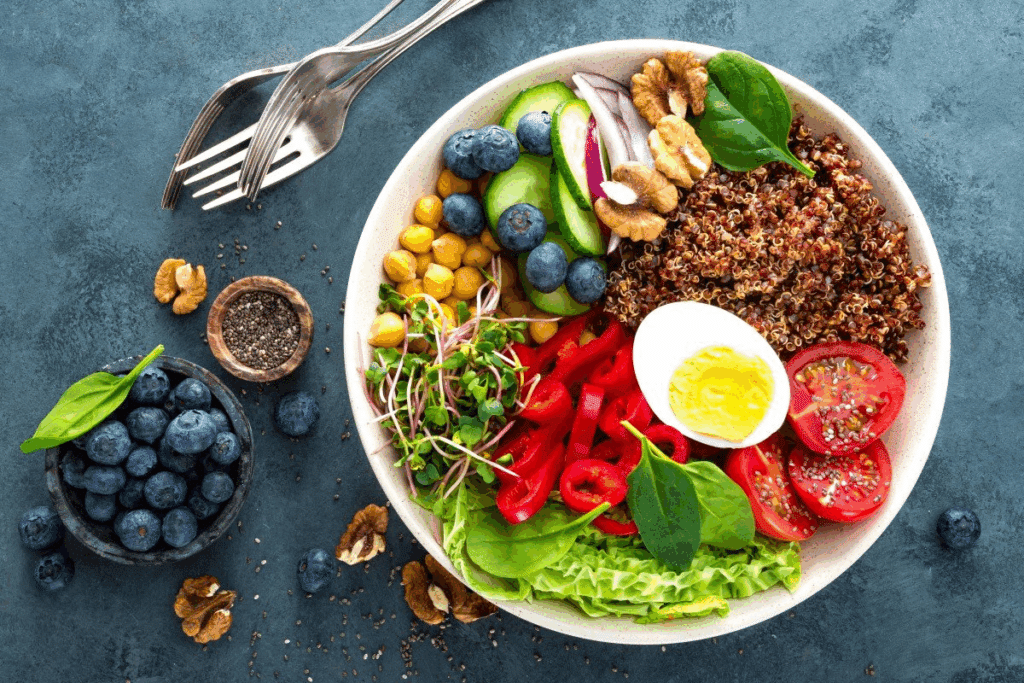
Depression and anxiety are big global mental health issues. They affect millions of people every year. The World Health Organization says about 322 million people deal with depression yearly.
Recent studies from 2024-2025 show that dietary interventions are a proven way to handle these problems. Learn about ‘eating to combat depression.’ Our simple guide reveals 7 of the best, most powerful, and amazing foods to boost your mood.
Now, we know certain foods can help with depression and anxiety. New research in nutrition shows that eating like a Mediterranean or plant-based diet can really help your mental health.
Key Takeaways
- Dietary interventions can help manage depression and anxiety.
- Mediterranean and plant-based diets show significant mental health benefits.
- Specific foods can naturally alleviate symptoms of depression.
- Recent research supports the role of nutrition in mental health.
- A scientifically validated approach to mental health includes dietary changes.
The Connection Between Diet and Mental Health

What we eat can affect how we feel. This is backed by science. Diet plays a big role in managing depression and anxiety. We will look at how food impacts brain chemistry and recent studies on diet and mental health.
The Global Impact of Depression and Anxiety
Depression and anxiety affect millions worldwide. Depression is a leading cause of disability globally, causing big economic and social problems. Anxiety disorders are also common, often happening with depression. The World Health Organization says we need better ways to tackle these issues.
“The impact of depression is not just personal; it affects families, communities, and societies as a whole. Finding effective, accessible treatments is critical.”
How Food Affects Brain Chemistry
Diet is key to brain chemistry. Nutrients help make neurotransmitters like serotonin and dopamine, which control mood. For example, omega-3 fatty acids in fatty fish are good for the brain. Whole grains can also boost serotonin levels. Knowing how food affects the brain helps us choose better for our mental health.
Recent Scientific Evidence (2024-2025)
New studies show diet’s link to mental health. A review of trials found diet can improve depression. The Mediterranean diet, full of fruits, veggies, and healthy fats, is very beneficial. It’s linked to less depression and anxiety.
Adding dietary changes to treatment plans can help mental health. As research grows, the link between diet and mental health becomes clearer. This area will keep being important for research and practice.
Understanding How Nutrition Influences Mood

Research shows a strong link between what we eat and how we feel. Our diet plays a big role in our mental health. It affects our mood through the gut-brain axis, neurotransmitters, and inflammation levels.
The Gut-Brain Connection
The gut and brain talk to each other through the gut-brain axis. This network is key for our mental health. It helps our gut microbiome make neurotransmitters and hormones that affect our mood.
The gut microbiome is full of trillions of microorganisms that are vital for our health. Studies link an imbalance in the gut microbiome to mental health issues like depression and anxiety.
Neurotransmitters and Dietary Precursors
Neurotransmitters send signals between neurons, affecting our mood, appetite, and sleep. Some nutrients help make these neurotransmitters. A diet missing these nutrients can lower neurotransmitter production.
Tryptophan, found in protein, is a key for making serotonin, which helps regulate mood. Tyrosine, another amino acid, is turned into dopamine and norepinephrine. These neurotransmitters are important for motivation and mood.
Inflammation and Mental Health
Inflammation is a natural immune response. But chronic inflammation is linked to mental health issues like depression. Some foods can help reduce inflammation, while others can increase it.
Dietary Component | Effect on Inflammation | Impact on Mental Health |
Omega-3 fatty acids | Anti-inflammatory | May reduce symptoms of depression |
Processed foods | Pro-inflammatory | May increase risk of depression |
Antioxidant-rich foods | Anti-inflammatory | May support mental health |
It’s important to understand how nutrition, inflammation, and mental health are connected. This knowledge helps us find the right diet for better mental wellbeing.
Eating to Combat Depression: The Science Behind Food Choices
The science behind how our food choices impact depression is complex and fascinating. It shows that certain eating patterns can greatly affect our mood and wellbeing.
Dietary Patterns Associated with Lower Depression Risk
Research shows that healthy diets can lower the risk of depression and anxiety. Foods like fruits, vegetables, fish, whole grains, nuts, and legumes are good for mental health. They provide nutrients that help our brains function well.
Nutritional Benefits: Fruits and vegetables are full of antioxidants and fiber. Fish gives us omega-3 fatty acids, which are key for brain function. Whole grains help control blood sugar and serotonin levels. Nuts are packed with magnesium and healthy fats.
Foods to Avoid for Better Mental Health
Some foods can harm our mental health. Diets full of processed foods, sugar, and unhealthy fats increase depression risk. These foods can cause inflammation and upset our gut bacteria, affecting our mood.
- Processed meats and foods high in added sugars
- Refined carbohydrates that cause spikes in blood sugar
- Foods containing artificial additives and preservatives
The Mediterranean Diet and Mental Wellbeing
The Mediterranean diet is rich in fruits, vegetables, whole grains, and healthy fats. It has been studied for its mental health benefits. This diet is linked to lower depression rates and better cognitive function.
The key components of the Mediterranean diet include olive oil, fruits and vegetables, and moderate fish and poultry. It also has low red meat and sweets intake.
Understanding how food choices affect depression helps us make better dietary choices. This supports better mental health.
1. Fatty Fish: Omega-3 Powerhouses
Fatty fish are packed with omega-3s, making them key in fighting depression. These foods boost brain health and may ease depression and anxiety symptoms.
Nutritional Profile of Salmon, Mackerel, and Sardines
Salmon, mackerel, and sardines are top choices for their nutritional value. They’re full of omega-3s, like EPA and DHA, which are vital for the brain. These fish also offer vitamin D, selenium, and protein, making them great for a diet that fights depression.
The omega-3s in these fish help lower body inflammation, linked to depression. Eating fatty fish can help improve mental health.
How Omega-3s Support Brain Function
Omega-3s are key for brain health, helping with thinking and feeling. They help brain cells talk to each other, grow new neurons, and keep brain cells strong. This helps with mood and reduces depression symptoms.
Omega-3s also affect neurotransmitters like serotonin and dopamine, which control mood. By supporting these neurotransmitters, omega-3s can help reduce depression.
Research on Omega-3s and Depression
Many studies have looked at omega-3s and depression, with good results. People who eat more omega-3s tend to have less depression and better mental health. Clinical trials show omega-3s can help treat depression, alongside other treatments.
More research is needed to fully understand how omega-3s fight depression. But the current evidence supports eating fatty fish for better mental health.
2. Dark Leafy Greens: Folate-Rich Mood Boosters
Folate-rich dark leafy greens are key in fighting depression. These foods are full of vitamins and minerals that help our mental health.
Nutritional Benefits
Spinach, kale, and collard greens are full of folate. Folate is key for making neurotransmitters like serotonin and dopamine. These help control our mood.
- Spinach: Rich in folate and iron, supporting healthy red blood cells.
- Kale: High in vitamins A, C, and K, and minerals like calcium.
- Collard Greens: Packed with folate, vitamins, and antioxidants.
Folate’s Role
Folate is vital for neurotransmitter production. It turns homocysteine into methionine. This is needed for SAMe, which affects mood and thinking.
Studies on Folate Deficiency
Research links folate deficiency to depression. People with depression often have less folate. Taking folate supplements can help some symptoms.
- A study in the Journal of Affective Disorders showed folate supplements helped depression in those with deficiency.
- Another study found that eating folate-rich foods can be as good as medication for some depression.
Eating dark leafy greens can help our mental health. Knowing their nutritional benefits and folate’s role helps us make better diet choices to fight depression.
3. Fermented Foods: Probiotic Support for Mental Health
Probiotics in fermented foods are key for mental health. They connect our gut and brain through the gut-brain axis. This link shows our gut health affects our mood.
The Microbiome-Mood Connection
Our body has trillions of microorganisms that help us in many ways. They make neurotransmitters and control inflammation. An imbalance in these microbes, or dysbiosis, is linked to depression and anxiety. Probiotics can help balance our microbiome and ease these symptoms.
“The gut-brain axis is a two-way street; not only can stress affect the gut, but the gut can also influence stress and anxiety levels.” – Medical Expert, renowned gastroenterologist.
Benefits of Yogurt, Kefir, Kimchi, and Sauerkraut
Foods like yogurt, kefir, kimchi, and sauerkraut are full of probiotics. They help keep our gut healthy. These foods have been good for us for centuries. Here are some benefits:
- Yogurt: It has Lactobacillus and Bifidobacterium strains. These can lessen anxiety and depression symptoms.
- Kefir: It has many probiotic strains. It can make us feel clearer and less stressed.
- Kimchi: A Korean dish full of vitamins, minerals, and probiotics. It boosts gut health and the immune system.
- Sauerkraut: Fermented cabbage with lots of probiotics and vitamins. It supports gut health and may reduce inflammation.
Clinical Evidence for Probiotics in Anxiety Reduction
Studies have looked at how probiotics affect anxiety and depression. A big study found probiotics really help with these issues. They can be a great help alongside other treatments.
- A 2022 study in the Journal of Clinical Psychopharmacology showed probiotics help with anxiety in chronic fatigue syndrome.
- In 2023, a study found eating probiotic yogurt made people feel less stressed and happier than a placebo.
Eating fermented foods can help our mental health. As we learn more about diet, gut health, and mental health, it’s clear. A diet full of probiotics is key for our mental wellbeing.
4. Nuts and Seeds: Brain-Boosting Nutrients
Nuts and seeds are packed with minerals and healthy fats. They are key for keeping our minds healthy. These foods are full of nutrients that help our brains work well.
Nutritional Profile of Walnuts, Almonds, Flaxseeds, and Chia
Walnuts, almonds, flaxseeds, and chia seeds are special. They have lots of good stuff in them. Walnuts have omega-3s and antioxidants. Almonds are full of vitamin E and magnesium.
Flaxseeds and chia seeds are great for your heart and brain. They have fiber and omega-3s.
Magnesium, Zinc, and Selenium for Mental Health
Magnesium, zinc, and selenium are important minerals in nuts and seeds. Magnesium helps our brain cells work right. Zinc is key for making neurotransmitters and keeping our brain flexible. Selenium fights off brain damage from stress.
Not having enough of these minerals can make us feel sad or anxious.
Research on Nut Consumption and Depression Risk
Many studies have looked at nuts and depression. Eating nuts and seeds often can help keep depression away. A study showed that eating nuts regularly can lower the chance of getting depressed.
Eating different nuts and seeds can help our mental health. It’s good to mix them up to get all the benefits.
5. Whole Grains: Steady Energy for Emotional Balance
Whole grains are key for emotional balance because of their complex carbs. These foods are full of nutrients that boost both physical and mental health.
Complex Carbohydrates and Serotonin Production
Whole grains have complex carbs that help make serotonin. This neurotransmitter is important for mood regulation. Eating complex carbs helps the brain make serotonin, which can make you feel more stable and less depressed.
Benefits of Oats, Brown Rice, and Quinoa
Oats, brown rice, and quinoa are packed with complex carbs. Oats are full of fiber, which keeps blood sugar healthy. Brown rice has manganese, which helps with enzyme work and antioxidants. Quinoa is a complete protein, giving you all the amino acids you need.
Whole Grain | Nutritional Benefits |
Oats | High in fiber, supports healthy blood sugar levels |
Brown Rice | Rich in manganese, supports enzyme function and antioxidant activity |
Quinoa | Complete protein, contains all nine essential amino acids |
Blood Sugar Stability and Mood Regulation
Whole grains keep blood sugar steady, which is good for mood. Changes in blood sugar can make you feel irritable and moody. Adding whole grains to your diet can help keep your blood sugar stable, improving your emotional state.
In summary, whole grains are essential for fighting depression and anxiety. By knowing their benefits and eating them regularly, you can work towards emotional balance and better overall health.
6. Berries and Colorful Fruits: Antioxidant Protection
The bright colors of berries and fruits show they’re full of antioxidants. These are key in fighting depression and anxiety. Antioxidants protect our brains by fighting off harmful free radicals.
Antioxidants and Brain Health
Antioxidants, like vitamins C and E, and flavonoids, keep brain cells safe. Flavonoids help with thinking and mood. Eating colorful fruits helps keep your brain healthy and may lower depression symptoms.
Blueberries, Strawberries, and Other Antioxidant-Rich Fruits
Berries like blueberries, strawberries, and raspberries are full of antioxidants. Blueberries have anthocyanins, which boost brain function and lower depression risk. Oranges, grapes, and pineapples also add to your antioxidant intake. Eating a variety of fruits ensures you get many antioxidants.
Research on Flavonoids and Depression
Studies show flavonoids can help with depression. They affect neurotransmitters and reduce inflammation. Eating foods rich in flavonoids, like berries, is good for depression.
Knowing how antioxidants help our brains and eating foods rich in them is key. It’s a step towards better mental health and less depression.
7. Dark Chocolate: Mood-Enhancing Compounds
Dark chocolate is known for its mood-boosting effects. It’s packed with flavanols, which are antioxidants. These compounds help fight depression.
We look at what makes dark chocolate good for our mood. It’s all about the flavanols and how they affect our brains.
Cacao Content and Mental Health Benefits
The mental health perks of dark chocolate come from its cacao. Dark chocolate with more cacao has more flavanols. These improve brain function and protect the brain. Eating dark chocolate with at least 70% cocoa can lift your mood.
Flavanols and Endorphin Release
Flavanols in dark chocolate boost mood by releasing endorphins. Endorphins are natural mood lifters. The flavanols in dark chocolate trigger endorphin release, making us feel happy.
Flavanols also help blood flow to the brain. This can improve thinking and mood.
Scientific Studies on Chocolate and Mood
Many studies have looked at chocolate and mood. Dark chocolate, with its flavanols, seems to improve mood. A study in the Journal of Psychopharmacology found that cocoa improved mood in people with mood disorders.
Another study showed that eating dark chocolate lowered depression in older adults. While more research is needed, the current findings suggest dark chocolate’s mood benefits.
In summary, dark chocolate’s mood-boosting qualities make it great for fighting depression and anxiety. Adding dark chocolate with high cacao content to your diet may enhance your mood thanks to its flavanols.
Creating a Depression-Fighting Meal Plan
A good meal plan is key in fighting depression. It makes sure your body gets all the nutrients it needs. We’ll show you how to make a meal plan with the 7 foods we’ve talked about.
Sample Daily Menu Incorporating All 7 Foods
Here’s a daily menu that includes fatty fish, dark leafy greens, fermented foods, nuts and seeds, whole grains, berries, and dark chocolate.
- Breakfast: Oatmeal with almond butter, berries, and chia seeds
- Lunch: Grilled salmon with quinoa and steamed spinach
- Snack: Yogurt with honey and walnuts
- Dinner: Brown rice with stir-fried veggies and kimchi
- Evening Snack: Dark chocolate and almonds
This menu has a mix of the foods we recommend. It also has a good balance of carbs, proteins, and fats.
Meal | Food | Nutritional Benefit |
Breakfast | Oatmeal with berries | Complex carbs and antioxidants |
Lunch | Grilled salmon | Omega-3 fatty acids |
Snack | Yogurt with walnuts | Probiotics and magnesium |
Meal Prep Strategies for Consistent Nutrition
Meal prep is essential for a consistent diet. Here are some tips:
- Plan meals for the week
- Cook in bulk and freeze
- Keep a pantry stocked with nuts, seeds, and grains
Combining Foods for Maximum Benefit
Some food combinations boost nutritional value. For example, eating vitamin C-rich foods with iron-rich foods helps iron absorption.
By using these strategies, you can fight depression with a powerful tool.
When Diet Isn’t Enough: Complementary Approaches
For many, a healthy diet is just part of managing mental health. Nutrition helps with depression and anxiety, but more is needed for overall wellbeing.
Recognizing When to Seek Professional Help
Knowing when diet alone isn’t enough is key. Severe depression, suicidal thoughts, or daily life problems need quick help from a pro. Diet is part of a bigger plan that might include therapy, meds, or more.
Doctors can tailor advice based on your health, symptoms, and life. They watch your progress and adjust your plan as needed.
Combining Dietary Changes with Other Lifestyle Factors
Changing your diet is just the start. Regular exercise can help by releasing happy chemicals and improving brain function.
Other good changes include:
- Adequate sleep: Keep a regular sleep schedule and make your bedroom cozy.
- Stress management: Try mindfulness, meditation, or yoga to lower stress.
- Social connections: Stay close to friends and family by seeing them often.
By adding these lifestyle changes to diet, you can manage your mental health better.
The Importance of a Holistic Approach to Mental Health
A holistic view of mental health looks at biology, psychology, and social factors. Nutrition is key, but so are other life areas that affect mental health.
Combining diet with lifestyle changes and sometimes professional help creates a strong plan. This approach not only eases symptoms but also boosts overall health and resilience.
Conclusion
A well-balanced diet is key in managing depression and anxiety. Adding certain foods to your diet can greatly help your mental health. Foods like fatty fish, dark leafy greens, and whole grains are good choices.
Recent studies show that these foods can help with depression and anxiety. By choosing the right foods, you can support your mental health. Remember, a healthy diet is not a cure-all, but it’s a helpful addition.
We suggest you start changing your diet today. Add foods that help with depression and stress to your meals. This can be a big step towards better mental health and overall wellbeing.
FAQ
What is the connection between diet and mental health?
Diet is key in managing depression and anxiety. Certain foods can change brain chemistry. This affects mood and emotional wellbeing.
How can specific foods help alleviate symptoms of depression and anxiety?
Foods like salmon and sardines boost brain function and reduce depression symptoms. Spinach and kale, rich in folate, help with neurotransmitter production.
What is the Mediterranean diet, and how does it impact mental health?
The Mediterranean diet focuses on fruits, vegetables, whole grains, and healthy fats. It’s linked to lower depression risk and better mental health.
Can fermented foods like yogurt and sauerkraut help with anxiety?
Yes, fermented foods have probiotics. They support the gut-brain connection and reduce anxiety. Clinical evidence backs their benefits.
How do nuts and seeds support mental health?
Nuts and seeds are full of magnesium, zinc, and selenium. These nutrients are vital for mental health. Eating them can lower depression risk.
What is the role of whole grains in supporting emotional balance?
Whole grains like oats and quinoa offer complex carbs. They help regulate serotonin and support emotional balance.
Can berries and other colorful fruits help protect against depression?
Yes, berries and colorful fruits are full of antioxidants. They fight oxidative stress and inflammation linked to depression.
How can dark chocolate help improve mood?
Dark chocolate has flavanols that release endorphins. Studies show it can positively impact mental health.
How can I create a depression-fighting meal plan?
Mix foods rich in omega-3s, folate, probiotics, magnesium, and antioxidants. A sample menu includes fatty fish, dark greens, fermented foods, nuts, whole grains, berries, and dark chocolate.
When should I seek professional help for depression or anxiety?
If symptoms are persistent or severe, seek help. A healthcare professional can guide on diet and other therapies.
Can dietary changes alone cure depression or anxiety?
Dietary changes are important but may not cure depression or anxiety alone. A holistic approach is often most effective.
What are some meal prep strategies for consistent nutrition?
Strategies like cooking in bulk and planning meals help ensure consistent nutrition. They support mental health.
How can I combine foods for maximum benefit?
Pair foods rich in different nutrients for better benefits. For example, fatty fish with dark greens and whole grains boosts omega-3s, folate, and carbs.
What is the best diet for depression and anxiety?
A diet rich in whole foods like fatty fish, dark greens, fermented foods, nuts, whole grains, berries, and dark chocolate supports mental health. It reduces depression and anxiety symptoms.
References
National Center for Biotechnology Information. Evidence-Based Medical Guidance. Retrieved from https://www.ncbi.nlm.nih.gov/pmc/articles/PMC4273456/