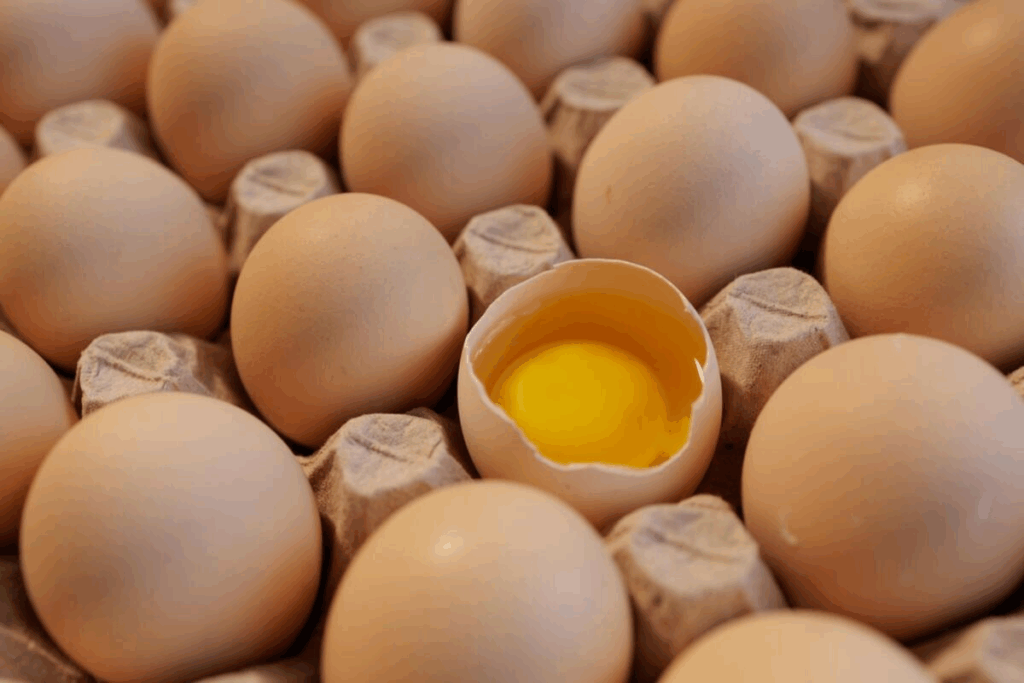
Managing kidney disease can be tough, and picking the right foods is key. Many wonder if eggs are okay to eat. We’ll look into how eggs can fit into a kidney-friendly diet if eaten wisely. Learn about eggs kidney disease. Our simple guide gives the best, clearest facts on protein and phosphorus for renal patients.
A diet that’s good for the kidneys helps slow down kidney damage. It focuses on foods that are gentle on the kidneys. It also limits foods and drinks that can build up minerals.
Key Takeaways
- Egg consumption can be part of a renal diet when done carefully.
- A kidney-friendly diet helps manage kidney disease progression.
- Limiting certain minerals is key in a renal diet.
- Egg nutritional benefits can support overall health.
- Individual considerations are necessary for egg consumption.
The Relationship Between Kidney Function and Diet
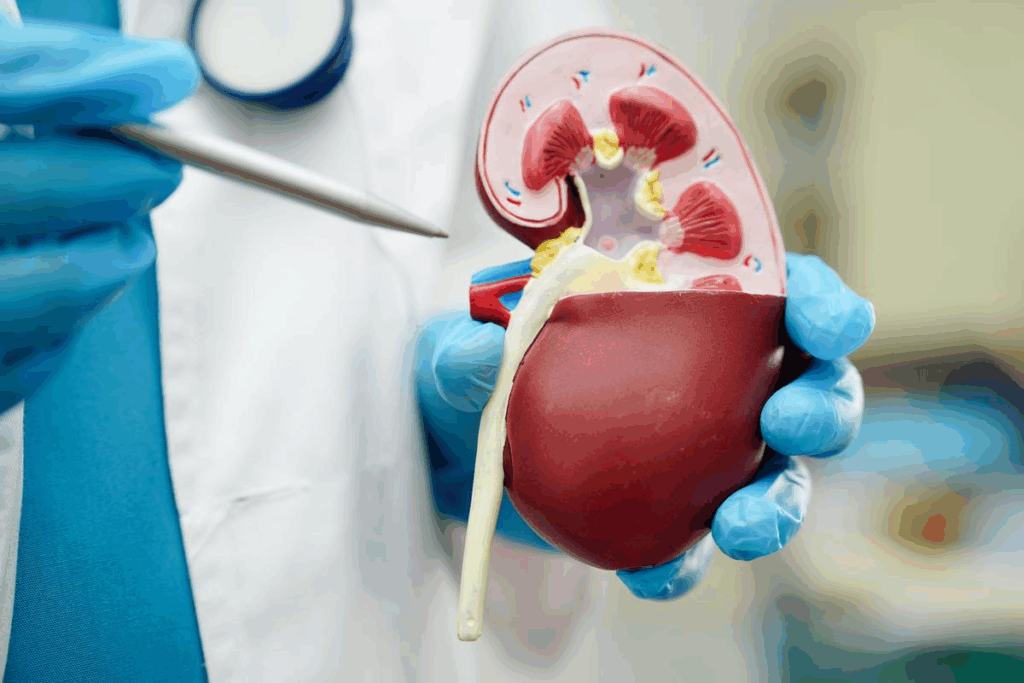
It’s important to know how diet affects kidney health. Our kidneys filter waste, balance electrolytes, and manage fluids. What we eat can greatly impact our kidney function, more so for those with kidney disease.
How Kidneys Process Nutrients
Kidneys filter nutrients from our food. They remove waste and excess substances from the blood, which we then pee out. For people with kidney disease, this process doesn’t work well, causing toxins and extra nutrients to build up.
Nutrient processing means the kidneys control levels of potassium, phosphorus, and sodium. If kidney function is low, it’s key to watch what we eat to avoid problems.
Critical Nutrients in Renal Diets
A renal diet helps reduce kidney strain and boost function by limiting certain nutrients. Key nutrients to limit include:
- Potassium: Found in foods like bananas, leafy greens, and certain legumes.
- Phosphorus: Found in lots of protein-rich foods, dairy, and processed foods.
- Sodium: High in processed, canned, and restaurant foods.
Whole eggs have calcium, potassium, and phosphorus, which are often limited in renal diets. So, it’s important to know how to include eggs in a renal diet.
Nutritional Composition of Eggs
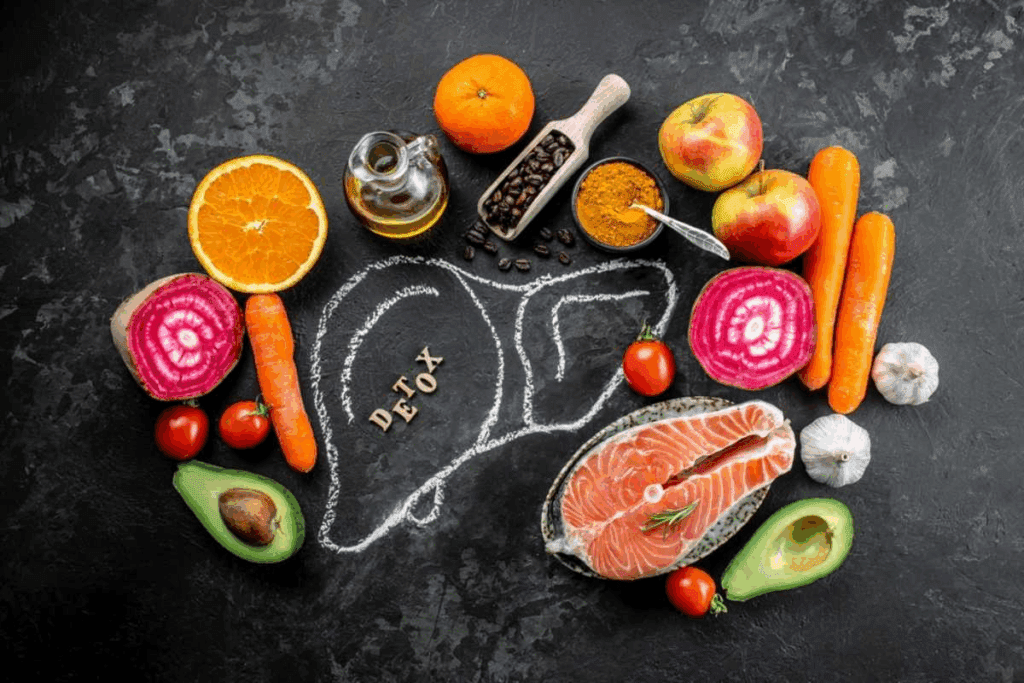
Eggs have both good and bad points for people with kidney disease. They are made up of different parts that offer different health benefits.
Complete Nutrient Profile of Whole Eggs
Whole eggs are packed with nutrients like protein, vitamins, and minerals. They have about 6-7 grams of protein, mostly in the egg white. The yolk is full of vitamins A, D, E, and B12, and minerals like zinc and iron.
But, whole eggs also have phosphorus and cholesterol. These are things to think about for people with kidney disease. The phosphorus can affect how well the kidneys work.
Egg Whites: Protein Content and Minimal Minerals
Egg whites are a great source of protein, with about 3.6 grams per large egg white. They have very little phosphorus, making them good for a renal diet.
The protein in egg whites is top-notch because it has all the amino acids we need. Plus, egg whites have few minerals, which is good for people who need to watch their mineral intake.
Egg Yolks: Nutrient Density and Mineral Considerations
Egg yolks are very dense with nutrients like vitamin D and choline. But, they also have a lot of phosphorus, which is a worry for people with kidney disease.
The choline in egg yolks turns into TMAO in our bodies. TMAO is linked to heart disease. For people with kidneys, it’s important to balance their diet to avoid heart risks.
Nutrient | Whole Egg (Large) | Egg White (Large) | Egg Yolk (Large) |
Protein (g) | 6.3 | 3.6 | 2.7 |
Phosphorus (mg) | 100 | 5 | 95 |
Cholesterol (mg) | 186 | 0 | 186 |
Eggs Kidney Disease Connection: What Research Shows
Research has looked into how eggs affect kidney disease. It shows different effects at different stages of CKD. It’s important to look at recent studies to understand the link between eggs and kidney health.
Clinical Studies on Egg Consumption in CKD
Many studies have checked how eggs affect people with Chronic Kidney Disease (CKD). A key finding is that egg whites are good for dialysis patients. They offer high-quality protein without the bad stuff in egg yolks.
- A study in the Journal of Renal Nutrition found eggs don’t harm kidney function in CKD patients.
- Another study showed eggs help keep muscle mass up. This is important for health in CKD patients.
Effects on Laboratory Values
Research has looked at how eggs affect lab values in CKD patients. It’s focused on serum creatinine, urea, and phosphorus levels.
- Studies say moderate egg eating doesn’t change serum creatinine or urea in most CKD patients.
- But, egg yolks’ phosphorus can be a problem for those with advanced CKD. It might raise phosphorus levels.
Differences in Research Findings by CKD Stage
It’s important to remember that research on eggs varies by CKD stage. For example:
- Early CKD patients might be okay with eggs. Their kidneys are working better.
- But, those with advanced CKD or on dialysis should watch out. Egg yolks have too much phosphorus and cholesterol.
Understanding these differences helps doctors and patients decide about eggs in a renal diet.
Benefits of Eggs for Kidney Patients
Eggs are a nutritional powerhouse that can greatly benefit kidney patients. They are packed with high-quality protein, essential nutrients, and are affordable. This makes them a great addition to a renal diet.
High-Quality Protein Source
Eggs are a top-notch protein source for kidney patients. Protein is key for keeping muscles strong and overall health good. High-quality protein in eggs gives all the amino acids our bodies need.
Essential Amino Acids and Muscle Maintenance
The protein in eggs has amino acids like leucine, which is important for muscle growth. This is key for kidney patients who might lose muscle due to their condition or treatment.
Affordability and Accessibility
Eggs are not just nutritious but also affordable and easy to find. This makes them a great protein option for kidney patients, no matter their financial situation. Adding eggs to their diet is easy on the wallet.
Versatility in Renal Diet Meal Planning
Eggs are super versatile and can be made in many ways. They fit well into a renal diet meal plan. You can make scrambled eggs, omelets, baked goods, and even desserts with eggs.
Nutritional Benefit | Value per Large Egg |
Protein | 6.3 grams |
Essential Amino Acids | Various (including leucine) |
Phosphorus | 86 mg |
Potassium | 63 mg |
The table shows eggs have a good mix of protein and nutrients. They are also low in phosphorus and potassium, making them good for kidney patients.
Potential Risks of Egg Consumption in Kidney Disease
Eggs can be good for a renal diet, but there are risks for those with kidney disease. Eggs have phosphorus, which is often limited in diets for kidney patients. This is because too much phosphorus can cause problems.
Phosphorus Accumulation Concerns
Too much phosphorus can harm kidney disease patients. It can lead to heart disease and bone issues. “Managing phosphorus intake is key for those with chronic kidney disease,” say recent guidelines.
Egg yolks have a lot of phosphorus, about 90-100 mg in a large egg. For those on a renal diet, this is a big deal, as they might eat several eggs a day. It’s important to balance egg intake with other phosphorus sources to stay safe.
Cholesterol Considerations for Comorbid Conditions
Eggs have a lot of cholesterol, about 186 mg in a large egg. For kidney disease patients, this is a worry, as they might have heart or lipid issues. We need to think about the whole diet and health when talking about eggs.
Most people don’t see a big effect from dietary cholesterol. But for kidney disease patients, it’s not just about cholesterol. It’s about fitting eggs into a heart-healthy diet.
Individual Variations in Tolerance
How well someone can handle eggs varies a lot in kidney disease patients. The stage of kidney disease, other health issues, and diet all play a part. Some can eat eggs without problems, while others need to limit them more.
Getting personalized diet advice is key for managing kidney disease. “Diet plans should be tailored to each person’s health and lab results,” say renal dietitians.
It’s best to work with healthcare providers to figure out how to include eggs in a renal diet. Keeping an eye on lab results, like phosphorus and cholesterol, helps make dietary choices.
Egg Whites: The Optimal Choice for Dialysis Patients
Research shows egg whites are great for dialysis patients. We’ll see how they can help in a dialysis diet.
Research-Backed Benefits for Dialysis Patients
Egg whites are good for dialysis patients. They have lots of protein, which helps keep muscles strong. They also have low phosphorus and cholesterol, making them perfect for those with kidney disease.
Studies show egg whites can lower phosphorus levels. This is key for dialysis patients to avoid phosphorus buildup. This can improve health and reduce complications.
Impact on Anemia Management
Anemia is common in dialysis patients. Egg whites can help manage it. They support red blood cell production, which is vital for anemia management.
Egg whites are also full of nutrients. They’re good for health without the high phosphorus found in other proteins. This makes them great for dialysis patients watching their phosphorus intake.
Practical Applications in Dialysis Diet Plans
Adding egg whites to a dialysis diet is easy and flexible. They can be eaten alone, mixed into dishes, or used in recipes. It’s wise for dialysis patients to talk to a renal dietitian for meal plans with egg whites.
When planning meals, balance egg whites with other nutrient-rich foods. This ensures a balanced diet for dialysis patients managing their kidney disease.
How Many Eggs Can a Kidney Patient Eat Per Day?
Figuring out how many eggs a kidney patient can eat each day is important. It depends on their kidney function and lab results. Eggs are good for kidney patients because they have high-quality protein. But, how much they can eat depends on their health and needs.
Guidelines Based on CKD Stages
The stage of chronic kidney disease (CKD) affects how many eggs a patient can eat. Early CKD stages have less strict dietary rules than later stages.
Early Stages of CKD: Patients with CKD stages 1 and 2 might not need to cut down on eggs too much. But, it’s key to eat a balanced diet. Talking to a healthcare provider or dietitian is a good idea.
Advanced Stages of CKD: For those in stages 4 and 5 CKD, or on dialysis, diet rules get tighter. They might need to watch out for phosphorus and potassium in eggs.
Balancing Egg Consumption with Other Protein Sources
Eating eggs with other protein sources is important for a healthy diet. Kidney patients can get protein from animals and plants. Lean meats, fish, beans, and lentils are good options too.
- Mixing different proteins helps get all the amino acids needed.
- It’s key to balance protein with other nutrients for health.
Monitoring Approach: Laboratory Values to Track
Keeping an eye on lab results is vital for managing egg intake and kidney health. Watch serum creatinine, urea, phosphorus, potassium, and albumin levels.
Changing egg intake based on lab results helps avoid problems and meets nutritional needs. Working with healthcare providers to understand lab results is important for making good food choices.
By managing egg intake and watching kidney function, patients can enjoy eggs’ benefits while avoiding risks.
Kidney-Friendly Egg Recipes and Preparation Methods
For kidney patients, it’s key to cook eggs in ways that are low in sodium and full of nutrients. Eggs are naturally low in sodium, which makes them a good choice for a renal diet. But, it’s important to think about how we prepare them to keep them safe for the kidneys.
Low-Sodium Cooking Techniques
Cooking eggs without salt is a simple way to make them safe for the kidneys. Instead of salt, we can use herbs and spices to add flavor. For example, garlic, onion powder, or paprika can make them taste great without adding sodium.
Tips for Low-Sodium Egg Cooking:
- Use olive oil or avocado oil for frying
- Add diced vegetables like bell peppers or mushrooms for added flavor
- Experiment with different herbs like parsley or basil
Egg White-Focused Recipes
Egg whites are a great source of protein with little phosphorus and cholesterol compared to whole eggs. For kidney patients, focusing on egg whites can be very helpful, even for those on dialysis.
Egg White Omelette Recipe:
- Whisk 2 egg whites with salt-free seasoning
- Add diced spinach and mushrooms
- Cook in a non-stick pan until set
Combining Eggs with Renal-Friendly Ingredients
Mixing eggs with other ingredients that are good for the kidneys can make meals both tasty and healthy. Vegetables like zucchini, tomatoes, and bell peppers are not only tasty but also packed with nutrients.
Veggie and Egg Scramble:
- Scramble 1 whole egg with 2 egg whites
- Add diced tomatoes and spinach
- Cook until the vegetables are tender
By using these kidney-friendly egg recipes and cooking methods, kidney patients can enjoy the benefits of eggs while managing their health well.
Conclusion: Making Informed Decisions About Eggs in Your Renal Diet
We’ve looked into how eggs and kidney disease are connected. Eggs are a great protein source, full of important amino acids. They’re also affordable and easy to find, making them good for those with kidney disease.
Eggs can be good for people with kidney disease, but it depends on their health and diet needs. Studies show that eggs might help improve health in some cases of kidney disease. This is true when they’re eaten as part of a balanced diet.
Thinking about adding eggs to your diet? Remember to watch out for phosphorus and cholesterol. It’s smart to talk to a doctor or dietitian to see if eggs are right for you. Making smart choices about food can help manage kidney disease and boost your health.
FAQ
Are eggs good for kidneys?
Eggs can be good for a renal diet if eaten in small amounts. They offer high-quality protein and amino acids. But, kidney patients should watch their phosphorus and cholesterol intake.
Are eggs ok for a renal diet?
Eggs can fit into a renal diet, but it depends on the person’s needs. Egg whites are better for kidney patients because they have less phosphorus.
How many eggs can a kidney patient eat per day?
The number of eggs a kidney patient can eat varies. It depends on the stage of kidney disease and nutritional needs. Moderation is key, and a healthcare provider should guide.
Are egg yolks bad for kidneys?
Egg yolks have phosphorus and cholesterol, which are concerns for kidney patients. They are rich in nutrients but may need to be limited.
Are scrambled eggs good for the kidneys?
Scrambled eggs can be good for kidneys if made with low-sodium ingredients. Avoid adding high-phosphorus or high-potassium items. Egg whites are better for phosphorus control.
Is egg good for kidney creatinine?
Eggs provide protein, which helps keep muscle mass. Their effect on creatinine levels varies by individual. It depends on diet and kidney function. Patients should watch their lab results and adjust their diet.
Can I eat eggs if I have kidney stones?
Eggs might be okay for those with kidney stones, depending on diet and nutritional needs. Some studies link animal protein to stone risk.
How does phosphorus in eggs affect kidney disease?
Eggs have phosphorus, mainly in yolks, which is a concern for kidney disease. It’s hard for kidneys to manage phosphorus levels. Keeping phosphorus intake low is key to managing CKD.
Are eggs kidney friendly?
Eggs can be part of a kidney-friendly diet if chosen wisely. Opting for egg whites over whole eggs helps reduce phosphorus intake, making them better for kidney patients.
Can I eat eggs if I have chronic kidney disease (CKD)?
People with CKD can eat eggs, but it’s important to consider their specific needs and disease stage. It’s best to consult a healthcare provider or dietitian.
References
National Center for Biotechnology Information. Eggs in Kidney Disease: A Safe Protein Source. Retrieved from https://www.ncbi.nlm.nih.gov/pmc/articles/PMC6315879/