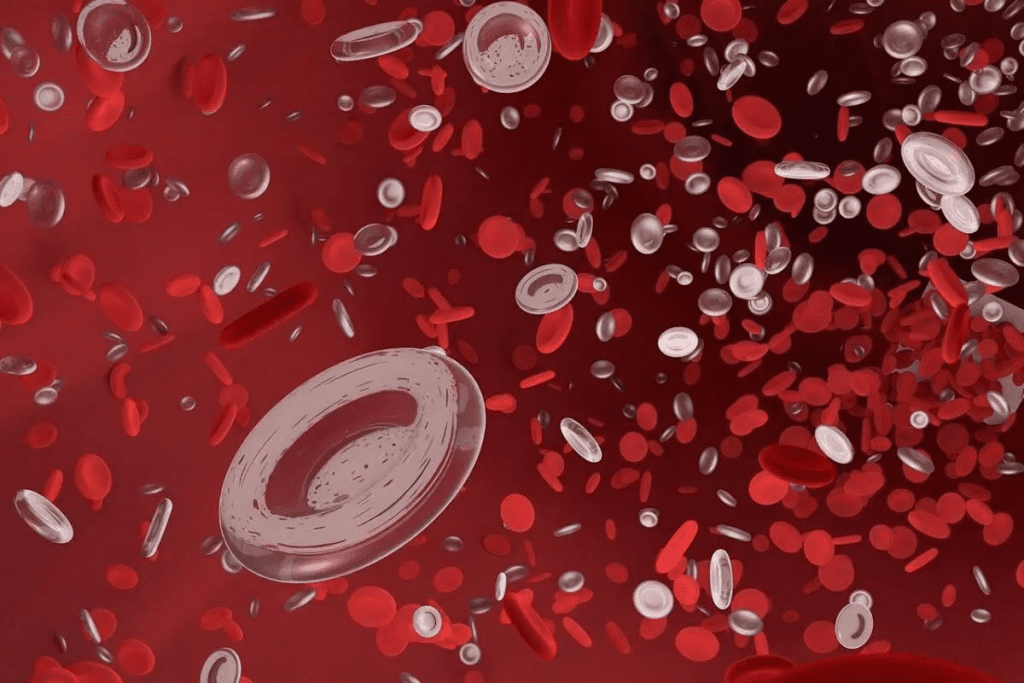
Did you know that nearly 25% of the world’s population has anemia? This is a condition where there’s not enough red blood cells or hemoglobin. Red blood cell production is key for oxygen delivery in the body. Vitamins are vital in this process.
We’ll look at how vitamin B12 and folic acid are key for healthy red blood cells. Not having enough of these vitamins can cause anemia. This leads to tiredness, weakness, and other health problems. Also, magnesium and other nutrients like electrolytes help keep blood healthy.
Key Takeaways
- Vitamin B12 is essential for making red blood cells.
- Folic acid deficiency can cause anemia.
- Magnesium helps with blood health.
- Eating a balanced diet prevents anemia.
- Lack of nutrients can harm red blood cells.
The Process of Red Blood Cell Production
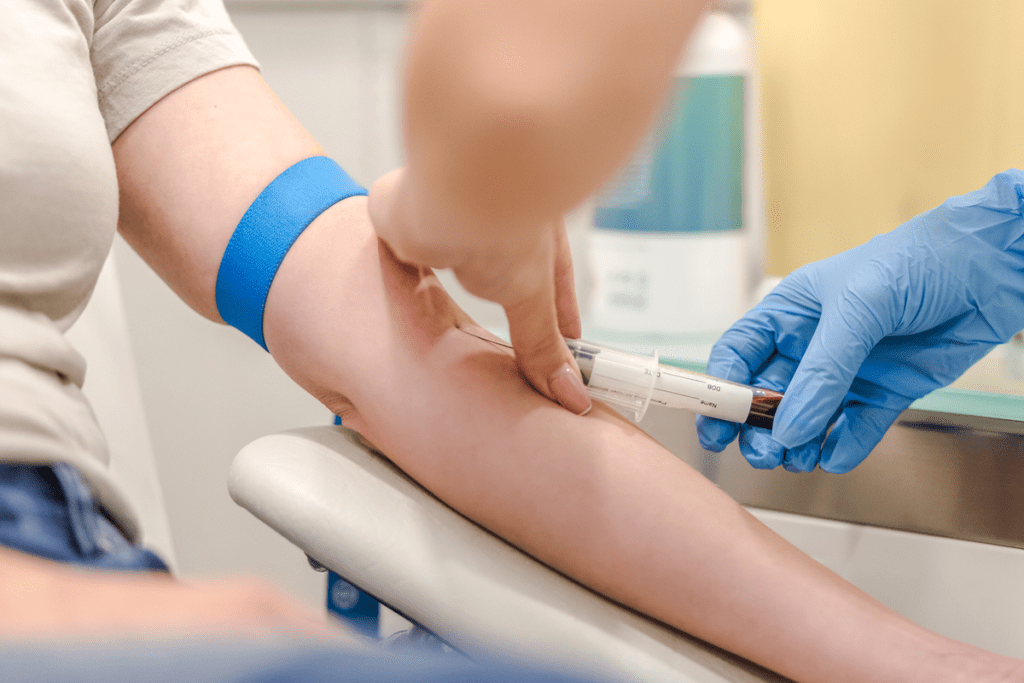
Red blood cell production, or erythropoiesis, is a complex process. It involves many nutrients and cellular mechanisms working together. “Erythropoiesis is a vital process that ensures the delivery of oxygen to tissues and organs,” showing its importance.
Understanding Erythropoiesis
Erythropoiesis happens in the bone marrow. Here, hematopoietic stem cells turn into red blood cells through complex steps. This process is controlled by growth factors and nutrients, like erythropoietin, a hormone from the kidneys that boosts red blood cell production.
Research from the University of Tsukuba found that improving culture media for cell growth can greatly help erythropoiesis. This shows how important nutrients are in this process.
Key Nutrients Required for Healthy Blood Cells
Healthy red blood cells need a variety of essential nutrients. Iron is key for making hemoglobin, the protein that carries oxygen. Vitamin B12 and folate are also important. They help with DNA synthesis and cell division.
- Iron: Essential for hemoglobin production and oxygen transport.
- Vitamin B12: Plays a critical role in DNA synthesis and red blood cell maturation.
- Folate: Needed for DNA synthesis and repair, preventing anemia.
It’s important to get enough of these nutrients. This helps keep red blood cell production healthy and prevents anemia.
Vitamin B12: The Critical Cobalamin for Red Blood Cell Development
Vitamin B12, also known as cobalamin, is key for making red blood cells. We’ll see how it’s vital for red blood cell formation and function. We’ll also look at what happens with a deficiency.
Mechanism of B12 in DNA Synthesis and Cell Division
Vitamin B12 is vital for DNA synthesis, a key step in making red blood cells. It acts as a cofactor for the enzyme methionine synthase. This enzyme is needed to turn homocysteine into methionine, an amino acid used in DNA.
Without enough vitamin B12, DNA synthesis is harmed. This leads to the creation of large, immature red blood cells. These cells can’t function well.
The process of cell division is also affected by vitamin B12 deficiency. Inadequate DNA synthesis results in megaloblastic anemia. This is when red blood cells are too big and can’t divide right. It shows how important vitamin B12 is for healthy red blood cell production.
Intrinsic Factor and B12 Absorption
The absorption of vitamin B12 is complex. It involves an intrinsic factor, a protein made by the stomach lining. Intrinsic factor helps vitamin B12 from food get absorbed in the ileum of the small intestine. Without it, the body can’t absorb vitamin B12 well, leading to deficiency over time.
- Intrinsic factor is key for vitamin B12 absorption.
- A lack of intrinsic factor can cause pernicious anemia.
- Stomach or ileum problems can also affect vitamin B12 absorption.
Folate (Vitamin B9): Partner to B12 in Blood Cell Formation
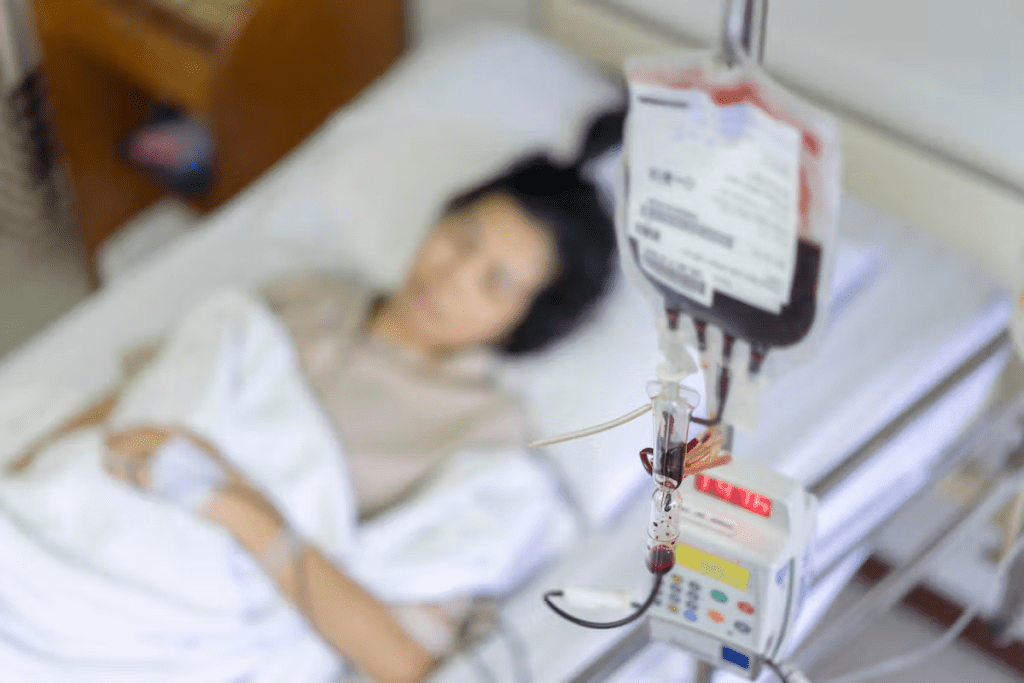
Folate is a key nutrient in making healthy red blood cells. It’s important for DNA synthesis and methylation. These processes help cells divide and grow.
Folate’s Role in DNA Synthesis and Methylation
Folate helps make tetrahydrofolate, needed for DNA building blocks. Without enough folate, DNA synthesis fails. This leads to megaloblastic anemia, where red blood cells are too big and often faulty.
Methylation is another process folate supports. It turns homocysteine into methionine. This keeps homocysteine levels in check and aids in protein synthesis and fat metabolism.
“Folate deficiency can lead to a range of health issues, including megaloblastic anemia, fatigue, and neurological problems. Ensuring adequate intake of folate through diet or supplementation is critical for healthy red blood cells.”
Differences Between Folic Acid and Natural Folate
Folic acid is the synthetic form used in supplements and fortified foods. It’s good for preventing deficiency but needs to be converted to 5-methyltetrahydrofolate to be used by the body.
Natural folate, found in foods like leafy greens and citrus fruits, is ready to use. But its availability can change with cooking and processing.
| Characteristics | Folic Acid | Natural Folate |
| Source | Supplements, fortified foods | Leafy greens, legumes, citrus fruits |
| Bioavailability | High, but requires conversion | Variable, sensitive to cooking |
| Form | Synthetic | Natural |
Knowing the difference between folic acid and natural folate helps in making better diet choices. Adequate folate is key for healthy red blood cells and overall health.
Vitamin B6: The Pyridoxine Connection to Hemoglobin Synthesis
Pyridoxine, or vitamin B6, plays a key role in making hemoglobin. This protein is in red blood cells and carries oxygen. We’ll see how vitamin B6 helps in making heme and what happens if it’s lacking.
B6 Involvement in Heme Production
Vitamin B6 is vital for making heme, the iron part of hemoglobin. It helps enzymes in the heme-making process. The first step, making delta-aminolevulinic acid (ALA), needs vitamin B6’s active form, PLP.
Sideroblastic Anemia and B6 Deficiency
Not having enough vitamin B6 can cause sideroblastic anemia. This is when iron builds up in red blood cell precursors, stopping heme production. This shows how important vitamin B6 is for red blood cells.
| Role of Vitamin B6 | Description | Impact on Heme Production |
| Cofactor for ALA Synthase | Vitamin B6 (PLP) is needed for ALA synthase to work right. | Key for the first heme synthesis step. |
| Regulation of Heme Biosynthesis | Vitamin B6 controls enzymes in heme making. | Helps in making heme and stops buildup of parts. |
| Prevention of Sideroblastic Anemia | Enough vitamin B6 stops sideroblastic anemia. | Keeps red blood cells healthy by ensuring heme is made right. |
Vitamin A: Regulator of Stem Cell Differentiation in Bone Marrow
Vitamin A is key in controlling stem cell growth in the bone marrow. It helps hematopoietic stem cells work right. These cells make all blood cells, like red ones.
We’ll see how vitamin A affects these stem cells. Vitamin A’s role is complex, involving many genes and pathways.
Impact on Hematopoietic Stem Cell Development
Hematopoietic stem cells (HSCs) keep our blood cells making throughout life. Vitamin A, as retinoic acid, helps HSCs grow and change. It controls genes for cell growth and death, ensuring blood cell balance.
A study found vitamin A lack harms HSCs, cutting blood cell making. Here’s what vitamin A does for HSCs:
| Aspect of HSC Development | Effect of Vitamin A |
| Self-renewal | Promotes self-renewal through regulation of specific genes |
| Differentiation | Guides differentiation towards various blood cell lineages |
| Cell Cycle Progression | Regulates cell cycle progression, ensuring balanced production |
Vitamin A Deficiency and Impaired Erythropoiesis
Vitamin A lack harms red blood cell making. It’s because of fewer stem cells and needed cells. This can cause anemia and blood problems.
Studies show vitamin A helps in such cases. It boosts iron use and marrow’s red blood cell making.
In short, vitamin A is vital for bone marrow stem cell growth. It’s key for blood cell making. We need enough vitamin A for healthy blood.
Vitamin C: Iron Absorption Enhancer for Red Blood Cell Production
Vitamin C, also known as ascorbic acid, is key for better iron absorption. This is vital for making healthy red blood cells. It helps a lot with non-heme iron, which is found in plant-based foods.
How Ascorbic Acid Improves Non-Heme Iron Absorption
Non-heme iron from plants isn’t as easily absorbed as heme iron from animals. But, eating vitamin C with iron-rich plants can help a lot. Even a little vitamin C can make a big difference.
For example, orange juice with a meal that has iron from plants can really help. Eating foods high in vitamin C, like citrus fruits and bell peppers, with iron-rich foods like beans and cereals is a good idea.
| Foods High in Vitamin C | Foods High in Non-Heme Iron |
| Oranges | Beans |
| Strawberries | Lentils |
| Bell Peppers | Fortified Cereals |
Antioxidant Protection for Developing Red Blood Cells
Vitamin C also protects red blood cells from damage. It fights off free radicals, keeping cells healthy. This is important for the growth of red blood cells.
Antioxidant benefits of vitamin C include:
- Protecting cell membranes from oxidative stress
- Supporting the overall health of red blood cells
- Enhancing the body’s ability to fight off infections
Eating enough vitamin C helps make healthy red blood cells. This is very important for people at risk of iron deficiency anemia.
Vitamin E: Protector of Red Blood Cell Membrane Integrity
Vitamin E is key to keeping red blood cells strong. It acts as a powerful antioxidant, shielding the cell membranes from damage. This prevents the red blood cells from breaking down, a process called hemolysis.
Antioxidant Functions in Preventing Hemolysis
Vitamin E’s antioxidant powers are vital for red blood cells. It fights off free radicals, keeping the cell membranes flexible and strong. This way, red blood cells can handle the demands of blood flow without bursting.
Vitamin E’s role in protecting red blood cells is like keeping a delicate container intact. Without it, the contents spill out, causing cell damage.
Vitamin E Deficiency and Hemolytic Anemia
Lacking vitamin E can cause hemolytic anemia, where red blood cells break down too early. This weakens the cell membrane, making red blood cells more prone to damage.
Vitamin E deficiency can have serious effects, mainly in people with genetic disorders or those who can’t absorb nutrients well. It’s important to get enough vitamin E through food or supplements to avoid these problems.
Foods high in vitamin E, like nuts, seeds, and vegetable oils, are important for a healthy diet. They help keep red blood cells in good shape. Knowing how vitamin E helps prevent hemolytic anemia shows how important a balanced diet is for our blood health.
“The relationship between vitamin E and red blood cell health shows how nutrition and body function are closely linked.”
Vitamin D: Emerging Research on Erythropoiesis Regulation
New studies show vitamin D might be key in making healthy red blood cells. It’s exciting to see how vitamin D affects our bodies, including how it helps make red blood cells. Making red blood cells is a complex task that needs the right nutrients and hormones.
Vitamin D Receptors in Bone Marrow Progenitor Cells
Research found vitamin D receptors in cells that make red blood cells. This means vitamin D could directly help in making and maturing red blood cells. Studies also found vitamin D affects genes that help red blood cells grow and change.
This discovery shows vitamin D might play a big role in making red blood cells. It shows how vitamins and blood cell making are connected.
Correlation Between Vitamin D Status and Anemia
Studies looked at how vitamin D levels relate to anemia. They found people with low vitamin D are more likely to have anemia. This suggests vitamin D might be important for red blood cell health.
We need more research to understand vitamin D’s role in making red blood cells. Learning more about vitamin D could help us find new ways to fight anemia.
Iron: The Essential Non-Vitamin for Hemoglobin Formation
Iron is key for making hemoglobin, which lets red blood cells carry oxygen. Without enough iron, the body can’t make healthy red blood cells. This makes it hard to get oxygen to the body’s cells.
Iron’s Central Role in Oxygen Transport
Iron is vital for hemoglobin’s job. It helps bind and release oxygen in the body. This is how oxygen gets to all parts of the body, keeping us healthy and energetic.
Oxygen Transport Mechanism: Oxygen binds to iron in hemoglobin. This lets hemoglobin pick up oxygen in the lungs and release it in the body’s tissues.
Iron Deficiency Anemia: Stages and Symptoms
Iron deficiency anemia happens when the body lacks enough iron. This leads to not enough hemoglobin. The condition gets worse over time, showing different symptoms.
The stages of iron deficiency anemia include:
- Stage 1: Depletion of iron stores
- Stage 2: Iron-deficient erythropoiesis
- Stage 3: Iron deficiency anemia
| Stage | Characteristics | Symptoms |
| 1 | Depletion of iron stores | Generally asymptomatic |
| 2 | Iron-deficient erythropoiesis | Mild fatigue, weakness |
| 3 | Iron deficiency anemia | Severe fatigue, pale skin, shortness of breath |
It’s important to know the signs of iron deficiency anemia early. Symptoms include tiredness, weakness, pale skin, and shortness of breath. If left untreated, it can cause serious health problems like brain fog and more infections.
Copper, Zinc and Other Minerals in Red Blood Cell Production
Minerals like copper, zinc, and selenium are key for making red blood cells. They help our body carry oxygen well. These minerals help in making hemoglobin and protect red blood cells from damage.
Copper’s Role in Iron Mobilization and Utilization
Copper is very important for making red blood cells. It helps move iron around in the body. Without enough copper, iron can’t be used for hemoglobin, leading to anemia.
Copper also helps control how red blood cells are made. Studies show that without enough copper, we make fewer red blood cells. So, it’s key to have enough copper for healthy red blood cells.
Zinc, Selenium, and Manganese Contributions to Erythropoiesis
Zinc is also vital for making red blood cells. It helps with DNA and cell division. Without enough zinc, growth and red blood cell production can be affected.
Selenium helps protect red blood cells from damage. It’s part of selenoproteins that fight oxidative stress. Selenoprotein P helps protect cells, including those making blood.
Manganese helps with antioxidant defenses. It’s not as direct in red blood cell production as copper or zinc. But, it’s important for keeping red blood cells healthy.
In summary, minerals like copper, zinc, selenium, and manganese are essential for red blood cells. Eating right or taking supplements can help support their production and health.
Electrolytes: Their Critical Role in Red Blood Cell Function
Electrolytes are key for many body functions, including red blood cells. These charged minerals help keep red blood cells healthy and working right.
Sodium, Potassium and Cell Membrane Potentia
The balance of sodium and potassium ions is vital for red blood cells. The sodium–potassium pump helps keep this balance. It moves sodium out and potassium in, keeping the cells strong.
This balance is very important. Without it, cells can swell or shrink, leading to problems.
Magnesium’s Role in ATP Production for Erythrocyte Metabolism
Magnesium is also key for red blood cells. It helps make ATP, the cell’s energy source. ATP lets red blood cells move through tight spaces and work properly.
Not having enough magnesium hurts energy production. This can make red blood cells less flexible and less able to function well.
Electrolyte Imbalances and Their Impact on Red Blood Cells
When electrolytes are out of balance, it can harm red blood cells. For example, too little potassium can cause heart problems. Not enough magnesium can make it hard for red blood cells to change shape and survive.
It’s important to keep electrolytes balanced for healthy red blood cells. Doctors often check these levels, mainly in patients with kidney disease or those on diuretics.
High-Risk Populations for Vitamin Deficiencies
We find certain groups are more likely to have vitamin deficiencies. This affects their health. Age, diet, and health issues play a big role.
Elderly and Malabsorption Conditions
Older adults face a higher risk of vitamin deficiencies. This is because their bodies absorb nutrients less well. They might not eat enough vitamins either.
Conditions like gastric atrophy and some medicines make it harder to absorb vitamins. This is a big problem for B12.
- Decreased stomach acid production
- Impaired intrinsic factor production
- Use of medications that interfere with nutrient absorption
Vegetarians, Vegans, and B12 Concerns
People who don’t eat meat or animal products face a big risk of vitamin B12 deficiency. B12 is mostly in animal foods. This can cause serious health problems like anemia and nerve issues.
To avoid this, vegetarians and vegans can eat fortified foods or take supplements. It’s also important to check their B12 levels regularly.
Pregnancy and Increased Nutritional Demands
Pregnant women need more nutrients because of the growing baby. Not getting enough folate and iron is a big worry. It can cause serious problems like neural tube defects and anemia.
It’s key to get enough of these nutrients through food or supplements. Prenatal vitamins help meet these needs for both mom and baby.
Knowing which groups are at risk helps doctors give better advice. This can help prevent vitamin deficiencies and their health problems.
Dietary Sources of Red Blood Cell-Supporting Nutrients
To help make red blood cells, eating foods rich in vitamins and minerals is key. A diet full of nutrient-dense foods gives the body what it needs for healthy red blood cells.
Animal-Based Sources of B12, Iron, and Other Nutrients
Animal foods are packed with nutrients important for making red blood cells. Vitamin B12 is mainly found in:
- Organ meats (liver, kidney)
- Red meat (beef, lamb)
- Poultry (chicken, turkey)
- Fish and seafood (salmon, tuna, clams)
- Dairy products (milk, cheese, eggs)
Iron from animal sources is better absorbed by the body. Foods like red meat, poultry, and seafood are high in heme iron.
Plant-Based Sources of Folate, Iron, and Supporting Vitamins
Plant foods offer nutrients not found in animal products. Folate (Vitamin B9) is found in:
- Dark leafy greens (spinach, kale, broccoli)
- Legumes (lentils, chickpeas, black beans)
- Nuts and seeds (sunflower seeds, almonds)
- Whole grains (quinoa, brown rice)
Plant-based iron is found in legumes, dark greens, and fortified cereals. Vitamin C helps the body absorb this iron better.
Supplements and Fortified Foods: Benefits and Limitations
While a balanced diet is best, supplements and fortified foods can help too. They offer concentrated amounts of nutrients like iron, folate, and B12, which are vital for red blood cells.
Fortified foods, like cereals and plant-based milk, also help meet daily needs. But, be careful not to take too much. Always talk to a doctor before starting any supplements.
Conclusion:
Getting the right vitamins is key for healthy red blood cells. We’ve looked at how vitamins like B12, folate, and iron help make red blood cells. Eating a balanced diet with these nutrients is important to avoid deficiencies and stay healthy. We stress the need for a diet full of foods rich in these vitamins and minerals. Sometimes, supplements can fill in the gaps. By focusing on getting enough nutrients, we can keep our red blood cells healthy and our overall health good. Knowing how vitamins affect our red blood cells helps us support our bodies better. This knowledge lets us make smart choices about what we eat and how we live. It helps us live a healthier life.
FAQ
What vitamins are key for making red blood cells?
Vitamins B12, folate, B6, A, C, E, and D are vital. Each one has a special role in making red blood cells.
How does vitamin B12 help in making red blood cells?
Vitamin B12 is key for DNA making and cell growth. Without enough, you might get anemia. You need an intrinsic factor to absorb it.
What role does folate play in blood cell formation?
Folate works with B12 in DNA making and cell growth. Not having enough can cause anemia. Folic acid is a man-made version of folate.
How does vitamin B6 affect hemoglobin production?
Vitamin B6 helps make heme. Without it, you might get sideroblastic anemia.
What effect does vitamin A have on stem cell development in bone marrow?
Vitamin A helps control stem cell growth in bone marrow. Without it, making red blood cells can be hard.
How does vitamin C help with iron absorption?
Vitamin C boosts iron absorption from non-heme sources. It also protects red blood cells from damage.
What role does vitamin E play in keeping red blood cells intact?
Vitamin E keeps red blood cell membranes safe from damage. This prevents them from breaking down too quickly.
Is there a connection between vitamin D and making red blood cells?
Research shows vitamin D might help control making red blood cells. Vitamin D levels are linked to anemia.
Why is iron important for making hemoglobin?
Iron is essential for carrying oxygen. Without enough, you might get anemia.
What minerals are important for making red blood cells, aside from iron?
Copper, zinc, selenium, and manganese are important. Copper helps release iron for use.
How do electrolytes affect red blood cell function?
Electrolytes like sodium, potassium, and magnesium keep cell membranes working right. They also help with red blood cell metabolism.
Who is at risk for vitamin deficiencies?
Older adults with malabsorption issues, vegetarians and vegans, and pregnant women are at risk. They need more nutrients.
Where can I find nutrients for red blood cells in my diet?
Animal products have B12 and iron. Plants have folate and iron. Supplements and fortified foods can also help.
Can supplements prevent vitamin deficiencies?
Supplements can help, but talk to a doctor first. They’ll figure out what’s best for you.
How can I make sure I get enough vitamins for healthy red blood cells?
Eat a balanced diet and think about supplements if needed. This helps avoid deficiencies and keeps you healthy.
References
- Bailey, L. B. (2010). Folate in health and disease. CRC Press. https://pubmed.ncbi.nlm.nih.gov/20437348/