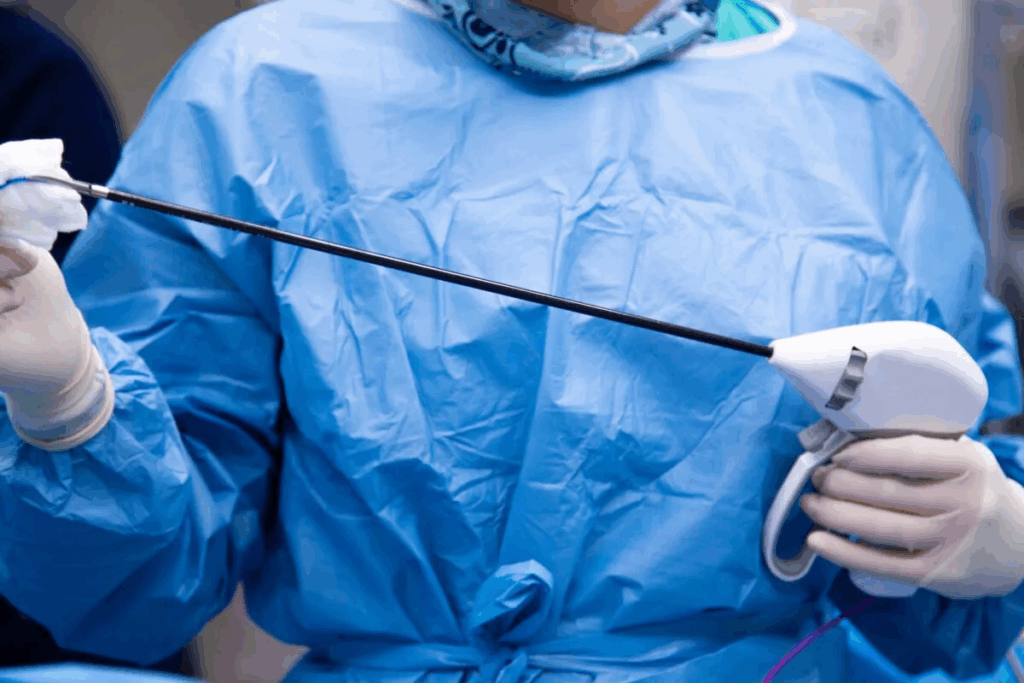
For those battling obesity, Endoscopic Sleeve Gastroplasty (ESG) is a game-changer. It’s a non-surgical way to shrink the stomach. This makes it a top choice for those who haven’t lost weight with diet and exercise. Detailed guide to the endoscopic sleeve gastrectomy procedure.
Doctors use an endoscope to stitch the stomach, making it smaller. This method helps with weight loss and is very safe. It’s great for people who can’t handle big surgeries or prefer a gentler approach.
Key Takeaways
- ESG is a minimally invasive weight loss procedure.
- It uses full-thickness suturing technology to reduce stomach size.
- Ideal for patients who have not benefited from diet and exercise.
- Performed using an endoscope, avoiding surgical cuts.
- Offers a safer alternative for high-risk surgical candidates.
Understanding Endoscopic Sleeve Gastroplasty (ESG)
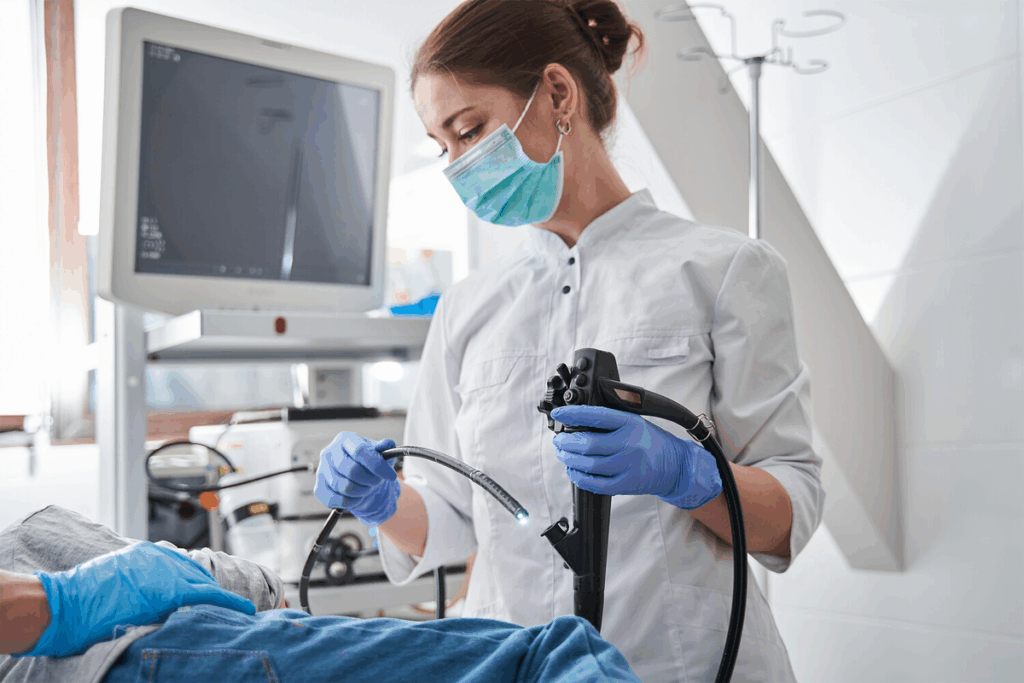
Endoscopic Sleeve Gastroplasty (ESG) has changed the way we think about weight loss treatments. It’s a less invasive option compared to traditional bariatric surgery. Let’s dive into what it is, how it works, and its history.
Definition and Basic Concept of ESG Weight Loss
ESG is a non-surgical way to lose weight. It uses a flexible tube with a camera and a special device to sew the stomach. This method shrinks the stomach size without making cuts on the outside. Studies show ESG can lead to about 16% weight loss in a year, making it a good choice for those looking to lose a lot of weight.
History and Development of the Procedure
The story of ESG is one of constant improvement. It was created as a safer option than traditional bariatric surgery. Over time, it has become safer and more effective. Today, it’s seen as a safe and effective way to lose weight, with fewer risks than surgery.
Exploring ESG shows how far medical technology has come. It proves that we can achieve big weight loss results safely. This makes ESG a promising option for those looking to lose weight.
The Science Behind Endoscopic Sleeve Gastrectomy
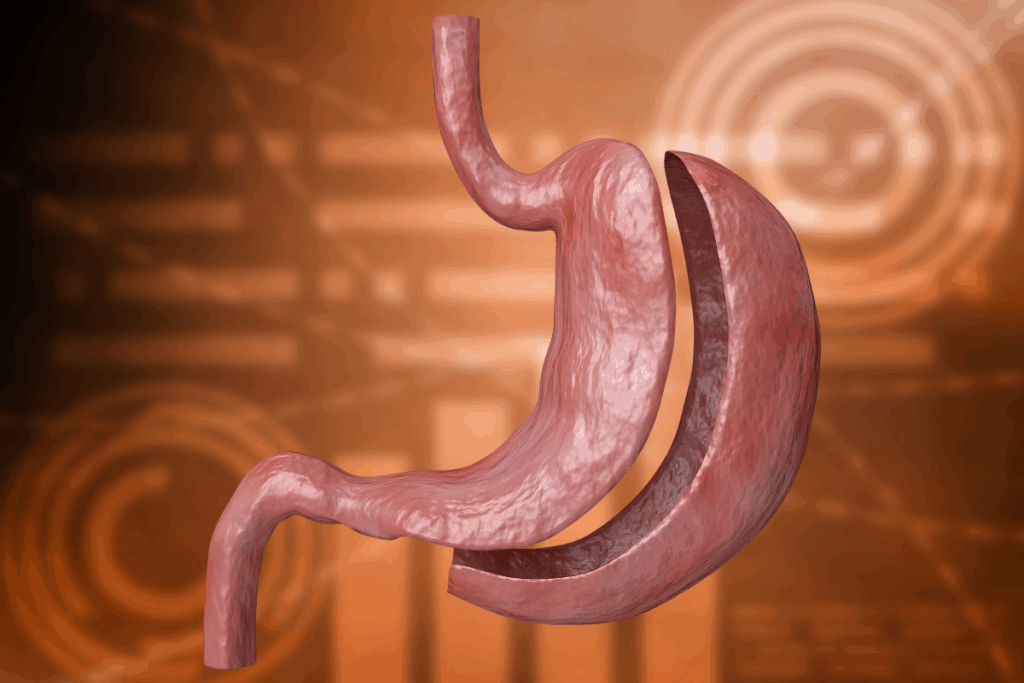
Understanding Endoscopic Sleeve Gastrectomy (ESG) is key to seeing its role in weight management. It’s not just a simple procedure. It causes deep changes in how our body works, leading to weight loss.
Mechanism of Action: Beyond Simple Restriction
ESG works in many ways, not just by making the stomach smaller. It limits food intake but also changes how the stomach moves and signals hormones. These changes help in losing weight.
An endoscopic device creates a sleeve-shaped stomach. This reduces stomach size and changes its function. The secret to ESG’s success is in slowing down stomach emptying and making you feel full sooner.
Delayed Gastric Emptying and Early Satiation Effects
Delayed stomach emptying is a big reason for ESG’s weight loss success. It makes you feel full longer, cutting down on calories. The stomach’s new shape and function also make you feel full faster.
Together, less stomach space, slower emptying, and hormonal shifts lead to big weight loss in ESG patients.
Mechanism | Effect on Weight Loss |
Reduced Stomach Capacity | Limits food intake |
Delayed Gastric Emptying | Prolongs feeling of fullness |
Hormonal Changes | Enhances early satiation |
In summary, ESG’s science is complex. It includes shrinking the stomach, slowing down emptying, and changing hormones. These elements make ESG a strong, yet gentle, way to lose weight.
Ideal Candidates for ESG Stomach Tightening
Choosing the right candidates for Endoscopic Sleeve Gastroplasty (ESG) is a detailed process. We look at many health and lifestyle factors. These help us decide if someone is a good fit for this procedure.
BMI Requirements and Health Considerations
Patients usually need a Body Mass Index (BMI) of 30 or more to qualify for ESG. But, each person’s health is also very important. We check their overall health and any health problems that might affect the surgery’s success or recovery.
Important health factors include:
- No previous stomach surgery, as this could complicate the ESG procedure.
- Absence of a large hiatal hernia, which could affect the outcome of the treatment.
- No severe gastritis, as this condition may contraindicate the procedure.
We also look at how well patients have done with diet and exercise before. Those who have found it hard to lose weight might do well with ESG.
Psychological Readiness and Lifestyle Factors
Being mentally ready is key for ESG success. We seek patients who are ready to make lifestyle changes for weight loss. This means eating healthier and exercising regularly.
Key lifestyle factors include:
- A commitment to follow post-procedure dietary guidelines.
- The ability to attend follow-up appointments and participate in support systems.
- A willingness to adopt long-term behavioral changes.
By carefully looking at these factors, we find the best candidates for ESG. They are more likely to lose weight and get healthier.
The ESG Procedure: Step-by-Step Process
Understanding the ESG procedure is key for those thinking about it for weight loss. We’ll guide you through each step. This way, you’ll know what to expect.
Pre-Procedure Preparation and Evaluation
Before the ESG procedure, patients must prepare. They drink clear liquids the day before and arrive an hour early. Our team checks if you’re ready, covering all important details and answering your questions.
The Full-Thickness Suturing Technique
The ESG procedure uses an endoscope to stitch the stomach. This creates a sleeve that helps with weight loss. The full-thickness suturing technique is vital for strong and effective sutures. Our skilled practitioners use advanced tools for precise suturing, reducing risks.
Duration, Anesthesia, and Immediate Recovery
The ESG procedure takes 1 to 2 hours and is done under general anesthesia for comfort. After, patients are watched in a recovery area for a bit before going home. We give clear instructions for aftercare to help with a smooth recovery.
Procedure Aspect | Details |
Duration | 1-2 hours |
Anesthesia | General Anesthesia |
Pre-Procedure Diet | Clear liquids the day before |
Arrival Time | 1 hour before the procedure |
Recovery and Aftercare Following ESG Bariatric Procedure
Recovering from an ESG bariatric procedure involves several steps. These include immediate care, adjusting your diet, and regular check-ups. Understanding these steps is key to a smooth recovery.
Immediate Post-Procedure Care
Right after the procedure, you’ll be watched closely for any side effects. Nausea and mild stomach pain are common but can be managed with medicine. We make sure you’re comfortable before you go home.
It’s important to have someone with you for at least 24 hours after. Rest and avoid hard activities for a few days.
Dietary Progression and Nutritional Guidelines
Your diet is very important for ESG recovery and success. You’ll start with a liquid diet to help your stomach heal. Then, you’ll move to soft foods and eventually regular foods, but with some limits.
- Drink lots of fluids to stay hydrated.
- Avoid drinks with carbonation and foods high in sugar.
- Eat small meals often to manage symptoms.
- Choose foods that are full of nutrients to support your weight loss.
Follow-up Appointments and Support Systems
Regular check-ups are key to tracking your progress and solving any issues. Seeing our healthcare team regularly helps adjust your diet and lifestyle as needed.
We also offer support, like nutrition counseling and mental health support. Our team is dedicated to your success and well-being during your weight loss journey.
- Make sure to attend all follow-up appointments.
- Keep a food diary to track your eating and symptoms.
- Don’t hesitate to reach out to our support team with any questions or concerns.
Following the post-ESG care guidelines and staying committed to your health can lead to the best results. We’re here to support you every step of the way.
Expected Weight Loss Outcomes from Endoscopic Sleeve Gastroplasty
Endoscopic Sleeve Gastroplasty (ESG) is a new way to lose weight. It’s less invasive than traditional surgery. We’ll look at how much weight people can lose in the short and long term.
Short-Term Results (3-6 months)
Right after ESG, people often lose a lot of weight. They can lose up to 15% of their body weight in the first few months. This is a big change.
Long-Term Effectiveness (12+ months)
How well ESG works over time is important. By 12 months, most people lose about 16% of their body weight. Some might lose even more, up to 20%, if they stick to a healthy diet and lifestyle.
Here’s a table showing average weight loss at different times after ESG:
Time Post-ESG | Average Weight Loss (%) |
3 months | 10% |
6 months | 14% |
12 months | 16% |
24 months | 18% |
Factors Affecting Weight Loss Success
Many things can affect how much weight you lose after ESG. These include:
- Dietary habits: Eating well is key.
- Physical activity: Exercise helps a lot.
- Follow-up care: Going to doctor visits is important.
By focusing on these areas and living a healthy lifestyle, you can get the most out of ESG for weight loss.
Side Effects and Risks of ESG Surgery
ESG is seen as a safe and effective way to lose weight. But, knowing about possible side effects is key for making good choices. There are risks with any surgery, and knowing them can help manage what to expect.
Common Side Effects and Their Duration
People getting ESG might feel nausea, heartburn, and stomach pain. These issues are usually mild and go away in a few days to weeks. About 32% of patients have mild side effects.
Common Side Effects:
- Nausea
- Heartburn
- Stomach pain
- Mild belly pain
Doctors can help with these side effects. For example, nausea can be treated with special medicines. Heartburn might be helped with antacids or other drugs.
Potential Complications and Their Frequency
Even though rare, serious problems can happen with ESG. These include bleeding, holes in the stomach, or issues with the stitches. These serious problems are not common and depend on the doctor’s skill.
Complication | Frequency |
Bleeding | <1% |
Perforation | <1% |
Suturing complications | 1-2% |
ESG has a low complication rate compared to other weight loss surgeries.
Management and Resolution of Side Effects
Handling side effects well is important for a quick recovery. Patients should stick to a special diet and follow nutritional advice. Also, seeing doctors regularly helps catch and fix any problems fast.
“The key to managing side effects lies in patient education and compliance with post-procedure instructions. By understanding what to expect and how to manage symptoms, patients can significantly improve their recovery experience.”
— Medical Expert, ESG Specialist
Having a good support system is key. This includes nutrition advice and mental health support. It helps patients get through the recovery and reach their weight loss goals.
ESG vs. Other Weight Loss Procedures: Safety and Efficacy
When looking at weight loss options, it’s key to know the differences between Endoscopic Sleeve Gastroplasty (ESG) and others. ESG has unique benefits and safety points compared to traditional surgery.
Comparison with Laparoscopic Sleeve Gastrectomy
Laparoscopic Sleeve Gastrectomy (LSG) is a common surgery that cuts down the stomach size. It’s effective but more invasive than ESG. ESG is special because it doesn’t need cuts, which lowers surgery risks.
Research shows ESG has fewer bad outcomes than LSG. For example, ESG’s bad event rate is about 5.2%, while LSG’s is 16.9%. This shows ESG is safer than traditional surgery.
Safety Profile: ESG’s Advantage Over Surgical Alternatives
ESG’s safety is a big plus. It’s not surgery, so it lowers risks like infection and bleeding. Plus, it can be reversed if needed, giving patients flexibility.
- Less chance of infection because it’s incisionless
- Fewer bleeding risks
- Can be reversed, allowing for changes in treatment
Benefits of the Incisionless Endoscopic Approach
The no-cut method of ESG makes it safer and more comfortable for patients. It leads to less pain and a faster recovery.
Also, ESG’s precise stomach changes might lead to better weight loss. As endoscopic weight loss grows, ESG’s benefits will likely shine more.
Conclusion: Is Endoscopic Sleeve Gastroplasty Right for You?
Endoscopic Sleeve Gastroplasty (ESG) is a safe and effective way to lose weight. It’s for people who struggle with obesity. The choice to get ESG should depend on your health and weight loss goals.
ESG is a new option compared to old surgical methods. It’s less invasive and might have fewer risks. Think about your health and goals before choosing ESG for weight loss.
Consider your BMI, health, and if you can make lifestyle changes. Talking to a healthcare professional is key to deciding if ESG is right for you.
Knowing the benefits and outcomes of ESG helps you choose wisely. It’s a promising option for those wanting a less invasive way to lose weight.
FAQ
What is Endoscopic Sleeve Gastroplasty (ESG) and how does it aid in weight loss?
ESG is a new way to lose weight. It makes your stomach smaller using a special tool. This helps you feel full faster and lose weight.
What are the benefits of ESG over traditional weight loss surgeries?
ESG doesn’t need cuts like old surgeries. This means less risk of problems and no big scars.
What are the ideal BMI requirements for undergoing ESG?
The best candidates have a BMI between 30 and 40. But, it depends on your health and what your doctor says.
How does ESG affect gastric emptying and satiation?
ESG makes your stomach smaller. It also changes how your stomach empties and makes you feel full sooner. This helps with weight loss.
What is the full-thickness suturing technique used in ESG?
This technique uses a special tool to sew your stomach wall. It makes your stomach smaller and lasts a long time.
What kind of anesthesia is used during the ESG procedure?
You’ll be under general anesthesia. This keeps you comfortable during the surgery.
What are the common side effects of ESG surgery?
You might feel sick, vomit, or have belly pain. These feelings usually go away with time and care after surgery.
How is dietary progression managed after ESG?
You’ll start with liquids and then move to solid foods. This helps you recover well and lose weight.
How does ESG compare to laparoscopic sleeve gastrectomy in terms of safety?
ESG is safer than old surgeries because it’s less invasive. It doesn’t need cuts.
What are the expected weight loss outcomes from ESG?
You can lose a lot of weight. How much depends on following diet and lifestyle advice.
Are follow-up appointments necessary after ESG?
Yes, you need to see your doctor after. They check your progress and help with any issues.
Can ESG be considered for patients with previous weight loss surgeries?
It depends on your situation. Your doctor will decide if ESG is right for you.
How does psychological readiness impact the success of ESG?
Being mentally ready is key. You need to be ready for lifestyle changes for weight loss and health.
What is the role of lifestyle factors in determining suitability for ESG?
Your lifestyle, like diet and exercise, is important. It helps decide if ESG is right for you and how well it will work.
References
National Center for Biotechnology Information. Evidence-Based Medical Guidance. Retrieved from https://pmc.ncbi.nlm.nih.gov/articles/PMC7939770/)