
Epilepsy affects over 3.4 million people in the United States. Nearly 1 in 26 people will get it at some point. Seizure recurrence is a big worry for those getting epilepsy treatment, like surgery.Can an epilepsy comeback after surgery happen? Get the awful, critical truth about why seizures can return years after an operation.
Surgery is a good option for those with refractory epilepsy. It can cure or greatly reduce seizures. But, the chance of epilepsy relapse or seizures after surgery is a concern.
Key Takeaways
- Epilepsy surgery can potentially cure or reduce seizure frequency.
- The risk of epilepsy relapse varies depending on individual factors.
- Understanding the likelihood of seizure recurrence is key for patient care.
- Epilepsy treatment, including surgery, is tailored to each patient’s needs.
- Recurrence of epilepsy after surgery is a big consideration.
Understanding Epilepsy and Surgical Interventions
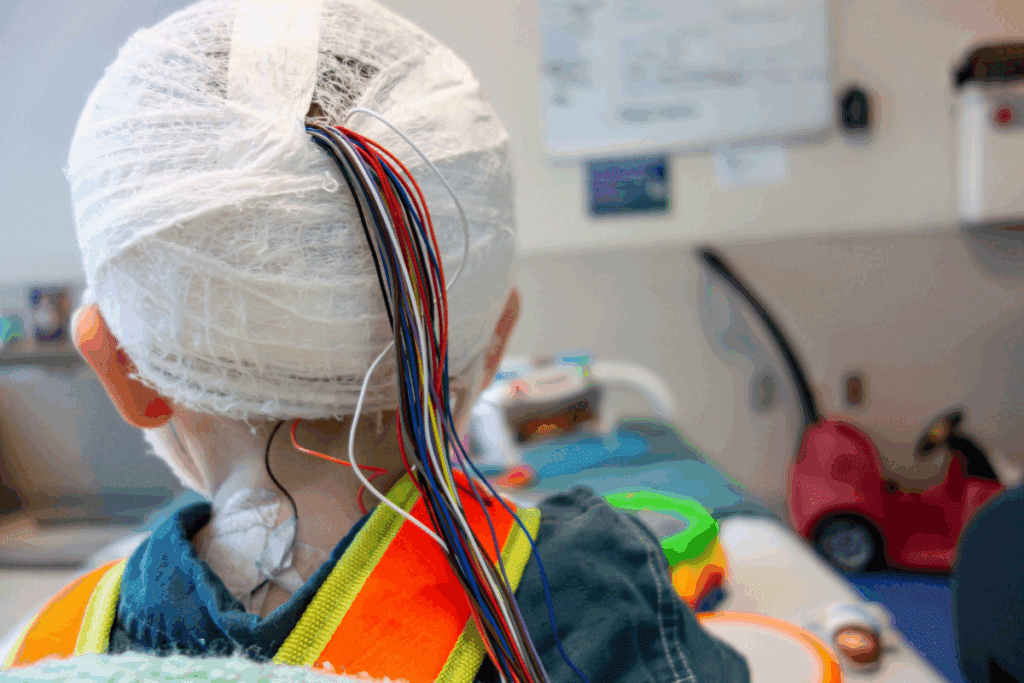
Choosing to have epilepsy surgery means you need to know a lot about the condition. You must understand the benefits and risks of surgery. Epilepsy is a brain disorder that causes seizures. These seizures are sudden electrical activity in the brain.
What is Epilepsy and How Does it Affect the Brain?
Epilepsy changes how the brain works, leading to seizures. It’s important to know why and how it affects the brain. This helps doctors choose the best treatment, which might include surgery for some.
Types of Epilepsy That Respond Best to Surgery
Some types of epilepsy work better with surgery. For example, temporal lobe epilepsy often gets better with surgery. Focal cortical dysplasia can also be treated this way.
When Surgery Becomes a Treatment Option
Surgery is for those whose epilepsy doesn’t respond to medicine. A detailed check is done to see if surgery is right. It helps find the best surgery plan.
Goals of Epilepsy Surgery
The main goal of surgery is to stop seizures or make them less frequent. This improves life quality. If surgery works, it can also mean taking less medicine. This can reduce side effects.
Patient Selection and Pre-Surgical Evaluation

Choosing the right patients for epilepsy surgery is key. This means a detailed check to see if surgery is right for them.
Determining Surgical Candidacy
To decide if surgery is a good option, doctors look at a patient’s medical history and health. Those with epilepsy that doesn’t respond to drugs might be considered for surgery. This careful check helps find out who could really benefit from surgery.
Tests like EEG and MRI scans are part of this process. They help doctors understand the brain better.
- Electroencephalography (EEG)
- Imaging studies (MRI, CT scans)
- Video-EEG monitoring
- Neuropsychological testing
Diagnostic Tests and Procedures
Tests are very important in deciding if surgery is right. EEG and MRI scans show where seizures start and how the brain works. This info helps doctors talk about the risks and benefits of surgery.
| Diagnostic Test | Purpose |
| EEG | Measures electrical activity in the brain |
| MRI | Provides detailed images of brain structure |
| Video-EEG monitoring | Records seizures and EEG activity simultaneously |
Identifying the Seizure Focus
Finding where seizures start is a big part of the check-up. The seizure focus is the brain area where seizures begin. Finding this spot accurately is key for a good surgery.
“The precise identification of the seizure focus is critical for determining if a patient is a good candidate for epilepsy surgery and for planning the surgery.”
Setting Realistic Expectations
It’s important to be clear about what surgery can do. Patients need to know that surgery might not stop all seizures. But it can make them less frequent and less severe. Talking openly with the medical team helps patients understand what to expect.
By carefully checking patients and being clear about what surgery can do, doctors can help patients get the best results from surgery.
Types of Epilepsy Surgeries and Their Effectiveness
Epilepsy surgeries have different levels of success. They are considered when medicines don’t work well. The goal is to lessen or stop seizures.
Resective Surgery
Resective surgery removes the brain part where seizures start. It works best for focal epilepsy, where the seizure spot is clear and can be safely taken out. Success rates for resective surgery can be high, with up to 70% of patients seeing a big drop in seizures or becoming seizure-free.
Laser Interstitial Thermal Therapy (LITT)
LITT uses laser heat to kill the seizure focus. It’s good for deep brain areas. LITT offers a quicker recovery than open surgery, making it appealing to some. Early results show it’s promising in cutting down seizures.
Responsive Neurostimulation
Responsive neurostimulation implants a device that stops seizures before they start. This adaptive technology changes as the patient needs it. It’s a dynamic way to manage seizures. Studies show it can cut down seizure frequency for some.
Vagus Nerve Stimulation
Vagus nerve stimulation (VNS) implants a device that sends electrical impulses to the vagus nerve. It’s for those with epilepsy not controlled by medicine. VNS can lessen seizure frequency and severity. Its success varies, but it’s a good option for those not suited for other surgeries.
Each surgery has its own use, benefits, and results. Choosing the right surgery depends on many things. These include the type of epilepsy, where the seizure starts, and the patient’s health. Knowing about these surgeries helps patients and doctors make the best treatment choices.
Success Rates of Epilepsy Surgery
Knowing how well epilepsy surgery works is key for both patients and doctors. Studies have shown how different surgeries can help people with epilepsy. This information helps in making the right treatment choices.
Short-term Seizure Freedom Statistics
Many people stop having seizures soon after surgery. The rates vary, but most studies show 50% to 80% of patients are seizure-free right after surgery. This depends on the surgery type and who gets it.
A study in Epilepsia found 65% of those who had resective surgery were seizure-free a year later. This shows surgery can greatly reduce seizures in the short term.
Long-term Outcomes
Looking at how people do years after surgery is also important. Some might start having seizures again, but many see a big drop in how often they have seizures. Or they might even stop having seizures altogether.
“Long-term follow-up studies have shown that a substantial proportion of patients maintain seizure freedom or significant seizure reduction over many years post-surgery.”
Studies show about 40% to 50% of patients stay seizure-free for a long time. How well the surgery works depends on the epilepsy cause and how complete the surgery was.
Factors That Influence Success Rates
Several things can affect how well epilepsy surgery works. These include the surgery type, how well the seizure focus is found, and the patient’s specific situation.
- The surgery type, like resective surgery or LITT, can change the outcome.
- Finding the seizure focus accurately is key for the best results.
- Who gets surgery, like if they have a clear seizure focus and no big mental health issues, also matters.
Quality of Life Improvements
Epilepsy surgery can also make life better in many ways. People often feel less anxious and depressed, think clearer, and feel happier overall.
| Aspect of Quality of Life | Pre-Surgery | Post-Surgery |
| Seizure Frequency | High | Reduced |
| Anxiety/Depression | Prevalent | Reduced |
| Cognitive Function | Impaired | Improved |
By knowing about epilepsy surgery’s success, including short and long-term results, what affects success, and how it can improve life, patients and doctors can make better choices.
The Recovery Process After Epilepsy Surgery
The journey to recovery after epilepsy surgery is complex. It needs careful management and rehabilitation. This phase is key for the best results and a better life quality.
Immediate Post-Operative Period
Right after surgery, patients are closely watched in a recovery room or intensive care unit. Doctors look for any complications like infection, bleeding, or bad reactions to anesthesia. Patients get pain medicine to help with discomfort. Managing pain well is important for a smooth recovery.
Long-term Recovery Timeline
The time it takes to recover varies a lot. Some get better in weeks, while others take months. The type of surgery, the patient’s health, and following instructions affect recovery time. Following your doctor’s advice is key for a good recovery.
Physical and Cognitive Rehabilitation
Physical and cognitive rehab are very important. Physical therapy helps with strength, mobility, and coordination. Cognitive rehab helps with memory, attention, and processing speed. A good rehab program can greatly improve outcomes.
Medication Management During Recovery
Managing medications is a big part of recovery. Patients might need to change their seizure medicine. Doctors keep an eye on medication levels and adjust them to avoid side effects and ensure they work well. Sticking to your medication plan is vital for controlling seizures.
Understanding the recovery process and following care instructions can help patients have a successful outcome after epilepsy surgery.
Epilepsy Comeback After Surgery: How Common Is Relapse?
Many people wonder if epilepsy will come back after surgery. Surgery can help reduce or stop seizures for some. But, the chance of seizures coming back is a worry.
Statistics on Seizure Recurrence
Studies show that how often seizures come back after surgery varies. Rates can be between 20% and 50% over a few years. For example, a study found about 30% of patients had seizures again within two years.
Many things can affect how likely seizures are to come back. These include the surgery type, why someone has epilepsy, and their health.
Timeframe for Seizure Recurrence
When seizures might come back can differ a lot. Some people might have them again in the first year. Others might not have seizures for years before they do again.
Important things that can affect when seizures might come back include:
- The surgery type
- How much of the problem area was removed
- The patient’s health and if they take their medicine
Partial vs. Complete Seizure Recurrence
Seizures can come back in different ways. Partial means fewer or less severe seizures. Complete means seizures are back to how they were before surgery.
Knowing how seizures come back helps doctors and patients plan better care after surgery.
Differences in Relapse Rates by Surgery Type
The surgery type can change how likely seizures are to come back. For example:
| Surgery Type | Relapse Rate |
| Resective Surgery | 20-40% |
| Laser Interstitial Thermal Therapy (LITT) | 30-50% |
| Responsive Neurostimulation | 40-60% |
These numbers show why it’s key to think about the surgery type when looking at seizure relapse risk.
Risk Factors for Epilepsy Relapse Following Surgery
Many factors can lead to epilepsy relapse after surgery. These include pre-surgical, surgical, and post-surgical elements. Knowing these risks helps doctors create better care plans for patients.
Pre-Surgical Risk Factors
Before surgery, certain factors can predict the chance of relapse. These include:
- Duration of Epilepsy: Longer epilepsy history may raise relapse risk.
- Seizure Frequency: More seizures before surgery can increase relapse risk.
- Underlying Pathology: The type of underlying issue, like tumors, can affect relapse risk.
Surgical Procedure Limitations
The surgery itself can also impact relapse risk. These limitations include:
- Incomplete Resection: Not removing the seizure focus fully raises relapse risk.
- Multiple Seizure Foci: Having more than one seizure focus can increase relapse risk if not treated.
Post-Surgical Lifestyle Factors
Lifestyle after surgery can also affect relapse risk. Important factors include:
- Medication Adherence: Not taking medication as prescribed can lead to more seizures.
- Lifestyle Modifications: Stress, lack of sleep, and substance use can also trigger seizures.
Medication Compliance Issues
After surgery, sticking to medication is key. Issues with medication include:
| Compliance Issue | Impact on Relapse Risk |
| Non-adherence to prescribed medication regimen | Increased risk of seizure recurrence |
| Inconsistent dosing or timing | Potential for breakthrough seizures |
| Withdrawal of medication without medical supervision | High risk of seizure recurrence |
Understanding these factors helps doctors create plans to lower relapse risk. This improves patient outcomes.
Preventing and Managing Post-Surgical Seizure Recurrence
Managing post-surgical seizures requires knowing early warning signs and taking action. After surgery, it’s important for patients to watch their condition closely. This helps prevent or manage any relapse.
Early Warning Signs of Seizure Recurrence
It’s key to recognize early signs of seizure recurrence. These can include increased aura frequency, changes in seizure patterns, or a return of pre-surgical seizure types. Spotting these signs early allows for quick action.
Proactive Medication Strategies
Medication is vital in managing epilepsy after surgery. Following the prescribed medication plan is essential. Sometimes, the dosage needs to be adjusted based on how the patient responds and any side effects.
| Medication Strategy | Description | Benefits |
| Monotherapy | Using a single medication to control seizures | Reduces side effects, simplifies regimen |
| Polytherapy | Using multiple medications to control seizures | Can be more effective for complex cases |
| Dose Adjustments | Adjusting the dosage based on patient response | Optimizes seizure control, minimizes side effects |
Lifestyle Modifications to Reduce Relapse Risk
Changing your lifestyle can help control seizures. Keeping a regular sleep schedule, managing stress with meditation or yoga, and avoiding seizure triggers are good steps.
Regular Monitoring and Follow-up Care
Regular check-ups with healthcare providers are vital. They help monitor seizure activity and adjust treatment plans as needed. This ongoing care is key to catching and treating any relapse early.
By using these strategies, people who have had epilepsy surgery can manage their condition better. This reduces the chance of seizures coming back.
Latest Advances in Epilepsy Surgery and Post-Surgical Care
New breakthroughs in epilepsy surgery are making a big difference. They are improving life for those with drug-resistant epilepsy. This is thanks to ongoing research in surgery and care after surgery.
Emerging Surgical Techniques
New methods in surgery are making treatments safer and more effective. Stereotactic surgery is one, allowing for more precise targeting. Minimally invasive procedures are also on the rise, cutting down recovery time and complications.
- Laser interstitial thermal therapy (LITT) is popular for treating deep-seated seizure foci with little damage to nearby tissue.
- Improved surgical navigation systems are making surgeries more accurate.
Improved Imaging and Targeting Methods
New imaging technologies are key in making surgery more precise. Functional MRI (fMRI) and stereo-electroencephalography (SEEG) help find and target seizure foci better.
These new imaging tools help plan surgeries better and guide them during the operation. This could lead to better results for patients.
Advances in Neuromodulation
Neuromodulation is becoming a big help in treating epilepsy. Responsive neurostimulation (RNS) and vagus nerve stimulation (VNS) are therapies that can cut down seizures in some patients.
- RNS implants a device that detects and stops abnormal brain activity.
- VNS stimulates the vagus nerve with a device to lower seizure frequency.
Research on Predicting and Preventing Relapse
Scientists are working hard to find out why seizures come back after surgery. They want to know so they can stop or lessen it.
- They are looking at genetics, imaging, and other factors to predict seizures after surgery.
- They hope to create personalized treatment plans to lower the chance of seizures coming back.
Conclusion: Living Well Whether Epilepsy Returns or Not
Managing epilepsy well, including surgery, can greatly improve life quality. Surgery outcomes show that a detailed approach to epilepsy care leads to better living. This is true whether epilepsy comes back or not.
Patients can understand epilepsy’s complexities and the surgery options available. This knowledge helps them make better care choices. Managing epilepsy isn’t just about surgery. It also includes medication, lifestyle changes, and regular check-ups.
Even if epilepsy comes back after surgery, life quality can improve. New advances in surgery and care offer hope to those with epilepsy. This is true for everyone, no matter what.
Being proactive in managing epilepsy is key. Following medication plans and making lifestyle changes can lower seizure risks. This improves overall well-being.
FAQ
Can epilepsy be completely cured after surgery?
Surgery can greatly reduce or stop seizures for many. But, calling it a “cure” is careful. Some patients might have seizures, but they are often less severe.
What are the chances of epilepsy relapse after surgery?
The chance of epilepsy coming back after surgery varies. It depends on the surgery type, epilepsy cause, and patient’s health. Studies show different rates of seizure return based on these factors.
How long after surgery can epilepsy relapse occur?
Relapse can happen at any time after surgery. But, the risk is higher in the first few years. It’s important to keep up with long-term follow-ups.
Are there differences in relapse rates based on the type of epilepsy surgery performed?
Yes, different surgeries have different success and relapse rates. For example, some surgeries like resective surgery or LITT have better results than others.
What are the risk factors for epilepsy relapse after surgery?
Several factors increase the risk of relapse. These include the size of the affected area, surgery limitations, lifestyle changes, and medication issues.
Can lifestyle modifications help prevent epilepsy relapse after surgery?
Yes, making lifestyle changes can help. Keeping a regular sleep schedule, managing stress, avoiding triggers, and following medication plans can reduce relapse risk.
How can post-surgical seizure recurrence be managed?
Managing recurrence involves recognizing early signs, adjusting medications, making lifestyle changes, and regular follow-ups with healthcare providers.
What advancements are being made in epilepsy surgery and post-surgical care?
New techniques, better imaging, and neuromodulation advances are improving treatment. Research aims to predict and prevent relapse, improving care.
Is it possible to undergo a second surgery if epilepsy recurs after the initial surgical intervention?
Sometimes, a second surgery is considered if epilepsy comes back. The decision depends on why the first surgery failed, the seizure focus location, and the patient’s health.
How does medication management change after epilepsy surgery?
After surgery, medication management might change. Doctors may taper or stop some medications. The goal is to use fewer medications while keeping seizures under control.
What role does follow-up care play in managing epilepsy after surgery?
Follow-up care is key for monitoring seizures, adjusting treatments, and addressing any issues that come up after surgery.
References
National Center for Biotechnology Information. Evidence-Based Medical Insight. Retrieved from https://www.ncbi.nlm.nih.gov/pmc/articles/PMC5716856/