Did you know that over 3.4 million people in the United States are living with epilepsy? It’s a neurological condition that causes recurring seizures
It’s important to know what epilepsy is if you’re affected or have a family member with it. The symptoms can be different for everyone. They range from brief moments of confusion to severe convulsions.
Spotting the signs of an epileptic seizure is the first step to getting diagnosed. We’ll look at the symptoms and how doctors diagnose epilepsy. This will help you understand it better.
Key Takeaways
- Epilepsy is a neurological disorder that causes recurrent seizures.
- Symptoms can range from mild to severe and include various types of seizures.
Understanding epilepsy symptoms is key for early diagnosis.
- A proper diagnosis involves medical history, neurological exams, and diagnostic tests.
- Timely treatment can significantly improve the quality of life for individuals with epilepsy.
What is Epilepsy and How Common is it?

Epilepsy is a complex disorder that causes seizures. These seizures happen when the brain’s electrical activity gets disrupted. This can lead to physical and sometimes mental symptoms.
Definition and Neurological Basis
Epilepsy is a condition where the brain’s electrical activity is disrupted, causing seizures. The neurological basis of epilepsy involves genetics, brain structure, and environmental factors. Research shows that brain abnormalities and neurotransmitter issues can lead to epilepsy.
Several factors contribute to epilepsy’s neurological basis. These include:
- Genetic predisposition
- Structural brain abnormalities
- Infections and inflammatory conditions
Metabolic disorders
Knowing these factors is key to finding better treatments and improving patient care.
Prevalence and Demographics
Epilepsy affects people of all ages and is found worldwide. The World Health Organization (WHO) reports that about 50 million people have epilepsy globally. This makes it one of the most common neurological disorders.
The prevalence of epilepsy varies by age, gender, and location. For example:
- Epilepsy can happen at any age, but it’s most common in children and older adults.
- It affects both males and females, with some studies showing a slight increase in males.
- Economic and geographical factors also play a role, with higher rates in low- and middle-income countries.
The WHO emphasizes that “Epilepsy is a global health issue, requiring global strategies for diagnosis, treatment, and support.”
“Epilepsy is a global health issue, requiring global strategies for diagnosis, treatment, and support.”
World Health Organization
Understanding epilepsy’s prevalence and demographics is vital. It helps healthcare providers, policymakers, and communities to better support those affected.
Recognizing the Signs and Symptoms of Epilepsy
Knowing the signs of epilepsy is key to managing it well. Epilepsy causes seizures that can look different. These can be convulsions, losing consciousness, or feeling like you’re in a different world.
Types of Seizures and Their Characteristics
Seizures in epilepsy fall into two main types: focal and generalized. Focal seizures happen in one part of the brain. This means symptoms can vary a lot, like twitching in certain limbs.
Generalized seizures affect both sides of the brain at once. They can cause convulsions, loss of consciousness, or even a blank stare.
|
Seizure Type |
Characteristics |
|---|---|
|
Focal Seizures |
Affect one part of the brain; symptoms vary based on the area affected |
|
Generalized Seizures |
Involve both sides of the brain; can cause convulsions, loss of consciousness, or absence seizures |
|
Status Epilepticus |
A prolonged seizure or a series of seizures without recovery in between; considered a medical emergency |
Pre-Seizure Warning Signs (Auras)
Some people with epilepsy get auras before a seizure. An aura is a small seizure that acts as a warning. Auras can be strange smells, tastes, or feelings and are different for everyone.
Spotting auras can help manage epilepsy. It lets people find a safe place or warn others before the seizure starts.
Post-Seizure Symptoms and Recovery
After a seizure, people might feel confused, tired, have headaches, or sore muscles. How long these symptoms last can vary. Some people need time to get back to normal.
It’s important to know and recognize epilepsy signs. This includes understanding the different seizures and their effects. This knowledge helps in managing and supporting those with epilepsy.
Common Causes of Epilepsy
Epilepsy can come from many sources, like genes, the environment, and brain structure. Knowing these causes helps doctors diagnose and treat it better.
Genetic Factors and Inherited Forms
Genetics are key in epilepsy. Some types are passed down in families. Certain genes can make seizures more likely.
Genetics and the environment work together in epilepsy. Some syndromes are caused by specific genes. Others are influenced by both genes and the environment.
Key genetic factors include:
- Specific genetic mutations known to cause epilepsy
- Family history of epilepsy or seizure disorders
- Genetic syndromes that include epilepsy as a feature
Brain Injuries and Structural Abnormalities
Brain injuries and abnormalities can also cause epilepsy. These include trauma, infections, and developmental disorders.
Some common causes include:
- Traumatic brain injury (TBI)
- Infections such as meningitis or encephalitis
- Stroke or cerebral vasculature malformations
- Brain malformations or developmental abnormalities
Metabolic Disorders and Other Contributing Factors
Metabolic disorders and other conditions can also lead to epilepsy. These include imbalances in electrolytes and metabolic syndromes.
Some contributing factors include:
- Electrolyte imbalances (e.g., hyponatremia)
Metabolic disorders (e.g., uremia, hepatic encephalopathy)
- Other systemic conditions that may affect the brain
Knowing the causes and risk factors is key for treating epilepsy. Doctors can then tailor treatments to each person’s needs.
When to Seek Medical Help for Suspected Epilepsy
If you or someone you know has had a seizure, knowing when to seek medical attention is vital. Seizures can be scary, and knowing what to do can help a lot. It can affect how you get diagnosed and treated.
Guidelines for First Seizure
Having a first seizure is alarming. It’s important to see a doctor right away. It doesn’t mean you have epilepsy, but you need to check it out.
When you go for medical help after a first seizure, tell them everything you can. This includes:
- How long the seizure lasted
- If you felt any warning signs before it started
- What you did during the seizure
- How you felt after it ended
Emergency Situations Requiring Immediate Attention
Not all seizures need emergency care, but some do. If you or someone else has a seizure and any of these happen, call 911:
|
Situation |
Description |
|---|---|
|
Prolonged Seizure |
A seizure lasting more than 5 minutes |
|
Repeated Seizures |
Having multiple seizures in a short time without fully recovering in between |
|
Injury During Seizure |
If the person gets hurt during the seizure |
|
Difficulty Breathing |
If the person has trouble breathing after the seizure |
“Getting medical help right after a seizure is key. It helps find the cause and start the right treatment. Waiting too long can cause problems and make future treatments less effective.” –
A Neurologist
Knowing when to get medical help for suspected epilepsy is very important. Being informed and ready can help you get the care you need.
The Step-by-Step Diagnostic Process for Epilepsy
Diagnosing epilepsy is a detailed process. It involves a deep look into a patient’s medical history, physical checks, and sometimes, seizure diaries. This method helps doctors figure out if someone has epilepsy and what kind it is.
Initial Consultation with Healthcare Providers
The first step is talking to a healthcare provider. Patients share all they know about their seizures. This includes when and how long they last, and what might set them off. It’s important to give accurate details to help doctors diagnose.
Comprehensive Medical History Assessment
Looking at a patient’s medical history is key. Doctors check past health records for anything that might link to epilepsy. This helps find possible causes and factors that might be involved.
Physical and Neurological Examinations
Doctors do physical and neurological tests to check overall health and brain function. These tests look for signs of epilepsy, like problems with movement or thinking. They help decide what tests to do next.
Documenting Seizure Activity with Seizure Diaries
Seizure diaries are a big help in figuring out epilepsy. They record every seizure, including when and how long it lasted, and any special details. This info is key to understanding seizure patterns and how often they happen, which helps in choosing treatment.
By carefully following this process, doctors can accurately diagnose epilepsy. They can then create a treatment plan that works best for each patient. As one expert says,
“A thorough diagnostic evaluation is essential for identifying the most appropriate treatment strategy for patients with epilepsy.”
Medical Tests That Confirm Epilepsy Diagnosis
To diagnose epilepsy, doctors use several tests. These tests check brain activity and find the cause. They help figure out the type of epilepsy and what treatment to use.
Electroencephalogram (EEG) Testing
An Electroencephalogram (EEG) is a key tool for checking brain activity. It involves putting electrodes on the scalp to record brain waves. This helps doctors spot abnormal patterns that might mean epilepsy.
EEG tests can be done in different ways. For example:
Routine EEG: A quick recording of brain activity.
- Ambulatory EEG: A longer recording that lets patients move around.
- Video EEG: This combines EEG with video to see how brain activity matches behavior.
Brain Imaging Technologies
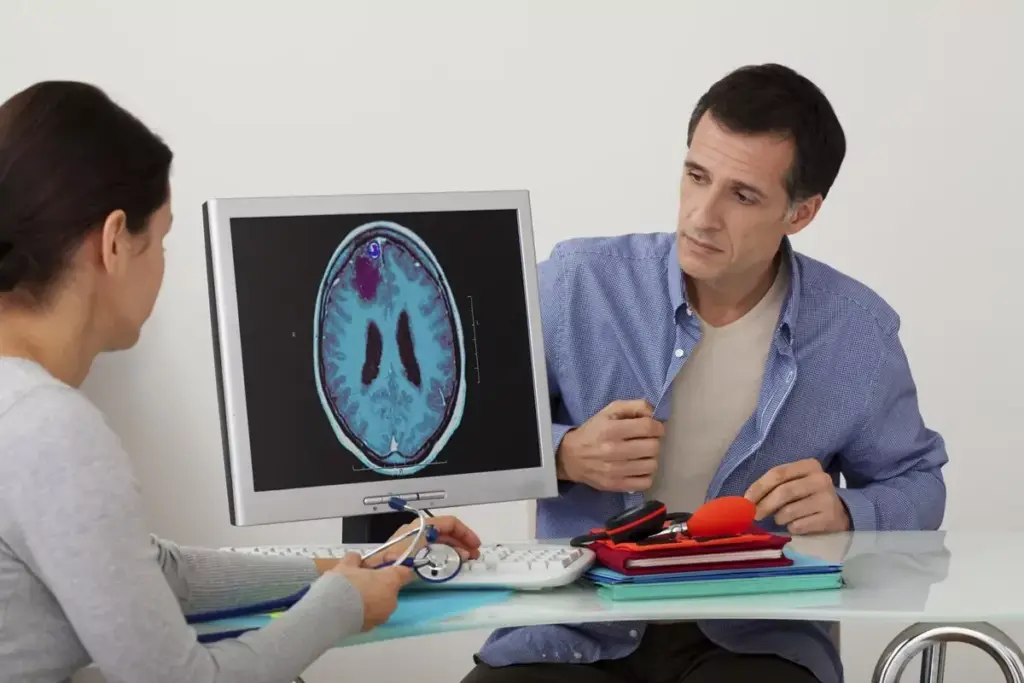
Brain imaging is also key in diagnosing epilepsy. It gives detailed pictures of the brain. Common imaging methods include:
|
Imaging Technique |
Description |
Use in Epilepsy Diagnosis |
|---|---|---|
|
MRI (Magnetic Resonance Imaging) |
Provides high-resolution images of brain structures. |
Helps identify structural abnormalities that may cause epilepsy. |
|
CT (Computed Tomography) Scan |
Uses X-rays to create detailed cross-sectional images. |
Quickly identifies acute injuries or bleeding. |
|
PET (Positron Emission Tomography) Scan |
Measures brain activity by detecting changes in blood flow. |
Assesses brain function and identifies areas of abnormal activity. |
Laboratory and Genetic Testing
Laboratory tests are important to rule out other conditions that might cause seizures. Blood tests can check for:
- Electrolyte imbalances
- Infections
- Metabolic disorders
Genetic testing, like what Invitae offers, can find genetic mutations linked to epilepsy. This helps create personalized treatment plans.
Conditions That Mimic Epilepsy
Many health issues can look like epilepsy, making it key to get a correct diagnosis. Conditions like Psychogenic Non-Epileptic Seizures (PNES), syncope, and migraines can have symptoms similar to epilepsy. This makes it hard to figure out what’s going on.
Psychogenic Non-Epileptic Seizures (PNES)
PNES look like seizures but don’t show up on brain scans. They’re often linked to stress or emotional issues. To tell PNES apart from real seizures, doctors use video-EEG monitoring.
Key characteristics of PNES include:
- Seizure-like episodes without EEG abnormalities
- Often associated with a history of psychological trauma or stress
- May respond to different treatment approaches, such as psychotherapy
Syncope, Migraines, and Other Medical Conditions
Other conditions can also look like epilepsy. Syncope, or fainting, can be mistaken for seizures because of the loss of consciousness and possible convulsive movements. Migraines, with their aura, can also be mistaken for seizures because of their neurological symptoms.
Other medical issues like movement disorders, sleep disorders, and panic attacks can also be misdiagnosed as epilepsy. A detailed check-up is needed to find out what’s really going on.
The Importance of Accurate Differential Diagnosis
Getting the right diagnosis is key to telling epilepsy apart from other conditions. This involves a detailed medical history, physical and neurological exams, and tests like EEG and brain imaging.
The benefits of accurate differential diagnosis include:
- Appropriate treatment planning tailored to the specific condition
- Avoidance of unnecessary medications and their side effects
- Improved patient outcomes through targeted treatments
By knowing what can look like epilepsy and using a careful diagnostic process, doctors can make sure patients get the right treatment.
Specialists Involved in Epilepsy Diagnosis and Treatment
Diagnosing and treating epilepsy needs a team of experts. These healthcare professionals have the right skills. They work together to give the best care.
Neurologists and Epileptologists
Neurologists and epileptologists lead in epilepsy care. Neurologists focus on brain and nervous system disorders. Epileptologists are neurologists with extra training in epilepsy.
They are key in finding out what kind of epilepsy you have. They also create a treatment plan just for you. They know how to read EEGs and brain scans.
Multidisciplinary Epilepsy Care Teams
Epilepsy care goes beyond just neurologists and epileptologists. A multidisciplinary epilepsy care team has many healthcare experts. This team includes neurosurgeons, nurses, dietitians, psychologists, and social workers.
|
Specialist |
Role in Epilepsy Care |
|---|---|
|
Neurologist/Epileptologist |
Diagnosis, treatment planning, and medication management |
|
Neurosurgeon |
Surgical interventions for epilepsy |
|
Nurse |
Patient education, support, and coordination of care |
|
Dietitian |
Guidance on dietary therapies for epilepsy management |
|
Psychologist |
Support for mental health and coping strategies |
The Epilepsy Foundation says, “A team of specialists can greatly improve life for those with epilepsy.” This shows how important teamwork is in managing epilepsy.
Treatment Options Following an Epilepsy Diagnosis
When you get an epilepsy diagnosis, knowing your treatment options is key. We’ll look at ways to control seizures and improve your life.
Anti-Seizure Medications and Drug Therapies
Anti-seizure meds are often the first choice for treating epilepsy. They can make seizures less frequent and less severe for many. Finding the right medication and dosage is important, as it varies for everyone.
Key considerations for anti-seizure medications include:
- Effectiveness in controlling seizures
- Potential side effects and interactions with other medications
- The need for regular monitoring and adjustments
The Epilepsy Foundation says, “For many people with epilepsy, antiseizure medications are effective in controlling seizures.” This shows how important it is to work with your healthcare provider to manage your meds.
Surgical Interventions for Drug-Resistant Epilepsy
If meds don’t work, surgery might be an option. Surgery can involve removing the seizure focus or disrupting seizure pathways.
Surgical evaluation involves a thorough assessment to see if you’re a good candidate. This includes brain imaging and EEG monitoring. The goal is to remove the seizure cause or implant a device to control seizures.
Diet Therapy, Devices, and Alternative Approaches
Diet therapy, like the ketogenic diet, can help reduce seizures, mainly in kids. Devices like vagus nerve stimulators (VNS) and responsive neurostimulators (RNS) can also manage hard-to-control seizures.
Other treatments, like supplements and lifestyle changes, might help too. But, it’s important to talk to your doctor to make sure they’re safe and work for you.
Some alternative approaches include:
- Relaxation techniques and stress management
- Acupuncture and other complementary therapies
- Lifestyle adjustments such as regular exercise and adequate sleep
As we explore treatment options, keeping in touch with your healthcare team is vital. They can help create a plan that fits your needs.
Living with Epilepsy: Daily Management Strategies
Managing epilepsy daily means treating it medically, changing your lifestyle, and getting emotional support. We know it’s tough, but the right steps can help you live fully and actively.
Identifying and Avoiding Seizure Triggers
Finding and avoiding seizure triggers is key. These can be different for everyone but often include stress, not enough sleep, and some medicines. Keeping a seizure diary helps track seizures and what might cause them.
Knowing your triggers lets you take steps to prevent them. This could mean using stress management techniques like meditation or yoga. It also means getting enough sleep and checking your medicines with your doctor.
|
Common Seizure Triggers |
Strategies for Avoidance |
|---|---|
|
Stress |
Meditation, Yoga, Deep Breathing Exercises |
|
Lack of Sleep |
Regular Sleep Schedule, Sleep Hygiene Practices |
|
Certain Medications |
Review Medications with Healthcare Provider, Adjust as Necessary |
Safety Precautions and Lifestyle Adaptations
For people with epilepsy, safety is a big deal. Simple steps can lower the risk of injury during a seizure. For instance, showering instead of bathing can prevent drowning. Also, wearing a helmet when biking can protect against head injuries.
Changing your lifestyle is also important. This might mean avoiding risky activities like swimming alone or working at heights without safety gear. It’s best to talk to a healthcare provider about what safety steps are right for you.
Managing the Emotional and Psychological Impact
Epilepsy can affect your emotions and mind. Many people feel anxious, depressed, or isolated. Seeking support from loved ones or groups can really help.
Don’t forget about your mental health. Counseling or therapy can help with the emotional side of epilepsy. Also, staying connected and doing things you love can keep your spirits up.
Support Resources for People with Epilepsy
Living with epilepsy doesn’t have to be lonely. Many support groups and organizations are ready to help. They offer guidance and support for those dealing with epilepsy and their families.
Support Groups and Community Organizations
Support groups are places where people with epilepsy can share their stories. They get emotional support and advice from others who understand. Community groups also host events and provide resources to help.
Some well-known groups include:
- Epilepsy Foundation
- American Epilepsy Society
Local support groups at hospitals or community centers
These groups are key in building a community. They offer the support needed.
Educational Resources and Advocacy Programs
Understanding epilepsy is important. Educational resources help with that. Advocacy programs work to spread awareness and support research.
|
Resource Type |
Description |
Benefits |
|---|---|---|
|
Online Webinars |
Educational sessions on managing epilepsy |
Convenient access to expert knowledge |
|
Informational Brochures |
Printed or digital materials about epilepsy |
Easy to understand, accessible information |
|
Advocacy Campaigns |
Initiatives to raise awareness and support research |
Promotes understanding, reduces stigma |
Using these resources, people with epilepsy and their families can live more informed and empowered lives.
Recent Advances in Epilepsy Research and Diagnostic Methods
Epilepsy research has seen big leaps forward. New diagnostic tools and treatments are emerging. These changes are changing how we tackle epilepsy, bringing hope to those affected.
Emerging Diagnostic Technologies
New tech is making diagnosing epilepsy better. Wearable devices can now track seizures in real-time. They give doctors important data. Also, advanced brain imaging like fMRI and MEG help find where seizures start in the brain.
Some key new tools include:
Wearable seizure detection devices
- Advanced EEG monitoring systems
High-resolution brain imaging techniques
Promising Research Directions and Future Treatments
Research is not just improving how we diagnose epilepsy. It’s also leading to new treatments. Gene therapy is being explored to change genes linked to epilepsy. Stem cell therapy might even fix or replace damaged brain areas.
Some promising areas of research are:
- Looking into epilepsy’s genetic roots
- Creating new medicines with fewer side effects
- Trying out new ways to control the brain, like vagus nerve stimulation
As research keeps moving forward, we’ll see better treatments for epilepsy. The future looks bright, with new tech and ongoing research making a big difference.
Conclusion
Understanding epilepsy is key to living well. Knowing the signs and symptoms helps. Getting medical help and care is important too.
Epilepsy awareness is essential. It helps reduce stigma and supports those affected. We should all learn more about epilepsy and its effects.
Managing epilepsy involves many steps. This includes medical treatment, making lifestyle changes, and getting emotional support. Together, we can make a difference.
Research and better diagnostic tools are on the horizon. This will help improve lives. Our work in raising awareness and managing epilepsy will empower people to thrive.
FAQ
What is epilepsy?
Epilepsy is a brain disorder that causes seizures. These seizures happen when the brain’s electrical activity gets out of balance. They can make people convulse, lose consciousness, or feel confused.
What are the symptoms of epilepsy?
Symptoms of epilepsy vary by seizure type. Common signs include convulsions, losing consciousness, and staring spells. Some people might feel a warning sign before a seizure.
What causes epilepsy?
Many things can cause epilepsy, like genes, brain injuries, infections, or metabolic issues. Sometimes, the cause is unknown.
How is epilepsy diagnosed?
Doctors use a detailed medical history, physical exams, and tests like EEG and brain imaging to diagnose epilepsy. Keeping a seizure diary can also help.
What is the difference between epilepsy and seizures?
Seizures are a sign of epilepsy, but not all seizure experiences mean someone has epilepsy. Epilepsy is when seizures happen without a clear cause.
Can epilepsy be treated?
Yes, epilepsy can be treated. Options include medicines, surgery, diet changes, and other methods. The best treatment often combines these.
What are the treatment options for epilepsy?
Treatment options include medicines, surgery, diet changes, devices like vagus nerve stimulators, and alternative methods like acupuncture.
How can I manage my epilepsy?
Managing epilepsy means avoiding triggers, taking medicine as directed, staying healthy, and knowing safety tips.
What are the benefits of support groups for people with epilepsy?
Support groups offer a community for sharing experiences and getting emotional support. They also provide resources and information on advocacy.
What is status epilepticus?
Status epilepticus is a serious condition where seizures last too long or happen too often. It needs quick medical help.
Can epilepsy be cured?
While some treatments can reduce seizures, there’s no cure for epilepsy yet. But, research is ongoing to find new treatments.
What is the role of a neurologist in epilepsy care?
Neurologists, like epileptologists, are key in diagnosing and managing epilepsy. They guide treatment, monitor seizures, and adjust plans as needed.
Are there any new developments in epilepsy research?
Yes, research is exploring new diagnostic tools, treatments, and possible cures for epilepsy. This includes genetic testing, advanced imaging, and new therapies.
Reference
World Health Organization. Evidence-Based Medical Insight. Retrieved from https://www.who.int/news-room/fact-sheets/detail/epilepsy[5