The hormone erythropoietin is key in making red blood cells. Produced mainly by the kidneys, erythropoietin signals the bone marrow to create more red blood cells, helping the body maintain healthy oxygen levels.
Key Takeaways
- Erythropoietin is vital for making red blood cells.
- It’s made by the kidneys and tells the bone marrow to work.
The Role of Erythropoietin in Red Blood Cell Production
Erythropoietin, or EPO, is a hormone that helps make red blood cells. These cells carry oxygen to all parts of the body. Knowing how EPO works is key to understanding how our bodies adapt to changes in oxygen needs.
The Discovery of Erythropoietin
In the early 20th century, scientists first found erythropoietin. But it wasn’t until the 1970s and 1980s that they really understood it. They learned how to make EPO in the lab, which led to its use in medicine.
How Erythropoietin Regulates Erythropoiesis
Erythropoietin helps make red blood cells by telling bone marrow cells to grow and change. When there’s less oxygen, EPO levels go up. This tells the bone marrow to make more red blood cells.
This system keeps our red blood cell count right. It’s a complex process that involves EPO and many bone marrow cells working together.
Erythropoietin Definition and Basic Functions
Erythropoietin Definition: Erythropoietin is a hormone made by the kidneys in adults and the liver in babies. It’s key for making red blood cells.
Basic Functions: EPO’s main job is to make more red blood cells when oxygen is low. It does this by telling certain bone marrow cells to grow and become red blood cells.
| Function | Description |
| Stimulates Red Blood Cell Production | EPO promotes the production of red blood cells by stimulating erythroid progenitor cells. |
| Responds to Low Oxygen Levels | Production of EPO is increased when the body detects low oxygen levels, ensuring an adequate supply of red blood cells. |
| Regulates Erythropoiesis | EPO tightly regulates the process of erythropoiesis, ensuring the right number of red blood cells are produced. |
Erythropoietin stimulating agents (ESAs) are man-made versions of EPO. They help treat anemia in people with kidney disease and those getting chemotherapy. These agents work like natural EPO to boost red blood cell production.
Physiology of Erythropoietin Production
Erythropoietin is key for keeping our red blood cell counts right. It’s a hormone that boosts red blood cells, essential for healthy blood. We’ll look into where it’s made and what triggers its release.
Where Is Erythropoietin Produced in the Body?
The kidneys make most of our erythropoietin. They watch over our blood’s oxygen levels. When oxygen is low, the kidneys release erythropoietin to help.
Factors That Stimulate Erythropoietin Release
Several things make the kidneys release erythropoietin, including:
- Low blood oxygen levels, which tell the kidneys to make more erythropoietin.
- Hormones like androgens, which can also make more erythropoietin.
- Diseases like anemia or chronic kidney disease, which can make the kidneys produce more.
Releasing erythropoietin is a complex process with many signals.
The Mechanism of Action of Erythropoietin
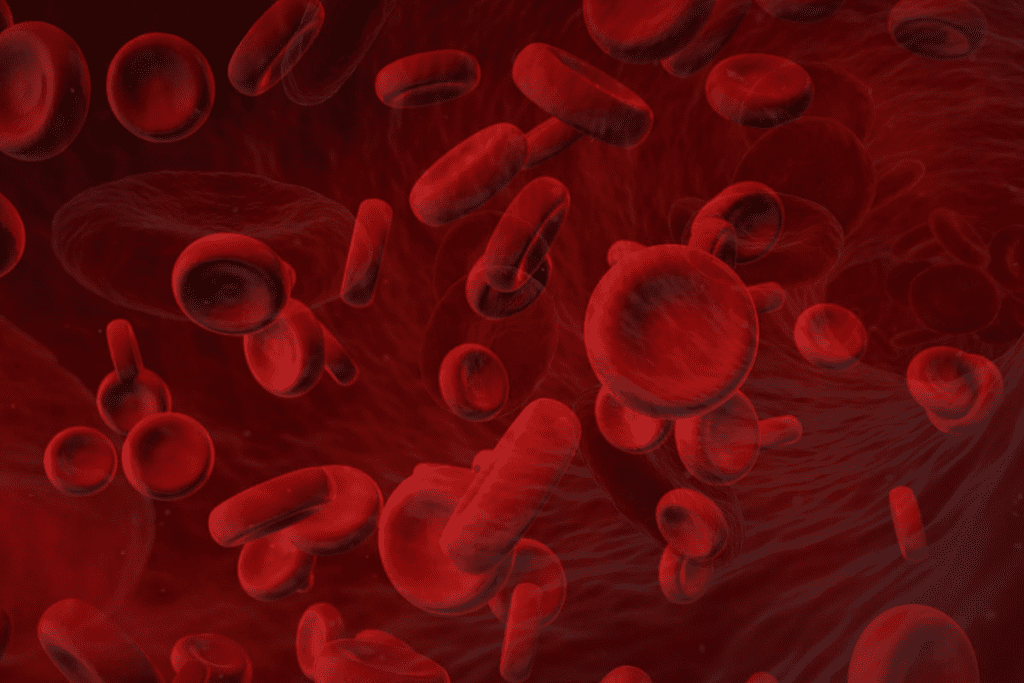
Erythropoietin, or EPO, is a hormone that plays a key role in our body’s ability to make red blood cells. It is produced by the kidneys and works by binding to specific receptors on red blood cell precursors in the bone marrow. This binding triggers a series of events that leads to the production of new red blood cells.
When EPO binds to its receptors, it activates a signaling pathway that promotes the proliferation and differentiation of red blood cell precursors. This means that EPO helps these cells to grow and mature into fully formed red blood cells.
Red blood cells are essential for carrying oxygen throughout the body. They contain a protein called hemoglobin, which binds to oxygen in the lungs and releases it to the body’s tissues. By increasing the production of red blood cells, EPO helps to improve oxygen delivery to the body’s tissues and organs.
Overall, the mechanism of action of erythropoietin is complex and involves multiple cellular processes. By stimulating the production of red blood cells, EPO plays a vital role in maintaining healthy oxygen levels in the body.
The Role of Erythropoietin in Red Blood Cell Production
Erythropoietin is a hormone that stimulates the production of red blood cells in the bone marrow. It works by binding to specific receptors on red blood cell precursors, triggering a signaling pathway that promotes their growth and maturation.
Red blood cells are responsible for carrying oxygen from the lungs to the body’s tissues and organs. They contain a protein called hemoglobin, which binds to oxygen and releases it to the body’s tissues. By increasing the production of red blood cells, erythropoietin helps to improve oxygen delivery to the body’s tissues and organs.
Without sufficient erythropoietin, the body may not be able to produce enough red blood cells to meet its oxygen needs. This can lead to anemia, a condition characterized by low red blood cell count and inadequate oxygen delivery to the body’s tissues.
On the other hand, an excessive amount of erythropoietin can lead to an increase in red blood cell production, resulting in polycythemia. This condition is characterized by an abnormal increase in red blood cell count, which can put a strain on the cardiovascular system.
In summary, erythropoietin plays a vital role in the production of red blood cells and the delivery of oxygen to the body’s tissues and organs. It helps to maintain healthy oxygen levels in the body and supports overall health and well-being.
Medical Uses of Erythropoietin

Erythropoietin (EPO) is key in treating anemia in patients with chronic kidney disease and cancer. It boosts red blood cell production, improving their life quality and cutting down on blood transfusions.
Treatment of Anemia in Chronic Kidney Disease
Chronic kidney disease often leads to anemia because the kidneys don’t make enough EPO. EPO therapy helps by boosting red blood cell production. This improves hemoglobin levels, reduces fatigue, and enhances overall health.
Erythropoietin in Cancer-Related Anemia
Cancer patients on chemotherapy often face anemia. EPO helps by stimulating red blood cell production. This reduces the need for blood transfusions and boosts energy and quality of life. It’s vital to know what does EPO do here – it lessens chemotherapy’s impact on blood cells.
Other Therapeutic Applications
EPO is also explored for treating anemia in other chronic diseases and for its neuroprotective effects. The EPO injection is a common way to administer it. Understanding the EPO meaning in various clinical settings is key for its effective use.
| Condition | EPO Therapy Benefit | Administration Method |
| Chronic Kidney Disease | Increased red blood cell production | EPO injection |
| Cancer-Related Anemia | Reduced need for blood transfusions | EPO injection |
| Other Chronic Diseases | Potential therapeutic benefits | Ongoing research |
Erythropoietin Stimulating Agents (ESAs)
ESAs are medicines that act like natural erythropoietin. They play a key role in treating anemia. These agents help make red blood cells, which is important for people with chronic conditions.
Types of Synthetic Erythropoietin
There are different kinds of synthetic erythropoietin, like epoetin alfa and darbepoetin alfa. Epoetin alfa is made from human erythropoietin and is used for anemia in kidney disease and cancer. Darbepoetin alfa lasts longer, so it’s given less often.
“The introduction of these synthetic ESAs has marked a significant advancement in the management of anemia, providing patients with a more effective treatment option,” say experts.
Administration and Dosing of ESAs
How ESAs are given and how often depends on the patient’s condition and how they respond. They are usually given by intravenous or subcutaneous injection. The frequency of dosing varies based on the ESA and the patient’s needs.
- Epoetin alfa is given 1-3 times a week.
- Darbeopoetin alfa is given every 1-2 weeks.
It’s important to keep an eye on hemoglobin levels and adjust the dose as needed. This helps avoid bad side effects and makes sure the treatment works well.
Side Effects and Risks of Erythropoietin Therapy
Erythropoietin therapy helps treat anemia but comes with side effects and risks. It’s important to know these risks to manage treatment safely and effectively.
Cardiovascular Complications
One major risk is cardiovascular problems. High doses of erythropoietin can raise blood pressure and increase the chance of heart attacks and strokes. Monitoring blood pressure and cardiovascular health is key for patients on this treatment.
A study in the Journal of the American Society of Nephrology found a link between erythropoietin use and heart issues in patients with chronic kidney disease.
“The risk of cardiovascular complications should be carefully weighed against the benefits of erythropoietin therapy.”
Thrombotic Events
Thrombotic events are another risk. The increased red blood cells make blood thicker, raising the chance of blood clots. Patients with a history of thrombotic events need close monitoring on erythropoietin treatment.
- Increased risk of deep vein thrombosis (DVT)
- Higher incidence of pulmonary embolism
- Risk of stroke due to blood clots
Other Adverse Effects
Erythropoietin therapy can also cause other issues. These include:
- Pure red cell aplasia, a condition characterized by a lack of red blood cells
- Increased risk of certain cancers, mainly in those with a cancer history
- Seizures, though rare
Healthcare providers must talk about these risks with patients and watch them closely. Knowing the side effects and risks helps us offer safer and more effective treatments.
Erythropoietin Misuse in Sports
Erythropoietin (EPO) misuse in sports has been a big worry for years. It boosts red blood cell production, giving athletes an unfair edge, mainly in endurance sports.
EPO as a Performance-Enhancing Drug
EPO helps athletes perform better by increasing red blood cells. This means more oxygen gets to the muscles. It’s a big deal in sports like cycling, distance running, and cross-country skiing. But, using EPO is a big no-no and can harm athletes’ health.
Detection Methods and Anti-Doping Regulations
Sports groups fight EPO misuse with special tests. They check blood and urine for EPO. The World Anti-Doping Agency (WADA) has strict rules and penalties for those caught using banned substances like EPO.
Disorders Related to Erythropoietin Dysfunction
It’s important to know about disorders linked to erythropoietin (EPO) issues. EPO helps make red blood cells, and problems with it can cause health problems.
We’ll look at two main disorders: secondary erythrocytosis and anemia of chronic disease. Knowing about these helps doctors find the right treatments.
Secondary Erythrocytosis
Secondary erythrocytosis means too many red blood cells because of too much EPO. This can happen because of chronic hypoxia, tumors, or other EPO triggers.
Causes of Secondary Erythrocytosis:
- Chronic hypoxia due to lung disease or high altitude
- Tumors that produce EPO, such as renal cell carcinoma
- Other conditions that lead to increased EPO production
This condition can cause blood clots and heart problems because of thick blood. It’s key to treat the cause to avoid these issues.
Anemia of Chronic Disease
Anemia of chronic disease happens in people with long-term infections, inflammation, or cancer. It’s when there aren’t enough red blood cells, even with enough iron, often because of EPO issues.
Key Features of Anemia of Chronic Disease:
- Normocytic or microcytic anemia
- Low serum iron despite adequate iron stores
- Inappropriately low EPO levels for the degree of anemia
To treat this anemia, doctors focus on the underlying condition. Sometimes, they use EPO stimulating agents (ESAs) to help with anemia and improve life quality.
In summary, it’s critical to understand EPO-related disorders like secondary erythrocytosis and anemia of chronic disease. By knowing the causes and signs, doctors can give better care and improve patient outcomes.
Conclusion
Understanding erythropoietin (EPO) and its role in making red blood cells is key. EPO, mainly made by the kidneys, helps make red blood cells. This is important for treating anemia in people with chronic kidney disease and cancer.
EPO therapy has changed how we treat anemia. But, it can also have risks. These include heart problems and blood clots. So, it’s important to watch patients closely when they’re on EPO therapy.
In short, EPO is vital for keeping red blood cell counts healthy. Its use in medicine, like epoetin injection, has helped many patients. But, knowing about possible side effects is important for safe treatment.
Frequently Asked Questions
What is erythropoietin?
Erythropoietin, or EPO, is a hormone made by the kidneys. It helps make red blood cells in the bone marrow.
What is the role of erythropoietin in the body?
Erythropoietin is key in making red blood cells. These cells carry oxygen all over the body.
How does erythropoietin stimulate red blood cell production?
Erythropoietin works by binding to receptors on red blood cell precursors. This helps them grow and become mature cells.
What are the potential side effects of erythropoietin therapy?
Side effects can include heart problems and blood clots. Other issues may also arise.
Can erythropoietin be misused in sports?
Yes, it’s used as a performance booster. It increases red blood cells to enhance endurance.
What is the difference between erythropoietin and erythropoiesis-stimulating agents (ESAs)?
Erythropoietin is a natural hormone. ESAs are man-made versions used to boost red blood cell production.
How is erythropoietin administered?
It’s given through injections. These can be given under the skin or into a vein.
What are the risks associated with erythropoietin therapy?
Risks include heart issues and blood clots. These can happen if it’s used too much or wrong.
Can erythropoietin be used to treat anemia?
Yes, it’s used for anemia in kidney disease, cancer, and other conditions.
How does erythropoietin interact with other medications?
It can interact with other drugs. A doctor should watch for this to avoid problems.
References
- Grody, W. W., et al. (2001). American College of Medical Genetics consensus statement on factor V Leiden mutation testing. Genetics in Medicine, 3(1), 35-39. https://www.nature.com/articles/gim200128
- Albagoush, S. A. (2023). Factor V Leiden Mutation. In StatPearls. StatPearls Publishing. https://www.ncbi.nlm.nih.gov/books/NBK534802/