
For those who find it hard to lose weight, a new method is here. It’s called Endoscopic Sleeve Gastroplasty (ESG). This method is a new way to lose weight without the usual surgery. Guide to the non-surgical esg surgery for stomach reduction.
We use special endoscopic suturing to change the stomach’s shape. This limits how much food you can eat. It helps you lose a lot of weight and also improves health problems linked to being overweight.
Top hospitals like Liv Hospital use the latest ESG methods. They make sure patients get the best care and support on their weight loss path.
Key Takeaways
- Endoscopic sleeve gastroplasty (ESG) is a minimally invasive weight loss treatment.
- ESG reduces gastric volume using advanced endoscopic suturing technology.
- This procedure promotes significant weight loss and improves obesity-related diseases.
- ESG is an alternative to traditional bariatric surgery.
- Leading healthcare institutions implement ESG protocols for complete patient care.
Understanding Endoscopic Sleeve Gastroplasty (ESG)
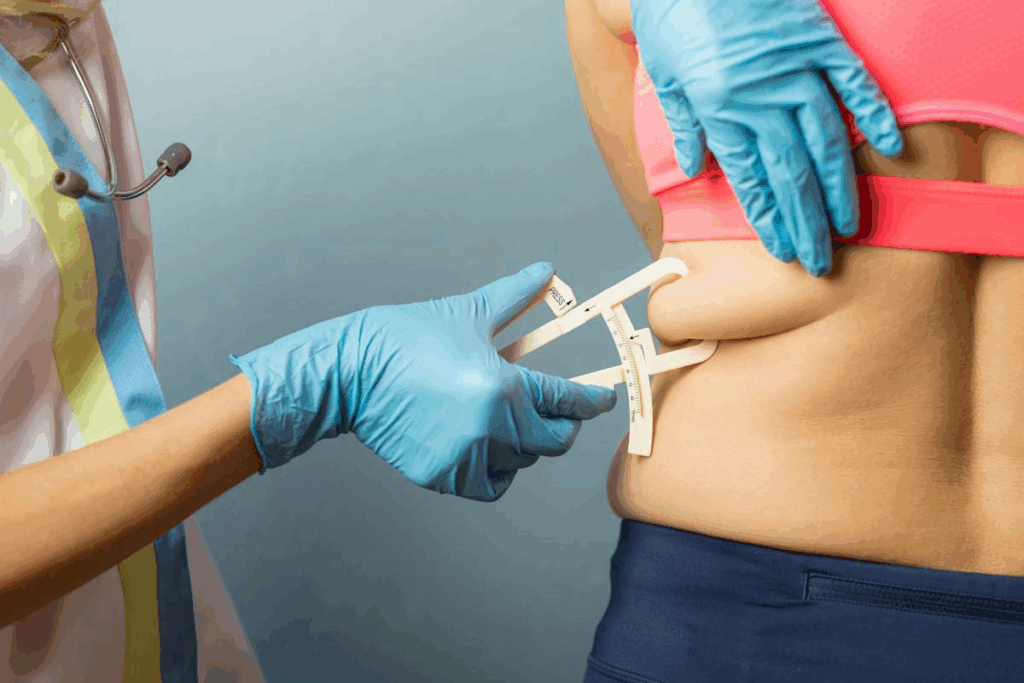
Endoscopic Sleeve Gastroplasty, or ESG, is a new way to lose weight. It’s a minimally invasive method that doesn’t need surgery. This makes it a popular choice for those looking to shed pounds.
Definition and Basic Concept of ESG
ESG uses an endoscope to shrink the stomach. It’s done under general anesthesia and takes about an hour. This makes you feel full faster, helping with weight loss.
The main idea behind ESG is its non-invasive approach. Unlike traditional surgeries, it doesn’t cut the body. This makes it safer and quicker to recover from.
- Performed under general anesthesia
- Takes approximately one hour
- No surgical incisions are required
- Reversible procedure
History and Development of ESG Weight Loss
ESG has come a long way, with many improvements over the years. It started as a less invasive option compared to traditional bariatric surgery. Now, it’s safer and more effective, thanks to ongoing research.
Some major milestones in ESG’s history include:
- Early clinical trials showed it was safe and worked well
- New endoscopic technology made it even better
- More bariatric specialists started using it
- Research continues to make it even more effective
The Science Behind ESG Weight Loss Surgery

ESG weight loss surgery is a game-changer. It’s a method that has caught the eye of many in the medical field. This surgery, or endoscopic sleeve gastroplasty, is a new way to help people lose weight.
Gastric Restriction through ESG
The ESG procedure reshapes the stomach into a tube. This gastric restriction means the stomach can hold less food. As a result, people eat less.
Studies show that ESG leads to a 15.6 percent weight loss in a year. This is because the stomach can’t hold as much food. It makes people feel full sooner and eat fewer calories.
Physiological Changes After ESG
After ESG, the body changes in ways that help with weight loss. These changes include new signals for hunger and fullness. They also affect how the stomach moves food.
Physiological Change | Effect on Weight Loss |
Reduced Stomach Capacity | Limits food intake, leading to weight loss |
Altered Gut Hormones | Affects hunger and satiety signals, reducing appetite |
Changes in Stomach Motility | Influences digestion and satiety, supporting weight loss |
It’s important to understand these changes for the best results with ESG. Making smart lifestyle choices can help patients lose more weight and stay healthy.
ESG Surgery Procedure: Step by Step
ESG surgery, or Endoscopic Sleeve Gastroplasty, is a new way to lose weight. It’s done with a few key steps to make sure it works well.
Pre-Operative Preparation
Before the ESG surgery, patients must follow a special diet. They eat only liquids for a while to prepare their stomach. Starting this diet six weeks early helps the stomach heal and reduces risks.
Patients also need to stop taking some medicines. These medicines could mess with the surgery or healing. Our team gives clear instructions on what to do before surgery.
During the Procedure
The ESG surgery uses a special tube with a camera and a tool for sewing. Patients are asleep during the whole thing to avoid pain.
We use the sewing tool to make the stomach smaller. This creates a sleeve shape. It helps control how much food can be eaten, leading to weight loss.
Immediate Post-Procedure Care
Right after the surgery, patients go to a recovery area. They are watched for any problems. Eating only liquids is key to help the stomach heal.
Most patients don’t stay in the hospital long. They can go home the same day. But, it’s important to follow our recovery instructions closely for a smooth healing process.
Care Aspect | Pre-Operative | Post-Operative |
Diet | Liquid diet for 6 weeks | Liquid diet immediately after, gradual progression |
Medication | Avoid certain medications | Follow prescribed medication regimen |
Monitoring | Pre-operative check-ups | Post-operative follow-ups |
By following these steps and guidelines, patients can get the most out of their ESG surgery. They can lose a lot of weight.
Benefits of ESG Weight Loss Surgery
ESG surgery is a top choice for those looking to lose weight. It’s a highly effective method for people dealing with obesity. It offers many benefits that make it a great option.
Minimally Invasive Advantages
One big plus of ESG surgery is that it’s minimally invasive. Unlike old-school weight loss surgeries, ESG doesn’t need cuts or stomach removal. This lowers the chance of infection and speeds up healing.
The surgery uses a special tube with a camera and tools. It lets doctors make precise changes to the stomach without big cuts.
Key advantages of the minimally invasive ESG procedure include:
- Reduced risk of infection
- Less post-operative pain
- No visible scars
- Faster recovery compared to traditional surgical methods
Reduced Recovery Time
Another big plus of ESG surgery is how fast you can get back to normal. Most people can start their daily activities in just a few days. Recovery usually takes one to three days, sometimes needing an overnight stay in the hospital.
The quick recovery lets patients:
- Resume work and daily activities sooner
- Experience less disruption to their personal and professional lives
- Begin their weight loss journey and dietary adjustments sooner
Reversibility Aspects
ESG surgery is also reversible. While it’s seen as a long-term solution, it doesn’t mean you can’t reverse it if needed. This is good for those who are unsure about permanent weight loss surgery.
The reversibility of ESG surgery gives patients flexibility. It lets them adjust their weight loss plan as needed, making it a more flexible option than some other surgeries.
Benefit | Description | Patient Advantage |
Minimally Invasive | No surgical cuts or removal of stomach parts | Less risk of infection, less pain |
Reduced Recovery Time | Recovery within 1-3 days, sometimes with an overnight hospital stay | Quick return to normal activities, less disruption to life |
Reversibility | Potential for reversal if needed | Flexibility in weight loss journey, adaptable to individual needs |
Ideal Candidates for ESG Procedures
Finding the right candidates for ESG means looking at their BMI, health history, and mental readiness. ESG is a minimally invasive procedure for those struggling with obesity. It’s for people who haven’t lost weight through diet and exercise.
BMI Requirements and Considerations
People with a BMI over 30 might be good candidates for ESG. But, their overall health and past health issues are also important.
A study says ESG is often suggested for those with a BMI of 30-40. But, this can change based on a person’s health.
“The BMI range for ESG eligibility can be flexible, depending on the patient’s health status and previous weight loss attempts.”
Medical Conditions That May Affect Eligibility
Some health issues can make it hard for someone to get ESG. These include past stomach surgery, big hiatal hernias, stomach ulcers, or severe stomach inflammation. We check each patient’s health history to see if ESG is right for them.
- Previous stomach surgery
- Large hiatal hernia
- Gastric ulcers
- Severe gastritis
Those with these conditions might need other weight loss options. Our team makes sure ESG is the best choice for each person.
Psychological Readiness for ESG
Being mentally ready is key for ESG success. Patients need to be ready for big lifestyle changes after the procedure. We stress the need for long-term commitment to diet and behavior changes.
“A patient’s mental readiness is just as important as their physical health when it comes to ESG,” says a healthcare professional. We help patients understand what’s needed and make sure they’re ready to follow the post-procedure rules.
ESG Surgery Effectiveness: Weight Loss Outcomes
Endoscopic Sleeve Gastroplasty (ESG) is a top choice for weight loss. Many studies prove its success. We’ll look at both short and long-term results.
Short-Term Weight Loss Results (1 Year)
Studies show big weight loss in the first year after ESG. On average, people lose 15.6 percent of their body weight. This loss is key to better health and less risk of obesity problems.
Key findings from recent studies include:
- A mean total body weight loss of approximately 15% at 12 months.
- Significant improvements in obesity-related health conditions, such as hypertension and type 2 diabetes.
Long-Term Weight Loss Maintenance (2-5 Years)
Long-term data on ESG surgery looks good. Studies show weight loss stays around 20 percent at two years. And, people keep losing weight at 4 and 5 years, showing it works long-term.
“The long-term results of ESG surgery are encouraging, showing that patients can maintain substantial weight loss over time,” says Dr. [Last Name], a leading expert in bariatric endoscopy.
Factors Affecting Weight Loss Success
While ESG surgery works well, many things affect how much weight you lose. Sticking to a healthy diet and exercise is key. It helps keep the weight off for a long time.
Other factors that may affect weight loss outcomes include:
- Pre-operative BMI and overall health status.
- Post-operative follow-up care and support.
- Individual metabolic factors and genetic predispositions.
Knowing these factors and sticking to a healthy lifestyle can help you get the most from ESG surgery.
Comparing ESG to Other Bariatric Procedures
Bariatric surgery options have grown, with Endoscopic Sleeve Gastroplasty (ESG) being a new, less invasive choice. It’s important to know how ESG compares to other surgeries for weight loss. This helps patients make better choices.
Sleeve Gastrectomy Comparison
ESG and surgical sleeve gastrectomy both aim to make the stomach smaller. But they do it in different ways. Sleeve gastrectomy is more invasive, cutting out a big part of the stomach. ESG, on the other hand, uses an endoscope to shrink the stomach without removing any tissue. This makes ESG a reversible option, which is a big plus for some patients.
- Key differences:
- ESG is less invasive with no surgical incisions.
- Surgical sleeve gastrectomy involves a more substantial reduction in stomach size.
- ESG is reversible, while surgical sleeve gastrectomy is not.
Gastric Bypass Comparison
Gastric bypass surgery, or Roux-en-Y gastric bypass, makes a small stomach pouch and changes the intestine’s path. It’s effective for weight loss but is more invasive than ESG. The main advantage of ESG is its simplicity and lower risk of complications.
- Gastric bypass is more invasive with a higher risk of complications.
- ESG does not involve rerouting the intestines, reducing the risk of nutritional deficiencies.
- Both procedures can be effective for weight loss, but patient suitability varies.
Gastric Balloon Comparison
The gastric balloon is a less invasive option that places a balloon in the stomach to reduce food space. Unlike ESG, the gastric balloon is temporary and is removed after six months. ESG offers a more long-term solution without the need for a foreign object in the stomach.
- Gastric balloon is temporary, while ESG provides a more durable reduction in stomach size.
- ESG does not require a foreign object, potentially reducing the risk of complications.
- Both are less invasive, but ESG is more suited for long-term weight loss management.
In conclusion, ESG is a less invasive and reversible option compared to traditional bariatric surgeries like sleeve gastrectomy and gastric bypass. Its unique benefits make it a good choice for many patients. It’s best to talk to a healthcare professional to find the right procedure for your needs and health.
Recovery After Endoscopic Sleeve Gastroplasty
After getting Endoscopic Sleeve Gastroplasty (ESG), knowing how to recover is key. The recovery time is important and includes eating right and getting back to normal slowly.
Typical Recovery Timeline
Recovery times after ESG vary, but most people get back to normal quickly. You might feel some pain at first, but medicine can help. Always follow your doctor’s advice to recover well.
The recovery has different stages:
- Right after (0-3 days): Rest and drink liquids
- Early on (3-7 days): Start with soft foods and move more
- Next (1-2 weeks): Keep eating better and do light exercises
- Last (2-4 weeks): Get back to most activities, but keep eating right
Dietary Progression After ESG
Eating the right foods is very important after ESG. You’ll start with liquids and then move to soft and solid foods. Liquids help your stomach heal first.
Here’s how your diet will change:
- Liquid diet (0-3 days)
- Pureed foods (3-7 days)
- Soft foods (7-14 days)
- Start eating solid foods (after 14 days)
Return to Normal Activities
Getting back to normal after ESG should be slow. You can do light things soon, but wait a month for hard work. Listen to your body and don’t rush to heal.
Here’s what to do:
- Start with light walks and easy exercises right away
- Slowly do more as you feel better
- Avoid heavy lifting and hard work for a month
By following these steps, you can recover well from ESG and get the best results.
Potential ESG Surgery Side Effects and Risks
It’s important for patients to know about the risks and side effects of ESG surgery. This weight loss procedure, like any medical treatment, can have complications and negative effects.
Common Side Effects
People who have ESG surgery might feel nausea and mild stomach pain. These symptoms can be treated with medicine and usually go away quickly.
Nausea often happens because of how the body reacts to the surgery and the diet changes. Mild abdominal pain is another common issue, caused by the stitches and the stomach adjusting to its new shape.
Rare but Serious Complications
Even though they don’t happen often, serious problems can arise from ESG surgery. These include:
- Perforation of the stomach
- Bleeding
- Adverse reactions to anesthesia
- Infection
It’s vital for patients to know about these risks and talk to their doctor about their own chances of facing them.
“The key to minimizing risks is thorough patient selection and meticulous procedural technique.” – Dr. [Last Name], Bariatric Surgeon
Managing Post-Procedure Discomfort
It’s important to manage discomfort after ESG surgery for a smooth recovery. Patients should start with liquids and then move to solid foods gradually. Over-the-counter pain meds can help, but always follow the doctor’s advice.
By understanding the possible side effects and risks, patients can make better choices about their weight loss journey with ESG surgery.
Long-Term Lifestyle Changes After ESG Stomach Tightening
Success with ESG weight loss surgery depends on keeping up with lifestyle changes. The surgery is a big step, but it’s the diet, exercise, and behavior changes that really matter for lasting results.
Dietary Guidelines for Long-Term Success
Patients after ESG surgery need to follow certain diet rules to keep losing weight. They start with liquids, then soft foods, and later solid foods. It’s important to eat small meals often and avoid foods and drinks high in calories.
We suggest a diet full of protein, veggies, and whole grains. Drinking lots of water is also key.
Dietary Component | Recommended Foods | Foods to Avoid |
Protein | Lean meats, fish, eggs, tofu | Processed meats, high-fat protein sources |
Vegetables | Leafy greens, broccoli, bell peppers | Starchy vegetables like potatoes |
Grains | Whole grains like brown rice, quinoa | Refined grains, sugary cereals |
Exercise Recommendations
Exercise is key to keeping weight off after ESG surgery. Aim for 150 minutes of moderate exercise or 75 minutes of vigorous exercise weekly. Start with easy activities like walking, swimming, or cycling and get more intense as you get better.
Exercise Tips: Add strength training to build muscle, which burns more calories. Yoga is great for flexibility and injury prevention.
Behavioral Modifications
Changing how you eat is essential for lasting success. Practice mindful eating, eat slowly, and stop when you’re satisfied, not stuffed. Keeping a food diary can help you see what you eat and how to improve.
Stress management, like meditation or counseling, can help with emotional eating and keep you on track with weight loss.
By making these lifestyle changes, patients can keep their weight off and improve their health and happiness.
Cost and Insurance Coverage for ESG Weight Loss Procedures
Knowing the cost of Endoscopic Sleeve Gastroplasty (ESG) is key for those thinking about it. This weight loss method is new and costs can be different for everyone.
Average Cost of ESG Surgery
The price of ESG surgery changes based on several things. These include where you get the surgery, the doctor’s experience, and your personal needs. In the U.S., ESG can cost between $8,000 and $15,000. This price includes the surgery, tests before it, and care after.
Here’s a simple cost breakdown:
Service | Estimated Cost |
Pre-operative evaluations | $500 – $1,000 |
ESG procedure | $6,000 – $12,000 |
Post-operative care | $1,000 – $2,000 |
Total Estimated Cost | $8,000 – $15,000 |
Insurance Coverage Considerations
Insurance for ESG surgery can be tricky. Some plans might cover it, but others might not. It’s important to talk to your insurance to see what they’ll pay.
Things that might affect your coverage include:
- Your BMI and health issues
- Previous weight loss efforts
- Your insurance policy details
Financing Options
If insurance doesn’t cover all costs, there are ways to pay for ESG surgery. Many places offer payment plans to help make it more affordable.
Talking to your provider about payment options is important. They can help you understand your choices.
Knowing about costs, insurance, and payment plans helps patients make better choices about ESG surgery.
Conclusion: Is ESG Weight Loss Surgery Right for You?
Throughout this article, we’ve looked at Endoscopic Sleeve Gastroplasty (ESG) as a safe and effective weight loss option. To decide if ESG is right for you, think carefully about your choices and talk to healthcare experts.
ESG is a good alternative to traditional bariatric surgery because it’s less invasive and has quicker recovery times. But, it’s important to think about the good and bad sides, and your own situation. This includes your BMI, health conditions, and if you’re ready mentally.
Knowing about ESG, its benefits, and the lifestyle changes needed can help you decide. It’s wise to talk to a healthcare professional. They can help you figure out if ESG is the best choice for your weight loss journey.
FAQ
What is ESG weight loss surgery?
ESG, or Endoscopic Sleeve Gastroplasty, is a new way to lose weight. It reshapes the stomach using a special device. This helps control how much food you can eat.
How does ESG create gastric restriction?
ESG makes the stomach smaller. It uses a device through an endoscope to sew the stomach. This limits how much food you can eat.
What are the benefits of ESG weight loss surgery?
ESG is less invasive than other surgeries. It has a shorter recovery time. Plus, it’s reversible, making it a good choice for many.
Who is an ideal candidate for ESG procedures?
The best candidates have a certain BMI and are healthy. They also need to be ready mentally for the surgery.
What is the typical recovery timeline after ESG?
After ESG, you start with a liquid diet for a few days. Then, you slowly move to solid foods. Most people can get back to normal in a few weeks.
What are the possible side effects of ESG surgery?
Side effects can include nausea and stomach pain. But, serious issues like infection or bleeding are rare.
How effective is ESG surgery for weight loss?
ESG helps people lose a lot of weight in the first year. They often keep the weight off for 2-5 years after.
How does ESG compare to other bariatric procedures?
ESG is less invasive and can be reversed. It has a different recovery and risk profile than other surgeries like gastric bypass.
What are the dietary guidelines after ESG?
Eat small, frequent meals after ESG. Avoid foods high in calories or fat. This helps with long-term weight loss.
How much does ESG surgery cost?
The cost of ESG varies by location and insurance. Check with your insurance to find out what you’ll pay.
Are there financing options available for ESG surgery?
Yes, there are financing options for ESG. Talk to your doctor or a financial advisor about them.
What is the role of lifestyle changes after ESG?
Making healthy lifestyle choices is key after ESG. This includes eating right, exercising, and changing your behavior.
Is ESG stomach tightening reversible?
Yes, ESG can be reversed. But, the details depend on your situation.
What is endoscopic sleeve gastroplasty?
Endoscopic sleeve gastroplasty, or ESG, is a new way to lose weight. It uses an endoscope and suturing device to shrink the stomach, helping with weight loss.
References
National Center for Biotechnology Information. Evidence-Based Medical Guidance. Retrieved from https://pmc.ncbi.nlm.nih.gov/articles/PMC7939770/



 Departments
 Related Videos
 Our Doctors
 News
News