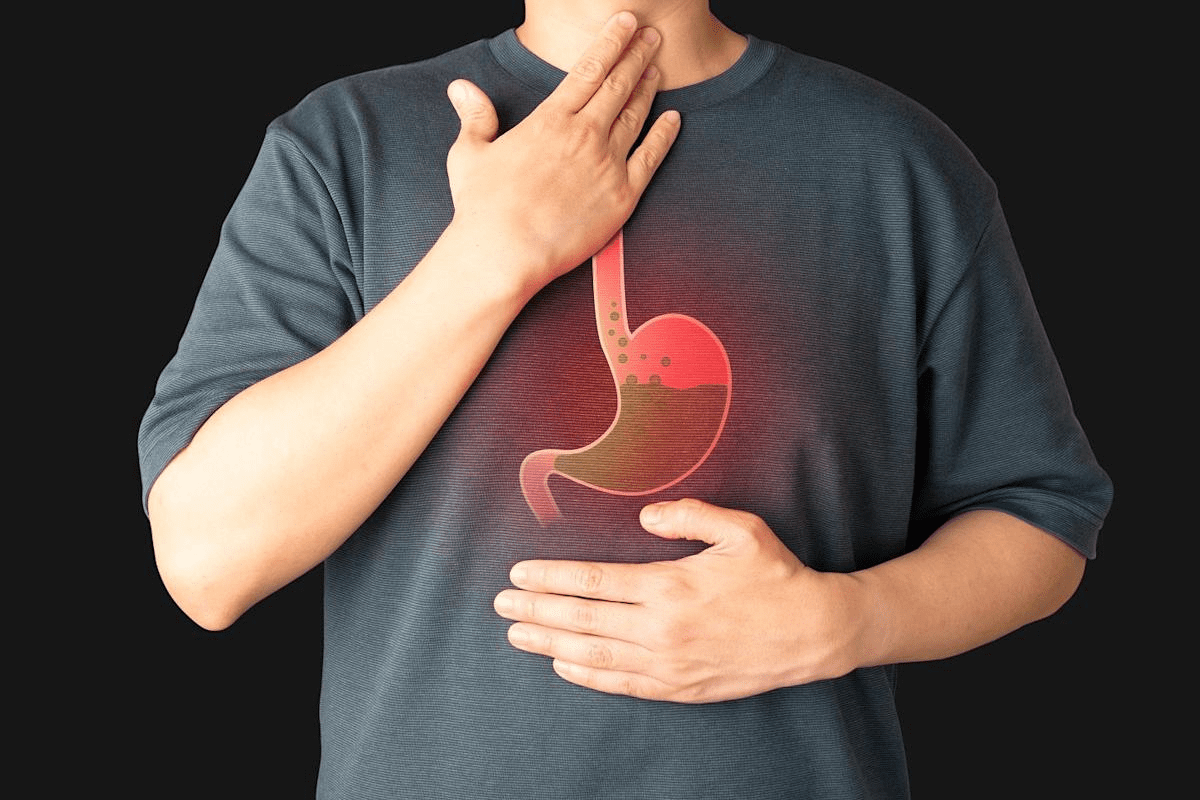
The stomach, small intestine, and esophagus get a lot of attention when we talk about digestion. But, four key accessory organs play a big role in breaking down food. The liver, gallbladder, pancreas, and salivary glands are the real heroes of our digestive system. They help turn food into nutrients our body can use accessory digestive organs.
At Liv Hospital, we know how important these organs are. They work together to help our body get the most out of the food we eat.
Key Takeaways
- The liver, gallbladder, pancreas, and salivary glands are the four primary accessory organs.
- These organs support the gastrointestinal tract without being part of it.
- Their functions are critical for breaking down food into usable nutrients.
- Understanding these organs is key to grasping the digestive process.
- Proper coordination among these organs is vital for nutrient absorption.
The Role of Accessory Digestive Organs in the Body

Understanding the role of accessory digestive organs is key to grasping human digestion’s complexity. These organs, like the salivary glands, liver, gallbladder, and pancreas, are vital. They produce substances that help break down food.
Definition and Distinction from the GI Tract
Accessory digestive organs help digest food but aren’t part of the GI tract. The GI tract is a tube from mouth to anus, with parts like the esophagus and small intestine. These organs support digestion with their secretions.
The GI tract breaks down food mechanically and chemically. Accessory organs support this process with enzymes, bile, and more.
Overview of Digestive Support Functions
The salivary glands start digestion with enzymes in saliva. The liver makes bile, stored in the gallbladder, which breaks down fats in the small intestine. The pancreas releases enzymes to further break down food into nutrients.
Together, these organs ensure food is broken down and nutrients are absorbed. For example, the pancreas is an accessory organ, important for digestion and metabolism.
The Liver: The Largest Accessory Digestive Organ

The liver is about three pounds in adults and is the largest accessory digestive organ. It is a key player in digestion, metabolism, and health.
Anatomical Structure and Location
The liver sits in the upper right part of the belly, under the diaphragm. It has four lobes: right, left, caudate, and quadrate. Its unique structure lets it do many things, like detoxify and make important proteins.
Bile Production and Secretion Process
The liver makes bile, a fluid that helps break down fats. Bile is made by liver cells and goes into the bile canaliculi. Then, it moves to the bile ducts and into the gallbladder.
In the gallbladder, bile gets more concentrated. It then goes to the duodenum to help digest fats. The liver makes about one liter of bile every day. This shows how important the liver is for digestion.
Metabolic Functions Beyond Digestion
The liver does more than just help with digestion. It breaks down carbs, proteins, and fats. It also helps control blood sugar and gives the body energy.
The liver stores glycogen, a complex carb that’s easy to turn into glucose. This is important for quick energy.
- Metabolizes proteins, carbohydrates, and fats
- Regulates blood sugar levels
- Stores glycogen for quick energy
- Produces fibrinogen, which is key for blood clotting
- Recycles worn-out red blood cells
The liver’s work is vital for our health. Eating well and living a healthy lifestyle helps protect this important organ.
The Gallbladder: Bile Storage and Concentration
The gallbladder is a small but vital organ under the liver. It stores and concentrates bile. This bile helps digest fats in the small intestine.
Anatomical Position and Structure
The gallbladder is shaped like a pear and sits under the liver’s right lobe. It connects to the liver via the cystic duct. This structure helps it store and concentrate bile for better fat digestion.
Bile Concentration Mechanism
The gallbladder makes bile more potent by removing water and electrolytes. This process is key for fat digestion. It can concentrate bile up to 10 times, boosting its digestive power.
It does this by absorbing water and electrolytes through its mucosa. This leaves behind bile rich in bile salts, cholesterol, and bilirubin.
Regulation of Bile Release into the Duodenum
Bile release into the duodenum is controlled by hormones, mainly cholecystokinin (CCK). CCK is triggered by fatty foods in the duodenum. It makes the gallbladder contract, releasing bile into the common bile duct and then into the duodenum.
Hormone | Stimulus | Effect on Gallbladder |
Cholecystokinin (CCK) | Presence of fatty food in duodenum | Contraction and release of bile |
Secretin | Acidic chyme in duodenum | Indirectly supports bile release by stimulating pancreatic bicarbonate secretion |
This process ensures bile is released when needed. It helps emulsify and absorb fats. The gallbladder’s role is essential for efficient digestion and nutrient absorption.
The Pancreas: Exocrine and Endocrine Functions
The pancreas is special because it does two jobs. It makes digestive enzymes as an exocrine gland. It also produces hormones as an endocrine gland. This makes it key to both the digestive and endocrine systems.
Anatomical Structure and Location
The pancreas is in the belly, behind the stomach. It’s surrounded by other important organs. It has three parts: the head, body, and tail. The head is the biggest and sits in the duodenum’s C-loop.
The pancreas has both exocrine and endocrine tissues. These parts do different things.
Exocrine Functions and Pancreatic Juice Components
The exocrine part of the pancreas makes pancreatic juice. This juice is full of digestive enzymes and bicarbonate. These enzymes break down carbs, proteins, and fats in the small intestine.
The bicarbonate in the juice helps make the environment right for these enzymes to work. The juice also has amylase, lipase, and trypsinogen. These are key for breaking down nutrients.
The pancreas makes pancreatic juice based on signals from hormones. Secretin and cholecystokinin are the main hormones involved.
Endocrine Functions and Hormone Production
The endocrine part of the pancreas is called the islets of Langerhans. It makes important hormones like insulin and glucagon. Insulin helps cells take in glucose, lowering blood sugar.
Glucagon does the opposite. It helps release glucose from the liver, raising blood sugar.
Hormone | Function | Effect on Blood Glucose |
Insulin | Facilitates glucose uptake by cells | Lowers blood glucose |
Glucagon | Stimulates release of glucose from stored glycogen | Raises blood glucose |
Salivary Glands: Initiating the Digestive Process
Salivary glands are key players in starting digestion. They make saliva, which has enzymes to break down food, mainly carbs, into simpler forms.
Types and Locations of Major Salivary Glands
There are three main salivary glands: parotid, submandibular, and sublingual. The parotid glands are on each side of the face, below and in front of the ears. The submandibular glands are under the jaw, and the sublingual glands are under the tongue.
Together, these glands make a lot of saliva every day. This saliva is key for oral health and starting to break down food.
Salivary Gland | Location | Function |
Parotid | Below and in front of the ears | Produces serous saliva |
Submandibular | Under the mandible | Produces mixed saliva (serous and mucous) |
Sublingual | Under the tongue | Produces mucous saliva |
Composition and Functions of Saliva
Saliva is a mix of water, electrolytes, mucins, and enzymes like amylase and lipase. It moistens and lubricates food, helps swallowing, and starts carb digestion.
As Medical Expert, a well-known gastroenterologist, says,
“Saliva is key in digestion, not just breaking down food but also protecting the mouth with its antimicrobial properties.”
Role of Salivary Amylase in Starch Digestion
Salivary amylase breaks down starches into maltose and dextrins. This starts in the mouth and goes on in the stomach until gastric acid stops the enzyme.
This enzyme’s work is vital for starting carb breakdown. It makes it easier for the digestive system to process carbs further in the small intestine.
In summary, salivary glands are essential for starting digestion with saliva and its enzymes. Understanding their role helps us see how complex the digestive system is.
Coordination Among Accessory Digestive Organs
Accessory digestive organs work together to digest food properly. The liver, pancreas, gallbladder, and salivary glands are key players. This teamwork is vital for breaking down and absorbing nutrients.
Hormonal Signaling Pathways
Hormones are essential for coordinating these organs. For example, cholecystokinin (CCK) is released when fatty foods are eaten. It makes the gallbladder release bile into the duodenum. This is important for fat emulsification and absorption.
Secretin is another hormone that plays a role. It’s released by the duodenum and makes the pancreas produce bicarbonate-rich juice. This helps neutralize stomach acid, allowing digestive enzymes to work well.
“The coordination between the accessory digestive organs is a testament to the body’s intricacy. It ensures efficient nutrient absorption and digestive health.”
Neural Regulation Mechanisms
The autonomic nervous system, mainly the vagus nerve, controls these organs. The vagus nerve triggers the release of digestive enzymes and hormones, getting the digestive system ready for food.
Seeing or smelling food can activate the vagus nerve. This leads to saliva production by the salivary glands. This neural control is key for starting digestion before food even reaches the mouth.
Chemical digestion in the small intestine relies on these organs working together. The liver makes bile, the gallbladder stores it, and the pancreas releases digestive enzymes. This teamwork is critical for breaking down carbs, proteins, and fats into nutrients we can absorb.
Chemical Digestion Processes Facilitated by Accessory Organs
The digestive system uses many organs to break down nutrients. These organs make enzymes and secretions. They turn carbs, proteins, and fats into smaller bits that our body can use.
Carbohydrate Breakdown Pathway
Carb digestion starts in the mouth with salivary amylase. It turns starches into maltose and simple sugars. Then, in the small intestine, pancreatic amylase breaks them down further into oligosaccharides and monosaccharides. These are then absorbed by the body.
- Salivary amylase starts carb digestion in the mouth.
- Pancreatic amylase continues the breakdown in the small intestine.
Protein Digestion Mechanisms
Protein digestion starts in the stomach but gets a big boost in the small intestine. Pancreatic enzymes like trypsin and chymotrypsin break proteins into peptides and amino acids. These are then absorbed by the intestinal lining.
Key enzymes involved in protein digestion include:
- Trypsin
- Chymotrypsin
- Carboxypeptidase
Fat Emulsification and Absorption Process
Fat digestion mainly happens in the small intestine. Bile salts from the liver emulsify fats, making them easier for pancreatic lipase to work on. This enzyme breaks down triglycerides into fatty acids and monoglycerides. These are then absorbed by intestinal cells.
“The emulsification of fats by bile salts is a critical step in fat digestion, allowing for the efficient absorption of fatty acids.”
In summary, the digestive system’s accessory organs are key to breaking down carbs, proteins, and fats. Knowing how they work helps us understand the digestive system’s complexity.
Common Disorders Affecting Accessory Digestive Organs
The liver, gallbladder, pancreas, and salivary glands are key to our digestion. When they get sick, it affects our health a lot.
Liver Diseases and Disorders
The liver cleanses our body and helps with digestion. But, it can get sick. Hepatitis, cirrhosis, and fatty liver disease are common problems.
Hepatitis is an inflammation of the liver, often from viruses. But alcohol and toxins can also cause it. Cirrhosis is scarring of the liver, often from hepatitis or alcohol.
Symptoms of liver diseases include jaundice, fatigue, and pain. If not treated, they can lead to liver failure or cancer. We should watch out for risks like too much alcohol, obesity, and toxins.
Gallbladder Conditions
The gallbladder stores bile for fat digestion. Gallstones are hard particles in the bile. Cholecystitis is inflammation from gallstones.
Symptoms include severe pain, nausea, and fever. Treatment often means removing the gallbladder. Eating less fat can help manage symptoms.
Pancreatic Disorders
The pancreas makes digestive enzymes and insulin. Pancreatitis is inflammation, acute or chronic. Acute is often from gallstones or alcohol, causing severe pain.
Chronic pancreatitis damages the pancreas over time. Pancreatic cancer is serious, often diagnosed late. Treatment focuses on the cause, pain management, and nutrition.
Salivary Gland Dysfunctions
Salivary glands make saliva for digestion and oral health. Problems include stones, infections, and autoimmune diseases like Sjögren’s syndrome. Symptoms are dry mouth, pain, and swelling.
Treatment varies by cause. For stones, hydration and surgery might be needed. For autoimmune diseases, managing symptoms and oral care are key.
In conclusion, the accessory digestive organs are vital. Disorders here can have big effects. Knowing the causes, symptoms, and treatments helps keep our digestive system healthy.
Maintaining Healthy Accessory Digestive Organs
To keep our digestion working well, we need to take care of our accessory digestive organs. Eating right and living healthy can really help these important parts work their best.
Dietary Recommendations
Eating a mix of fruits, veggies, whole grains, and lean meats is key. Foods packed with antioxidants, like berries and spinach, can fight off damage and inflammation in these organs.
Drinking lots of water is also vital. It helps our digestive system, including the liver and pancreas, work smoothly.
Nutritional Tips:
- Eat foods rich in omega-3s, like salmon and walnuts, to support the liver.
- Choose foods high in fiber to aid digestion and prevent gallstones.
- Limit alcohol to protect the liver.
Lifestyle Factors for Optimal Function
More than just what we eat, our lifestyle affects our digestive organs. Regular exercise boosts digestion and health.
Managing stress is also key. Stress can harm our digestion. Try meditation, yoga, or deep breathing to reduce stress.
“A healthy outside starts from the inside,” as Robert Urich once said, highlighting the importance of internal health, including that of our digestive system.
Keeping a healthy weight is also important. Being overweight can lead to fatty liver disease.
Lifestyle Factor | Benefit to Accessory Digestive Organs |
Regular Exercise | Improves digestion and overall health |
Stress Management | Reduces negative impact on digestive health |
Healthy Weight | Reduces risk of conditions like fatty liver disease |
By eating well and living healthily, we can help our accessory digestive organs work their best. This leads to better health overall.
Diagnostic Techniques for Assessing Accessory Organ Health
Diagnostic techniques are key in checking the health of organs like the liver, gallbladder, pancreas, and salivary glands. These organs help with digestion. Their problems can cause many digestive issues. We’ll look at how we check their health, focusing on imaging and lab tests.
Imaging Technologies
Imaging is vital for seeing these organs and finding problems. We use different imaging methods to look at their structure and how they work.
- Ultrasound: A non-invasive way to check the liver, gallbladder, and pancreas. It spots gallstones, liver issues, and pancreatic problems.
- Computed Tomography (CT) Scan: Gives detailed images of these organs. It helps find issues like pancreatitis and liver tumors.
- Magnetic Resonance Imaging (MRI): Gives clear images of the pancreas, liver, and bile ducts. It’s great for complex cases.
Laboratory Tests and Biomarkers
Laboratory tests and biomarkers are key for checking how these organs work and finding problems. We use different tests to see their health.
Organ | Laboratory Test/Biomarker | Purpose |
Liver | Alanine Transaminase (ALT), Aspartate Transaminase (AST) | Check for liver damage or disease |
Pancreas | Amylase, Lipase | Find pancreatitis or pancreatic issues |
Gallbladder | Bilirubin levels | Look at bile duct blockages or gallbladder problems |
These methods, including imaging and lab tests, are essential for checking the health of these organs. By using them together, we can accurately diagnose and treat problems with these important organs.
Conclusion
We’ve looked at the key roles of the liver, gallbladder, pancreas, and salivary glands. These organs work together to help digest food. They make bile and digestive enzymes and start breaking down carbs.
The digestive system and its organs are closely connected. They all need to work well for us to stay healthy. Problems with these organs can cause serious health issues.
Knowing how these organs help with digestion is important. We should eat well, get regular check-ups, and stay away from harmful stuff. This helps keep these vital organs healthy.
In short, these digestive organs are essential for our health. By taking care of them, we can keep our digestive system working right. This improves our life quality.
FAQ:
What are accessory digestive organs?
Accessory digestive organs help with digestion. They include the liver, gallbladder, pancreas, and salivary glands. These organs are key to digestion, absorption, and gut health.
Which organ is an accessory organ of digestion?
The liver, gallbladder, pancreas, and salivary glands are all part of digestion. They work together to make digestion smoother.
What is the role of the liver in digestion?
The liver makes bile, which breaks down fats and helps absorb vitamins. It also detoxifies and makes proteins.
What is the function of the gallbladder?
The gallbladder stores bile from the liver. It releases bile into the duodenum to help digest fats.
What are the exocrine and endocrine functions of the pancreas?
The pancreas makes pancreatic juice with digestive enzymes. It also makes hormones like insulin and glucagon to control blood sugar.
What is the role of salivary glands in digestion?
Salivary glands make saliva with enzymes to start digesting carbs. Saliva also helps lubricate food and aids swallowing.
How do accessory digestive organs coordinate their functions?
They work together through hormones and nerves. This ensures digestion happens smoothly.
What are some common disorders affecting accessory digestive organs?
Disorders include liver and gallbladder diseases, pancreatic issues, and salivary gland problems. These can affect digestion a lot.
How can I maintain healthy accessory digestive organs?
Eat well, drink plenty, and live healthily. This helps your digestive organs work best.
What diagnostic techniques are used to assess accessory organ health?
Imaging, lab tests, and biomarkers help diagnose and check organ health.
Are there any lifestyle factors that can impact accessory digestive organ health?
Yes, diet, exercise, and stress levels can affect organ health.
Can accessory digestive organs be affected by other health conditions?
Yes, conditions like diabetes can harm organs like the pancreas.
References:
National Center for Biotechnology Information. Accessory Digestive Organs: Liver, Gallbladder, Pancreas, and Salivary Glands. Retrieved from https://www.ncbi.nlm.nih.gov/books/NBK537103/



 Departments
 Related Videos
 Our Doctors
 News
News