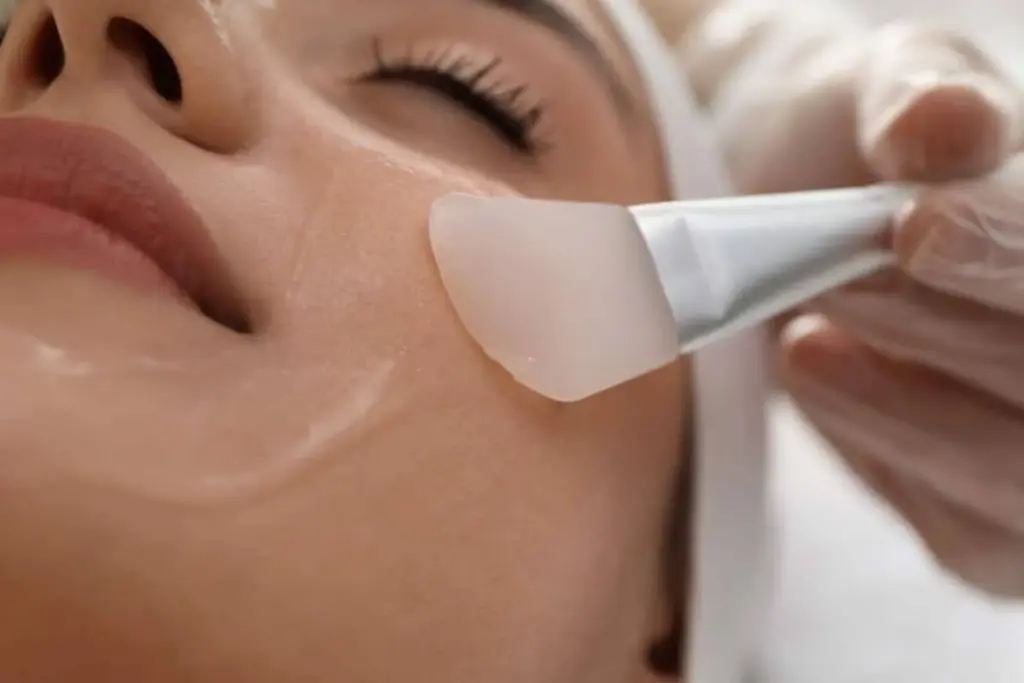
Chemical peels are a favorite among those looking to enhance their skin. Millions of people worldwide choose this treatment to improve their skin’s look and feel. A significant number of individuals have turned to chemical peels to address various skin concerns, from fine lines to hyperpigmentation.
Discussing the chemical peel benefits versus the downsides, including downtime, redness, and potential hyperpigmentation.
So, what do chemical peels do? They work by applying a solution to remove the top skin layers. This reveals smoother, brighter skin. While they offer several chemical peel advantages, including reducing wrinkles and improving skin tone, there are downsides to consider.
Key Takeaways
- Chemical peels are used to improve skin texture and appearance.
- They can address various skin concerns, including fine lines and hyperpigmentation.
- The procedure involves removing top skin layers to reveal smoother skin.
- Chemical peels offer several benefits, including reducing wrinkles.
- Understanding the downsides is key before undergoing treatment.
The Science Behind Chemical Peels
Chemical peels are all about making your skin look better. They work by using a solution to remove the top skin layers. This helps improve your skin’s texture and reduce any imperfections.
How Chemical Exfoliation Affects Skin Cells
Chemical exfoliation uses a solution to break down dead skin cells. This lets the solution get deeper into your skin. It helps remove dead cells, making your skin look healthier and glow.
The Skin Regeneration Process
When you get a chemical peel, it causes a controlled injury to your skin. This injury makes your skin start to heal and grow back. As it heals, your skin gets smoother and lines and wrinkles get less noticeable. This is how chemical peels help fight aging.
To understand chemical peels better, let’s look at how different peels affect your skin.
|
Peel Type |
Depth of Penetration |
Effects on Skin |
|---|---|---|
|
Superficial |
Surface level |
Improves skin texture, brightens skin tone |
|
Medium-Depth |
Into the papillary dermis |
Reduces fine lines, improves skin elasticity |
|
Deep |
Into the reticular dermis |
Significantly reduces deep wrinkles, scars |
Knowing how chemical peels work helps you choose the right treatment. It lets you use exfoliation and skin rejuvenation to look younger.
Types of Chemical Peels and Their Intensity Levels
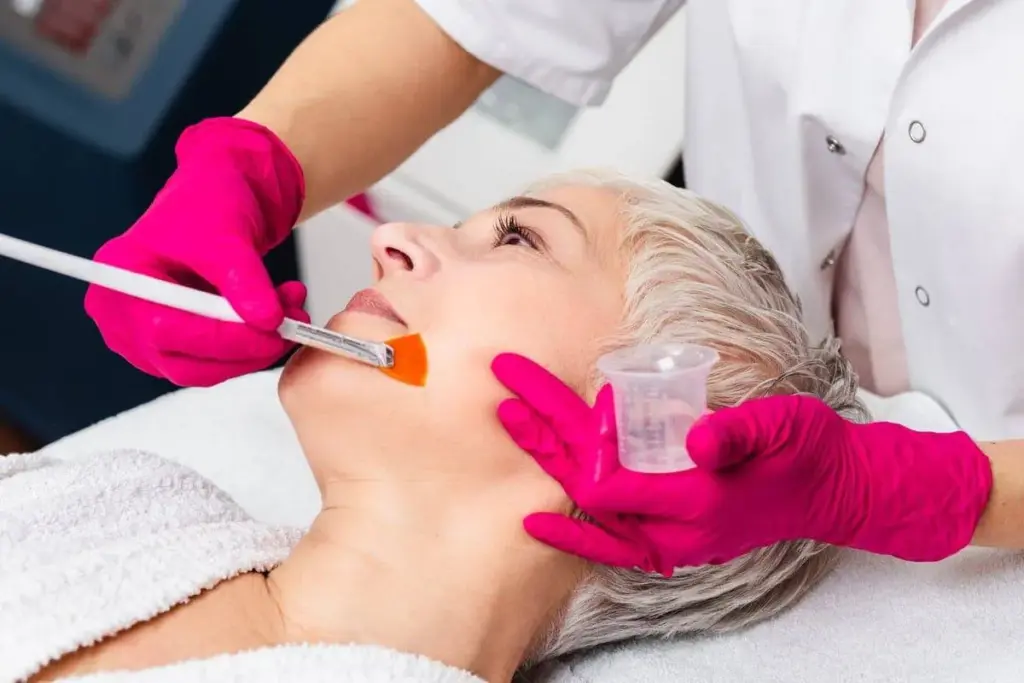
It’s important to know about the different chemical peels for skin rejuvenation. Peels vary in intensity, affecting how deep they penetrate and how much they exfoliate.
Superficial Peels: AHA and BHA Formulations
Superficial peels are the gentlest, using alpha-hydroxy acids (AHAs) or beta-hydroxy acids (BHAs). AHAs, like glycolic acid and lactic acid, improve skin texture and tone. BHAs, like salicylic acid, help with acne by opening pores and reducing inflammation.
“AHAs and BHAs in superficial peels brighten the skin and reduce fine lines,” research shows.
Medium-Depth Peels: TCA and Jessner’s Solution
Medium-depth peels go deeper, using trichloroacetic acid (TCA) or Jessner’s Solution. TCA peels can be adjusted for different levels of exfoliation. Jessner’s Solution, with salicylic acid, lactic acid, and resorcinol, treats hyperpigmentation and mild scars.
Deep Peels: Phenol-Based Treatments
Deep peels, with phenol, are the most intense. They offer deep rejuvenation but need longer recovery times. Phenol peels are great for deep wrinkles, severe sun damage, and loose skin. But, they should only be done by experts due to risks and side effects.
Choosing the right chemical peel depends on your skin concerns and type. Always talk to a dermatologist to find the best peel for you.
Chemical Peel Benefits: Skin Transformation Possibilities
Chemical peels do more than just exfoliate. They offer a deep skin rejuvenation. By removing the top skin layers, they start the skin’s healing process. This leads to smoother, brighter skin.
Improvement in Skin Texture and Tone
Chemical peels improve skin texture and tone. They remove dead skin cells and boost cell turnover. This reveals smoother, fresher skin with an even tone and radiant look.
Key benefits include:
- Smoother skin texture
- Even skin tone
- Enhanced skin brightness
Reduction of Fine Lines and Wrinkles
Chemical peels can reduce fine lines and wrinkles. They exfoliate the skin and boost collagen. This makes the skin look younger and smoother.
Treatment for Acne and Acne Scarring
Chemical peels are great for acne and scars. Peels with salicylic acid clear pores and reduce acne. They also help fade acne scars by renewing the skin.
|
Peel Type |
Acne Treatment |
Scar Reduction |
|---|---|---|
|
Glycolic Acid Peel |
Effective for mild acne |
Moderate scar reduction |
|
Salicylic Acid Peel |
Highly effective for blackheads and whiteheads |
Significant scar reduction |
Hyperpigmentation Correction
Chemical peels can fix hyperpigmentation like melasma and sun spots. They remove pigmented skin layers. This helps achieve a more even skin tone.
It’s key to pick a peel that fits your skin type and concerns. This way, you get the most benefits with the least side effects.
Common Side Effects After Chemical Peel Treatments
Chemical peels are usually safe, but they can cause some side effects. These can be mild or more serious, depending on the peel’s strength and depth.
Redness, Burning, and Stinging Sensations
Right after a peel, your skin might look a bit red, like a sunburn. You might also feel burning or stinging. These feelings can be eased with cool packs or special creams. The strength of the peel affects how intense these feelings are.
Peeling, Flaking, and Excessive Dryness
After a peel, your skin might start to peel or flake. This is as it gets rid of the top layers. It can get dry, so using moisturizers is important. Don’t pick at the peeling skin to avoid scars.
Swelling and Crusting in Medium to Deep Peels
Medium to deep peels can cause swelling and crusting. These effects are more noticeable than with lighter peels. It’s important to follow the after-care instructions closely to lessen these side effects.
Sun Sensitivity and Photodamage Risk
Peels can make your skin more sensitive to the sun. This increases the risk of sun damage. It’s critical to use sunscreen with high SPF and avoid the sun while your skin heals. Protecting your skin from the sun is essential to keep the peel’s results.
- Redness and irritation are common immediately after the treatment.
- Peeling and flaking occur as the skin regenerates.
- Swelling and crusting can happen with deeper peels.
- Increased sun sensitivity requires diligent sun protection.
Serious Risks and Complications of Chemical Peels
Chemical peels can lead to serious complications, affecting the skin and health. While they are safe when done by a professional, there are risks to understand and avoid.
Infection Risks and Prevention
Infection is a risk after a chemical peel. This risk is higher with deeper peels. Proper aftercare is key to prevent infection. Keep the area clean and follow your dermatologist’s advice.
Watch for signs of infection like redness, swelling, and pus. If you see these, get medical help right away.
Scarring: Causes and Likelihood
Scarring is a possible side effect of chemical peels. The risk depends on the peel’s depth and your skin. Deeper peels are more likely to cause scarring.
To lower the risk, choose a skilled practitioner. They can assess your skin and pick the right peel depth for you.
Hyperpigmentation and Hypopigmentation Issues
Chemical peels can change skin color. This can be darkening or lightening, more common in darker skin tones.
Before treatment, a thorough skin check can help predict and prevent these issues.
Cardiac Complications with Phenol Peels
Phenol peels, being deep, pose a rare but serious heart risk. Phenol can cause heart rhythm problems.
Patients getting phenol peels should be watched by a healthcare expert, even more so if they have heart issues.
|
Complication |
Risk Factors |
Prevention Measures |
|---|---|---|
|
Infection |
Deeper peels, poor aftercare |
Proper wound care, follow dermatologist’s instructions |
|
Scarring |
Deeper peels, individual skin characteristics |
Choose a qualified practitioner, appropriate peel depth |
|
Hyper/Hypopigmentation |
Darker skin tones, inappropriate peel depth |
Thorough skin assessment, customized treatment |
|
Cardiac Complications |
Phenol peels, pre-existing heart conditions |
Monitoring by a healthcare professional |
Who Should Avoid Chemical Peels?
Some people should not get chemical peels because they can cause bad reactions. Chemical peels are good for many, but not everyone.
Skin Conditions That Contraindicate Chemical Peels
Some skin problems make it dangerous to get chemical peels. These include:
- Active eczema or psoriasis: These inflamed skin conditions can get worse with chemical peels.
- Rosacea: People with rosacea might see more redness and irritation.
- Dermatitis: Any type of dermatitis can get irritated by peel chemicals.
- Open wounds or sores: Chemical peels can infect or irritate open skin.
Dermatologists say, “People with these conditions should look for other treatments to avoid problems.”
“The skin’s barrier function is compromised in these conditions, making it more susceptible to irritation and infection from chemical peels.”
Medical Conditions and Medications That Increase Risks
Some health issues and medicines can make chemical peels riskier. For example:
- Pregnancy and breastfeeding: Some peel chemicals can get into the blood and affect the fetus or baby.
- History of cold sores: Chemical peels can cause outbreaks.
- Diabetes: Diabetes can make wounds heal poorly, leading to complications.
- Medications like isotretinoin: Taking these can cause severe skin reactions.
It’s important for those thinking about chemical peels to tell their dermatologist about their health and medicines. This helps make sure the treatment is safe and works well.
Chemical peels are useful in some skin treatments, but they’re not for everyone. Knowing who should avoid them is important for safe use.
Professional vs. At-Home Chemical Peels: Risk Comparison
Chemical peels can be safe or risky, depending on where they’re done. Professional peels are safer than DIY ones.
Safety Profiles of Professional Treatments
Professional peels are done in clinics by experts. They pick the right peel for your skin. Professional treatments are tailored to individual skin concerns, making them safer and more effective.
Clincs use clean equipment and keep the area clean. This lowers the chance of problems. Experts can also handle any issues right away.
Dangers of DIY Chemical Peels
At-home peels are risky. Without training, you might pick the wrong peel. This can cause serious problems like burns or lasting damage.
Also, DIY peels are done in unclean places. This raises the risk of getting sick. At-home peels often lack the personalized assessment that pros give, leading to mistakes.
It’s better to get professional help for peels. While DIY peels seem easy, the risks are too high.
Pre-Treatment Considerations: Minimizing Chemical Peel Risks
Pre-treatment steps are key to making chemical peels safer and more effective. A detailed pre-treatment check is essential. It helps spot risks and take steps to lower them.
Importance of Skin Assessment and Patch Testing
First, a skin check is needed before a chemical peel. This looks at the skin’s texture, color, and any current issues like sensitivity. Patch testing is also vital. It shows how the skin reacts to the peel solution.
Patch testing means applying a small amount of peel solution to a hidden skin area. This is usually behind the ear or on the neck. It’s watched for a few days to see how the skin reacts. This helps pick the right peel strength and spot any possible bad reactions.
Preparation Protocol for Safer Outcomes
To get safer results, a prep plan is needed. This might mean stopping certain skincare products, avoiding the sun, and skipping other treatments. These steps help prevent problems and make the peel work better.
|
Pre-Treatment Guidelines |
Recommended Action |
Timing |
|---|---|---|
|
Avoid harsh skincare products |
Stop using products containing retinol, glycolic acid, or other exfoliants |
At least 1 week prior to treatment |
|
Minimize sun exposure |
Use broad-spectrum sunscreen with SPF 30 or higher daily |
2 weeks prior to treatment |
|
Avoid other facial treatments |
Refrain from waxing, tweezing, or undergoing other facial treatments |
1-2 weeks prior to treatment |
By sticking to these pre-treatment tips, you can lower the risks of chemical peels. You’ll also increase your chances of getting the results you want.
Post-Peel Recovery: What to Expect and Warning Signs
Knowing what to expect after a chemical peel can make your experience better. The recovery time varies with the peel’s type and intensity. It’s important to know the normal healing time and warning signs for a smooth recovery.
Normal Healing Timeline After Different Peel Types
The healing time after a chemical peel changes based on the peel’s depth. Superficial peels have the shortest recovery, with little downtime. Medium-depth peels may cause a few days of redness and peeling. Deep peels need a longer recovery, sometimes up to weeks.
Superficial Peels: You might see mild redness and flaking for a few days. The skin might feel tight, but this usually goes away quickly.
Medium-Depth Peels: Expect redness and peeling for several days to a week. The skin might look pink or slightly swollen.
Deep Peels: You could see significant peeling and redness for up to two weeks or more. The skin might be swollen and sensitive.
Red Flags That Require Medical Attention
Some discomfort and redness are normal after a peel. But, certain signs mean you need medical help. Watch your recovery closely and seek help if you see any of these:
- Increasing redness or swelling that doesn’t improve
- Signs of infection, such as pus, fever, or severe pain
- Unusual or persistent peeling
- Changes in skin pigmentation
- Scabbing or crusting that doesn’t heal
|
Peel Type |
Normal Recovery |
Red Flags |
|---|---|---|
|
Superficial |
Mild redness, flaking for a few days |
Severe redness, signs of infection |
|
Medium-Depth |
Redness, peeling for several days to a week |
Prolonged redness, unusual peeling |
|
Deep |
Significant peeling, redness for up to two weeks |
Scabbing, crusting, or signs of infection |
Knowing the normal recovery and possible complications helps manage your expectations. Always follow your dermatologist’s or skincare professional’s post-care instructions. This helps minimize risks and get the best results.
Long-Term Effects of Repeated Chemical Peels
Getting multiple chemical peels can have both good and bad effects on your skin. It’s important to know how they can change your skin over time.
Cumulative Benefits and Risks Over Time
Chemical peels can make your skin look better. They can improve texture, tone, and even out skin color. But, there are also risks to consider.
These risks include becoming more sensitive, getting infections, and scarring. The deeper the peel, the higher the risk. For example, peels like phenol can even cause heart problems in rare cases.
Skin Sensitivity Changes After Multiple Treatments
One big change from repeated peels is how sensitive your skin becomes. After many treatments, your skin might react more to products and sunlight. This can increase the risk of sun damage.
To avoid these problems, it’s key to protect your skin from the sun. Use sunscreen with high SPF and wear protective clothes outside.
Knowing the long-term effects of chemical peels helps you make better choices for your skin. It’s about weighing the good against the bad.
Chemical Peels for Different Skin Types and Concerns
Choosing the right chemical peel is key for great results. It depends on your skin type, what you want to fix, and any skin issues you have.
Fitzpatrick Skin Types and Peel Selection
The Fitzpatrick skin type system helps pick the right peel. It sorts skin into six types based on how it reacts to the sun.
Fitzpatrick Skin Types:
- Type I: Very fair skin that always burns and never tans
- Type II: Fair skin that usually burns and tans with difficulty
- Type III: Medium skin that sometimes burns and tans moderately
- Type IV: Olive skin that rarely burns and tans easily
- Type V: Brown skin that very rarely burns and tans very easily
- Type VI: Very dark skin that never burns and always tans
It’s important to match your skin type with the right peel. This helps avoid risks and get the best results.
Customizing Treatments for Specific Skin Issues
Chemical peels can fix many skin problems like acne, dark spots, and wrinkles. The peel’s type and strength are chosen based on your skin issue and type.
|
Skin Concern |
Chemical Peel Type |
Characteristics |
|---|---|---|
|
Acne |
Salicylic Acid Peel |
Anti-inflammatory, comedolytic |
|
Hyperpigmentation |
Glycolic Acid Peel |
Exfoliating, brightening |
|
Fine Lines/Wrinkles |
TCA Peel |
Stimulates collagen, improves texture |
Knowing your skin type and concerns helps doctors create a custom peel plan. This way, you get the best results.
Questions to Ask Your Dermatologist Before Getting a Chemical Peel
Before getting a chemical peel, it’s important to ask the right questions. This helps you understand the treatment and what to expect. It also helps avoid any risks.
Qualification and Experience Inquiries
It’s key to check your dermatologist’s qualifications and experience. You might ask:
- What experience do you have with chemical peels?
- Can you show me before-and-after photos of your previous patients?
- What qualifications or certifications do you have in dermatology or cosmetic procedures?
Knowing your dermatologist’s background can make you feel more confident. It shows they can customize the treatment for you.
Treatment-Specific Questions
It’s also important to ask about the specific treatment. You might ask:
- What type of chemical peel is best for my skin concerns?
- How will you choose the right concentration and type of peel for me?
- What results can I expect, and how long will they last?
- Are there any possible side effects or risks with the recommended peel?
Asking these questions helps you understand what to expect. It helps you make a well-informed decision.
A detailed consultation with your dermatologist is essential for a successful chemical peel. Being ready with the right questions ensures a treatment plan that’s tailored just for you.
Conclusion: Making an Informed Decision About Chemical Peels
Chemical peels can help make your skin look healthier and more radiant. But, it’s important to know the good and bad sides of these treatments.
Learning about the different types of chemical peels and their strengths and weaknesses is key. This knowledge helps you decide if they’re right for you.
Talking to a dermatologist is a must. They can assess your skin, do patch tests, and guide you on how to prepare. This helps lower risks and ensures a good result.
In the end, choosing chemical peels means weighing all the facts. It’s about understanding your skin’s needs and making a choice that’s right for you.
FAQ
What are the benefits of a chemical peel facial?
A chemical peel facial can make your skin smoother and more even-toned. It can also reduce signs of aging and treat acne. This results in a brighter and more youthful look.
What do chemical peels do to the skin?
Chemical peels remove dead skin cells and stimulate new cell growth. This improves your skin’s texture and reduces fine lines. It helps address various skin concerns.
Are chemical peels safe for acne treatment?
Chemical peels can be safe for acne treatment. But, it’s important to talk to a dermatologist first. They can help choose the right treatment for you.
Can chemical peels be used to treat hyperpigmentation?
Yes, chemical peels can treat hyperpigmentation. They remove the top skin layers and promote cell turnover. This helps even out your skin tone.
What are the common side effects of chemical peels?
Side effects include redness, burning, and peeling. You might also experience flaking and dryness. These usually go away within a week.
Can I get a chemical peel if I have sensitive skin?
If you have sensitive skin, it’s best to talk to a dermatologist first. They can help choose a safe treatment for you.
How can I minimize the risks associated with chemical peels?
To reduce risks, follow the pre-treatment instructions carefully. Do a patch test and get treated by a qualified dermatologist.
What is the difference between a superficial, medium-depth, and deep chemical peel?
Superficial peels are mild and good for maintenance. Medium-depth peels are stronger and treat more serious issues. Deep peels are the strongest and used for severe problems.
Can I perform a chemical peel at home?
At-home chemical peels are available. But, it’s safer to get a professional treatment from a dermatologist. They ensure the peel is right for you.
How often can I get a chemical peel?
The frequency of chemical peels varies. It depends on your skin concerns, type, and the peel used. Always consult a dermatologist for advice.
What should I expect during the recovery period after a chemical peel?
After a peel, you might see redness, peeling, and dryness. It’s important to follow the post-peel care instructions. This helps your skin heal properly.
Can chemical peels be customized for different skin types and concerns?
Yes, chemical peels can be customized. They can be tailored to fit your specific skin issues and type. Dermatologists use the Fitzpatrick skin type classification to guide them.
References
National Center for Biotechnology Information. Evidence-Based Medical Insight. Retrieved from https://www.ncbi.nlm.nih.gov/books/NBK547752