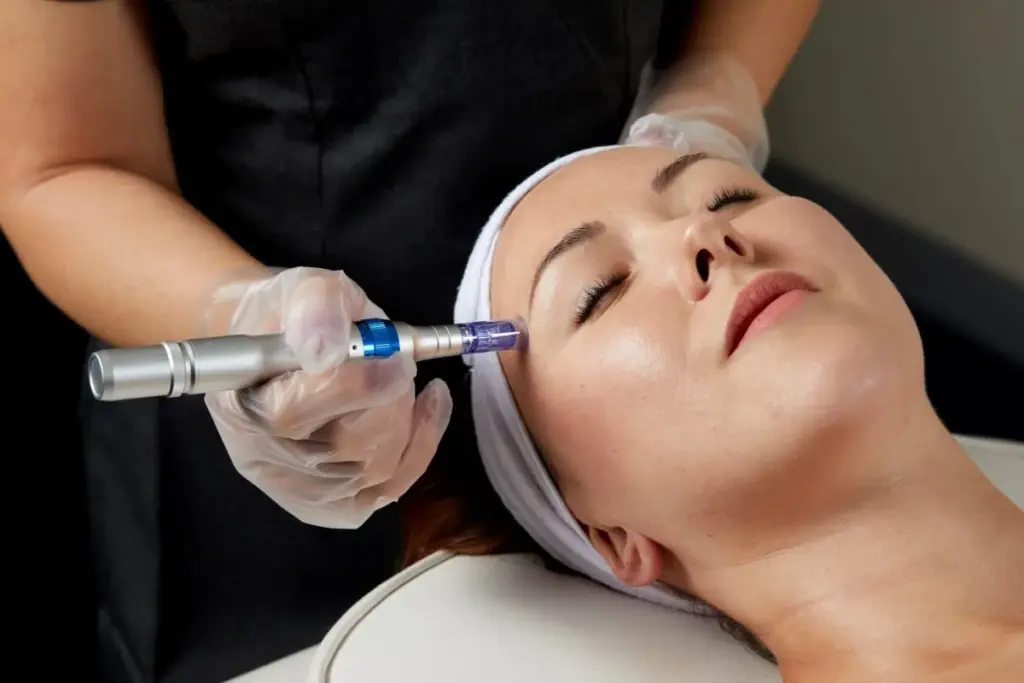
Did you know microneedling is a hit for boosting collagen production and better skin texture? It’s a non-invasive way to refresh your skin.
Knowing when to get microneedling can make your skin look amazing. It’s all about how often you do it to get the best results.
Providing a recommended timeline for professional and at-home micro needling sessions for best results.
Key Takeaways
- Microneedling stimulates collagen production for improved skin texture.
- The frequency of treatments affects the outcome of skin rejuvenation.
- Understanding the optimal treatment schedule is key for the best results.
- Collagen induction therapy is a major plus of microneedling.
- Getting regular treatments can make your skin glow and look young.
Understanding Micro Needling: What It Is and How It Works
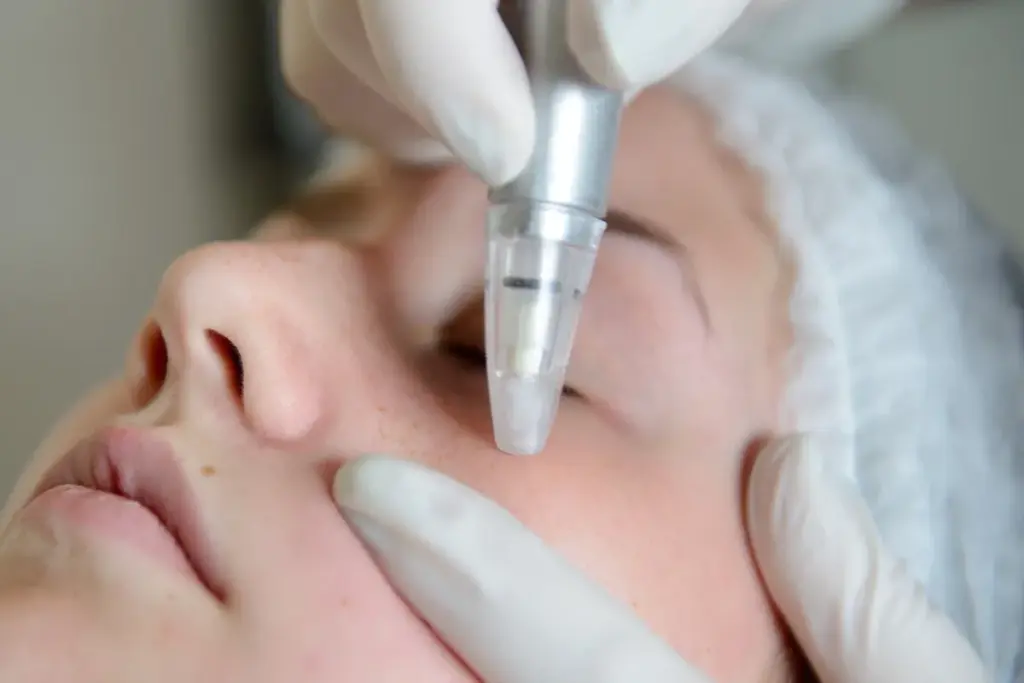
Microneedling uses tiny needles to make small injuries in the skin. This starts the body’s healing process. It’s a treatment that helps make the skin look smoother and younger.
The Science Behind Collagen Induction Therapy
Collagen induction therapy, or microneedling, makes small injuries in the skin. These injuries start the body’s healing process. This leads to more collagen and elastin, making the skin look better.
A special device with fine needles is used for this treatment. The needles go into the skin at a set depth. The depth needed depends on the skin issue, like scars or wrinkles.
Different Types of Microneedling Devices
There are many microneedling devices out there. The most common are derma rollers and dermapens. Derma rollers are handheld and easy to use at home. Dermapens are electronic and used in professional settings for their precision.
Choosing the right device depends on your skin needs and where you plan to use it. Knowing about the different devices helps get the best results.
The Benefits of Micro Needling for Skin Rejuvenation
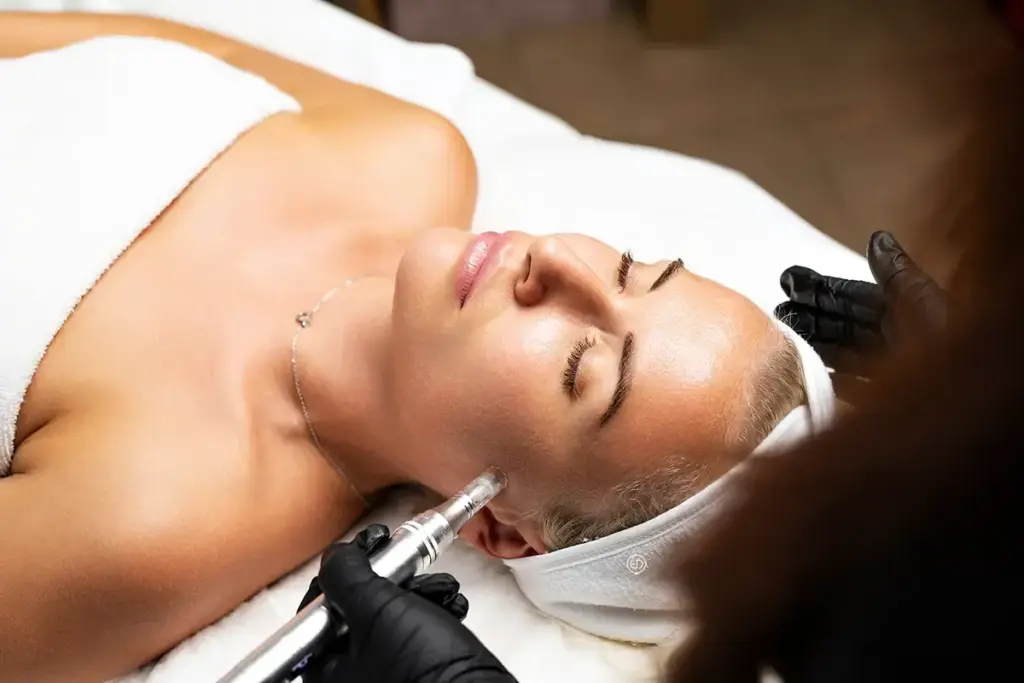
Microneedling is a modern treatment that boosts skin health. It’s a gentle method that helps the skin heal itself. This leads to smoother and more youthful-looking skin.
Collagen and Elastin Production
Microneedling helps increase collagen and elastin in the skin. These proteins decrease with age, causing wrinkles and sagging. The treatment creates tiny injuries that make the skin produce more collagen and elastin.
This leads to better skin elasticity and fewer wrinkles. Studies show it boosts collagen, helping the skin look younger.
Improved Product Absorption
Microneedling also makes product absorption better. It creates tiny channels in the skin. This lets creams and serums penetrate deeper, working more effectively.
Patients often see better skin texture and glow after treatments. Using the right products after treatment helps too.
Addressing Multiple Skin Concerns Simultaneously
Microneedling can tackle many skin issues at once. It works on fine lines, wrinkles, acne scars, and dark spots. It’s great for those wanting to fix several problems with one treatment.
- Reduces the appearance of fine lines and wrinkles
- Improves skin texture and tone
- Minimizes acne scars and hyperpigmentation
- Enhances overall skin rejuvenation
Microneedling boosts collagen, improves product use, and fixes various skin issues. It’s a complete solution for skin rejuvenation.
Professional vs. At-Home Microneedling: Key Differences
Choosing between professional microneedling and at-home treatments involves several important factors. These factors affect how well and safely the treatment works. Knowing these differences helps you make a choice that fits your skincare needs and goals.
Needle Length and Penetration Depth
Professional microneedling uses longer needles, from 0.5 to 2.5 mm, for deeper skin treatments. This is great for serious issues like deep wrinkles and acne scars. At-home devices have shorter needles, 0.2 to 0.5 mm, for shallower treatments.
While at-home devices can improve skin texture, they might not tackle deeper problems as well as professional treatments.
Safety Considerations
Professional microneedling is safer because it’s done in a clean, clinical setting. Trained professionals ensure the treatment is done right, reducing risks like infection and scarring.
At-home devices are generally safe if used correctly. But, there’s a higher risk of infection or other problems if not cleaned properly. It’s important to follow the device’s instructions and keep it clean.
Cost Comparison
Professional microneedling might cost more per session but can offer better, longer-lasting results. This could save money in the long run.
At-home devices are cheaper upfront but might need more frequent use. Their cost-effectiveness depends on the device’s quality and how often you use it.
In conclusion, choosing between professional and at-home microneedling depends on needle length, safety, and cost. Understanding these differences helps you make a choice that meets your skincare needs and goals.
Ideal Microneedling Frequency for Professional Treatments
The right time for professional microneedling treatments depends on your skin and goals. Knowing the best schedule is key to getting the most from microneedling.
General Guidelines for In-Office Procedures
Most people need a series of treatments for the best results. Usually, 3 to 6 treatments are advised, with 4 to 6 weeks between each. This time lets your skin heal and collagen production to work well.
The number and timing of treatments can change. This depends on your skin, the issues you want to fix, and the microneedling method used.
Treatment Intervals Based on Skin Concerns
Various skin problems need different treatment times. For example:
- Acne scars and deep wrinkles might need more frequent treatments at first, then less often.
- Fine lines and mild skin texture issues might need treatments less often.
- Hyperpigmentation and melasma treatments must be timed right to avoid dark spots.
It’s important to talk to a professional to find the right schedule for your skin.
Maintenance Sessions After Initial Treatment Course
After the first set of treatments, maintenance sessions are often needed to keep the results. These can be every 6 to 12 months, based on your skin’s response and needs.
Regular maintenance keeps the results you’ve achieved and helps improve your skin’s health over time.
How Often Should You Use a Derma Roller at Home?
The right time to use a derma roller at home varies. It depends on the needle length and your skin issues. Knowing these helps you get the most from at-home microneedling safely.
Needle Length and Recommended Frequency
The needle length on your derma roller matters a lot. Derma rollers have needles from 0.2mm to 2.5mm. Start with shorter needles (0.2mm to 0.5mm) at home. Then, you can move to longer ones if a dermatologist says it’s okay.
- For 0.2mm to 0.5mm needles, use it 2-3 times a week.
- For 0.5mm to 1.0mm needles, use it once a week.
- For needles longer than 1.0mm, see a dermatologist. At-home use is not usually recommended.
Using a derma roller too much can irritate your skin. Make sure to give your skin time to heal between uses.
Building a Sustainable At-Home Routine
Start by figuring out what you want to fix with your skin. Pick the right needle length. Begin with a low frequency and adjust as needed.
|
Skin Concern |
Recommended Needle Length |
Frequency |
|---|---|---|
|
General Skin Rejuvenation |
0.2mm – 0.5mm |
2-3 times a week |
|
Fine Lines and Wrinkles |
0.5mm – 1.0mm |
Once a week |
|
Deep Scars and Stretch Marks |
1.0mm – 2.5mm |
Professional guidance recommended |
Signs You’re Overdoing It
Watch how your skin reacts to microneedling. If it’s always red, too sensitive, or irritated, you might be doing too much. Cut back or stop for a while if you see these signs.
“Microneedling, when done correctly, can be a game-changer for your skincare routine. But it’s not for everyone. Listen to your skin and adjust as needed.” – Skincare Expert
Understanding how to use a derma roller and listening to your skin helps you enjoy at-home microneedling safely.
Complete Guide to Micro Needling Tools and Devices
It’s important to know about the different microneedling tools and devices for the best skincare results. Microneedling is popular for tackling skin issues like fine lines and acne scars.
Derma Rollers vs. Dermapens
There are two main devices for microneedling: derma rollers and dermapens. Derma rollers are handheld tools with needles that roll over your skin. They create tiny injuries that help make more collagen. They’re great for home use because they’re easy to use and not expensive.
Dermapens are electronic tools that look like pens. They make tiny injuries too. They’re often used in professional settings because they’re more precise and can adjust to different needle lengths and speeds.
Needle Sizes and Their Specific Uses
The size of the needles used in microneedling matters a lot. Different sizes are good for different skin problems.
|
Needle Length |
Use |
|---|---|
|
0.2-0.5 mm |
Ideal for maintenance, improving product absorption, and mild skin rejuvenation. |
|
0.5-1.0 mm |
Suitable for addressing fine lines, minor scars, and improving skin texture. |
|
1.0-2.5 mm |
Used for deeper scars, significant wrinkles, and more pronounced skin concerns. |
Best At-Home Microneedling Devices
If you want to try microneedling at home, there are some good options. Derma rollers are popular because they’re easy to use and affordable. When picking a device for home use, think about the needle length and how well it’s made.
Some top at-home microneedling devices include:
- Derma rollers with adjustable needle lengths
- Mini dermapens for more precise treatment
- Combination devices that offer multiple skincare treatments
Step-by-Step Guide: How to Use a Derma Roller Properly
To get the most out of your derma roller, it’s key to know how to use it right. It can help boost collagen, improve skin texture, and make skincare products work better.
Preparation and Sanitization
First, get your skin ready and clean your derma roller. Start by washing your face with a gentle cleanser to get rid of dirt and makeup. Then, soak your derma roller in a mix of water and white vinegar for 5-10 minutes to sanitize it. Rinse it with clean water and let it dry.
Key preparation steps include:
- Cleansing your face thoroughly
- Sanitizing the derma roller
- Ensuring the derma roller is dry before use
Proper Rolling Technique
For the best results, use the right rolling technique. Hold the derma roller gently but firmly. Roll it in different directions (vertically, horizontally, and diagonally) over the whole area. Use gentle pressure, but don’t press too hard to avoid discomfort or injury.
Here’s a step-by-step guide to the rolling technique:
- Roll vertically (up and down) 10 times
- Roll horizontally (side to side) 10 times
- Roll diagonally (both directions) 10 times each
Post-Rolling Skincare Protocol
After rolling, your skin is ready to soak up skincare products. Apply a soothing serum or moisturizer to calm and hydrate your skin. Remember to sanitize your derma roller again and store it in a dry case.
|
Post-Rolling Care |
Product/Application |
Benefits |
|---|---|---|
|
Soothing Serum |
Apply immediately after rolling |
Calms and hydrates the skin |
|
Moisturizer |
Apply after serum |
Seals in moisture and supports skin health |
|
Derma Roller Sanitization |
Soak in water and vinegar solution |
Prevents bacterial growth and infection |
By following these steps and sticking to a routine, you can get the most out of your derma roller. You’ll have healthier, more radiant skin.
Microneedling Frequency for Different Skin Concerns
Knowing the right microneedling frequency is key for tackling specific skin issues. Different problems, like acne scars, fine lines, hyperpigmentation, and skin rejuvenation, need different approaches. This ensures the best results.
Acne Scars and Textural Issues
For acne scars and textural problems, starting with more frequent treatments is often needed. Treatments are usually done every 4-6 weeks. This helps break up scar tissue and boosts collagen, improving skin texture.
- Initial treatment phase: Every 4-6 weeks
- Maintenance phase: Every 8-12 weeks
Fine Lines and Wrinkles
For fine lines and wrinkles, the goal is to boost collagen. Treatments are spaced every 6-8 weeks. This helps the skin naturally produce more collagen, making lines and wrinkles less noticeable.
- Recommended treatment frequency: Every 6-8 weeks
- Number of treatments: 3-6 sessions
Hyperpigmentation and Melasma
For hyperpigmentation and melasma, microneedling can be paired with other treatments. This includes chemical peels or topical serums. Treatments are spaced 4-6 weeks apart, allowing the skin to adjust.
- Treatment frequency: Every 4-6 weeks
- Combination therapy: Consider adding chemical peels or topical treatments
General Skin Rejuvenation
For overall skin rejuvenation, microneedling is done every 8-12 weeks. This keeps the skin healthy and improves its texture and tone.
- Maintenance treatments: Every 8-12 weeks
- Benefits: Improved skin texture, tone, and appearance
Adjusting microneedling frequency based on skin concerns leads to better results. It’s vital to talk to a professional to find the best schedule for your skin.
The Recovery Timeline: What to Expect After Microneedling
Knowing what to expect after microneedling can make your recovery better. The recovery time is key to how well the treatment works and how happy you’ll be with it.
Immediate Post-Treatment Effects
Right after microneedling, your skin might look red and inflamed, like a mild sunburn. This is normal and usually goes away in a few hours. Some people might see a bit of bleeding or tiny spots of blood, but this stops quickly.
Days 1-7 Healing Process
The healing time can differ, but most people follow a similar path:
- Day 1-2: You might feel some redness, swelling, and mild pain.
- Day 3-4: Your skin might start to peel or flake as it heals.
- Day 5-7: Your skin will start to feel smoother and the redness will lessen.
|
Day |
Expected Effects |
Care Tips |
|---|---|---|
|
1-2 |
Redness, swelling |
Keep skin moisturized, avoid direct sun |
|
3-4 |
Peeling or flaking |
Gently exfoliate, continue moisturizing |
|
5-7 |
Improvement in skin texture |
Resume gentle skincare, use sunscreen daily |
When to Resume Normal Skincare Routine
It’s best to wait 24 to 48 hours before going back to your usual skincare. This lets your skin heal without any extra stress. When you start again, use gentle products and slowly add back in active ingredients.
Understanding the recovery timeline helps you plan better. Knowing what to expect makes your microneedling results better and your recovery smoother.
How Long Do Microneedling Results Last?
Knowing how long microneedling results last is key for keeping your skin healthy. This treatment boosts collagen, making your skin look better.
Short-Term vs. Long-Term Benefits
Microneedling shows results right away and over time. At first, your skin might look smoother and brighter. Later, your skin keeps getting better as it keeps making collagen.
Short-term benefits include:
- Immediate skin smoothing
- Enhanced skin radiance
- Temporary reduction in fine lines and wrinkles
Long-term benefits include:
- Sustained collagen production
- Improved skin texture and firmness
- Reduction in scars and hyperpigmentation
Factors Affecting Result Longevity
Many things can affect how long microneedling results last. These include:
|
Factor |
Description |
Impact on Results |
|---|---|---|
|
Skin Condition |
Pre-existing skin health and concerns |
Significant impact; healthier skin retains results longer |
|
Maintenance Routine |
Regular skincare and follow-up treatments |
High impact; regular maintenance prolongs results |
|
Lifestyle Factors |
Sun exposure, smoking, and diet |
Moderate impact; healthy lifestyle supports longer results |
To make microneedling results last longer, keep up with your skincare. Also, protect your skin from the sun and avoid bad habits.
By knowing these tips and following them, you can enjoy microneedling’s benefits for a long time.
Best Practices for At-Home Microneedling Safety
To keep your at-home microneedling safe, follow some key steps. Microneedling can improve your skin if done right. But, doing it wrong can cause problems.
Proper Sterilization Techniques
Cleaning your derma roller is very important. Before each use, wash it with soap and warm water. Then, soak it in a mix of water and white vinegar or 70% isopropyl alcohol for 10 minutes. After, rinse it with distilled water and let it dry.
Key Sterilization Steps:
- Clean with soap and warm water
- Sterilize with vinegar or isopropyl alcohol
- Rinse with distilled water
- Air dry
When to Replace Your Derma Roller
It’s important to know when to get a new derma roller. You should replace it every 3 to 6 months. This depends on how often you use it and the quality of the needles. Look for these signs to know it’s time for a new one:
- Bent or broken needles
- Visible signs of wear on the roller
- Reduced effectiveness in skin rejuvenation
|
Derma Roller Condition |
Replacement Timeline |
|---|---|
|
Heavy Use (Daily) |
3 months |
|
Moderate Use (Weekly) |
6 months |
|
Light Use (Bi-Weekly) |
8-12 months |
Pre and Post-Treatment Skincare
Good skincare before and after microneedling is key. Make sure your skin is clean and makeup-free before. Use a numbing cream if you need to. After, apply a soothing serum or moisturizer to help your skin heal.
Pre-Treatment Tips:
- Cleanse your skin thoroughly
- Avoid microneedling over active acne or open wounds
- Use a numbing cream if you’re sensitive
By following these safety tips, you can enjoy the benefits of microneedling without risks.
Combining Microneedling with Other Treatments: Timing Considerations
To get the most out of microneedling, knowing how to mix it with other treatments is key. It can be paired with many treatments to boost skin renewal.
Microneedling with Serums and PRP
Adding serums or Platelet-rich Plasma (PRP) to microneedling can really up the game. Serums packed with growth factors and hyaluronic acid soak deeper into the skin. This makes them work better. PRP, made from your own blood, is full of growth factors that help make collagen and fix tissues.
Key benefits of combining microneedling with serums and PRP include:
- Enhanced collagen production
- Improved skin texture and tone
- Increased absorption of active ingredients
Spacing Between Different Facial Treatments
It’s important to space out microneedling with other treatments to avoid overdoing it. You should wait at least 2-4 weeks, depending on your skin and the treatments. This lets your skin recover properly.
|
Treatment Combination |
Recommended Spacing |
|---|---|
|
Microneedling + Chemical Peel |
4-6 weeks |
|
Microneedling + Laser Treatment |
6-8 weeks |
|
Microneedling + Facial Massage |
1-2 weeks |
Creating an Effective Treatment Calendar
Having a personalized treatment plan is vital for the best results. It means planning treatments based on your skin type, concerns, and goals.
“A well-planned treatment calendar not only enhances the effectiveness of microneedling but also ensures a safe and efficient treatment process.”
– Expert Opinion
Understanding how to time microneedling with other treatments helps you craft a plan that meets your skin’s needs. This way, you can achieve your skin goals more effectively.
When to Avoid Microneedling: Contraindications and Timing
Microneedling is great for many, but not for everyone. Knowing when it’s not safe is key to a good outcome.
Skin Conditions That Require Postponing Treatment
Some skin issues mean you should wait on microneedling. These include:
- Active acne: It can spread bacteria and make acne worse.
- Eczema and psoriasis: These can get worse if not managed first.
- Open wounds or sores: It can lead to infection and slow healing.
- Rosacea: If you’re having a bad flare-up, wait until it calms down.
Medications and Products That Affect Treatment Timing
Some meds and products can change when you can get microneedling. Keep these in mind:
- Retinoids and exfoliating products: Using them before can make your skin too sensitive.
- Blood thinners: They can make you bruise more during and after treatment.
- Immunosuppressive drugs: They can slow healing and raise infection risk.
- Isotretinoin: It can make skin healing harder, so wait until it’s out of your system.
Talking to a doctor or dermatologist before microneedling is a must. This is true for anyone with skin issues or on certain meds.
Conclusion: Creating Your Personalized Microneedling Schedule
Creating a personalized microneedling schedule is key to getting the best results. It’s important to know your skin concerns and needs. This way, you can make a treatment plan that fits your specific issues.
Experts say a customized microneedling schedule can really improve your results. To make your own schedule, think about your skin type, concerns, and how often you should get treatments.
Now, you can plan your treatment strategy based on what you’ve learned. Whether you’re using a derma roller at home or getting professional treatments, a good plan will help you reach your goals.
Having a personalized microneedling schedule helps you get the most out of collagen therapy. It ensures you’re on the way to healthier, brighter skin.
FAQ
What is microneedling and how does it work?
Microneedling is a cosmetic procedure that uses tiny needles to make micro-injuries in the skin. This stimulates collagen production and rejuvenates the skin.
What are the benefits of microneedling?
It improves skin texture and reduces fine lines and wrinkles. It also addresses acne scars, hyperpigmentation, and melasma. Plus, it enhances product absorption.
How often should I microneedle at home?
The frequency depends on the needle length and your skin concerns. It usually ranges from once a week to once a month.
What is the difference between professional and at-home microneedling?
Professional microneedling uses longer needles and advanced technology. At-home microneedling uses shorter needles and is more convenient but less effective.
How long do microneedling results last?
Results vary based on your skin, treatment frequency, and maintenance. They can last several months to a year or more.
Can I combine microneedling with other facial treatments?
Yes, you can combine it with serums, PRP, and chemical peels. But, make sure to space them out correctly and follow a treatment calendar.
What are the contraindications for microneedling?
Avoid microneedling if you have active acne, rosacea, or eczema. Also, if you’re on blood thinners, you may need to postpone or avoid treatment.
How do I maintain safety during at-home microneedling?
Use proper sterilization techniques and the right needle length. Follow post-treatment skincare protocols to ensure safety.
What is the recovery timeline after microneedling?
You’ll experience immediate effects like redness and sensitivity. The healing process can take several days to a week.
How do I choose the right microneedling device for at-home use?
Look at needle length, device type (derma roller or dermapen), and brand reputation. These factors will help you choose the right device.
Can microneedling help with acne scars and textural issues?
Yes, it can improve acne scars and textural issues. It stimulates collagen production and rejuvenates the skin.
Reference
National Center for Biotechnology Information. Evidence-Based Medical Insight. Retrieved from https://www.ncbi.nlm.nih.gov/pmc/articles/PMC5556180/