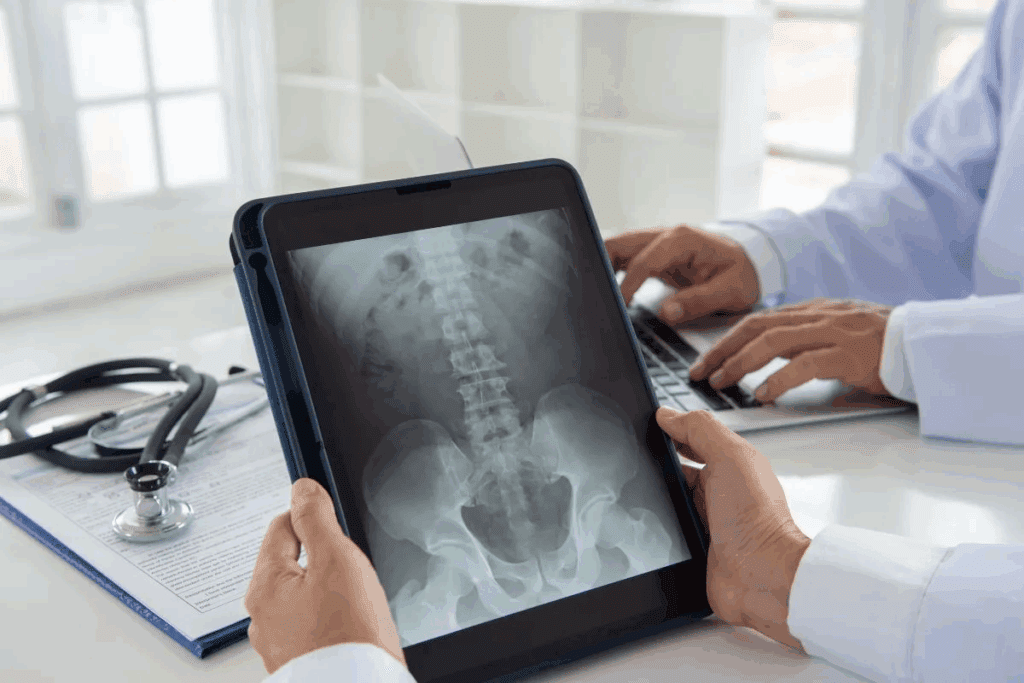
Learning how to prepare for a CT scan can make things less stressful. A CT scan combines X-rays and computer tech to show detailed images inside your body.
At Liv Hospital, we help you get ready for your scan. This includes fasting and using contrast. Studies now say you might not need to fast for all CT scans. It’s key to know what’s needed for your scan.
Learn the essential preparation for ct scan. Understand fasting, contrast rules, and what to expect on the day of your appointment clearly.
Key Takeaways
- CT scan preparation varies based on the type of examination.
- Fasting requirements have evolved for contrast-enhanced CT scans.
- Understanding your specific CT scan is key for proper preparation.
- Liv Hospital offers clear guidance at every step of your care.
- Good preparation leads to better results and less stress.
Understanding CT Scans: What They Are and Why They’re Performed
CT scans are key in modern medicine. They give doctors detailed images to diagnose and treat many conditions. These scans help see inside the body, which is vital for managing health issues.
How CT Scans Work
CT scans use computer tech and X-rays to show body parts in detail. An X-ray machine moves around the body. It takes pictures from different angles, then makes a full image.
Key Components of a CT Scan:
- X-ray tube: Makes X-rays that go through the body.
- Detectors: Catch the X-rays that pass through.
- Computer system: Makes the images from the data.
Common Reasons for CT Imaging
CT scans help in many ways, like finding injuries and diseases. They also help guide treatments. Here are some reasons for using CT scans:
| Condition | Description |
|---|---|
| Injuries | Finds internal injuries, like bleeding or breaks. |
| Diseases | Helps find conditions like cancer, heart disease, and infections. |
| Treatment Guidance | Helps with biopsies, surgeries, and other treatments. |
Benefits and Limitations
CT scans have many benefits, like quick images and detailed views. But, they also have downsides, like radiation exposure and possible allergic reactions to contrast agents.
The benefits of CT scans include:
- Quick and painless.
- Highly detailed images.
- Can find many conditions.
Knowing about CT scans helps both patients and doctors make better choices.
Types of CT Scans: Contrast vs. Non-Contrast
CT scans are divided into non-contrast and contrast-enhanced scans. Each has its own purpose in medical imaging. Knowing the difference helps prepare for the scan and ensures it gives the right information.
Non-Contrast CT Scans
Non-contrast CT scans don’t use contrast agents. They’re used to find conditions like kidney stones, lung diseases, or internal injuries. These scans are fast and simple, making them key in emergency care.
Common uses of non-contrast CT scans include:
- Detecting kidney stones or gallstones
- Diagnosing lung diseases such as pneumonia or COPD
- Identifying internal injuries or bleeding
Contrast-Enhanced CT Scans
Contrast-enhanced CT scans use a contrast agent to show specific areas in the body. The agent is given through an IV. It makes blood vessels, tumors, and other issues clearer.
The benefits of contrast-enhanced CT scans include:
- Improved detection of tumors and metastases
- Enhanced visualization of blood vessels and vascular diseases
- Better assessment of organ function and pathology
These scans are great for finding cancer, vascular diseases, and some infections.
Dual-Phase and Multi-Phase Scans
Dual-phase and multi-phase CT scans take images at different times after contrast agent is given. This method helps check blood flow to organs or tumors. It also helps tell different types of lesions apart.
Dual-phase scans are useful for:
- Characterizing liver lesions
- Evaluating pancreatic pathology
- Assessing certain types of tumors
In summary, the type of CT scan needed depends on the medical condition being looked at. Knowing the differences between non-contrast, contrast-enhanced, dual-phase, and multi-phase scans helps patients prepare. It also helps doctors make accurate diagnoses.
The Evolution of CT Scan Preparation Guidelines
Medical imaging technology has grown a lot, and so have the rules for getting ready for CT scans. These rules have changed a lot, thanks to new contrast media and better understanding of safety.
Historical Fasting Protocols
Old rules for CT scans were strict because of worries about aspiration and older contrast agents. Patients had to fast for hours to lower these risks.
New contrast media, like non-ionic low-osmolar agents, have made CT scans safer. This has led to a rethink of old fasting rules.
Why Guidelines Have Changed
New research and safer contrast agents have led to less strict fasting rules. Modern contrast media have fewer side effects, making fasting less necessary.
Studies show that eating lightly or drinking clear fluids before a CT scan can make patients more comfortable. This change focuses more on the patient’s needs in radiology.
Current Evidence-Based Approaches
Today’s CT scan preparation rules depend on the scan type and patient’s health. For many non-emergency scans, patients can eat a light meal or drink clear liquids up to a certain time before.
Evidence-based approaches guide these decisions. The choice to fast or not depends on the patient’s needs and the scan’s requirements. This includes the contrast agent used and the patient’s medical history.
For example, patients getting IV contrast may eat and drink normally unless they have certain risks. Those needing oral contrast get specific instructions.
We’re moving towards a more detailed understanding of CT scan prep. It aims to balance patient comfort with safety and effectiveness. As research grows, so will the guidelines, reflecting the latest in radiology.
Understanding Contrast Agents: Types and Uses
Contrast agents are substances used in CT scans to highlight body areas. They make it easier for doctors to see structures or fluids. This helps in diagnosing and monitoring medical conditions.
Iodine-Based IV Contrast Media
Iodine-based IV contrast media are the most used for CT scans. They contain iodine, which absorbs x-rays and shows up bright on CT images. This makes blood vessels, organs, and other structures more visible.
Key characteristics of iodine-based IV contrast media include:
- Rapid injection into a vein, usually in the arm
- Quick distribution throughout the body
- Enhanced visualization of vascular structures and organs
What You Drink Before a CT Scan: Oral Contrast
Oral contrast agents are taken before a CT scan to see the gastrointestinal tract. They can be positive or negative contrast media.
| Type of Oral Contrast | Description | Use |
|---|---|---|
| Positive Oral Contrast | Contains barium or iodine, making the bowel appear bright on CT images | Helps in visualizing the bowel and detecting abnormalities |
| Negative Oral Contrast | Makes the bowel appear dark on CT images | Useful in certain cases where bright contrast may obscure details |
Rectal Contrast Administration
Rectal contrast administration involves introducing contrast material into the rectum. It’s used to see the lower gastrointestinal tract. This method is great for checking the rectum and sigmoid colon.
The procedure involves:
- Insertion of a rectal catheter
- Administration of contrast material
- CT scanning to visualize the rectum and surrounding structures
Knowing about different contrast agents and their uses is key for proper preparation. It ensures the CT scan gives the needed information. By picking the right contrast agent, healthcare providers can improve CT scan results. This leads to better care for patients.
Modern Research on Fasting Before CT Scans
Recent studies have changed how we think about fasting before CT scans. For a long time, doctors told patients to fast before getting a CT scan, even with contrast agents. But now, research shows that eating and drinking before a CT scan might not be as dangerous as we thought.
The 2020 Landmark Study Findings
In 2020, a big study changed our views on fasting before CT scans. It found that eating and drinking before CT scans with contrast didn’t raise the risk of serious breathing problems. This study looked at a huge number of cases, giving strong evidence to rethink old fasting rules.
Analysis of 127,200 Cases
The 2020 study looked at 127,200 patients who had CT scans with contrast. It showed no big difference in bad reactions or problems between those who fasted and those who didn’t. This study’s findings suggest we might not need to fast as much before CT scans, which could change how we prepare for them.
Current Medical Consensus on Eating and Drinking
Now, doctors think that eating and drinking before a CT scan might be okay for many people. While rules can differ based on the scan type and patient health, the trend is towards less strict fasting. Doctors see that fasting can cause dehydration or low blood sugar, which might be worse than the benefits.
So, patients should listen to their doctor’s specific advice. The right preparation can depend on the patient’s health and the scan type. It’s key for patients to talk to their doctor to figure out the best way to prepare for their CT scan.
Complete Preparation for CT Scan Without Contrast
To get the most out of your non-contrast CT scan, it’s key to prepare well. This scan doesn’t need contrast dye. Good preparation makes the scan run smoothly and results accurate.
Clothing and Accessories Guidelines
Wear comfy clothes without metal for your CT scan. Loose-fitting clothes without metal parts are best. You might need to change into a hospital gown if your clothes have metal.
Take off any jewelry, glasses, or metal items. Tell your doctor about any medical implants or devices. Some implants need special care.
Medication Considerations
Usually, you don’t need to stop your meds before a non-contrast CT scan. But, tell your healthcare provider about all your medications. This includes prescription, over-the-counter, and supplements. It helps your team check for risks or interactions.
Can You Eat and Drink Before a Non-Contrast CT?
Non-contrast CT scans often don’t need fasting or special diets. You can usually eat and drink as you normally would before the scan. But, always check with your healthcare provider or the imaging center for specific instructions.
In some cases, you might need to avoid eating or drinking before the scan. This is if a contrast agent might be used later or for certain CT scans. Always listen to your healthcare team for the best results.
Preparation for CT Scan With Contrast
Getting ready for a CT scan with contrast is key for a good experience. We’ll show you how to get ready.
Current Fasting Guidelines for Different Contrast Types
Fasting rules before a CT scan with contrast change with the contrast type. Usually, people fast to avoid problems.
For iodine-based contrast, fasting for 2-4 hours is common. But, rules can change based on the place and your health.
| Contrast Type | Fasting Duration | Additional Instructions |
|---|---|---|
| Iodine-Based | 2-4 hours | Avoid heavy meals before the scan |
| Barium-Based | 4-6 hours | Follow specific oral contrast instructions |
Can You Drink Water Before a CT Scan With Contrast?
Drinking water before a CT scan with contrast is okay. Sometimes, it’s even good to stay hydrated. But, always listen to what your healthcare team says.
“Staying hydrated is important, but it’s equally critical to follow the specific fasting and hydration instructions given by your healthcare team to ensure the contrast agent works effectively.”
Medical Expert, Radiologist
Medication Adjustments
Some medicines might need to be changed or stopped before a CT scan with contrast. Tell your doctor about all your medicines.
- Inform your doctor about any diabetes medications, as some may need to be adjusted.
- Discuss any concerns about other medications with your healthcare provider.
- Follow the specific guidance on medication adjustments provided by your healthcare team.
By knowing and following these tips, you can help make your CT scan with contrast a success. This will help get accurate results.
Abdominal CT Scan Preparation: Special Considerations
Abdominal CT scans need special preparation steps. These steps can change based on the scan type and what the doctor needs to see. It’s key for patients to know these steps to get ready for their scan.
CT Scan of Abdomen Preparation Requirements
For a CT scan of the abdomen, patients must follow certain rules. Fasting might be needed for a while before the scan. This time can change based on the contrast used and the doctor’s orders.
Patients should tell their doctor about any medications they are taking. Some meds might need to be changed before the scan. Also, they should remove any metal objects, like jewelry and some clothes, to avoid scan interference.
Prep for CT Abdomen and Pelvis: Oral Contrast Protocols
Oral contrast is used in CT scans of the abdomen and pelvis. It helps show different parts and problems. The type and amount of contrast can differ, but it usually involves drinking a special agent before the scan.
- The contrast makes the intestines and other parts stand out.
- Patients might need to drink the contrast a few hours or even the night before.
- The exact plan will be given by the healthcare team. It’s important to follow it closely.
Bowel Preparation When Needed
In some cases, you might need to prepare your bowel before a CT scan. This means cleaning out your bowel to avoid messing up the scan’s results.
The bowel prep can include special diets and laxatives or enemas. The doctor will tell you exactly what to do if you need to prepare your bowel.
By knowing and following these special steps for preparing for an abdominal CT scan, patients can make sure their scan goes well. This helps get the best results for their health.
What to Do Before CT Scan: Day-of Procedure Guide
On the day of your CT scan, being prepared is key for a smooth process. We know getting a CT scan can be nerve-wracking. So, we’re here to help you get ready.
Before Entering the Scanning Room
Before you go into the scanning room, you’ll need to take off any metal items. This includes jewelry, glasses, and clothes with metal parts. Wear something comfy and loose that doesn’t have metal fasteners. If you have any medical devices or implants, tell the radiology staff.
Preparation Checklist:
- Remove metal objects and jewelry
- Wear comfortable, metal-free clothing
- Inform staff about medical devices or implants
- Arrive at least 15 minutes before your scheduled appointment
Positioning and Scan Duration
When you’re in the CT scan, you’ll lie on a table that moves into the scanner. The radiology technologist will help you find the right spot. The scan time depends on the type and area being scanned.
| Scan Type | Typical Duration |
|---|---|
| Head or Neck CT | 5-10 minutes |
| Chest or Abdominal CT | 10-30 minutes |
| Full Body CT | 30-60 minutes |
Sensations During Contrast Administration
If your scan needs contrast, you might feel a cold sensation or a metallic taste from the IV. This is normal and will pass. Some people might feel a bit nauseous or dizzy, but these feelings usually go away quickly.
Being ready and knowing what to expect can make your CT scan day easier. If you have any questions or worries, talk to your healthcare provider or the radiology team.
Potential Side Effects and Risks of Contrast Agents
Contrast agents in CT scans can cause different reactions, from mild to severe. These agents are usually safe and help doctors see better. But, knowing about their side effects is key for patient safety.
Common Minor Reactions
Minor reactions to contrast agents happen often and usually go away by themselves. These can include:
- Nausea or vomiting
- Itching or rash
- Headache
- Dizziness
Most of these reactions are mild and short-lived. But, it’s important for patients to tell their doctors if they have any of these symptoms.
Serious Adverse Events
Though rare, serious problems can happen. These include:
- Anaphylaxis, a severe allergic reaction
- Cardiovascular complications
- Renal impairment or contrast-induced nephropathy
These serious issues need quick medical help. People with allergies, kidney disease, or other health problems are more at risk.
Risk Factors for Contrast Reactions
Some things can make you more likely to have a reaction to contrast agents. These include:
| Risk Factor | Description |
|---|---|
| Previous reaction to contrast | Having had an allergic reaction to contrast agents before makes you more likely to have one again. |
| Kidney disease | People with kidney problems are more at risk of kidney damage from contrast agents. |
| Allergies | Having allergies, like to iodine or other parts of contrast agents, raises your risk of a reaction. |
Knowing these risk factors helps doctors prepare and watch patients more closely during and after the CT scan.
Post-CT Scan Care and Follow-Up
Proper care after a CT scan is key to avoiding side effects and getting accurate results. Your doctor will give you specific instructions. These can change based on if you got contrast dye and the type of scan.
Hydration After Contrast Administration
If you got contrast dye, drinking lots of water is important. It helps your body get rid of the dye. Your doctor will tell you how much to drink.
Drinking water or other fluids helps prevent kidney problems. This is true, even more so for people with kidney issues.
Here are some general guidelines for hydration after a CT scan with contrast:
| Fluid Intake Recommendation | Duration | Patient Group |
|---|---|---|
| Drink at least 8-10 glasses of water | 24 hours post-scan | General patients |
| Increase fluid intake as directed | 48 hours post-scan | Patients with kidney issues |
Resuming Normal Activities and Diet
Most people can go back to their usual activities and diet after a CT scan. But, if you got contrast dye, you might need to keep drinking water. Watch how your body reacts to the dye and tell your doctor if you notice anything odd.
When to Seek Medical Attention
Even though problems from CT scans are rare, knowing when to get help is important. If you have severe symptoms after your scan, get medical help right away. These include:
- Severe allergic reactions, such as trouble breathing, fast heartbeat, or low blood pressure
- Signs of kidney problems, like not making enough urine, swelling, or feeling very tired
- Unusual or severe pain
- Fever or chills
By following these tips and your doctor’s advice, you can have a smooth recovery. This ensures the best results from your CT scan.
Conclusion: Navigating Your CT Scan with Confidence
Getting ready for a CT scan is key to a good experience. Knowing what to expect and how to prepare helps a lot. We’ve covered the basics, like what to eat before, the role of contrast agents, and after-care.
Being well-prepared makes the CT scan process smoother. This means following diet rules and adjusting meds as needed. It also means knowing what happens during and after the scan.
When you’re informed and ready, you can face your CT scan with confidence. You’ll know you’ve done everything right for the best results. Our aim is to give you the confidence to handle your CT scan smoothly.
FAQ:
Do I need to fast before a CT scan?
It depends on the type of CT scan. For some, fasting isn’t needed. Always follow your healthcare provider’s instructions.
Can I drink water before a CT scan with contrast?
Yes, you can usually drink water before a CT scan with contrast. But, always check with your healthcare provider or the imaging facility for specific guidelines.
What is the purpose of contrast agents in CT scans?
Contrast agents, like iodine-based IV contrast media, highlight specific body areas. This helps doctors make more accurate diagnoses.
How long does a CT scan without contrast take?
A CT scan without contrast usually takes a few minutes to 15-30 minutes. This depends on the area scanned and the scan’s specific needs.
What are the possible side effects of contrast agents?
Minor side effects include nausea, itching, or rash. Serious reactions are rare but can happen. Always talk to your healthcare provider about any concerns or allergies before the scan.
Can I eat and drink normally after a CT scan with contrast?
Yes, you can usually eat and drink as you normally do after a CT scan with contrast. Just remember to drink plenty of water to stay hydrated.
How should I prepare for an abdominal CT scan?
Preparation may include dietary restrictions or bowel preparation. Your healthcare provider will give you specific instructions based on your needs.
What should I wear on the day of the CT scan?
Wear comfortable, loose clothing without metal or jewelry. You might need to change into a gown before the scan.
Are there any medication adjustments needed before a CT scan?
Some medications might need to be adjusted or stopped before a CT scan, if it involves contrast. Tell your healthcare provider about all your medications.
What are the benefits of CT scans in medical diagnosis?
CT scans give detailed images that help doctors diagnose and treat conditions accurately and quickly.
References:
Government Health Resource. Evidence-Based Medical Guidance. Retrieved from https://www.nejm.org/doi/full/10.1056/NEJMra072149