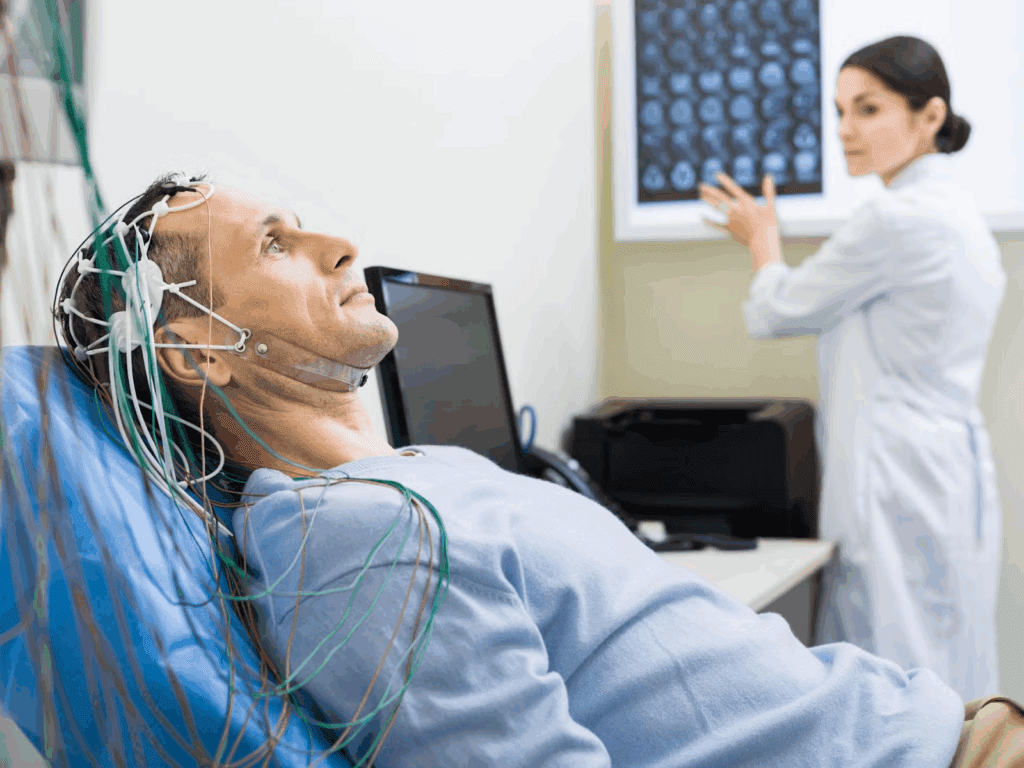
Nearly 700,000 people in the United States live with a primary brain tumor. Many have surgery to remove it. But the journey doesn’t stop there. It’s important to understand the long-term effects of surgery for patients and their caregivers.Learn the essential steps that happen after a brain tumor is removed. Understand pathology, follow-up, and monitoring for recurrence clearly.
After a craniotomy, patients often wonder what to expect. We will look at the care and support services available. This includes therapies that use tumor-infiltrating lymphocytes. Our aim is to give a detailed guide on the process. We want to make sure patients get the best care possible.
Key Takeaways
- Understanding the long-term side effects of craniotomy is key for patient care.
- Therapies using tumor-infiltrating lymphocytes can be part of post-surgery treatment.
- Comprehensive support services are available for patients after brain tumor surgery.
- Recovery involves a multidisciplinary approach to manage side effects.
- Patient education is key to navigating post-surgery care effectively.
The Immediate Aftermath of Brain Tumor Surgery
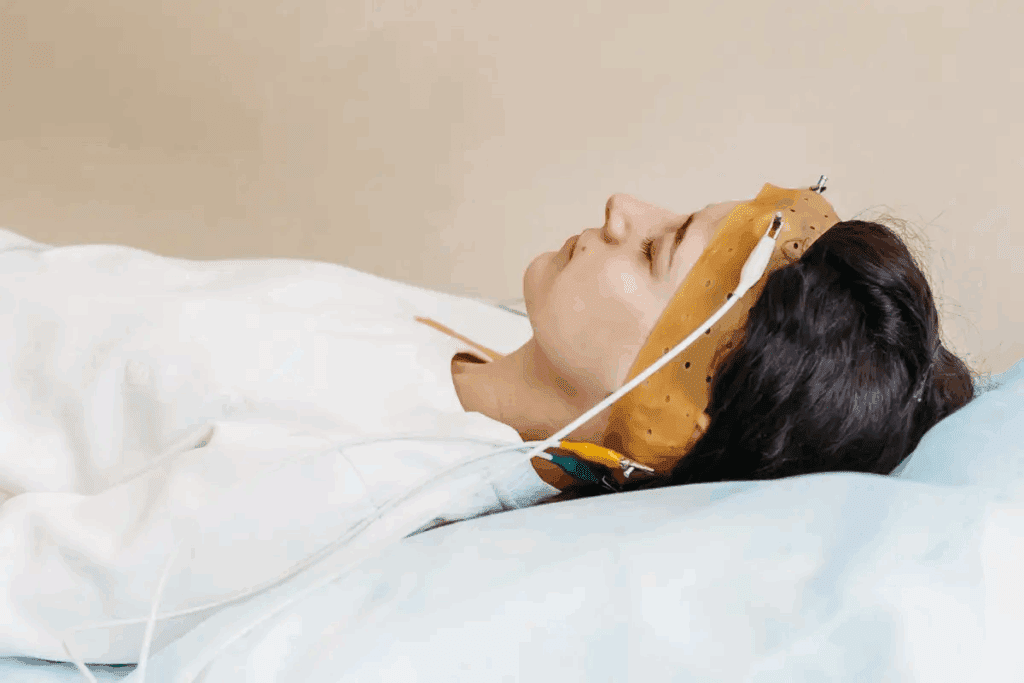
The time right after brain tumor surgery is very important. It needs careful watching and care. This helps manage risks and helps the body heal.
The First 24-48 Hours in Recovery
The first 24-48 hours are key for getting better. Patients stay in the hospital to watch for any problems. “This early time is when we see if there’s swelling, infection, or other issues.
Brain swelling is a big worry after surgery. We use corticosteroids and watch the brain’s pressure closely. It’s vital to control swelling to avoid more damage.
Initial Post-Operative Care
After surgery, we use a team approach to care for the patient. We manage pain, watch for brain problems, and stop infections. We use medicines and other methods to keep the patient comfortable.
We also work hard to avoid leaks and infections. “Finding and treating these problems quickly is key to a good recovery.
Monitoring for Immediate Complications
Watching for problems right after surgery is very important. We look for signs of brain issues, infections, or other bad effects. Regular checks and scans help us catch problems early.
We keep an eye out for seizures, swelling, and bleeding. Finding these problems early can really help the patient. We aim to give the best care to manage these risks.
Understanding What Happens to the Tumor Tissue After Removal

After a brain tumor is removed, the tissue is sent for examination. This step is key to understanding the tumor’s nature. It helps us decide on further treatment.
Pathological Examination Process
Pathologists carefully examine the tumor tissue. They look at the tissue to find out the tumor type and grade. This info is vital for planning treatment and predicting outcomes.
Pathological examination involves several steps:
- Gross examination of the tumor tissue
- Microscopic analysis to identify cellular characteristics
- Special staining techniques to highlight specific tumor features
- Molecular testing to identify genetic mutations
Determining Tumor Type and Grade
The examination helps us figure out the tumor type and grade. Knowing this is key to understanding how aggressive the tumor is. It tells us about its growth and recurrence risk.
Tumor grading is based on the tumor’s cellular characteristics, such as:
- Cellular atypia
- Mitotic activity
- Microvascular proliferation
- Necrosis
How Pathology Results Guide Further Treatment
The results from the examination are very important for planning treatment. Based on the tumor type and grade, we might suggest radiation, chemotherapy, or targeted therapy.
The treatment plan is tailored to the individual patient’s needs, taking into account:
- Tumor characteristics
- Patient’s overall health
- Potential side effects of treatment
Understanding the tumor tissue after removal helps us give personalized care. This support is key to helping patients recover well.
Common Physical Changes After a Brain Tumor is Removed
After a brain tumor is removed, patients often face physical changes. These changes are part of the body’s healing process. They can vary based on the tumor’s location and size.
Brain Swelling and Inflammation
Brain swelling, or cerebral edema, is common after surgery. This swelling can cause headaches, nausea, and other symptoms. We watch for swelling and treat it with medication.
Surgical Site Healing
The healing of the surgical site is key to avoiding infection. Patients should keep the site clean and dry. They should watch for signs of infection like redness or swelling.
Changes in Intracranial Pressure
Changes in intracranial pressure (ICP) can happen after surgery. Increased ICP can cause headaches, vomiting, and altered consciousness. We treat these changes with medication and sometimes use a drain to relieve pressure.
| Physical Change | Symptoms | Management |
| Brain Swelling | Headaches, Nausea, Vomiting | Medications to reduce swelling |
| Surgical Site Infection | Redness, Swelling, Discharge | Antibiotics, Keeping the site clean and dry |
| Increased Intracranial Pressure | Headache, Vomiting, Altered consciousness | Medications, Insertion of a drain |
It’s important for patients to understand these physical changes and how to manage them. Knowing what to expect can help them navigate their recovery better.
Managing Post-Surgical Pain and Discomfort
Managing pain after a craniotomy is very important. It helps patients get back to their normal strength and movement. The pain after a craniotomy can be tough, but it’s essential to manage it well for recovery.
Types of Pain After Craniotomy
Patients may feel different kinds of pain after a craniotomy. This includes pain at the surgical site, headaches, and pain from swelling. Knowing what kind of pain you have helps in managing it better.
Medication Management
Medicines are key in controlling pain after surgery. We use a mix of painkillers, like opioids and non-opioids. The right medicine depends on how bad the pain is and the patient’s health history.
Here’s a table showing common pain medicines used after a craniotomy:
| Medication Type | Use | Side Effects |
| Opioids | Severe pain management | Nausea, constipation, drowsiness |
| Non-Opioids (e.g., NSAIDs) | Mild to moderate pain, inflammation reduction | Gastrointestinal upset, possible kidney strain |
| Adjuvant Medications | Enhance pain relief, manage side effects | Varies by medication |
Non-Pharmaceutical Pain Relief Strategies
There are also non-medical ways to manage pain. Techniques like deep breathing and meditation can help. Physical therapy and acupuncture are other options.
Using these methods can help manage pain and make recovery easier.
Potential Complications Following Brain Tumor Surgery
Brain tumor surgery is lifesaving but can lead to complications. Knowing these risks is key for a smooth recovery.
Infection Risks and Prevention
Brain tumor surgery can lead to infections. Post-operative infections are serious and need quick treatment. To lower this risk, patients get antibiotics before and after surgery.
It’s important to watch for signs of infection like fever, redness, or swelling. Following strict sterile techniques and post-operative care helps prevent infections. Patients are also taught how to care for their surgical site at home.
Cerebrospinal Fluid Leaks
A cerebrospinal fluid (CSF) leak is a possible complication. It can cause headaches, nausea, and increase infection risk. Bed rest, avoiding straining, and sometimes more surgery are used to manage CSF leaks.
Seizures and Neurological Events
Seizures can happen after brain tumor surgery. The risk depends on the tumor’s location and the patient’s condition before surgery. Anti-seizure medications help prevent seizures.
It’s important to watch for neurological events like seizures, weakness, or cognitive changes. This is a critical part of post-operative care.
Blood Clots and Hemorrhage
Blood clots and hemorrhage are serious risks after brain surgery. Blood clots can form in the legs or lungs. Hemorrhage is bleeding at the surgical site or in the brain.
Preventing these complications includes early mobilization, using compression stockings, and anticoagulant medications. Understanding these risks and how to prevent them is vital for a successful recovery.
Patients should work closely with their healthcare team to manage these risks. This is key for a smooth recovery from brain tumor surgery.
The Recovery Timeline: What to Expect Week by Week
After brain tumor surgery, patients go through a recovery timeline with several phases. Knowing these phases helps manage expectations and makes recovery smoother.
First Week After Surgery
The first week is critical and often involves a hospital stay. Patients may feel tired, have headaches, and feel uncomfortable. These symptoms are managed with medication. Rest and avoiding physical activity are key during this time.
It’s important to follow the post-operative instructions from healthcare teams. This helps avoid complications like infections or cerebrospinal fluid leaks.
Weeks 2-4: Early Recovery Phase
In weeks two to four, patients start to feel better. Pain decreases, and energy levels increase. But, some cognitive or physical challenges may remain. Regular follow-up appointments with healthcare providers are essential to monitor healing and address concerns.
Patients should avoid strenuous activities, like heavy lifting and bending, to prevent complications.
Months 1-3: Progressive Improvement
In the first to third months, patients usually see significant improvements. They can start doing daily activities again, though some may have lasting effects from surgery or the tumor.
Regular follow-up care is vital to track recovery progress and adjust the treatment plan if needed.
Beyond 3 Months: Long-term Recovery
The three-month mark is a major milestone for many patients. Some may have lingering issues, while others can return to normal activities, including work and exercise. Long-term recovery varies based on the tumor type, surgery extent, and overall health.
Continued monitoring and follow-up care are essential to manage long-term effects and watch for tumor recurrence signs.
Neurological and Cognitive Changes After Surgery
Removing a brain tumor can cause changes in patients’ brains. It’s key to know what these changes might be after surgery.
Temporary vs. Permanent Deficits
Patients may face different brain and thinking changes after surgery. Some changes are short-term, while others last forever. Temporary deficits might include weakness, numbness, or trouble speaking. These often get better as the brain heals.
Permanent deficits can really affect a patient’s life. They might need to keep working on their recovery and adjust to their new situation.
A top neurosurgeon says, “The changes after surgery depend on the tumor’s size, location, and type.”
“Knowing about both short-term and long-term changes helps set expectations and guide care after surgery.”
Cognitive Rehabilitation Options
Cognitive rehab is key for patients after brain surgery. There are many cognitive rehabilitation options available, such as:
- Occupational therapy to improve daily life
- Speech therapy for communication issues
- Physical therapy to regain strength and mobility
- Cognitive training to boost memory and thinking skills
These options are customized for each patient. They help them adjust to any lasting brain and thinking changes.
Adapting to Neurological Changes
Adapting to brain changes after surgery needs a team effort. Patients and their caregivers must be active in their recovery. This includes:
- Following a detailed rehab plan
- Using assistive devices when needed
- Making lifestyle changes for lasting changes
- Getting help from doctors, family, and support groups
By doing these things, patients can handle the challenges of brain and thinking changes. This improves their life quality.
Specific Outcomes Based on Tumor Type
Outcomes after surgery vary a lot for different brain tumors. This includes meningioma, glioma, acoustic neuroma, and pituitary tumors. Knowing the details of each tumor type is key for managing care and expectations after surgery.
Meningioma After Surgery Side Effects
Meningiomas are usually not cancerous and grow from the meninges. These are the protective layers around the brain and spinal cord. After surgery, patients might face side effects like seizures, swelling, and neurological deficits. These depend on where and how big the tumor is.
The surgical removal of meningiomas can lead to significant improvement in symptoms, but the risk of recurrence remains a concern, necessitating long-term follow-up.
| Tumor Type | Common Post-Surgical Side Effects | Recurrence Risk |
| Meningioma | Seizures, swelling, neurological deficits | Low to Moderate |
| Glioma | Cognitive changes, seizures, motor deficits | High |
| Acoustic Neuroma | Hearing loss, balance issues, facial weakness | Low |
| Pituitary Tumor | Hormonal imbalances, visual disturbances | Low to Moderate |
Glioma Post-Surgical Considerations
Gliomas are tumors that start in the brain’s glial tissue. The outcome after surgery for glioma patients depends on several factors. These include the tumor’s grade, location, and how much of it was removed. Patients might face cognitive changes, seizures, and motor deficits.
Acoustic Neuroma Excision Recovery
Acoustic neuromas are benign tumors that affect the vestibulocochlear nerve. Removing them surgically can cause hearing loss, balance issues, and facial weakness. The recovery involves managing these symptoms and possibly getting rehabilitation to improve lost functions.
Pituitary Tumor Removal Outcomes
Pituitary tumors can lead to hormonal imbalances or affect nearby structures. After surgery, patients might need to deal with hormonal imbalances and visual disturbances. It’s important to follow up long-term to watch for recurrence and manage hormonal issues.
Knowing the specific outcomes for each tumor type helps tailor care and manage recovery expectations. This is important for both patients and healthcare providers.
Follow-Up Care and Monitoring After Brain Tumor Removal
The journey doesn’t end after brain tumor removal; in fact, follow-up care becomes a critical component of the recovery process. Effective postoperative care is essential for ensuring the best possible outcomes and addressing any new or ongoing health concerns.
Scheduling Post-Operative Appointments
After brain tumor surgery, scheduling regular post-operative appointments is vital. These visits allow healthcare providers to monitor the patient’s recovery, address any complications, and adjust treatment plans as necessary. Typically, the first follow-up appointment is scheduled within a few weeks after surgery.
During these appointments, patients should be prepared to discuss their symptoms, any changes in their condition, and any concerns they may have. This open communication helps in tailoring the care to the patient’s specific needs.
Imaging Studies to Monitor for Recurrence
Imaging studies play a critical role in monitoring for any recurrence of the brain tumor. Techniques such as MRI (Magnetic Resonance Imaging) or CT (Computed Tomography) scans are commonly used. The frequency of these imaging studies depends on the type of tumor, its grade, and the patient’s overall health.
| Tumor Type | Typical Imaging Frequency | Purpose |
| Meningioma | Every 6-12 months | Monitor for recurrence |
| Glioma | Every 3-6 months | Monitor for recurrence and treatment response |
| Acoustic Neuroma | Every 6-12 months | Monitor for recurrence and assess hearing |
Long-term Surveillance Protocols
Long-term surveillance is a critical aspect of care for patients after brain tumor removal. This involves not only regular imaging studies but also ongoing assessment of neurological function and overall health. The specific protocols can vary based on the tumor type and the patient’s condition.
For instance, patients with certain types of brain tumors may require more frequent follow-up due to a higher risk of recurrence. Our healthcare team works closely with patients to develop a personalized follow-up plan that addresses their unique needs.
By focusing on follow-up care and monitoring, we can significantly improve outcomes for patients after brain tumor surgery. It’s a collaborative process between the patient, their family, and the healthcare team to ensure the best possible quality of life.
Emotional and Psychological Aspects of Recovery
Recovering from brain tumor surgery is not just about physical healing. It also involves emotional and psychological strength. Patients often feel a mix of emotions, from anxiety and depression to relief and hope, during the recovery period.
Coping with Post-Surgery Anxiety and Depression
Anxiety and depression are common after brain tumor surgery. Patients might worry about the future, fear the tumor coming back, or struggle with changes in their thinking or physical abilities. It’s important to see these feelings as a normal part of getting better. Here are some ways to cope:
- Mindfulness and meditation to reduce stress
- Cognitive-behavioral therapy (CBT) to change negative thoughts
- Support groups to connect with others who have gone through similar things
- Doing things that bring joy and fulfillment
Using these strategies can help patients manage their anxiety and depression better. This can make their recovery journey more positive.
Support Groups and Resources
Support groups are key for emotional and psychological recovery after brain tumor surgery. They offer a safe place for people to share their stories, get support, and learn from others. Connecting with others who get what you’re going through can be very empowering.
We suggest looking into different resources, such as:
- Online forums and support groups
- Local community centers with support services
- Mental health professionals who specialize in post-surgical care
Family Impact and Caregiver Support
Family members and caregivers are also affected by a loved one’s brain tumor surgery. They might feel emotional distress, worry about the patient’s future, and face challenges in caregiving. It’s important to support caregivers too, making sure they have the help they need to care for themselves and their loved ones.
Some key resources for caregivers include:
- Respite care services for temporary relief
- Support groups for caregivers
- Materials on managing post-surgical care
When to Seek Mental Health Assistance
While many can manage their emotional and psychological challenges with support from loved ones and groups, some may need professional help. It’s important to know when you need more help. Signs you might need professional help include:
- Feeling sad or hopeless for a long time
- Increased anxiety or fear that affects daily life
- Struggling to manage daily tasks
By getting help when needed, patients and caregivers can better handle the challenges of recovery. This can improve their overall well-being.
Long-Term Side Effects of Brain Surgery
After brain surgery, patients face many long-term side effects. These can change their life quality a lot. The effects depend on the surgery type, tumor location, and the patient’s health.
Physical Side Effects
Physical side effects include chronic pain, weakness, or numbness. Some may get seizures as a surgery complication. Vision or hearing loss can also happen.
We will help manage these symptoms. Our goal is to improve your physical health.
Cognitive and Psychological Effects
Cognitive and psychological effects are common too. Patients might have memory problems, trouble concentrating, or mood changes. These can be tough, but there are ways to cope.
Rehabilitation strategies and support systems are available. They help manage these effects.
Impact on Daily Activities and Quality of Life
Brain surgery side effects can affect daily life and quality of life. Simple tasks might become harder. Patients may need to change their lifestyle.
We are here to support you. We will help you stay independent and improve your life quality.
It’s important to know about brain surgery side effects. Being aware helps prepare for recovery and find support when needed.
Returning to Normal Life: Work, Activities, and Lifestyle
Patients often wonder when they can go back to work and normal life after brain tumor surgery. The recovery time varies. It depends on the surgery type, tumor location, and the patient’s health.
Timeline for Resuming Daily Activities
The time it takes to start doing daily activities again can differ a lot. People are usually told to avoid hard work for weeks after surgery. They are encouraged to do light activities like walking to keep blood flowing and prevent clots. Most can get back to their usual activities in 4 to 6 weeks. But, it can take longer for some.
Important things to keep in mind include:
- Watching for signs of after brain surgery swelling or other issues.
- Following the doctor’s advice on wound care and medicine.
- Going to follow-up appointments to check on healing.
Workplace Accommodations and Considerations
Going back to work after surgery might need some changes. Workplace adjustments can help make the transition easier. Patients should talk to their employer about needs like flexible hours or easier tasks. They might also need to work less for a while.
It’s also key to think about how complications from brain surgery could affect work. Knowing these risks and planning ahead can help manage them.
Driving and Travel Restrictions
Driving and traveling are often off-limits after surgery. Doctors usually say not to drive until they say it’s okay. Travel plans should also be checked with the doctor, for safety reasons.
It’s important to know the dangers of brain surgery and possible side effects like seizures. This knowledge is vital for safe travel and driving.
Exercise and Physical Activity Guidelines
Exercise is important for recovery, but it must be done carefully. Start with gentle activities like stretching or yoga, then add more intense ones slowly.
It’s also key to be aware of brain cyst surgery side effects and how they might affect exercise. Patients should talk to their doctor to create a safe exercise plan.
Conclusion: Life Beyond Brain Tumor Surgery
Brain tumor surgery is a big deal that needs a lot of care and support. Every person’s recovery is different. It depends on the tumor type, surgery, and care after surgery.
Recovering from brain tumor surgery is not just about the first few days. It also means ongoing care and checks. Knowing what to expect helps patients and their families get ready for what’s next.
Life after surgery can be good, with many people feeling better and enjoying life more. With the right help and support, people can adjust and get back to their daily lives.
Thanks to new medical tools and better surgery methods, results have gotten better. We talked about how important it is to have a team of doctors and therapists. They help with recovery and getting back to normal.
We want patients to keep learning, ask for help when they need it, and stay positive. With the right care and attitude, they can look forward to a bright future after surgery.
FAQ
What are the common side effects after brain tumor surgery?
Side effects can include brain swelling, pain, and fatigue. You might also experience weakness, numbness, or problems with thinking. How long these last and how bad they are can vary a lot.
How long does it take to recover from brain tumor surgery?
Recovery times differ for everyone. The first few weeks are usually the hardest. But, it can take months or even a year to fully get better.
What is the risk of complications after brain tumor surgery?
Complications can be serious, like infections or seizures. But, with good care and watching, these risks can be lowered. Knowing about these risks helps with recovery.
How is pain managed after craniotomy?
Doctors use medicine and other methods to manage pain. This can include relaxation techniques and physical therapy. Acupuncture is also sometimes used.
Can brain tumor surgery lead to neurological or cognitive changes?
Yes, surgery can cause changes in thinking or feeling. How big these changes are depends on the surgery and the tumor. Therapy can help with these changes.
What follow-up care is required after brain tumor removal?
You’ll need regular check-ups and scans to watch for any new problems. The type and how often you need these checks will depend on your situation.
How can patients cope with the emotional and psychological aspects of recovery?
Support groups and counseling can help. Family support is also very important. Dealing with emotional challenges is a big part of getting better.
When can patients resume normal activities after brain tumor surgery?
It varies, but you can start doing more things over time. Your doctor will tell you when it’s okay to start again.
What are the long-term side effects of brain surgery?
You might face physical or mental challenges long-term. How big these are depends on your surgery and other factors. Getting ongoing support is key to living well.
Are there specific considerations for different types of brain tumors?
Yes, each type of tumor has its own recovery path. Knowing this helps doctors give better care. It’s important for a good recovery.
How risky is brain surgery?
Surgery carries risks, like infections or damage to the brain. But, thanks to new techniques and care, many people do well. Deciding to have surgery is a big choice.
What happens to the tumor tissue after it is removed?
The tissue is checked to see what kind of tumor it is. This helps doctors decide if more treatment is needed. It might include radiation or chemo.
References
National Center for Biotechnology Information. Evidence-Based Medical Insight. Retrieved from https://www.ncbi.nlm.nih.gov/pmc/articles/PMC4442213/