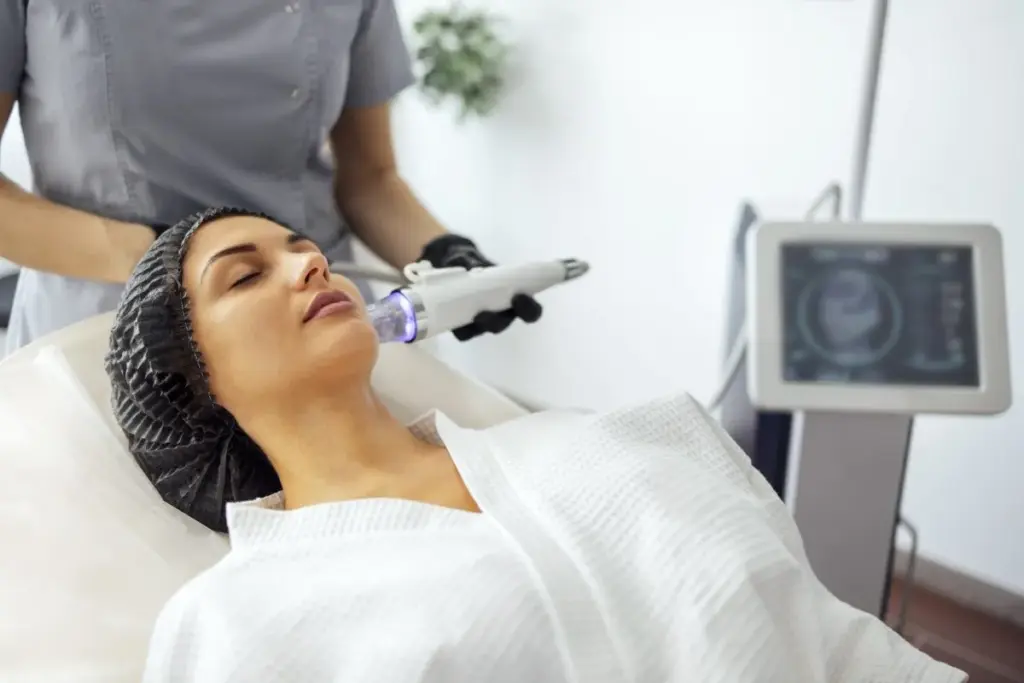
Did you know that nearly 70% of people face skin issues like fine lines and wrinkles by their mid-30s? Microneedling is a popular fix for these problems.
Microneedling is a minimally invasive treatment. It uses tiny needles to make micro-injuries in the skin. This boosts collagen and promotes skin rejuvenation. It makes skin texture better, reduces wrinkles, and improves how skin looks.
People looking for anti-aging solutions need to know the best time for microneedling. It’s great for preventing or fixing aging signs. Adding microneedling to your skincare routine can be very helpful.
Key Takeaways
- Microneedling is a minimally invasive treatment for skin rejuvenation.
- It stimulates collagen production to improve skin texture and reduce fine lines.
- Microneedling can be beneficial for anti-aging and addressing skin concerns.
- The optimal age for microneedling varies based on individual skin concerns.
- Understanding the benefits of microneedling can help you make informed skincare decisions.
Understanding Microneedling: A Complete Overview
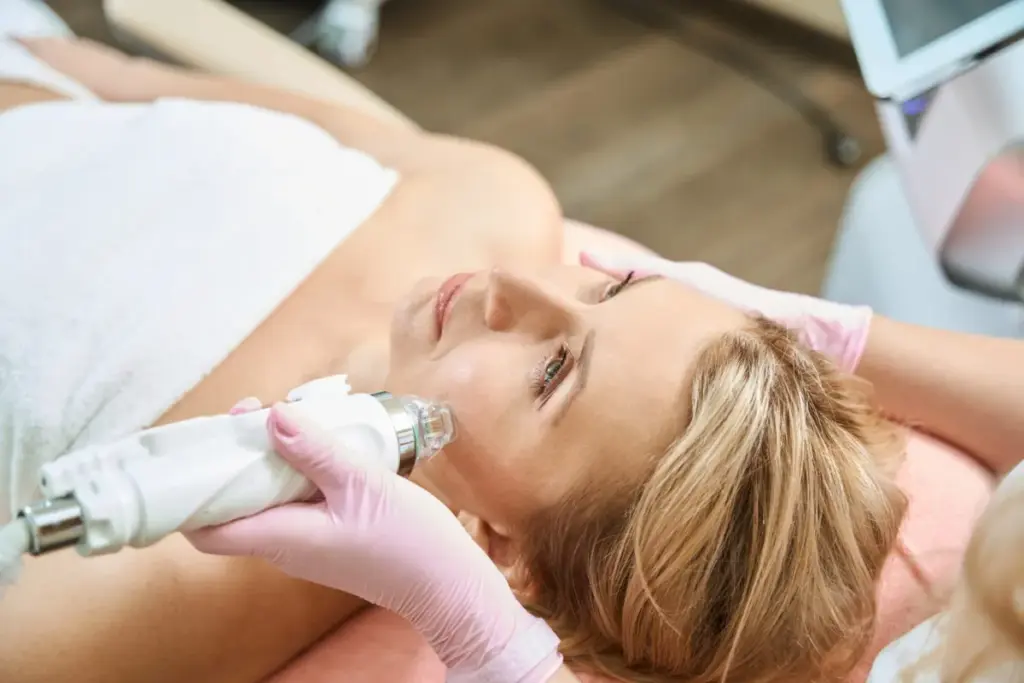
Microneedling is a simple yet effective way to make your skin look younger. It uses tiny needles to make small injuries in your skin. This starts your body’s healing process.
The Science Behind Microneedling
Microneedling works by making small injuries in your skin. This triggers your body to make more collagen. It also helps your skin absorb serums better.
Key benefits of microneedling include:
- Improved skin texture
- Reduced appearance of fine lines and wrinkles
- Enhanced collagen production
- Minimized pores
- Effective treatment for acne scars and hyperpigmentation
How Microneedling Stimulates Collagen Production
Microneedling makes your skin produce more collagen. This happens as your skin heals from the tiny injuries. Your skin becomes more elastic and firm.
The role of collagen in skin health: Collagen is key for your skin’s structure. As you get older, you make less collagen. This leads to wrinkles and sagging skin. Microneedling helps fight this.
|
Age Group |
Collagen Production |
Microneedling Benefits |
|---|---|---|
|
20s |
High |
Preventative measures, maintaining skin health |
|
30s |
Moderate |
Early signs of aging addressed, collagen boost |
|
40s+ |
Low |
Significant collagen stimulation, wrinkle reduction |
Evolution of Microneedling Techniques
Microneedling has changed a lot over the years. Now, there are devices that let you adjust the needle depth and speed. This means treatments can be customized for your specific skin needs.
New technology in microneedling makes it a flexible treatment for many skin types and issues. As research keeps going, we’ll see even more improvements in this field.
The Ideal Age to Begin Microneedling Treatments
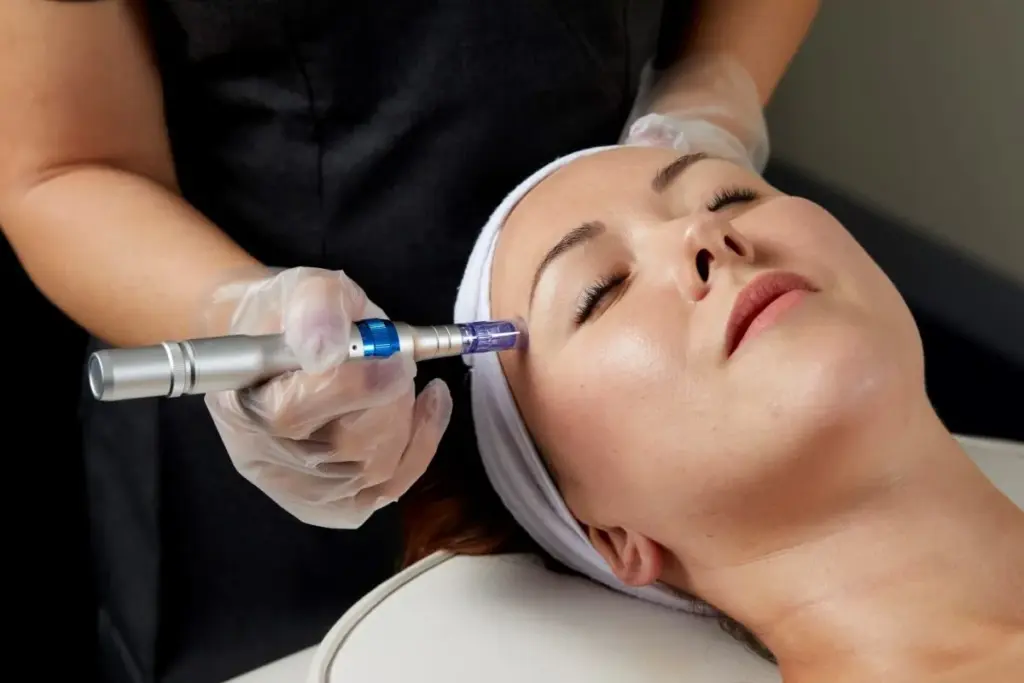
Many people wonder when the best time is to start microneedling. This popular treatment can help keep your skin looking young and radiant. Knowing when to start is key to getting the most out of it.
Preventative vs. Corrective Approaches
Microneedling can be used in two ways: to prevent or correct skin issues. Preventative microneedling starts early to keep your skin healthy and prevent aging. Corrective microneedling targets existing problems like wrinkles and scars.
If you’re in your 20s, starting early with preventative treatments is best. It helps keep your skin producing collagen and prevents aging signs. Those in their 30s and older might choose corrective treatments to fix existing issues.
Skin Concerns by Age Group
As you get older, your skin worries change. In your 20s, you might worry about acne scars and early aging signs. By your 30s, you’ll notice more fine lines and less skin elasticity. In your 40s and older, deeper wrinkles and more skin loss are common.
- In your 20s: Preventative measures, addressing acne scars
- In your 30s: Corrective measures for fine lines, maintaining skin elasticity
- In your 40s and beyond: Addressing deeper wrinkles, significant loss of elasticity
Expert Recommendations on Starting Age
Experts say there’s no single best age for microneedling. But many suggest starting in your late 20s to early 30s. This allows for both preventing and correcting skin issues based on your needs.
Starting microneedling at 30 is often seen as a good time. It’s when you can start to address aging signs while keeping your skin healthy. The right time for you depends on your skin and what you want to achieve, best decided with a skincare expert.
First Time Microneedling in Your 30s: What to Expect
Your 30s is a great time to try microneedling. It’s a non-invasive treatment that boosts collagen and smoothens skin texture. Many people start noticing aging signs like fine lines and wrinkles in their 30s.
Why Your 30s Is Often the Perfect Time to Start
Starting microneedling in your 30s is beneficial. It tackles early aging signs. Collagen production drops with age, but microneedling can help keep your skin young.
Dermatologists say microneedling is key to keeping your skin healthy and looking good. A dermatologist notes, “Microneedling is a proactive skincare step that can greatly affect how your skin ages.”
“Microneedling is a proactive approach to skincare that can make a significant difference in how your skin ages.”
Dermatologist Recommendation
Common Skin Concerns for 30-Somethings
In your 30s, you might face:
- Early signs of fine lines and wrinkles
- Dull skin texture
- Loss of skin elasticity
- Hyperpigmentation
- Acne scars or other texture issues
Microneedling can help with these issues by boosting collagen and renewing skin.
Setting Realistic Expectations for Results
It’s important to have realistic hopes when starting microneedling. Results differ for everyone, and it might take a few sessions to see changes. You can start seeing results after 3-6 treatments.
Recommended Treatment Frequency
For the best results, get treatments every 4-6 weeks. This lets your skin fully react and collagen production peak.
Knowing what to expect and sticking to a treatment plan can help 30-somethings improve their skin’s look and health.
Microneedling in Your20s: Preventative Benefits
Your 20s are a great time to start microneedling for your skin. Many people notice aging signs or acne scars at this age. Microneedling helps tackle these issues early on.
Early Prevention of Fine Lines and Texture Issues
Microneedling boosts collagen, keeping your skin elastic and smooth. Starting treatments in your 20s can help prevent wrinkles. This keeps your skin looking younger for longer.
Key benefits of early microneedling include:
- Enhanced collagen production
- Improved skin texture
- Reduced appearance of fine lines
Addressing Acne Scarring Early
Acne is common in teens and early twenties. Microneedling treats acne scars by boosting collagen and skin remodeling. Early treatment can make scars less noticeable.
|
Treatment Focus |
Benefits for Acne Scars |
|---|---|
|
Microneedling |
Stimulates collagen production, reducing scar visibility |
|
Frequency |
Regular sessions enhance treatment efficacy |
Treatment Intensity and Frequency Recommendations
For those in their 20s, start with gentle treatments and increase as needed. Treatments are usually 4-6 weeks apart.
It’s essential to consult with a dermatologist to determine the best treatment plan tailored to your skin type and concerns.
Microneedling After40: Targeting Established Aging Signs
For those over 40, microneedling is a good option to fight deeper wrinkles and skin loss. As we get older, our skin changes a lot. It makes less collagen, loses elasticity, and gets deeper wrinkles.
Microneedling works well for older skin. It boosts collagen, making skin smoother and reducing wrinkles.
Combating Deeper Wrinkles and Loss of Elasticity
Deeper wrinkles and less skin elasticity are big worries for those over 40. Microneedling helps by making tiny injuries. This starts the body’s healing, leading to more collagen and better skin elasticity.
Key benefits of microneedling for mature skin include:
- Improved skin texture
- Reduced appearance of fine lines and wrinkles
- Enhanced collagen production
- Increased skin elasticity
Combining with Other Anti-Aging Treatments
For the best results, mix microneedling with other treatments like PRP (Platelet-rich plasma) therapy or radiofrequency treatments. These combos make microneedling even more effective, giving better anti-aging results.
Realistic Results for Mature Skin
It’s important to know what to expect from microneedling. Older skin might need more sessions, and results can differ. Talking to a dermatologist or skincare expert can help find the right treatment plan.
Understanding microneedling’s benefits and outcomes helps those over 40 make smart choices for their skincare and anti-aging treatments.
The Complete Microneedling Procedure Explained
To get the most out of microneedling, knowing what it involves is key. It’s a detailed treatment with steps from start to finish. Each step is important for the best results.
Pre-Treatment Preparation
Before microneedling, getting ready is important. You should avoid certain skincare products and medications. Stop using products with retinoids or glycolic acid 24 to 48 hours before. Also, tell your practitioner about any skin issues you have.
Cleaning your skin well before the treatment is done. This removes dirt, oil, and makeup. A numbing cream might be used to make the treatment less painful.
The Step-by-Step Process
The microneedling process has several steps:
- The practitioner will adjust the device based on your skin type and needs.
- The device is moved over the area, making tiny injuries that boost collagen.
- The treatment can take 30 minutes to an hour, depending on the area.
The feeling during microneedling can vary, but most find it okay with the numbing cream.
Post-Treatment Care
After microneedling, taking good care of your skin is key. Keep your skin moisturized and protected from the sun. Don’t pick at or scratch the treated area. Use a gentle skincare routine for a few days.
|
Post-Treatment Day |
Care Instructions |
|---|---|
|
1-3 |
Keep the skin hydrated with a gentle moisturizer. Avoid direct sun exposure. |
|
4-7 |
Gradually introduce gentle exfoliants and serums back into your skincare routine. |
By understanding and following the microneedling procedure, you can ensure a safe and effective treatment. This will help you get the best results for your skin.
Professional vs. At-Home Microneedling: Making the Right Choice
Choosing between professional microneedling treatments and at-home kits is a big decision. Both have their benefits, but they vary in results, safety, and cost.
Comparing Results and Safety
Professional treatments are done by experts who tailor the treatment to your skin. This leads to better and more focused results. At-home kits, while easy to use, might not be as effective or safe.
Safety is a big worry with at-home microneedling. Without training, you could harm your skin. Professional treatments are safer because they’re done in a clean environment with the right care.
Cost Considerations
The cost of microneedling changes based on whether you go for professional treatments or an at-home kit. Professional treatments might cost more per session but give better and longer-lasting results. This could mean you don’t need to do it as often.
At-home kits are cheaper but might not work as well or be as safe if not used right. You also might need to replace or refill them often, which adds to the cost.
Who Should Avoid DIY Approaches
Some people should not use at-home microneedling because of the risks. This includes those with sensitive skin, active acne, or a history of keloid scarring. Also, people with certain health issues or taking specific medicines should talk to a doctor first.
It’s very important to talk to a dermatologist or skincare expert before starting microneedling, whether at home or professionally. They can give advice based on your skin and health.
Selecting the Best At-Home Microneedling Kit
Choosing the right at-home microneedling kit is important. You need to think about several factors to get the best results for your skin.
Key Features to Look For
When picking an at-home microneedling kit, consider a few key features. Needle length and quality are very important. They affect how well and safely the treatment works. Look for kits with adjustable needle lengths to fit your skin needs.
The material of the needles is also key. High-quality, sterile needles are needed to avoid infections and ensure smooth skin treatment. Also, think about the ergonomics of the device. A device that’s easy to hold and use makes the treatment easier.
Top-Rated Derma Rollers for Different Age Groups
People of different ages have different skin concerns. The right derma roller can help with these issues. For those in their 20s and 30s, a derma roller with shorter needles (around 0.2-0.5 mm) is good for preventative care and fine lines.
For those in their 40s and older, a derma roller with longer needles (0.5-1.0 mm or more) is better for deeper wrinkles and skin texture. Look for derma rollers with extra features like LED lights or serum infusion for more benefits.
Safety Guidelines for Home Use
When using at-home microneedling kits, safety is the top priority. Always follow the manufacturer’s instructions. Make sure to clean the device before and after use and store it properly.
It’s also important to know your skin’s limits. Start with gentle treatments and gradually increase intensity as needed. If you have any bad reactions, stop using it and see a dermatologist.
Recovery Timeline: What to Expect After Your Treatment
After microneedling, knowing what to expect is key. Everyone’s skin reacts differently, but common experiences are shared. Understanding these can help you navigate the recovery.
First 24 Hours Post-Treatment
Your skin might look red and feel sensitive like a sunburn in the first 24 hours. This is normal and usually goes away in a couple of days. Keeping your skin moisturized and protected from the sun is important during this time.
Immediate Post-Treatment Care:
- Keep your skin clean and moisturized.
- Avoid direct sun exposure and use a broad-spectrum sunscreen with at least SPF 30.
- Refrain from using makeup for at least 24 hours.
- Avoid strenuous activities that cause excessive sweating.
Days 2-7 Recovery Process
In the next few days, your skin will improve. You might see peeling or flaking as your skin regenerates. It’s important to use gentle skincare and avoid harsh exfoliants.
|
Day |
Expected Recovery Process |
Skincare Recommendations |
|---|---|---|
|
2-3 |
Skin redness starts to fade. |
Continue with gentle cleansers and moisturizers. |
|
4-5 |
Peeling or flaking may occur. |
Use hydrating masks to support skin regeneration. |
|
6-7 |
Skin starts to look smoother and more radiant. |
Gradually reintroduce active skincare ingredients. |
When to Schedule Your Next Session
The time between microneedling sessions varies based on your skin and goals. Treatments are usually 4-6 weeks apart for best results.
Factors influencing treatment frequency include:
- The severity of skin concerns being addressed.
- Your skin’s response to the treatment.
- Your desired outcomes.
Talking to a skincare expert will help figure out the best schedule for you.
Microneedling for Specific Skin Concerns
Microneedling is a versatile treatment for many skin issues. It’s a minimally invasive procedure that can be tailored to fit your specific needs. This makes it a great choice for those looking to enhance their skin’s appearance.
Treating Acne Scars Effectively
Acne scars can be tough to get rid of, but microneedling offers hope. It boosts collagen production, which helps fill in scars and improve skin texture. Studies show that microneedling can greatly reduce acne scar appearance, leading to smoother skin.
“Microneedling is a game-changer for acne scar treatment. It’s a safe, effective, and relatively painless procedure that can make a significant difference in the appearance of the skin.” – Dr. Jane Smith, Dermatologist
Addressing Hyperpigmentation
Hyperpigmentation, or dark spots on the skin, can come from sun exposure and hormonal changes. Microneedling can lessen these spots by promoting cell turnover and collagen production. Using microneedling with other treatments, like chemical peels, can make it even more effective.
|
Treatment |
Effectiveness for Hyperpigmentation |
Side Effects |
|---|---|---|
|
Microneedling |
High |
Mild redness, temporary |
|
Chemical Peels |
Moderate |
Redness, peeling |
|
Combination Therapy |
Very High |
Varies |
Minimizing Fine Lines and Wrinkles
Fine lines and wrinkles are part of aging, but microneedling can help. It boosts collagen, making the skin plumper and reducing lines and wrinkles. Regular treatments can lead to lasting improvements in skin texture and look.
Improving Overall Skin Texture
Microneedling not only tackles specific issues but also improves overall skin texture. It boosts collagen and cell turnover, leading to smoother, more radiant skin. Many patients notice a big improvement in skin texture after just a few treatments.
- Microneedling stimulates collagen production, improving skin texture.
- It can be customized to address individual skin concerns.
- Regular treatments lead to sustained improvements.
Enhancing Microneedling Results with Proper Skincare
To get the most out of microneedling, you need a good skincare plan. The right skincare boosts the treatment’s effects and helps your skin heal and stay healthy.
Pre-Treatment Skincare Routine
Getting your skin ready for microneedling is key. This means:
- Using gentle, non-irritating products to clean and moisturize your skin.
- Staying away from harsh exfoliants or active ingredients like retinol for a few days before.
- Keeping your skin well-hydrated to reduce irritation.
Post-Treatment Product Recommendations
After microneedling, your skin needs gentle care to get the best results. Look for:
- Soothing and hydrating products, like aloe vera or hyaluronic acid serums.
- Gentle products without harsh chemicals or fragrances.
- Products rich in antioxidants to help your skin heal and grow.
Ingredients to Avoid Before and After
Some ingredients can upset your skin or mess with microneedling. It’s best to skip:
- Retinol and retinoids for a few days before and after to avoid irritation.
- Exfoliating acids like glycolic or salicylic acid for a while after treatment.
- Products with harsh chemicals or fragrances that can cause irritation or allergic reactions.
Choosing the right skincare products and avoiding irritating ingredients can greatly improve your microneedling results. It also helps keep your skin healthy and looking good.
Combining Microneedling with Other Treatments
Using microneedling with other treatments can make your skin look better for longer. It lets you tackle many skin problems at once. This can make your skincare routine more effective.
Microneedling with PRP (Vampire Facial)
Microneedling with Platelet-rich Plasma (PRP), or the “Vampire Facial,” is very popular. It uses PRP from your own blood on your skin during or after microneedling. The PRP has growth factors that help make collagen and fix tissues, making microneedling work better.
This mix can make your skin smoother, reduce fine lines, and look younger. It’s great for acne scars and other skin flaws, thanks to studies.
Pairing with Radiofrequency Treatments
Pairing microneedling with radiofrequency (RF) treatments is also good. RF heats the skin deep, making collagen and tightening it. Together, they rejuvenate the skin better, fixing both surface and deep issues.
Radiofrequency treatments help a lot with older skin or sagging and deep wrinkles. Mixing microneedling with RF makes your skin tighter, smoother, and more even.
Complementary Skincare Treatments
Using microneedling with home skincare can also boost results. Products with retinoids, vitamin C, or hyaluronic acid help keep your skin healthy and support microneedling’s effects.
Sticking to a skincare routine and getting microneedling treatments can keep your skin looking great over time. Talking to a skincare expert is key to finding the right mix for your skin.
Potential Risks and Side Effects of Microneedling
It’s important to know the risks and side effects of microneedling before you decide to get it. This treatment is usually safe and works well for many skin issues. But, there are some risks and side effects that can happen. Taking good care before and after treatment can help.
Common Side Effects by Age Group
The side effects of microneedling can change based on your age and skin type. Here are some common ones:
- Redness and irritation: Younger people with sensitive skin often see this.
- Dryness and flakiness: Older adults might get this because their skin loses moisture and elasticity.
- Temporary sensitivity: Anyone can feel this, but it’s more common after the first treatment.
Older adults might also get bruising because their skin is thinner. Talking to a dermatologist about these risks is key.
When to Consult a Dermatologist
If you have any of these issues after microneedling, see a dermatologist:
- Persistent redness or swelling that lasts more than a few days.
- Increased sensitivity or pain.
- Signs of infection, like pus or more redness around the treated area.
A dermatologist can help manage side effects and make sure you get the best results from your treatment.
Contraindications for Treatment
Not everyone can get microneedling. Here are some reasons why:
- Active acne: Wait until your acne is better before getting treated.
- Pregnancy and breastfeeding: It’s not clear if microneedling is safe during these times.
- Certain skin conditions: Like eczema, psoriasis, or rosacea, which might get worse with treatment.
Talking to a dermatologist about your health and medical history before microneedling is important. It helps ensure the treatment is safe and works well for you.
Conclusion: Making an Informed Decision About Microneedling
Microneedling is a versatile and effective treatment for many skin concerns, like anti-aging. Knowing the microneedling benefits helps people decide if it’s right for them. It can be a great addition to your skincare routine.
If you’re thinking about microneedling for anti-aging, it works for all ages. It can help prevent early signs of aging in the 20s and tackle deeper wrinkles in the 40s. Microneedling tips for beginners include getting a consultation and knowing how to care for your skin after treatment.
In the end, microneedling can greatly improve your skin’s texture and look. Choosing a skilled practitioner and following the right pre- and post-treatment steps can help you get the most out of it.
FAQ
What is microneedling and how does it work?
Microneedling is a treatment that uses tiny needles to make small injuries in the skin. This stimulates collagen production and helps rejuvenate the skin.
At what age should I start microneedling?
The right age to start microneedling varies based on your skin concerns and goals. Some might start in their 20s to prevent signs of aging. Others might start in their 30s or 40s to tackle existing signs.
Is microneedling safe for all skin types?
Most people find microneedling safe, but it’s best to talk to a dermatologist or skincare expert. They can help decide if it’s right for you based on your skin.
How often should I get microneedling treatments?
Treatment frequency depends on your skin goals. Treatments are usually 4-6 weeks apart. A series of 3-6 treatments is often recommended for the best results.
Can I do microneedling at home?
Yes, you can use at-home kits. But, it’s important to follow safety guidelines and use a high-quality derma roller to avoid complications.
What are the benefits of microneedling for anti-aging?
Microneedling can reduce fine lines and wrinkles, improve skin texture, and boost collagen. This makes your skin look younger and more radiant.
Can microneedling help with acne scars?
Yes, it can help with acne scars. It stimulates collagen and breaks up scar tissue. This improves your skin’s texture and appearance.
How do I care for my skin after microneedling?
After microneedling, use a gentle skincare routine. Avoid harsh products and use soothing, hydrating ones. This helps your skin heal and minimizes downtime.
Can I combine microneedling with other skincare treatments?
Yes, you can combine microneedling with other treatments like PRP therapy, radiofrequency, or chemical peels. This can enhance results and address multiple skin concerns.
What are the possible side effects of microneedling?
Side effects include redness, swelling, and mild discomfort, which usually go away in a few days. Serious complications like infection or scarring are rare but can happen if you don’t follow proper aftercare.
References
National Center for Biotechnology Information. Microneedling in Dermatology: A Comprehensive Review of Applications, Techniques, and Outcomes. Retrieved from https://pmc.ncbi.nlm.nih.gov/articles/PMC11499218/