Feeling diarrhea after eating can really upset your day. If you’re always running to the bathroom after meals, you’re not alone. At Liv Hospital, we take this serious and offer detailed, focused care. “Everything i eat gives me diarrhea.” If this is you, this guide explores 7 alarming causes, from food intolerance to IBS, and the best fixes.
Postprandial diarrhea, or diarrhea after eating, can come from many sources. It might be due to lactose intolerance, food poisoning, or even serious issues like inflammatory bowel disease (IBD) or colon cancer. Finding out what’s causing it is key to fixing it.
Key Takeaways
- Diarrhea after eating can be caused by various factors, including food intolerances and underlying gastrointestinal conditions.
- Common causes include lactose intolerance, food poisoning, and inflammatory bowel disease (IBD).
- Effective management requires identifying the underlying cause of postprandial diarrhea.
- A thorough evaluation is needed to figure out the cause and the right treatment.
- Patient-centered care is essential for meeting the unique needs of those with diarrhea after eating.
Understanding Postprandial Diarrhea
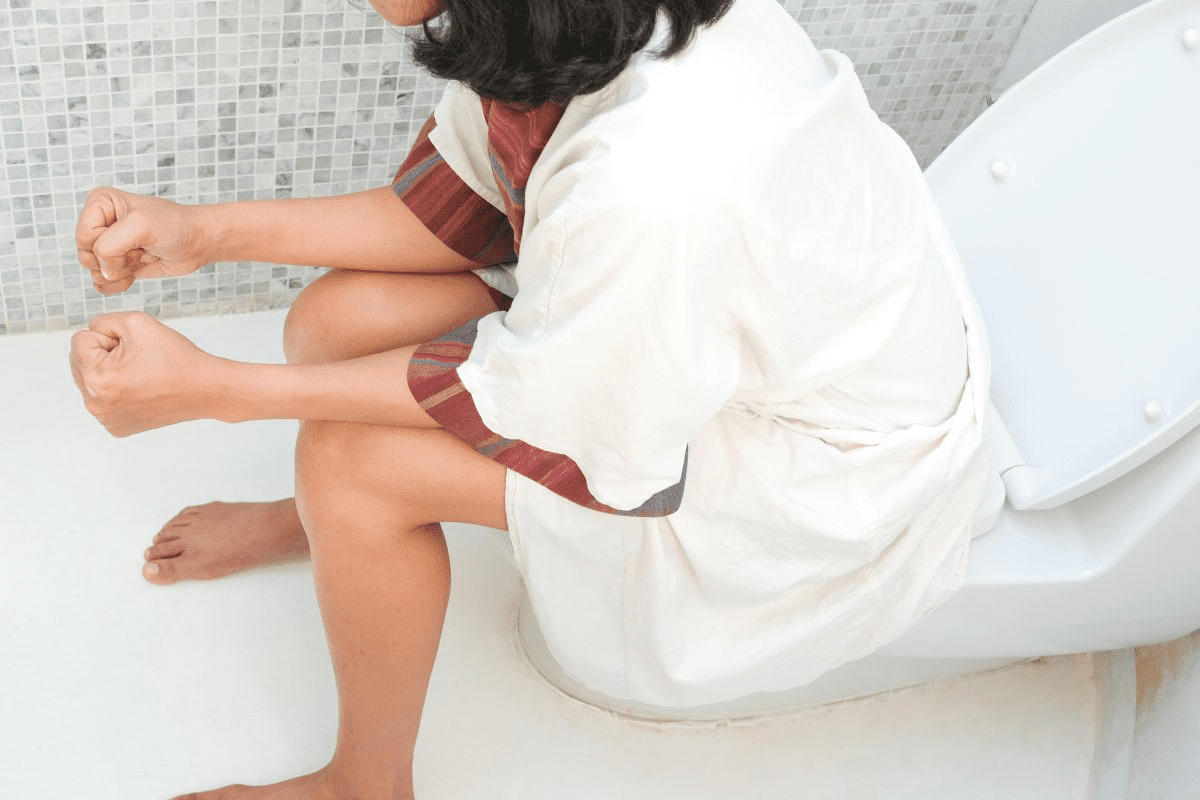
Postprandial diarrhea is when you get diarrhea after eating. It’s common worldwide and can be mild or severe. It can really affect your life.
About 20.2 percent of people have had diarrhea recently. Knowing why it happens is key to fixing it.
What Happens When Your Body Rejects Food
Eating starts a complex digestive process. But sometimes, your body might not like certain foods. This can cause postprandial diarrhea.
Common culprits include:
- Lactose intolerance
- Fructose malabsorption
- Gluten sensitivity
Finding out what foods upset you is important for managing diarrhea.
How Common is Post-Meal Diarrhea
More people than you think get diarrhea after eating. Acute diarrhea, which is sudden, is often from infections or bad food.
Statistics reveal:
- Approximately 20.2% of individuals report recent episodes of diarrhea.
- Chronic diarrhea, lasting more than four weeks, can be a sign of an underlying condition.
The Normal vs. Abnormal Digestive Process
The normal digestive process breaks down food into nutrients. But if it gets disrupted, you might get diarrhea. Knowing the difference can help find the cause.
In a normal digestive process:
- Food is broken down into smaller components.
- Nutrients are absorbed in the intestines.
- Waste is eliminated.
Any problem in this process, like malabsorption or infections, can cause diarrhea.
How Fast Can Diarrhea Hit After Eating
Diarrhea can start at different times after eating, based on the cause. Knowing when diarrhea happens after eating helps find the cause and treat it right.
Immediate Reactions: Diarrhea 15 Minutes After Eating
Diarrhea can hit as fast as 15 minutes after eating. This quick onset is often linked to early dumping syndrome. It happens when food, like sugar-rich foods, moves too fast into the small intestine.
Delayed Reactions: 1-3 Hours Post-Meal
Diarrhea can also wait, showing up 1 to 3 hours after eating. This is more common with late dumping syndrome or other digestive problems. These issues slow down how the body reacts to food.
Timing | Possible Causes |
15-30 minutes | Early dumping syndrome, food intolerances |
1-3 hours | Late dumping syndrome, digestive disorders |
Early vs. Late Dumping Syndrome
Dumping syndrome, whether early or late, is when food moves too fast into the small intestine. Early dumping happens within 15-30 minutes, while late dumping is 1-3 hours after eating. Both can lead to diarrhea, but their timing and symptoms help tell them apart.
Symptoms of dumping syndrome often start right after eating, more so with meals high in table sugar or fruit sugar. Knowing these patterns helps diagnose postprandial diarrhea’s cause.
Common Food Intolerances That Trigger Digestive Distress
Food intolerances are a big reason for stomach problems. When we eat foods our body can’t digest, it causes discomfort. Knowing about these intolerances helps us feel better after eating.
Lactose Intolerance and Dairy Products
Lactose intolerance happens when we can’t break down lactose in milk and dairy. This leads to bloating, gas, and diarrhea. Symptoms usually start 30 minutes to 2 hours after eating dairy.
Managing lactose intolerance means cutting down or avoiding dairy. Some people find relief with lactose-free products or enzyme supplements.
Fructose Malabsorption from Fruits and Sweeteners
Fructose malabsorption is when we can’t absorb fructose, a sugar in fruits and sweeteners. This can cause gas, bloating, and diarrhea. How bad the symptoms are depends on how much fructose we eat.
Reducing fructose intake helps. This means eating less of fruits like apples and pears, and avoiding sweeteners like high-fructose corn syrup.
Gluten Sensitivity and Celiac Disease
Gluten sensitivity and celiac disease are reactions to gluten in wheat, barley, and rye. Celiac disease damages the small intestine. Gluten sensitivity has similar symptoms but less damage.
Adopting a gluten-free diet is key for both. It means avoiding gluten and being careful about cross-contamination.
Other Common Food Sensitivities
Other food sensitivities can also upset our stomachs. These include reactions to additives, preservatives, and natural compounds in food. Finding and managing these sensitivities takes time and a healthcare professional’s help.
By tackling these common food intolerances, we can lessen our symptoms. This improves our digestive health a lot.
Infections and Foodborne Illnesses
Eating contaminated food can lead to foodborne illnesses, causing diarrhea. These illnesses come from harmful pathogens in food or water. They include bacteria, viruses, and parasites.
Acute Food Poisoning Symptoms
Food poisoning happens when we eat contaminated food or drinks. Symptoms include diarrhea, stomach pain, nausea, vomiting, and fever. These can start quickly, often within hours.
For example, Staphylococcus aureus can cause symptoms in 1-6 hours. Salmonella infections may take 12-72 hours. Knowing this can help find the cause and get the right treatment.
Viral Gastroenteritis (Stomach Flu)
Viral gastroenteritis, or stomach flu, is caused by viruses like rotavirus and norovirus. It leads to inflammation in the stomach and intestines. Symptoms include diarrhea, vomiting, and stomach cramps.
This illness is very contagious. It spreads through contaminated food, water, or contact with someone who’s sick.
Bacterial Infections That Cause Diarrhea
Bacterial infections are a common cause of diarrhea after eating. Bacteria like Salmonella, Campylobacter, and E. coli can make food sick. They cause symptoms like diarrhea, abdominal pain, and fever.
In severe cases, these infections can be serious. This is true for the elderly, young children, and those with weak immune systems.
To prevent these issues, we need to handle food properly. We should also know where contamination can come from. By understanding these causes and symptoms, we can prevent and manage them better.
Digestive Disorders Behind Chronic Diarrhea
Digestive disorders cause chronic diarrhea in millions around the world. Conditions like Irritable Bowel Syndrome with Diarrhea (IBS-D), Inflammatory Bowel Disease (IBD), and malabsorption syndromes can lead to this symptom. It’s important to understand these conditions to manage and treat them effectively.
Irritable Bowel Syndrome with Diarrhea (IBS-D)
IBS-D is a form of Irritable Bowel Syndrome marked by chronic diarrhea and stomach pain. The exact cause is unknown, but factors like gut motility, hypersensitivity, and stress are thought to contribute.
Key Features of IBS-D:
- Chronic diarrhea
- Abdominal pain
- Bloating
- Urgency
Inflammatory Bowel Disease
IBD, which includes Crohn’s disease and ulcerative colitis, causes chronic inflammation in the gut. This inflammation can lead to symptoms like diarrhea, stomach pain, and weight loss.
Condition | Primary Symptoms |
Crohn’s Disease | Diarrhea, abdominal pain, weight loss |
Ulcerative Colitis | Diarrhea with blood, abdominal pain |
Microscopic Colitis and Other Inflammatory Conditions
Microscopic colitis is a condition that causes chronic diarrhea and inflammation in the colon, visible only under a microscope. Other inflammatory conditions can also cause chronic diarrhea, making a thorough diagnosis essential.
Diagnostic approaches may include colonoscopy and biopsy to identify microscopic colitis.
Malabsorption Syndromes
Malabsorption syndromes happen when the body can’t absorb nutrients from food. Conditions like celiac disease and pancreatic insufficiency can lead to chronic diarrhea.
Common Malabsorption Syndromes:
- Celiac disease
- Pancreatic insufficiency
- Lactose intolerance
Everything I Eat Gives Me Diarrhea: Understanding Hypersensitive Gut Reactions
Feeling diarrhea after eating or drinking might mean there’s a bigger issue. Hypersensitive gut reactions involve many body and brain factors. We’ll look into what causes this and how to manage it.
The Overactive Gastrocolic Reflex
The gastrocolic reflex helps move food through your stomach and intestines after eating. But, for some, it can be too strong. This can cause diarrhea after eating. Many things can make this reflex too active, like certain foods or stress.
Nervous System Involvement in Digestion
The nervous system is key in controlling digestion. The enteric nervous system, or “second brain,” manages gut movements and more. For those with hypersensitive guts, the nervous system might be too sensitive. This can lead to diarrhea. It’s important to understand how the nervous system affects digestion.
Gut Hypersensitivity and Visceral Hyperalgesia
Gut hypersensitivity means your gut is too sensitive to normal things. This can cause diarrhea after eating. Inflammation, stress, and past gut problems can make this worse. Fixing these issues is key to easing symptoms.
Dietary Triggers That Speed Up Intestinal Transit
Certain foods can make you have diarrhea by moving food through your gut too fast. We’ll look at how certain foods can upset your stomach and cause diarrhea.
Why Spicy Foods Cause Explosive Diarrhea
Spicy foods often lead to sudden diarrhea. Chili peppers contain capsaicin, which irritates your gut. This makes your gut move faster, causing a quick need to go.
High-Fat Meals and Bile Acid Malabsorption
High-fat meals can also cause diarrhea. If your body can’t absorb fat, it pulls water into your colon. This makes your stools loose. Also, not absorbing bile acids right can make your colon move too much, leading to diarrhea.
Artificial Sweeteners and Sugar Alcohols
Artificial sweeteners and sugar alcohols in sugar-free products can be hard to digest. They pull water into your intestine, causing bloating, gas, and diarrhea. Examples include sorbitol, mannitol, and xylitol.
Caffeine and Other Stimulants
Caffeine speeds up how food moves through your gut. This can lead to diarrhea. Other stimulants, like some medicines and herbal supplements, can have the same effect.
Dietary Trigger | Effect on Intestinal Transit | Common Sources |
Spicy Foods | Irritates gut lining, accelerates transit | Chili peppers, wasabi, hot sauce |
High-Fat Meals | Can cause bile acid malabsorption | Fatty meats, fried foods, rich sauces |
Artificial Sweeteners | Draws water into intestine | Sugar-free gum, diet sodas, low-carb products |
Caffeine | Stimulates intestinal movement | Coffee, tea, energy drinks, some medications |
Knowing these dietary triggers can help you manage your symptoms and cut down on diarrhea.
Medications That Can Cause Diarrhea After Eating
Many of us don’t think about how medicines can cause diarrhea after meals. But, several common drugs can upset our stomachs. Knowing which medicines might cause this problem can help us deal with it.
Antibiotics and Gut Microbiome Disruption
Antibiotics are known to mess with our gut’s balance of good and bad bacteria. This can lead to diarrhea. The disruption can start right after you start taking the antibiotics and can last until your gut gets back to normal.
Examples of antibiotics that may cause diarrhea include:
- Amoxicillin
- Clindamycin
- Ciprofloxacin
Diabetes Medications Like Metformin
Metformin is a common drug for type 2 diabetes that can cause stomach problems, like diarrhea. It’s not clear how it works, but it might affect how our gut absorbs glucose and change the balance of gut bacteria.
Antacids and Acid Reducers
Some drugs that help reduce stomach acid, like antacids and PPIs, can also cause diarrhea. Changing the stomach’s acid balance can mess with digestion and lead to diarrhea.
Medication Type | Examples | Potential Effect on Digestion |
Antibiotics | Amoxicillin, Ciprofloxacin | Disrupts gut microbiome |
Diabetes Medications | Metformin | Affects glucose absorption and gut microbiota |
Antacids/Acid Reducers | Omeprazole, Lansoprazole | Alters stomach pH, affecting digestion |
Other Common Medications
Other medicines can also cause diarrhea. This includes some antidepressants, blood pressure drugs, and NSAIDs. Each works differently, but they all can upset our digestive system.
If you’re having diarrhea after eating and are taking medicine, talk to your doctor. They can figure out if your medicine is the problem. They might suggest other treatments or changes to help you feel better.
Diagnosing the Cause of Your Post-Meal Diarrhea
Diarrhea after eating can be caused by many things. To find out why, you need to look at different factors. This includes food intolerances and digestive problems.
Keeping a Detailed Food and Symptom Journal
Start by keeping a food and symptom journal. Write down what you eat and drink and any symptoms you have. This helps find patterns and foods that might cause your diarrhea.
For example, if dairy makes you sick, you might have lactose intolerance. Eating too much fructose can also cause problems.
Medical Tests Your Doctor May Recommend
Your doctor might suggest several tests to find the cause of your diarrhea. These include:
- Blood tests to check for infections or inflammation
- Stool tests to find infections or malabsorption
- Endoscopy or colonoscopy to look at your digestive tract
- Imaging tests like X-rays or CT scans for structural issues
These tests can give your doctor important information about your health. They help figure out what’s causing your symptoms.
Elimination Diets and Challenge Testing
An elimination diet means removing certain foods from your diet to see if symptoms improve. Common foods to avoid include dairy, gluten, and high-FODMAP foods. Then, you reintroduce these foods one at a time to see if symptoms come back.
Food Group | Common Trigger Foods | Symptoms |
Dairy | Milk, cheese, ice cream | Bloating, diarrhea, abdominal pain |
Gluten | Bread, pasta, baked goods | Diarrhea, abdominal pain, fatigue |
High-FODMAP | Fruits, vegetables, beans | Bloating, gas, diarrhea |
Ruling Out Serious Conditions
When diagnosing diarrhea, it’s important to check for serious conditions. These include inflammatory bowel disease, celiac disease, and infections. Your doctor will look at your health, medical history, and test results to see if you have any of these.
By using a detailed approach, including a food and symptom journal, medical tests, and possibly an elimination diet, you and your doctor can find the cause of your diarrhea. Then, you can work together to find a good treatment plan.
Treatment Options and Management Strategies
Managing diarrhea after eating needs a full plan. This includes changing what you eat, using medicine, and managing stress. Knowing why it happens and using the right treatments can help you feel better.
Dietary Modifications That Can Help
Changing your diet is key in managing diarrhea. Avoiding trigger foods and eating a balanced diet can help. Keeping a food diary helps find and avoid foods that upset your stomach. Foods like dairy, spicy dishes, and fatty meals are common culprits.
For some, a low-FODMAP diet might help. This diet limits carbs that are hard to digest for some. Always talk to a healthcare provider or dietitian before starting this diet.
Over-the-Counter and Prescription Medications
There are medicines to help with diarrhea. Over-the-counter options like loperamide can slow down bowel movements. Sometimes, prescription meds are needed for conditions like irritable bowel syndrome (IBS).
Always talk to a doctor before trying new medicines. This ensures they’re right for you.
Probiotics and Gut Health Supplements
Probiotics are good bacteria and yeast for your gut. They can help balance your gut flora, which may be off when you have diarrhea. Some probiotics can make diarrhea less frequent and less severe.
Choose probiotic supplements that have been tested and match your needs. Always check with a healthcare provider before adding new supplements.
Stress Management Techniques
Stress can make diarrhea worse. Using stress management can help. Mindfulness meditation, deep breathing, and yoga can help reduce stress and improve your overall health.
Regular exercise and enough sleep are also key. They help manage stress and keep your digestive system healthy.
Conclusion: When to See a Doctor About Chronic Diarrhea
We’ve looked at why diarrhea happens after eating, from food issues to digestive problems. Many times, you can handle it with simple changes and over-the-counter meds. But knowing when to see a doctor for chronic diarrhea is key.
If your diarrhea lasts more than three days, or comes with bad pain, fever, or blood, see a doctor. Diarrhea after eating might mean there’s something serious going on that needs a doctor’s care.
Keep a food and symptom journal to find what might be causing your diarrhea. If it keeps happening, talk to your doctor. They can check for things like irritable bowel syndrome, inflammatory bowel disease, or malabsorption syndromes.
Understanding why you get diarrhea and getting help from a doctor can help you feel better. Don’t wait to get medical help if your symptoms worry you or affect your daily life.
FAQ
What could cause diarrhea after eating?
Diarrhea after eating can be due to many reasons. This includes food intolerances, infections, or stomach problems. Common causes are lactose intolerance, fructose malabsorption, and gluten sensitivity.
How fast can diarrhea hit after eating?
Diarrhea timing varies. Some people get it right away, within 15 minutes. Others may wait 1-3 hours after eating.
Why do I get diarrhea after eating certain foods?
You might have a food intolerance or sensitivity. This could be lactose intolerance or gluten sensitivity, causing stomach issues.
Can you get diarrhea right after eating?
Yes, some people get diarrhea soon after eating. This can be due to an overactive stomach reflex or other reasons.
What does it mean when you get diarrhea after eating?
Diarrhea after eating might mean you have a food intolerance, infection, or stomach problem. You should see a doctor.
No matter what I eat, I have diarrhea. What’s going on?
Chronic diarrhea could mean you have a digestive disorder. This includes irritable bowel syndrome, inflammatory bowel disease, or malabsorption syndromes.
Why does everything I eat give me diarrhea?
You might have a hypersensitive gut. This can be caused by many things, like what you eat, stress, or health issues.
What are some common dietary triggers that can cause diarrhea?
Spicy foods, high-fat meals, artificial sweeteners, and caffeine can cause diarrhea. They speed up digestion.
Can certain medications cause diarrhea after eating?
Yes, some medicines can cause diarrhea. This includes antibiotics, diabetes meds, antacids, and acid reducers. They can upset your gut.
How is the cause of post-meal diarrhea diagnosed?
Finding the cause of diarrhea after eating needs a detailed approach. This includes keeping a food and symptom journal, medical tests, and possibly trying elimination diets.
What are some management strategies for postprandial diarrhea?
To manage diarrhea, try changing your diet, using over-the-counter or prescription meds, probiotics, and managing stress.
When should I see a doctor about my diarrhea after eating?
See a doctor if your diarrhea doesn’t go away, is very bad, or comes with other symptoms. This includes blood in stool, fever, or belly pain.
References
National Center for Biotechnology Information. Evidence-Based Medical Guidance. Retrieved from https://pmc.ncbi.nlm.nih.gov/articles/PMC12101519/