induced pluripotent stem cells
A major breakthrough in regenerative medicine, induced pluripotent stem cells (iPSCs) have changed how we tackle disease modeling and therapy.
iPSCs are made from adult cells through a method called reprogramming. They can turn into different cell types. Example of induced pluripotent stem cells can be seen when skin or blood cells are reprogrammed into pluripotent cells, giving them the ability to develop into heart, nerve, or liver cells. This makes them a hopeful solution for fixing damaged tissues.
This discovery is a big deal for treating many diseases. It lets researchers come up with new ways to help patients.
Key Takeaways
- iPSCs are generated from adult cells through reprogramming.
- They have the ability to differentiate into various cell types.
- iPSCs offer a promising solution for regenerative medicine.
- They enable researchers to develop novel therapeutic strategies.
- iPSCs have significant implications for disease modeling and therapy.
Understanding Stem Cells and Pluripotency
stem cells types
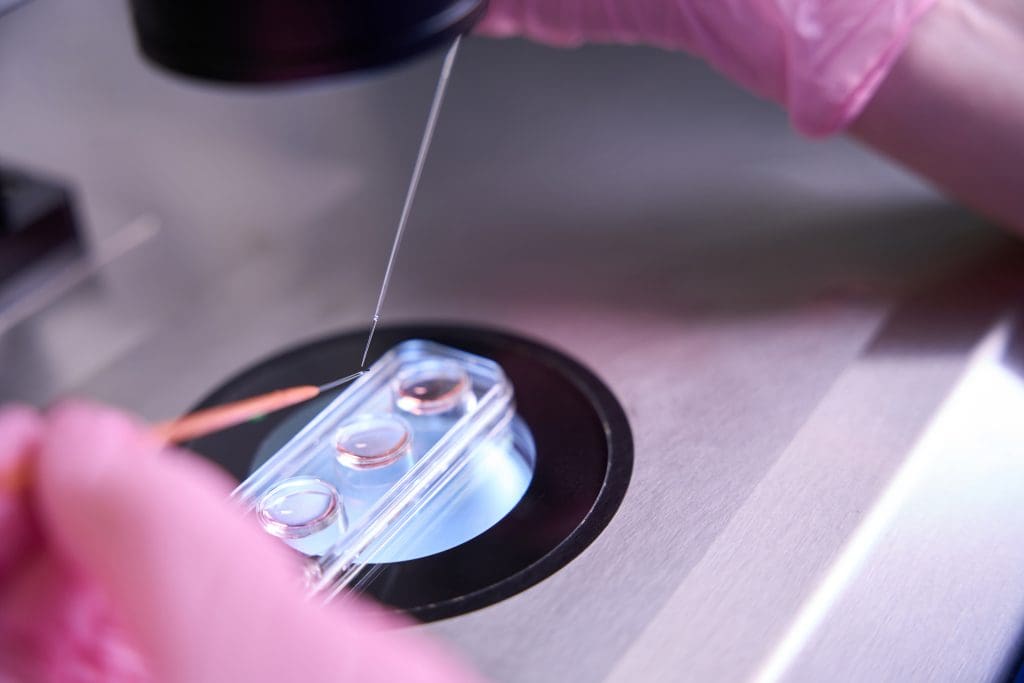
Stem cells are key to growth and repair in our bodies. They can turn into different cell types. This makes them vital for keeping tissues healthy.
Different Types of Stem Cells
Stem cells vary in what they can become. This is called their potency. Here are the main types:
- Totipotent Stem Cells: These can become every cell in the body, including those in the embryo and placenta.
- Pluripotent Stem Cells: They can become almost every cell type, except for placental cells.
- Multipotent Stem Cells: These can become several cell types, but only within a certain group.
- Unipotent Stem Cells: They can only become one specific cell type.
The Meaning of Pluripotency
Pluripotency means a stem cell can become almost any cell type. This includes cells from the three main layers: ectoderm, endoderm, and mesoderm. The Yamanaka factors are important for making somatic cells into induced pluripotent stem cells (iPSCs). This shows how important pluripotency is in stem cell science.
| Type of Stem Cell | Differentiation Potential | Examples |
| Totipotent | Can differentiate into all cell types, including placental cells | Fertilized egg |
| Pluripotent | Can differentiate into almost all cell types, excluding placental cells | Embryonic stem cells, iPSCs |
| Multipotent | Can differentiate into multiple cell types within a specific lineage | Mesenchymal stem cells, hematopoietic stem cells |
| Unipotent | Can differentiate into only one cell type | Certain progenitor cells |
Knowing about stem cells and pluripotency is key to understanding their use in medicine. Being able to control stem cells is a big step in fighting diseases.
The Discovery of Induced Pluripotent Stem Cells
Shinya Yamanaka induced pluripotent stem cells discovery
In 2006, Shinya Yamanaka made a huge breakthrough in stem cell biology. This discovery changed how we see cellular reprogramming. It also opened new doors for regenerative medicine.
Shinya Yamanaka’s Breakthrough Research
At Kyoto University, Shinya Yamanaka created induced pluripotent stem cells (iPSCs). He made adult cells turn into a pluripotent state. He did this by adding special transcription factors, known as the Yamanaka factors, to adult cells.
Yamanaka’s work is important because it avoids the ethical issues of embryonic stem cells. Now, scientists can make pluripotent stem cells from adult cells, without using embryos.
Nobel Prize Recognition
In 2012, Shinya Yamanaka won the Nobel Prize in Physiology or Medicine for his work on iPSCs. This honor showed the big impact of his discovery. It also showed the promise of iPSCs in medical research and treatments.
The Nobel Committee praised Yamanaka’s work. They said his discovery has opened new fields. It has given us new ways to understand diseases and find treatments.
Historical Context and Significance
The finding of iPSCs was a big change in stem cell research. It offered a new choice instead of using embryonic stem cells. Using embryonic stem cells was once a big debate because of ethical worries about destroying embryos.
| Year | Event | Significance |
| 2006 | Yamanaka’s discovery of iPSCs | Revolutionized stem cell research |
| 2012 | Nobel Prize awarded to Yamanaka | Recognized the impact of iPSCs on medicine |
With iPSCs, researchers can now study diseases in a lab. They can test drugs and look into new treatments. As research grows, the uses of iPSCs will likely get even bigger, changing medicine a lot.
What Are Induced Pluripotent Stem Cells?
induced pluripotent stem cells
Induced pluripotent stem cells are made by changing somatic cells into a pluripotent state. This lets them turn into different cell types.
Definition and Characteristics
Induced pluripotent stem cells (iPSCs) are artificially derived stem cells. They are made by changing skin or blood cells back into a pluripotent state. This lets them become any cell type in the body, like embryonic stem cells.
iPSCs can keep growing and can turn into any of the three germ layers: ectoderm, endoderm, and mesoderm. They are genetically reprogrammed to an embryonic stem cell-like state. This is done by using specific transcription factors, known as the Yamanaka factors.
Comparison with Embryonic Stem Cells
Both iPSCs and embryonic stem cells (ESCs) are pluripotent. But, they are different. ESCs come from embryos and can form any cell type. iPSCs are made from somatic cells through reprogramming.
iPSCs have the advantage of not being linked to ethical concerns about embryos. Both types can self-renew and differentiate into many cell types. But, iPSCs might keep some memory of their original cell type, affecting their ability to differentiate.
Comparison with Adult Stem Cells
Adult stem cells are found in adult tissues and help with repair and maintenance. They can only turn into specific cell types, unlike iPSCs. For example, mesenchymal stem cells can become osteoblasts, chondrocytes, and adipocytes.
iPSCs have a big advantage over adult stem cells. They can turn into any cell type, not just specific ones. This makes them very useful for regenerative medicine and studying diseases.
The Process of Creating iPSCs
To make iPSCs, scientists use a method called cell reprogramming. This method changes adult cells into a state where they can become many different cell types. This has changed how we study stem cells.
Cell Reprogramming Techniques
Cell reprogramming uses special factors to change the genes of adult cells. This makes them like embryonic stem cells. Scientists use these factors to change the cells’ identity.
First, scientists take adult cells from skin or blood. Then, they add special genes to these cells. Viral vectors are often used to carry these genes.
The Four Yamanaka Factors
The discovery of the four Yamanaka factors was a big step. These are Oct4, Sox2, Klf4, and c-Myc. They are key for turning adult cells into iPSCs.
These factors help turn on genes for being pluripotent. They also turn off genes that keep cells in their adult state. Together, they can change mouse and human cells into iPSCs.
| Yamanaka Factor | Function |
| Oct4 | Maintains pluripotency and self-renewal |
| Sox2 | Regulates pluripotency and differentiation |
| Klf4 | Suppresses differentiation and maintains pluripotency |
| c-Myc | Promotes cell proliferation and suppresses apoptosis |
Alternative Reprogramming Methods
New methods have been found to make iPSCs more efficient and safe. Some use small molecules instead of some of the Yamanaka factors. Others use non-integrating methods to avoid changing the genome.
Some chemicals can help make the reprogramming process better. These new methods try to avoid the risks of using viral vectors.
Examples of Induced Pluripotent Stem Cells in Research
iPSC examples
iPSCs are a powerful tool in biomedical research. They are used in disease modeling, drug discovery, and regenerative medicine. The variety of cell sources for generating iPSCs makes them versatile.
Human Skin Fibroblast-Derived iPSCs
Human skin fibroblasts are a common source for iPSCs. They can be obtained through skin biopsies and reprogrammed using the Yamanaka factors. These iPSCs are used for disease modeling, like in muscular dystrophy and Huntington’s disease.
Blood Cell-Derived iPSCs
Blood cells are another source for iPSCs. Peripheral blood mononuclear cells (PBMCs) can be reprogrammed into iPSCs. This is a less invasive option than skin biopsies. Blood cell-derived iPSCs are used to study hematological disorders and have personalized medicine applications.
Urine-Derived iPSCs
Urine-derived cells, like renal epithelial cells, can also be reprogrammed into iPSCs. This method is attractive because it’s non-invasive. Urine collection is simple. Urine-derived iPSCs are explored for modeling kidney diseases and urological conditions.
Dental Pulp-Derived iPSCs
Dental pulp stem cells, from extracted teeth, can be reprogrammed into iPSCs. These cells are studied for regenerative dentistry and tissue engineering.
The variety of cell sources for iPSCs shows their flexibility and promise in research. As research progresses, iPSCs will likely play a bigger role in disease modeling and regenerative medicine.
Commercial iPSC Lines and Resources
commercial iPSC lines
The creation of commercial iPSC lines has changed stem cell biology. It offers easy and consistent research materials. This progress comes from iPSC banks and standardized lines.
Established iPSC Banks
iPSC banks are key in sharing commercial iPSC lines. They store and check iPSCs for researchers everywhere. Notable banks include WiCell Research Institute and RIKEN BioResource Center, providing top-quality iPSCs.
Standardized iPSC Lines
Standardized iPSC lines are vital for consistent research. They are tested and validated for pluripotency and genetic stability. Using standardized lines makes studies more reliable and comparable.
Quality Control Measures
Quality control is essential for commercial iPSC lines. Tests are done to check for contamination, genetic issues, or other problems. Quality checks include karyotyping, PCR-based assays, and more to confirm iPSC line identity and stability.
Thanks to commercial iPSC lines and strict quality checks, stem cell research has grown. Researchers can now quickly access many characterized iPSC lines. This speeds up discoveries in disease modeling, drug development, and regenerative medicine.
Disease Modeling Using iPSCs
iPSC disease modeling
iPSCs are changing the game in biomedical research. They let scientists study diseases in a lab dish.
Neurological Disorders
Neurological diseases like Alzheimer’s and Parkinson’s are hard to understand. But, iPSCs from patients can help. They let us see how these diseases work and find new treatments.
Cardiovascular Diseases
Heart diseases are a big problem. iPSCs can help by making heart cells that show disease signs. This is a new way to study and treat heart problems.
“The ability to model cardiovascular diseases using iPSCs has opened new avenues for understanding disease mechanisms and developing personalized therapies.”
Metabolic Disorders
Diabetes and obesity are big health issues. iPSCs can help study these conditions. They give us clues about how to find new treatments.
| Disease Category | iPSC Modeling Applications |
| Neurological Disorders | Modeling Alzheimer’s, Parkinson’s diseases |
| Cardiovascular Diseases | Modeling familial cardiomyopathy |
| Metabolic Disorders | Modeling diabetes, obesity |
Drug Discovery and Screening with iPSCs
iPSCs are changing drug development by mimicking human diseases. This makes drug testing more accurate and relevant. It could also lower the number of drugs that fail in clinical trials.
iPSCs help in creating personalized medicine approaches. By making iPSCs from patients with certain diseases, researchers can create cell models that truly represent the disease. This personalized method can lead to treatments that work better for each patient.
Personalized Medicine Approaches
Personalized medicine with iPSCs involves several steps. First, patient cells are reprogrammed into iPSCs. Then, these iPSCs are turned into cell types relevant to the disease. Lastly, drugs are tested on these cells. This method has shown promise in treating muscular dystrophy and familial amyloidosis.
For example, researchers have tested anti-arrhythmic drugs on iPSC-derived cardiomyocytes from patients with arrhythmias. These studies show how iPSCs could change personalized treatment plans.
Toxicity Testing
iPSCs are also used in toxicity testing. Traditional methods often don’t accurately predict how drugs will work in humans. iPSC-derived cells are a better model for testing drug toxicity.
iPSC-derived hepatocytes can test the toxicity of new drugs. This helps find out if a drug might be harmful early on. It can save a lot of money by avoiding late-stage failures.
High-Throughput Screening Platforms
iPSCs are being used with high-throughput screening (HTS) platforms to speed up drug discovery. HTS lets researchers quickly test thousands of compounds against disease models made from iPSCs. This helps find drugs that might work well.
By using iPSCs with HTS, researchers can find drugs that fix disease-specific problems. This method has worked in treating neurodegenerative disorders and heart diseases.
Regenerative Medicine Applications of iPSCs
iPSCs are changing regenerative medicine. They can turn into many cell types. This makes them great for fixing or replacing damaged tissues and organs.
Tissue Engineering
Tissue engineering is growing fast. It uses iPSCs to make tissue substitutes. These substitutes can fix or replace damaged tissues, giving hope to many patients.
- Creation of artificial skin for burn victims
- Development of functional heart tissue for cardiac repair
- Engineering of cartilage and bone for orthopedic applications
Organ Regeneration
Organ regeneration is also getting a boost from iPSCs. Researchers are working to make functional organs for transplants. They do this by guiding iPSCs to become specific cell types.
Key areas of focus include:
- Kidney regeneration
- Liver regeneration
- Lung regeneration
Cell Replacement Therapies
Cell replacement therapies use iPSCs to create healthy cells. These cells can replace damaged or diseased ones in the body. This is promising for treating many conditions, like neurodegenerative diseases and diabetes.
The future of iPSCs in regenerative medicine looks bright. Ongoing research is tackling the challenges they face. As the field grows, we’ll see new therapies that help patients more.
Clinical Trials Using Induced Pluripotent Stem Cells
Many clinical trials around the world are looking into the use of iPSCs. They aim to find out if these cells can help treat different diseases. This could bring new hope to people with diseases that were hard to treat before.
Age-Related Macular Degeneration Treatment
Researchers are hopeful about using iPSCs to treat AMD. They are testing if cells made from iPSCs can help people with AMD see better. So far, some patients have seen their vision improve.
Parkinson’s Disease Therapy
iPSCs might help treat Parkinson’s disease too. Scientists are making dopamine-producing neurons from iPSCs. These neurons are then put into the brains of Parkinson’s patients. This could help them move better and live better lives.
Heart Failure Treatment
Trials are looking into using iPSCs to fix damaged heart tissue in heart failure patients. They are making heart muscle cells from iPSCs. This could make the heart work better and lessen heart failure symptoms.
Spinal Cord Injury Approaches
Scientists are also working on using iPSCs to treat spinal cord injuries. They want to make neural cells from iPSCs to fix damaged spinal cords. They are testing if this can help paralyzed patients move again.
These trials are a big step towards using iPSCs in medicine. As research keeps going, we’ll see more ways iPSCs can help treat diseases and injuries.
Challenges and Limitations of iPSC Technology
iPSC research is growing, but it faces many challenges. These challenges are important to overcome for safe and effective use. Despite their promise in regenerative medicine, iPSCs have several limitations.
Genetic Stability Concerns
Genetic stability is a big worry with iPSCs. The reprogramming process can introduce genetic mutations. These mutations might cause chromosomal abnormalities or epigenetic changes.
These changes can affect how well the iPSCs work and their safety. This could lead to problems in clinical use.
Tumorigenic Potential
iPSCs can grow forever, which is both good and bad. It’s good for making lots of cells, but it’s also a worry. Undifferentiated iPSCs can form tumors, like teratomas, when put into animals.
So, it’s key to make sure iPSCs turn into the right cell types. We also need to get rid of any cells that haven’t turned properly before using them in patients.
Efficiency and Scalability Issues
How well iPSCs are made can vary a lot. It depends on the method and the starting cells. Also, making lots of iPSCs while keeping them the same quality is hard.
We need standardized and robust ways to make lots of iPSCs. This is important for both medical and industrial uses.
Immunogenicity Considerations
iPSCs and their products can be seen as foreign by the immune system. Even though they come from the patient’s own cells, the reprogramming can make them seem different. This can cause an immune reaction when transplanted.
It’s important to understand and reduce the immune response to iPSCs. This is key for making iPSC-based treatments work.
| Challenge | Description | Potential Solution |
| Genetic Stability | Genetic mutations during reprogramming | Improved reprogramming techniques |
| Tumorigenic Potential | Risk of teratoma formation | Differentiation protocols, elimination of undifferentiated cells |
| Efficiency and Scalability | Variability in reprogramming efficiency, scaling up production | Standardized protocols, optimized culture conditions |
| Immunogenicity | Immune response to iPSC-derived cells | Immunosuppressive strategies, antigen matching |
Ethical Considerations of iPSC Research
As iPSC technology grows, we must think about its ethics. Induced pluripotent stem cells have changed stem cell research. They open new ways for medical studies and treatments.
Advantages Over Embryonic Stem Cell Research
iPSC research is better because it doesn’t harm embryos. This is a big plus compared to embryonic stem cell research. iPSCs come from adult cells, avoiding the ethical debates of embryonic stem cells.
The ability to reprogram somatic cells into a pluripotent state without embryos is groundbreaking. It solves ethical problems and brings new chances for treatments tailored to each patient.
Consent and Ownership Issues
iPSC research also brings its own ethical worries, like consent and ownership. When cells are taken from donors, there are questions about their rights and the rights to the cells’ products.
It’s key to have clear consent rules. This makes sure donors know how their cells might be used. Also, the issue of who owns and can profit from iPSC lines needs strong ethical rules.
Regulatory Frameworks
Creating regulatory frameworks is vital for iPSC use in research and treatment. These rules must handle the ethics of making, storing, and using iPSCs in people.
Regulatory groups must make strict guidelines. This ensures iPSC research is done right, respects donors, and aims for safe and effective treatments.
Recent Advances in iPSC Technology
Recent breakthroughs in iPSC technology have opened new avenues for research and therapeutic applications. The field has seen significant improvements in various areas. These advancements enhance the use of iPSCs in medicine and biotechnology.
Non-Integrating Reprogramming Methods
One big advancement in iPSC technology is non-integrating reprogramming methods. Traditional methods used viral vectors that could disrupt gene function.
Non-integrating reprogramming makes iPSCs safer by avoiding genomic integration. This is key for therapeutic uses where safety is critical.
Direct Reprogramming Approaches
Direct reprogramming is a powerful tool in iPSC technology. It converts one cell type into another directly, without going through a pluripotent state. This method is simpler and may reduce risks.
For example, direct reprogramming can turn fibroblasts into neurons or cardiomyocytes. This direct conversion is promising for disease modeling and regenerative medicine.
3D Organoid Development
The development of 3D organoids using iPSCs has changed disease modeling and drug screening. Organoids are 3D cell cultures that mimic organs. They are more accurate for studying human development and disease.
3D organoids have been made for organs like the brain, liver, and intestine. They are great for understanding disease, testing drugs, and for regenerative therapies.
Combination with CRISPR Gene Editing
The use of iPSC technology with CRISPR gene editing has opened new ways to treat genetic diseases. CRISPR/Cas9 allows for precise genome editing. This is key for treating monogenic disorders by correcting genetic mutations.
The combination of CRISPR with iPSCs enables creating disease models with specific mutations. It also allows for making gene-corrected cells for therapy. This combination of technologies is a powerful step towards personalized medicine.
Conclusion
Induced pluripotent stem cells (iPSCs) have changed the game in regenerative medicine. They open up new ways to study diseases, find new drugs, and replace damaged cells. As research moves forward, the possibilities with iPSCs are growing.
The future of stem cell research looks bright. Scientists are working hard to make iPSCs better and safer. They’re improving how we make iPSCs and finding new ways to use them without harming cells.
Regenerative medicine is set to get a big boost from iPSCs. They could help treat many diseases, like brain problems, heart issues, and metabolic disorders. Using iPSCs to model diseases could also lead to treatments tailored just for you.
But, there are challenges to overcome with iPSCs. We need to make sure they’re stable and don’t turn into tumors. Scientists are working on these problems, so we can use iPSCs more widely in the future.
In short, the future of iPSC research is exciting. It could lead to big improvements in regenerative medicine and better health for all. Keeping up the good work in iPSC technology is key to making these dreams a reality.
FAQ
What is the significance of Shinya Yamanaka’s discovery of iPSCs?
Shinya Yamanaka’s discovery was a big deal. It opened up new ways in regenerative medicine and earned him the Nobel Prize.
What recent advances have been made in iPSC technology?
There have been new methods for making iPSCs. These include non-integrating reprogramming, direct reprogramming, and using CRISPR gene editing.
What are the ethical considerations with iPSC research?
There are ethical points to consider. These include the benefits over using embryos, issues with consent and ownership, and setting up rules.
Are there any ongoing clinical trials using iPSCs?
Yes, there are trials using iPSCs. They are looking at treating age-related macular degeneration, Parkinson’s disease, heart failure, and spinal cord injuries.
What role do iPSCs play in regenerative medicine?
They are being studied for regrowing tissues and organs. They could also replace damaged cells in the body.
How are iPSCs used in disease modeling?
They are used to create cells that mimic diseases. This helps scientists understand diseases better and find new treatments.
What challenges are there with iPSC technology?
There are a few challenges. These include worries about genetic stability, the risk of tumors, and how well they work and scale.
What is the difference between iPSCs and embryonic stem cells?
Both are pluripotent, but iPSCs come from adult cells. This means no embryos are needed, which is a big ethical plus.
What are the possible uses of iPSCs?
iPSCs can be used for many things. They help in studying diseases, finding new drugs, and in regenerative medicine.
How are iPSCs created?
iPSCs are made by changing adult cells into a pluripotent state. This is done with special factors, known as the Yamanaka factors.
What are induced pluripotent stem cells (iPSCs)?
Induced pluripotent stem cells (iPSCs) are made from adult cells. They can turn into almost any cell in the body, like embryonic stem cells.