
Every year, about 250,000 adults in the U.S. are told they have spinal stenosis. This condition makes it hard to move and causes a lot of pain. But, doing certain exercises every day can make things better.
Walking is a top choice for easing lower back stenosis
Learning about walking and other spinal stenosis exercises can help you manage your condition. It’s a step towards feeling better and living better.
Discover the best exercises for stenosis of the lower back. Learn why walking is vital for spine health and how to stay active safely.
- Walking is a beneficial exercise for managing spinal stenosis.
- Low-impact exercises can help alleviate symptoms of lower back stenosis.
- Incorporating exercises into daily routines can improve spinal flexibility.
- Strengthening the muscles supporting the spine is key for managing spinal stenosis.
- Understanding the benefits of specific exercises can help individuals manage their condition effectively.
Understanding Spinal Stenosis and Its Impact on Mobility
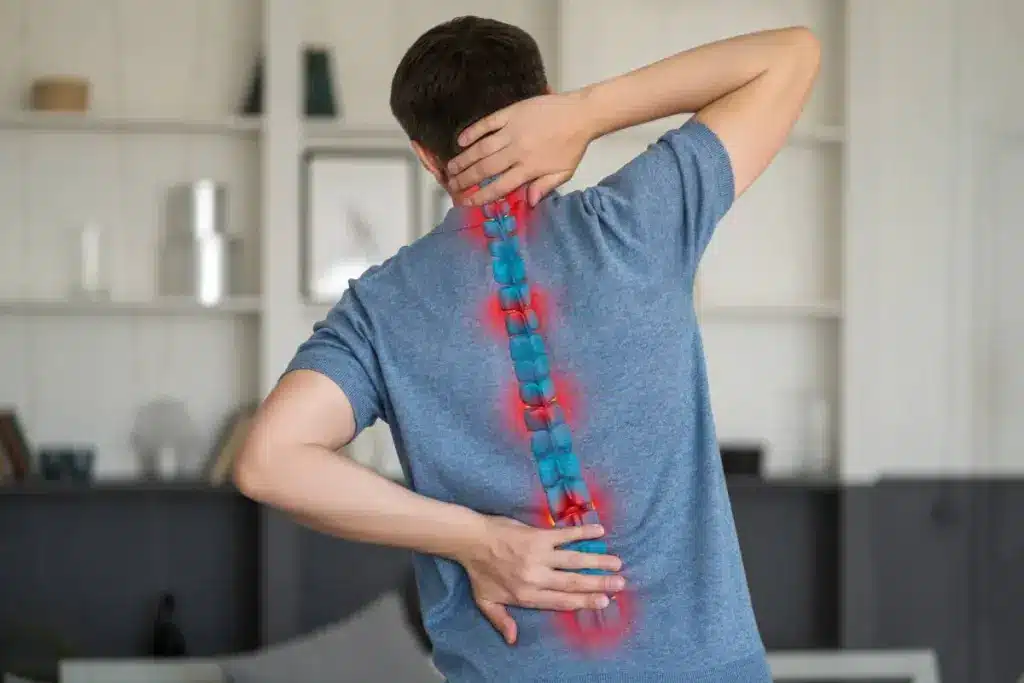
It’s important to know about spinal stenosis to handle its effects on moving around. This condition narrows the spinal canal. It can press on nerves and cause symptoms.
Spinal stenosis happens when the spine’s spaces get smaller. This can squeeze nerves in the spine. It often affects the lumbar region, known as lumbar spinal stenosis.
Many things can cause this narrowing. These include getting older, arthritis, or being born with it.
How Spinal Stenosis Affects Daily Movement
Spinal stenosis symptoms can really limit how you move. You might feel pain, numbness, or weakness in your back, legs, or buttocks. This is worse when you stand or walk.
This condition can also cause neurogenic claudication. This means you can’t walk far without feeling pain or discomfort.
It can make everyday tasks hard. It also makes it tough to do physical activities. Knowing about the condition and its effects is key to managing it.
By recognizing symptoms and understanding the condition, you can take steps to manage it. This helps keep your mobility.
The Relationship Between Walking and Spinal Stenosis

The link between walking and spinal stenosis is complex. It involves both good and bad sides. Walking is key for those with spinal stenosis, affecting their life quality.
Benefits of Walking for Spinal Stenosis Patients
Walking is good for those with spinal stenosis. It keeps them moving and can lessen symptoms. Regular walks can:
- Improve circulation, which may help reduce pain and inflammation
- Strengthen the muscles that support the spine
- Enhance flexibility and range of motion
A study in the Spine Journal found walking helps a lot. “Walking is a simple, low-cost intervention that can be highly effective in managing symptoms.”
|
Benefits |
Description |
|---|---|
|
Improved Circulation |
Enhances blood flow, potentially reducing pain and inflammation |
|
Muscle Strengthening |
Supports the spine and improves overall stability |
|
Enhanced Flexibility |
Increases range of motion and reduces stiffness |
Potential Risks and Considerations
Walking has its risks too. Too much or the wrong way can make things worse. It’s important to:
- Start with short, manageable distances and gradually increase as tolerated
- Maintain proper posture and gait to minimize strain on the spine
- Use assistive devices if necessary, such as canes or walkers, to reduce the risk of falls
“It’s vital for patients to work with healthcare professionals to develop a personalized walking plan that balances the benefits with the risks.”
In summary, walking is good for spinal stenosis management. It improves mobility and reduces symptoms. But, knowing the risks and how to avoid them is key.
Recognizing the Symptoms of Lumbar Spinal Stenosis
Lumbar spinal stenosis can really affect your daily life. It’s important to know its symptoms early. These symptoms can make moving and feeling comfortable harder.
Common Symptoms and Warning Signs
People with lumbar spinal stenosis often feel pain in their lower back. They might also feel numbness, tingling, or weakness in their legs. These feelings get worse when standing or walking and feel better when sitting or leaning forward.
Key symptoms to watch out for include:
- Pain or discomfort in the lower back
- Numbness or tingling sensations in the legs
- Weakness in the legs or feet
- Difficulty walking or standing for long periods
Neurogenic Claudication and the “Shopping Cart Sign”
Neurogenic claudication is a key symptom of lumbar spinal stenosis. It’s pain in the legs when walking or standing. Bending forward or sitting can help, which is why it’s called the “shopping cart sign.”
The “shopping cart sign” shows how people with lumbar spinal stenosis cope. By leaning on a shopping cart, they ease the pressure on their spine. This makes walking easier.
Knowing these symptoms and how people adapt can help diagnose lumbar spinal stenosis. If you’re experiencing these symptoms, see a doctor. They can help with the right treatment.
The 4 Stages of Spinal Stenosis Progression
Spinal stenosis has four stages, each showing a different level of severity. Knowing these stages is key for both patients and doctors to manage the condition well.
In the first stage, the spinal canal starts to narrow. This can happen due to degenerative changes, disc bulging, or thickened ligaments. At this point, symptoms might be mild or not present at all. Early detection is important for taking preventive steps.
The second stage sees the spinal canal narrowing more, causing moderate compression. Symptoms like pain, numbness, or weakness in the legs may start. These symptoms often occur after walking or standing for a long time.
Stage 3: Significant Narrowing
In the third stage, the spinal canal narrows a lot, pressing the nerves more. This can lead to more pain, stronger neurological symptoms, and a big impact on daily activities.
Stage 4: Severe Stenosis and Complications
The final stage is marked by severe narrowing of the spinal canal. This can cause serious nerve damage or cauda equina syndrome. Symptoms include severe pain, mobility issues, and serious complications like loss of bladder or bowel control.
It’s vital to recognize the stages of spinal stenosis for timely treatment. While everyone’s progression is different, knowing these stages helps in choosing the right treatment.
Severe Spinal Stenosis L4-L5: Symptoms and Challenges
Spinal stenosis at L4-L5 can cause severe symptoms. These symptoms affect daily activities and overall well-being. Severe spinal stenosis narrows the spinal canal, leading to debilitating symptoms.
Specific Symptoms of L4-L5 Stenosis
The symptoms of severe spinal stenosis at L4-L5 include persistent lower back pain. They also include numbness or tingling in the legs and weakness in the lower extremities’ muscles. These symptoms happen because of nerve compression in the spinal canal.
Some people experience neurogenic claudication. This is pain or discomfort in the legs when walking or standing. It gets better when resting or flexing the spine.
Impact on Daily Activities and Quality of Life
Severe spinal stenosis at L4-L5 can greatly affect daily activities and quality of life. Simple tasks like walking, standing, or sitting for long periods become hard because of pain and discomfort.
This condition can also make it hard to do physical activities, go to social events, and follow daily routines. It can lead to a decrease in overall well-being and independence.
|
Symptom |
Description |
Impact on Daily Life |
|---|---|---|
|
Persistent Lower Back Pain |
Continuous pain in the lower back region |
Limits mobility and daily activities |
|
Numbness or Tingling in Legs |
Sensation of numbness or tingling in the lower extremities |
Affects balance and walking ability |
|
Weakness in Leg Muscles |
Muscle weakness in the legs |
Makes standing or walking for extended periods difficult |
|
Neurogenic Claudication |
Pain or discomfort in legs when walking or standing |
Restricts walking distance and standing time |
Walking Problems Associated with Spinal Stenosis
Walking can become hard for those with spinal stenosis. This condition can cause many walking issues, affecting life quality a lot.
People with spinal stenosis may change how they walk because of pain. They might lean forward or walk with a bent back to feel better.
Gait Adaptations: They might walk slower and take shorter steps. These changes help ease the pressure on their spine.
Walking Limitations and Distance Considerations
How far someone can walk depends on spinal stenosis symptoms. Knowing these limits is key to managing the condition well.
|
Walking Distance |
Typical Symptoms |
Recommended Actions |
|---|---|---|
|
Less than 100 meters |
Severe pain, numbness |
Rest, consider assistive devices |
|
100-500 meters |
Moderate pain, some numbness |
Regular breaks, stretching |
|
More than 500 meters |
Mild discomfort |
Maintain regular walking routine, monitor symptoms |
By knowing and adjusting to these walking limits, people with spinal stenosis can manage their condition better. They can stay more active in their lives.
Exercises for Stenosis of the Lower Back
For those with lower back stenosis, the right exercises can help a lot. They can reduce pain, improve flexibility, and strengthen the muscles around the spine. This is key to managing the condition.
Core exercises are a must for lower back stenosis. A strong core supports the spine better, easing the pressure on the lower back. Here are some good exercises:
- Plank: This strengthens the abdominal muscles and improves posture.
- Bridges: Bridges target the glutes and lower back, helping stabilize the spine.
- Pelvic Tilts: These gentle exercises loosen tight muscles in the lower back.
Flexibility and Mobility Exercises
Flexibility and mobility exercises are also key. They help keep the spine moving freely, reducing stiffness and pain. Here are some examples:
- Knee to Chest Stretch: This stretch eases tension in the lower back.
- Cat-Cow Stretch: This stretch improves flexibility and reduces pain.
- Seated Twist: Seated twists help keep the spine mobile.
Low-impact aerobic exercises are good for overall health. They’re safe for those with lower back stenosis. Here are some options:
- Swimming: Swimming strengthens muscles without straining the spine.
- Cycling: Stationary cycling or using a recumbent bike is a comfortable way to exercise.
- Walking: Walking can be a good low-impact exercise when done correctly.
Always talk to a healthcare professional before starting any new exercise program. This is even more important with a condition like lower back stenosis. They can give you personalized advice based on your condition and health.
Lower Back Stenosis Stretches and Their Benefits
Managing lower back stenosis requires stretches that ease pain and improve spinal flexibility. Stretching can lessen the discomfort by reducing spine pressure and boosting range of motion.
Gentle Stretches for Pain Relief
Gentle stretching is great for those with lower back stenosis. It helps cut down pain and stiffness. Some top stretches include:
- Knee to Chest Stretch: Relieves pressure on the lower back.
- Pelvic Tilt: Strengthens abdominal muscles and boosts flexibility.
- Cat-Cow Stretch: Increases spinal flexibility and lessens stiffness.
Proper Technique and Frequency
To get the most from stretching, use the right technique and do it often enough. Here are some tips:
|
Stretch |
Technique |
Frequency |
|---|---|---|
|
Knee to Chest |
Lie on your back, bring one knee towards your chest, and hold for 30 seconds. |
2-3 times a day |
|
Pelvic Tilt |
Lie on your back with knees bent, tilt your pelvis upwards, and hold for 5 seconds. |
3 sets of 10 repetitions |
|
Cat-Cow |
Start on your hands and knees, arch your back (like a cat), then round it (like a cow), and repeat. |
3 sets of 10 repetitions |
Adding these stretches to your daily routine and keeping the right technique can greatly help with lower back stenosis symptoms.
Physical Therapy Approaches for Lumbar Stenosis
Physical therapy is key in managing lumbar stenosis. It offers a variety of ways to ease symptoms and boost mobility. By tailoring treatment plans to each person, physical therapy greatly improves life quality for those with this condition.
Professional Assessment and Treatment Plans
The first step in physical therapy for lumbar stenosis is a professional assessment. A physical therapist thoroughly evaluates the patient’s condition. This includes the severity of stenosis, overall health, and mobility issues.
Based on this, a personalized treatment plan is made. It may include exercises, manual therapy, and education on body mechanics. The goal is to lessen pain, improve function, and enhance spinal health.
Regular check-ins with the physical therapist help adjust the plan as needed. This ensures the patient is on track to meet their goals.
A big part of physical therapy for lumbar stenosis is the home exercise program. These exercises are done at home, outside of therapy sessions. They aim to improve flexibility, strengthen the spine, and boost mobility.
Examples include gentle stretches, pelvic tilts, and core exercises. It’s vital for patients to stick to the program and do it right for the best results.
Lumbar Stenosis Exercise Routines
Lumbar stenosis exercise routines are made just for the individual. They mix low-impact exercises like walking or swimming with specific strengthening and flexibility exercises. The goal is to increase spinal flexibility, reduce pain, and help with daily activities.
A good exercise routine not only manages lumbar stenosis symptoms but also boosts overall fitness and well-being. Patients should work with their physical therapist to create a routine that works well and is enjoyable.
Spinal Stenosis Exercises to Avoid
It’s important to know which exercises to skip to avoid making spinal stenosis worse. Some activities can stress the spine too much, making symptoms worse. This can even lead to more serious problems.
People with spinal stenosis should stay away from high-impact activities. These include heavy lifting, bending, or any movement that can shock the spine. Examples include:
- Running or jogging
- High-impact aerobics
- Contact sports
- Heavy weightlifting
These activities can put too much stress on the spine. This can make the spinal canal narrower, causing more pain and discomfort.
Movements That Worsen Symptoms
Some exercises can make spinal stenosis symptoms worse. It’s key to avoid anything that causes pain or discomfort. Avoid these specific movements:
- Extension-based exercises that arch the lower back
- Activities that involve heavy twisting or bending
- Any exercise that results in numbness, tingling, or weakness in the legs
Staying away from these movements can help manage symptoms and prevent irritation.
By knowing which exercises to avoid, people with spinal stenosis can better manage their condition. This helps reduce the risk of making symptoms worse.
How to Stop Spinal Stenosis from Progressing
Changing your lifestyle and exercise routine can help slow down spinal stenosis. Making smart choices can stop this condition from getting worse.
Managing spinal stenosis well means looking at lifestyle and exercise. Lifestyle modifications are key to this plan.
Some lifestyle changes can really help with spinal stenosis. These include:
- Maintaining a healthy weight to reduce pressure on the spine
- Quitting smoking to improve blood flow and overall spinal health
- Improving posture to reduce strain on the lower back
- Engaging in stress-reducing activities to manage pain and discomfort
These changes help manage symptoms and improve overall health.
Preventative Exercises and Habits
Adding preventative exercises to your routine is also important. Good exercises include:
- Core strengthening exercises to support the spine
- Gentle stretching to maintain flexibility
- Low-impact aerobic activities to improve cardiovascular health without straining the spine
Healthy habits like regular exercise and proper body mechanics are vital for spinal health.
By making these lifestyle changes and doing preventative exercises, you can manage spinal stenosis. This can help slow it down.
Walking Protocols for Spinal Stenosis Patients
A well-structured walking protocol can help alleviate symptoms of spinal stenosis. Walking is a low-impact exercise that can improve mobility and reduce pain when done correctly.
Recommended Duration and Frequency
For spinal stenosis patients, it’s essential to start with manageable walking sessions. Begin with short walks of 10-15 minutes, ideally 2-3 times a week. Gradually increase duration and frequency as comfort and endurance improve.
The goal is to reach 30 minutes of walking per session, at least 5 days a week. But, this should be tailored to the individual’s health status and comfort level.
|
Week |
Duration (minutes) |
Frequency (days/week) |
|---|---|---|
|
1-2 |
10-15 |
2-3 |
|
3-4 |
15-20 |
3-4 |
|
5+ |
30 |
5 |
Maintaining proper posture and technique while walking can significantly impact the effectiveness of the exercise and comfort level. Keep your head up, shoulders relaxed, and avoid overstriding.
Key tips:
- Wear comfortable, supportive shoes.
- Use a walking aid if necessary, such as a cane or walker.
- Avoid walking on uneven or slippery surfaces.
For some patients, using assistive devices can enhance stability and confidence while walking. Common devices include canes, walkers, and Nordic walking poles.
Choosing the right device: Consult with a healthcare professional to determine the most suitable assistive device based on your specific needs and condition.
By incorporating these walking protocols into their daily routine, individuals with spinal stenosis can potentially reduce their symptoms and improve their quality of life.
Managing Nerve Damage and Neurogenic Symptoms
It’s key to understand how spinal stenosis affects nerve health. This condition can cause nerve compression. This leads to symptoms that can really affect your daily life.
Understanding Nerve Compression
Nerve compression happens when the spinal canal gets smaller. This puts pressure on nerves. It can cause pain, numbness, and weakness in different parts of the body.
The severity of nerve compression can vary, influencing the intensity of symptoms experienced by individuals.
Strategies for Nerve Pain Relief
To manage nerve pain from spinal stenosis, a few steps are needed. Medications like NSAIDs or corticosteroids can help reduce inflammation and pain. Physical therapy is also important. It helps keep the spine mobile and strengthens the muscles around it.
- Engaging in regular, low-impact exercises to maintain flexibility and strength.
- Utilizing proper posture techniques to reduce strain on the spine.
- Avoiding activities that exacerbate symptoms.
By following these steps, people with spinal stenosis can manage their symptoms better. This can greatly improve their quality of life.
Alternative Exercises When Walking Is Difficult
For people with spinal stenosis, walking can get tough. They need other exercises to stay mobile and ease pain. It’s key to have various exercises that fit different fitness levels and physical limits.
Water-based activities are great for those with spinal stenosis. Swimming and water aerobics boost heart health without hurting the spine too much. Water’s buoyancy eases joint stress, making it perfect for moving freely and building muscle.
Water exercises also boost flexibility and motion range. Water’s resistance helps strengthen muscles gently, without high-impact stress.
Seated and Recumbent Exercises
Seated and recumbent exercises are good for those who can’t walk much. They use resistance bands or light weights. These exercises aim to build strength and flexibility without making the condition worse.
Examples include seated leg lifts, arm raises, and gentle stretches done while sitting or lying down. These keep muscles toned and improve blood flow. This is good for overall health and managing spinal stenosis symptoms.
Conclusion: Creating a Balanced Approach to Activity with Spinal Stenosis
For those with spinal stenosis, finding the right balance in activity is key. It helps manage the condition and boosts life quality. Exercises tailored for spinal stenosis can ease pain, improve movement, and lower the chance of complications.
Exercise plays a big role in managing spinal stenosis. It includes low-impact cardio, strengthening the core, and improving flexibility. These activities keep the spine healthy, reduce pressure, and enhance overall health.
Specific exercises, like gentle stretches and water activities, can greatly help with pain. It’s vital to work with healthcare experts to create a personalized exercise plan. This plan should meet individual needs and promote a balanced activity level.
By managing spinal stenosis through a well-rounded approach, people can better control their condition. This leads to fewer symptoms and a more active, fulfilling life.
FAQ
What is spinal stenosis and how does it affect mobility?
Spinal stenosis is when the spinal canal narrows. This puts pressure on nerves, causing pain, numbness, and weakness in the back and legs. It makes everyday movements hard.
Is walking good for spinal stenosis?
Walking can help those with spinal stenosis. It improves mobility and reduces symptoms. But, start with short walks to avoid making things worse.
What are the symptoms of lumbar spinal stenosis?
Symptoms include pain, numbness, and weakness in the lower back and legs. Some people feel better when leaning forward or sitting.
What are the four stages of spinal stenosis progression?
The stages are initial narrowing, moderate compression, significant narrowing, and severe stenosis. Knowing these stages helps find the right medical care.
How does severe spinal stenosis at L4-L5 affect daily activities?
Severe spinal stenosis at L4-L5 makes daily activities hard. It causes pain, numbness, and weakness in the lower back and legs.
What walking problems are associated with spinal stenosis?
Spinal stenosis can change how you walk. It limits walking distance and makes it hard to manage. Proper walking techniques and exercises help.
What exercises are beneficial for lower back stenosis?
Exercises like core strengthening, flexibility, and low-impact aerobic exercises help. They ease symptoms and improve mobility.
What stretches can help alleviate lower back stenosis symptoms?
Gentle stretches for the lower back and hamstrings help. Use proper technique and do them often for the best results.
How can physical therapy help manage lumbar stenosis?
Physical therapy offers personalized treatment plans. It includes professional assessment and home exercises to improve mobility and reduce symptoms.
What exercises should be avoided with spinal stenosis?
Avoid high-impact activities and movements that worsen symptoms. They can make the condition worse and cause more damage.
How can spinal stenosis progression be slowed or halted?
Making lifestyle changes and doing preventative exercises can slow or halt spinal stenosis. This improves your quality of life.
What are the recommended walking protocols for spinal stenosis patients?
Start with short, manageable walks. Use proper walking technique and consider assistive devices when needed.
How can nerve damage and neurogenic symptoms be managed?
Understanding nerve compression is key. Use exercises and lifestyle changes to manage nerve pain and symptoms.
What alternative exercises can be done when walking is difficult?
Try water-based activities, seated, and recumbent exercises when walking is hard. They help maintain mobility and reduce symptoms.
Reference
National Center for Biotechnology Information. Evidence-Based Medical Insight. Retrieved from https://pmc.ncbi.nlm.nih.gov/articles/PMC6324321/