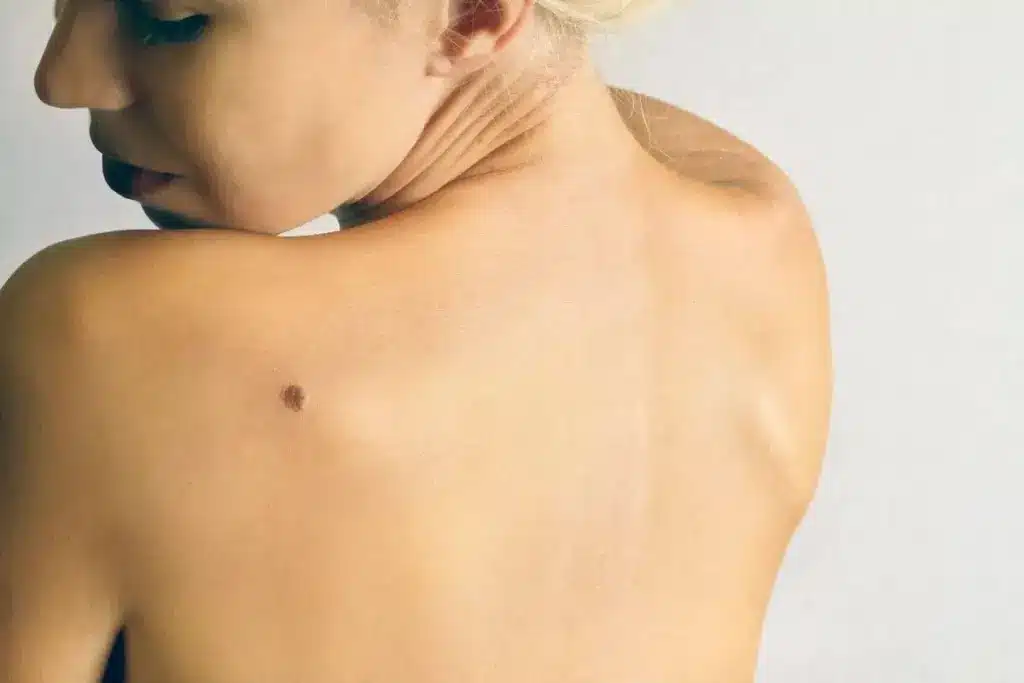
According to the Government of Canada Publications, many people worry about skin issues. They often wonder if a growth is just a wart or something more serious like skin cancer. Answering can a wart be cancerous (rarely) and providing tips on how to identify a wart versus a dangerous lesion.
Recognizing warts and knowing what they look like is very important. It helps figure out if they are harmless or could be cancerous.
It’s very important to tell the difference between warts and skin cancer. This is because it affects how you are treated and how well you recover. This article will help you understand the signs of a wart. It will also tell you when you should see a doctor.
Key Takeaways
- Understanding the differences between warts and skin cancer is very important.
- Certain signs can show if a wart might be cancerous.
- Spotting a wart early is key to getting the right treatment.
- Seeing a doctor is a good idea for a correct diagnosis.
- Knowing the signs of a wart can help find it early.
Understanding Warts: Causes and Formation
The human papillomavirus (HPV) causes warts, which can pop up almost anywhere on the body. Warts are a common skin issue that can be both unsightly and painful. Knowing how warts form and what causes them is key to managing and treating them.
The Role of Human Papillomavirus (HPV)
HPV is a contagious virus that spreads through skin contact or touching contaminated surfaces. There are over 100 types of HPV, some leading to warts. HPV infects skin cells, causing them to grow abnormally and form warts. The virus can stay hidden for months or years before symptoms show up.
How Warts Develop on the Skin
Warts form when HPV infects the skin through cuts or cracks. The virus makes skin cells grow abnormally, creating a wart. The look of warts can change based on where they are and their type. For example, face warts look different from those on hands or feet.
Common Misconceptions About Warts
Many think warts mean poor hygiene or are super contagious. While HPV is contagious, warts aren’t always a sign of bad hygiene. It’s also wrong to think all warts hurt; some don’t. Knowing these myths can help in finding the right treatment.
Warts can show up in many forms and places, like the face, hands, and feet. Understanding what warts look like and their causes helps in spotting and managing them well.
Common Types of Warts and Their Characteristics
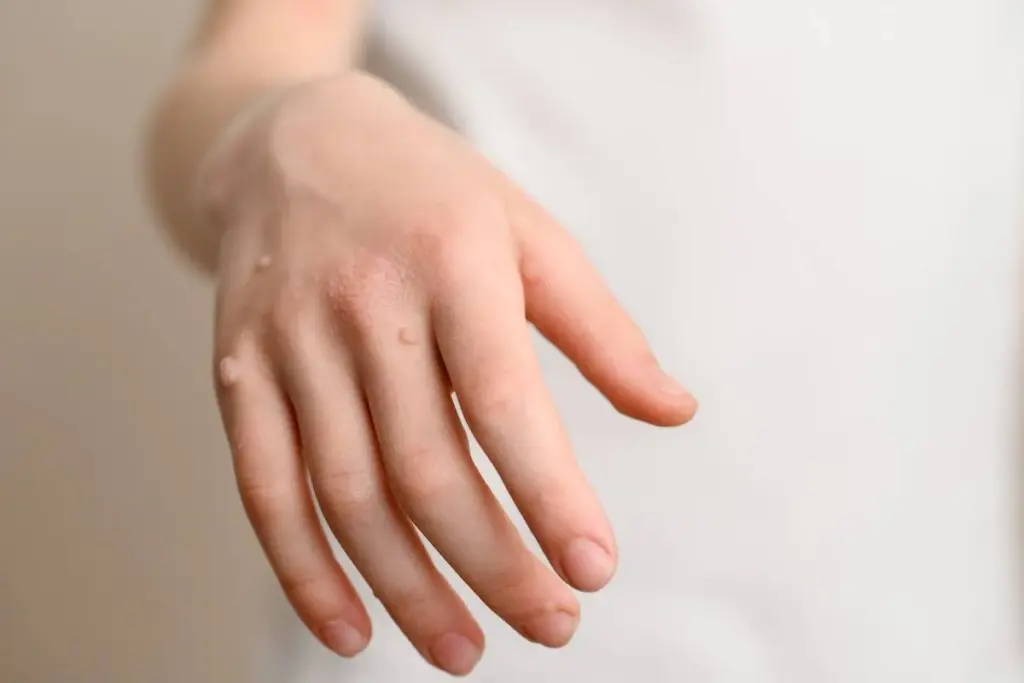
Knowing the different types of warts is important for treatment. They vary in look and where they show up. Warts are caused by the human papillomavirus (HPV) and can pop up almost anywhere on the body.
Common Warts (Verruca Vulgaris)
Common warts, also known as verruca vulgaris, are the most common type. They usually show up on hands, fingers, or around nails. These warts have a rough, cauliflower-like look and can be grayish or brown.
Experts at Kasturba Hospital, Manipal, say common warts are small and painless. But they can be unsightly and may hurt if they’re in areas that get a lot of friction or pressure.
Plantar Warts
Plantar warts show up on the soles of the feet, causing discomfort from walking. They can look like a small, rough patch or a group of warts. Plantar warts can hurt, mainly if they’re on areas that bear weight.
Early-stage plantar warts might not hurt at first but can become painful if not treated. For plantar wart pictures early stage, look for small, flesh-colored or grayish spots with tiny black dots. These dots are small blood vessels.
Flat Warts
Flat warts are smoother and smaller than common warts. They often show up in big numbers on the face, arms, or legs. These warts are flat-topped and can be flesh-colored or slightly darker.
Flat warts are more common in kids and young adults. They can be noticeable on the face or arms, causing cosmetic concerns.
Filiform Warts
Filiform warts have long, narrow projections. They often appear on the face, around the mouth, nose, or eyes. These warts can be flesh-colored or slightly darker and may cause concern because of their look.
Filiform warts can be hard to treat because of their location and shape.
Warts on different parts of the body, like the knee, arm, or leg, can look different. For example, a wart on the knee might get irritated more because of friction. A wart on the arm might be more noticeable cosmetically. Knowing these differences is key to managing and treating them effectively.
How to Identify a Wart: Key Visual Features
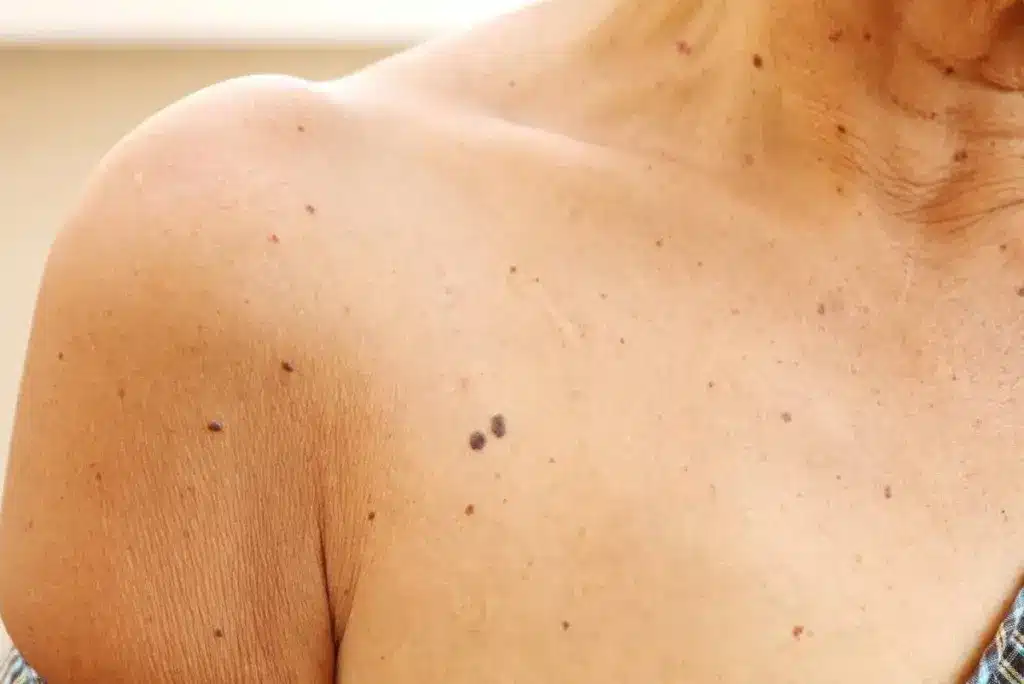
To spot a wart, look closely at its visual features. Warts come in different shapes and can appear anywhere on the body. Knowing what they look like helps you tell them apart from other skin issues.
Texture and Appearance
Warts feel rough, like cauliflower skin. They can be small or big and may show up alone or in groups. The texture can vary, depending on the wart’s type and where it is on the body.
Rough-textured warts are common. They often pop up in places that get a lot of rubbing or pressure, like hands and feet.
Color Variations
Warts can be many colors, from flesh-toned to dark brown. Their color depends on the person’s skin and where the wart is. Some warts have black dots, which are tiny blood vessels inside the wart.
It’s important to remember that color alone doesn’t always mean it’s a wart.
Growth Patterns
Warts grow in different ways. Some stay small, while others grow bigger or join together. How fast and how they grow depends on the virus causing the wart and the person’s immune system.
Typical Sensations and Symptoms
Warts are usually painless but can hurt if they’re in places that bear weight or get rubbed a lot. Some people might feel itchiness or tenderness around the wart.
|
Characteristic |
Description |
|---|---|
|
Texture |
Rough or smooth surface |
|
Color |
Flesh-colored to dark brown |
|
Growth Pattern |
Isolated or clustered |
|
Sensations |
Painless, itchy, or tender |
Warts on Different Body Locations
Warts in different spots on the body are tricky to spot and worry about. Their looks change based on where they are. Knowing these differences helps doctors figure out what they are and how to treat them.
Warts on Face: Identification and Concerns
Warts on the face are hard to ignore because they’re so visible. They can look like small bumps or flat spots. These warts are often caused by a virus called HPV and can spread through touch or touching things that have the virus.
Identification Tips: You can tell facial warts by how they feel and look. They might be the same color as your skin, pink, or a bit darker.
Warts on Extremities: Arms, Legs, and Knees
Warts on arms, legs, and knees are common. They can be caused by different types of HPV. These warts might be rough or smooth and can grow alone or in groups.
Common Characteristics: Warts on arms, legs, and knees are often rougher than face warts. They can be harder to get rid of because they get a lot of friction and pressure.
Seed Warts on Fingers and Hands
Seed warts, or common warts, often show up on fingers and hands. They have small, black dots inside, which are tiny blood vessels.
|
Location |
Common Characteristics |
Concerns |
|---|---|---|
|
Fingers and Hands |
Rough texture, small black dots (blood vessels) |
Discomfort, possible spread |
|
Face |
Smooth or rough, flesh-colored or darker |
Cosmetic worries, possible spread |
|
Scalp |
May be hidden by hair, can be itchy or painful |
Hard to find, possible spread |
Warts on Scalp: Recognition and Challenges
Scalp warts are hard to spot because of the hair. They might itch or hurt and could be mistaken for other scalp problems.
Recognition Tips: Look for any unusual growths or bumps on your scalp. Also, watch for any changes in how it feels or if it itches.
Plantar Warts: Early Stage Recognition
Spotting plantar warts early is key to treating them and avoiding pain. These warts are caused by the human papillomavirus (HPV). They show up on the foot’s sole or heel, causing pain from pressure.
Early Stage Development
Plantar warts start as small, hard, and rough spots. The Government of Canada says they might not hurt at first but can become painful as they grow. Early recognition is key to stop them from getting worse.
Distinguishing Plantar Warts from Calluses
Telling plantar warts from calluses can be tricky. Both can hurt, but they need different treatments. Plantar warts have a rough look and tiny black dots, which are blood vessels. Calluses are smoother and spread out evenly. Careful examination is needed to tell them apart.
Pain Patterns and Walking Difficulties
Plantar warts can hurt a lot, making it hard to walk or put pressure on them. The pain feels sharp and stabbing. If not treated, they can make walking hard and change how you walk, leading to more foot or leg issues. Knowing the pain patterns can help spot and treat plantar warts early.
The Relationship Between Warts and Cancer
The link between warts and cancer is complex. It involves different HPV strains and their effects on skin health. Most warts are harmless and caused by low-risk HPV. But, some strains can raise the risk of cancer.
Can Common Warts Become Cancerous?
Common warts, caused by low-risk HPV, are usually not precancerous. Yet, in rare cases, they can turn malignant, mainly in people with weak immune systems. The Government of Canada says the chance of common warts turning cancerous is very low but not zero.
“Most warts are harmless and don’t turn into cancer,” health experts say. But, it’s important to watch for any changes in wart appearance or behavior.
HPV Types Associated with Cancer Risk
Some high-risk HPV types can lead to cancers like cervical, anal, oropharyngeal, penile, vulvar, and vaginal cancers. HPV types 16 and 18 are most linked to these cancers. These high-risk types can also cause warts, but these warts are more likely to be precancerous or cancerous.
- HPV types 16 and 18 are associated with high-risk infections.
- Low-risk HPV types, such as 6 and 11, mainly cause genital warts.
- The HPV vaccine protects against some high-risk types.
Scientific Evidence on Wart Malignancy
Studies show that while rare, some warts can turn malignant. A study in a medical journal found that in rare cases, warts can become squamous cell carcinoma, a skin cancer type. This evidence highlights the need to watch warts for any changes.
“The chance of warts becoming malignant, though rare, means we must stay alert and get medical checks when we notice changes.”
Knowing how warts and cancer are connected helps us take the right steps and get medical advice when needed.
Skin Cancer vs. Warts: Critical Differences
Edit
Full screen
Delete
skin cancer vs warts
Skin cancer and warts can look similar, but they have key differences. Knowing these differences is important for correct diagnosis and treatment.
Skin Cancer Bumps: Visual Characteristics
Skin cancer bumps can look different, but they often have certain traits. The Government of Canada’s publications on skin cancer list common features:
- Asymmetry
- Irregular borders
- Color variation
- Diameter larger than 6mm
Table: Comparison of Skin Cancer and Wart Characteristics
|
Characteristics |
Skin Cancer |
Warts |
|---|---|---|
|
Appearance |
Asymmetrical, irregular borders |
Round, rough surface |
|
Color |
Varied, including black, brown, pink |
Usually flesh-colored or darker |
|
Texture |
Can be smooth, scaly, or ulcerated |
Rough, sometimes with black dots |
Warning Signs That Distinguish Cancer from Warts
It’s important to know the signs that show skin cancer and not warts. Look for changes in size, shape, or color. Also, watch for bleeding or itching.
The ABCDE Rule for Melanoma Detection
The ABCDE rule helps spot melanomas. It stands for:
- A: Asymmetry
- B: Border irregularity
- C: Color variation
- D: Diameter (larger than 6mm)
- E: Evolving (changing over time)
Using the ABCDE rule can help find skin lesions that need medical care.
When to Be Concerned: Red Flags for Medical Attention
Most warts are not serious, but some signs mean you should see a doctor. Knowing these signs is key to figuring out when a wart needs more than home care.
Changes in Appearance or Growth
A wart that changes size, shape, or color is a worry sign. For example, if a wart grows fast or looks odd, it might be a sign of a bigger problem. Experts at Kasturba Hospital, Manipal, say watching warts closely is important for catching issues early.
Key changes to watch for include:
- Rapid growth or enlargement
- Irregular shape or uneven edges
- Changes in color, like darkening or showing multiple colors
Pain, Bleeding, or Unusual Symptoms
Warts that hurt, bleed, or cause odd symptoms like itching or discharge need a doctor’s check. For example, plantar warts on the feet can be very painful, making it hard to walk.
Symptoms to be concerned about include:
- Persistent pain or tenderness
- Bleeding or discharge
- Itching or other unusual sensations
Persistent Warts Despite Treatment
Warts that don’t go away with treatment might need a different solution or a doctor’s visit. Kasturba Hospital, Manipal, offers many treatments for warts that won’t go away, including advanced medical options.
|
Treatment Option |
Description |
Success Rate |
|---|---|---|
|
Cryotherapy |
Freezing the wart with liquid nitrogen |
70-80% |
|
Cantharidin |
A blistering agent applied to the wart |
60-70% |
|
Surgical Removal |
Surgical excision of the wart |
90% |
Warts in Sensitive or Concerning Locations
Warts in sensitive spots, like the face, genital area, or soles of the feet, need extra care. For example, face warts can be a cosmetic issue, while genital warts might mean a sexually transmitted infection.
“The location of a wart can significantly impact its clinical significance and the need for medical intervention. Warts in sensitive areas often require more cautious and specialized treatment approaches.”
Knowing these red flags and when to see a doctor helps manage warts better and avoid complications.
Diagnosing Warts: Medical Approaches
Diagnosing warts requires a mix of clinical checks and advanced tools. Getting the diagnosis right is key for effective treatment. It also helps tell warts apart from other skin issues.
Visual Examination Techniques
First, doctors look at the wart visually. They check its look, feel, and where it is on the body. The Government of Canada says a good look can often tell if it’s a wart.
Key Visual Features:
- Appearance: Warts look rough and cauliflower-like.
- Texture: They can feel hard or soft, depending on the type.
- Location: They often show up on hands, feet, and in the genital area.
Dermoscopy and Advanced Imaging
Dermoscopy uses a special tool to see the skin better. It helps tell warts apart from other skin spots.
Dermoscopic Features:
- Special blood vessel patterns.
- Surface scaling and roughness.
Biopsy and Laboratory Testing
At times, a biopsy is needed to be sure. Tests can check for human papillomavirus (HPV) and rule out other issues.
|
Diagnostic Method |
Description |
Usefulness |
|---|---|---|
|
Visual Examination |
Initial assessment based on appearance and location |
High |
|
Dermoscopy |
Detailed examination using a dermatoscope |
High |
|
Biopsy |
Laboratory analysis of a skin sample |
Confirmatory |
Differential Diagnosis Process
Differential diagnosis is about ruling out other conditions that look like warts. It’s important for a correct diagnosis and treatment.
“Differential diagnosis is essential in dermatology to ensure that the treatment plan is appropriate for the patient’s condition.” – Dermatology Guidelines
When doing differential diagnosis, doctors consider other skin issues like seborrheic keratosis, molluscum contagiosum, and skin tags.
Conditions That Mimic Warts
Many skin conditions look like warts and can be hard to tell apart. Knowing these conditions helps get the right diagnosis and treatment.
Seborrheic Keratosis
Seborrheic keratosis is a common skin growth that looks like warts. It’s usually brown, black, or tan and sticks out. The Government of Canada says it’s more common in older adults and can show up anywhere on the body.
Seborrheic keratosis is more pigmented than warts and might feel velvety or waxy. It’s usually harmless but can be removed for looks or if it gets irritated.
Molluscum Contagiosum
Molluscum contagiosum is a viral infection that causes small bumps on the skin. These bumps can look like warts, which is why they’re often mistaken. It’s contagious and spreads through touch or objects.
The bumps of molluscum contagiosum have a unique dimple in the middle. This helps tell them apart from warts. Treatment might involve removing the bumps or waiting for them to go away on their own.
Skin Tags and Other Benign Growths
Skin tags are small, harmless growths that show up in skin folds. They’re usually removed for looks or if they get irritated.
Other growths like dermatofibromas or lipomas can also look like warts. A doctor can diagnose these through a look or a biopsy.
Squamous Cell Carcinoma: The Deceptive Mimic
Squamous cell carcinoma (SCC) is a skin cancer that looks like warts early on. It’s a firm, red nodule or scaly patch. It’s important to tell SCC from warts because SCC needs quick medical care.
The ABCDE rule for melanoma can also help spot SCC. Look for asymmetry, irregular borders, color changes, diameter, and evolving size or shape. If you think a skin lesion might be cancer, see a dermatologist right away.
Treatment Options for Different Types of Warts
Finding the right treatment for warts depends on several things. This includes the type of wart and the patient’s health. Warts are caused by the human papillomavirus (HPV). Their treatment varies based on type, location, and health.
Over-the-Counter Treatments
Many people start with over-the-counter (OTC) remedies for warts. These include products with salicylic acid. They work by breaking down the wart and triggering an immune response.
Salicylic acid treatments are effective for common and plantar warts, according to Kasturba Hospital, Manipal. OTC treatments are safe but can irritate the skin. It’s important to follow instructions and be patient, as they can take weeks to work.
Medical Procedures for Wart Removal
If OTC treatments don’t work, or if warts are large or in sensitive areas, medical procedures are needed. These include:
- Cryotherapy: Freezing the wart with liquid nitrogen, which eventually falls off.
- Cantharidin: A blistering agent applied to the wart, causing it to fall off.
- Laser therapy: Using a laser to destroy the wart tissue.
- Surgical removal: Cutting out the wart, usually under local anesthesia.
These procedures are done in a doctor’s office and may need multiple sessions.
When Treatment Is Necessary vs. Wait-and-See Approach
Not all warts need treatment. Some may go away on their own, mainly in people with a strong immune system. Treatment is recommended for painful, persistent, or distressing warts.
For small, painless warts, a wait-and-see approach might be okay, like in children. But, it’s important to watch for any changes that could mean a serious issue.
Treatment Considerations for Suspected Cancerous Lesions
If a wart might be cancerous, a different approach is needed. A biopsy might be done to check for cancer cells. Treatment for cancerous or pre-cancerous lesions can include aggressive procedures, like surgical excision or laser therapy. It may also involve seeing a specialist.
Seek medical help if you notice any unusual changes in a wart, like rapid growth, bleeding, or color changes.
Preventing Wart Spread and Recurrence
To stop warts from spreading, it’s important to practice good hygiene, keep your immune system strong, and know about HPV vaccines. These steps can help lower the chance of getting new warts and make existing ones less bothersome.
Hygiene Practices to Prevent Transmission
Keeping clean is key to stopping warts from spreading. Frequent handwashing with soap and water can cut down on HPV spread. Also, don’t share personal items like towels or razors that might touch warts.
- Keep the wart area clean and dry.
- Avoid touching warts, as this can spread the virus to other parts of the body.
- Use a pumice stone or emery board to gently remove dead skin cells from warts, but be sure to dispose of them properly to prevent spreading the virus.
The Government of Canada says good hygiene is a major way to stop warts from spreading. Proper hygiene practices can greatly lower the risk of passing on warts.
Boosting Immune Response Against HPV
A strong immune system is essential in fighting HPV and stopping warts from coming back. Nutritional supplements and a diet full of vitamins and minerals can boost your immune system. Foods packed with antioxidants, like fruits and veggies, are great for this.
“A well-functioning immune system is key to controlling HPV infections and stopping warts.”
Some research shows that vitamins like C and zinc can make your immune system stronger. This might help lessen the impact of HPV infections.
Vaccination Options for HPV Prevention
HPV vaccines are a powerful way to prevent infections from certain HPV strains, which can cause warts. HPV vaccines protect against the most common types of HPV linked to warts and other diseases.
- Check with a healthcare provider to see if HPV vaccination is right for you.
- Make sure to get vaccinated on the recommended schedule for the best protection.
By combining good hygiene, a healthy lifestyle, and HPV vaccines, you can greatly reduce your risk of getting warts and having them come back.
Living with Visible Warts: Psychological Impact
Visible warts can deeply affect a person’s self-esteem and life quality. The emotional toll of having visible warts is significant. It can cause embarrassment, low self-confidence, and social anxiety.
Coping with Cosmetic Concerns
Dealing with the looks of visible warts involves self-care and sometimes professional help. Start with good skincare and over-the-counter treatments. But, for many, the emotional side is harder to handle.
Seeking support from doctors or support groups helps. Kasturba Hospital, Manipal, found a strong link between wart visibility and psychological distress.
When to Consider Treatment for Psychological Reasons
Knowing when to get medical help for warts is key. If warts really bother you or affect your daily life, treatment is needed. It’s not just about removing the wart but also the emotional impact.
Treatment options vary from creams to surgeries, based on the wart and your health. Talking to a doctor about the emotional side can help find the right treatment.
Resources for Support and Education
Many resources help with managing visible warts. Support groups, online forums, and health websites offer valuable info and community.
- Educational websites and online forums dedicated to skin conditions
- Support groups for individuals with similar experiences
- Healthcare providers specializing in dermatology
Using these resources can help you understand your condition better. You’ll learn how to cope and find support in managing the emotional impact of visible warts.
Special Considerations for High-Risk Individuals
Warts can be a big worry for certain groups, like immunocompromised patients. These folks might find it harder to get rid of warts because their immune system is weak.
Immunocompromised Patients
People with weakened immune systems, due to illness, meds, or other reasons, are more likely to get stubborn warts. They can’t fight off the Human Papillomavirus (HPV) as well, leading to worse infections. For example, those with HIV/AIDS or on chemo might see warts grow faster.
Managing warts in these patients needs a careful plan, often using a mix of treatments and watching them closely, as the Government of Canada Publications suggests.
Individuals with History of Skin Cancer
People who’ve had skin cancer before should watch out for new or changing warts. It’s key to get any suspicious spots checked by a doctor. They might need to keep a closer eye on their skin because of the risk of cancer coming back or new cancers forming.
As dermatologists advise, knowing the signs of cancer is important for those with skin cancer history.
Children and Adolescents
Warts are common in kids and teens because their immune systems are not fully developed. They might get HPV in places like school. While usually not serious, warts can be annoying and upsetting.
Treatments for young people should think about how likely warts are to go away on their own and how they might affect their self-esteem. Options like creams and freezing might be good for them.
Elderly Patients with Multiple Skin Conditions
Older folks, and those with many skin problems, need special care for warts. It’s hard to tell different skin issues apart, making diagnosis and treatment tricky. They should be watched closely for any skin changes, and their treatment plans should fit their unique health needs.
In short, people at high risk, like those with weak immune systems, skin cancer history, or other skin issues, need careful handling of warts. Knowing their specific challenges helps doctors give better, more tailored care.
Conclusion: Managing Wart Concerns Effectively
Understanding warts is key to managing them well. Knowing the different types and their causes helps in taking the right steps. It’s also important to watch for any changes in warts and see a doctor if needed.
Managing warts means identifying them correctly, choosing the right treatment, and preventing them. There are many ways to remove warts, from over-the-counter treatments to medical procedures. Keeping clean and boosting your immune system can also stop warts from spreading or coming back.
Being proactive and informed helps manage wart concerns well. People with a history of skin cancer or weakened immune systems need extra care. A thorough approach to managing warts helps individuals feel more confident in addressing their concerns.
FAQ
What are the common types of warts?
Common warts, plantar warts, flat warts, and filiform warts are common. Each type looks different and shows up in various places on the body.
How can I identify a wart on my skin?
Look for warts by their texture, look, color, and how they grow. They often feel rough, are raised or flat, and can be flesh-colored, white, or brown.
Can warts be cancerous?
Most warts are not cancerous. But, some types of human papillomavirus (HPV) might increase cancer risk. Common warts are usually not cancerous.
What is the difference between a wart and skin cancer?
Skin cancer bumps are often irregular, with uneven edges and colors. Use the ABCDE rule to tell melanoma from warts.
How can I prevent the spread of warts?
Keep warts from spreading by washing hands often, not sharing personal items, and covering warts. This helps prevent spread.
What are the treatment options for warts?
Treatments include over-the-counter options, cryotherapy, and prescription meds. The right treatment depends on the wart’s type and where it is.
When should I seek medical attention for a wart?
See a doctor if a wart changes, hurts, bleeds, or doesn’t get better. Warts in sensitive spots also need medical check-ups.
Can HPV vaccination prevent warts?
Yes, the HPV vaccine can prevent some warts and lower cancer risk.
How can I differentiate between a wart and other skin conditions?
Conditions like seborrheic keratosis, molluscum contagiosum, and skin tags can look like warts. A doctor can tell them apart with an exam and tests.
Are there any special considerations for high-risk individuals with warts?
People with weak immune systems, skin cancer history, or many skin issues need careful wart treatment. They should see a doctor.
What are the psychological impacts of living with visible warts?
Visible warts can worry about looks, hurt feelings, and lower self-esteem. There are ways to deal with these issues and get support.
Can warts on the face be treated differently than warts on other parts of the body?
Yes, face warts need careful treatment to avoid scars. Doctors can suggest the best face wart treatments.
How can I identify plantar warts in their early stages?
Plantar warts have a rough surface and might have a depression in the middle. They hurt when you walk or press on them.
References
Centers for Disease Control and Prevention. Evidence-Based Medical Insight. Retrieved from https://www.cdc.gov/std/hpv/stdfact-hpv.htm