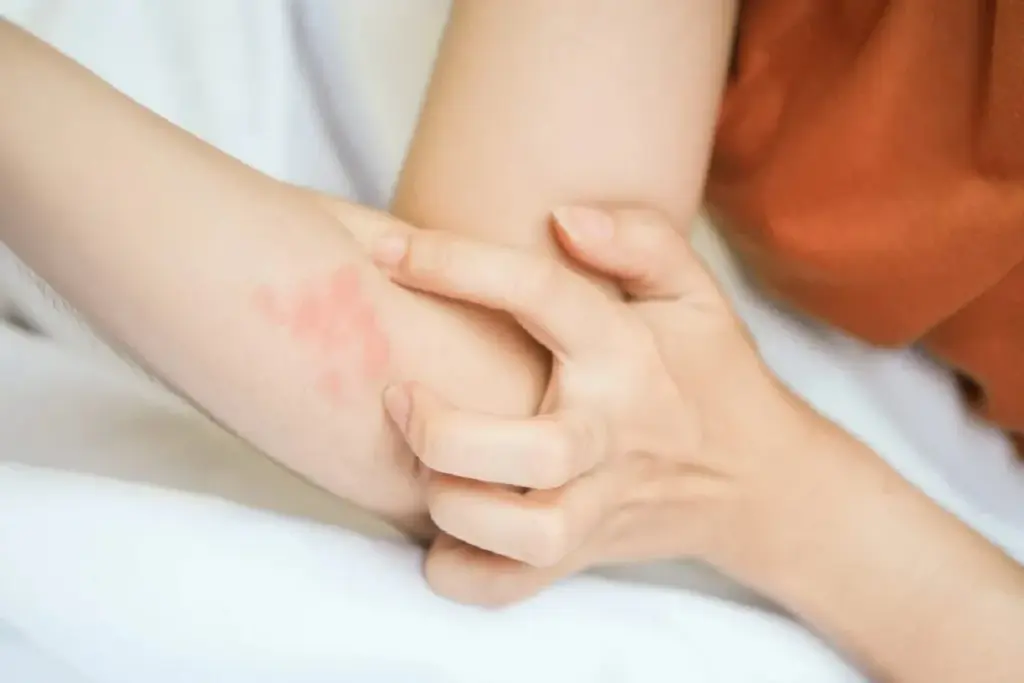
Did you know that nearly 20% of women get hives at some point? A lot of these cases happen during pregnancy. Hives during pregnancy can be very worrying for both the mom-to-be and the baby. Dealing with itchy skin during pregnancy can be tough and scary.
Hives are itchy, raised welts on the skin that can pop up anywhere. Things like allergies, hormonal shifts, and stress can make them appear. When we look into the causes of hives in female adults, we must think about how pregnancy changes the body.
Key Takeaways
- Hives affect a significant percentage of women, specially during pregnancy.
- Allergies, hormonal changes, and stress are common causes.
- Knowing the causes is key to managing them.
- Pregnant women with hives should talk to their doctor.
- There are many treatments based on the cause.
Introduction to Hives and Their Impact
Understanding hives is key to managing their impact on daily life. They can cause a lot of discomfort. Hives are a common skin condition. They appear as itchy, raised welts on the body.
Definition of Hives
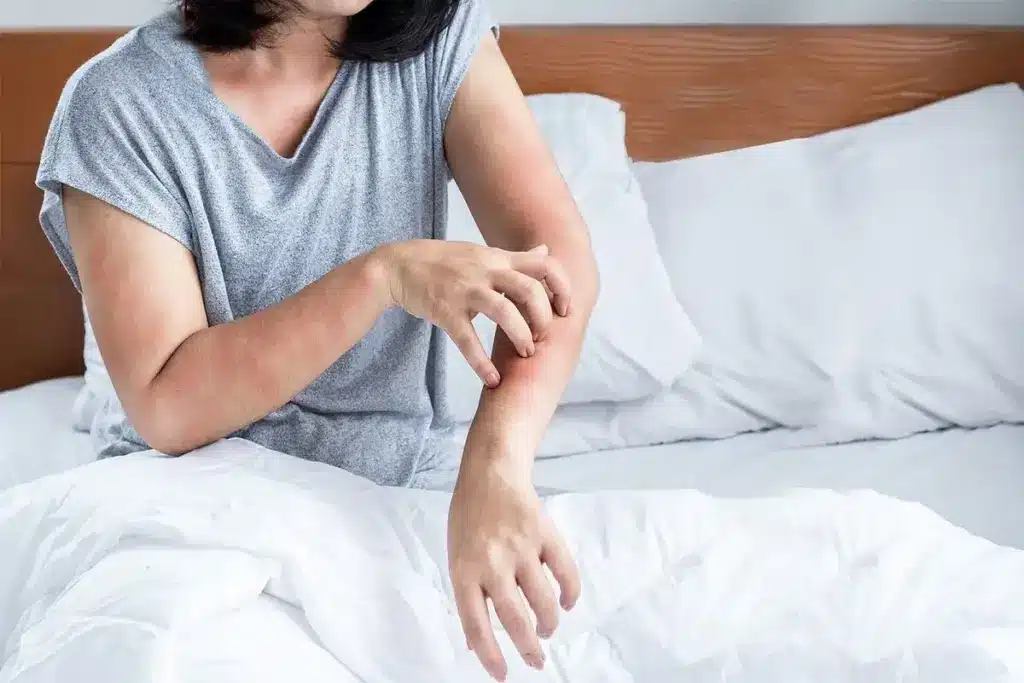
Hives, also known as urticaria, are a skin reaction. They cause itchy, raised patches or welts. These welts can be any size and appear anywhere on the body.
They can be acute or chronic, lasting more than six weeks. Medical experts say hives are a sign of an allergic reaction or immune system response. They can be triggered by many things, like allergens, infections, and environmental factors.
Symptoms and Diagnosis

The main symptom of hives is itchy, raised welts. These welts can also be red and swollen. Doctors diagnose hives by examining the skin and reviewing the patient’s medical history.
In some cases, more tests are needed to find the cause.
|
Symptom |
Description |
|---|---|
|
Itchy Welts |
Raised patches on the skin that are itchy and can vary in size. |
|
Redness and Swelling |
The affected area may become red and swollen. |
|
Pain or Burning |
Some individuals may experience pain or a burning sensation in the affected area. |
Importance of Identifying Causes
Finding out what causes hives is important for treatment. Common causes include food allergens, environmental factors, stress, and certain medications. Knowing the cause helps in creating a treatment plan that targets the root of the problem.
Pregnant women often face concerns with hives. Conditions like body itching during pregnancy at night or itching on feet in pregnancy can be uncomfortable. They may need special treatment.
“Accurate diagnosis is key to managing hives effectively. By understanding the triggers and causes, healthcare providers can develop a personalized treatment plan.”
— Medical Expert
Common Allergens Prompting Hives
Knowing what causes hives is very important, more so for pregnant women. They might be more sensitive to allergens. Hives, or urticaria, can start from many things. Finding out what causes them is key to managing them well.
Food Allergens
Food allergens often lead to hives. Some foods can cause allergic reactions, leading to hives. Common food allergens include peanuts, tree nuts, fish, shellfish, milk, eggs, wheat, and soy. Pregnant women with known food allergies should avoid these to prevent hives and other allergic reactions.
If you’re pregnant and have hives, check your diet. Look for new or unusual foods that might cause an allergic reaction. Keeping a food diary can help identify specific food triggers.
Environmental Allergens
Environmental factors also trigger hives. Pollen, dust mites, pet dander, and mold are common allergens that can cause hives. Pregnant women with allergies should try to avoid these allergens.
Using air purifiers, cleaning the home often, and staying indoors during peak pollen seasons can help. Understanding local pollen counts and planning can also be beneficial.
Medication Reactions
Some medications can cause hives as a side effect. Common culprits include antibiotics, NSAIDs, and certain medications used to treat chronic conditions. Pregnant women should tell their healthcare providers about any medications they’re taking.
If you get hives while pregnant, talk to your healthcare provider before taking any medication. They can help find safe alternatives or make changes to lower the risk of hives.
Hormonal Changes and Hives
Hormonal shifts can affect skin health, sometimes causing hives. We’ll look at how these changes impact women at different life stages.
Role of Hormones in Skin Reactions
Hormones are key in controlling our body’s functions, including skin health. Changes in hormone levels can cause skin reactions, like hives. Estrogen and progesterone are important hormones that affect how sensitive our skin is.
When hormone levels change, our skin can become more sensitive. This makes us more likely to get hives. Knowing how hormones affect our skin can help us manage hives better.
Hives During Menstruation
Many women notice skin changes during their menstrual cycle. For some, this can mean getting hives because of changes in estrogen and progesterone. These hives can be mild or severe and may itch and be red.
To manage hives during menstruation, it helps to track symptoms. This way, we can predict when hives might happen. This knowledge lets us take steps to prevent them.
Hives and Menopause
Menopause is a time of big hormonal changes, mainly a drop in estrogen. This can cause skin problems, including hives. The skin’s natural barrier is weakened, making it more likely to react.
Women in menopause might find relief from hives with hormone replacement therapy (HRT). They can also try other treatments for menopause symptoms. Eating well and staying hydrated can also help.
|
Hormonal Change |
Common Symptoms |
Management Strategies |
|---|---|---|
|
Menstruation |
Hives, itching, redness |
Tracking symptoms, preventive measures |
|
Menopause |
Hives, dry skin, hot flashes |
HRT, lifestyle changes |
Stress-Induced Hives
Stress can turn into hives for many people. It’s a mix of physical and mental effects. When stressed, our body’s “fight or flight” mode kicks in. This releases hormones that can change our skin.
The Physiology of Stress and Allergic Reactions
Stress hormones like cortisol and adrenaline can make hives worse. These hormones widen blood vessels. This makes them more open and can release histamine, which is key in allergic reactions.
Stress also weakens our immune system. This makes us more likely to get allergic reactions, like hives. Stress can also mess with our gut and brain connection, affecting how our immune system works.
Coping Mechanisms for Stress-Induced Hives
Reducing stress is key to fighting hives. Activities like meditation, yoga, and deep breathing can help. Regular exercise, enough sleep, and a healthy diet also help manage stress.
Try different ways to reduce stress and see what works for you. Keeping a diary of your stress can help you spot patterns. This can help you manage stress better.
Psychological Factors in Hives
Hives are also linked to our mind. Stress, anxiety, and other feelings can make hives worse. Talking to a therapist can help.
In some cases, hives are a sign of deeper mental health issues. For example, new moms or pregnant women might get hives due to stress or hormonal changes. Stomach itching during pregnancy can also be linked to stress and hormonal shifts.
Understanding how stress, our mind, and hives are connected helps us manage better. It’s important to tackle both physical and emotional sides to find relief and prevent future hives.
Pregnancy and Hives: A Special Case
Pregnancy brings big changes in hormones and the immune system. These changes can affect the skin, leading to hives. We’ll look at why hives happen during pregnancy and how to handle them.
Significant Hormonal Shifts
Hormones change a lot during pregnancy, affecting the body in many ways. These changes can make the skin more sensitive and cause allergic reactions. For example, higher estrogen levels can make the skin more sensitive. Knowing about these changes is key to keeping the skin healthy during pregnancy.
Adjustments in the Immune System
Pregnancy makes big changes to the immune system to support the growing baby. This can make the skin more prone to reactions, like hives. We’ll talk about how these changes lead to hives during pregnancy.
Common Triggers During Pregnancy
Many things can cause hives during pregnancy, including:
- Allergic reactions to certain foods or substances
- Environmental factors such as heat or stress
- Underlying health conditions that may be exacerbated by pregnancy
It’s important to find and manage these triggers to feel better and have a healthy pregnancy. Expectant mothers should talk to their doctors to find the causes and make a plan.
By understanding why hives happen during pregnancy and using the right strategies, women can feel better. This way, they can focus on having a healthy pregnancy.
Infections and Hives
Hives can be caused by different infections. This is why it’s important to know about these links. Pregnant women are more likely to get infections because their immune system changes.
Viral Infections
Viral infections often lead to hives. Some viruses can cause allergic reactions. For example, hepatitis and herpes simplex can make hives appear.
- Hepatitis: Hepatitis viruses can cause liver inflammation, which may lead to hives.
- Herpes Simplex: Some people may develop hives as a reaction to the herpes simplex virus.
Bacterial Infections
Bacterial infections can also cause hives. Some bacteria can start an immune response that leads to hives. For example, Staphylococcus aureus or Streptococcus species can cause hives in some cases.
- Bacterial infections can cause hives through toxin release or immune system activation.
- Identifying the specific bacterial infection is key for the right treatment.
Fungal and Parasitic Factors
Fungal and parasitic infections are less common but can cause hives. For example, fungal infections like ringworm or parasitic infections like scabies can cause skin reactions that may include hives.
- Ringworm: A fungal infection that can cause skin lesions and potentially hives.
- Scabies: A parasitic infection that can lead to intense itching and skin reactions, including hives.
It’s important to know that infections can make pregnancy harder. Pregnant women with hives or itching should see their healthcare provider. They can find out the cause and the right treatment.
Chronic Illnesses Linked to Hives
Chronic illnesses, like autoimmune diseases and thyroid disorders, are connected to hives. This shows why treating hives needs a complete approach. We’ll look at the chronic conditions linked to hives, their symptoms, diagnosis, and treatment.
Autoimmune Diseases
Autoimmune diseases happen when the body attacks itself. Some of these diseases can cause hives. For example, lupus and rheumatoid arthritis can lead to hives because of inflammation and immune system problems.
It’s important to manage autoimmune diseases to help with hives. Treatment often includes medicines to calm the immune system and lifestyle changes.
Thyroid Disorders
Thyroid disorders, like hypothyroidism and hyperthyroidism, can also cause hives. The thyroid gland controls metabolism and hormones. When it’s not working right, it can affect the skin, leading to hives.
It’s key to understand the connection between thyroid disorders and hives. Treating the thyroid condition with medicine can help reduce or get rid of hives.
Other Chronic Conditions
Other chronic conditions can also lead to hives. For instance, chronic infections like hepatitis and diabetes can cause hives.
We’ll dive into how these conditions relate to hives. This highlights the need for full care in managing hives. Below is a table showing some chronic illnesses linked to hives and their characteristics.
|
Chronic Illness |
Description |
Association with Hives |
|---|---|---|
|
Autoimmune Diseases (e.g., Lupus, Rheumatoid Arthritis) |
Conditions where the immune system attacks the body’s own tissues. |
Inflammation and immune dysregulation can trigger hives. |
|
Thyroid Disorders (Hypothyroidism, Hyperthyroidism) |
Conditions affecting the thyroid gland’s ability to produce hormones. |
Impaired thyroid function can lead to skin manifestations, including hives. |
|
Chronic Infections (e.g., Hepatitis) |
Persistent infections that can cause ongoing inflammation. |
Can contribute to the development of hives due to chronic inflammation. |
|
Diabetes |
A metabolic disorder characterized by high blood sugar levels. |
Can be associated with hives, potentially due to inflammation and metabolic dysregulation. |
Knowing about chronic illnesses linked to hives helps healthcare providers give better treatment plans. This improves patient results.
Environmental Factors Contributing to Hives
Hives can be caused by many environmental factors that affect our skin. It’s important to understand and reduce their impact to manage hives well.
Seasonal Changes
Seasonal changes can greatly affect hives. Pollen, a common allergen, is more present in spring and fall. This can trigger hives in people with allergies.
Also, changes in temperature and humidity can affect our skin. Extreme cold in winter or hot weather in summer can cause hives in some.
Pollution and Skin Reactions
Air pollution is a big factor in hives. Pollutants like particulate matter, nitrogen dioxide, and sulfur dioxide can irritate the skin. This leads to allergic reactions and hives.
To reduce pollution’s impact, we can take personal steps and support environmental policies. Using air purifiers, wearing protective clothes, and supporting clean air policies can help.
Temperature Fluctuations
Temperature changes can also cause hives. Extreme temperatures can lead to skin reactions. For example, cold can cause cold urticaria, while heat can lead to sweating and irritation.
- Avoiding extreme temperatures
- Dressing appropriately for the weather
- Maintaining a stable body temperature
These strategies can help manage hives caused by temperature changes.
Treatment Options for Hives
There are many ways to treat hives, from medicines to changes in lifestyle. We know that treating hives well needs a plan that fits each person’s needs.
Over-the-Counter Solutions
For many, over-the-counter (OTC) medication is the first step against hives. Antihistamines help with itching and redness. Always talk to a doctor before trying new medicines.
Medicines like diphenhydramine (Benadryl) and loratadine (Claritin) work well. But, it’s key to take the right amount and know about possible side effects, like feeling sleepy.
Prescription Medications
If OTC meds don’t work, prescription medications might be needed. Corticosteroids, like prednisone, can lessen swelling. For very bad cases, immunosuppressants might be used.
Prescription meds should only be taken with a doctor’s advice. This is because of possible side effects and interactions with other drugs.
Natural Remedies and Lifestyle Changes
Besides medicine, natural remedies and lifestyle changes can help with hives. Keeping a diary of symptoms can help find what triggers them. This way, you can avoid those things.
Some find relief with natural things like oatmeal baths, aloe vera, and changing what they eat. Stress-reducing activities like meditation and yoga can also help. We suggest trying these as part of a whole approach to dealing with hives.
When to Seek Medical Help
Knowing when to get medical help is key to handling hives well. Many cases can be treated with over-the-counter meds and lifestyle changes. But, some situations need immediate medical care.
Identifying Severe Reactions
Severe reactions, like anaphylaxis, are very dangerous. Signs include trouble breathing, a fast heartbeat, and low blood pressure. If you see these signs, get emergency help right away.
The Role of Professional Diagnosis
A doctor can give you a proper diagnosis and suggest the right treatment. They will look at your symptoms, medical history, and do tests to find out why you have hives.
Ongoing Care and Future Considerations
After getting a diagnosis, you might need to avoid triggers, manage stress, and take prescribed meds. Regular check-ups with your doctor can help you keep your condition under control. This way, you can prevent future outbreaks.
FAQ
What are hives, and how do they manifest on the skin?
Hives are itchy, raised welts on the skin. They can show up anywhere on the body. They are often red or pink and can vary in size. Hives can be caused by many things, like allergic reactions, hormonal changes, and stress.
Are hives during pregnancy a cause for concern?
Hives during pregnancy can be uncomfortable but usually aren’t a big worry. It’s important to talk to a healthcare provider to check for any other issues that might be causing the hives.
Can stress cause hives, and how can I manage stress-induced hives?
Yes, stress can make hives worse. To reduce stress, try meditation, deep breathing, or yoga. Also, getting enough sleep, exercising regularly, and eating well can help manage stress and hives.
What are some common allergens that can trigger hives?
Foods, pollen, dust, and some medications can cause hives. Knowing and avoiding these triggers can help manage hives.
How do hormonal changes during pregnancy affect the skin, and can they cause hives?
Hormonal changes in pregnancy can cause skin reactions, including hives. Changes in estrogen and progesterone can make blood vessels dilate, leading to hives.
Can infections cause hives, and what types of infections are most likely to trigger hives?
Yes, infections can cause or make hives worse. Viral, bacterial, fungal, and parasitic infections can all trigger hives. It’s important to treat the infection to manage hives.
What are some treatment options available for hives, and when should I seek medical help?
For hives, you can try over-the-counter antihistamines, prescription meds, or natural remedies like oatmeal baths or calamine lotion. If hives don’t get better or get worse, you should see a doctor.
Can chronic illnesses contribute to hives, and what conditions are most likely to trigger hives?
Yes, chronic illnesses like autoimmune diseases and thyroid disorders can cause hives. It’s important to manage the underlying condition to get rid of hives.
How can I manage hives during pregnancy, and what are some safe treatment options?
To manage hives during pregnancy, avoid triggers, reduce stress, and use safe treatments like oatmeal baths or calamine lotion. Always check with a healthcare provider before using any treatments during pregnancy.
What are some signs of severe reactions or anaphylaxis that require immediate medical attention?
Signs of severe reactions or anaphylaxis include trouble breathing, fast heartbeat, dizziness, and swelling of the face, lips, tongue, or throat. If you have these symptoms, get medical help right away.
References
National Center for Biotechnology Information. Evidence-Based Medical Insight. Retrieved from https://pubmed.ncbi.nlm.nih.gov/29660660/