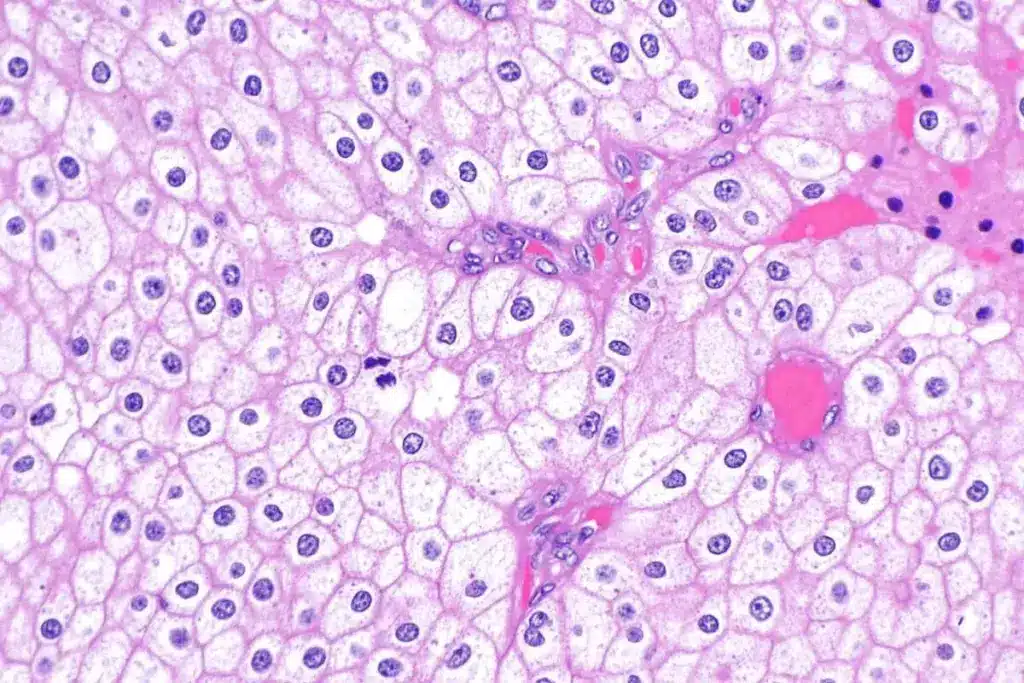
A skin biopsy is a common way to find out what’s wrong with your skin. It’s natural to wonder how much it hurts. It’s a procedure to take cells or skin samples for tests. Detailing how painful is a skin biopsy (bypsee) procedure (mostly pain-free due to local anesthesia) and post-op discomfort.
The procedure is fast, and the pain is usually not much. But, how much it hurts can change. This depends on the size and where the biopsy is done.
Key Takeaways
- A skin biopsy is a procedure to remove skin cells or samples for testing.
- The level of pain varies depending on the biopsy size and location.
- The procedure is typically quick, with minimal discomfort.
- Understanding the process can help alleviate concerns.
- Skin biopsies are used to diagnose various skin conditions.
Understanding Skin Biopsies
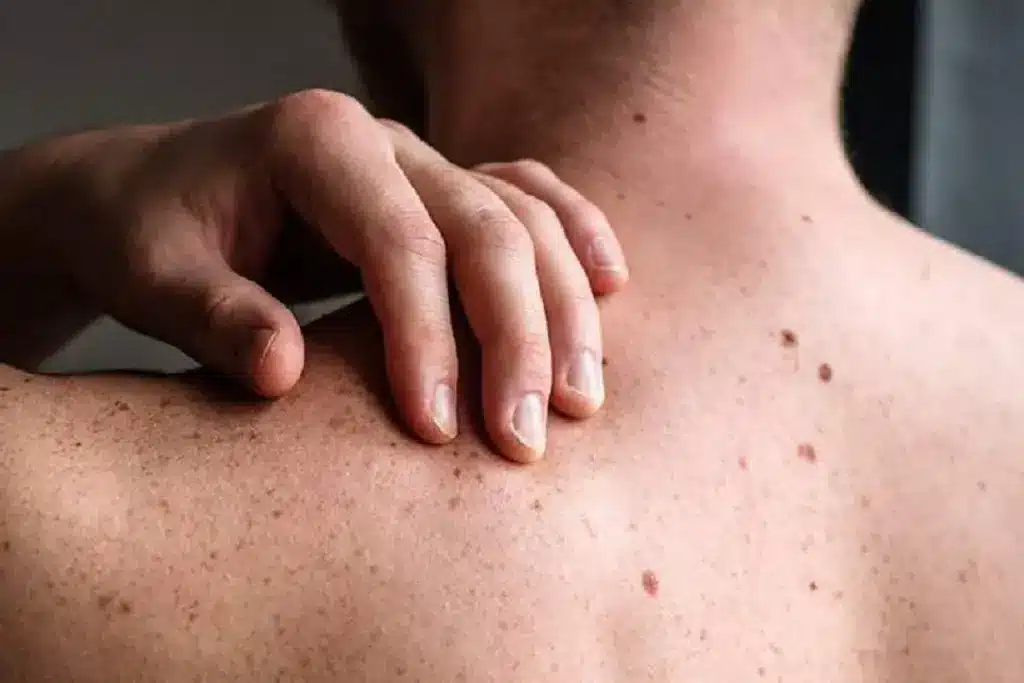
To grasp what skin biopsies are, it’s key to know what they involve and why they’re important. A skin biopsy is a tool doctors use to closely look at the skin.
What is a skin biopsy?
A skin biopsy means taking a small piece of skin for a closer look under a microscope. It helps doctors find out what’s wrong with the skin, like infections, diseases, or cancers. The skin has many layers, and a biopsy can show what’s happening in each one.
A pathologist checks the biopsy sample for any signs of disease. The whole process is fast, and a local anesthetic is used to make it less painful.
Why are skin biopsies performed?
Skin biopsies are done for a few main reasons. They help doctors figure out what’s wrong with the skin and rule out diseases. Biopsies are key for spotting skin cancer, actinic keratosis, and other skin issues.
Some common reasons for a skin biopsy include:
- Diagnosing skin cancer or pre-cancerous conditions
- Identifying the cause of skin rashes or lesions
- Examining skin infections or inflammatory conditions
- Monitoring the effectiveness of treatments for skin conditions
Knowing why a skin biopsy is done helps patients get ready for it. It also helps them understand its role in their treatment and diagnosis.
Types of Skin Biopsy Procedures
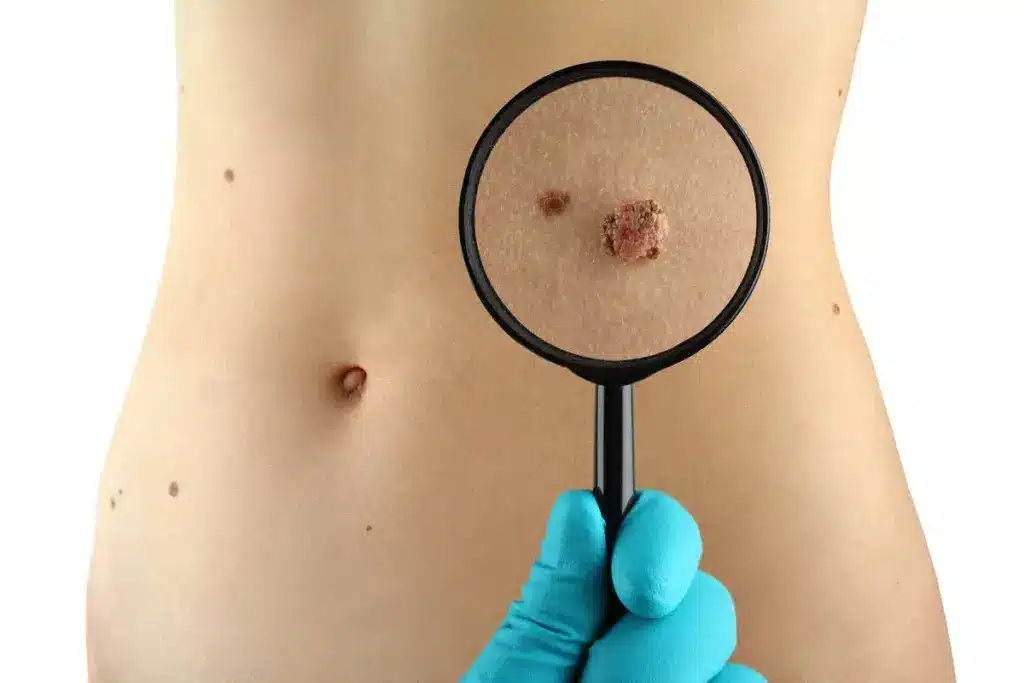
There are many types of skin biopsy procedures. Each one has its own way of doing things. The choice depends on the skin lesion’s location, size, and type, and what doctors think it might be.
Punch Biopsy
A punch biopsy uses a circular blade to take a small skin sample. It’s good for checking deeper skin layers. The process is quick and can be done with local anesthesia.
Shave Biopsy
Shave biopsies remove a thin skin layer with a special tool. They’re used for raised skin lesions. This method is less invasive and usually leaves little to no scar.
Excisional Biopsy
An excisional biopsy removes the whole lesion and some healthy skin around it. It’s used for suspected cancer or detailed checks. The cut is stitched up.
Incisional Biopsy
An incisional biopsy takes a part of a big lesion. It’s for big or sensitive lesions. This way, doctors can check without removing the whole thing.
|
Biopsy Type |
Description |
Typical Use |
|---|---|---|
|
Punch Biopsy |
Removes a small, cylindrical skin sample |
Diagnosing deep skin conditions |
|
Shave Biopsy |
Removes a thin layer of skin |
Raised or protruding lesions |
|
Excisional Biopsy |
Removes the entire lesion with a skin margin |
Suspected malignancy or detailed check |
|
Incisional Biopsy |
Removes a part of a big lesion |
Large lesions or sensitive areas |
Knowing about the different skin biopsy procedures helps patients get ready. It tells them what to expect during and after the test.
The Pain Factor: What to Expect During a Skin Biopsy
When it comes to a skin biopsy, pain is a big worry. Knowing what to expect can ease your mind. A skin biopsy takes a skin sample for testing. It’s usually simple, but worries about pain are common.
Local Anesthesia and Its Effectiveness
To make the biopsy less painful, doctors use local anesthesia. You might feel a tiny prick and some stinging when the anesthetic is injected. This discomfort is brief, and once numb, the rest of the procedure is usually painless.
Local anesthesia really helps with pain during a skin biopsy. It numbs the skin, making the procedure more comfortable for you.
Sensations You Might Feel
Even with local anesthesia, you might feel some things during the biopsy. You might feel pressure or a slight pinch when the skin sample is taken. You could also feel a mild stinging or burning after the anesthesia fades, but this is usually short-lived.
Knowing about these sensations can help you feel more ready for the biopsy. It’s good to know the procedure aims to be as painless as it can be. Any discomfort is usually minor and doesn’t last long.
Pain Levels for Different Biopsy Types
Different skin biopsy procedures can cause varying levels of pain or discomfort. It’s important to know these differences to manage expectations and prepare for the procedure.
Comparing Discomfort Across Biopsy Methods
The pain or discomfort from a skin biopsy can change based on the type. For example, a punch biopsy might feel like a slight pinch or sting. On the other hand, an excisional biopsy could be more uncomfortable because it removes a larger area of skin.
Shave biopsies remove the top skin layers and might feel like scraping or scratching. The pain from these is usually mild and short-lived. But, it can differ based on how sensitive you are and where the biopsy is done.
Factors That Influence Pain Perception
Several things can affect how much pain you feel during a skin biopsy. The location of the biopsy is one, as some areas have more nerve endings. The size of the biopsy sample also matters, as bigger samples can be more uncomfortable.
Your pain tolerance is another big factor, as people feel pain differently. Using local anesthesia can greatly reduce discomfort. The type of anesthesia and how it’s given can also change your pain experience.
By knowing these factors and talking to a healthcare provider, you can prepare better for a skin biopsy. This helps manage your discomfort more effectively.
Who Performs Skin Biopsies and Where
It’s important to know who can do a skin biopsy and where it happens. Skin biopsies help find and treat skin problems. Knowing who does them and where can make you feel more ready and less worried.
Medical Professionals Qualified to Perform Biopsies
Dermatologists are the main doctors who do skin biopsies. They know a lot about skin and how to fix problems. Sometimes, other doctors like general practitioners or surgeons might do biopsies too.
|
Professional |
Qualifications |
Typical Setting |
|---|---|---|
|
Dermatologist |
Specialized training in dermatology |
Dermatology clinic or hospital |
|
General Practitioner |
Medical degree, basic surgical training |
Primary care clinic |
|
Surgeon |
Surgical training, may include dermatological surgery |
Hospital or surgical clinic |
Clinical Settings for Biopsies
Skin biopsies can happen in different places. They usually take place in dermatology clinics or offices. Dermatologists can do them quickly there. Hospitals or surgical clinics might be used for more complicated cases.
Knowing who does skin biopsies and where they happen helps you get ready. It makes you feel more prepared for the procedure and the doctors you’ll meet.
Preparing for Your Skin Biopsy
Learning what to do before a skin biopsy can help you feel less anxious. A skin biopsy is when a doctor takes a skin sample for testing. Knowing what to expect can make it easier.
Before the Procedure
Your doctor will ask about your health history before the biopsy. This includes any bleeding problems or medicines that thin your blood, like aspirin. It’s important to tell them about these to avoid any issues during the biopsy.
You might need to stop taking certain medicines before the biopsy. Also, tell your doctor about any allergies, like to anesthetics or antibiotics.
Make sure someone can drive you home after the biopsy. The local anesthesia can make you numb and affect your driving.
Mental Preparation Tips
Mental prep is as key as physical prep. Try relaxation methods like deep breathing or meditation to calm down. Asking your doctor questions can also help ease your worries.
Understanding the biopsy meaning and its role in diagnosing skin issues can make it less scary.
Imagine a positive outcome and think about how the biopsy will help your treatment. Being well-informed and prepared can reduce your stress and anxiety.
The Skin Biopsy Procedure: Step by Step
Learning about a skin biopsy can ease worries about it. It’s a way to check skin problems or lesions.
What happens during the procedure
First, the area is cleaned and numbed with local anesthesia. This makes it less painful. The biopsy type, like shave biopsy or punch biopsy, decides the steps.
A punch biopsy takes a small circle of skin. A shave biopsy removes the top skin layers.
Then, the doctor takes the skin sample and presses it to stop bleeding. The sample goes to a lab for a microscope check.
How long does it take?
The biopsy itself takes about 15 minutes. After, you might need to press on the bandage to stop bleeding. The whole time, from start to finish, is about 30 minutes to an hour.
Even though the biopsy is quick, you might spend more time at the clinic. This is for things like signing in, getting ready, and learning about aftercare.
Post-Biopsy Pain Management
Learning how to ease pain after a skin biopsy can make healing easier. After a biopsy, some pain or discomfort is normal. It’s part of the healing process.
Over-the-counter pain relief options
Over-the-counter (OTC) pain relief medications are often suggested for post-biopsy pain. These include acetaminophen (Tylenol) and ibuprofen (Advil, Motrin). The American Cancer Society says these can help with pain and discomfort after a biopsy.
It’s key to follow the dosage instructions and talk to your healthcare provider if you have questions or concerns.
Acetaminophen helps with mild to moderate pain. Ibuprofen can also reduce inflammation. But, always tell your doctor about any medications you’re taking, like blood thinners.
When to seek medical attention for pain
Some pain is okay after a biopsy, but severe or getting worse pain might mean a problem. If you see increasing redness or swelling, pus or discharge, fever, or pain that OTC meds can’t fix, get medical help.
Also, make sure to follow up with your healthcare provider as they tell you. If you’re worried about your pain or healing, call your doctor for advice.
Healing After a Skin Biopsy
Knowing how your body heals after a skin biopsy can ease worries and help you recover better. The healing process includes several steps, from clotting to the scar fading away.
Normal Healing Timeline
Healing can take weeks. Keeping the wound clean and dry is key to avoid infection. Proper wound care is essential for a smooth healing.
At first, the wound might look red and swollen. This is normal. As time goes by, the redness will lessen, and the wound will start to close. Watch the wound closely. If it gets more red, swollen, or has pus, see a doctor.
|
Healing Stage |
Timeline |
Characteristics |
|---|---|---|
|
Initial Healing |
0-3 days |
Wound closure, initial scab formation |
|
Scab Formation |
3-7 days |
Scab forms, wound starts to close |
|
Wound Strengthening |
1-2 weeks |
Wound becomes stronger, scab falls off |
|
Scar Maturation |
Several weeks to months |
Scar fades, becomes less noticeable |
Pictures of Skin Biopsy Healing Stages
Seeing the typical healing stages can reassure you and help manage your expectations.
Remember, healing can be affected by your health, wound care, and the biopsy’s size and depth. By taking good care of your wound and following your doctor’s advice, you can help your body heal naturally.
Getting Your Biopsy Results
Understanding your biopsy results is key to knowing what to do next. After the biopsy, the tissue samples go to a lab for testing. How long it takes to get the results and what they say can differ.
How long do results of biopsy take?
The wait for biopsy results can be a few days to several weeks. It depends on the test’s complexity. Simple tests come back fast, but complex ones take longer.
Here’s what you might expect:
|
Test Type |
Typical Turnaround Time |
|---|---|
|
Simple biopsy tests |
3-5 days |
|
Complex biopsy tests |
1-2 weeks |
|
Specialized tests (e.g., molecular studies) |
2-4 weeks |
Understanding your pathology report
Your pathology report details what the biopsy found. It tells if the tissue is normal or if it’s cancer. If it’s cancer, it says what type and sometimes the stage.
Key parts of your pathology report include:
- A description of the tissue sample
- The diagnosis based on the microscopic examination
- Additional tests performed, such as immunohistochemistry
It’s important to talk about your report with your doctor. They can explain what it means and what to do next.
Conclusion
Knowing about the skin biopsy procedure is key for those facing this test. Different types, like excisional biopsy, help diagnose and treat skin issues.
The pain level of a skin biopsy can change based on the procedure and how much pain you can handle. Doctors often use local anesthesia to make it less painful.
Being informed about what happens before, during, and after a biopsy can help. This knowledge can reduce anxiety and make recovery easier.
In short, skin biopsies are important for diagnosing and treating skin problems. Understanding the process helps people take charge of their health. They can make better choices about their treatment.
FAQ
What is a skin biopsy?
A skin biopsy is a medical test. It removes a skin sample for examination. This helps diagnose skin conditions like cancer and other disorders.
How painful is a skin biopsy?
A skin biopsy might hurt a bit. But, doctors use local anesthesia to numb the area. This makes the procedure less painful.
What are the different types of skin biopsy procedures?
There are several skin biopsy types. These include punch, shave, excisional, and incisional biopsies. Each has its own method and use.
How long do results of a biopsy take?
Getting biopsy results can take a few days to a week. It depends on the case’s complexity and the lab’s workload.
What can I expect during a skin biopsy procedure?
During a biopsy, the area is numbed. Then, a skin sample is removed. The wound might be stitched or left to heal on its own.
How do I manage pain after a skin biopsy?
For pain after a biopsy, you can try over-the-counter pain meds. Always follow your doctor’s advice on post-procedure care.
What is the normal healing timeline after a skin biopsy?
Healing after a biopsy can take days to weeks. It depends on the biopsy’s size and location. Always follow your doctor’s wound care advice.
Who performs skin biopsies?
Dermatologists and other healthcare professionals can do skin biopsies. They usually do it in a doctor’s office or hospital.
How do I prepare for a skin biopsy?
To prepare for a biopsy, share your medical history with your doctor. Follow any instructions they give you. Mentally prepare for the procedure.
What is an excisional biopsy?
An excisional biopsy removes the whole suspicious area. The sample is then examined to diagnose skin conditions.
What is a shave biopsy?
A shave biopsy removes a thin skin layer. The sample is examined under a microscope to diagnose skin conditions.
References
Centers for Disease Control and Prevention. Evidence-Based Medical Insight. Retrieved from https://www.cdc.gov/cancer/skin/basic_info/melanoma.htm