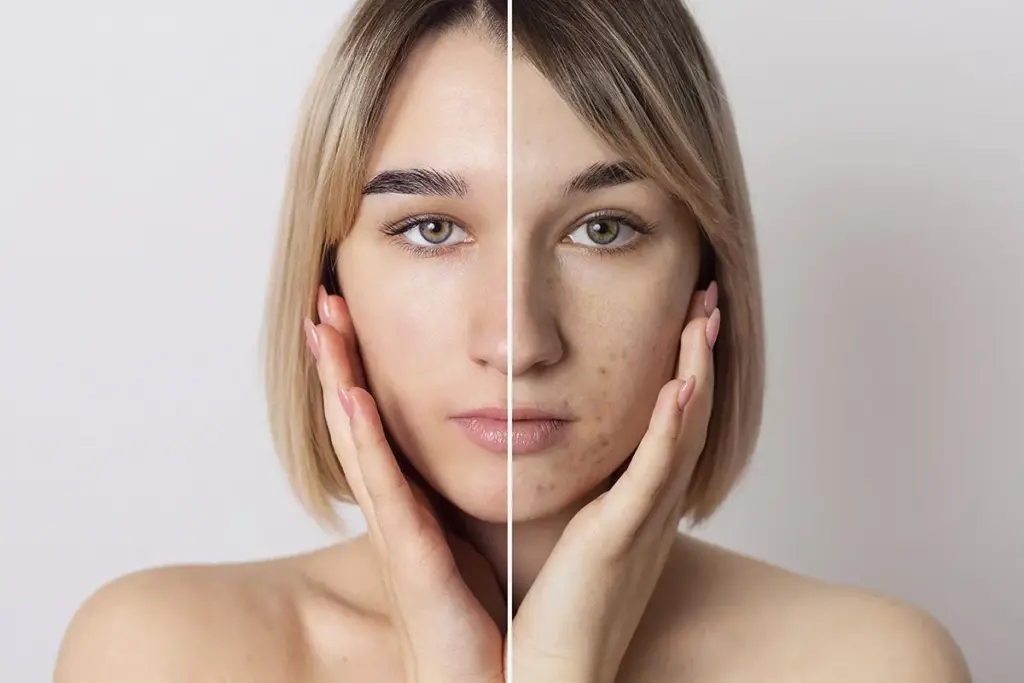
Acne is a common problem that affects millions of people around the world. It causes more than just physical pain. The ACHA-NCHA III reports show that many students face mental health issues linked to acne’s emotional toll.
Discussing the psychological toll of breakouts and coping with feeling embarrassed facial acne can cause.
The visible signs of acne can make people feel embarrassed facial expressions. This can hurt their self-esteem and confidence.
We know that acne can deeply affect someone’s mental health. It’s not just about the skin. It can also make people feel embarrassed and self-conscious about how they look.
Key Takeaways
- Acne can have a profound impact on mental health, particular among students.
- The emotional distress caused by acne can lead to feelings of embarrassment.
- Visible acne symptoms can affect an individual’s self-esteem and confidence.
- Addressing acne-related concerns is key for overall well-being.
- Support and guidance are essential for managing acne and its emotional impact.
Understanding Acne and Its Effects on Self-Esteem
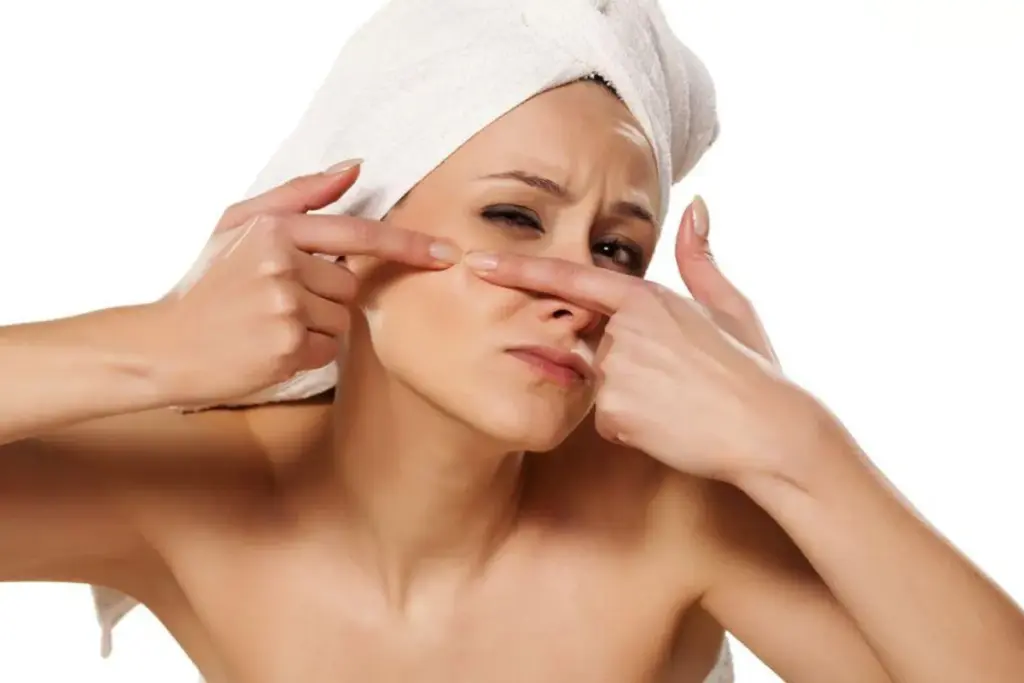
Acne does more than just affect your skin. It can also hurt your self-esteem and confidence. It’s not just a skin problem; it’s a complex issue that affects mental health and how we interact with others.
The Psychological Impact of Acne
Acne can make you feel embarrassed, low in self-esteem, and anxious. Studies show that people with acne are more likely to feel depressed and isolated. The stress of dealing with acne can harm your overall well-being.
Some of the psychological effects of acne include:
- Anxiety and Stress: The fear of being judged or ridiculed because of acne can cause significant anxiety.
- Low Self-Esteem: Acne can make individuals feel less attractive or confident.
- Depression: In severe cases, acne can contribute to feelings of hopelessness and depression.
How Acne Influences Social Interactions
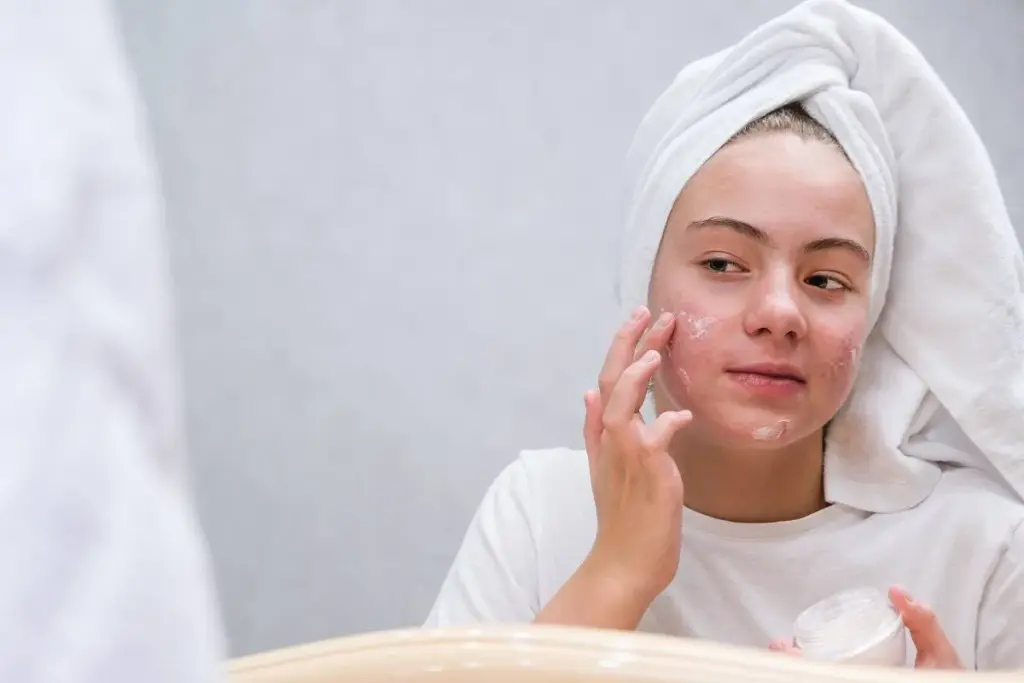
Acne can also change how we interact with others. People with acne might avoid social events or feel self-conscious about their appearance. This can lead to:
- Avoidance of social events or gatherings.
- Difficulty in forming or maintaining relationships due to feelings of insecurity.
- Self-consciousness about facial expressions or body language, potentially misinterpreted as being embarrassed or shy.
Understanding these dynamics is key to supporting those affected by acne. By recognizing the psychological and social impacts of acne, we can create a more empathetic and supportive environment.
Common Types of Acne
Acne is a skin condition with many types, like acne vulgaris, cystic acne, and hormonal acne. Knowing these types helps in finding the right treatment. It also lessens the emotional pain of acne.
Acne Vulgaris: The Most Prevalent Form
Acne vulgaris is the most common type, hitting many people, mainly during puberty. It shows up as blackheads, whiteheads, pimples, and sometimes cysts. It’s caused by too much sebum, clogged pores, and bacteria.
Key characteristics of acne vulgaris include:
- Presence of comedones and inflammatory lesions
- Affects areas with high sebum production, such as the face, chest, and back
- Can range from mild to severe
Cystic Acne: The Painful Kind
Cystic acne is a severe form with big, painful cysts. It can cause a lot of inflammation and scarring. It can also cause a lot of emotional pain because of its visibility and pain.
Effective management of cystic acne typically involves:
- Professional dermatological care
- Prescription medications, such as isotretinoin, for severe cases
- Avoiding picking or squeezing cysts to prevent further inflammation and scarring
Hormonal Acne: What You Should Know
Hormonal acne is caused by changes in hormone levels. It often happens during puberty, menstruation, pregnancy, or menopause. It shows up as acne on the lower face, like the chin and jawline.
Understanding hormonal acne involves recognizing:
- The role of hormonal fluctuations in acne development
- The use of hormonal treatments, like birth control pills or spironolactone, to manage symptoms
- The importance of a good skincare routine in controlling hormonal acne
Knowing about the different types of acne helps people find the right treatment. It also helps them manage their condition better. We will keep exploring acne and its effects in the next sections.
Debunking Myths About Acne
Acne is often misunderstood, making it hard to know what’s true. Many people deal with acne, and wrong ideas about it can make them feel embarrassed and confused. We want to clear up common myths about acne, so people can handle it better.
Misconceptions About Diet and Acne
The link between diet and acne is a big topic of debate. Some think certain foods cause acne, but it’s more complicated. Studies show diet can affect acne, but how it does so varies for everyone.
Some foods, like those with a high glycemic index, can cause hormonal changes that lead to acne. On the other hand, eating a balanced diet with lots of fruits, veggies, and whole grains can help with acne.
The Truth About Skincare Products
The skincare world is full of products claiming to fight acne, but not all work. Some products can dry out the skin, making acne worse.
Good skincare for acne-prone skin means using gentle, non-comedogenic products. These products help reduce acne without drying out the skin. Ingredients like salicylic acid and benzoyl peroxide are known to help with acne.
To find the right skincare, it helps to know about common acne-fighting ingredients:
|
Ingredient |
Benefits |
Potential Drawbacks |
|---|---|---|
|
Salicylic Acid |
Exfoliates skin, unclogs pores |
May cause dryness, irritation |
|
Benzoyl Peroxide |
Kills bacteria that cause acne |
Can bleach clothing, may irritate skin |
|
Tea Tree Oil |
Natural antibacterial properties |
May cause irritation, allergic reactions |
Knowing the truth about acne and how to manage it can help people make better skincare choices. This can reduce feelings of embarrassment linked to embarrassed facial signals and improve their health.
Understanding acne and using the right skincare can give people confidence in managing their condition. This can lessen the impact of embarrassed face recognition techniques on their self-esteem.
The Connection Between Acne and Aging
As we get older, our skin changes a lot. These changes can make acne worse and affect how our skin looks. It might even lead to wrinkles and fine lines in people with bad acne.
Do Breakouts Affect Your Skin’s Youthfulness?
Breakouts can really make your skin look older. Acne causes inflammation, which can leave scars. These scars can make your skin look older than it is.
Also, fighting acne can weaken your skin’s barrier. This makes it more vulnerable to damage from the environment. It can speed up aging.
Research shows that people with long-term acne age faster. This is because of the ongoing inflammation and how the body reacts to it. It can make your skin look dull and lose its elasticity, signs of aging.
How to Care for Acne-Prone Skin as You Age
Taking care of acne-prone skin as you age needs a few steps. Start with a gentle skincare routine that includes cleansing and moisturizing. Use products with salicylic acid or benzoyl peroxide to fight acne. Hyaluronic acid and vitamin C help keep your skin hydrated and fight aging signs.
Protecting your skin from the sun is also key. UV rays can make acne and aging worse. So, use a broad-spectrum sunscreen with at least SPF 30 every day. Professional treatments like chemical peels or laser therapy can also help with acne and aging signs.
Understanding how acne and aging are connected helps you take better care of your skin. This means creating a skincare routine, protecting your skin from the sun, and maybe getting professional help for specific issues.
Treatment Options for Acne
Knowing the different ways to treat acne is key to managing it well. Acne can be tough to deal with, but the right treatment can help a lot. It can make symptoms better and reduce feelings of embarrassment.
Over-the-Counter Remedies
For mild to moderate acne, over-the-counter (OTC) products are a good start. These products have ingredients like benzoyl peroxide or salicylic acid. They kill bacteria, dry out pimples, and prevent pores from clogging.
- Benzoyl Peroxide: It fights the bacteria that cause acne and comes in different strengths.
- Salicylic Acid: It unclogs pores and reduces swelling, making it great for mild acne.
When using OTC products, it’s important to follow the instructions and be patient. It might take some time to see improvements.
Prescription Treatments and Their Effectiveness
For severe acne or when OTC treatments don’t work, prescription treatments are needed. These can include topical retinoids, antibiotics, or hormonal treatments for acne caused by hormonal imbalances.
Prescription treatments are stronger and can help a lot with severe acne. But, they might have side effects. So, it’s important to work with a healthcare provider to find the best treatment.
- Topical Retinoids: They are vitamin A derivatives that prevent clogged pores and reduce swelling.
- Antibiotics: They kill bacteria and reduce inflammation, and can be applied topically or taken orally.
The Role of Professional Treatments
Professional treatments can also help a lot with acne. These include chemical peels, blue light therapy, and extractions, among others.
Professional treatments are great for specific types of acne, like cystic acne. They can also rejuvenate the skin deeply. They are usually done by dermatologists or skincare experts.
- Chemical Peels: They exfoliate the skin, unclog pores, and improve texture.
- Blue Light Therapy: It targets acne-causing bacteria, reducing inflammation and preventing future breakouts.
By knowing about all the treatment options, people can make better choices for their acne care. This can help reduce embarrassment and improve their life quality.
Coping Mechanisms for Acne-Related Embarrassment
Acne can really affect how you feel, making you feel embarrassed and alone. It can make it hard to accept yourself and feel confident. This can make simple social interactions feel like a big challenge.
Dealing with acne-related embarrassment needs a mix of solutions. It’s not just about treating the acne. It’s also about dealing with the emotional and mental effects it has.
Finding Support from Friends and Family
Getting support from friends and family is a big help. Having people who care can change how you see yourself and your acne.
- Talking openly with people you trust can help lighten the emotional load.
- Getting encouragement from loved ones can boost your self-esteem and confidence.
- Feeling understood and not alone can greatly reduce feelings of embarrassment and isolation.
Being around supportive people helps shift focus from acne to overall well-being.
Talking to a Therapist or Counselor
Also, talking to a therapist or counselor can give you the tools to manage acne-related embarrassment well.
Professional therapists or counselors can offer:
- Cognitive-behavioral therapy (CBT) to change negative thoughts and behaviors linked to acne.
- Emotional support and guidance to handle the psychological effects of acne.
- Ways to improve self-esteem and confidence, helping you see yourself more positively.
Combining support from loved ones with professional advice helps build strong coping strategies for acne-related embarrassment.
Key Takeaways:
- Creating a support network is key for managing acne-related embarrassment.
- Professional help can offer more ways to cope with acne’s emotional impact.
- It’s important to focus on overall well-being, not just the acne, for recovery.
Building Confidence Despite Acne
Building confidence with acne needs a mix of physical and mental steps. Acne can really hurt how you feel about yourself. But, by working on your natural beauty and thinking positively, you can stay confident.
Tips for Enhancing Your Natural Beauty
Being beautiful isn’t just about looks; it’s about feeling good in your skin. Here are some tips to help you:
- Skincare Routine: A good skincare routine can make your skin look better. Choose products that fit your skin type, and get help from experts if you need it.
- Makeup Techniques: Learning simple makeup tricks can make you feel more confident. Instead of hiding your acne, focus on making your best features shine.
- Healthy Lifestyle: Eating well and exercising regularly can make you feel better overall. It also helps your skin look its best.
The Importance of a Positive Mindset
Having a positive mindset is key to confidence. It’s about loving your strengths and accepting your flaws. Research shows that positive people have higher self-esteem and can handle tough times better.
To stay positive, try these:
- Positive Self-Talk: Use affirmations to boost your self-talk. Tell yourself positive and uplifting things.
- Mindfulness: Try meditation or deep breathing to manage stress and anxiety.
- Support Network: Be around people who support and encourage you. Friends, family, or professionals can all help.
Let’s look at how different things can affect your confidence and self-esteem:
|
Factor |
Impact on Confidence |
Strategies for Improvement |
|---|---|---|
|
Physical Appearance |
Acne can make you feel bad about yourself. |
Good skincare, makeup tips. |
|
Mindset |
A negative mindset can lower your self-esteem. |
Positive self-talk, mindfulness. |
|
Social Support |
Not having support can make you feel worse. |
Build a support network, get professional help. |
By using these strategies and focusing on your physical and mental health, you can stay confident despite acne. It’s a journey that needs patience, kindness to yourself, and a commitment to your well-being.
Skincare Routines That Help Reduce Acne
Having a regular skincare routine is key to fighting acne and feeling less embarrassed. By choosing the right skincare, you can control acne better and improve your skin’s health.
Daily Practices for Healthy Skin
Every day, taking care of your skin is important for keeping it healthy and fighting acne. Start with a gentle cleanser that fits your skin type. Then, use a toner to keep your skin’s pH balanced. Products with salicylic acid or benzoyl peroxide can fight acne by killing bacteria and reducing swelling.
Even if you have oily skin, using a moisturizer is a must. Moisturizers keep your skin hydrated and can make acne scars less visible. Choose products that won’t block your pores.
The Role of Moisturizers and Exfoliants
Moisturizers and exfoliants are key to a good skincare routine. Exfoliating often removes dead skin cells and clears pores, which helps prevent acne. But, be gentle when exfoliating to avoid hurting your skin.
When picking a moisturizer, look for “non-acnegenic” or “oil-free” labels to avoid clogging pores. Exfoliants with alpha-hydroxy acids (AHAs) or beta-hydroxy acids (BHAs) can make your skin smoother and reduce acne.
- Cleanse your skin gently twice a day.
- Use a toner to balance your skin’s pH.
- Apply a moisturizer suitable for your skin type.
- Exfoliate regularly, but gently.
By sticking to these daily steps and using the right products, you can manage acne and feel less self-conscious. Remember, it might take some time to see your skin get better. Stay patient and keep up with your routine.
Success Stories: Overcoming Acne Embarrassment
Many have overcome acne embarrassment and found success. Their stories inspire us to tackle our own skin concerns.
Real-Life Experiences
People with acne often feel alone. But hearing others’ stories can lift our spirits. Testimonials show that with the right treatment, we can manage acne and feel confident again.
Some have used makeup or other solutions to hide acne. This helps them feel better about themselves.
Celebrity Inspirations
Stars like Emma Stone and Jonathan Van Ness have talked about their acne battles. They show the value of professional help and a good skincare routine. Their experiences teach us how to handle acne and feel less self-conscious.
These stories remind us that beating acne embarrassment is possible. With the right support and treatments, we can become more confident.
FAQ
What are the most common facial expressions of embarrassment associated with acne?
People often avoid eye contact or cover their face when they’re embarrassed about acne. They might also smile in a way that shows they’re feeling self-conscious. These actions show how acne can make someone feel uncomfortable about their looks.
How can I avoid looking embarrassed due to acne?
To feel less embarrassed, start by taking care of your acne. Use products that won’t clog your pores and stick to a skincare routine. Also, try to think positively about yourself. We’re here to help you feel better about your skin.
What are some remedies for an embarrassed face caused by acne?
To fix an embarrassed face, use products that are safe for your skin. Keep up with your skincare routine and consider professional treatments. We can guide you to find the best ways to reduce your acne and feel better about your face.
How can I recognize and address embarrassed facial cues?
Pay attention to how you look and act when you’re feeling embarrassed. To deal with these feelings, take care of yourself, boost your self-esteem, and talk to people you trust. We’re here to support you in overcoming your acne-related embarrassment.
What is the connection between facial expressions and body language in relation to acne-related embarrassment?
Your facial expressions and body language can show when you’re feeling embarrassed about acne. By being aware of these signs and working on your confidence, you can feel less self-conscious. We’ll give you tips to manage your acne and improve your mood.
How can I cover up embarrassment caused by acne?
To hide your embarrassment, focus on your natural beauty and take care of your skin. Think positively about yourself. We’ll share ways to boost your confidence and reduce your embarrassment.
What are the signals of an embarrassed face, and how can I manage them?
Signs of an embarrassed face include avoiding eye contact or looking self-conscious. To handle these, take care of yourself, build your self-esteem, and get support from others. We’re here to help you overcome your acne-related embarrassment.
How can I recognize and address embarrassed face recognition techniques?
To spot and handle embarrassed facial expressions, know your own and others’ signs. Work on your confidence, take care of your skin, and stay positive. We’ll guide you to manage your acne and feel better overall.
Reference
Nature. Evidence-Based Medical Insight.