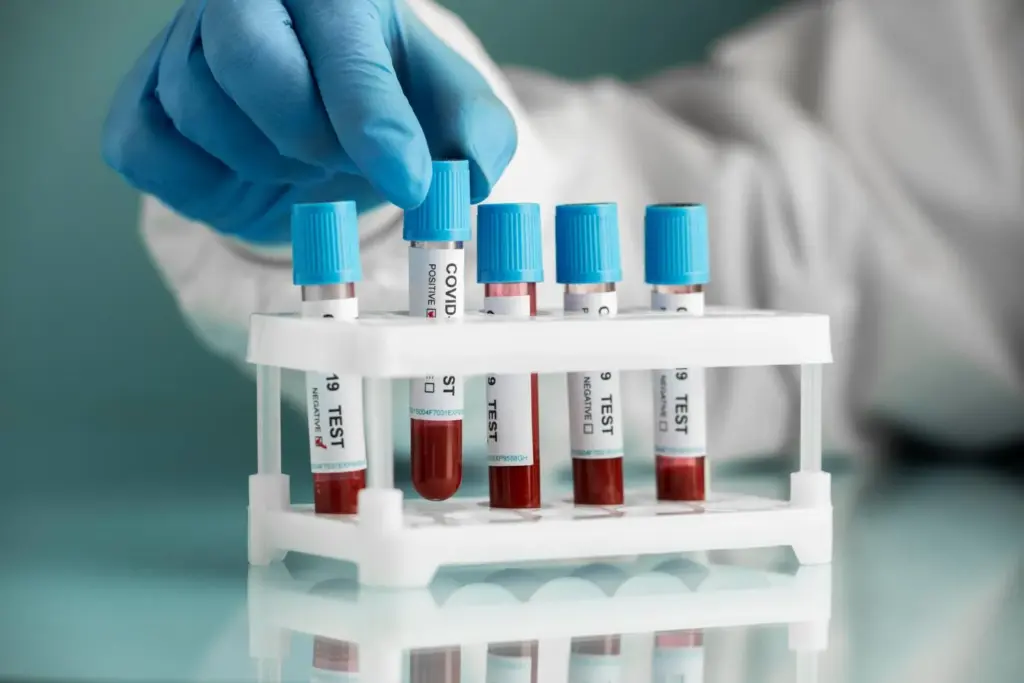
Getting accurate blood test results is key for diagnosing and treating health issues. But, many things can mess with these results, causing wrong diagnoses or treatments. It’s important to know what can affect blood test accuracy, like fasting status.
Things like preanalytical errors, some medicines, and dehydration can change test results. Knowing the fasting guidelines is very important. It can greatly affect how reliable blood test results are.
Key Takeaways
- Fasting status can significantly impact blood test results.
- Preanalytical errors can lead to inaccurate test outcomes.
- Certain medications can alter blood test results.
- Dehydration is another factor that can affect test accuracy.
- Understanding fasting guidelines is key for reliable blood test results.
The Critical Importance of Accurate Blood Test Results
Getting accurate blood test results is key for doctors to make good decisions about patient care. These tests give vital info about a patient’s health. They help doctors figure out what’s wrong, how to treat it, and how to keep it under control.
How Laboratory Tests Guide Medical Decisions
Laboratory tests are a big part of modern medicine. They give doctors a peek into a patient’s health. Tests like blood glucose tests help manage diabetes, while lipid profiles check heart health.
Doctors look at blood test results to spot patterns and oddities. This helps them tailor care to each patient’s needs. It makes treatment more personal and effective.
Common Types of Blood Tests and Their Purposes
Blood tests vary, each checking different health aspects. Here are a few:
- Complete Blood Count (CBC): Checks blood components like red and white cells. It helps find issues like anemia or infections.
- Blood Chemistry Tests: Looks at blood chemicals like glucose and enzymes. It checks organ function and spots disorders.
- Lipid Profiles: Measures cholesterol and triglycerides. It helps gauge heart disease risk.
- Blood Clotting Tests: Sees if blood can clot properly. It’s for diagnosing bleeding issues or checking anticoagulant therapy.
Knowing what these tests do and what they show is vital. It helps patients get the right diagnosis and treatment. This leads to better health for everyone.
Preanalytical Errors: The Leading Cause of Inaccurate Results
Blood test results are key for diagnosing and treating patients. Yet, preanalytical errors are a big problem. These errors happen before a blood sample is tested, from collecting it to preparing the patient.
Understanding the 70% Rule in Laboratory Mistakes
Preanalytical errors cause up to 70% of lab mistakes. This shows how important it is to fix these errors to make blood tests more accurate. The 70% rule tells us most mistakes happen before the sample is tested. This means we need to focus on how we collect and handle samples.
Let’s look at what these errors include:
|
Error Category |
Percentage of Total Errors |
|---|---|
|
Specimen Collection Errors |
40% |
|
Patient Identification Errors |
20% |
|
Sample Handling Errors |
30% |
|
Other Preanalytical Errors |
10% |
Specimen Collection and Handling Issues
Collecting and handling samples are key steps in testing. Mistakes here can make test results wrong, hurting patient care. Common problems include:
- Not enough or too much sample
- Wrong container or anticoagulant
- Contaminated or broken samples
- Bad labeling or missing info
To fix these issues, healthcare teams must follow strict rules for collecting and handling samples. They need to make sure samples are labeled right, stored well, and sent to the lab correctly.
Patient Identification and Preparation Errors
Getting patient info right and preparing them properly are also key. Wrong patient info can mess up sample labels. Not following fasting rules before a test can also mess up glucose and lipid tests.
To reduce these mistakes, healthcare teams should:
- Check patient identity with several methods
- Give clear instructions on what to do before the test, like fasting
- Make sure patients know why these steps are important
Addressing these preanalytical errors can enhance the accuracy of blood test results, significantly improving patient care.
Fasting for Blood Work: Requirements and Importance
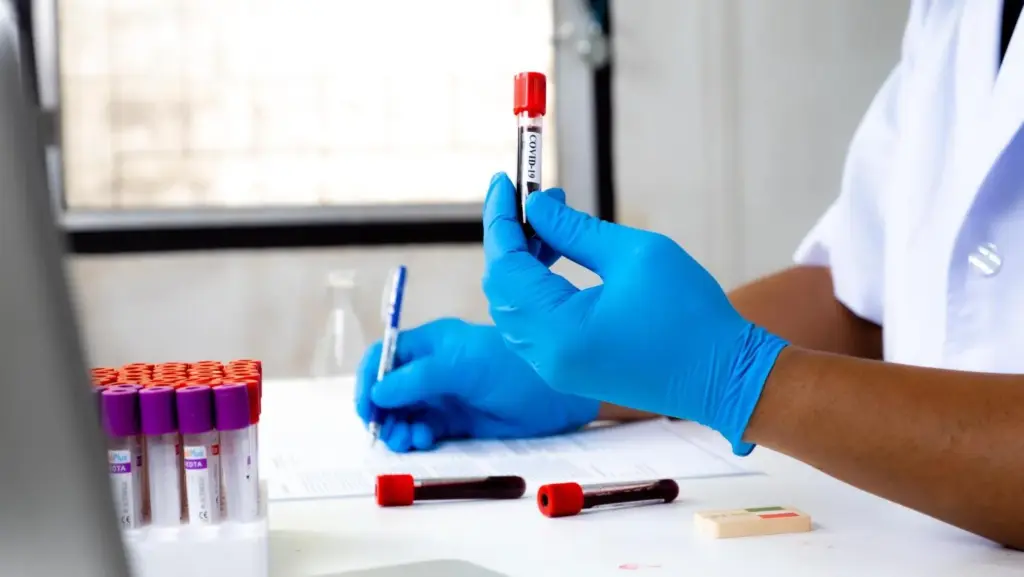
Fasting before blood work is a key step for accurate test results. It means not eating or drinking for a set time. This is important for some tests.
Why Certain Tests Require Fasting
Some blood tests need fasting to avoid food effects. Tests for glucose and lipids are big examples. Fasting gives a clear baseline for these tests.
Eating changes blood glucose and lipid levels. Fasting lets the body stabilize. This makes it easier to check if levels are normal.
How Food Intake Affects Glucose and Lipid Measurements
Food, like carbs and fats, changes blood glucose and lipid levels. A carb-heavy meal can raise blood sugar. Fatty foods can increase triglycerides. This can hide or suggest problems if tests aren’t done while fasting.
Fasting gives a true view of metabolic health. It’s key for diagnosing and managing diabetes and high cholesterol.
Common Tests That Require Fasting
Many blood tests need fasting, including:
- Glucose tests, such as fasting glucose and glucose tolerance tests
- Lipid profiles, which measure cholesterol and triglyceride levels
- Some liver function tests
Patients must follow their healthcare provider’s fasting instructions. The rules can change based on the test and patient needs.
How Long to Fast Before Blood Work
The time you need to fast before blood work changes based on the tests. Fasting helps make sure test results aren’t skewed by recent food. This is important for many blood tests.
Standard Fasting Duration Guidelines
Healthcare experts usually say to fast for 8 to 12 hours before blood tests. This time is enough to get your body into a fasting state. This is key for tests like glucose and lipid profiles.
- 8 hours: Many routine blood tests need this fasting time, like lipid profiles.
- 10-12 hours: Tests for fasting glucose often need a longer fast.
Test-Specific Fasting Requirements
Each test has its own fasting needs. For example:
- Fasting Glucose: Needs 8-12 hours of fasting.
- Lipid Profile: Requires 9-12 hours of fasting.
- Insulin Test: May need a shorter fast, but always check with your doctor.
What Happens If You Don’t Fast Long Enough
If you don’t fast long enough, your test results might not be right. For example:
- Inaccurate Glucose Readings: Not fasting enough can make glucose levels seem higher. This might lead to wrong diagnoses or more tests.
- Altered Lipid Profiles: Eating recently can also mess with lipid profiles. This affects cholesterol and triglyceride readings.
It’s very important to follow your doctor’s fasting instructions. This ensures your test results are accurate and reliable.
What You Can and Cannot Consume Before a Fasting Blood Test
Before a fasting blood test, it’s important to know what you can and can’t eat. This ensures your test results are accurate. Tests for glucose and lipid levels are most affected by what you eat.
Can I Drink Water Before a Fasting Blood Test?
Drinking water is okay and even encouraged before a fasting blood test. It helps make your veins easier to find. Water doesn’t usually change the results of most fasting blood tests. But, always check with your healthcare provider for specific instructions.
Effects of Coffee and Other Beverages
Coffee and sugary drinks can change your test results. They can affect glucose and lipid levels. Caffeine can also raise your blood pressure and heart rate.
Here’s a quick guide on how different drinks might affect your fasting blood test:
|
Beverage |
Allowed During Fasting |
Potential Impact |
|---|---|---|
|
Water |
Yes |
None |
|
Coffee (black, without sugar) |
Generally not recommended |
May affect heart rate, blood pressure |
|
Sugary drinks (e.g., soda, juice) |
No |
Can significantly alter glucose and lipid levels |
|
Tea (unsweetened) |
May be allowed, check with provider |
Caffeine content may affect heart rate, blood pressure |
Gum, Mints, and Other Common Questions
Chewing gum and eating mints can also be a concern. They might not seem like a big deal, but some products have sugar. It’s best to avoid them unless your healthcare provider says it’s okay.
People often wonder about taking medications or vitamins during fasting. Usually, you should keep taking your medications as prescribed. But, tell your healthcare provider about any medications or supplements before your test.
Medication Effects on Blood Test Results
Medications can change blood test results. It’s important to know when to stop or keep taking them before tests. We’ll look at how different medications affect blood tests and how to manage them before blood work.
Prescription Medications That Alter Test Values
Prescription drugs can change blood test results. For example, some antibiotics can affect liver tests. Blood pressure medications can also change electrolyte levels. Always tell your doctor about all your prescription drugs before blood tests.
|
Medication Category |
Potential Effect on Blood Tests |
|---|---|
|
Antibiotics |
May affect liver function tests |
|
Blood Pressure Medications |
Can alter electrolyte levels |
|
Statins |
May influence lipid profiles |
Over-the-Counter Drugs and Supplements
OTC drugs and supplements can also change blood test results. Vitamin C supplements can mess with some chemistry tests. NSAIDs like ibuprofen can affect kidney tests. Always tell your doctor about all OTC drugs and supplements you’re taking.
- Vitamin C supplements: May interfere with chemistry tests
- NSAIDs (e.g., ibuprofen): Can affect kidney function tests
- Herbal supplements: May influence various blood test parameters
When to Stop or Continue Medications Before Testing
Whether to stop or keep taking medications before blood tests depends on the medication and the test. Always talk to your healthcare provider about what to do. Sometimes, you might need to stop taking certain medications to get accurate results.
Key Considerations:
- Inform your healthcare provider about all medications and supplements you’re taking.
- Follow specific instructions regarding medication use before blood testing.
- Understand that certain medications may need to be temporarily stopped or adjusted.
Hydration Status and Blood Concentration

The amount of water in your body can change blood test results. Hydration status affects how much water is in your blood plasma. This can change the levels of substances in your blood tests. Knowing how hydration affects these results is key for accurate diagnoses and treatment.
Dehydration’s Impact on Test Results
Dehydration happens when you lose more water than you take in. This makes your blood more concentrated. This can make some test results look higher than they really are.
- Dehydration can make creatinine levels seem higher, which might suggest kidney issues.
- It can also make hematocrit levels seem higher, which might not be the real problem.
- Electrolyte levels can get mixed up, making it hard to diagnose conditions like hyponatremia or hypernatremia.
It’s important to drink enough water before getting blood tests to avoid these issues.
Effects of Overhydration
Overhydration, on the other hand, can make your blood too diluted. This can lead to different kinds of mistakes in test results. Overhydration can cause:
- It can make it harder to see conditions like anemia because of dilution.
- It can also lower the levels of certain substances, which can affect diagnosing metabolic disorders.
While dehydration is more common, overhydration also affects the accuracy of blood tests.
Optimal Hydration Practices
So, how do you stay hydrated for blood tests? Here are some tips:
- Drink lots of water a few days before your test.
- Drink water all day, not just in big gulps.
- Don’t drink too much water right before the test to avoid overhydration.
By staying optimally hydrated, you help make sure your blood test results are accurate. This gives your healthcare provider the right information to care for you.
Hemolysis: When Red Blood Cells Rupture
Hemolysis is when red blood cells break down. This can mess up blood test results. Knowing why and how it happens helps us avoid these problems.
Understanding the 3% Problem in Blood Specimens
About 3% of blood samples show hemolysis. This is a big deal in lab tests. When red blood cells break, they spill their contents into the blood. This can change the blood’s chemistry, leading to wrong test results.
Many things can cause hemolysis. These include how the blood is taken, how it’s handled, and the patient’s health. Knowing these can help us lower the chance of hemolysis.
Tests Most Affected by Hemolyzed Samples
Some lab tests are more affected by hemolysis than others. Tests that check red blood cell parts, like potassium and LDH, are often wrong. This can lead to wrong diagnoses or treatments.
For example, a patient might seem to have too much potassium. But really, their potassium is fine. This shows why we must deal with hemolysis to get accurate results.
How to Prevent Hemolysis During Collection
To stop hemolysis, we need to be careful when taking blood. We should use the right needle size and avoid too much suction. Also, make sure the blood goes into the right tube with the right anticoagulant.
After taking the blood, we must handle it right. This means not shaking the tube too much, keeping it at the right temperature, and getting it to the lab fast. By doing these things, we can make sure lab tests are more accurate.
Lipemia and Icterus: Visual Interferences in Blood Tests
Blood tests are key for diagnosing health issues. But, lipemia and icterus can mess with their accuracy. It’s vital for doctors to know what causes these issues and how they affect results.
Understanding Lipemia
Lipemia happens when there’s too much fat in the blood, usually after eating something fatty. This makes the blood look cloudy or milky. It can mess up the results of many tests.
We’ll talk about how lipemia affects blood tests and how to handle it:
- Lipemia can make some test results, like potassium and hemoglobin, seem higher than they are.
- It can also mess with the results of other tests, leading to wrong readings.
- Doctors often tell patients to fast before getting blood tests to avoid lipemia.
Icterus and Its Impact
Icterus is when there’s too much bilirubin in the blood, making the skin and eyes look yellow. It can also mess with the results of blood tests.
The effects of icterus on test results include:
|
Test |
Effect of Icterus |
|---|---|
|
ALT (Alanine Aminotransferase) |
Falsely elevated results |
|
AST (Aspartate Aminotransferase) |
Falsely elevated results |
|
Bilirubin |
Directly related to icterus; elevated levels indicate the condition |
Distortion of Chemistry Results
Lipemia and icterus can mess with chemistry test results. It’s important to understand these issues to get accurate blood test results.
To reduce the impact of these problems, doctors might ask patients to fast before blood tests. How long to fast depends on the tests being done.
Key Considerations:
- Fasting duration: It usually ranges from 8 to 12 hours, based on the tests.
- Hydration status: Drinking enough water is important, but too much is bad.
- Medication and supplement intake: Some can affect test results and should be managed as advised by doctors.
Hormonal Fluctuations and Circadian Rhythms
The timing of blood tests is key because hormone levels change throughout the day. Our bodies have internal clocks that control hormone release. Knowing these changes helps us understand blood test results better.
Time-Dependent Variations in Blood Test Results
Hormone levels in the blood change a lot during the day. This change is due to our body’s internal clock, which responds to light and dark. For example, cortisol levels are highest in the morning and drop at night.
This means the time we take blood samples is very important. It affects the accuracy of hormone tests.
Here’s a list of hormones and how their levels change:
- Cortisol: Peaks in the early morning, decreases at night
- Insulin: Varies with meal times, generally higher after eating
- Growth Hormone: Secreted in pulses during deep sleep
- Thyroid-Stimulating Hormone (TSH): Can have a circadian rhythm, with levels often peaking at night
Hormones Most Affected by Daily Cycles
Some hormones are more affected by our body’s internal clock. These include:
- Cortisol: As mentioned, cortisol levels follow a circadian pattern, peaking in the morning.
- Melatonin: Levels rise in the evening, promoting sleep, and decrease in the morning.
- Testosterone: Levels can vary throughout the day, often peaking in the morning.
Knowing these patterns helps doctors understand test results better. It also helps patients know why timing is important for hormone tests.
Optimal Timing for Hormone Testing
The timing of hormone tests is very important because hormone levels change all day. The best time for many tests is in the morning, after fasting overnight. This makes it easier to compare results.
For some tests, the timing might need to be different. For example, tests for cortisol or testosterone are best in the morning when levels are highest.
By understanding these changes, we can make sure blood tests are done at the best time. This helps get more accurate and reliable results.
Stress, Exercise, and Illness: Physiological Influences
It’s important to know how stress, exercise, and illness affect blood tests. These factors can change test results. So, it’s key for patients to understand their impact.
Acute Stress Effects on Blood Parameters
Acute stress releases hormones like cortisol and adrenaline. These hormones can change blood parameters. For example, stress can raise white blood cell counts, showing signs of inflammation or infection.
Managing stress before blood tests is vital to avoid affecting results.
Deep breathing, meditation, or short relaxation periods can help. We advise patients to arrive 15 minutes early to calm down.
Exercise-Induced Changes in Blood Tests
Exercise can also change blood test results. For instance, intense workouts can increase muscle enzymes. This might be mistaken for muscle damage.
It’s best to avoid hard exercise for 24 hours before a blood test.
Exercise can also alter lipid profiles and glucose levels. This could lead to wrong diagnoses if not considered. We recommend keeping your usual exercise routine but skip intense workouts before blood work.
Impact of Minor Infections and Inflammation
Minor infections and inflammation can greatly affect blood tests. They can change inflammatory markers and white blood cell counts. Even a mild cold or flu can cause these changes.
Telling your healthcare provider about recent or ongoing infections is key before blood tests. This helps in accurately reading test results and making better care decisions.
Genetic Factors and Hemoglobin Variants
Blood test results can be influenced by genetic factors, including hemoglobin variants. These genetic conditions can affect how tests are read and understood. It’s important for doctors to think about these factors when treating patients.
Hereditary Conditions Affecting Blood Tests
Certain hereditary conditions can change blood test results. For example, genetic disorders that affect hemoglobin production or structure can alter test results. We need to understand these conditions to correctly read lab findings.
Some hereditary conditions, like sickle cell disease, are caused by specific genetic mutations. These mutations result in abnormal hemoglobin variants, like HbS. These variants can affect certain tests, so special care is needed during testing and interpretation.
Hemoglobin Variants Like HbS and HbC
Hemoglobin variants, such as HbS and HbC, are linked to different health conditions. HbS causes sickle cell disease, while HbC can lead to hemolytic anemia. Labs use special methods to identify these variants, which is key for accurate diagnosis and treatment.
For more information on factors affecting hemoglobin measurements, check out. It offers insights into the factors that influence lab tests.
Ethnic Differences in Laboratory Reference Ranges
Laboratory reference ranges can differ among ethnic groups due to genetic differences. For instance, certain hemoglobin variants are more common in specific ethnic groups. This can affect how blood tests are interpreted. It’s vital for healthcare providers to understand these differences to make accurate diagnoses and treatment plans.
By considering genetic factors, hemoglobin variants, and ethnic differences in lab reference ranges, we can improve the accuracy of blood test interpretations. This leads to better patient care.
Conclusion: Ensuring Accurate Blood Test Results
Getting accurate blood test results is key for diagnosing and treating health issues. Many things can affect their accuracy, like fasting, medications, staying hydrated, and genetics. We’ve looked into these factors closely, showing how they can change test outcomes.
To get precise blood test results, it’s important to follow fasting guidelines for blood work. Knowing how long to fast before the test is also vital. Also, being mindful of medications that can skew test results and staying well-hydrated can help.
By knowing these factors and following the advice in this article, patients can help get accurate blood test results. This lets healthcare providers make better decisions about care. Working together, patients and healthcare providers can achieve the best health outcomes.
FAQ
How long should I fast before blood work?
You usually need to fast for 8 to 12 hours. But, your healthcare provider might ask for a different time.
Can I drink water before a fasting blood test?
Yes, you can drink water before a fasting blood test. It helps keep you hydrated.
What happens if I don’t fast long enough before blood work?
Not fasting enough can mess up your test results. This is true for tests on glucose and lipids, which need longer fasting times.
Can I take my medications before a fasting blood test?
Always check with your doctor about your medications before a fasting blood test. Some might need to be stopped or taken as usual.
How does dehydration affect blood test results?
Dehydration can make some test results seem higher, like BUN and creatinine. Drinking too much water can also mess with test accuracy.
What is hemolysis, and how can it be prevented during blood collection?
Hemolysis happens when red blood cells break. It can be avoided by using the right techniques and handling samples carefully.
How do hormonal fluctuations and circadian rhythms affect blood test results?
Hormones like cortisol and insulin change throughout the day. This is because of our body’s natural rhythms. It’s important to consider this when looking at hormone levels in blood tests.
Can stress and exercise affect blood test results?
Yes, stress and exercise can change blood parameters. This includes white blood cell count and glucose levels. Try to avoid hard exercise and manage stress before your test.
What is lipemia, and how does it affect blood test results?
Lipemia is when there’s too much fat in the blood. It can mess up some tests, making results not accurate. It often happens in non-fasting samples or in people with high triglycerides.
How do genetic factors affect blood test results?
Genetics can change how blood tests come out. Knowing about these factors is key for understanding test results and caring for patients.
Accidentally drank coffee before a blood test, what to do?
If you drank coffee by mistake before a blood test, tell your doctor. They might suggest rescheduling or other steps to fix it.
References
Annals of Clinical Biochemistry (Sage Journals): https://journals.sagepub.com/doi/full/10.1258/acb.2011.011073