
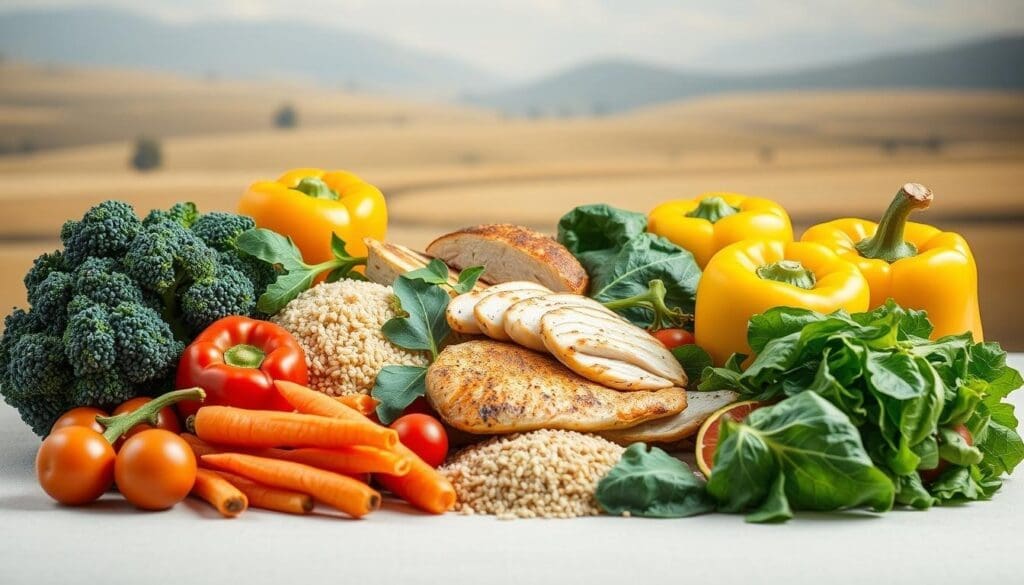
Managing gallbladder health is key, for those with cholecystitis and gallstones. At Liv Hospital, we stress the need for a balanced diet. This diet should be rich in protein and fiber to keep your gallbladder healthy.
Finding the right foods can be tough. That’s why we’re here to help. We’ll guide you on fat-free and low-fat foods that are good for your gallbladder. Eating the right foods can help manage symptoms and boost your life quality.
Key Takeaways
- Eating a diet rich in protein and fiber supports gallbladder health.
- Certain foods can help manage conditions like cholecystitis and gallstones.
- A balanced diet is key for digestive health.
- Liv Hospital offers evidence-based dietary advice.
- Choosing the right foods can enhance your overall health.
The Gallbladder-Diet Connection: Why Fat Matters
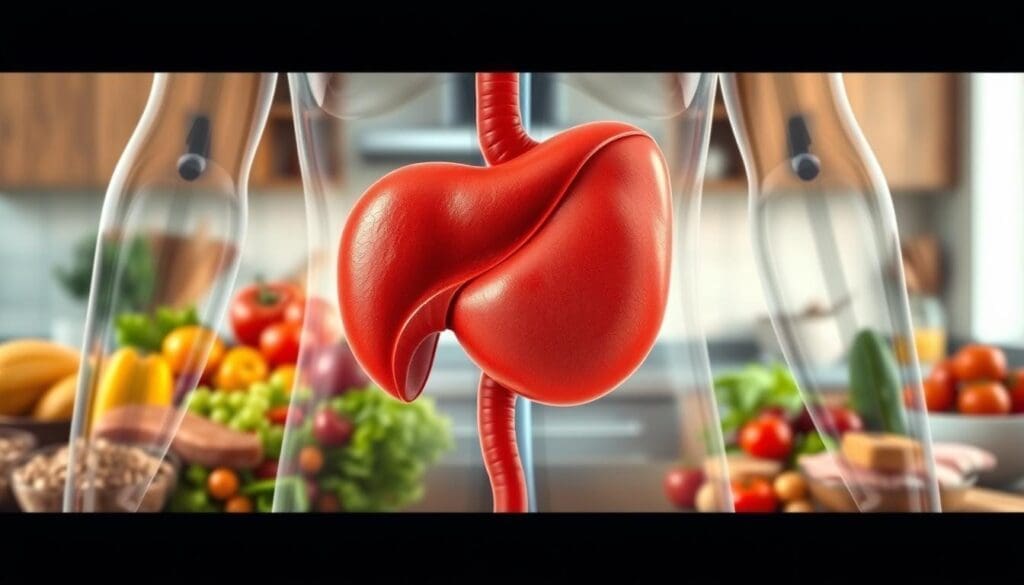
It’s important to know how our diet affects our gallbladder health. The gallbladder helps digest fats by storing bile. When we eat, it releases bile into the small intestine to break down fats.
How the Gallbladder Processes Fat
The gallbladder stores and concentrates bile, a key fluid for fat digestion. When we eat fatty foods, it releases bile into the bile ducts. Then, bile salts in the small intestine break down fats into smaller pieces for absorption.
A low-fat diet can reduce the gallbladder’s workload. This can help those with gallbladder disease feel better. Eating less fat means the gallbladder doesn’t have to work as hard, giving it a break.
Impact of High-Fat Foods on Gallstone Formation
Studies show that eating too much saturated fat and cholesterol can raise gallstone risk. Gallstones are hard deposits in the gallbladder, often caused by bile imbalance. High-fat diets can disrupt bile’s balance, increasing gallstone risk.
“A diet rich in fruits, vegetables, and whole grains, and low in saturated fats, can help prevent gallstones and support overall gallbladder health.”
Choosing a fat-free or low-fat diet can lower gallstone risk and ease gallbladder disease symptoms. This diet is great for those who’ve had gallbladder attacks or have gallstones.
Medical Conditions Requiring a Low-Fat Gallbladder Diet
Diet and gallbladder health are closely linked for people with certain medical conditions. A low-fat diet is often suggested to manage symptoms and prevent complications.
Cholecystitis and Dietary Management
Cholecystitis is inflammation of the gallbladder, which can be acute or chronic. Managing diet is key to easing symptoms and aiding recovery. A low-fat diet reduces gallbladder strain, lowering inflammation risk.
During an acute episode, a bland diet is recommended. This includes steamed veggies and lean proteins. As symptoms lessen, the diet can include more low-fat foods.
Gallstones and Nutritional Approaches
Gallstones form in the gallbladder due to high cholesterol or bilirubin. Diet can help manage symptoms and prevent new stones.
A low-fat diet is advised for those with gallstones. It eases the gallbladder’s workload. Foods high in fiber, like whole grains and fruits, also help manage gallstone risk.
| Food Group | Recommended Foods | Benefits |
| Fruits | Berries, apples, citrus fruits | High in fiber, antioxidants |
| Vegetables | Leafy greens, cruciferous vegetables | Rich in fiber, vitamins, and minerals |
| Proteins | Lean white fish, poultry, legumes | Low in fat, high in protein |
Biliary Colic and Symptom Relief Through Diet
Biliary colic causes intermittent pain in the upper right abdomen, often due to gallstones. Dietary changes can ease symptoms and reduce episode frequency.
A low-fat diet is key for managing biliary colic. Fatty foods can worsen symptoms. Eating bland diet foods like plain rice and steamed veggies can help.
Knowing the dietary needs for these conditions helps individuals manage symptoms and improve gallbladder health.
Fat-Free Foods for Gallbladder Health and Recovery
Adding fat-free foods to your diet is key for gallbladder health and recovery. A good diet can ease symptoms and boost well-being for those with gallbladder problems.
We suggest focusing on three main types of fat-free foods: fresh fruits, non-starchy vegetables, and fat-free dairy. These foods are full of nutrients and help manage gallbladder health.
Fresh Fruits: Berries, Apples, and Citrus
Fresh fruits are great for a gallbladder-friendly diet. Berries, apples, and citrus fruits are packed with fiber, vitamins, and antioxidants. They help reduce inflammation and support digestion.
- Berries like strawberries, blueberries, and raspberries are full of antioxidants and fiber.
- Apples are a good source of dietary fiber, helping with bowel movements.
- Citrus fruits like oranges, lemons, and grapefruits are high in vitamin C and flavonoids, fighting inflammation.
Non-Starchy Vegetables: Leafy Greens and Cruciferous Options
Non-starchy vegetables are essential for a gallbladder-friendly diet. Leafy greens and cruciferous vegetables are full of vitamins, minerals, and antioxidants. They’re great for supporting gallbladder health.
| Vegetable | Nutritional Benefits |
| Spinach | Rich in iron, calcium, and vitamins A and K |
| Kale | High in vitamins A, C, and K, and minerals like calcium and potassium |
| Broccoli | Rich in vitamins C and K, and contains sulforaphane, which has anti-inflammatory properties |
These bland diet foods for gallbladder health are easy to add to your meals. They provide essential nutrients while being gentle on your digestive system.
Fat-Free Dairy: Yogurt and Skim Milk
Fat-free dairy products are a great source of protein, calcium, and other nutrients. Yogurt and skim milk are tasty and offer many health benefits. They’re perfect low fat snacks gallbladder options.
- Fat-free yogurt is rich in probiotics, helping maintain a healthy gut.
- Skim milk is full of calcium, vitamin D, and protein, supporting bone health and nutrition.
By adding these fat-free foods to your diet, you can greatly support your gallbladder health and overall well-being.
Fiber-Rich Foods That Support Gallbladder Function
A diet rich in fiber is key for gallbladder health. It aids digestion and lowers gallstone risk. We’ll look at fiber-rich foods good for the gallbladder and how to add them to your meals.
Whole Grains: Oats, Brown Rice, and Quinoa
Whole grains are packed with dietary fiber. Foods like oats, brown rice, and quinoa offer fiber and vital nutrients. Adding these to your meals can boost gallbladder function.
Oats are great because they’re full of soluble fiber. This fiber can lower cholesterol, helping prevent gallstones. Brown rice and quinoa are also fiber-rich and fit well in a low-fat diet for gallbladder health.
Legumes: Lentils and Beans
Legumes, like lentils and beans, are fiber and protein powerhouses. They’re perfect for a diet friendly to the gallbladder. You can add them to soups, salads, and more.
Lentils and beans are fiber-rich and low in fat. They’re great for managing gallbladder health through diet. They keep your digestive system healthy and lower gallstone risk.
The Importance of Gradual Fiber Introduction
While fiber is good, adding it slowly is key. Sudden fiber increases can upset your stomach.
Start by slowly increasing your fiber intake over weeks or months. This lets your gut adjust, avoiding issues like bloating or gas.
| Food | Fiber Content (per serving) | Serving Size |
| Oats | 4 grams | 1 cup cooked |
| Brown Rice | 3.5 grams | 1 cup cooked |
| Quinoa | 5.2 grams | 1 cup cooked |
| Lentils | 15.6 grams | 1 cup cooked |
| Black Beans | 15 grams | 1 cup cooked |
In summary, adding fiber-rich foods like whole grains and legumes to your diet helps gallbladder function. Just remember to increase fiber slowly to avoid stomach upset.
Protein Sources on a Gallbladder Low-Fat Diet
Protein is key for health, and choosing low-fat options helps the gallbladder. It’s important to pick protein that’s good for you and easy on your stomach.
Lean White Fish and Seafood Options
Lean white fish and seafood are great for a low-fat diet. They’re low in fat but full of nutrients like omega-3s. Good choices include:
- Cod
- Sole
- Salmon (in moderation due to its fat content)
- Shrimp
- Scallops
You can cook these in many ways to keep them low in fat. Adding different fish and seafood to your meals helps you get all the nutrients you need.
Plant-Based Proteins: Tofu and Tempeh
Tofu and tempeh are great for those who prefer plant-based foods. They’re made from soybeans and can be cooked in many ways.
Tofu works well in stir-fries and soups. It can also be marinated and baked for a crispy outside. Tempeh has a nutty taste and is perfect in salads or as a main dish when grilled.
Egg Whites and Fat-Free Protein Alternatives
Egg whites are a low-fat protein option that’s easy to add to your diet. They can be boiled, scrambled, or made into omelets. Egg whites are a good choice for those who want a low-fat alternative to whole eggs.
Other options include protein powders from pea, rice, or egg whites. These can help supplement your diet, which is helpful after gallbladder surgery or during flare-ups.
| Protein Source | Fat Content | Preparation Tips |
| Lean White Fish | Low | Bake, grill, or steam |
| Tofu | Moderate | Stir-fry, bake, or scramble |
| Egg Whites | Low | Boil, scramble, or make omelets |
| Tempeh | Moderate | Marinate, grill, or use in salads |
Adding these protein sources to your diet can help your gallbladder health. It also ensures you get the nutrients you need. Always talk to a healthcare provider or dietitian to make sure your diet is right for you.
Bland Diet Foods for Gallbladder Flare-Ups
A bland diet is often recommended during gallbladder flare-ups. It helps ease digestion and reduce symptoms. This diet focuses on foods low in fat and gentle on the digestive system. It helps alleviate discomfort and supports recovery.
Steamed Vegetables for Easy Digestion
Steamed vegetables are a great choice during a gallbladder flare-up. They are easy to digest and full of nutrients. Some top picks include:
- Carrots: Rich in fiber and vitamins, carrots are gentle on the stomach.
- Green beans: Low in fat and high in nutrients, green beans are a great addition to a bland diet.
- Zucchini: This versatile vegetable is easy to digest and can be prepared in various ways.
Steaming these vegetables helps retain their nutrients while making them easier to digest.
Plain Rice and Simple Carbohydrates
Plain rice and simple carbohydrates are also recommended during a gallbladder flare-up. They are easy on the digestive system and can help stabilize the stomach. Some good options include:
- White rice: Easy to digest and a good source of carbohydrates.
- Plain toast: Toast made from white bread can help settle the stomach.
- Crackers: Plain crackers are another simple carbohydrate that can be soothing.
These foods are typically low in fat and can be consumed in moderation.
Clear Broths and Soups
Clear broths and soups are comforting and easy on the digestive system. They provide essential fluids and electrolytes during a flare-up. Some recommended options include:
- Chicken broth: A clear, fat-free broth that can be very soothing.
- Vegetable broth: Made with gentle vegetables, this broth is easy to digest.
- Clear soups: Soups made with clear broths and simple ingredients can be very comforting.
These broths and soups should be fat-free to avoid exacerbating the condition.
By incorporating these bland diet foods into your meal plan during a gallbladder flare-up, you can help manage your symptoms and support your recovery. Always consult with a healthcare professional for personalized dietary advice.
Low-Fat Snacks for Gallstones Management
Managing gallstones well means choosing the right snacks. We need snacks that are low in fat but full of nutrients. This helps manage symptoms and keeps the gallbladder healthy.
It’s key to pick snacks that are low in fat but high in nutrients. This helps manage symptoms and keeps the gallbladder healthy. Some great choices include:
Fresh and Dried Fruit Options
Fresh fruits like berries, apples, and citrus fruits are tasty and good for the gallbladder. They’re low in fat and high in fiber. Dried fruits like dates, apricots, and prunes are also good, providing a sweet and healthy snack.
Fat-Free Crackers and Rice Cakes
Fat-free crackers and rice cakes are great for a crunchy snack. You can enjoy them alone or with fat-free dips or spreads. This makes for a tasty and gallbladder-friendly snack.
Vegetable Sticks with Fat-Free Dips
Vegetable sticks with fat-free dips are another healthy snack option. Try carrot, celery, and cucumber sticks with fat-free yogurt or hummus. This makes for a refreshing and nutritious snack that’s good for the gallbladder.
Adding these low-fat snacks to your diet can help manage gallstones. It also supports gallbladder health. Try out these options to find what works best for you.
Complete Meal Ideas for a Gallbladder-Friendly Diet
Choosing the right low-fat meals is key to managing gallbladder health. A well-planned diet can lower the risk of complications and boost well-being. We’ll look at some meal ideas for breakfast, lunch, and dinner that are good for your gallbladder.
Oatmeal with Berries and Fat-Free Yogurt
Starting your day with a healthy breakfast is important. Oatmeal with berries and fat-free yogurt is a great choice. Oatmeal is full of fiber, which aids digestion. Berries add antioxidants, and fat-free yogurt provides protein without fat.
To make it, cook oatmeal how you like, then add fresh or dried berries. Serve with fat-free yogurt on the side. This meal is tasty and supports gallbladder health by being low in fat and high in fiber.
Bean Salads and Vegetable Soups
For lunch, try bean salads or vegetable soups. Beans are packed with protein and fiber, making them perfect for a low-fat diet. Mix beans with veggies like onions, tomatoes, and cucumbers for a healthy salad. Or, make a comforting vegetable soup with beans and a variety of vegetables.
A bean salad recipe involves mixing cooked beans with diced veggies and a vinaigrette dressing. For vegetable soup, sauté onions, carrots, and celery in olive oil, then add broth and your favorite veggies. Simmer until they’re tender.
Steamed Fish with Brown Rice and Vegetables
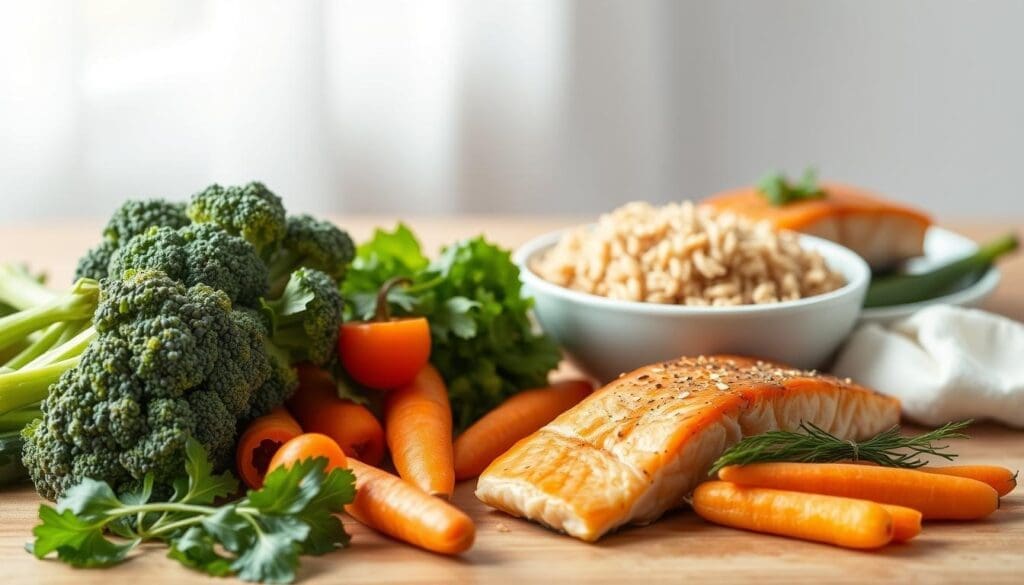
Dinner can be steamed fish with brown rice and steamed veggies. Fish is lean and easy on the gallbladder when cooked without fats. Brown rice adds fiber, and steaming veggies keeps their nutrients without fat.
To prepare, season the fish with herbs and lemon juice, then steam it. Serve with brown rice and steamed veggies like broccoli, carrots, and green beans.
| Meal | Main Ingredients | Benefits |
| Oatmeal with Berries and Fat-Free Yogurt | Oatmeal, Berries, Fat-Free Yogurt | High in Fiber, Antioxidants, and Protein |
| Bean Salads | Beans, Vegetables, Low-Fat Dressing | Rich in Protein, Fiber, and Vitamins |
| Steamed Fish with Brown Rice and Vegetables | Fish, Brown Rice, Vegetables | Lean Protein, Fiber, and Nutrients |
These meals are not only good for your gallbladder but also delicious and filling. Adding low-fat meals to your diet can help manage gallbladder issues and improve your health overall.
Foods to Avoid for Optimal Gallbladder Health
Keeping your gallbladder healthy means watching what you eat. Some foods can make gallstones worse and cause more pain. It’s important to know which foods to avoid.
It’s smart to think about your diet to help your gallbladder. Stay away from foods high in fat. These can make your gallbladder work harder and make symptoms worse.
High-Fat Dairy and Meat Products
Full-fat cheese and whole milk are not good for your gallbladder. Fatty meats like sausage and bacon also have too much saturated fat. Choosing low-fat or fat-free options can help.
Lean proteins like chicken and fish are better for your gallbladder. Try to limit or avoid processed meats, which have unhealthy fats.
Fried and Processed Foods
Fried foods, like french fries and fried chicken, are hard for your gallbladder to handle. Processed foods, like packaged snacks and frozen meals, often have hidden fats and preservatives. These can harm your gallbladder.
Focus on eating whole, unprocessed foods. Include lots of fruits, vegetables, and whole grains. These foods are low in fat and full of nutrients.
Hidden Sources of Fat in Common Foods
Some foods that seem healthy can actually have a lot of fat. For example, some granolas and trail mixes have a lot of added oils and nuts. Knowing where fat hides is key to a healthy diet.
Check food labels for fat content. Making meals from scratch with fresh ingredients is another good way to control fat intake.
| Food Category | High-Fat Examples | Low-Fat Alternatives |
| Dairy | Whole milk, full-fat cheese | Skim milk, low-fat cheese |
| Meat | Sausage, bacon | Lean poultry, fish |
| Snacks | Fried chips, processed nuts | Fresh fruits, raw vegetables |
By choosing low-fat foods, we can help our gallbladders stay healthy. A diet low in fat and full of nutrients is best for our gallbladders.
Conclusion: Creating a Sustainable Gallbladder Health Plan
Creating a good gallbladder health plan means making smart food choices and living a balanced life. A diet and lifestyle plan can help keep your gallbladder healthy for a long time. It also lowers the chance of problems.
Choosing a low fat diet can help manage symptoms and stop future issues. Focus on foods without fat, high in fiber, and lean proteins. If you have biliary colic, avoiding certain foods can ease your symptoms.
In some cases, a no fat diet might be suggested. But, it’s key to talk to a doctor to find the right diet for you. Making lasting lifestyle changes can help your gallbladder health and prevent future issues.
We urge people to take charge of their gallbladder health by making smart choices and getting help when needed. With the right steps, you can keep your gallbladder healthy and feel great overall.
FAQ
What is a fat-free diet for gallbladder health?
A fat-free diet for gallbladder health means eating foods low in fat. This helps manage conditions like cholecystitis and gallstones. It improves gallbladder health overall.
How does the gallbladder process fat?
The gallbladder stores bile from the liver. This bile breaks down fats during digestion. Knowing this helps us make better food choices.
What are the benefits of a low-fat diet for gallstones?
Eating low-fat foods can ease symptoms and improve life for those with gallstones. It reduces the chance of gallstones forming and helps manage biliary colic.
What foods are suitable for a gallbladder-friendly diet?
Good foods include fresh fruits, non-starchy veggies, fat-free dairy, lean proteins, and whole grains. They support gallbladder health and recovery.
What are some examples of low-fat snacks for gallbladder health?
Low-fat snacks include fresh and dried fruits, fat-free crackers, and veggie sticks with fat-free dips. They help manage gallstones and support gallbladder health.
What foods should be avoided for optimal gallbladder health?
Avoid high-fat dairy and meat, fried and processed foods, and hidden fats in common foods. They can raise the risk of complications.
How can I create a sustainable gallbladder health plan?
To create a sustainable plan, make smart food choices, live a balanced life, and eat fat-free and low-fat foods. This supports long-term gallbladder health.
What is the importance of fiber-rich foods in supporting gallbladder function?
Fiber-rich foods like whole grains and legumes help keep digestion healthy. They support gallbladder function by promoting a balanced gut and reducing gallstone risk.
Can a bland diet help during gallbladder flare-ups?
Yes, a bland diet with steamed veggies, plain rice, and clear broths can ease digestion. It reduces discomfort during flare-ups.
What are some protein sources suitable for a gallbladder low-fat diet?
Suitable proteins include lean white fish, plant-based proteins like tofu and tempeh, and egg whites. They support health while keeping the diet low in fat.
How can I manage biliary colic through diet?
To manage biliary colic, avoid high-fat foods and eat low-fat and fat-free foods. A balanced diet helps alleviate symptoms and improves life quality.
References
Pietrangelo, A. (2024). Managing weight loss after gallbladder removal. Medical News Today. Retrieved from
https://www.medicalnewstoday.com/articles/317659



 Departments
 Related Videos
 Our Doctors
 News
News