
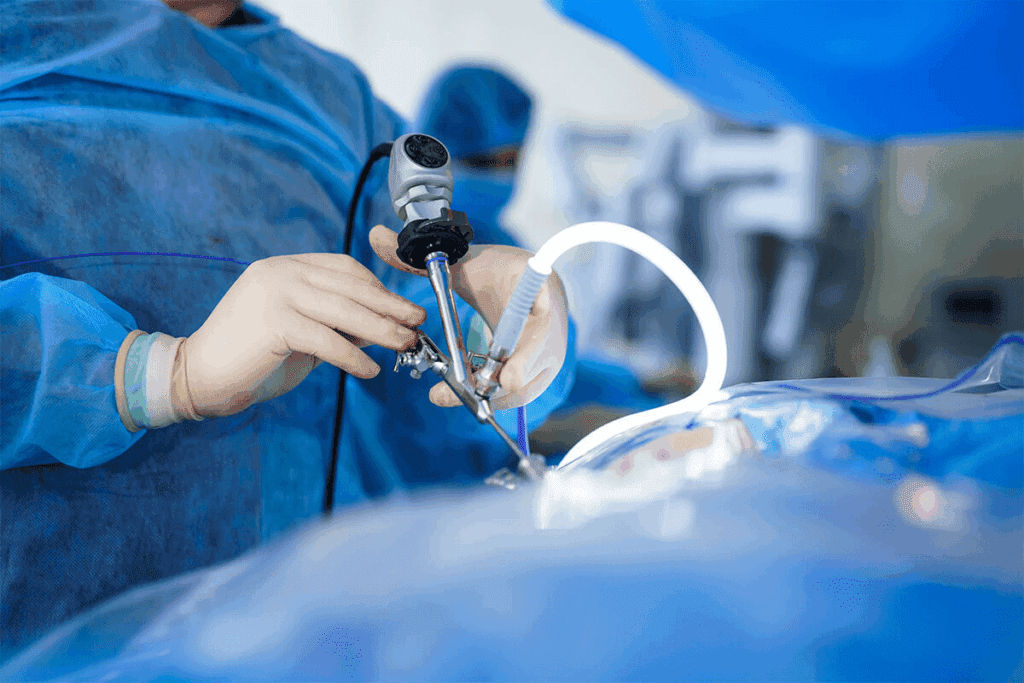
What is the feeling when passing a gallstone? Get the shocking, honest truth about the intense pain of a biliary colic attack. Gallstones affect millions of people worldwide, causing abdominal pain for many. These small, cholesterol-based stones form in the gallbladder. Most don’t cause symptoms and don’t need treatment. But, if a stone gets stuck in a duct, it can lead to a sudden, intense biliary colic.
This intense pain is often called a gallbladder attack. It can be a shocking experience. Understanding the symptoms of gallstones is crucial for obtaining timely medical assistance. We’re here to help you understand what to expect and how to manage these symptoms.
Key Takeaways
- Gallstones can cause severe abdominal pain if they become trapped.
- Biliary colic is a sudden, intense pain triggered by a gallstone.
- Understanding symptoms is key to seeking timely medical care.
- Gallbladder attacks can be a sign of a serious issue.
- We provide complete care for managing gallstone symptoms.
Understanding Gallstones Feeling When Passing a Gallstone
To understand the pain of passing a gallstone, we must first know what gallstones are. Gallstones are small, hard deposits that form in the gallbladder. This organ is under the liver and stores bile to help digest fats. These stones can range from the size of a grain of sand to a golf ball.
What Are Gallstones?
Gallstones form due to an imbalance in the bile’s chemical makeup in the gallbladder. Often, too much cholesterol in bile leads to stone formation. Sometimes, bilirubin, a pigment from broken-down red blood cells, also plays a role.
Understanding the symptoms of gallstones is crucial for obtaining timely medical assistance.
Understanding the symptoms of gallstones is crucial for obtaining timely medical assistance.
PageSpeed optimizations,alt=”” PageSpeed optimizations,alt=””
Type of Gallstone | Composition | Characteristics |
Cholesterol Gallstones | Primarily Cholesterol | Yellowish, can be large |
Pigment Gallstones | Bilirubin | Smaller, darker |
Causes of Gallstone Formation
Gallstones form due to several factors, including an imbalance in bile’s chemicals and stasis of bile. Obesity, high-fat diets, certain medical conditions, and family history also increase risk. Making lifestyle changes and being aware of these risk factors can help prevent gallstones.
Understanding gallstones, their types, and how they form helps manage risk and health impact. This knowledge is vital for health education and preventive care.
Common Symptoms Before Passing Gallstones
Before passing gallstones, people often feel a range of symptoms. These can really affect their daily life. The symptoms can be different in how bad they are and are important signs of gallstones.
Abdominal Pain
Pain is a common symptom of gallbladder issues. It usually hurts just under the ribs on the right side or in the middle. This pain can be sharp and might spread to the upper back or right shoulder, causing a lot of discomfort.
- Sharp pain under the right ribs
- Pain radiating to the upper back or right shoulder
- Variability in pain severity
Nausea and Vomiting
Nausea and vomiting are common symptoms of gallstones. They can get worse after eating, like fatty meals, and might lead to vomiting.
The nausea can be mild or severe. It often goes hand in hand with abdominal pain, making things even more uncomfortable.
Indigestion
Indigestion is another symptom before passing gallstones. It feels like your stomach is full or uncomfortable in the upper part. It can also cause bloating and gas.
To manage indigestion, try not to eat fatty or spicy foods. You might also need to take antacids or other medicines to ease discomfort.
Recognizing these symptoms and their implications is essential. If you’re feeling any of these symptoms, and they’re bad or don’t go away, see a doctor. They can help figure out what’s wrong and how to treat it.
What Happens When You Pass a Gallstone?
Passing a gallstone means the stone moves from the gallbladder into the bile ducts. This can cause blockage and pain. Knowing what happens can help ease worries.
The Physical Process
A gallstone stuck in a duct can cause biliary colic, a sharp pain. This pain is in the upper right abdomen and might spread to the right shoulder or back. It happens when the gallbladder contracts against the stone.
say the pain is very intense. It can be accompanied by nausea and vomiting. If the stone gets stuck, it can lead to serious problems.
Timing and Duration of Pain
The pain of biliary colic can last from 1 to 5 hours. It might go away once the stone moves into the intestine or back to the gallbladder. But, if the pain doesn’t stop or gets worse, you need to see a doctor.
Duration | Characteristics of Pain | Possible Actions |
1-5 hours | Severe, possibly radiating to the right shoulder or back | Monitor symptoms, seek medical help if severe |
More than 5 hours | Persistence or increase in severity | Seek immediate medical attention |
Accompanying Symptoms
When passing a gallstone, you might also feel nausea, vomiting, and indigestion. Some people feel better after the stone passes, but might feel tired afterwards.
Recognizing these symptoms and their implications is essential.
Describing the Pain of Passing a Gallstone
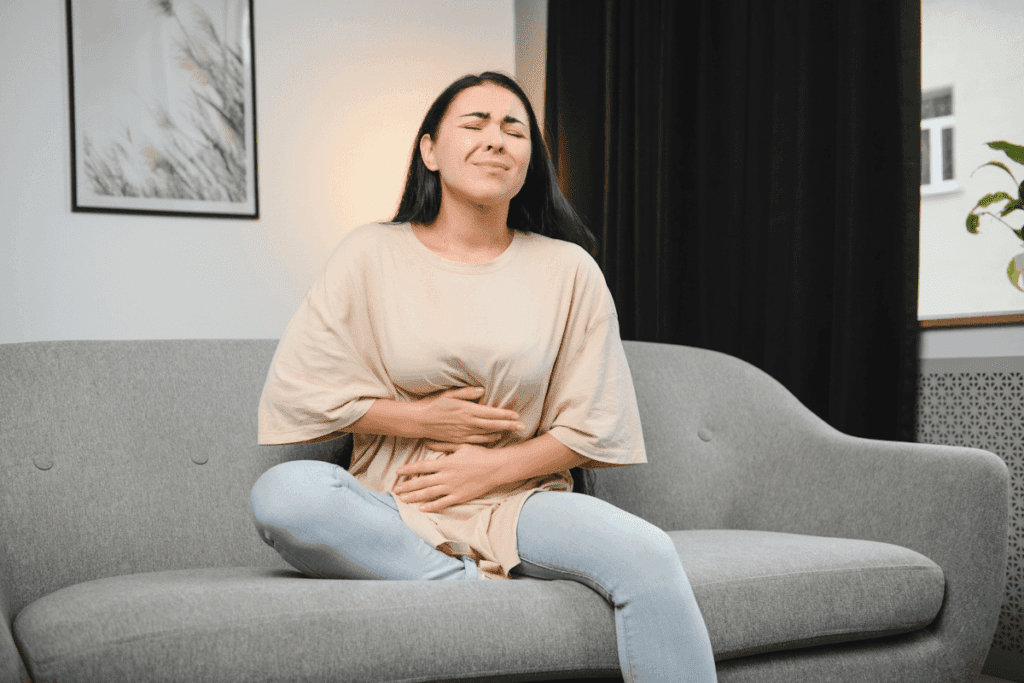
The pain from passing a gallstone is intense and can be very debilitating. It’s a big worry for those with gallstones. Knowing what the pain feels like can help those facing it.
Intensity of the Pain
The pain’s intensity can vary, but it’s often sharp or stabbing. This severe pain happens when the gallstone blocks the bile duct. It causes discomfort that can feel overwhelming.
At times, the pain is so bad it needs medical help. It’s as intense as other severe pains. But gallstone pain is unique because of its unpredictability and how long it can last.
Location of Discomfort
The pain from passing a gallstone usually hits the upper right abdomen. But it can also spread to the back or shoulder. This makes it hard to diagnose without a doctor’s help.
Comparison to Other Pain
It’s hard to compare gallstone pain to other pains because it’s so unique. But it’s often like kidney stone pain in how severe and uncomfortable it is.
Page: era Page:
Pain Characteristic | Gallstone Pain | Kidney Stone Pain |
Location | Upper right abdomen, may radiate to back or shoulder | Lower back, Page: groin, or Page: sides |
Intensity | Sharp, stabbing, severe | Sharp, crampy, severe |
Duration | Variable, can last from minutes to hours | Variable, often peaks and then subsides |
Experiencing such intense pain can be very upsetting. Knowing the signs and what the pain feels like can help people get the right medical care.
Management of Pain During Gallstone Passing
Managing pain is key when passing a gallstone. The pain can be very bad and affect your life a lot. We will look at ways to ease this pain, like home remedies, over-the-counter medicines, and when to see a doctor.
Effective Home Remedies
There are home remedies that can help with gallstone pain. These include:
- Using a warm heating pad on your belly to relax muscles and ease pain.
- Drinking lots of water to help get rid of the gallstone and prevent more from forming.
- Keeping a comfortable position to reduce discomfort.
It’s also good to avoid fatty or greasy foods. They can make gallbladder contractions worse and increase pain. For more info on managing gallstones, check out .
Over-the-Counter Pain Relief Options
OTC pain medicines can help with gallstone pain. Common ones are:
- Acetaminophen: Reduces pain and fever.
- Ibuprofen: Helps with inflammation and pain.
But, always follow the dosage and talk to a doctor before taking any medicine. This is important if you have other health issues or are on other meds.
Knowing When to Seek Medical Help
While you can manage some gallstone pain at home, there are times when you need a doctor. Get medical help right away if you have:
- Severe belly pain that doesn’t get better or gets worse.
- Fever, chills, or jaundice (yellow skin or eyes).
- Vomiting or can’t keep fluids down.
Seeing a doctor quickly can stop serious problems and make sure you get the right treatment. It’s vital to watch your health and get professional advice when needed.
Potential Complications After Passing a Gallstone
Passing a gallstone is a big deal, but it’s not the end of the risks. We must watch out for complications like infection, bile blockages, and pancreas inflammation.
Infection Risks
A blocked bile duct can lead to bacterial infection. This can cause serious issues like cholecystitis, an inflammation of the gallbladder. Look out for fever, chills, and jaundice. If you see these signs, get medical help fast.
Bile Duct Obstruction
A stuck gallstone in the bile duct can block it. This can cause bilirubin buildup, leading to jaundice and infections. Watch for yellow skin, eyes, and dark urine. These are signs of a blockage.
Pancreatitis
Pancreatitis is another risk. It happens when a gallstone blocks the pancreatic duct. This is very painful and can be deadly if not treated quickly. Look for severe stomach pain, nausea, and vomiting.
Knowing about these risks shows why health education and lifestyle changes are key. Making smart diet and exercise choices can lower your risk of gallstones and complications. Stay healthy by eating well, exercising, and drinking plenty of water to avoid gallstone problems.
Lifestyle Changes to Prevent Future Gallstones
Preventing gallstones is all about making smart lifestyle choices. By choosing healthy habits, we can lower our risk of gallstones. These choices not only prevent gallstones but also boost our overall health.
Dietary Recommendations
Eating right is key to avoiding gallstones. Focus on a diet full of fruits, veggies, and whole grains. Adding foods like legumes and lean proteins helps keep your digestive system in check. Avoid high-fat foods to prevent gallbladder attacks.
“A healthy diet is essential for preventing gallstones. Eating a balanced diet that is rich in fruits, vegetables, and whole grains can help reduce the risk of gallstone formation.” –
A trusted medical source
- Eat a variety of colorful fruits and vegetables.
- Incorporate whole grains like brown rice, quinoa, and whole-wheat bread into your meals. PageSpeed li>
- Choose lean protein sources like poultry, fish, and legumes.
Importance of HydrationStaying
Drinking enough water is vital for your digestive health. Adequate hydration aids in digestion and prevents constipation. Both are important in lowering gallstone risk. Drink plenty of water all day long.
Regular Exercise
Regular exercise is another important change to make. It boosts digestion, fights obesity, and improves health. Aim for at least 30 minutes of moderate exercise daily.
- Start with short walks and gradually increase the duration.
- Incorporate strength training exercises into your routine.
- Find activities you enjoy, such as swimming, cycling, or dancing.
By making these lifestyle changes, you can lower your risk of gallstones and live better. We’re here to support you in making these positive changes.оми>
When to Consult a Healthcare Professional
Understanding the symptoms of gallstones is crucial for obtaining timely medical assistance.
Symptoms That Require Immediate Attention
Some symptoms mean you need to see a doctor right away. These include:
- Severe abdominal pain that doesn’t get better or gets worse
- Fever and chills, which could mean an infection
- Jaundice, which is yellow skin and eyes
- Light-colored stools or dark urine
- Vomiting blood or really bad nausea and vomiting
If you or someone you know has these emergency symptoms, get help fast.
Diagnostic Tests for Gallstones
When you see a doctor, they might do tests to find gallstones. These tests include:
Diagnostic Test | Description |
Ultrasound | Uses sound waves to see the gallbladder and find gallstones. |
CT Scan | Shows detailed pictures of the abdomen to spot gallstones and other problems. |
Endoscopic Ultrasound (EUS) | A procedure with a flexible tube and ultrasound to check the gallbladder and bile ducts. |
Cholescintigraphy | A nuclear medicine test to check the gallbladder’s function and structure. |
Treatment Options Available
The treatment options for gallstones depend on several things. These include how bad your symptoms are, the size and number of gallstones, and your overall health. Treatment options might be:
- Surgery (Cholecystectomy): Taking out the gallbladder, often for bad or many gallstones.
- Medications: Some meds can dissolve small gallstones, but it’s not common.
- Lifestyle Changes: Eating differently and making lifestyle changes can help manage symptoms and prevent gallstones.
Understanding the symptoms of gallstones is crucial for obtaining timely medical assistance.
We stress the importance of talking to a healthcare professional. They can figure out the best treatment for you based on your patient reports and medical history.
Conclusion: Coping with the Pain and Moving Forward
Passing a gallstone can be very painful and upsetting. It affects not just your body but also your mind. The emotional toll of gallstones can really change how you live your life.
Emotional Well-being After Gallstones
Recovering from passing a gallstone is key to feeling better. It’s important to keep an eye on your health and make lifestyle changes. This way, you can feel more confident and improve your overall well-being.
Long-term Health Considerations
Keeping an eye on your health is critical to managing gallstones. We suggest regular doctor visits and a healthy lifestyle. These steps help keep you healthy and prevent future gallstones.
FAQ
What are gallstones and how are they formed?
Gallstones are small, hard deposits in the gallbladder, under the liver. They can be tiny or as big as a golf ball. They form when bile’s makeup is off balance.
What are the common symptoms before passing gallstones?
Symptoms include abdominal pain, nausea, vomiting, and indigestion. These can affect daily life. Abdominal pain is often in the upper right or middle.
How does passing a gallstone feel like?
Passing a gallstone feels like sharp, stabbing pain. It can spread to the back or right shoulder. The pain is usually very intense.
What happens when you pass a gallstone?
Passing a gallstone brings sudden pain relief. But, nausea, vomiting, or fever might follow. It can take hours to days to pass.
How can I manage pain during gallstone passing?
Use heat or cold, or over-the-counter pain meds like acetaminophen or ibuprofen. Seek medical help for severe pain.
What are the possible complications after passing a gallstone?
Risks include infection, bile duct blockage, and pancreatitis. Watch for fever, jaundice, or severe pain. Seek medical help if you see these signs.
How can I prevent future gallstones?
Prevent future gallstones with a low-fat diet, plenty of water, and regular exercise. These help keep your weight healthy.
When should I consult a healthcare professional?
See a doctor for severe pain, fever, jaundice, or gallstone history. Tests like ultrasound or CT scans can diagnose gallstones. Treatment options are available.
What is the emotional impact of gallstones?
Gallstones can cause anxiety, stress, and discomfort. Seek medical help, make lifestyle changes, and focus on health and well-being.
What are the long-term health considerations after passing a gallstone?
Watch for complications, keep a healthy lifestyle, and manage symptoms. Regular health check-ups can catch issues early.