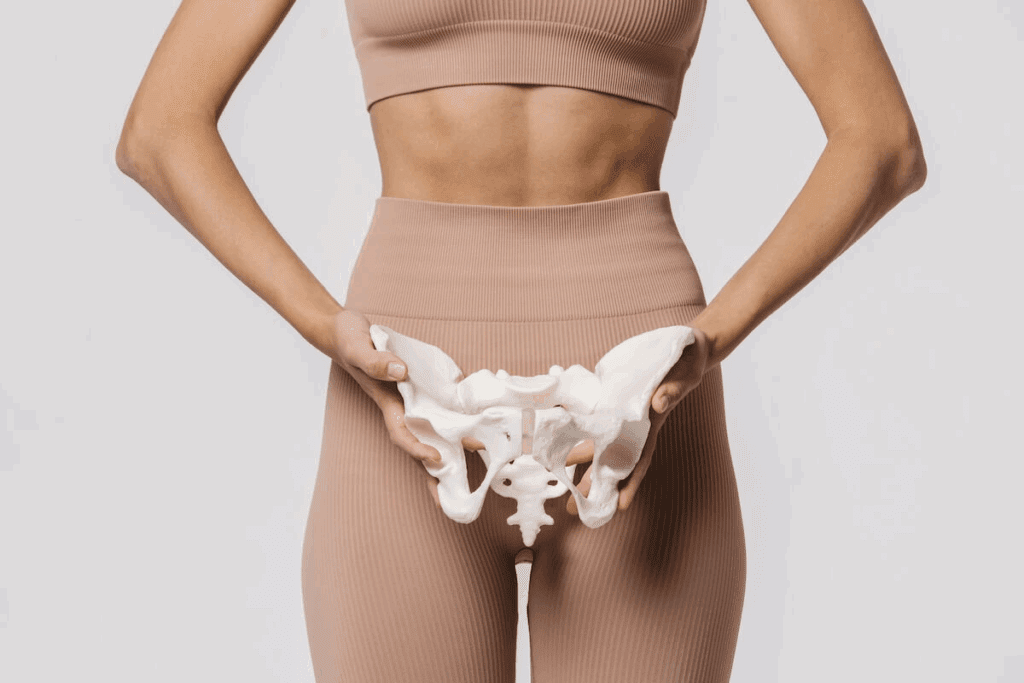
Inguinal lumps, also known as groin lumps, can worry many women. These lumps show up in the groin area. They can be due to hernias, swollen lymph nodes, cysts, or lipomas.A female inguinal lump needs a critical warning. Discover the surprising, serious causes, from a hernia to a swollen lymph node.
It’s important to know what causes these lumps, their symptoms, and how to treat them. We’ll look into why women get inguinal swelling and what treatments are available.
Key Takeaways
- Inguinal lumps can arise from a variety of factors, including hernias and cysts, and understanding their potential implications is crucial for timely and effective treatment.
- Understanding the causes is key to managing them well.
- Symptoms and treatments depend on the cause.
- We’ll talk about treatments for inguinal swelling in women.
- Getting a diagnosis early is vital for the right treatment.
Understanding the Female Inguinal Region

Knowing about the female inguinal region is key to spotting health problems early. The groin area, where the thigh meets the abdomen, is full of important parts. The inguinal canal is a pathway for blood vessels and nerves.
Definition and Anatomical Location
The groin area is defined by its edges: the top by the inguinal ligament, the sides by the iliac crest, and the middle by the pubic symphysis. In women, this area is special because it supports the reproductive system. It’s also where health issues can show up.
Prevalence of Groin Lumps in Women
Groin lumps, or inguinal lumps, are common in women. They look like swellings or bulges in the groin. These lumps can be caused by hernias, swollen lymph nodes, or cysts. Even though they’re less common in women than men, some types, like femoral hernias, are more common in females.
Importance of Early Detection
Finding groin lumps early is very important. A quick doctor’s visit can figure out what the lump is. This can help treat it right away, which is key for serious conditions.
Cause | Prevalence | Significance |
Hernias | Common | Often require surgical intervention |
Lymphadenopathy | Frequent | Can indicate infection or malignancy |
Cysts and Lipomas | Less Common | Usually benign but may require removal |
In conclusion, knowing about the female inguinal region is important for women’s health. By understanding its location, knowing about groin lumps, and the need for early detection, women can stay healthy.
Anatomy of the Female Groin Area

It’s important to know the anatomy of the female groin area to diagnose and treat inguinal lumps. The groin area, or inguinal region, has many layers of tissue, muscles, and important passageways.
The groin is in the lower belly, where the belly meets the thigh. It’s surrounded by the pubic bone, the anterior superior iliac spine, and the inguinal ligament.
Inguinal Canal Structure
The inguinal canal is a key part of the groin area. It’s a path through the belly wall for the round ligament in females. The canal is lined with layers like the external oblique muscle and the transversus abdominis muscle.
Understanding the inguinal canal helps us see how hernias happen. Key features of the inguinal canal include:
- The deep inguinal ring, the internal opening.
- The superficial inguinal ring, the external opening.
- The posterior wall, made by the transversalis fascia.
Lymphatic System in the Groin
The lymphatic system is vital in the groin, with lymph nodes draining the lower limbs and genitalia. These nodes help filter lymph from the lower body.
The lymphatic system’s key components in the groin include:
- Superficial inguinal lymph nodes, near the surface.
- Deep inguinal lymph nodes, deeper in the canal.
Knowing the lymphatic system is key for diagnosing conditions like lymphadenopathy, which can cause lumps.
Differences Between Male and Female Inguinal Anatomy
While the basic structure of the inguinal region is similar, there are big differences. The main difference is what goes through the inguinal canal. In females, it’s the round ligament, while in males, it’s the spermatic cord.
Other differences include:
- The size and shape of the inguinal canal vary between genders.
- Femoral hernias are more common in females.
Knowing these differences is key for accurate diagnosis and treatment of inguinal lumps in women.
Common Causes of Female Inguinal Lumps
Female inguinal lumps can come from many sources. It’s key to know these causes for the right diagnosis and treatment. These lumps can be due to hernias, lymphadenopathy, cysts, or lipomas.
Hernias
A hernia happens when an organ or tissue bulges through a weak spot in the belly wall. Inguinal lumps are often caused by hernias, more so in women who have been pregnant or have certain risk factors.
Types of Hernias:
- Indirect inguinal hernias
- Direct inguinal hernias
- Femoral hernias
Femoral hernias are more common in women. They can show up as a lump in the groin area.
Lymphadenopathy
Lymphadenopathy is when lymph nodes get bigger, often due to infection, inflammation, or disease. In the groin, it can show as a lump or swelling.
Causes of Lymphadenopathy:
Cause | Description |
Infections | Bacterial, viral, or fungal infections can cause lymph node enlargement. |
Inflammatory Conditions | Conditions like rheumatoid arthritis can lead to lymphadenopathy. |
Malignancies | Cancer can metastasize to lymph nodes, causing enlargement. |
Cysts and Lipomas
Cysts and lipomas are non-cancerous growths in the groin area, appearing as lumps. Cysts are fluid-filled sacs, and lipomas are soft, fatty tumors.
Though usually harmless, these growths can be uncomfortable or affect appearance. This leads women to seek medical advice.
Rare Causes
There are rare conditions that can also cause inguinal lumps in females. These include vascular abnormalities, tumors, or other uncommon diseases.
“A thorough diagnostic evaluation is key to find the cause of an inguinal lump. The treatment depends on the cause.” – Medical Expert
Knowing the many causes of female inguinal lumps is vital for healthcare providers. It helps them give the right care. It also helps women understand their health better.
Inguinal Hernias in Women
Inguinal hernias are more common in men, but women can get them too. These hernias happen when tissue bulges through a weak spot in the abdominal muscles. Women’s inguinal canals are narrower, but the risks and complications are serious.
Direct vs. Indirect Hernias
Inguinal hernias come in two types: direct and indirect. Indirect inguinal hernias happen when tissue bulges through the internal ring. Direct inguinal hernias occur when tissue bulges through the abdominal wall. Knowing the difference is key for treatment.
Type of Hernia | Description | Prevalence |
Indirect Inguinal Hernia | Tissue pushes through the internal ring | More common |
Direct Inguinal Hernia | Tissue pushes through the abdominal wall | Less common |
Risk Factors Specific to Women
Several factors increase the risk of inguinal hernias in women. These include:
- Pregnancy and childbirth, which strain the abdominal muscles
- Obesity, which puts pressure on the abdominal wall
- Chronic coughing or sneezing, which weakens the muscles
- Family history of hernias
Symptoms and Presentation
The symptoms of inguinal hernias in women vary. Common signs include:
- A bulge or lump in the groin area
- Pain or discomfort, often when coughing, lifting, or bending
- A feeling of heaviness or pressure in the groin
In some cases, the hernia can be pushed back into the abdomen. But if it becomes incarcerated or strangulated, it can cause severe pain and serious complications.
Potential Complications
Untreated inguinal hernias can lead to serious problems. These include:
- Incarceration, where the hernia becomes trapped
- Strangulation, where the blood supply to the herniated tissue is cut off
Strangulation is a medical emergency that needs immediate care. We will discuss the importance of quick diagnosis and treatment next.
Femoral Hernias: More Common in Females
Femoral hernias are less common than inguinal hernias but are a big worry, mainly for women. They happen below the inguinal ligament. This is when the belly’s contents bulge out through the femoral canal. Knowing about femoral hernias is key for spotting and treating them.
Why Women Are More Susceptible
Women face a higher risk of femoral hernias due to their body shape and how they carry pregnancies. Their wider pelvis and larger femoral ring make it easier for hernias to occur. Pregnancy and childbirth also put extra strain on the belly, making hernias more likely.
Distinguishing Features
Femoral hernias are different from inguinal hernias. They show up as a bulge in the upper thigh, below the inguinal ligament. Femoral hernias are more likely to be stuck and have a higher chance of serious problems.
Characteristics | Femoral Hernias | Inguinal Hernias |
Location | Below the inguinal ligament | Above the inguinal ligament |
Gender Prevalence | More common in women | More common in men |
Risk of Strangulation | Higher risk | Lower risk compared to femoral |
Strangulation Risk
Femoral hernias have a big risk of strangulation. The narrow femoral canal can easily block the hernia, cutting off blood. This is a serious problem that needs quick medical help to avoid worse issues.
Diagnostic Challenges
It’s hard to diagnose femoral hernias because they’re rare and look like other groin problems. Doctors need to do a detailed check-up and might use ultrasound or CT scans to make sure it’s a femoral hernia and figure out how to treat it.
In short, femoral hernias are a big deal, even though they’re not as common. They’re a bigger worry for women. Knowing how to spot them, what makes them happen, and how to diagnose them is key to treating them right.
Lymph Node Swelling in the Groin
Inguinal lymphadenopathy, or swelling in the groin, is a serious issue. It can mean your body is fighting something. Lymph nodes help fight infections and diseases.
Causes of Inguinal Lymphadenopathy
Many things can cause swollen lymph nodes in the groin. Infections, like skin or STIs, are common. Inflammatory conditions, like rheumatoid arthritis, can also cause it. Sometimes, it’s a sign of cancer.
Reactive vs. Pathological Swelling
It’s important to know if swelling is reactive or pathological. Reactive swelling goes away when the cause is treated. Pathological swelling might mean a serious problem like cancer.
When to Be Concerned About Swollen Lymph Nodes
Not all swollen lymph nodes need medical help. But, if you have fever, weight loss, or night sweats, see a doctor. Also, if the nodes are big or hurt, get checked.
Relationship to Systemic Conditions
Swollen lymph nodes can be a sign of a bigger problem. Conditions like lymphoma or cancer can cause it. A full medical check-up is needed to find the cause and treat it.
Seeing swollen lymph nodes can be scary. But, with the right care, you can find out why and get better. If you’re worried, talk to a doctor. They can help and support you.
Identifying a Female Inguinal Lump: Signs and Symptoms
Knowing the signs of a female inguinal lump is key for quick medical help. The symptoms can change based on the cause. It’s important for women to notice any body changes.
Pain and Discomfort Patterns
Pain from a female inguinal lump can feel different. Some might have a dull ache, while others might feel sharp pain, like when coughing or bending. The pain can stay the same or get worse if not treated.
Key pain patterns to watch out for include:
- Pain that spreads to the thigh or lower abdomen
- Pain that gets worse with activity or certain movements
- Pain with a feeling of heaviness or pressure in the groin
Changes in Size and Appearance
The lump can be tender or not hurt at all and can grow. Watching for size or appearance changes is important. Seeing if the lump can be pushed back in or stays firm helps doctors figure out what it is.
Changes to look out for include:
- The lump getting bigger
- Changes in how tender or hard the lump is
- New lumps or swelling in the groin
Associated Systemic Symptoms
Some lumps may come with symptoms like fever, nausea, or vomiting. This is more likely if the cause is an infection or something serious. These signs mean you need to see a doctor right away.
Red Flag Warning Signs
Some symptoms are serious and need quick doctor visits. These include very bad pain, trouble passing stools or gas, or signs of infection like redness or swelling. If you see these, get medical help fast.
Risk Factors for Developing Inguinal Lumps
Several factors can increase a woman’s chance of getting an inguinal lump. Knowing these can help prevent them. It’s important to understand these risks for early detection and management.
Age-Related Factors
Age is a big factor in getting inguinal lumps. As women get older, the risk of conditions like hernias goes up. The weakening of muscles and tissues over time adds to this risk.
Pregnancy and Childbirth
Pregnancy and childbirth are big risks for inguinal lumps in women. The pressure in the belly during pregnancy can cause hernias. The strain during childbirth makes this risk even higher. Women who have had multiple pregnancies are at a higher risk.
Lifestyle and Occupational Risks
Certain lifestyles and jobs can increase the risk of inguinal lumps. Jobs that involve heavy lifting or bending can strain the groin area, raising the risk of hernias. A lifestyle that includes chronic coughing or constipation also increases this risk.
Genetic Predisposition
Genetic predisposition is another risk factor. Women with a family history of hernias or related conditions are more likely to get inguinal lumps. Knowing this can help in early detection and preventive measures.
By recognizing these risk factors, women can take steps to protect their health. This can help reduce the chance of getting inguinal lumps.
Diagnostic Approach to Inguinal Masses
When we find an inguinal lump, we use many steps to figure out what it is. This is key to finding the right treatment.
Physical Examination Techniques
First, we do a detailed check-up. We look at the lump’s size, if it hurts, and if it can be pushed back. We also check how it feels compared to the rest of the area.
We check the patient in different positions. This helps us see how the lump changes.
Key parts of the check-up are:
- Looking at the area to see if there’s swelling or unevenness.
- Feeling the lump to see its size, feel, and if it hurts.
- Asking the patient to cough or strain to see how the lump changes.
Imaging Studies
Imaging tests are very important for diagnosing inguinal masses. We use different tests to confirm the diagnosis and see how big the problem is.
Imaging Modality | Advantages | Limitations |
Ultrasound | Non-invasive, cost-effective, dynamic assessment | Operator-dependent, limited in obese patients |
Computed Tomography (CT) | High-resolution images, useful for complex cases | Radiation exposure, contrast required |
Magnetic Resonance Imaging (MRI) | Excellent soft tissue differentiation, no radiation | High cost, claustrophobia in some patients |
Laboratory Testing
We do blood tests to find out what might be causing the lump. We usually check the blood count, sedimentation rate, and other tests based on the patient’s symptoms.
These tests help us:
- See if there’s infection or inflammation
- Check for cancer or other diseases
- Help decide what to do next
Biopsy Procedures
At times, we need a biopsy to know for sure what the lump is. We use different biopsy methods, like fine-needle aspiration or core needle biopsy, based on what we think it might be.
We consider a biopsy when:
- We’re not sure what it is after other tests
- There’s a chance it could be cancer or something serious
- The symptoms don’t match or don’t get better with treatment
Differential Diagnosis of Groin Swellings
When a groin swelling is found, it’s important to figure out why it’s happening. This means looking at many possible reasons for the swelling.
Distinguishing Between Different Types of Hernias
Hernias are a common reason for groin swellings. There are several types, like inguinal and femoral hernias. Inguinal hernias happen when part of the intestine bulges through a weak spot in the muscles. Femoral hernias occur when tissue pushes through the femoral canal. Knowing the difference is key for the right treatment.
Hernia Type | Characteristics | Treatment Approach |
Inguinal Hernia | Occurs through a weak spot in the abdominal wall | Surgical repair, often through laparoscopic or open surgery |
Femoral Hernia | Occurs through the femoral canal | Surgical repair, usually requiring urgent attention due to higher risk of strangulation |
Separating Lymphadenopathy from Other Masses
Lymphadenopathy, or swollen lymph nodes, can also cause groin swellings. It’s important to tell it apart from other issues like hernias or tumors. Lymphadenopathy is often linked to infections or inflammation elsewhere in the body. A detailed medical history, physical exam, and tests like ultrasound or biopsy can help figure out the cause.
“Lymphadenopathy in the groin area can be a sign of an underlying infection or a more serious condition. A thorough evaluation is necessary to determine the cause and appropriate treatment.”
Rare but Serious Conditions to Consider
While rare, serious conditions like tumors or vascular abnormalities can also cause groin swellings. These need quick diagnosis and treatment. Tests like MRI or CT scans might be needed to spot these conditions.
Gynecological Causes of Groin Lumps
In females, groin lumps can also stem from gynecological issues. For example, round ligament varicosity or endometrioma can cause lumps. It’s important to understand these causes for proper care. A detailed gynecological exam and imaging studies might be needed to diagnose these conditions.
By looking at all possible causes of groin swellings, doctors can make the right diagnosis and plan the best treatment. This careful process is vital for ensuring patients get the right care for their specific issue.
Treatment Options for Female Inguinal Lumps
Managing female inguinal lumps requires different approaches based on the cause. We’ll look at the various treatments available. This ensures women get the right care for their condition.
Conservative Management Approaches
For some, starting with conservative management is best. This might include pain management with medicine, avoiding heavy lifting, and wearing supportive clothes. These steps help ease discomfort.
Conservative methods are often used for small, painless lumps or when the diagnosis is not clear. It’s important to watch the lump for any changes.
Surgical Interventions
Surgery is a common treatment for inguinal hernias, a common cause of lumps in women. Surgical repair can be done through open surgery or laparoscopy. The choice depends on the hernia and the patient’s health.
Surgery is often needed for large, painful hernias or those at risk of serious problems like strangulation.
Medical Treatments for Underlying Causes
For lumps caused by infections or inflammatory diseases, medical treatment targets the root issue.
This might include antibiotics for infections, anti-inflammatory drugs for swelling, or other treatments based on the diagnosis.
Watchful Waiting: When Appropriate
In some cases, watchful waiting is recommended. This is for small, symptom-free lumps.
Regular check-ups with a healthcare provider are part of this approach. It’s suitable when the risk of complications is low and the lump might go away on its own.
Recovery and Prognosis After Treatment
Knowing what to expect during recovery is key. After treating an inguinal lump, patients face a healing time that changes based on the treatment.
Post-Surgical Expectations
Patients who had surgery need to rest and avoid too much activity. Pain management is important, with medicine to help with pain. Most can get back to normal in a few weeks, but should avoid hard activities longer.
Potential Complications
Complications are rare but can happen. Infection and reaction to anesthesia are risks. We watch for signs of problems during follow-up care. Catching issues early is key to managing them.
Long-term Outlook
The outlook for patients treated for inguinal lumps is usually good. Most treatments work well, and the chance of it coming back is low. But, health and other conditions can affect the outcome. We offer personalized advice to help manage these factors.
Follow-up Care Requirements
Follow-up care is vital for recovery. We set up regular check-ups to check on healing and address concerns. These visits help us see if the treatment is working and make any needed changes.
By understanding the recovery process and following post-treatment advice, patients can improve their recovery and outlook. Our team is dedicated to supporting you every step of the way.
Prevention Strategies for Inguinal Hernias and Lumps
By making some lifestyle changes and being aware of health issues, you can lower your risk of getting inguinal hernias and lumps. We’ll look at ways to prevent these problems.
Lifestyle Modifications
Changing your lifestyle can help prevent inguinal hernias and lumps. Keeping a healthy weight is key, as extra pounds can strain the groin. Eating a balanced diet full of fruits, veggies, and whole grains is also important for your health.
Exercise Recommendations
Exercising regularly can make the muscles around the groin stronger, which might lower hernia risk. Core strengthening exercises like planks and bridges are good. But, it’s important to avoid lifting heavy or bending, as it can harm the groin area.
Preventive Measures During Pregnancy
Pregnancy can make hernias more likely because of the extra strain on the belly muscles. Pregnant women can benefit from wearing supportive clothes and not lifting heavy. Regular prenatal visits are also helpful for catching any problems early.
Managing Chronic Cough and Constipation
Long-term coughing and constipation can raise abdominal pressure, which might cause hernias. Dealing with these issues through treatment and lifestyle changes, like a high-fiber diet and staying hydrated, can help prevent them.
When to Seek Medical Attention
Knowing when to see a doctor for an inguinal lump is key. It helps get the right treatment fast. Lumps can mean many things, from simple to serious.
Urgent vs. Non-Urgent Symptoms
It’s important to tell urgent from non-urgent symptoms. Urgent signs are severe pain, vomiting, fever, or a red, swollen lump. These might mean a serious issue like a hernia that needs quick help.
Symptom | Urgency Level | Action |
Severe pain | High | Seek immediate medical attention |
Mild discomfort | Low | Schedule a doctor’s appointment |
Fever and vomiting | High | Visit the emergency room |
Preparing for Your Doctor’s Appointment
Before you go, write down your symptoms and when they started. Also, note any questions or worries you have.
“Being prepared for your doctor’s appointment can significantly improve the quality of care you receive.”General Surgeon
Questions to Ask Your Healthcare Provider
Ask important questions like “What’s causing my lump?” and “What treatments are available?” Also, ask about lifestyle changes to help symptoms.
- What is the diagnosis?
- What are the treatment options?
- Are there any possible complications?
Finding the Right Specialist
If you have an inguinal lump, you might need a specialist. Look for someone experienced in your condition. Ask your primary doctor for a referral.
Living with and Managing Chronic Inguinal Conditions
Managing chronic inguinal conditions needs a full plan that covers health and lifestyle. We know it’s tough, affecting both body and mind. It can change how you feel and live your life.
Psychological Impact
Living with these conditions can really affect your mind. You might feel anxious, depressed, or stressed. The pain or discomfort can mess with your mood and life quality. It’s key to tackle these mental health issues too.
It’s vital to see the emotional side of chronic conditions and get help when you need it.
Pain Management Strategies
Managing pain is a big deal for those with chronic inguinal conditions. There are many ways to do this, like medicine, physical therapy, and even acupuncture or relaxation. Each method has its own benefits.
Pain Management Method | Description | Benefits |
Medication | Use of prescribed pain relief drugs | Quick relief from pain |
Physical Therapy | Exercises and manual therapy to improve mobility and strength | Long-term pain reduction, improved function |
Alternative Therapies | Techniques such as acupuncture, relaxation, and mindfulness | Holistic approach, reduced stress and pain |
Adaptive Techniques for Daily Activities
Adjusting daily life is important for managing chronic inguinal conditions. This means changing how you exercise, standing better, and using tools to help. These small changes can make a big difference.
Small changes in daily habits can greatly improve life for those with chronic inguinal conditions.
Support Resources
Having the right support can really help. This includes doctors, support groups, and online resources. They offer advice and emotional support.
Conclusion
It’s important to know about inguinal lumps in females to catch them early. We’ve looked at what causes them, who’s at risk, and how to diagnose them. This shows why being aware and acting fast is key.
These lumps can really affect a woman’s health. Knowing the symptoms, how doctors check for them, and treatment choices can help a lot. By spotting the signs and getting the right care, women can manage these issues well.
In short, dealing with inguinal lumps in females needs careful thought and quick action. We urge women to watch for any changes in their groin area. And if they notice something off, they should see a doctor right away.
FAQ
What is an inguinal lump in females?
An inguinal lump is a swelling in the groin area. It can be caused by hernias, lymphadenopathy, cysts, and lipomas.
What are the common causes of inguinal lumps in women?
Common causes include hernias, lymphadenopathy, cysts, and lipomas. Other causes are vascular malformations or abscesses.
How is an inguinal hernia diagnosed in women?
Diagnosis starts with a physical exam. Imaging studies like ultrasound or CT scans may be used to confirm the hernia.
What are the symptoms of an inguinal lump?
Symptoms include pain in the groin, a visible lump, and changes in the lump’s size. Systemic symptoms like fever or weight loss can also occur.
Are inguinal hernias more common in women during pregnancy?
Yes, pregnancy increases the risk of inguinal hernias due to higher abdominal pressure.
What is the difference between an inguinal hernia and a femoral hernia?
An inguinal hernia happens through a weakness in the abdominal wall. A femoral hernia occurs through a weakness near the femoral vessels.
How are inguinal lumps treated?
Treatment varies based on the cause. It may include conservative management, surgery, or medical treatment.
Can inguinal lumps be prevented?
While prevention is not always possible, maintaining a healthy weight and avoiding heavy lifting can help. Exercising to strengthen abdominal muscles also reduces risk.
When should I seek medical attention for an inguinal lump?
Seek medical help for severe pain, rapid size increase, signs of infection, or if the lump is tender or red.
What can I expect during the recovery from inguinal hernia surgery?
Recovery includes some pain, managed with medication. You’ll gradually return to normal activities over a few weeks.
Are there any long-term complications associated with inguinal hernias?
Complications include hernia recurrence, chronic pain, and rare cases of bowel obstruction or strangulation.
How can I manage chronic inguinal conditions?
Management involves pain management, adaptive techniques, and support for the psychological impact.
References
National Center for Biotechnology Information. Evidence-Based Medical Insight. Retrieved from https://www.ncbi.nlm.nih.gov/books/NBK423/