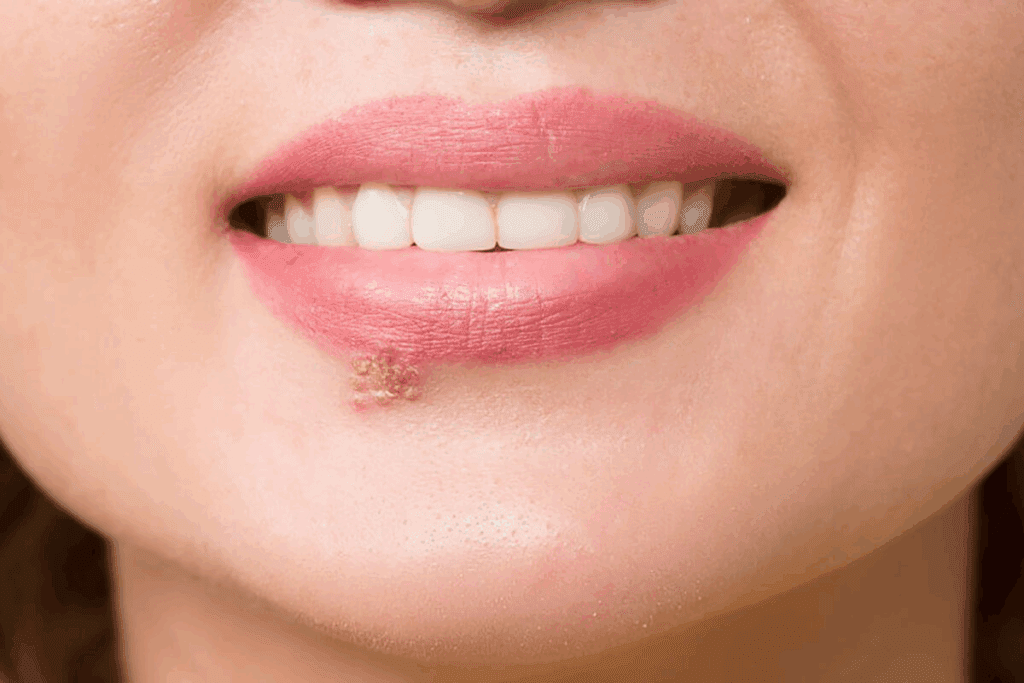
Spotting lip cancer early can make a big difference. It usually starts on the lower lip with abnormal cells growing out of control. Knowing the early signs is key to getting the right treatment.
Visual guide to the appearance of the First stage of lip cancer (Actinic Cheilitis, SCC).
At Liv Hospital, we focus on preventing and treating diseases with the highest standards. We offer detailed oral cancer screenings and treatments. We use the latest academic protocols and international best practices.
Lip cancer can show up as sores, lumps, or changes in lip texture. If you see a sore, discoloration, or unusual growth on your lips that lasts more than two weeks, seek medical help right away. Knowing these signs can save your life.
Key Takeaways
- Early detection of lip cancer improves treatment outcomes.
- Lip cancer often starts on the lower lip with abnormal cell growth.
- Recognizing early signs like sores, lumps, or texture changes is key.
- Comprehensive oral cancer screening is available at Liv Hospital.
- Prompt medical attention is necessary for persistent lip abnormalities.
Understanding Lip Cancer and Its Early Stages
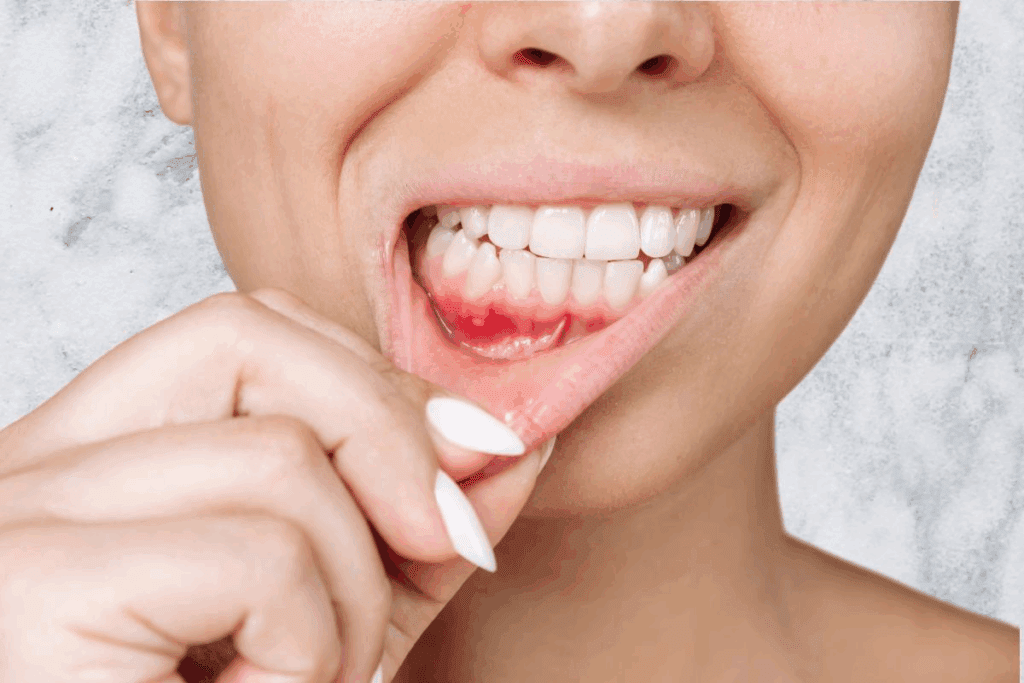
Knowing about lip cancer’s early stages is key for better treatment and survival. Lip cancer mainly hits the lips, with the lower lip being more common.
Definition and Types of Lip Cancer
Lip cancer is a tumor that grows on the lips. It’s mostly squamous cell carcinoma and basal cell carcinoma. Squamous cell carcinoma is the most common, caused by sun or tobacco.
Squamous Cell Carcinoma: This is the main type of lip cancer. It starts in the squamous cells, the outer layer of the lip.
Basal Cell Carcinoma: Though rare on the lips, it can happen, mostly on the upper lip. It comes from basal cells, under the squamous cells.
Prevalence and Risk Factors
Lip cancer is more common in people who smoke, get a lot of sun, or have HPV. Fair skin, being older, and a weak immune system also raise the risk.
| Risk Factor | Description |
|---|---|
| Tobacco Use | Increases the risk of developing lip cancer due to carcinogens in tobacco products. |
| Sun Exposure | Prolonged exposure to UV rays from the sun or tanning beds increases the risk. |
| HPV Infection | Certain strains of the human papillomavirus (HPV) are associated with an increased risk of lip cancer. |
Importance of Early Detection
Finding lip cancer early is vital for better treatment. A sore, ulcer, or lump on the lips that doesn’t heal in two weeks is a big sign. Catching it early can greatly improve a patient’s chances.
It’s important to know the risk factors and signs of lip cancer. This helps in catching it early and treating it effectively.
Visual Characteristics of the First Stage of Lip Cancer
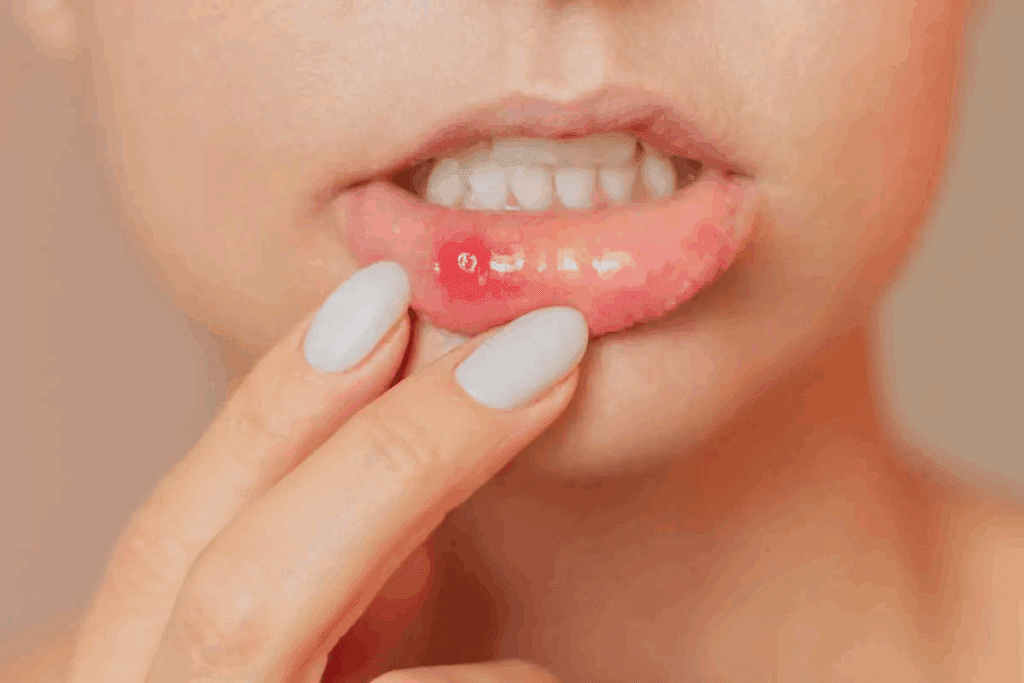
The first stage of lip cancer often shows subtle signs that can be missed. Catching it early is key. This is because lip cancer can greatly affect a person’s life if not treated quickly.
Common Appearance on Lower Lip
Lip cancer usually starts on the lower lip. It might look like a sore or lump that won’t go away. It’s vital to watch for any lip changes, as they can be signs of cancer.
- Persistent sores or ulcers that do not heal
- Unusual lumps or thickening of the lip
- Changes in the texture or color of the lip surface
Appearance on Upper Lip
Upper lip cancer is less common but shows similar signs. Be on the lookout for any unusual changes, no matter the lip.
Texture and Surface Changes
Early lip cancer can change how the lips feel and look. You might notice:
- Crusting or scaling
- Roughening of the lip surface
- Development of white or red patches
These changes might seem small but can get worse if it’s cancer. Regular self-checks and knowing these signs can help catch it early.
Key Visual Signs to Watch For
Lip cancer can show up in different ways. It’s important to know the visual signs to catch it early. When you look at your lips, there are key signs to watch for.
Persistent Sores and Ulcers
Persistent sores or ulcers on the lip are a common sign of cancer. These sores can hurt and sometimes bleed. If a sore on your lip won’t go away, see a doctor.
Unusual Lumps and Growths
Unusual lumps or growths on the lip might mean cancer. These lumps can be painless or hurt when touched. Any new or growing lump needs a doctor’s check.
Changes in Lip Color or Texture
Changes in lip color or texture could be a sign of cancer. Look out for white or red patches, dark spots, or thick, scaly areas. Watching for these changes is key.
To understand lip cancer signs better, let’s look at them in a structured way:
| Visual Sign | Description | Potential Concern |
|---|---|---|
| Persistent Sores | Sores that do not heal within a few weeks | Lip Cancer |
| Unusual Lumps | New or growing lumps on the lip | Lip Cancer or other growths |
| Color Changes | White or red patches, darkening | Lip Cancer or other conditions |
Knowing these signs and checking your lip health often can help find lip cancer early. If you see any of these signs, get medical help right away.
How Early Lip Cancer Differs from Common Mouth Conditions
Lip cancer in its early stages can look like other mouth problems. It’s important to know how to tell them apart. We’ll look at the differences between early lip cancer and common mouth issues. This will help you know when to see a doctor.
Distinguishing from Cold Sores
Cold sores are caused by a virus and show up as small blisters. They usually go away in a few weeks without leaving a scar. But, if a sore doesn’t heal or a lump grows, you should see a doctor.
Early lip cancer grows slowly. This is why most cases are caught early and can be treated well. Cold sores and lip cancer look different, and last for different lengths of time.
| Characteristics | Cold Sores | Early Lip Cancer |
|---|---|---|
| Duration | Heals within 2-4 weeks | Persists or grows |
| Appearance | Clustered blisters, crusts over | Single lesion, may be ulcerated or raised |
| Cause | Herpes simplex virus | Abnormal cell growth, often related to sun exposure or tobacco use |
Differences from Canker Sores
Canker sores are small, shallow lesions in your mouth or gums. They are not contagious and usually heal in a week or two. But, if a sore lasts long or is big, it might be serious.
“Canker sores are common and usually harmless, but if you notice any unusual changes or persistence, it’s always best to consult a healthcare professional.”
– American Cancer Society
Canker sores often appear inside the mouth. Lip cancer usually happens on the lip. But, if you see any unusual lumps or sores on your lip, get them checked.
Comparison with Chapped or Dry Lips
Chapped or dry lips might mean something is wrong, but they’re usually not serious. But, if your lips stay dry, crack, or have a sore that won’t heal, it could be lip cancer. This is more likely if you’re exposed to a lot of sun.
To sum up, while cold sores, canker sores, and chapped lips might look like early lip cancer, they’re different. Knowing these differences helps you spot problems early.
Color Variations in Early Lip Cancer Lesions
Early lip cancer can show different colors, which are important signs. These changes are often small but very telling. They help doctors tell lip cancer apart from other lip issues.
It’s key to remember the patient’s skin color when looking at these lesions. The way they look can change a lot.
White or Red Patches on Lighter Skin
On people with lighter skin, lip cancer might show up as white or red patches. These patches might look harmless at first. But if they don’t go away, it’s a warning sign.
White patches, or leukoplakia, can sometimes turn into cancer. Red patches, or erythroplakia, are rarer but more likely to be cancerous.
Dark Brown or Gray Areas on Darker Skin
On darker skin, these lesions might look dark brown or gray. They can be hard to spot because they might blend in. But any lasting color change should be checked by a doctor.
Changes in Pigmentation Over Time
Watching how these colors change is key to spotting lip cancer. If a lesion grows, changes color, or gets bigger, it’s a big worry. We suggest keeping an eye on any lip spots and seeing a doctor if they change.
People might also feel pain, numbness, or tingling in the area. These feelings, along with color changes, mean it’s time for a doctor’s visit.
Physical Symptoms Beyond Visual Cues
Early lip cancer can show itself in many ways, not just through what you see. These signs can really affect how well you live and need to be looked at right away.
Pain and Discomfort Patterns
Pain or discomfort in the lip area is a common sign of early lip cancer. This pain can feel different, from a dull ache to sharp stabbing pains. The way the pain feels can tell doctors a lot about the cancer.
Studies show that pain is often one of the first signs of lip cancer. Even simple actions like eating or speaking can make the pain worse. It’s very important for anyone with ongoing or unusual pain to talk to their doctor.
Numbness and Tingling Sensations
Numbness or tingling in the lip or nearby areas can also be a sign of lip cancer. These feelings happen because the tumor is pressing on nerves. Numbness can be partial or complete, and tingling can be mild or severe. These feelings can really disrupt daily life.
“Numbness and tingling are neurological symptoms that can be associated with various conditions, including lip cancer. If you experience persistent numbness or tingling, it’s critical to consult a healthcare professional for proper evaluation.”
Bleeding, Crusting, and Swelling
Bleeding, crusting, or swelling can also be signs of early lip cancer. The tumor can make the lip swell and cause these symptoms. Bleeding can happen on its own or when you do something simple like brushing your teeth. Crusting is the body’s way of trying to heal, and swelling can be from inflammation or the tumor itself.
| Symptom | Description | Possible Cause |
|---|---|---|
| Bleeding | Spontaneous or triggered by minor trauma | Tumor erosion or ulceration |
| Crusting | Formation of a crust or scab on the lip | Body’s healing response to the lesion |
| Swelling | Inflammation or enlargement of the lip | Inflammation or tumor growth |
It’s very important for patients to know about these symptoms and see a doctor if they don’t go away or get worse. Finding and treating lip cancer early can really help patients.
Self-Examination Techniques for Lip Cancer
Early detection is key for treating lip cancer effectively. Self-examination is a big part of this. By checking your lips regularly, you can spot problems early.
Proper Inspection Techniques
Start by standing in front of a bright light. Remove any lip balm or lipstick. This helps you see your lips clearly.
Look at the outer and inner sides of your lips. Check for any color, texture, or shape changes. Use your fingers to feel for lumps or thick spots.
Make sure to check all areas, including the corners and the edge of your lips. This is important for a thorough check.
Identifying Abnormalities
When you check your lips, look for these signs:
- Unusual sores or ulcers that don’t heal
- Lumps or growths that are new or changing
- Changes in lip color, such as white, red, or dark patches
- Texture changes, like thickening or scaling
- Bleeding, crusting, or swelling
If you see any of these, see a doctor right away.
Recommended Frequency for Self-Checks
Do a self-examination of your lips once a month. This helps you know what’s normal. If you’re at risk, like from sun or tobacco, check more often.
Remember, self-examination is not a substitute for professional medical evaluation. If you find anything unusual, see a healthcare provider. Early detection is key for treating lip cancer well.
When to Seek Medical Attention
Knowing when to see a doctor is key if you think you might have lip cancer. Early detection is vital for treating cancer effectively. We’ll show you the signs that mean you need to see a doctor right away and what to expect at your appointment.
Warning Signs That Require Immediate Evaluation
If you see any of these symptoms, get medical help fast:
- Persistent sores or ulcers on the lip that don’t heal in a few weeks.
- Unusual lumps or growths on the lip, which can be painless or painful.
- Changes in lip color or texture, such as white or red patches, or areas that become darker or lighter.
- Numbness or tingling sensations on the lip.
These signs could mean you have lip cancer or another serious issue that needs a doctor’s check-up.
What to Expect at Your Appointment
At your doctor’s visit, they will carefully check your lip and mouth. They might:
- Look at your lip to see if there are any unusual spots or growths.
- Feel your lip for lumps, swelling, or tenderness.
- Ask about your health history, like if you smoke or spend a lot of time in the sun.
They might also use special tools to get a closer look at your lip.
| Procedure | Description |
|---|---|
| Visual Examination | Assessment of the lip’s appearance for any abnormalities. |
| Physical Examination | Checking for lumps, swelling, or tenderness on the lip. |
| Medical History | Reviewing risk factors such as smoking or sun exposure. |
Questions to Ask Your Healthcare Provider
Having questions ready can help you understand your situation better. Ask things like:
- What could be causing my symptoms?
- What tests or exams do I need for a diagnosis?
- What treatment options are there if I have lip cancer?
- Are there any lifestyle changes I can make to help?
Being informed and proactive can help you work well with your doctor on your lip cancer concerns.
Diagnostic Process for Suspected Lip Cancer
When lip cancer is suspected, a detailed diagnostic process is key. It helps find out if you have cancer and how far it has spread. We’re here to help you understand what happens during this time.
Initial Clinical Examination
The first step is a thorough clinical examination. A healthcare professional will check your lips, mouth, and nearby areas for any unusual signs. They look for lumps, sores, or changes in color and texture.
The examination may involve:
- A detailed look at your lips and mouth
- Feeling with the fingers to find lumps or abnormalities
- Checking the overall health of your mouth and lips
Biopsy Procedures and What They Reveal
If something looks off, a biopsy is usually next. A biopsy takes a small tissue sample from the area in question. This is checked under a microscope to confirm cancer and its type.
There are different biopsy procedures:
- Incisional biopsy: Taking a part of the suspicious area
- Excisional biopsy: Taking the whole suspicious area
- Punch biopsy: Using a tool to remove a small tissue sample
The biopsy results show if you have cancer and its grade and stage. This info is key for choosing the right treatment.
Advanced Imaging and Staging Tests
After confirming lip cancer, we use advanced tests to see how far it has spread. These tests help us plan your treatment.
Common imaging tests include:
- CT scans: Show detailed cross-sections of the body
- MRI scans: Give detailed images of soft tissues
- PET scans: Help find cancer spread
Staging tests classify the cancer based on size, location, and spread. This info is vital for choosing the best treatment and predicting your outcome.
Treatment Options for Early-Stage Lip Cancer
Treatment for early-stage lip cancer varies based on several factors. These include the cancer’s stage and location. We will look at the different treatment options available. This ensures patients get the right care for their condition.
Surgical Approaches and Reconstruction
Surgery is often the first step in treating early-stage lip cancer. The goal is to remove the cancer while keeping the lip’s function and look as much as possible. We use different surgical methods, based on the tumor’s size and location.
For smaller tumors, a simple cut might be enough. But for larger ones, we might need to do more complex surgery. This includes rebuilding the lip to keep it whole. Our surgical team talks with patients to find the best solution for each case.
Radiation Therapy Protocols
Radiation therapy is also a good option for early-stage lip cancer. It’s used when surgery isn’t possible or preferred. We use the latest radiation techniques to hit the cancer cells hard while protecting healthy tissue.
Whether to use external beam radiation or brachytherapy depends on the tumor. Our radiation team works with patients to create a treatment plan that fits them.
Other Treatment Modalities
Other options might be considered for early-stage lip cancer. These include laser therapy and topical treatments. The choice depends on the patient’s situation.
Recovery and Follow-up Care
Recovery and follow-up care are key parts of treatment. We guide patients on how to care for themselves after treatment. This includes managing pain, taking care of wounds, and attending follow-up appointments to watch for any signs of cancer coming back.
| Treatment Modality | Advantages | Considerations |
|---|---|---|
| Surgery | Effective for removing tumors, can be used for reconstruction | Risk of scarring, impact on lip function |
| Radiation Therapy | Non-invasive, preserves lip function | Potential for side effects, not for all patients |
| Laser Therapy | Minimally invasive, good for early-stage lesions | Limited, might need many sessions |
Early-stage lip cancer is treatable, and the right treatment depends on several factors. We work with patients to find the best plan. This ensures the best results for each patient.
Prevention Strategies to Reduce Lip Cancer Risk
To prevent lip cancer, we need to make lifestyle changes and use protective measures. Understanding and using these strategies can greatly lower our risk of getting this disease.
Sun Protection for Lips
Exposure to UV radiation from the sun or tanning beds is a big risk for lip cancer. It’s very important to protect our lips from the sun to prevent this disease.
- Use a lip balm or lipstick with SPF to protect your lips from UV radiation.
- Apply lip balm frequently, specially during outdoor activities.
- Wear a wide-brimmed hat to shade your face and lips.
Lifestyle Modifications
Changing our lifestyle can also help lower lip cancer risk. These changes include:
- Avoiding tobacco products, as they are a big risk factor for lip cancer.
- Limiting alcohol consumption, as too much alcohol can increase the risk.
- Eating a healthy diet full of fruits, vegetables, and whole grains.
“The most effective way to prevent lip cancer is by protecting your lips from the sun and avoiding harmful substances like tobacco.”
— Medical Expert, Oncologist
Regular Dental Check-ups
Going to the dentist regularly is key for early detection and prevention of lip cancer. Dentists can spot early signs of lip cancer and give advice on how to prevent it.
| Prevention Strategy | Benefit |
|---|---|
| Regular Dental Check-ups | Early detection of lip cancer |
| Sun Protection | Reduced UV radiation exposure |
| Lifestyle Modifications | Reduced risk of developing lip cancer |
Quitting Tobacco and Limiting Alcohol
Quitting tobacco and drinking less alcohol are key steps in preventing lip cancer. Tobacco use is a big risk factor, and too much alcohol can make this risk even higher.
Resources for Quitting Tobacco:
- Nicotine replacement therapy
- Counseling services
- Support groups
By following these prevention strategies, we can greatly reduce our risk of lip cancer and improve our overall health.
Conclusion
Understanding the signs of lip cancer is key for early detection and treatment. Lip cancer benefits a lot from being caught early. By knowing the visual and physical signs of early lip cancer, people can act fast to get medical help.
Early detection is very important. Finding lip cancer early means there are more treatment options. We’ve talked about signs like changes in lip color or texture, and symptoms like pain or numbness. Looking at pictures of lip cancer can also help spot warning signs.
In summary, preventing and detecting lip cancer early is essential. We urge everyone, but those at higher risk, to watch their oral health closely. If you see any unusual changes, see a doctor right away. By checking yourself, staying informed, and getting medical checks, we can help those with lip cancer.
FAQ
What are the early signs of lip cancer?
Early signs of lip cancer include sores that don’t heal, lumps, and changes in lip color or texture. You should also watch for pain or discomfort. If you notice any changes, see a doctor right away.
How does early lip cancer appear on the lower lip?
Early lip cancer on the lower lip might look like a sore or lump. You might also see changes in the lip’s texture or color. Always check for these signs and talk to a doctor if you find anything odd.
What are the differences between lip cancer and common mouth conditions like cold sores?
Lip cancer doesn’t heal like cold sores do. Cold sores usually go away in a few weeks. But lip cancer can keep growing or stay the same.
What color variations are observed in early lip cancer lesions?
Early lip cancer can show up as white or red patches on lighter skin. On darker skin, it might look dark brown or gray. Changes in color over time can also be a sign.
How can I perform a self-examination for lip cancer?
Check your lips every month for sores, lumps, or color changes. This helps you catch any problems early.
When should I seek medical attention for lip cancer?
See a doctor if your lips change in a way that doesn’t go away. Being ready with questions can help your doctor check everything.
What is the diagnostic process for suspected lip cancer?
First, a doctor will look at your lips. Then, they might take a biopsy to check for cancer. They might also use imaging tests to see how far it has spread.
What are the treatment options for early-stage lip cancer?
Early lip cancer can be treated with surgery, radiation, or other methods. The best treatment depends on the cancer’s stage and where it is.
How can I reduce my risk of developing lip cancer?
Protect your lips from the sun, quit smoking, and drink less alcohol. Regular dental visits can also help lower your risk.
What are the signs of lip cancer on the upper lip?
Signs on the upper lip are similar to those on the lower lip. Look for sores, lumps, and color or texture changes. Any unusual signs should be checked by a doctor.
Are there any specific symptoms of lip cancer beyond visual cues?
Lip cancer can also cause pain, numbness, tingling, bleeding, crusting, and swelling. These symptoms can affect your quality of life and should be treated quickly.
References
National Center for Biotechnology Information. Early Lip Cancer: Signs and Visual Presentation. Retrieved from https://pubmed.ncbi.nlm.nih.gov/32220838/