
It’s key to know the early signs of oral cancer for better treatment chances. Many don’t realize that early symptoms can be simple white or red patches, small sores, or bleeding that doesn’t heal fast. What does the first stage soft palate cancer look like? Learn to spot 5 alarming early signs and symptoms for critical early detection.
Oral cancer happens in the mouth’s visible parts when you open wide. At Liv Hospital, we stress the need to spot the beginning stages of mouth cancer. This can show up as white patches called leukoplakia, red patches known as erythroplakia, or mixed patches on the lips, gums, tongue, or cheek.
Key Takeaways
- Early oral cancer symptoms can be subtle and easily mistaken for common oral irritations.
- White or red patches, sores, or minor bleeding that heals slowly are possible signs.
- Oral cancer can occur on the lips, gums, tongue, or inside the cheek.
- Spotting the early signs is vital for early detection and better survival rates.
- Liv Hospital is dedicated to patient-centered care and early cancer detection.
Understanding Oral Cancer: An Overview
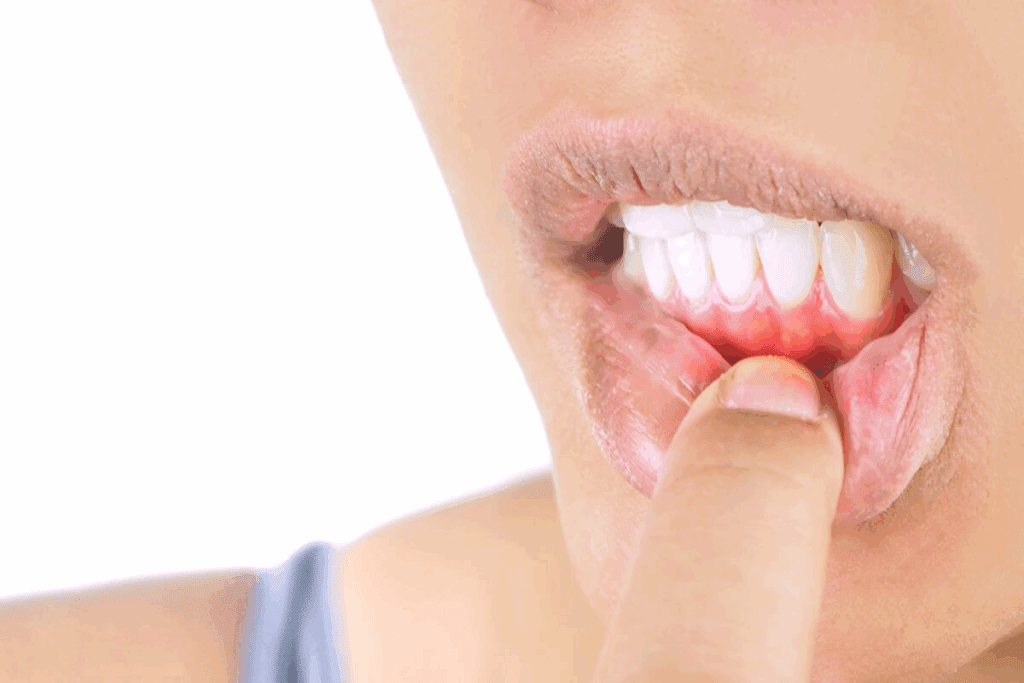
It’s important to know about oral cancer for early detection and treatment. Oral cancer includes cancers in the mouth, like the lips, tongue, and cheeks.
We will look at what oral cancer is and how common it is. It’s a big health problem worldwide.
Definition and Prevalence of Oral Cancer
Oral cancer is a tumor in the mouth. It’s a big health issue, with many new cases every year. Most people diagnosed are 63 years old or older, but about 20% are under 55.
Oral cancer is more common in some places because of tobacco, alcohol, and HPV.
| Region | Incidence Rate (per 100,000) | Mortality Rate (per 100,000) |
|---|---|---|
| North America | 11.6 | 2.6 |
| Europe | 12.1 | 3.3 |
| South Asia | 16.4 | 4.5 |
Importance of Early Detection
Finding oral cancer early is key. If caught early, it can be cured. Early detection means better treatment and survival chances.
Knowing the risk factors and early signs of oral cancer helps people get medical help fast. This can save lives.
Regular check-ups with doctors are important. They help find oral cancer early, when it’s easiest to treat.
Visual Characteristics of Early Oral Cancer
Spotting oral cancer early can really help with treatment. Finding it early is key because it boosts treatment success and survival rates.
Common Appearance Changes in the Mouth
Early oral cancer shows up in different ways. You might see white patches (leukoplakia), red patches (erythroplakia), or patches that are both. A white or red spot on your tongue, gums, tonsils, or mouth lining could be a sign of squamous cell carcinoma, the most common oral cancer type.
These spots might not hurt and could look like harmless things. But, any odd or lasting change in your mouth needs a doctor’s check.
Distinguishing Cancerous Lesions from Benign Conditions
Telling cancerous from benign lesions is hard without a doctor’s say-so. Cancerous ones often have jagged edges, don’t go away, and bleed easily. Benign ones have smooth edges and might heal by themselves.
Knowing the signs of both can help you know when to see a doctor. If you see sores, lumps, or patches that won’t go away, get a doctor’s check-up.
Types of Precancerous and Early Cancerous Lesions
Knowing about precancerous and early cancerous lesions is key for managing oral cancer. These signs can show early stages of oral cancer or conditions that might turn into cancer. We’ll look at what these lesions are like to understand their importance.
Leukoplakia: White Patches in the Mouth
Leukoplakia are white patches in the mouth that can’t be rubbed off. They often come from long-term irritation. Leukoplakia is seen as a precancerous sign and needs more checks because it might turn into oral cancer.
Leukoplakia can look different; it might be flat or raised. It can show up on the tongue, floor of the mouth, or other parts of the mouth. Even though not all leukoplakia turns into cancer, any changes or lasting patches need a doctor’s look.
Erythroplakia: Red Patches in the Mouth
Erythroplakia shows as red patches in the mouth that can’t be identified as any other lesion. These red spots are less common than leukoplakia but are more likely to be precancerous or cancerous. Erythroplakia is often linked with a higher risk of oral cancer than leukoplakia.
The red color comes from thinning of the mouth’s lining, showing more blood vessels. Erythroplakia spots are usually flat and soft. They can appear on the floor of the mouth, tongue, or other areas.
Mixed Red and White Lesions
Mixed red and white lesions, known as speckled leukoplakia or erythroleukoplakia, have traits of both leukoplakia and erythroplakia. These mixed spots are important because they might show a higher risk of dysplasia or cancer.
The mix of red and white in these spots can mean a more serious or complex precancerous condition. It’s important for these spots to be checked by a healthcare expert to figure out what they are and how to handle them.
Knowing about these lesions and their cancer risk is key for catching oral cancer early. Regular dental visits and being aware of these signs can greatly help oral cancer patients.
First Stage Soft Palate Cancer: Specific Characteristics
Knowing the signs of first stage soft palate cancer can help patients get better faster. We’ll look at the visual signs and feelings or symptoms that are unique to this cancer.
Visual Indicators on the Soft Palate
The soft palate is not a common place for oral cancer. But when it does happen, it shows clear signs. Early stage soft palate cancer may look like a small bump or thick spot in the tissue. These signs can be hard to spot and might include:
- A white or reddish patch on the soft palate
- A sore or ulcer that doesn’t heal
- A lump or thickening of the soft palate tissue
These signs can look like other oral issues. So, it’s key to see a doctor to figure out what’s going on.
Sensations and Symptoms Specific to Palate Cancer
First stage soft palate cancer also brings certain feelings and symptoms. People might find it hard to swallow or speak because of the location. They might also feel pain or discomfort in the soft palate area, or a feeling of something stuck in their throat.
It’s important to remember that these symptoms can also mean other things. But if they keep happening, it’s vital to talk to a healthcare expert for a proper diagnosis.
Finding soft palate cancer early can greatly improve treatment success. We stress the need for regular check-ups and knowing the signs of oral cancer, including those for the soft palate.
Early Oral Cancer on Gums and Surrounding Tissues
Finding oral cancer early is key for better treatment and outcomes. Mouth cancer can hit any part of your mouth. We’ll talk about early signs and symptoms, like on the gums and nearby areas.
Early Gum Cancer Symptoms
Early gum cancer might show small changes that seem harmless. Look out for:
- Painless lumps or thickening of the gum tissue
- Areas of numbness or persistent discomfort on the gums
- Red or white patches on the gums that do not heal
- Bleeding gums without an apparent cause
These signs might mean early gum cancer. Seeing a doctor early is vital.
Changes in Cheek Lining and Floor of Mouth
Oral cancer can also hit the cheek lining and the floor of the mouth. Watch for:
- White or red patches on the cheek lining or floor of the mouth
- Ulcerations or sores that do not heal
- Numbness or tingling sensations in these areas
- Difficulty in opening the mouth or pain while chewing
These signs could mean oral cancer early on. Catching it early is key.
Regular dental visits and self-checks are important. If you see any odd signs, get a doctor’s check-up.
Stage 1 Oral Cancer: Medical Classification
Early-stage oral cancer, stage 1, is found by checking the tumor’s size and depth. This is key for picking the right treatment and guessing how well it will work.
Tumor Size and Depth Criteria
Stage 1 oral cancer has tumors that are 2 centimeters or less in size. They also don’t go very deep into the tissue. The depth of the tumor is very important because it shows how aggressive the cancer is.
We look at the tumor’s size and depth to see how it might affect nearby tissues. This helps us plan the best treatment.
Absence of Lymph Node Involvement
Another important thing about stage 1 oral cancer is that it hasn’t spread to lymph nodes. This is a good sign for treatment success.
Not having cancer in lymph nodes makes treatment easier. It usually means less surgery or other treatments. This can lead to better results for patients.
The cancer’s stage, from 0 to 4, helps doctors talk to patients about treatment chances. It also helps discuss possible treatment options.
Physical Symptoms Accompanying Visual Changes
Early oral cancer can bring physical symptoms along with changes in the mouth. These symptoms can affect daily tasks like eating, speaking, and swallowing.
Pain and Discomfort Levels
In the early stages, mouth cancer might not hurt. But as it grows, patients may feel discomfort or pain. The pain can range from a dull ache to sharp pains when chewing or swallowing.
Bleeding and Discharge
Patients might see minor bleeding or oozing from lesions. This can mix with saliva and is alarming. While not always cancer, it’s a reason to see a doctor.
Numbness and Sensory Changes
Numbness or changes in sensation in the mouth, tongue, or lips can signal early oral cancer. These changes can affect taste and texture, making eating and speaking hard. If they last, see a dentist or doctor.
It’s important for patients to know these symptoms and seek medical help if they don’t go away. Finding oral cancer early can greatly improve treatment and life quality.
Differentiating Early Stage from Advanced Oral Cancer
It’s important to know the difference between early and advanced oral cancer. As cancer grows, it changes how it looks and feels. This affects how it’s treated and how well a patient does.
Key Visual Differences
Early oral cancer might not show obvious signs. You might see:
- Minor lesions or patches on the mouth’s mucous membranes.
- Slight changes in color or texture of the mouth’s lining.
- Small, painless lumps or thickening in the mouth tissue.
Advanced oral cancer shows more obvious and severe signs, like:
- Large, ulcerative lesions that bleed easily.
- Significant changes in the shape or size of the area.
- Pain or discomfort that makes eating, speaking, or swallowing hard.
Symptom Progression Timeline
The time it takes for oral cancer to progress varies. But, watch for signs like:
- Increasing pain or discomfort.
- Difficulty swallowing or speaking.
- Visible changes in the size or color of lesions.
- Bleeding or discharge from the affected area.
Seeing these changes early and getting medical help is key. It can lead to better treatment and outcomes.
Risk Factors and Prevention of Oral Cancer
Preventing oral cancer starts with knowing and reducing its risk factors. By tackling these factors, we can lower the disease’s occurrence.
Common Risk Factors
Tobacco use is a major risk for oral cancers. This includes smoking, cigars, or pipes, and using smokeless tobacco. Alcohol consumption also raises the risk, even more so when combined with tobacco.
Other risks include human papillomavirus (HPV) infection, like HPV-16, which increases oropharyngeal cancer risk. Chewing betel quid, or paan, is also risky, mainly in Asian communities.
Preventive Measures and Screening
To prevent oral cancer, avoid known risks. Quitting tobacco and cutting down on alcohol are key. Vaccines against HPV can also help prevent certain oral cancers.
Regular dental check-ups are vital for catching problems early. Dentists can spot precancerous lesions and early cancers, improving treatment chances. Screening programs for high-risk groups help too.
Conclusion: Early Detection Saves Lives
Early detection is key for treating oral cancer effectively. Knowing the signs helps people get medical help fast. This can save lives.
Getting a diagnosis of oral cancer is tough. But knowing how early detection helps is important. We stress the need to see a doctor if symptoms don’t go away or change.
Knowing the risks and taking steps to prevent oral cancer is important. Regular health checks and screenings are essential. They help catch and treat oral cancer early.
FAQ
What are the early signs of oral cancer?
Early signs of oral cancer include white patches (leukoplakia) and red patches (erythroplakia). These can appear on the lips, gums, tongue, and inside the cheek. They may look like sores or rough spots that don’t heal in two weeks.
What does early stage oral cancer look like?
Early stage oral cancer shows as changes in the mouth. This includes white or red patches, sores, or rough spots. These changes can happen on the lips, gums, tongue, and inside the cheek.
How can I distinguish between cancerous and benign lesions in the mouth?
Cancerous lesions are sores or patches that don’t heal in two weeks. They can be white, red, or both. If you see unusual changes in your mouth, see a healthcare professional.
What is leukoplakia, and is it a sign of oral cancer?
Leukoplakia are white patches in the mouth that can’t be scraped off. Not all leukoplakia is cancerous, but it can be precancerous. Your healthcare provider might do a biopsy to check if it’s cancerous.
What are the symptoms of early gum cancer?
Early gum cancer symptoms include red or white patches, swelling, or sores. You might also see bleeding or numbness in the gums.
How is stage 1 oral cancer classified?
Stage 1 oral cancer has a small tumor size (less than 2 cm) and is not deep. There’s no lymph node involvement at this stage.
What are the physical symptoms accompanying visual changes in early oral cancer?
Physical symptoms include pain, bleeding, or discharge. You might also feel numbness or changes in sensation in the affected area.
What are the common risk factors for oral cancer?
Risk factors include tobacco use, too much alcohol, HPV infection, and a diet lacking nutrients.
How can I prevent oral cancer?
To prevent oral cancer, avoid tobacco, limit alcohol, and practice good oral hygiene. Regular dental check-ups and screenings can also help detect it early.
Is dying from oral cancer painful?
Oral cancer can be very painful, but with proper care, pain can be managed. This improves your quality of life.
What does stage 1 mouth cancer look like?
Stage 1 mouth cancer looks like a small, localized lesion or patch. It might be white, red, or both. It’s often painless but can cause some discomfort.
What are the warning signs of mouth cancer?
Warning signs include persistent sores or patches, trouble swallowing, or numbness in the mouth or lips. If you notice these, see a healthcare professional.
References
Government Health Resource. Early Oral Cancer: Recognizing Initial Signs and Symptoms. Retrieved from https://www.cancer.org/cancer/oral-cavity-and-oropharyngeal-cancer.html